
Cao★ Manga ai brings Thai cooking into Sapporo’s late-night Susukino orbit, a compact counter-led room with Tabelog Asian cuisine / Ethnic cuisine EAST “Tabelog 100” selections in 2022, 2023, and 2024. Its appeal sits in the gap between Hokkaido’s high-spend dining circuit and the city’s sharper casual restaurants: small scale, low tariff, and enough recognition to require planning.
Pearl is the En Primeur Club membership app — saves, bookings, and concierge access live there. Same editors, same standards.
- Address
- Japan, 〒064-0805 Hokkaido, Sapporo, Chuo Ward, 南5条西 4丁目 1−3 日劇ビル2階
- Phone
- +81 11-563-5501
- Website
- m.facebook.com
 Saves & bookings on Pearl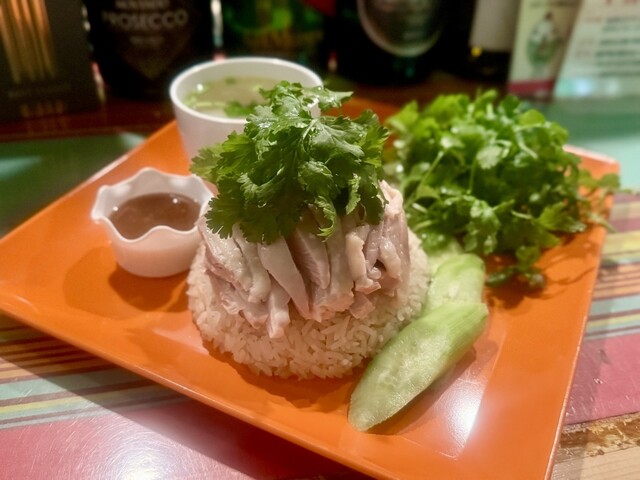
Susukino changes register after dark. The district’s bright vertical signs and late trains pull drinkers, office groups, and second-dinner hunters into a dense grid where ramen counters, izakaya, curry shops, and small ethnic restaurants compete by speed, confidence, and stamina rather than ceremony. In that setting, Thai food has a particular advantage: heat, acid, herbs, and rice all make sense after a first round elsewhere, and they make equal sense as the main event for diners who want Sapporo without another seafood set piece.
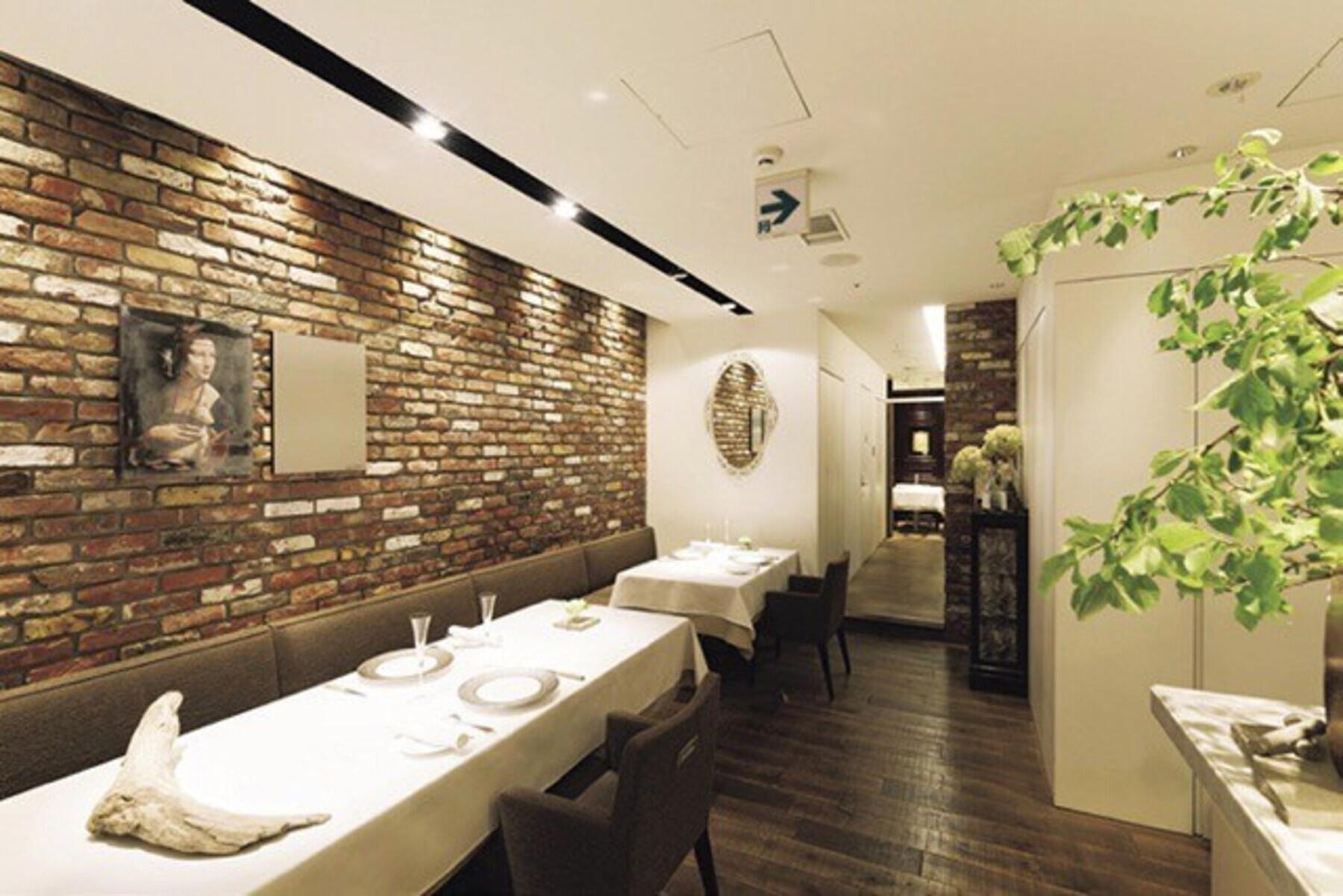
Cao★ Manga ai belongs to that compact Susukino category: small, informal, and more serious than its price bracket suggests. The room is built around counter seating and a limited number of seats, which changes the experience. This is not the broad, multi-page hotel Thai format familiar from bigger cities; it sits closer to Japan’s small specialist restaurants, where a narrow footprint forces a sharper kitchen identity. The Tabelog Asian cuisine / Ethnic cuisine EAST “Tabelog 100” selections in 2022, 2023, and 2024 give that reputation a measurable frame, especially in a city where Hokkaido beef, sushi, ramen, and soup curry tend to dominate outside attention.
Thai cooking inside Susukino's late-night food economy
Sapporo’s dining culture is often described through Hokkaido produce, but the city’s strongest eating districts are also shaped by after-hours practicality. Susukino rewards restaurants that can serve flavor with little friction. Thai cooking fits the pattern because it does not depend on luxury ingredients to make an impression; balance does the work. Sweetness, salt, chile, citrus, and aromatics give the meal its architecture, while rice and noodles keep it accessible to diners who may be arriving before or after drinks.
That is why recognition here carries a different meaning from recognition at a formal counter. A Tabelog 100 listing in Asian and ethnic cuisine does not turn the room into a luxury destination; it signals that a casual, small-format restaurant has been judged against a wide regional field and held its place for consecutive years. For Sapporo travelers, that matters. The city has plenty of expensive meat rooms, including Hokkaido Yakiniku Kita Ushi, Yakiniku Horumon Fudo. TOMOSHIBI, and NIKUSYO taku ohira, where the budget sits in a different category entirely. Cao★ Manga ai works at the opposite end of the decision tree: less ceremony, more immediacy, and a format that makes sense when the night is already moving.
The comparison is not about cuisine, but about use case. Tempura counters such as 天ぷら あら木 ask diners to think in courses and timing. Susukino Thai asks a different question: how much precision can a casual room deliver without slowing the evening down? That is the useful lens for this address. The reward is not grandeur; it is a well-placed alternative in a city where many visitors default to seafood, ramen, or grilled beef.
A small room changes the planning calculus
Limited seating gives casual restaurants a harder edge. In a large dining room, spontaneity is part of the offer; in a compact counter-led space, the same spontaneity can turn into waiting or rerouting. Reservations are available, and that single fact should shape how travelers use the restaurant. Treat it less like an anonymous walk-in and more like a small specialist stop, particularly if the evening already has fixed plans around Susukino bars or a late train.
The format also changes expectations at the table. Counter seating compresses the distance between kitchen rhythm and diner rhythm. It suits solo diners and pairs better than large groups, and it tends to favor guests who know what they want from the category: punchy Thai flavors, a direct room, and a bill that leaves room for another stop. Drinks are part of the picture, with sake, shochu, wine, and cocktails listed, which is typical of Japan’s hybrid casual dining culture rather than a purist Thai template.
Smoking is allowed, an operational detail that will divide readers more than any award badge. For some travelers, it places the restaurant squarely inside Susukino’s older nightlife grammar; for others, it removes it from consideration. That distinction is useful, not incidental. Sapporo’s late-night dining scene is not sanitized for visitors, and Cao★ Manga ai should be understood as part of that working urban fabric rather than a polished export version of Thai cuisine.
Where it fits in a Sapporo itinerary
The strongest case for this restaurant is strategic. It gives a Sapporo trip a different texture: Thai food in a nightlife district, priced far below the city’s luxury counters, with repeated Tabelog recognition rather than glossy formality. That makes it a smart pivot after heavier Hokkaido meals, especially for travelers using Susukino as a base for bars, ramen, or late evening movement.
It also sits naturally beside Sapporo’s broader appetite for spice and comfort. Visitors comparing casual heat-driven meals should also look at 175°DENO Tantanmen Sapporo kitaguchi ten, [Curry Senmon Ten] Maruyama Kyoju., Ajanta Indo Curry Ten, and Ajanta Sohonke. For a different register, Aigues Vives points toward the region’s bakery and Western-influenced dining currents rather than its late-night spice economy.
For planning beyond one meal, use Our full Sapporo restaurants guide to balance casual counters with higher-spend reservations, then pair the evening with Our full Sapporo bars guide. Longer itineraries can cross-check Our full Sapporo hotels guide, Our full Sapporo wineries guide, and Our full Sapporo experiences guide. Readers building a wider Japan dining map may also compare the casual-specialist logic with -Grilled beef Sukiyaki- KAMAKURA TANUKIAN 鎌倉 たぬき庵 in Kamakura. 鮪と炭火焼き うお炭 秋葉原店 in Tokyo.cafe in Osaka.know in Kumamoto, (Shoku) Vietnam in Kawasaki, [ki:] in Kyoto, Jōdo Saké Bar in Los Angeles, and Onigiri Time in Pasadena.
The editorial verdict is simple: this is a small Sapporo Thai address with enough third-party recognition to justify forethought, but its real value is contextual. It gives Susukino a different flavor profile from the city’s usual visitor script, and it does so without asking diners to make the evening formal.
Cuisine and Awards Snapshot
Comparable venues for orientation by cuisine and category.
| Venue | Cuisine | Price | Notes |
|---|---|---|---|
| Cao★ Manga aiThis venue — the venue you are viewing | Thai | $ | Not listed |
| Ganso Sapporo Ramen Mogura | Sapporo ramen shop | $ | Chūō |
| Toripaitan Soba Yuu | Tori paitan ramen shop | $ | Shiroishi |
| Curry Tamashii Destroyer | Japanese Soup Curry | $ | Kita |
| Ramen Shinwa | Japanese Ramen | $ | Toyohira |
| Kokumin Shokudo | Japanese Ramen | $ | Kita |
Recognition history
Dated appearances from independent guides and award organizations, with the underlying list record or original source where available.
Tabelog 100 #83 · No. 83
Tabelog · Tabelog 100 - Asian cuisine / Ethnic cuisine - EAST - 2024
At a Glance
- Standalone
Current opening hours
- Monday
- Closed
- Tuesday
- 7 PM–3 AM
- Wednesday
- 7 PM–3 AM
- Thursday
- 7 PM–3 AM
- Friday
- 7 PM–3 AM
- Saturday
- 7 PM–3 AM
- Sunday
- Closed
Hours can change for holidays and private events. Last verified .