Canyon Star Steakhouse
Canyon Star Steakhouse sits at 149 AZ-64 in Tusayan, the small service town immediately south of Grand Canyon National Park's South Rim entrance. The setting positions it as a natural stop for visitors arriving after a day on the rim trails. For a broader view of what Tusayan's dining scene offers, see our full Tusayan restaurants guide.
Pearl is the En Primeur Club membership app — saves, bookings, and concierge access live there. Same editors, same standards.
- Address
- 149 AZ-64, Grand Canyon Village, AZ 86023
- Phone
- +19286383333
- Website
- canyonstarsteakhouse.com
- Directions
- Get directions
 Saves & bookings on Pearl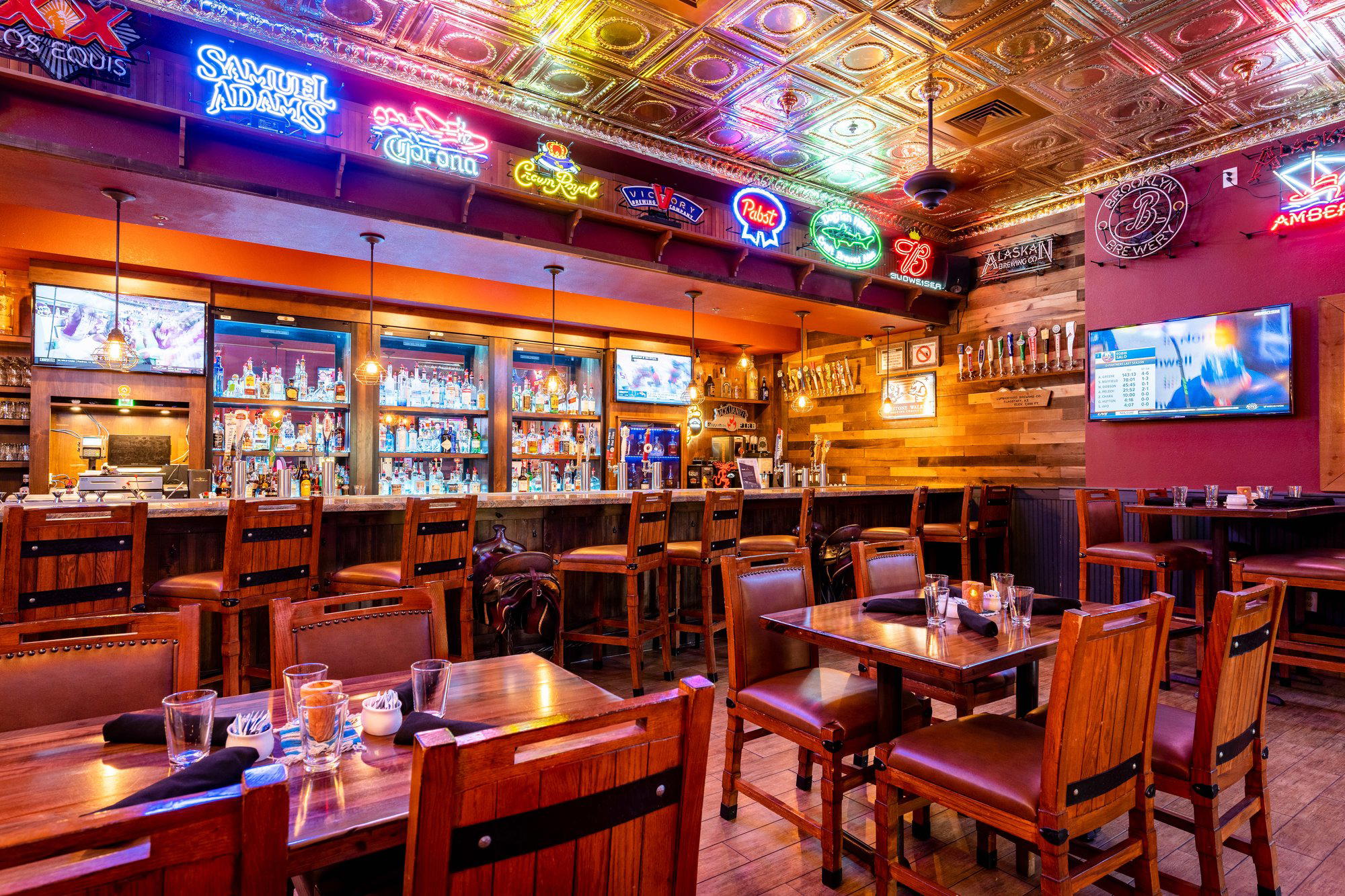
Eating at the Edge of the Canyon
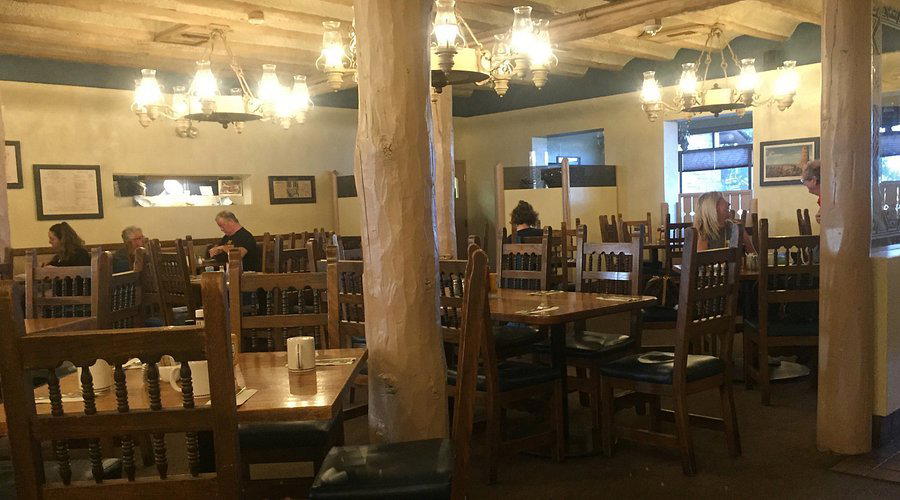
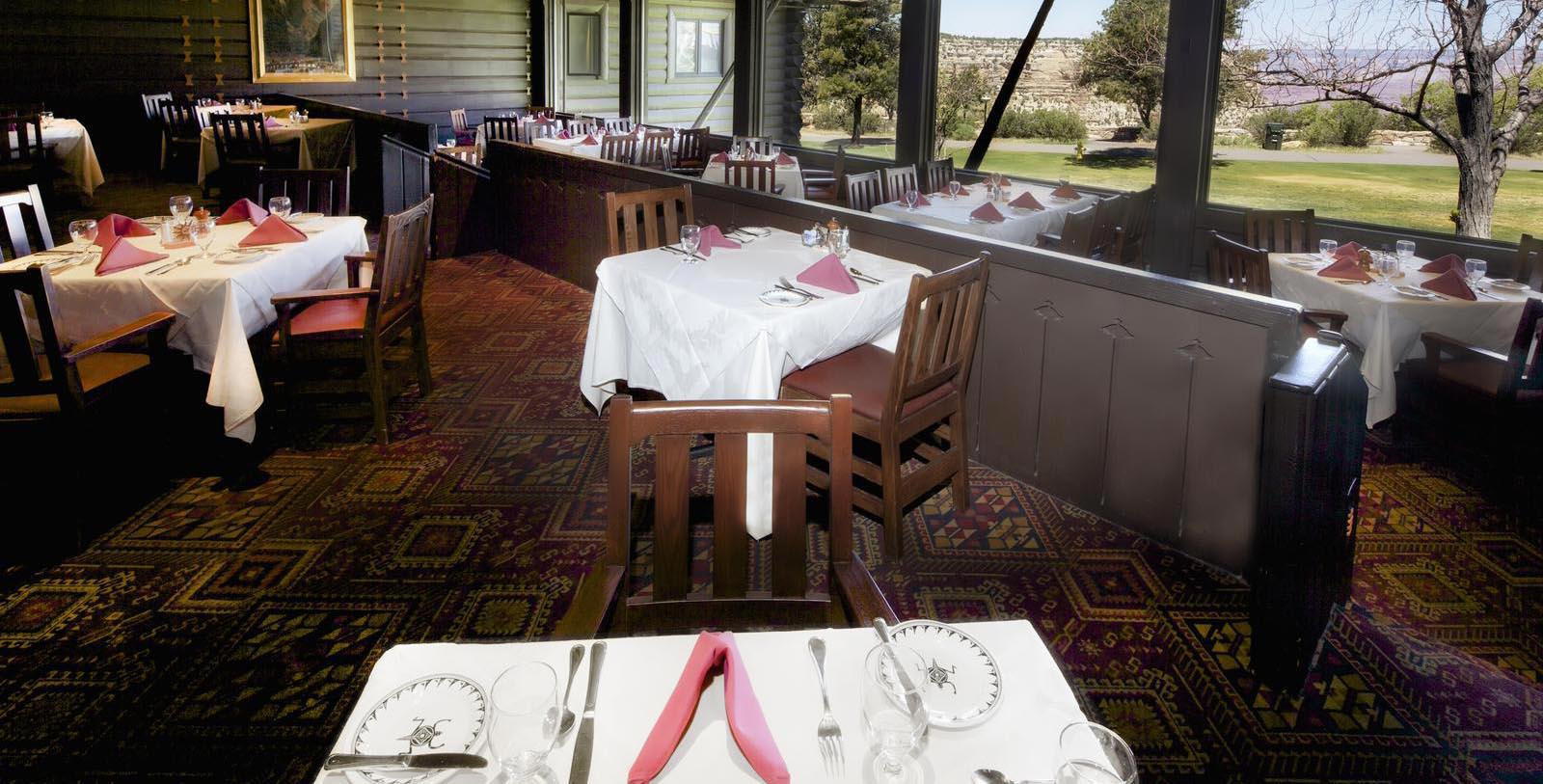
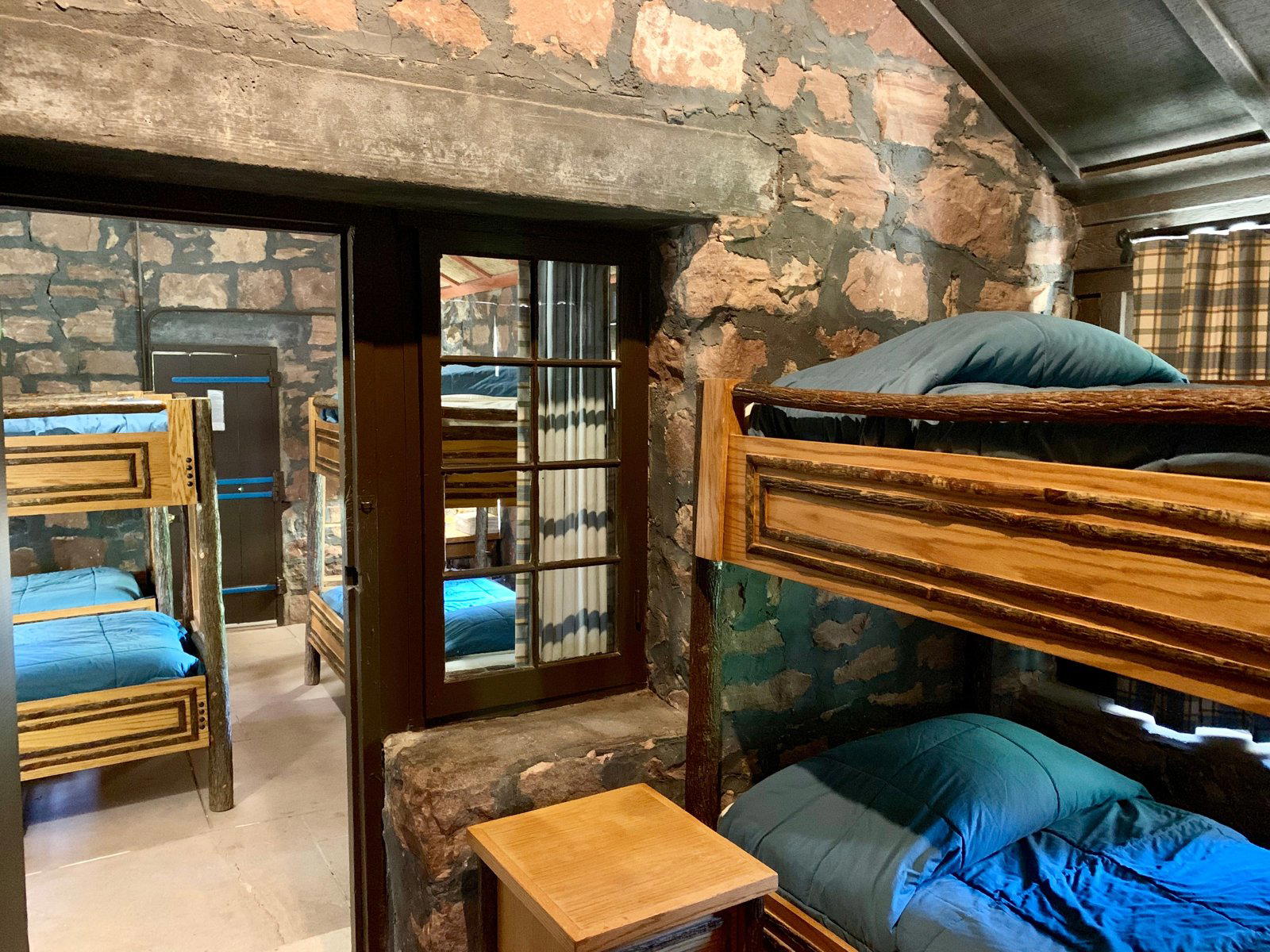
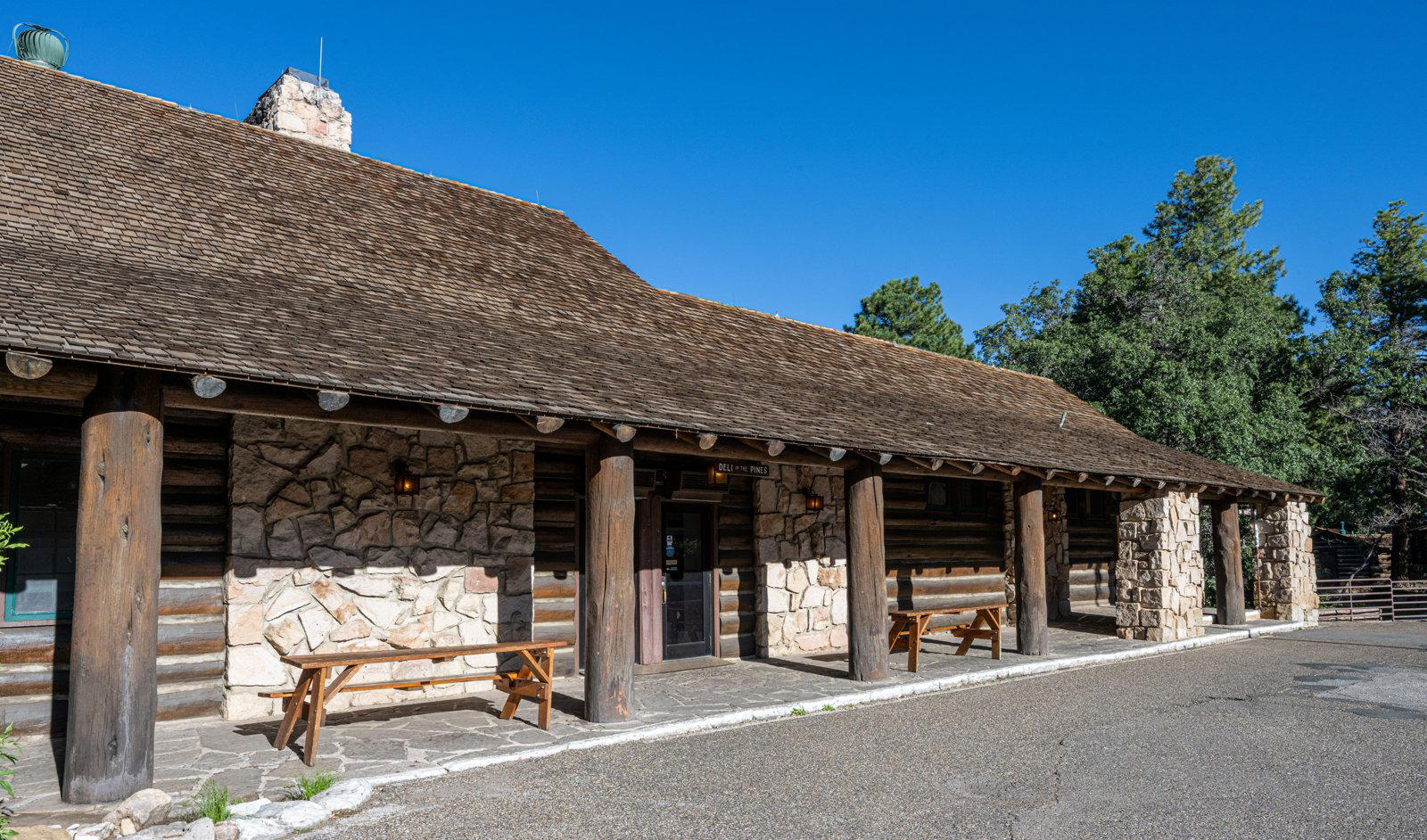
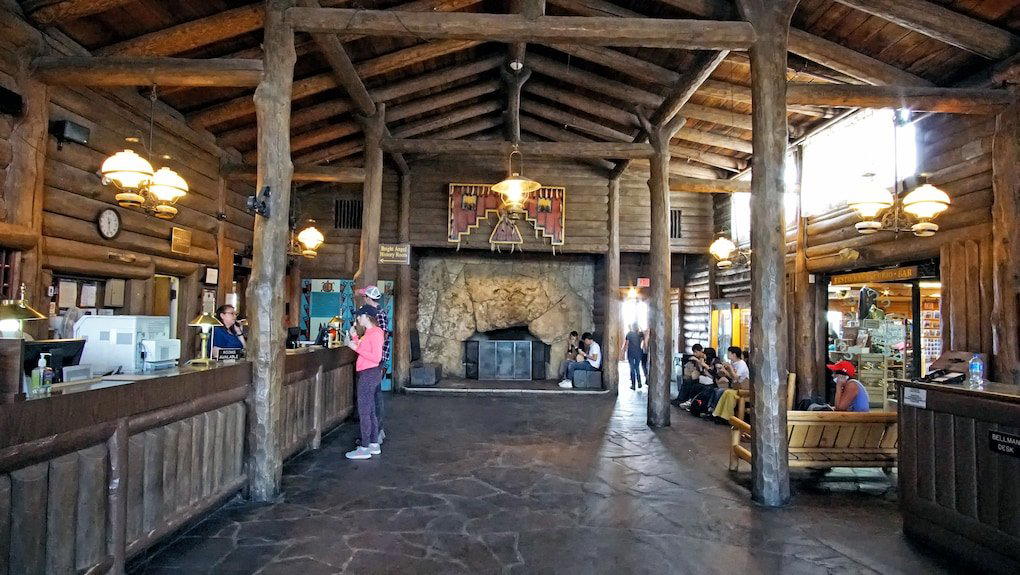
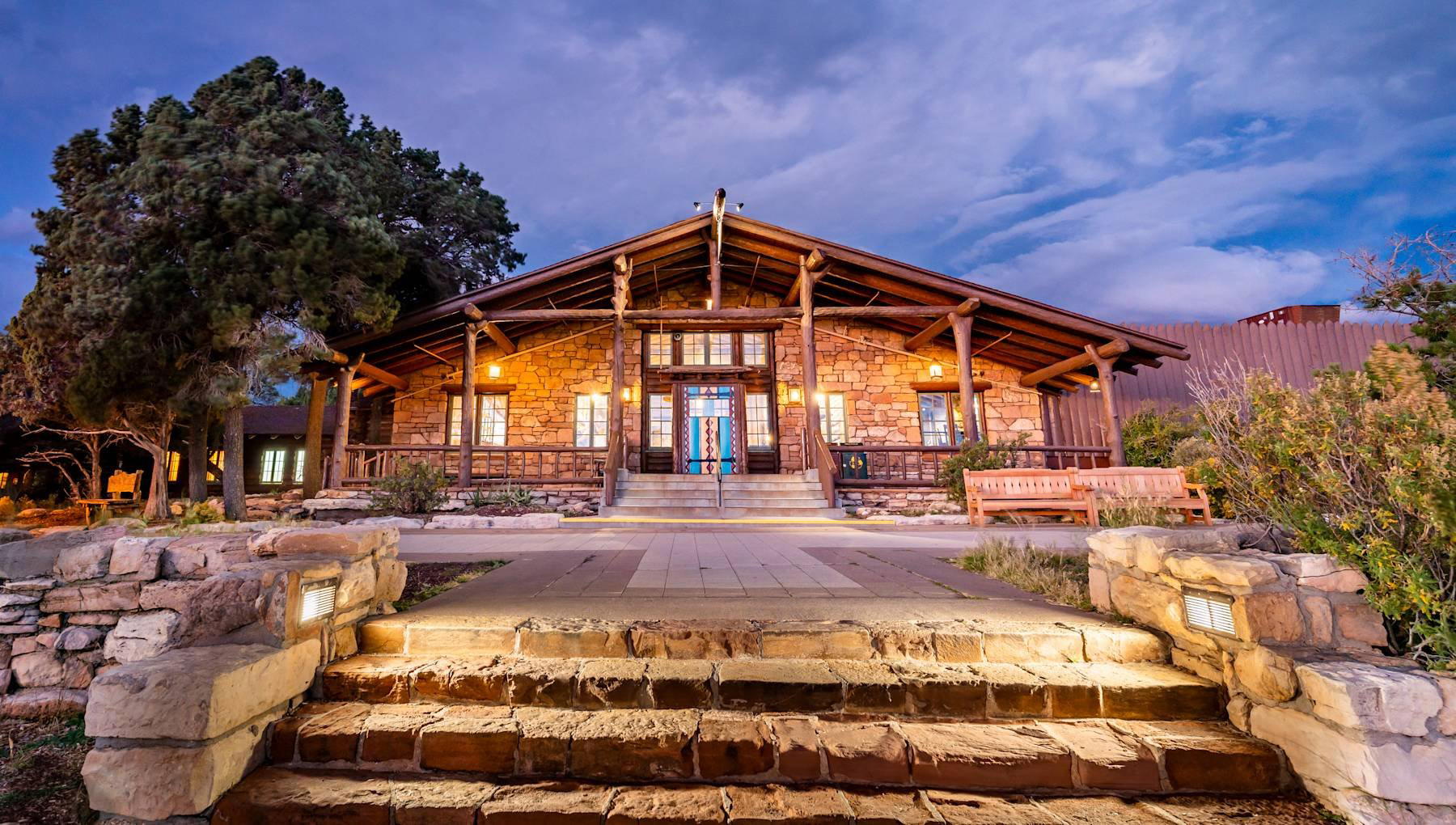
Tusayan is not a dining destination in the way that Sedona or Scottsdale might be. It is a one-road town that exists almost entirely in service of Grand Canyon National Park, and the restaurants here are shaped by that function: they feed people who have spent the day in open air, at altitude, often having underestimated how far they walked. Canyon Star Steakhouse is a steakhouse with Southwestern favorites in Grand Canyon Village, Arizona, at 149 AZ-64. It operates inside that context. The setting is a timber-framed structure designed to read as a western lodge, the kind of interior that signals warmth and mass before you even check the menu. Exposed wood, low light, and a scale that fits a post-hike crowd, not a special-occasion tasting table. If you are arriving here from a full day on the South Rim, the room earns its design brief.
For editorial reference, Tusayan sits at roughly 6,600 feet above sea level, and most visitors arrive with appetite built not through deliberate scheduling but through hours of physical activity. Canyon Star is positioned to answer that appetite directly. It is not the kind of dining program you would cross a state to experience, the way one might plan around The French Laundry in Napa or Single Thread Farm in Healdsburg. It belongs to a different category entirely: the regional steakhouse anchored by its geography rather than its kitchen credentials.
Where the Protein Comes From Matters Here
The American Southwest has a ranching tradition that predates its tourism economy, and that tradition shapes how steak-focused restaurants in this part of Arizona can legitimately position themselves. Beef raised at altitude in the intermountain West tends to be leaner than commodity feedlot product, reflecting the cattle's movement across open range. Restaurants that source regionally, even partially, can point to a supply chain that connects the plate to the landscape outside the window.
This matters because sourcing context is one of the few ways a restaurant in a captive tourist market can distinguish itself from generic hospitality. Restaurants like Blue Hill at Stone Barns in Tarrytown or Smyth in Chicago have built their entire editorial identity around supply chain transparency and farm-to-table discipline. At the other end of the spectrum, tourist-zone restaurants that ignore provenance entirely tend to fall into commodity territory. Canyon Star's positioning in the middle of that range, a full-service western steakhouse in a national park gateway town, gives it a natural sourcing narrative to draw on if the kitchen chooses to make it visible.
The Guest It Actually Serves
The practical reality of dining in Tusayan is that options are limited by design. The town's footprint is constrained by its position adjacent to federal land, and that scarcity shapes every restaurant's audience. Canyon Star draws from the same pool: park visitors staying in Tusayan hotels, day-trippers who did not plan dinner inside the park, and bus tour groups moving through on tight schedules. That is a wide demographic range, which means the menu format almost certainly prioritizes legibility and throughput over the kind of editorial focus you see at, say, Lazy Bear in San Francisco or Atomix in New York City.
Families with children are a core segment of Grand Canyon visitation, and the steakhouse format, with its broad protein-forward menu and recognizable structure, fits that audience more comfortably than a tasting menu or a conceptual dining program. The tradeoff is that the experience trades depth for accessibility. That is not a criticism; it is a structural observation about what this kind of restaurant is built to do.
Regional Steakhouses and the Cities They Sit Near
American steakhouse dining at the premium end has moved steadily toward sourcing specificity and dry-aging transparency, a direction visible in programs at Bacchanalia in Atlanta and ingredient-first restaurants like Oyster Oyster in Washington, D.C. Further along the produce-driven end, operations like Frasca Food and Wine in Boulder and The Wolf's Tailor in Denver have repositioned the Rocky Mountain region's dining identity away from pure protein volume toward something more considered. Canyon Star sits outside that particular conversation, but it is worth understanding the current regional context: the American West's restaurant culture is no longer defined solely by the steak-and-potatoes archetype, even if that archetype remains commercially dominant in gateway-town markets.
Restaurants like Addison in San Diego, Providence in Los Angeles, and ITAMAE in Miami represent a different tier of American dining ambition, and Le Bernardin in New York City or The Inn at Little Washington anchor the formal end of the domestic spectrum. Canyon Star is not in competition with any of those programs, nor does it need to be. Its competitive set is narrower and more local: the handful of full-service restaurants available to someone standing in Tusayan at seven in the evening after a day at the rim.
Planning Your Visit
Canyon Star Steakhouse is located at 149 AZ-64, Grand Canyon Village, AZ 86023, directly on the highway that connects Tusayan to the park's South Rim entrance. The address places it within the main commercial corridor of Tusayan, walkable from most of the town's hotel properties. Hours and reservations are worth checking in advance, especially at peak times. Spring and early summer represent peak visitation for the South Rim, and dinner demand in Tusayan during that period can outpace available seating. Arriving early or confirming reservation options in advance is advisable during those months.
Comparable Spots, Quickly
Comparable venues nearby, for context on price, style, and recognition.
| Venue | Cuisine | Price | Notes |
|---|---|---|---|
| Canyon Star SteakhouseThis venue — the venue you are viewing | Steakhouse with Southwestern Favorites | $$$ | Not listed |
| El Tovar Dining Room | Classic American with Southwestern Influences | $$$ | Grand Canyon Village |
| Josephine's Restaurant | Modern American Bistro | $$$ | Downtown Flagstaff |
| Charro Steak & Del Rey | Mesquite-Grilled Steakhouse with Southwestern Influences | $$$ | Downtown |
| Manzanita Restaurant | American Steakhouse with German and Wild Game | $$$ | Cornville |
| Chopstix Vietnamese Kitchen | Authentic Vietnamese Pho | $$ | Historic Downtown |
At a Glance
- Rustic
- Classic
- Cozy
- Family
- Group Dining
- Casual Hangout
- Hotel Restaurant
- Live Music
- Craft Cocktails
- Beer Program
- Local Sourcing
Current opening hours
- Monday
- 7–10 AM, 4–9 PM
- Tuesday
- 7–10 AM, 4–9 PM
- Wednesday
- 7–10 AM, 4–9 PM
- Thursday
- 7–10 AM, 4–9 PM
- Friday
- 7–10 AM, 4–9 PM
- Saturday
- 7–10 AM, 4–9 PM
- Sunday
- 7–10 AM, 4–9 PM
Hours can change for holidays and private events. Last verified .
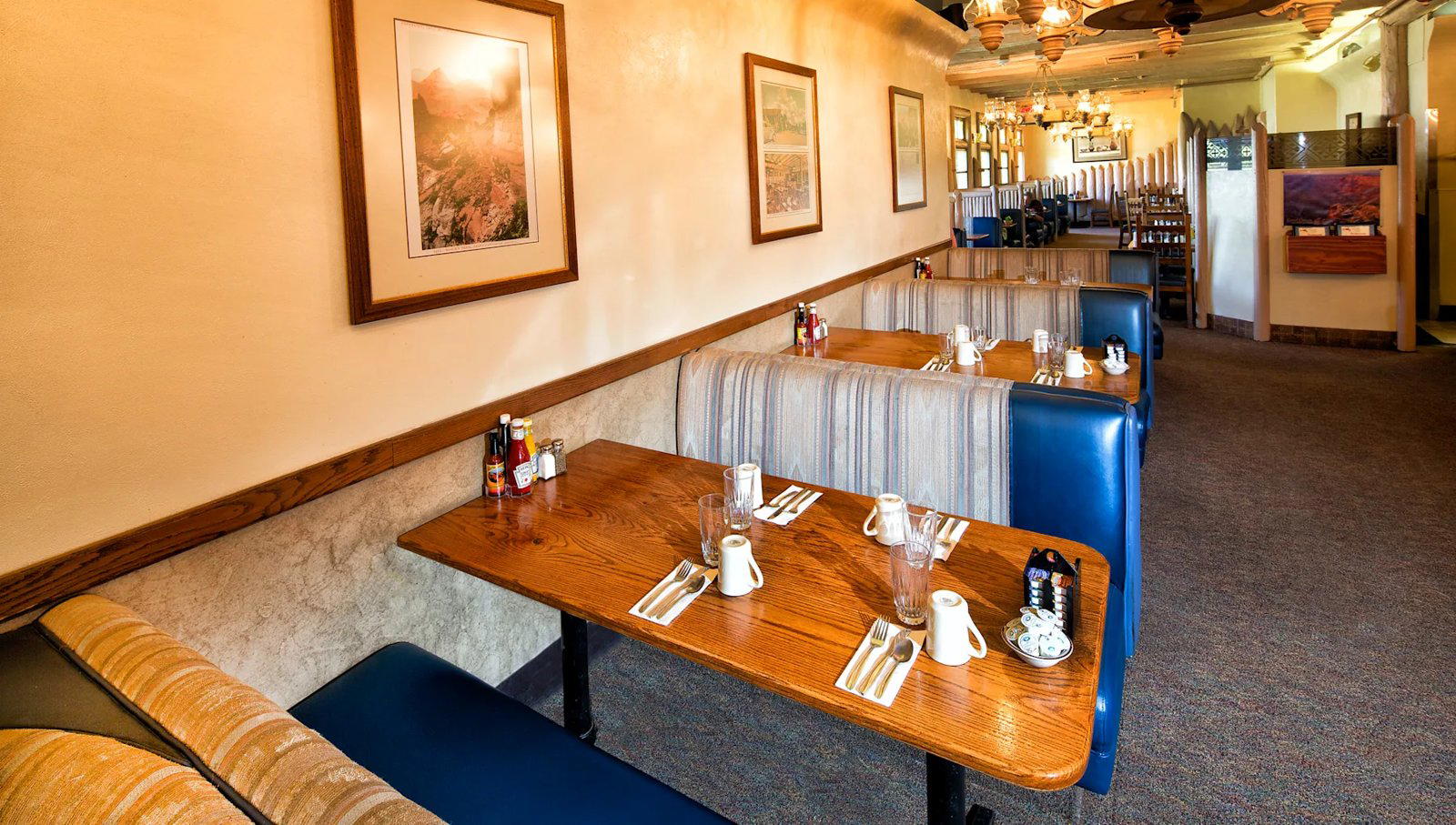
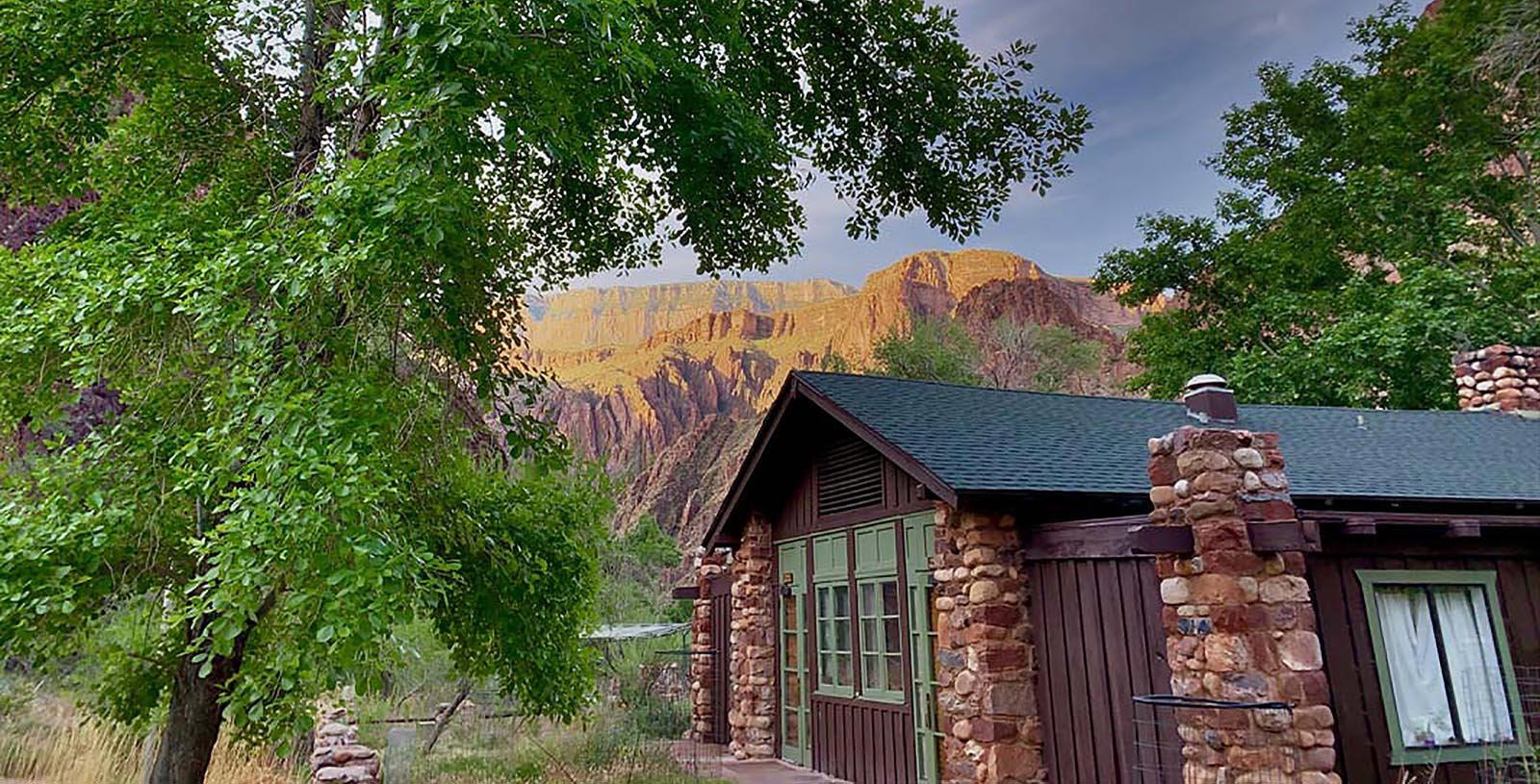
Exposed timber, stone, and ironwork create a classic southwestern western vibe with a family-friendly, lively saloon area.