El Tovar Dining Room

The El Tovar Dining Room occupies a position that has no real parallel in American restaurant geography: a full-service dining room perched at the South Rim of the Grand Canyon, operating inside a National Historic Landmark hotel that has fed visitors since 1905. The kitchen leans on regional sourcing traditions, and the setting does much of the heavy lifting that a city restaurant would assign to interior design.
Pearl is the En Primeur Club membership app — saves, bookings, and concierge access live there. Same editors, same standards.
- Address
- 1 El Tovar Rd, Grand Canyon Village, AZ 86023
- Phone
- +19286382631
- Website
- grandcanyonlodges.com
- Directions
- Get directions
 Saves & bookings on Pearl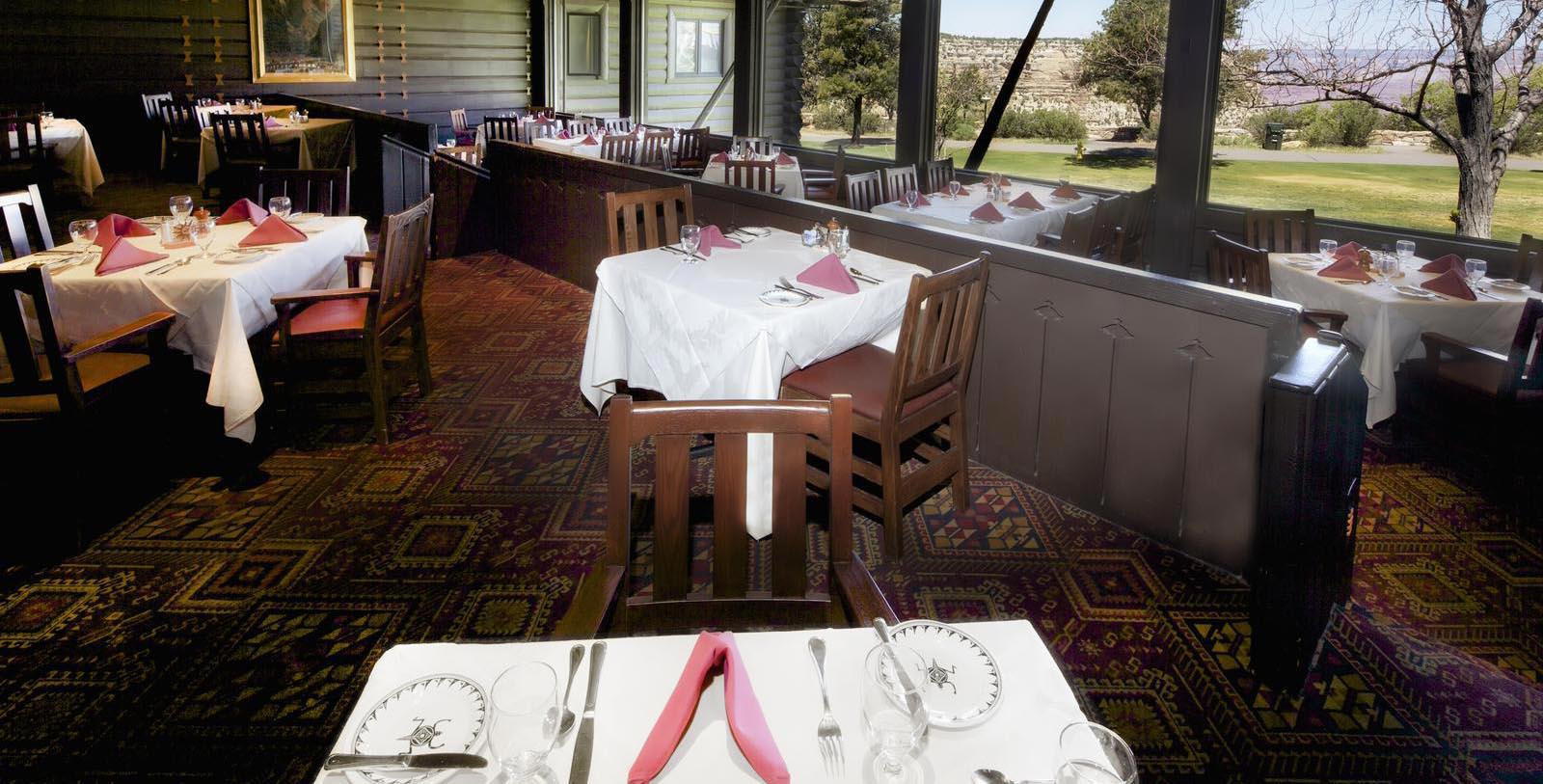
Dining at the Edge of Something Larger
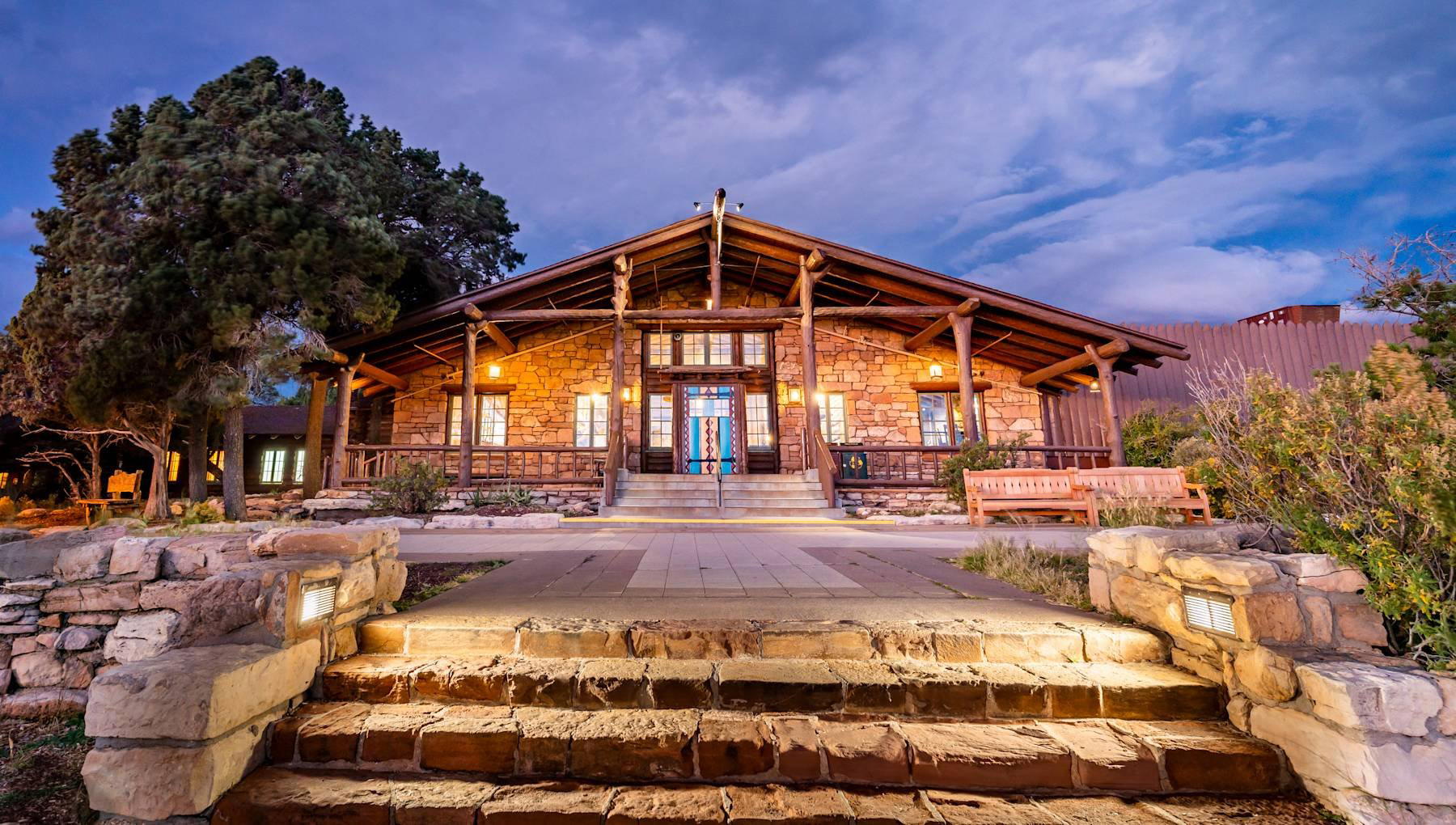
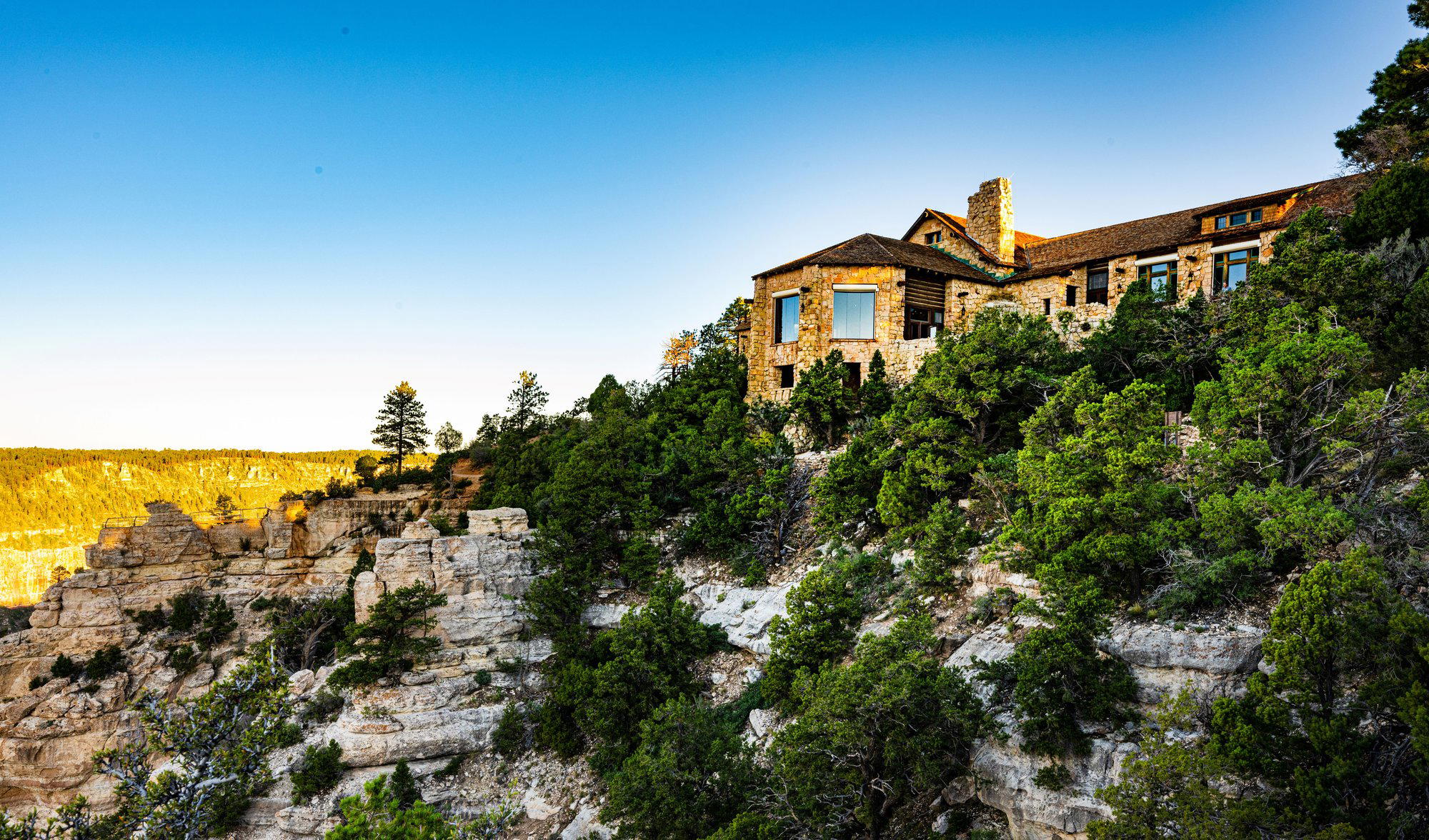
There are few restaurants in the United States where the physical context so completely overrides the conversation about food. El Tovar Dining Room is one of them. The building that houses it, the El Tovar Hotel, opened in 1905 as a Harvey Company property designed to bring railway tourists to the South Rim in comfort. The dining room has operated continuously through that entire span, which places it in a category of American hospitality institutions closer to the Ahwahnee in Yosemite or the Old Faithful Inn in Yellowstone than to any city restaurant comparable set. The log-and-stone construction, the timber ceiling, and the proximity to the canyon rim situate every meal inside an architectural statement that predates the National Park Service itself.
Walking into the room, the weight of that history is structural, not decorative. The dining room's dark wood interior reflects the Arts and Crafts aesthetic that was considered the appropriate register for serious wilderness hospitality at the turn of the twentieth century. This was not rustic by accident; it was rustic by argument, a deliberate counter-position to the gilded hotel interiors of eastern cities. That argument still reads clearly today, which is part of what makes dining here feel different from eating at a lodge-themed chain property where the same aesthetic has been retrofitted for atmosphere. El Tovar sits at the South Rim's limited fine dining tier by default and by duration.
Where the Food Comes From
Ingredient sourcing is the central challenge at the Grand Canyon. The South Rim sits at roughly 6,900 feet elevation in a high desert environment, far from major distribution hubs. For most of the property's history, the Fred Harvey Company that operated El Tovar maintained its own sourcing infrastructure across its Southwest properties, including greenhouses, poultry operations, and dairy facilities that allowed remote locations to serve fresh food at a standard unusual for the region and era. That vertical integration is the historical precedent for what the kitchen operates against today.
Contemporary sourcing at remote national park properties typically relies on a combination of regional producers and managed supply chains that can withstand the logistical distance from urban food networks. The Southwest offers specific regional ingredients that carry genuine terroir argument: Colorado Plateau game, Arizona-grown produce during warmer months, and indigenous grain and legume traditions that predate European settlement of the region by centuries. A kitchen operating at the South Rim, with the audience it receives, is positioned to make a sourcing argument that connects guests to the landscape they have come to see. That connection between what arrives on the plate and where you are sitting is the interpretive opportunity that separates an interesting park dining room from a functional one.
The comparison is instructive. Restaurants like Single Thread Farm in Healdsburg and Blue Hill at Stone Barns in Tarrytown have made ingredient provenance the organizing logic of their entire programs, down to the farm calendars and harvest cycles that dictate menu structure. At the city-restaurant level, Smyth in Chicago and Oyster Oyster in Washington, D.C. treat sourcing as both an ethical and a culinary commitment. El Tovar operates in a different register entirely, one where the sourcing story is less about chef philosophy and more about the genuine logistical feat of running a full-service restaurant at a remote high-elevation site visited by millions of people annually.
The Visitor Context
The South Rim receives between four and five million visitors per year, which shapes everything about how El Tovar operates. This is not a reservation-driven destination restaurant in the way that The French Laundry in Napa or Atomix in New York City function, where the booking itself is the first signal of what you are entering. El Tovar serves hotel guests, day visitors, and park users across breakfast, lunch, and dinner, operating at a volume that no tasting-menu counter would attempt. The comparison set is not Le Bernardin in New York City or Addison in San Diego; it is the small universe of full-service historic park lodges where continuity, setting, and regional relevance matter more than innovation.
Restaurants like Emeril's in New Orleans, Providence in Los Angeles, Bacchanalia in Atlanta, and The Inn at Little Washington in Washington each operate within urban or accessible rural contexts where the surrounding food culture shapes expectations and supplies the kitchen. El Tovar has no surrounding food culture. It is the food culture at the South Rim, which is both a significant responsibility and a structural advantage: guests are not comparing it to a neighbourhood full of alternatives.
Planning Your Visit
Advance reservations are available for hotel guests and the general public, and given the concentration of dining options at the South Rim, booking ahead is the practical approach for dinner, particularly during peak season between April and October when daily visitor counts push capacity limits across all park services. Breakfast and lunch carry less booking pressure but the dining room fills during the narrow windows when canyon tours return and visitor schedules converge. The address, 1 El Tovar Rd, Grand Canyon Village, AZ 86023, puts the property at the canyon's edge within the historic district, accessible from the main park entrance on the South Rim. Visitors staying at the hotel have the additional advantage of rim access at dawn and dusk, which frames the dining experience within the larger rhythm of canyon light that is the real reason anyone makes the journey. El Tovar occupies a category defined by place rather than culinary program.
Fast Comparison
Comparable venues nearby, for context on price, style, and recognition.
| Venue | Cuisine | Price | Notes |
|---|---|---|---|
| El Tovar Dining RoomThis venue — the venue you are viewing | Classic American with Southwestern Influences | $$$ | Not listed |
| Che Ah Chi | Modern American with Southwest influences | $$$ | Boynton Canyon |
| The Secret Garden Cafe | American Cafe with Mediterranean & Southwestern Touches | $$ | Tlaquepaque Arts & Shopping Village |
| Mesa Grill Sedona | Southwestern Grill | $$$ | Airport Mesa |
| Carcara | Native American and Sonoran-Inspired Southwestern | $$$ | Copper Square |
| Warren's Supper Club | Creole Chophouse with Polished American Fare | $$$ | Chandler |
Recognition history
Dated appearances from independent guides and award organizations, with the underlying list record or original source where available.
Wine Spectator Award of Excellence
Wine Spectator
Continue exploring
More in Grand Canyon Village
Restaurants in Grand Canyon Village
Browse all →
Bars in Grand Canyon Village
Browse all →
At a Glance
- Classic
- Rustic
- Elegant
- Scenic
- Well Known
- Special Occasion
- Celebration
- Family
- Historic Building
- Hotel Restaurant
- Panoramic View
- Extensive Wine List
- Local Sourcing
- Sustainable Seafood
- Organic
- Mountain
Current opening hours
- Monday
- 7–10 AM, 11 AM–2:30 PM, 4:30–9:30 PM
- Tuesday
- 7–10 AM, 11 AM–2:30 PM, 4:30–9:30 PM
- Wednesday
- 7–10 AM, 11 AM–2:30 PM, 4:30–9:30 PM
- Thursday
- 7–10 AM, 11 AM–2:30 PM, 4:30–9:30 PM
- Friday
- 7–10 AM, 11 AM–2:30 PM, 4:30–9:30 PM
- Saturday
- 7–10 AM, 11 AM–2:30 PM, 4:30–9:30 PM
- Sunday
- 7–10 AM, 11 AM–2:30 PM, 4:30–9:30 PM
Hours can change for holidays and private events. Last verified .
Rustic yet elegant historic atmosphere with native stone and pine construction, canyon-view windows, and murals depicting Native American tribes, creating a warm, classic dining environment.