Bright Angel Lodge
Bright Angel Lodge sits at the South Rim's edge, where Mary Colter's 1935 rustic design places guests within steps of one of North America's most dramatic geological formations. The lodge anchors Grand Canyon Village's historic district, offering a range of accommodation from basic cabins to rim-view rooms. For those prioritising proximity to the canyon over resort amenity, it remains the closest lodging option on the South Rim.
Pearl is the En Primeur Club membership app — saves, bookings, and concierge access live there. Same editors, same standards.
- Address
- 9 Village Loop Drive, Grand Canyon Village, AZ 86023
- Phone
- +1 928 638 2631
- Website
- grandcanyonlodges.com
- Directions
- Get directions
 Saves & bookings on Pearl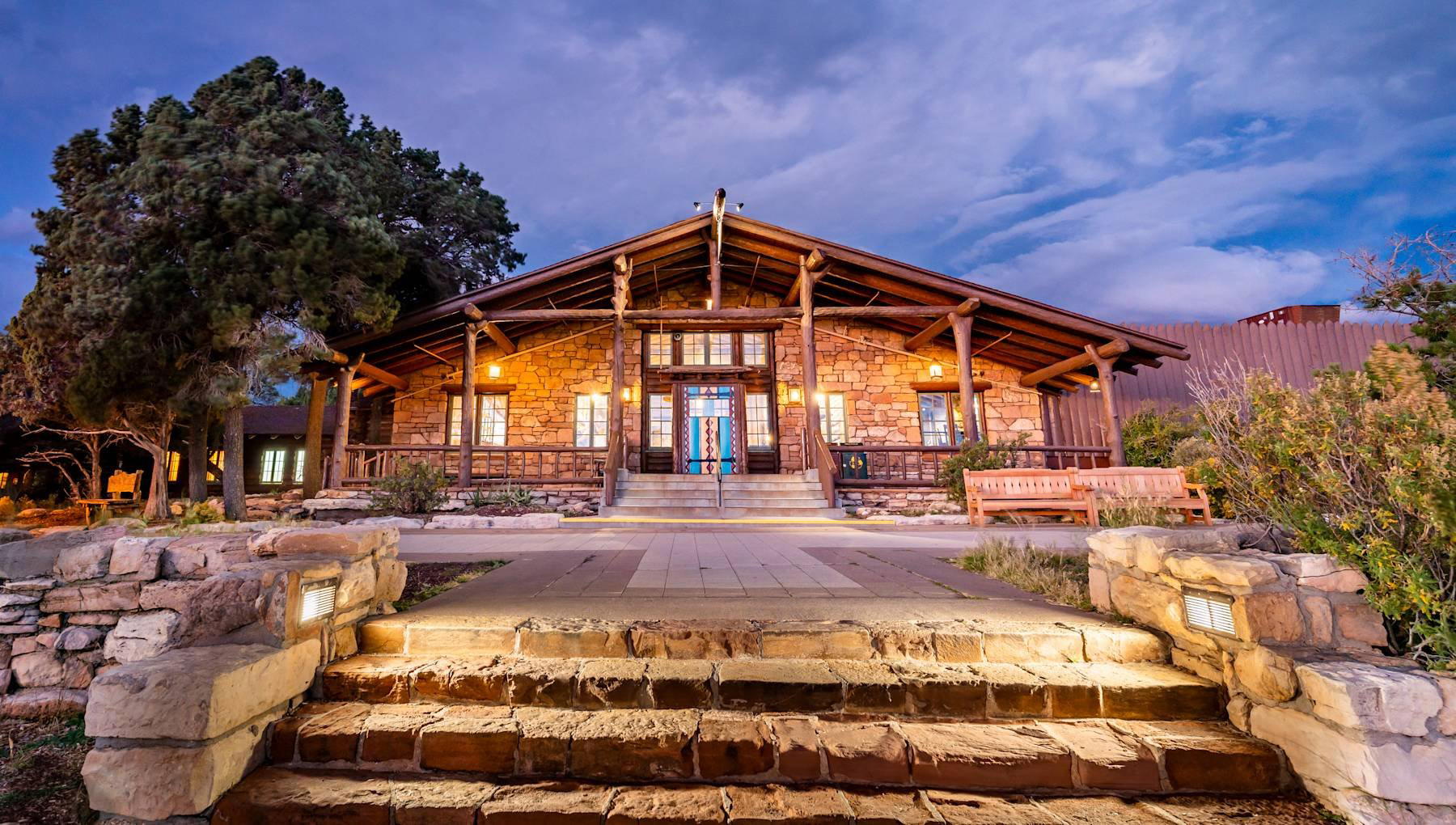
Stone, Timber, and the Rim: The Architecture That Defines Bright Angel Lodge
The South Rim has accumulated lodging options across more than a century of national park development, but no structure at Grand Canyon Village makes its relationship to the landscape as deliberate as Bright Angel Lodge. Completed in 1935 and designed by Mary Elizabeth Jane Colter for the Fred Harvey Company, the lodge was conceived not as a retreat from the canyon but as an extension of it. Colter sourced the stone for the central fireplace, known as the Geological Fireplace, directly from the canyon walls, stacking rock strata in the same sequence they appear in the gorge itself, from the Kaibab limestone at the leading down through older formations toward the base. That fireplace is not decorative. It is, in functional terms, a stratigraphic column built into a hotel lobby, and it establishes the lodge's governing idea: the architecture should teach you something about where you are.
Colter's approach at Bright Angel belongs to a broader tradition in American national park design, the so-called National Park Service Rustic style, which ran from roughly the 1910s through the mid-20th century and prioritised materials harvested on-site or nearby, hand-crafted detailing, and forms that deferred to the natural setting rather than competing with it. The Ahwahnee in Yosemite, Old Faithful Inn in Yellowstone, and Bright Angel Lodge share that lineage, though each interprets it differently. Colter's version at the Grand Canyon leans hardest into authenticity: she reportedly insisted on preserving the original Buckey O'Neill Cabin, dating to the 1890s, as part of the lodge complex, making it among the oldest surviving European-built structures on the South Rim.
What the Site Does That No Other South Rim Property Can
The question of lodging position on the South Rim is a practical one with a clear answer: Bright Angel Lodge is a hotel in Grand Canyon Village, Arizona, with. The hotel sits closer to the canyon edge than any other property in Grand Canyon Village. That proximity changes how you experience the day. Guests in rim-facing rooms or cabins are within a short walk of the Bright Angel Trailhead, one of the two primary corridor trails descending into the canyon. For hikers planning early departures to reach Indian Garden (now Havasupai Gardens) or points below before afternoon heat builds, that ground-level access removes a logistical variable that guests at properties further from the rim have to manage.
The South Rim receives around five million visitors annually, concentrated heavily between May and September, and the lodging options inside the park, Bright Angel, Thunderbird Lodge, El Tovar, Kachina, and Maswik, book out months in advance for peak periods. The park's concessionaire operates reservations centrally, which means booking windows and availability patterns apply across the South Rim inventory rather than being managed property by property.
Amangiri in Canyon Point, which positions itself as a design resort in canyon country with a corresponding room rate and amenity program. Bright Angel operates on different terms: the draw is site access and architectural significance, not spa facilities or curated dining. Post Ranch Inn in Big Sur, Auberge du Soleil in Napa, or Blackberry Farm in Walland. Those are different categories of experience, and conflating them produces the wrong expectation for either.
Colter's Legacy in Context
Mary Colter designed six structures at Grand Canyon alone: Hopi House, Hermit's Rest, Lookout Studio, Desert View Watchtower, Phantom Ranch, and the hotel. That concentration of work by a single architect within a single national park is unusual in American architectural history, and it gives the South Rim a visual and conceptual coherence that most developed park areas lack. Walking between the hotel and Lookout Studio, which sits just to the west along the rim, you see iterations of the same design intelligence responding to slightly different programmatic demands.
The lodge has been listed on the National Register of Historic Places, a designation that imposes preservation obligations on any future modifications and signals its recognised position in American architectural heritage. That status matters practically: the fabric of the building you visit today is substantially the fabric Colter built, not a renovation that gestures toward the original. The log ceiling beams, the stone hearth, the low horizontal massing that keeps the structure from interrupting canyon views, these are intact period elements, not reconstructions.
For travellers who prioritise historically significant built environments alongside natural spectacle, this combination is rare. Properties like Chicago Athletic Association in Chicago or The Fifth Avenue Hotel in New York City deliver historic architecture in urban contexts, but the overlay of a UNESCO World Heritage Site and one of the planet's most studied geological formations is a condition the hotel holds on its own terms.
Planning a Stay: What to Know Before You Book
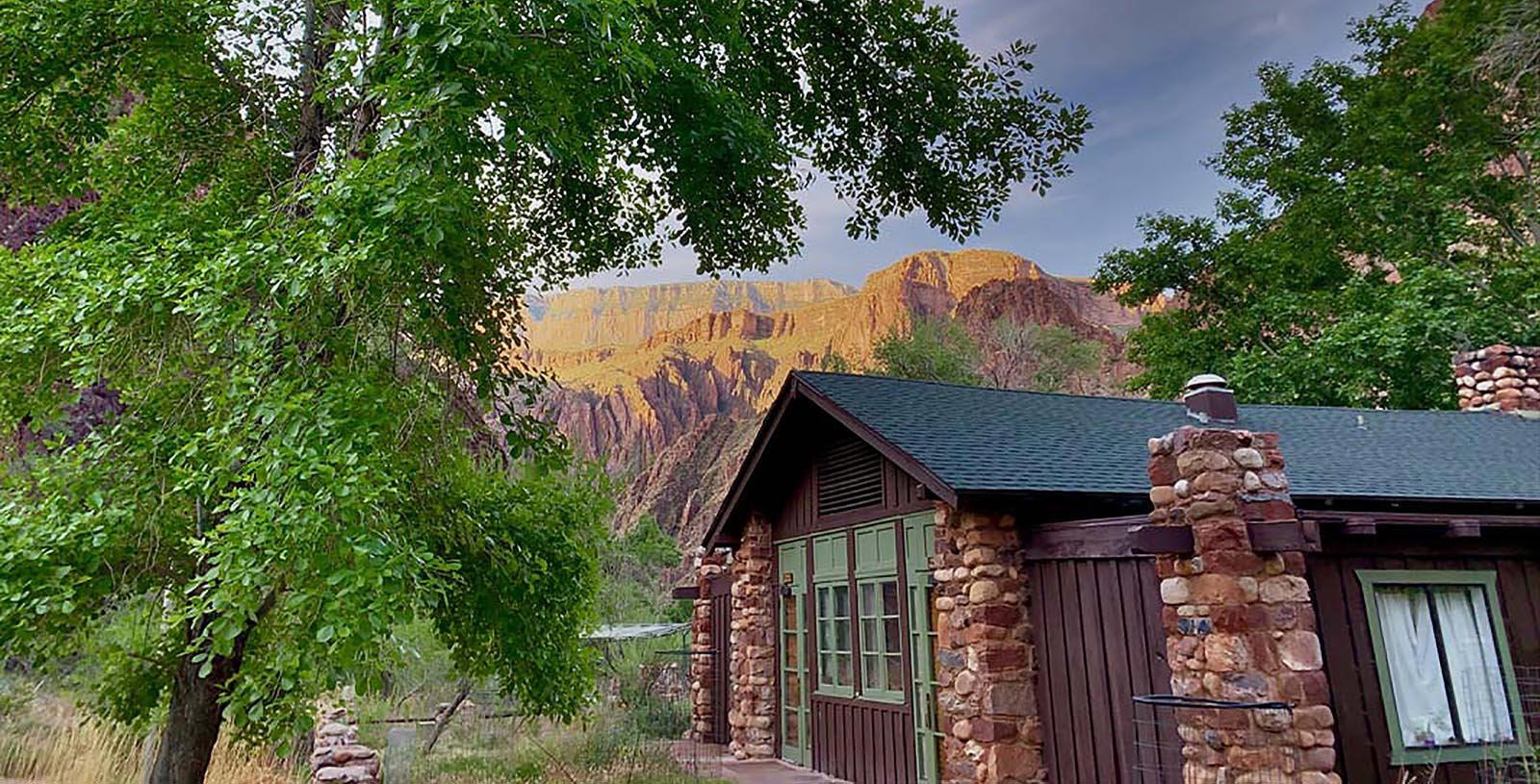
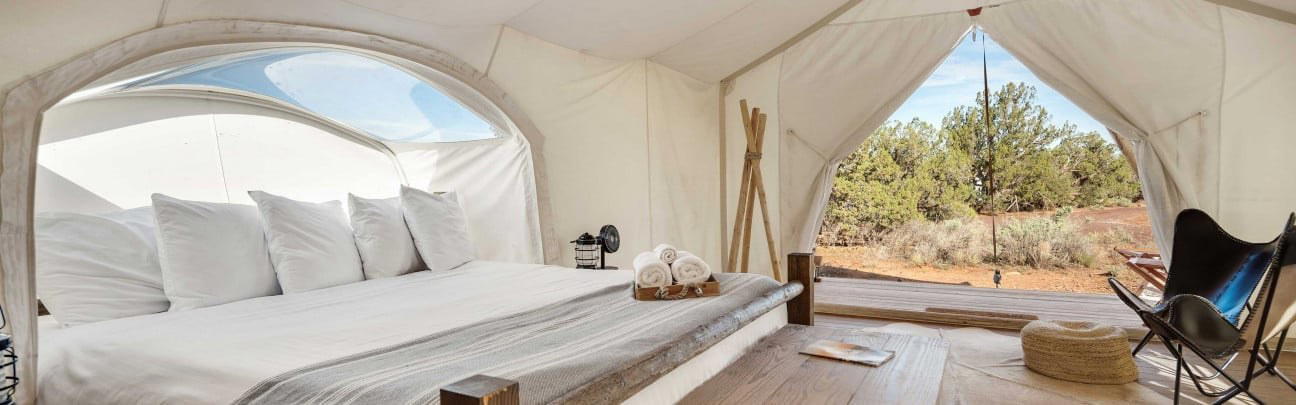
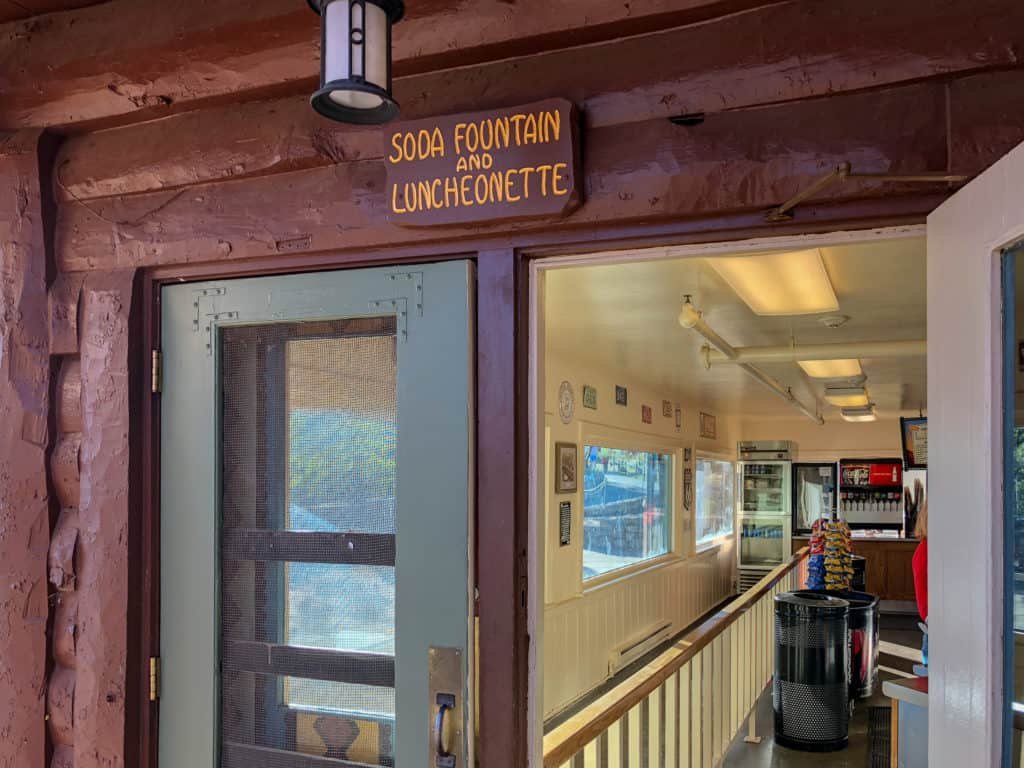
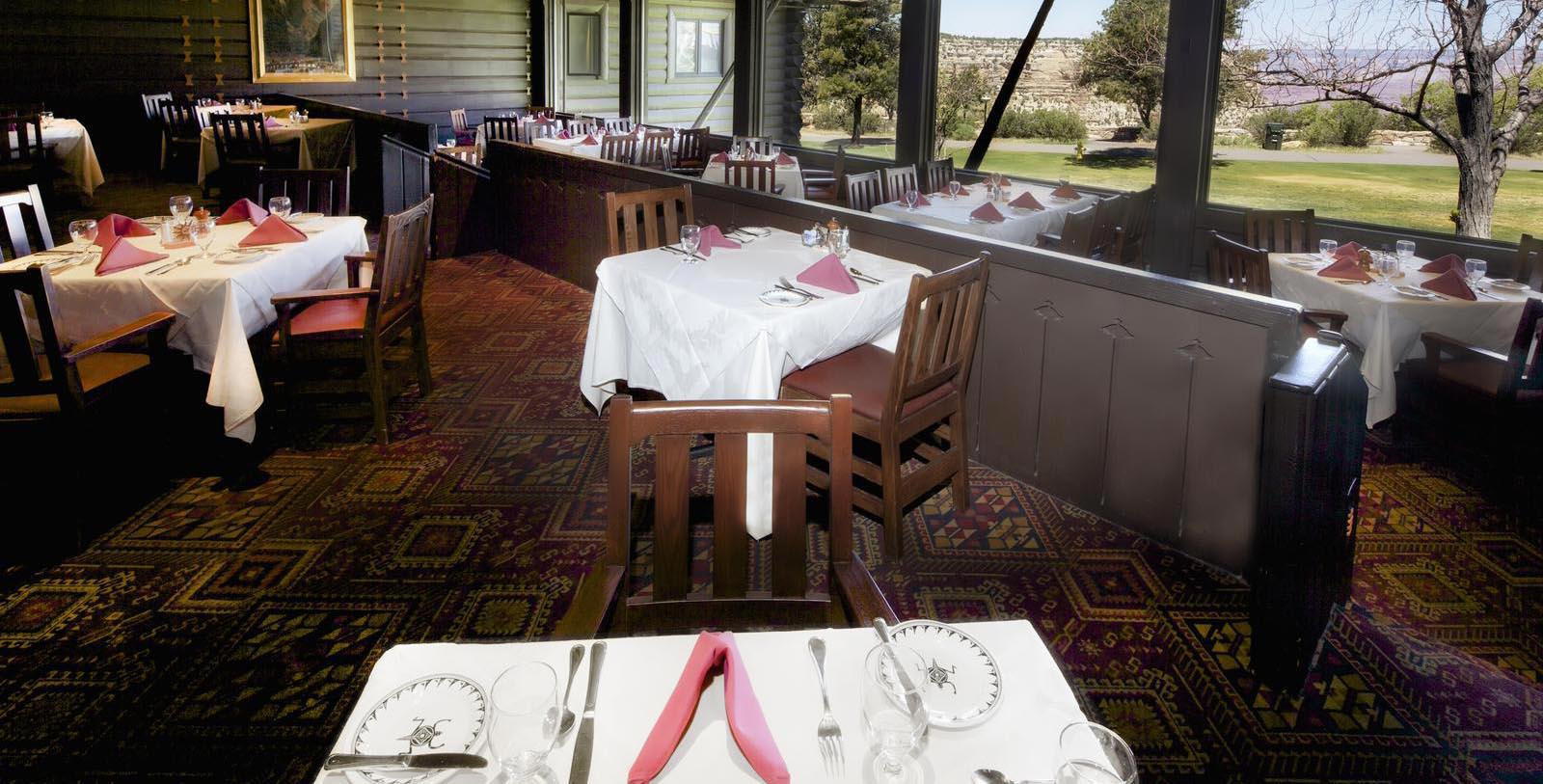
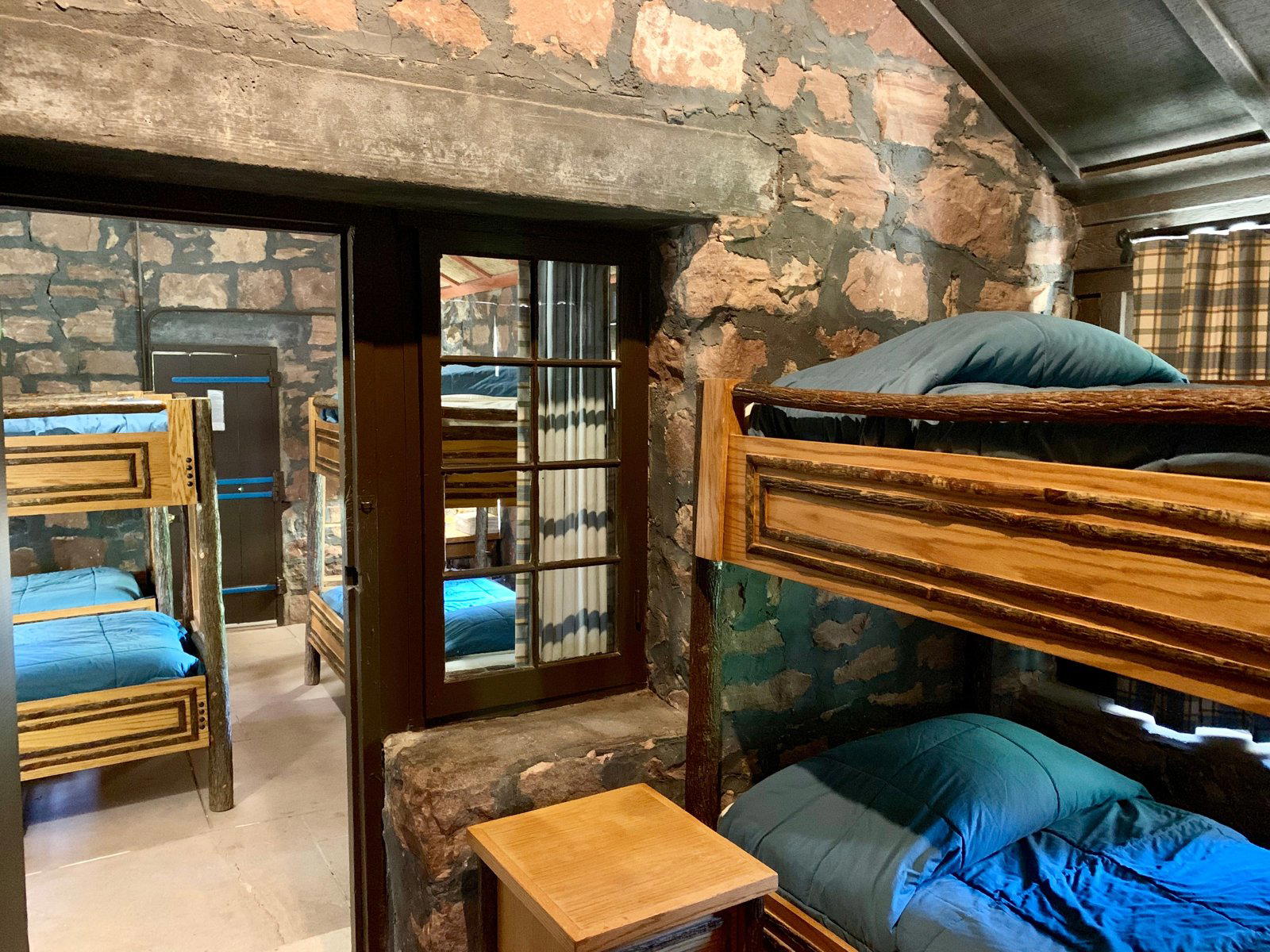
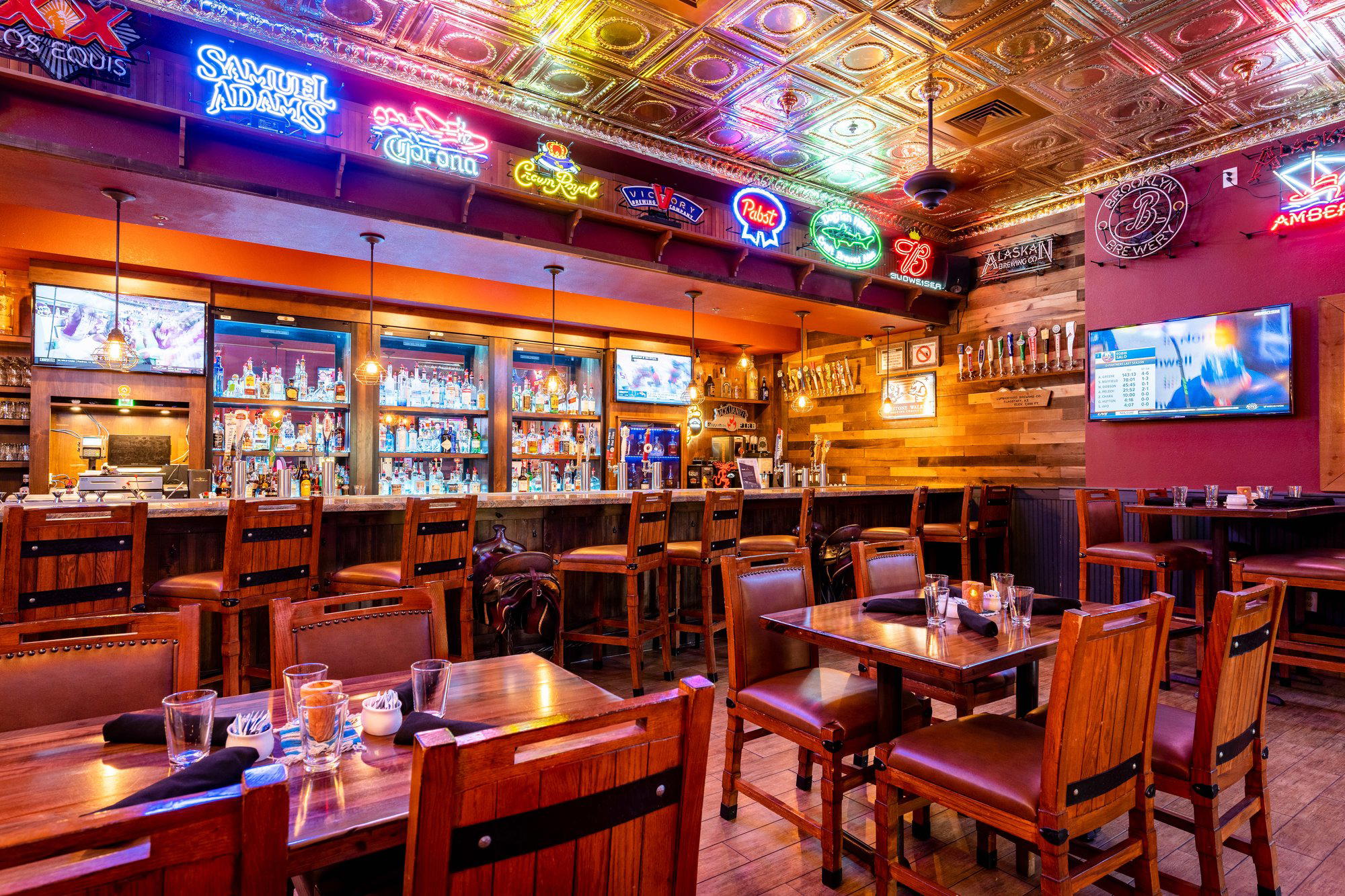
Accommodation at Bright Angel ranges from standard lodge rooms to historic cabins, including the Buckey O'Neill Suite in the 1890s cabin. The spread in accommodation type is wide enough that the experience varies considerably depending on which room category you select, a rim-view cabin delivers a fundamentally different orientation to the site than a standard interior room. The lodge's on-site dining, which includes a coffee shop-style operation and a steakhouse, is functional rather than destination-driven; for travellers whose priority is F&B; quality at the level of, say, SingleThread Farm Inn in Healdsburg or Bernardus Lodge and Spa in Carmel Valley, the lodge's food program will not be the draw.
The South Rim is accessible year-round, though winter months bring snow and significantly thinner crowds. The rim road closes to private vehicles in peak season, replaced by a free shuttle system that stops at major viewpoints and trailheads. Guests staying at Bright Angel can walk directly to the Bright Angel Trailhead rather than relying on the shuttle, which at peak times runs on intervals and accumulates queues. That walking access to the trail is one of the lodge's concrete logistical advantages over properties located further back from the rim.
Travellers building a wider Southwest itinerary should also consider Canyon Ranch Tucson in Tucson and Ambiente, A Landscape Hotel in Sedona as properties that share Bright Angel's emphasis on landscape engagement, though at different price points and with different programmatic structures.
Quick Comparison
Comparable venues nearby, for context on price, style, and recognition.
| Venue | Cuisine | Price | Awards | Notes |
|---|---|---|---|---|
| Bright Angel LodgeThis venue — the venue you are viewing | rustic historic cabins and lodge rooms on the canyon rim | $$ | Not listed | Not listed |
| Thunderbird Lodge | Contemporary architecture blended with natural touches, designed to harmonize with the historic district while offering modern comfort. | $$ | 3-Star | Grand Canyon Village Historic District |
| Phantom Ranch | rustic national park lodge | $$$ | Not listed | Grand Canyon National Park |
| High Country Motor Lodge | Re-imagined 1960s roadside motel blending vintage Route 66 culture with contemporary mountain vernacular architecture. | $$ | Not listed | Route 66 |
| Atari Hotel Phoenix | Large-scale experiential entertainment hotel that blends lodging with esports, concerts, and nightlife venues. | Not listed | Not listed | Roosevelt Row Arts District |
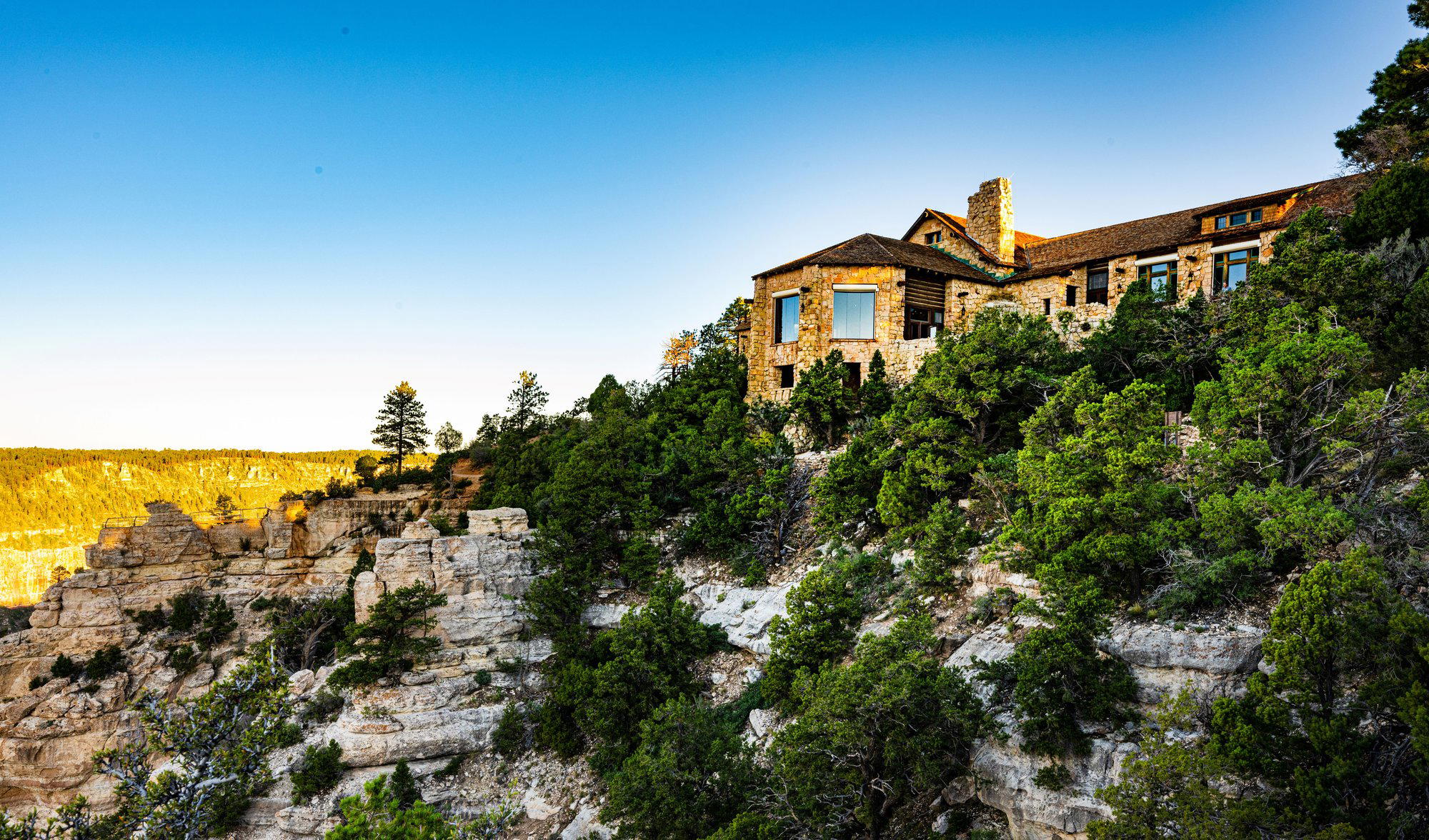
| Grand Canyon Lodge - North Rim | National Park Service Rustic architecture blending native stone and timber into the canyon rim landscape | $$ | Not listed | North Rim |
Continue exploring
More in Grand Canyon Village
Hotels in Grand Canyon Village
Browse all →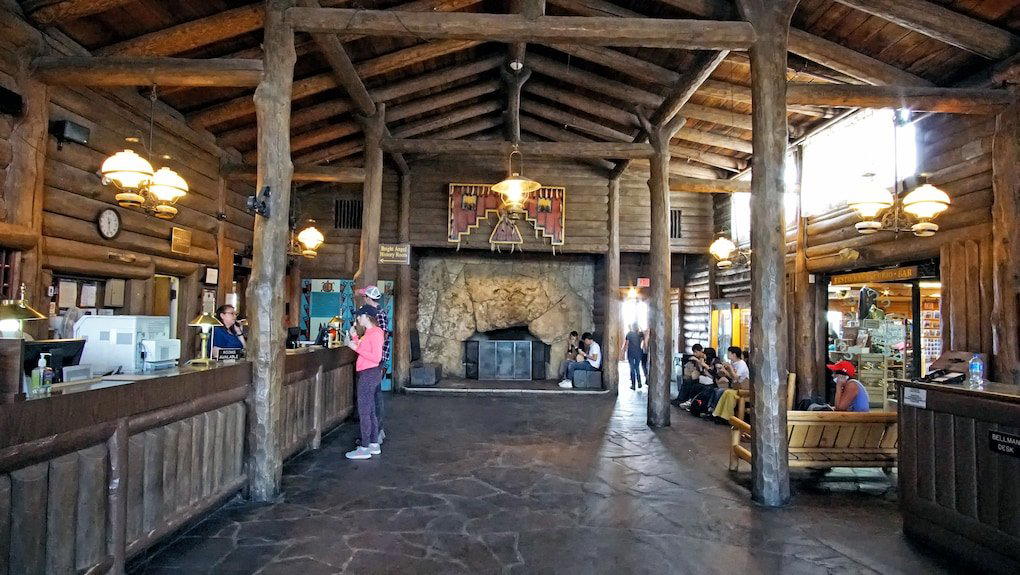
Bars in Grand Canyon Village
Browse all →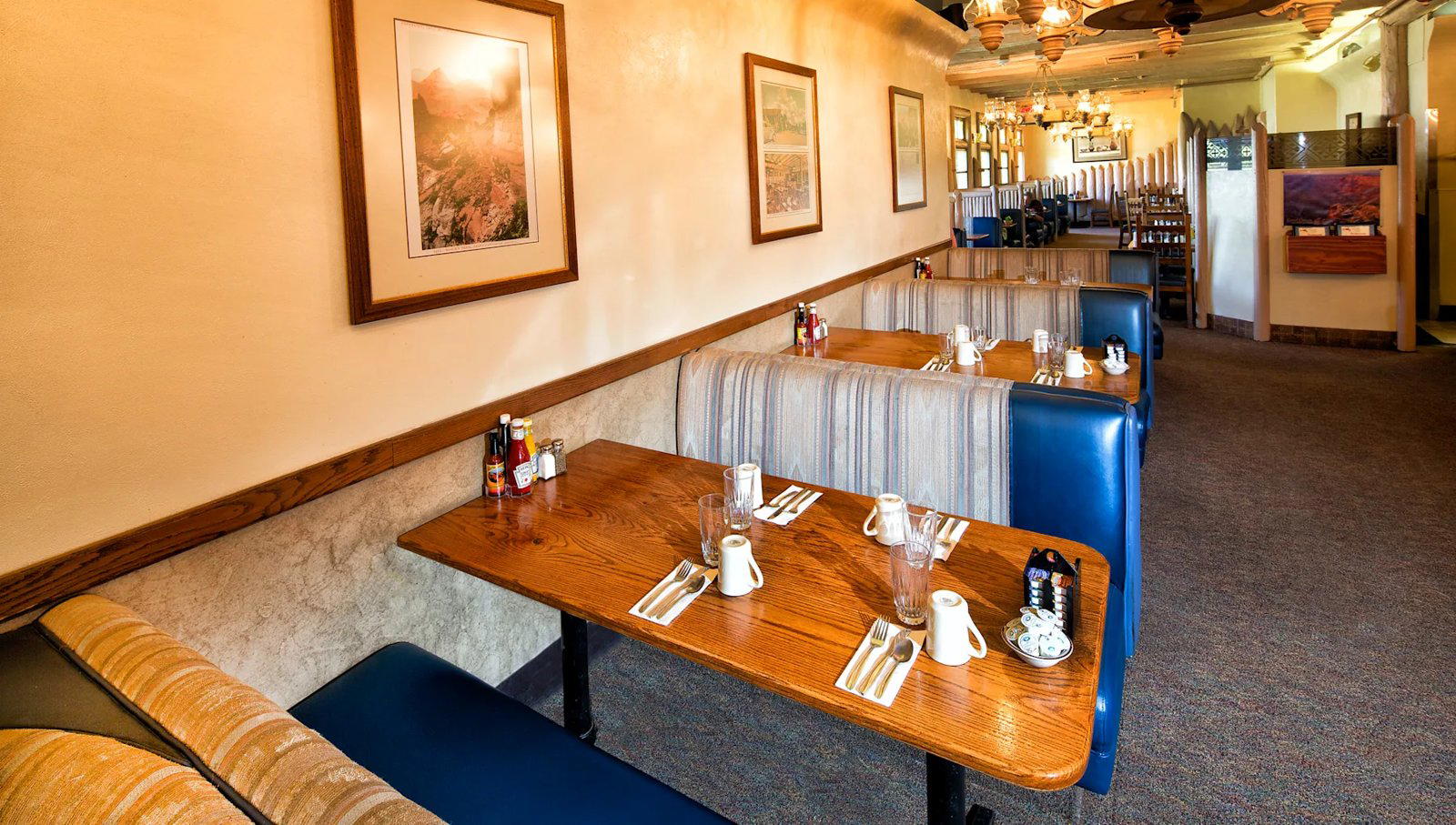
At a Glance
- Rustic
- Scenic
- Well Known
- Classic
- Cozy
- Family Vacation
- Weekend Escape
- Panoramic View
- Historic Building
- Wi Fi
- Concierge
- Mountain
- Wi Fi
- Concierge
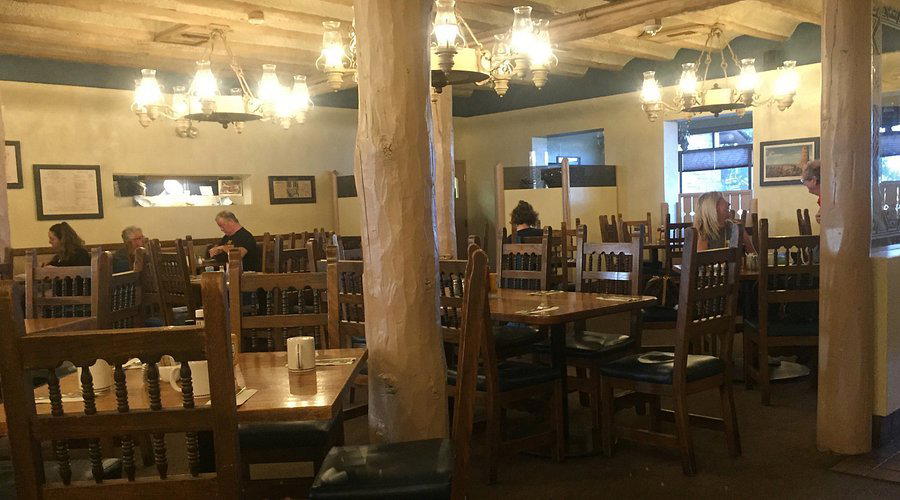
Natural rustic character featuring cozy wood-and-stone interiors, historic artifacts, and canyon-edge location evoking authentic Southwestern pioneer atmosphere.