Under Canvas Grand Canyon

Under Canvas Grand Canyon places guests in canvas-walled tented suites a short drive from the South Rim, where the absence of hard architecture is the design statement. The camp format positions it squarely within the premium nature-immersion tier of American glamping, where minimal built footprint and maximum sky exposure define the experience. Book well ahead: the Rim season compresses demand into a narrow window.
Pearl is the En Primeur Club membership app — saves, bookings, and concierge access live there. Same editors, same standards.
- Address
- 979 Airpark Ln, Valle, AZ 86046
- Phone
- +1 888 496 1148
- Website
- undercanvas.com
- Directions
- Get directions
 Saves & bookings on Pearl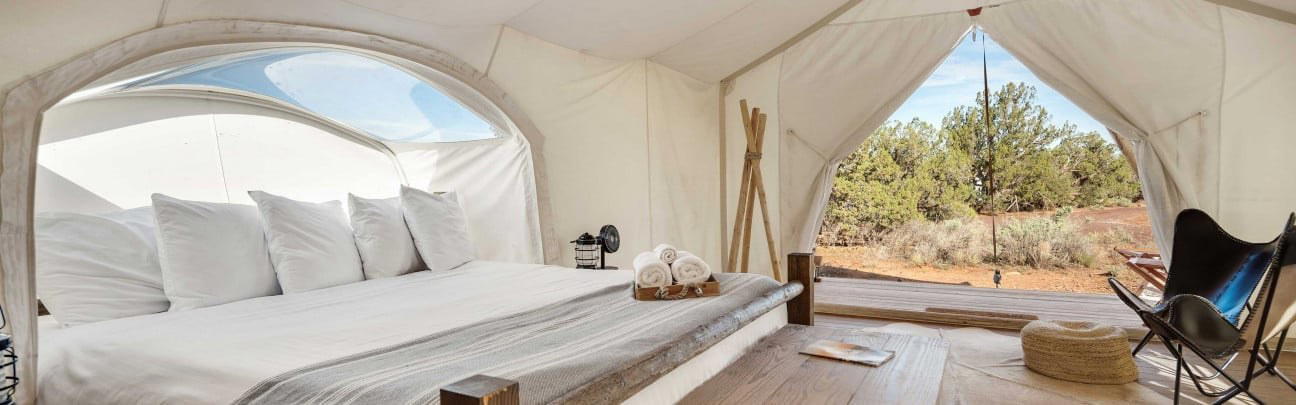
Canvas, Sky, and the Geometry of Sleeping Outside
Under Canvas Grand Canyon is a 4-star hotel in Valle, Arizona, about nine miles from the South Rim entrance. At Under Canvas Grand Canyon, located along Airpark Lane in Valle, Arizona, roughly nine miles from the South Rim entrance, the answer is walls, ceilings, and anything that interposes hard construction between the guest and the high-desert atmosphere. The result is a category of lodging that American hospitality has spent the last decade taking seriously: premium glamping defined by deliberate restraint rather than accumulated amenity.
Valle sits at roughly 6,000 feet elevation on the Colorado Plateau, which means the thermal logic is different from what most visitors expect at a canyon property. Summer nights drop sharply once the sun clears the horizon. Winter visits carry genuine cold. The canvas tent format, rather than fighting this, uses it. Structural canvas breathes, moderates interior temperature to a degree, and keeps the ambient sounds of high-desert night, wind through ponderosa, the particular quiet of altitude, present in a way that a sealed hotel room simply cannot replicate. This is the architectural argument: that porousness is a feature, not a compromise.
The Tented Suite as a Design Type
Within the glamping sector, tent configurations have evolved into a recognizable typology. Under Canvas properties across the American West typically tier their accommodations from standard tents through suite-level options with private decks and wood-burning stoves. The physical vocabulary is consistent: refined platform base, tension-fabric exterior, interior appointments that signal premium without impersonating a conventional hotel room. Wood finishes, layered bedding, and rugged-minimal furniture do the work that marble and lacquer do elsewhere.
This design approach places Under Canvas Grand Canyon in a specific competitive tier within landscape-led lodging. Properties like Amangiri in Canyon Point occupy the hard-architecture end of the Southwest luxury spectrum, where concrete and stone engage the geology directly. Ambiente, A Landscape Hotel in Sedona works in a similar idiom of built form responding to red-rock surroundings. Under Canvas operates from the opposite premise: minimal permanent structure, maximum sky-to-bed ratio, and a footprint designed to be removed without leaving a scar. For guests who care about that distinction, it is the point.
For comparison at the harder-built end of American nature lodging, properties like Post Ranch Inn in Big Sur and Sage Lodge in Pray demonstrate how architecture can anchor itself to dramatic landscape without erasing its own presence. Under Canvas argues the inverse position: that particularly site-responsive move is near-invisibility. Neither is wrong. They are competing design philosophies serving different traveler assumptions about what it means to be in a place.
Location and the Nine-Mile Argument
The camp's address in Valle rather than directly at the Rim is both a practical constraint and an aesthetic choice. National Park Service rules restrict commercial development inside park boundaries, which pushes all private lodging to gateway communities. Valle benefits from this: it sits on the plateau rather than in the canyon corridor, which means unobstructed horizon views in multiple directions and night skies that qualify as genuinely dark by measurable standards. The Rim itself, accessed via a short drive, delivers the vertical drama. The camp delivers the horizontal expanse and the astronomical experience that comes with elevation and distance from light pollution.
Visitors planning a multi-property Southwest circuit will find the hotel slots logically between more infrastructurally dense stays. Canyon Ranch Tucson serves the wellness-resort end of Arizona lodging. Under Canvas serves the immersion end. The two are not in competition; they answer different questions about what Arizona can deliver to a premium traveler.
Planning a Stay: Timing, Booking, and What to Expect
Grand Canyon's South Rim draws the largest visitor volumes in spring and fall, when temperatures at both rim and plateau elevation are manageable. Summer brings heat at lower elevations but remains tolerable at 6,000 feet, with afternoon monsoon activity from July through September adding a meteorological dimension that guests either find compelling or inconvenient depending on their orientation toward weather. Winter stays are the quietest and the coldest, with snow possible and the camp operating at reduced capacity or on a seasonal schedule.
Under Canvas properties across the brand typically open reservations months in advance, and canyon-adjacent locations sell the peak shoulder-season dates earliest. Booking several months out for April, May, September, and October visits is the operational reality for this property category. Last-minute availability in peak periods is unlikely. The address at 979 Airpark Lane, Valle, AZ 86046, places the camp accessible by road from Flagstaff, roughly 60 miles to the southeast, which functions as the nearest airport hub via Flagstaff Pulliam Airport, with Phoenix Sky Harbor serving as the major regional gateway approximately 220 miles south.
For travelers building a broader American nature-lodging itinerary, comparable property types in different ecosystems include Alpine Falls Ranch in Superior for Montana-adjacent ranch lodging, and Blackberry Farm in Walland for the Appalachian equivalent of landscape-led immersive stays. Kona Village, A Rosewood Resort in Kailua Kona offers an island-context equivalent of the bungalow-in-landscape format, while Little Palm Island Resort and Spa in Little Torch Key operates a similar low-density, high-immersion philosophy in the Florida Keys. The throughline across all of them is the deliberate choice to let geography do the primary experiential work.
Guests for whom architecture is an active interest, rather than a background condition, will find the hotel most rewarding when considered as a position in an ongoing design argument about how lodging should relate to dramatic land. The camp does not try to compete with the canyon. It steps back, reduces itself to cloth and platform and firelight, and lets the plateau make the case.
Comparison Snapshot
Comparable venues nearby, for context on price, style, and recognition.
| Venue | Cuisine | Price | Awards | Notes |
|---|---|---|---|---|
| Under Canvas Grand CanyonThis venue — the venue you are viewing | safari-inspired glamping resort | $$$$ | 4-Star | Not listed |
| Kimpton Miralina Resort & Villas | Large, luxury desert resort with a relaxed, residential feel that blends indoor-outdoor living across 40 acres beneath Camelback and Mummy Mountains. | $$$$ | 4-Star | Paradise Valley |
| Royal Palms Resort and Spa | Historic Spanish Colonial Revival estate with residential-style luxury | $$$$ | 5-Star | Camelback East |
| JW Marriott Phoenix Desert Ridge Resort & Spa | Luxury desert resort with family-friendly waterpark and championship golf. | $$$$ | 4-Star | Paradise Valley |
| L'Auberge de Sedona | Provincial country meets contemporary luxury with emphasis on natural materials and indoor-outdoor living spaces. | $$$$ | 5-Star | Uptown Sedona |
| The Wilde Resort & Spa | Mediterranean-inspired boutique resort with Red Rock infused design | $$$$ | 4-Star | West Sedona |
Recognition history
Dated appearances from independent guides and award organizations, with the underlying list record or original source where available.
Mr & Mrs Smith Smith Seal of Approval
Mr & Mrs Smith
Michelin Selected
Michelin
Continue exploring
More in Valle
Hotels in Valle
Browse all →
At a Glance
- Scenic
- Rustic
- Romantic
- Cozy
- Romantic Getaway
- Family Vacation
- Weekend Escape
- Panoramic View
- Wi Fi
- Pool
- Spa
- Fitness Center
- Room Service
- Concierge
- Business Center
- Valet Parking
- EV Charging
- Kids Club
- Beach Access
- Golf Course
- Mountain
- Wi Fi
- Pool
- Spa
- Fitness Center
- Room Service
- Concierge
- Business Center
- Valet Parking
- EV Charging
- Kids Club
- Beach Access
- Golf Course
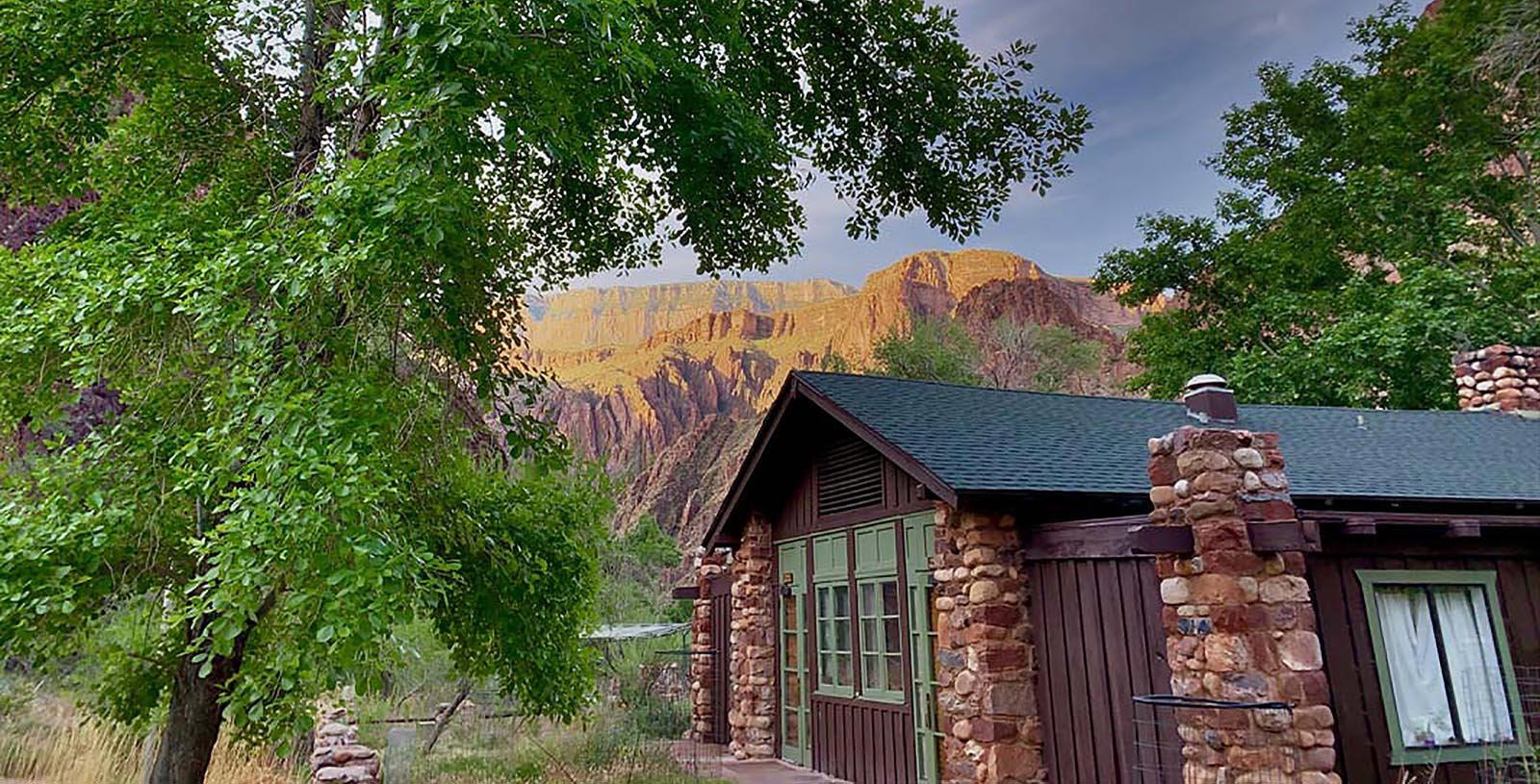
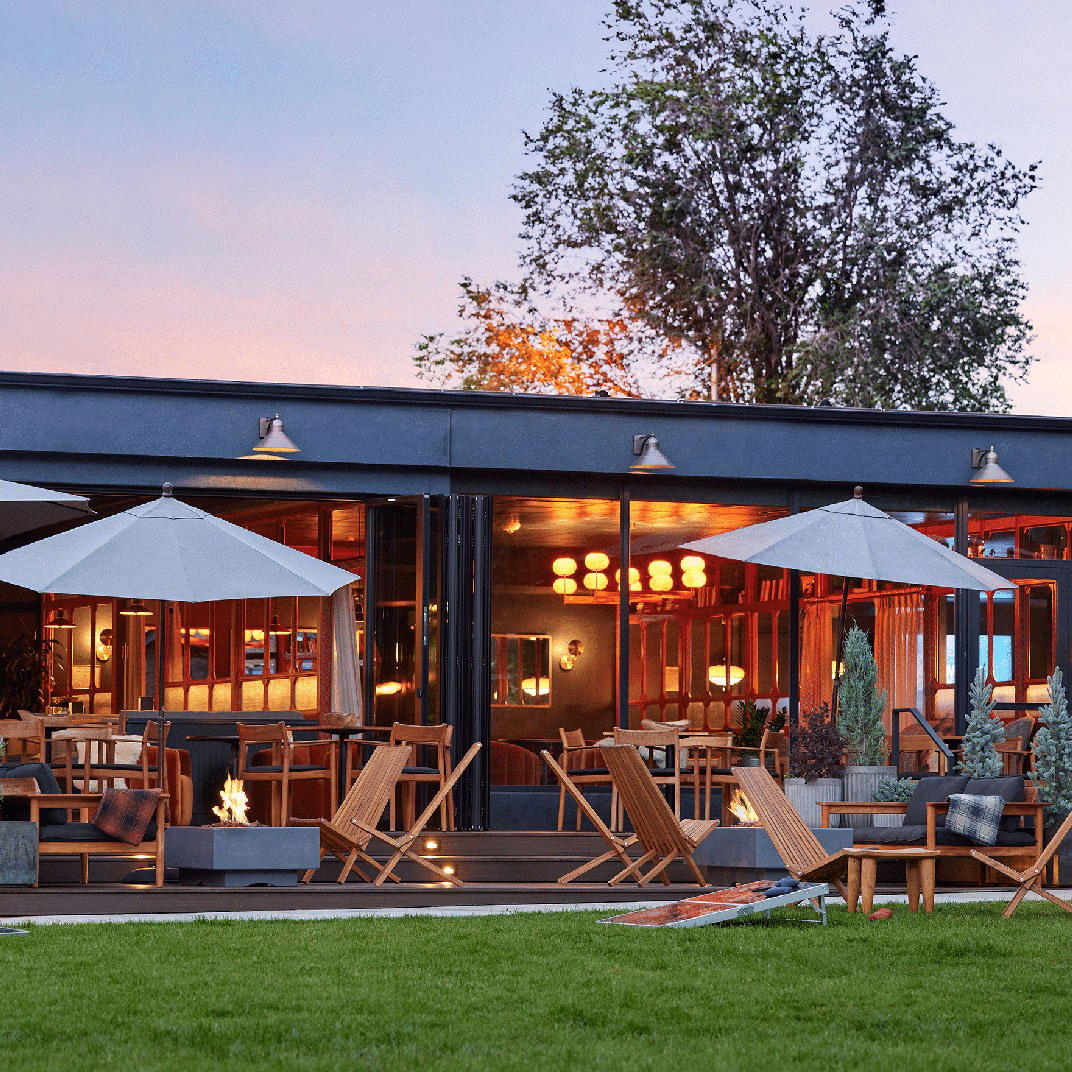
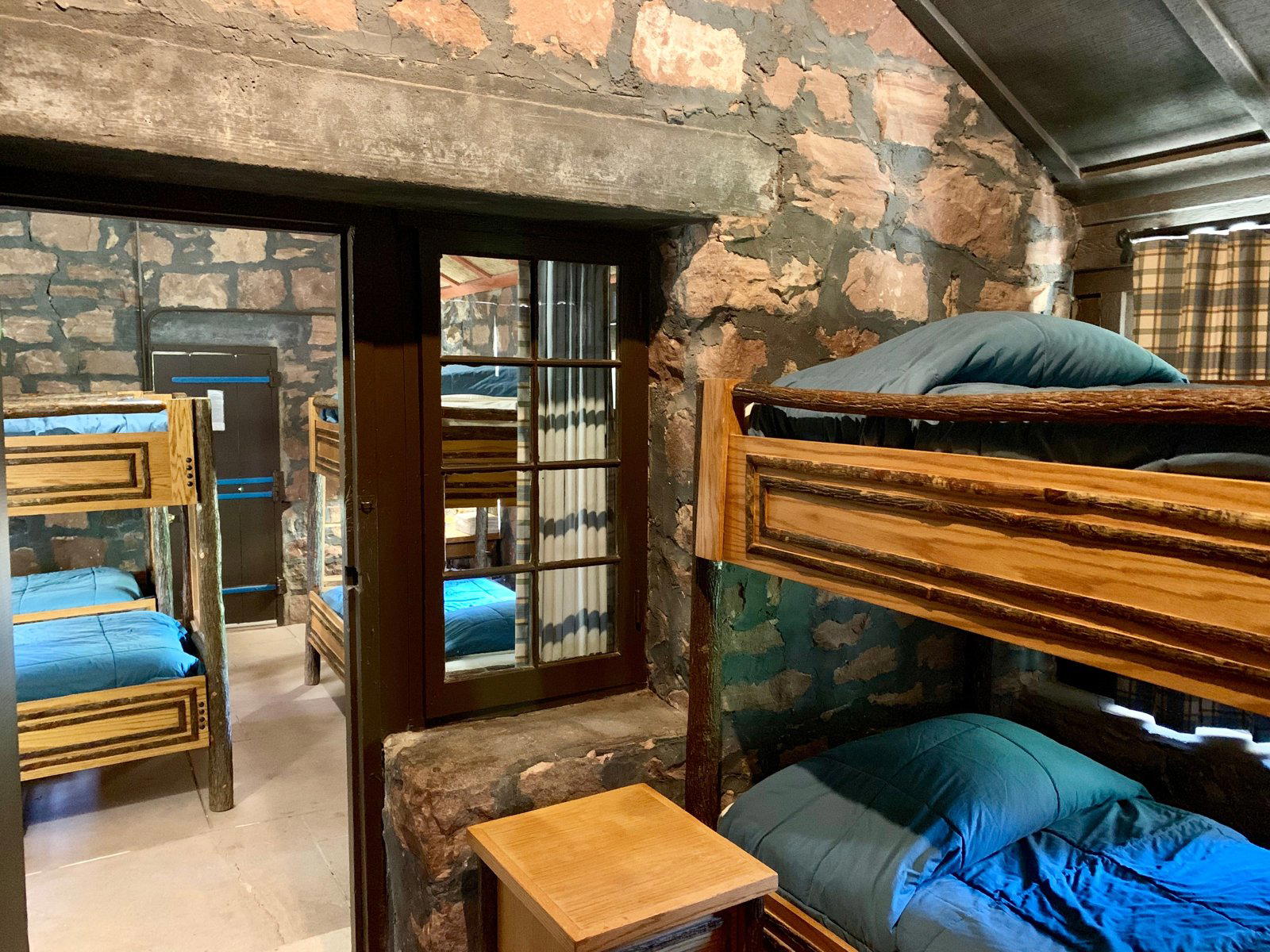
Airy and minimal with white canvas, wood elements, cozy wood-burning stoves, twinkling lights, fire pits, and starry desert skies fostering an immersive natural atmosphere.