Forêt
Forêt occupies a discreet address at 2 S Beaver St in downtown Flagstaff, positioning itself within a dining scene that punches well above the city's size. The restaurant's name and evident ambitions place it in conversation with the broader Southwest fine-dining tier, where proximity to high-altitude ingredients and a sophisticated traveller base have steadily raised expectations over the past decade.
Pearl is the En Primeur Club membership app — saves, bookings, and concierge access live there. Same editors, same standards.
- Address
- 2 S Beaver St #170, Flagstaff, AZ 86001
- Phone
- +19282147280
- Website
- foretflagstaff.com
- Directions
- Get directions
 Saves & bookings on Pearl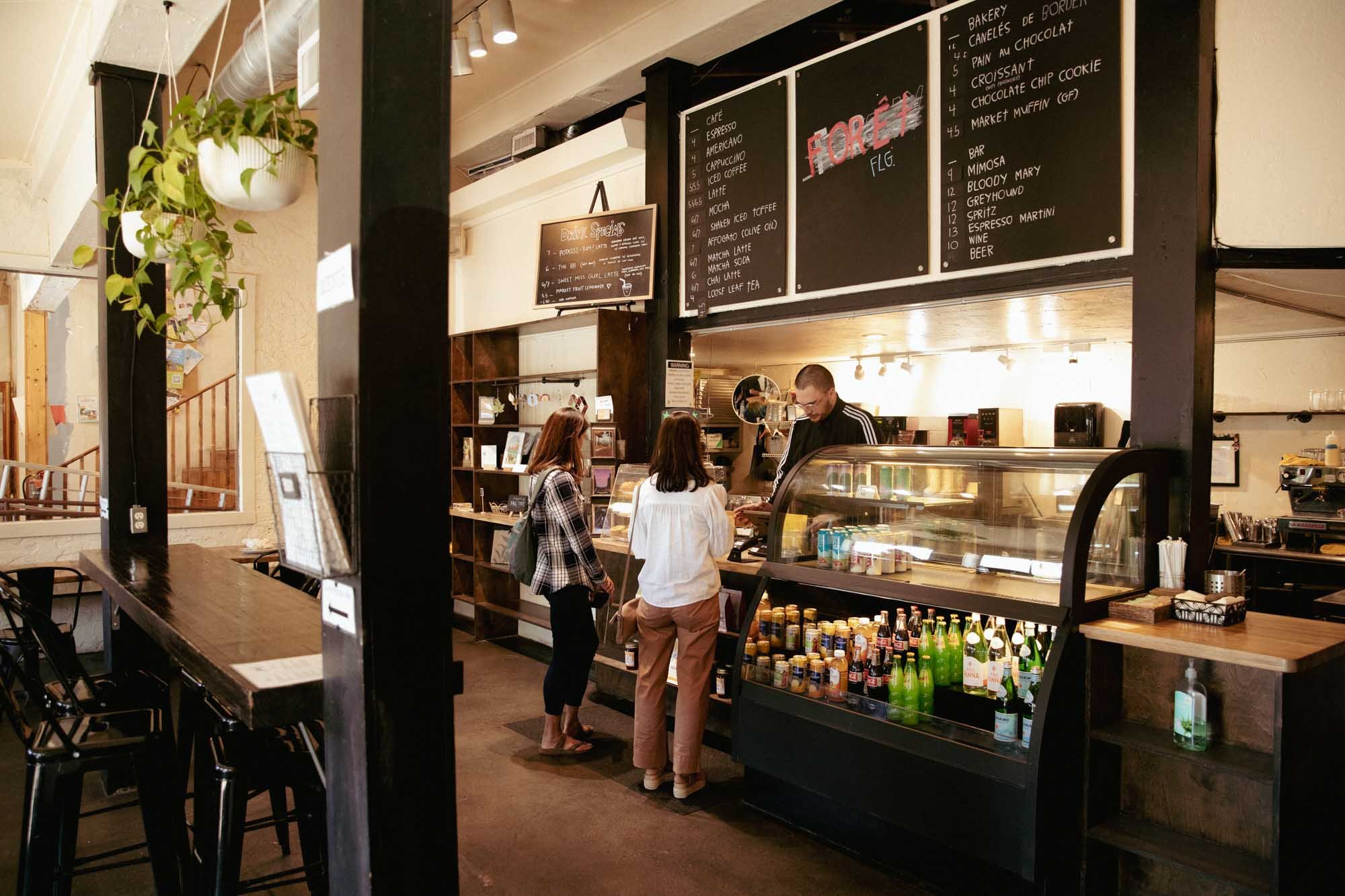
Where the Ponderosa Plateau Meets the Plate
Downtown Flagstaff sits at 6,900 feet, a detail that changes everything about dining here. The air is thinner, the light sharper, and the temperature swings between seasons are wide enough to make seasonality not just a culinary philosophy but a logistical reality. It is in this context that Forêt, at 2 S Beaver St, presents its case. The name itself, French for forest, signals an intention to root the restaurant in the landscape that surrounds it: the Coconino National Forest, the San Francisco Peaks, the high-desert corridors that connect Flagstaff to the Colorado Plateau. That kind of geographic anchoring has become a defining characteristic of the more ambitious dining tier across the American Southwest, where a generation of restaurants has moved away from imported reference points toward menus that are explicitly of their place.
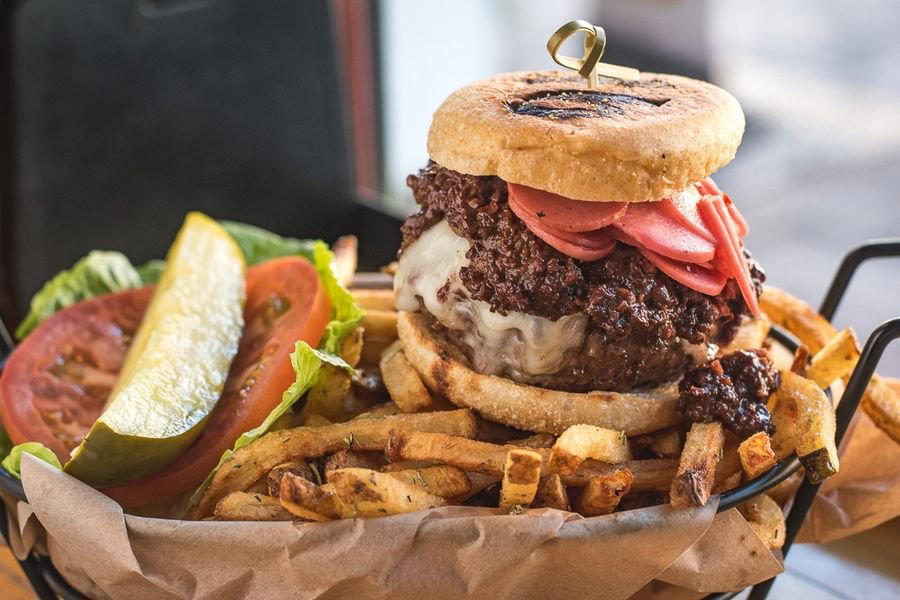
The address places Forêt within Flagstaff's walkable downtown core, a compact district where the dining options range from the long-running comfort of Brandy's Restaurant & Bakery to the focused Southeast Asian cooking at Dara Thai and the locally sourced burger format at Diablo Burger. Forêt occupies a different register than any of those. Its positioning, and the expectations its name and setting create, place it closer to the premium end of what Flagstaff's dining scene can currently support.
Menu Architecture: Reading the Structure
In restaurant criticism, the architecture of a menu is often more revealing than any single dish. How a kitchen sequences courses, where it chooses restraint versus abundance, which ingredients anchor the progression and which appear as accents, these decisions communicate a culinary argument before a plate arrives at the table. The broader movement in American fine dining over the past fifteen years has been toward menus that function as a single composed statement rather than a list of options. Restaurants like Lazy Bear in San Francisco and Smyth in Chicago have refined that format into something that feels less like service and more like an argument about ingredients and place. At the more purely place-driven end, Blue Hill at Stone Barns in Tarrytown and Single Thread Farm in Healdsburg have built menus that function almost as agricultural calendars, with the farm and its seasonal cycle as the structural spine.
Forêt's name suggests an aspiration toward that second category: menus organised around landscape and season rather than classical French progression or chef-driven technique for its own sake. In the high-altitude Southwest, that approach has distinct advantages and constraints. The growing season is shorter than in California's coastal valleys. The indigenous ingredient vocabulary, piñon, Navajo corn, high-desert herbs, game from the plateau, is distinct and, when used with care, genuinely differentiating. Restaurants in the region that have committed to that vocabulary have found a more durable identity than those that imported a Californian or New York format wholesale.
For a menu built around the Flagstaff terrain, the natural comparators are not the steakhouses of Scottsdale or the resort dining of Sedona. They are places like Addison in San Diego or Providence in Los Angeles, where a clear regional identity and a disciplined tasting format have sustained critical attention over time. The question for any Flagstaff restaurant operating in this tier is whether the local ingredient story is strong enough to carry a menu through multiple courses without relying on imported luxury products to fill structural gaps.
Flagstaff's Fine-Dining Tier: Small City, Serious Ambitions
Flagstaff is a university city with a significant transit population: Route 66 tourists, Grand Canyon visitors, Northern Arizona University faculty and students, and an increasing number of travellers who choose it as a destination in its own right rather than a stopover. That demographic mix has historically made it difficult for premium restaurants to establish the consistent repeat-visitor base that fine dining requires. The economics of a single-seating tasting menu in a city of 75,000 are different from those in Chicago or New York, and the comparison set is accordingly compressed.
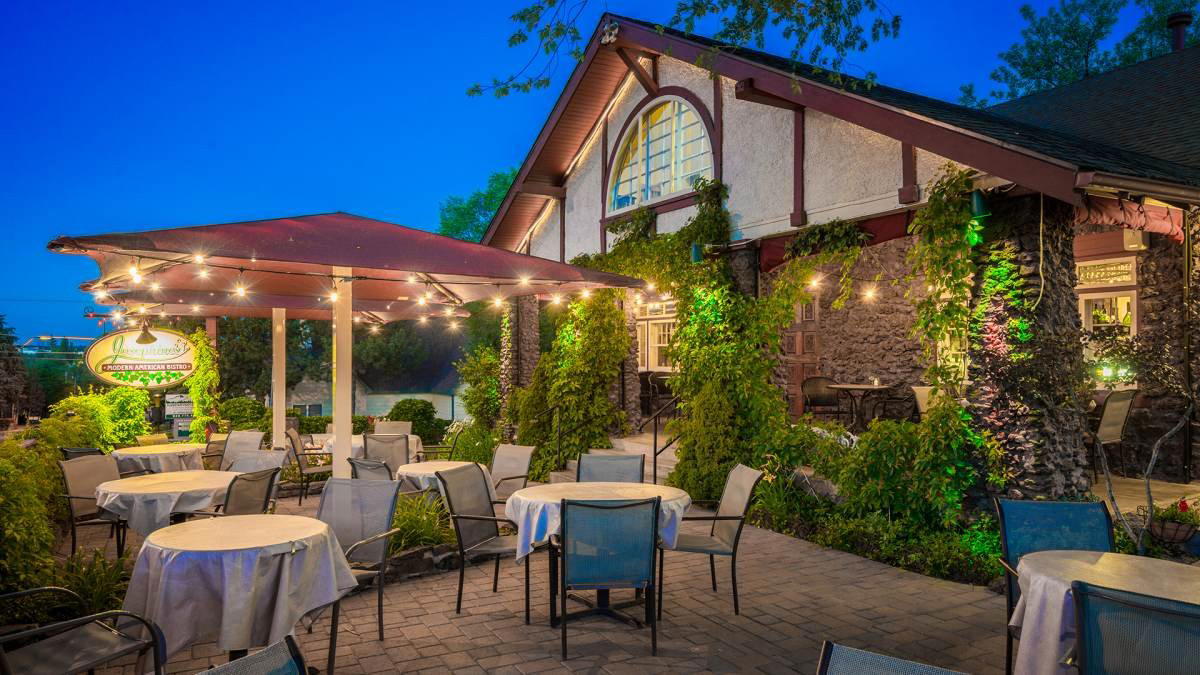
What has changed in recent years is the broader recognition that smaller cities with strong geographic identities can support serious food programs if the local sourcing story is compelling and the price point is calibrated to a mixed local-and-visitor audience. Josephine's Restaurant has occupied a comparable position in Flagstaff for years, demonstrating that the audience exists. FLG Terroir Wine Bar & Bistro has approached the premium tier from the wine side, building a program that treats Arizona's emerging wine country as a serious reference point rather than a local curiosity. Forêt enters this context with a name that signals European fine-dining heritage filtered through a distinctly American Southwest lens.
The reference points in American fine dining that Forêt's positioning calls to mind extend well beyond the Southwest. Le Bernardin in New York City and The French Laundry in Napa represent the classical French-American fine-dining lineage that a name like Forêt inevitably invokes. The Inn at Little Washington and Emeril's in New Orleans show how regional identity and classical technique can be held in productive tension. At the more experimental end, Atomix in New York City and Atelier Moessmer Norbert Niederkofler in Brunico have demonstrated how a rigorous ingredient philosophy, when applied with structural discipline, can generate menus that communicate something genuinely irreducible about a place.
That is the standard against which a restaurant called Forêt, in a city surrounded by one of America's largest ponderosa pine forests, will ultimately be measured.
Planning Your Visit
Forêt is located at 2 S Beaver St, suite 170, in downtown Flagstaff, a short walk from the historic train depot and the main Humphreys Street corridor. Flagstaff's compact downtown makes it easy to combine a dinner reservation with the city's other draws: the Lowell Observatory sits minutes above the center, and the trailheads of the Coconino National Forest are accessible within a short drive. Given the refined ambitions the restaurant's name and positioning suggest, contacting the venue directly in advance of a visit is advisable, both to confirm reservation requirements and to enquire about any dietary accommodations.
Credentials Lens
Comparable venues nearby, for context on price, style, and recognition.
| Venue | Cuisine | Price | Notes |
|---|---|---|---|
| ForêtThis venue — the venue you are viewing | French-Inspired Café | $$ | Not listed |
| Josephine's Restaurant | Modern American Bistro | $$$ | Downtown Flagstaff |
| Chopstix Vietnamese Kitchen | Authentic Vietnamese Pho | $$ | Historic Downtown |
| Brandy's Restaurant & Bakery | American Bakery Cafe | $$ | Historic Southside |
| Swaddee Thai | Authentic Thai Cuisine | $$ | Historic Downtown Flagstaff |
| Dara Thai | Authentic Thai | $$ | Downtown Flagstaff |
Continue exploring
More in Flagstaff
Restaurants in Flagstaff
Browse all →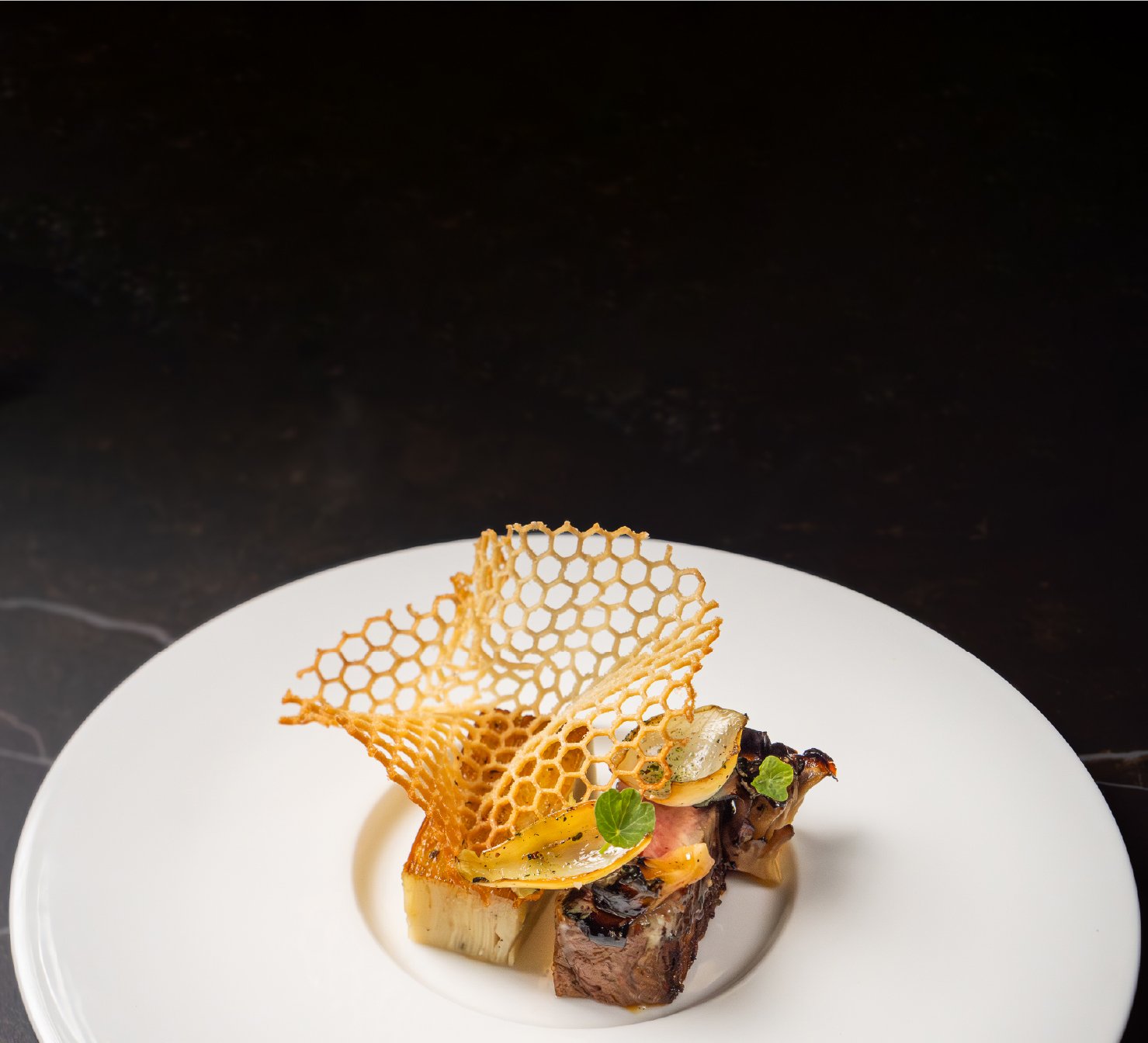
Bars in Flagstaff
Browse all →
At a Glance
- Cozy
- Modern
- Brunch
- Casual Hangout
- Standalone
Current opening hours
- Monday
- Closed
- Tuesday
- Closed
- Wednesday
- 8 AM–3 PM
- Thursday
- 8 AM–3 PM
- Friday
- 8 AM–3 PM
- Saturday
- 8 AM–3 PM
- Sunday
- 8 AM–3 PM
Hours can change for holidays and private events. Last verified .
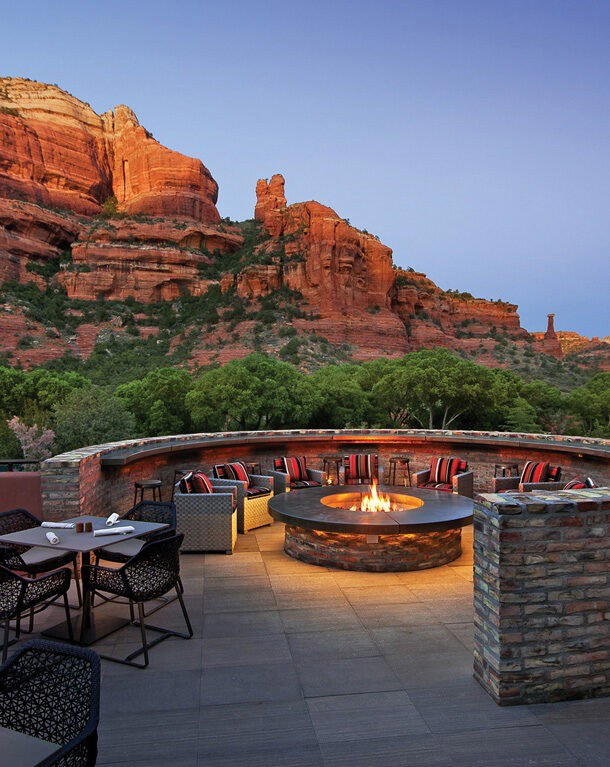
Fun, relaxing, and charming atmosphere in a historic feed store with minimal, funky French decor.