Grand Canyon Railway & Hotel
The Grand Canyon Railway & Hotel in Williams, Arizona anchors one of the American Southwest's most historically resonant travel formats: a working heritage railroad that has been shuttling passengers to the canyon's South Rim since 1901. The hotel sits at the departure point for that daily journey, placing guests inside a living piece of railroad-era architecture at a town that still functions as the canyon's quietest gateway.

Pearl is the En Primeur Club membership app — saves, bookings, and concierge access live there. Same editors, same standards.
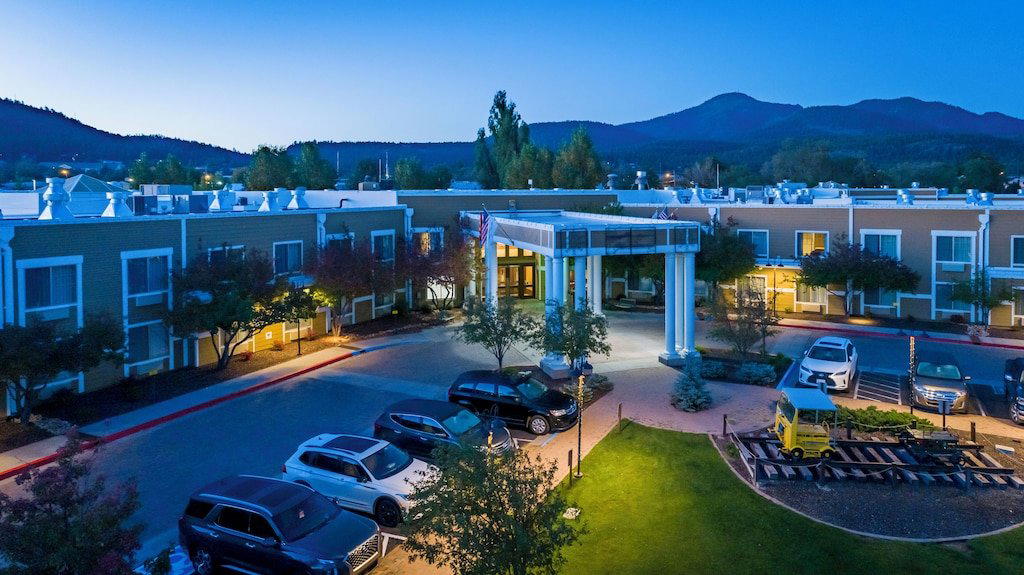
Williams and the Railroad Tradition It Never Abandoned
Most routes to the Grand Canyon's South Rim follow Interstate 64 through Flagstaff or approach from Las Vegas on US-93. Williams, a small high-desert town on Route 66 roughly 60 miles south of the rim, takes a different posture entirely. It was the last town on the original Route 66 to be bypassed by the interstate system, a distinction that has shaped its identity as a place that holds onto things. The Grand Canyon Railway, which ran its first passenger service to the South Rim in 1901 and was revived for tourist operations in 1989 after a decades-long dormancy, is the clearest expression of that character. The hotel at 235 N Grand Canyon Blvd sits directly at the Williams Depot, positioning it as both lodging and platform for the rail experience rather than a standalone accommodation.
In a region where premium Southwest properties tend toward the spa-and-infinity-pool format, think Amangiri in Canyon Point or Ambiente in Sedona, the Grand Canyon Railway & Hotel occupies a different category altogether. The competitive reference here is not design-led luxury but heritage-format travel, the kind built around a specific, time-stamped American experience that no amount of repositioning can manufacture from scratch.
The Architecture of Departure
The Williams Depot, which anchors the property's public face, was built in 1908 in the Victorian-influenced rail station style that the Atchison, Topeka and Santa Fe Railway deployed across the Southwest. The low, brown-brick structure with its broad eaves and covered platform belongs to a specific architectural grammar, one that was designed to communicate arrival and departure as occasions worth marking. Rail stations of this era were civic statements as much as functional infrastructure, and the Williams Depot retains enough of that original framing to read as architecture rather than theme park reproduction.
The hotel building itself, which sits adjacent to the historic depot, was constructed more recently to accommodate guests as the rail revival operation grew. The design task in projects like this is always the same: how do you build new without undermining the historic material that gives the place its authority? The approach here leans on continuity of material and scale rather than pastiche, keeping the hotel's massing low and its palette aligned with the older structures. The effect is coherent without pretending to be something it is not.
This architectural positioning is worth comparing to how other heritage-hotel projects in the American West have handled similar questions. Properties like Troutbeck in Amenia or the Chicago Athletic Association have both had to negotiate the tension between preservation and contemporary hospitality standards. The Williams property works within that same challenge, with the added complexity that the historic asset is operational rather than merely decorative. The trains actually run.
The Rail Journey as the Product
The daily train to the Grand Canyon South Rim is the reason this property exists, and understanding it requires stepping back from individual venue analysis to think about what heritage rail travel actually delivers that driving does not. The journey covers roughly 65 miles of high-desert terrain through ponderosa pine forest at an altitude that keeps temperatures meaningfully cooler than the canyon floor, and it takes approximately two hours and fifteen minutes each way. That format imposes a specific kind of attention: you cannot stop the train at an interesting rock formation, cannot choose a different route, cannot accelerate through the unspectacular sections. It is deliberately non-optimized travel, which is increasingly the point for a particular type of traveler.
The comparison is less to other Southwest hotels and more to places like Blackberry Farm in Walland or Sage Lodge in Pray, where the lodging is the staging ground for an experience that could not be had any other way from any other property. At those properties, the activity shapes the entire structure of a stay; the same logic applies here.
Williams as a Gateway with Its Own Character
Staying in Williams rather than on the rim itself is a choice that carries trade-offs. The South Rim's in-park lodges deliver immediate access to canyon viewpoints, and properties at that altitude sit inside one of the country's most heavily trafficked national park zones. Williams offers the inverse: a small Route 66 town with an identifiable main street, a quieter operating tempo, and the logistical advantage of arriving at the South Rim by train rather than crowded park shuttle. For travelers who have already done the rim-side lodge experience, Williams represents a meaningfully different version of the same destination.
The town's Route 66 identity is not incidental. Williams was established as a railroad and ranching town in the 1880s, and its position on the historic highway preserved a main street character that Interstate 40 would otherwise have eroded entirely. For visitors oriented toward American vernacular architecture and mid-century roadside culture, the town itself is part of the visit rather than just a service stop. See our full Williams restaurants guide for dining options within the town.
Planning a Stay
The property sits at an elevation of approximately 6,700 feet, which means summer temperatures in Williams run significantly cooler than Phoenix or the canyon bottom, typically 20 to 30 degrees Fahrenheit lower on peak summer days. Spring and fall visits offer the most comfortable rail journey conditions, while winter brings snow to the ponderosa forest and a markedly different visual register for the trip south toward the rim. The train operates daily, and booking accommodation at the hotel aligns the logistics of the rail experience without requiring a separate lodging search in a town with limited inventory.
Travelers comparing this property against other Southwest options should note that properties like Canyon Ranch in Tucson or the Post Ranch Inn in Big Sur are organized around fundamentally different premises: wellness programming and coastal scenery, respectively. The Grand Canyon Railway & Hotel is organized around a single, historically specific experience. That narrowness is a feature rather than a limitation if the experience is the reason you are traveling.
For travelers whose reference points include properties like Amangani in Jackson Hole, Bernardus Lodge in Carmel Valley, or Four Seasons at The Surf Club in Surfside, the Williams property will register as a category shift. It is not competing on spa facilities or restaurant programming. It is competing on the specificity of a living railroad tradition, the architecture of a working 1908 depot, and the claim that two hours through the Arizona high desert by steam or diesel locomotive is a more considered way to arrive at one of the world's most documented geological formations than a parking lot off Highway 64.
| Venue | Cuisine | Price | Awards |
|---|---|---|---|
| Grand Canyon Railway & HotelThis venue (the venue you are viewing) | This venue | Not listed | Not listed |
| Aman New York | Michelin 3 Key, World's 50 Best | Not listed | 3 Michelin Keys · World's 50 Best #87 |
| Amangiri | Michelin 3 Key, World's 50 Best | $1,000–1,500 | 3 Michelin Keys · World's 50 Best #45 |
| Hotel Bel-Air | Michelin 3 Key, World's 50 Best | $750–1,000 | 3 Michelin Keys · World's 50 Best #57 |
| The Beverly Hills Hotel | Michelin 3 Key, World's 50 Best | Not listed | 3 Michelin Keys · World's 50 Best #65 |
| The Carlyle, A Rosewood Hotel | Michelin 2 Key, World's 50 Best | $1,500–2,500 | 2 Michelin Keys · World's 50 Best #64 |
Continue exploring
More in Williams
Hotels in Williams
All hotels in Williams →
Bars in Williams
Browse all →

Details
- Rustic
- Classic
- Scenic
- Historic
- Family Vacation
- Weekend Escape
- Historic Building
- Wi Fi
- Pool
- Hot Tub
- Restaurant
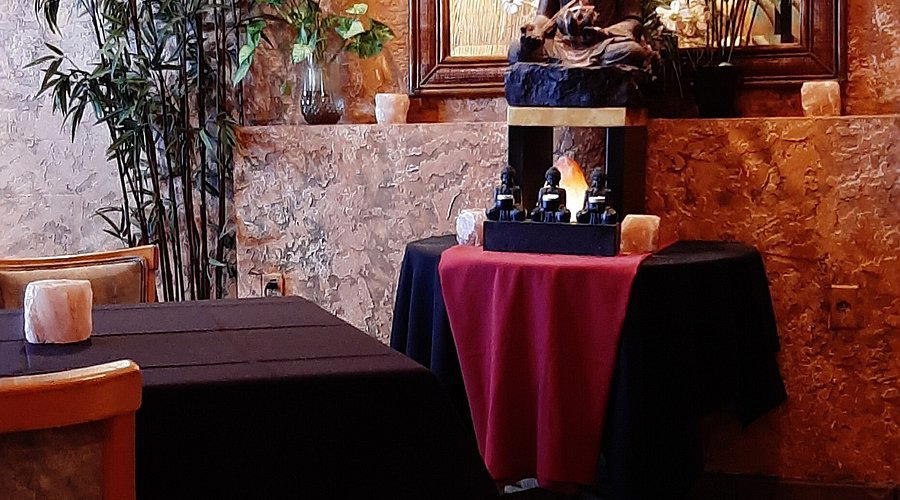
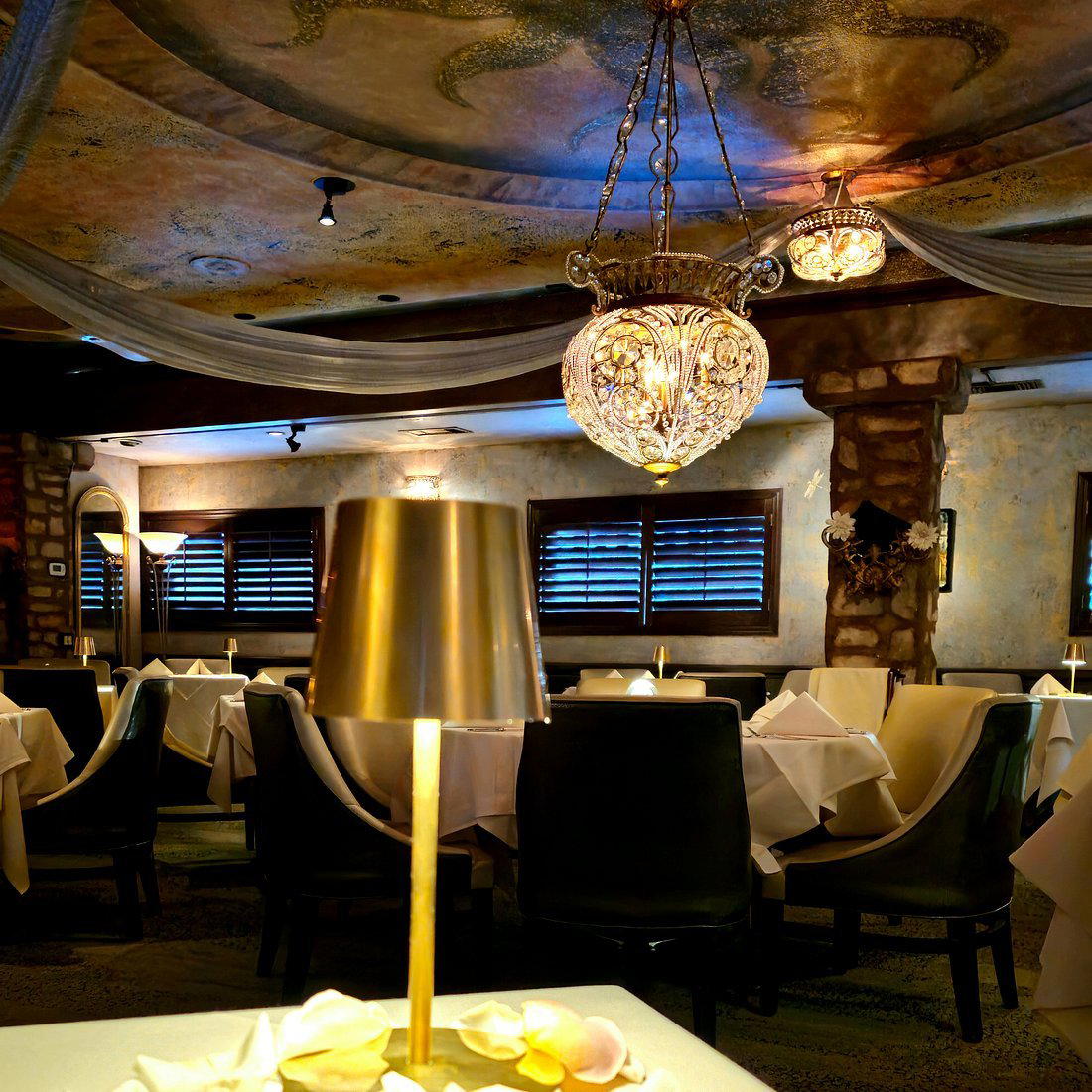
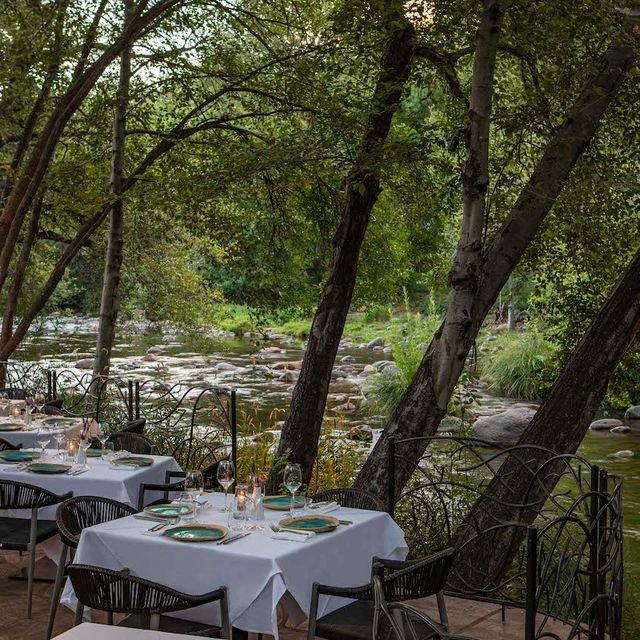
Elegant early railroad aesthetic with grand lobby, chandelier, fireplace, brass lighting, and picturesque Western setting evoking a bygone era.