Caduceus Cellars and Merkin Vineyards Tasting Room
On Jerome's main drag, Caduceus Cellars and Merkin Vineyards plants Arizona wine on its own terms. The tasting room occupies a storefront in one of the American Southwest's most atmospheric former mining towns, pairing serious viticulture with a rock-and-roll founding lineage that sets it apart from the Sedona-adjacent tourist circuit. For wine drinkers who want context with their glass, this is where Verde Valley's ambitions become most legible.
Pearl is the En Primeur Club membership app — saves, bookings, and concierge access live there. Same editors, same standards.
- Address
- 158 Main St, Jerome, AZ 86331
- Phone
- +1 928 639 9463
- Website
- caduceus.org
- Directions
- Get directions
 Saves & bookings on Pearl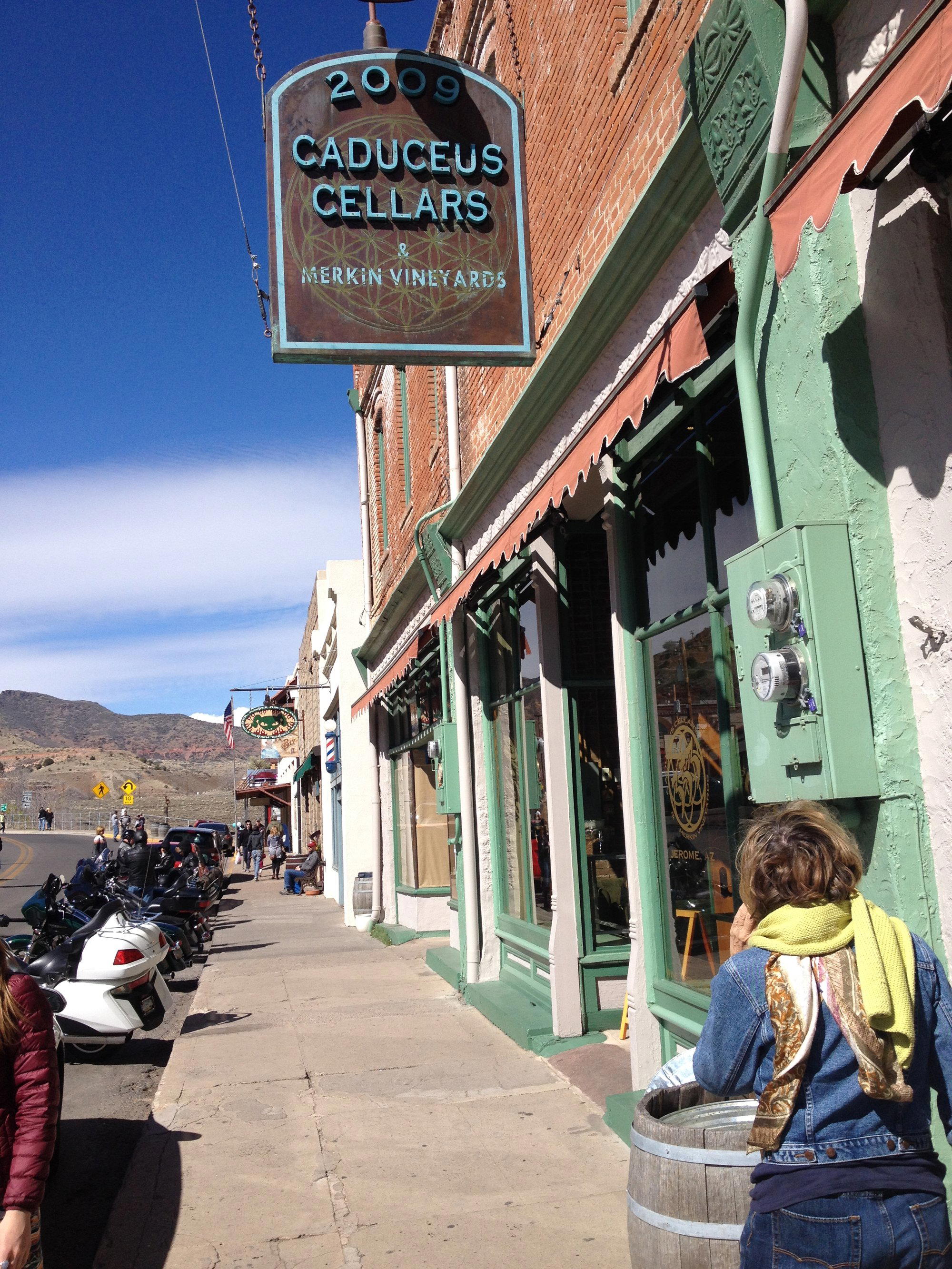
A Ghost Town With a Wine Program Worth the Drive
Jerome sits roughly 5,000 feet above the Verde Valley on a slope of Cleopatra Hill, a former copper-mining settlement that at its peak housed thousands of workers and now holds fewer than 500 permanent residents. The town's verticality is part of what you notice first: streets that tilt sharply, storefronts anchored to the hillside, and views across the valley that make the altitude feel earned. Within that setting, the Caduceus Cellars and Merkin Vineyards Tasting Room at 158 Main St offers a casual wine stop in Jerome, AZ.
Arizona wine has been producing fruit-forward reds and structured whites from the high-elevation appellations of Sonoita and the Verde Valley long enough to have shed the novelty label, but the state still operates below the radar of most American wine drinkers. The Verde Valley AVA, where Merkin Vineyards sources much of its fruit, has attracted a small but serious group of producers working with varieties suited to the elevation and heat differential. That context matters when considering what a tasting room in Jerome is actually offering: it is a point of access to a wine region most visitors will have encountered only by accident.
The Room, the Pour, and the Program
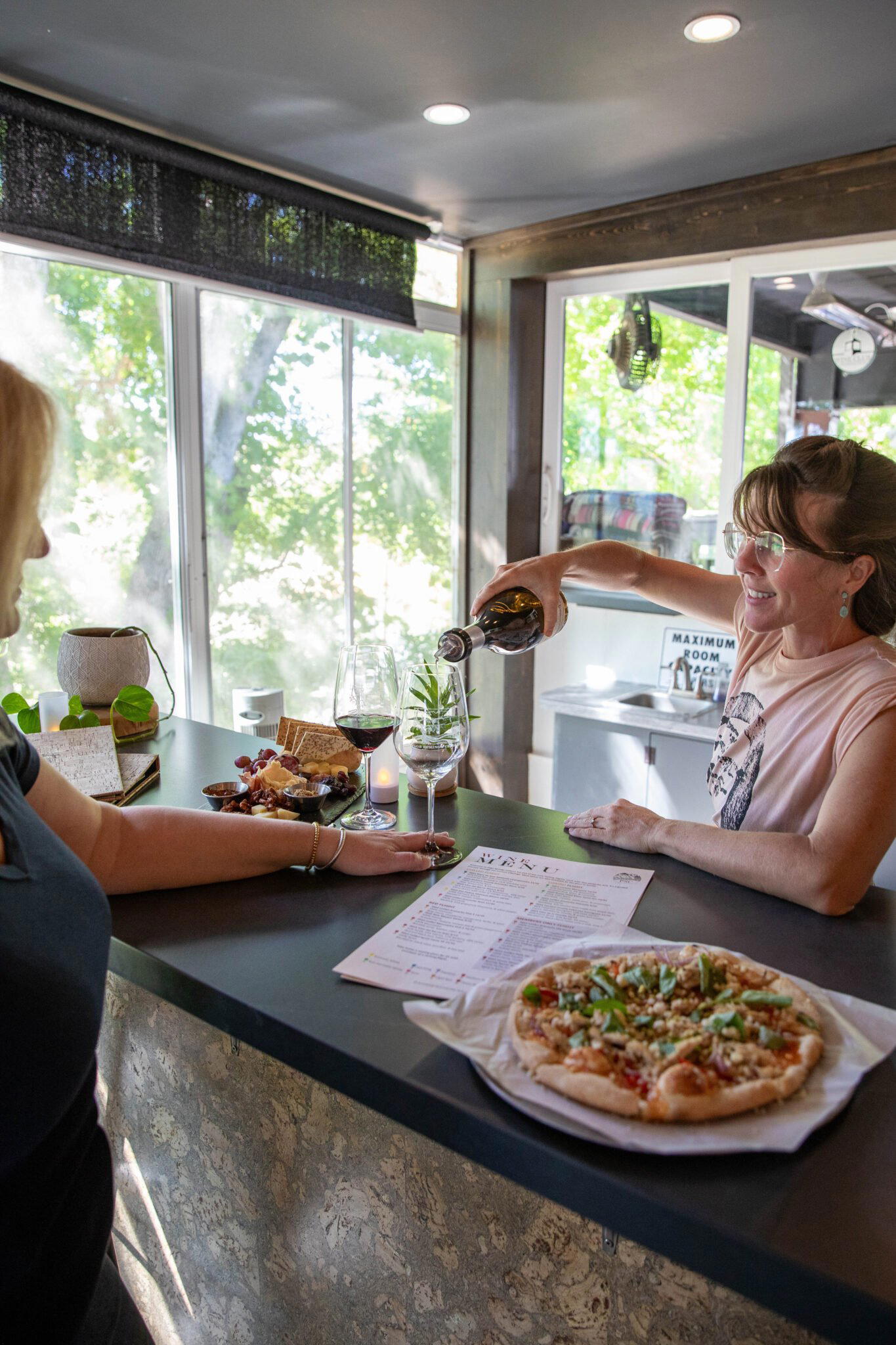
Tasting rooms in historic mining towns can easily slide into tourist-trap territory, where the setting does the heavy lifting and the liquid in the glass is an afterthought. The better operators in places like Jerome understand that the physical environment is an advantage only if it is backed by genuine product. Caduceus Cellars has roots in this town that go back far enough to have built a local following, and the tasting room on Main Street sits within a scene where wine is not just a differentiator but the central argument for the stop.
For visitors with a specific interest in American craft wine programs, it is worth placing this operation in comparative context. Producers at this scale who are working in emerging appellations typically face a direct trade-off between vineyard ambition and tasting-room accessibility. The Merkin Vineyards side of the operation grows fruit in Arizona's higher-elevation zones, which tend to produce wines with more structure and acidity than the state's lower desert plantings. That distinction is relevant to anyone approaching the room with a palate calibrated by California or Pacific Northwest benchmarks.
What Brings Serious Drinkers Here
The tasting room serves both the Caduceus Cellars and Merkin Vineyards labels, which occupy slightly different positions in the portfolio. Caduceus is the project that built the name recognition; Merkin represents the estate-fruit, vineyard-specific work. That split between a brand label and an estate label is a structure used by a number of serious American producers to separate their experimental or allocated work from their more accessible commercial output. In a tasting room context, it gives visitors a genuine range to work through rather than a single stylistic note repeated across several pours.
For wine drinkers accustomed to bar programs at venues like Kumiko in Chicago or ABV in San Francisco, where the intellectual architecture of a drinks program is part of the draw, the appeal here is different in format but similar in kind. This is a place where the selection reflects actual production decisions rather than a purchasing team's choices from a distributor catalog. The wines you taste here are the ones made here, from fruit grown in a specific geographic context, and that directness is its own form of program integrity.
Jerome as a Wine Destination
Jerome has become a reliable stop for visitors moving between Sedona and Prescott, and the wine operations in town benefit from that traffic pattern. The drive up AZ-89A from the valley floor is itself a case for making the trip: the road switchbacks up through scrub and rock before depositing you into the Victorian-era streetscape that gives Jerome its film-set quality. Timing the visit for a weekday morning reduces the crowd density considerably; weekend afternoons in peak season can make the narrow streets feel compressed in ways that undercut the town's appeal.
The broader Arizona wine trail, which connects producers in the Verde Valley with those in Sonoita and Willcox, is still in the process of building the visitor infrastructure that established wine regions take for granted. Jerome is one of the more accessible entry points to that trail, partly because it already has hospitality infrastructure from its previous identity as an arts community. For visitors who want to continue exploring craft bar programs after leaving the state, Bitter & Twisted in Phoenix offers a technically serious cocktail perspective, while Bar Leather Apron in Honolulu, Jewel of the South in New Orleans, and Julep in Houston represent the kind of ingredient-led, regionally grounded programs that share a philosophical kinship with estate wine production. For those traveling further, Superbueno in New York City, Allegory in Washington, D.C., Bar Kaiju in Miami, Canon in Seattle, and The Parlour in Frankfurt on the Main each anchor serious drinks programs in their respective cities.
Planning the Visit
The tasting room is located at 158 Main St in Jerome, AZ 86331, which places it directly on the primary commercial strip running through the center of town. Jerome is approximately 100 miles north of Phoenix and accessible via AZ-89A through Cottonwood. Parking in Jerome is limited and the streets are narrow enough that arriving on foot from one of the lower lots is often faster than circling for a spot near the tasting room.
Comparable Spots, Quickly
Comparable venues nearby, for context on price, style, and recognition.
| Venue | Cuisine | Price | Notes |
|---|---|---|---|
| Caduceus Cellars and Merkin Vineyards Tasting RoomThis venue — the venue you are viewing | wine_bar | $$$ | Not listed |
| UnderTow Arcadia at Century Grand | tiki_bar | $$$ | Camelback East |
| The Beverly on Main | cocktail_bar | $$$ | Old Town Scottsdale |
| Sushi Sen Scottsdale | sake_bar | $$$ | Scottsdale Seville |
| The Farish House | cocktail_bar | $$$ | Roosevelt Row |
| Hush Public House | pub | $$$ | North Scottsdale |

At a Glance
- Rustic
- Intimate
- Whimsical
- Casual Hangout
- Group Outing
- Special Occasion
- Historic Building
- Design Destination
- Standalone
- Seated Bar
- Standing Room
- Conventional Wine
- Natural Wine
- Street Scene
Current opening hours
- Monday
- 11 AM–6 PM
- Tuesday
- 11 AM–6 PM
- Wednesday
- 11 AM–6 PM
- Thursday
- 11 AM–6 PM
- Friday
- 11 AM–7 PM
- Saturday
- 11 AM–7 PM
- Sunday
- 11 AM–6 PM
Hours can change for holidays and private events. Last verified .
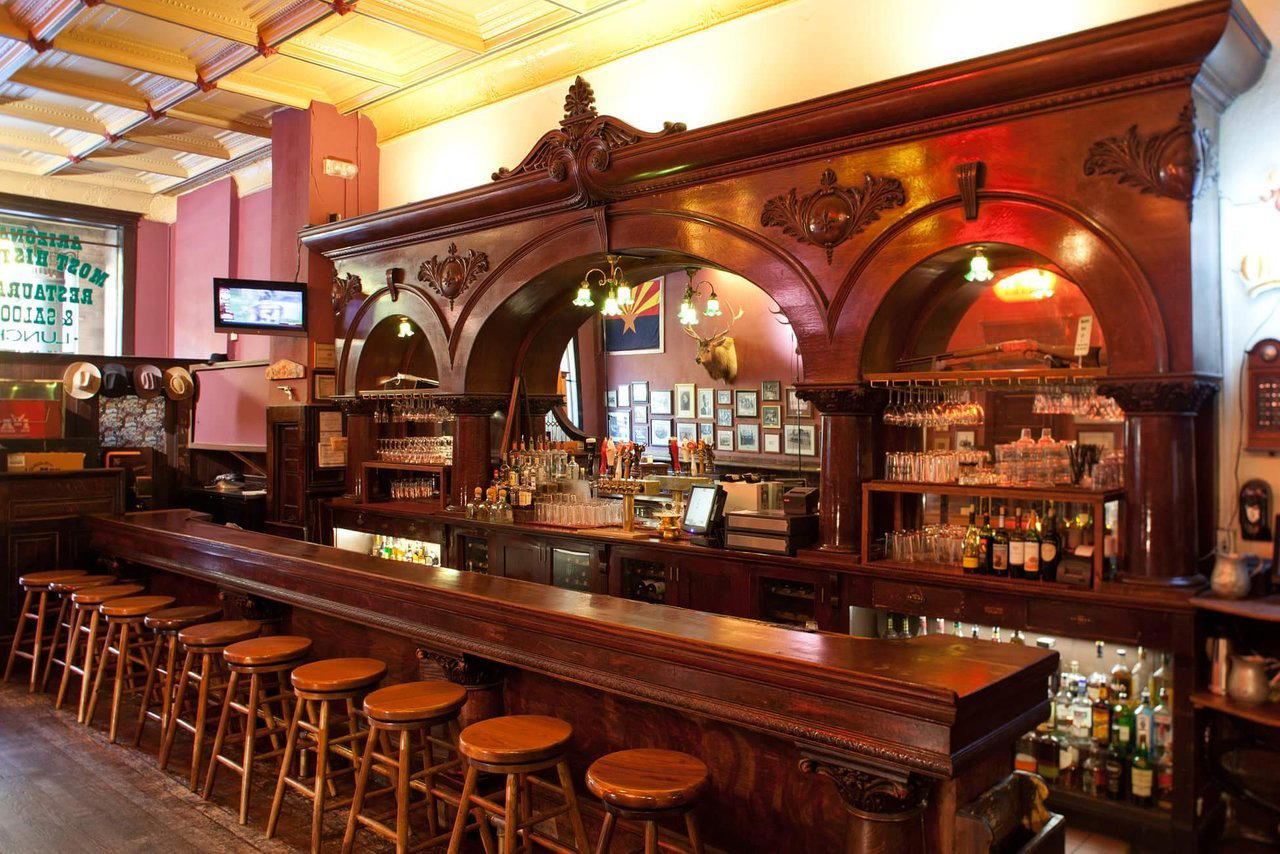
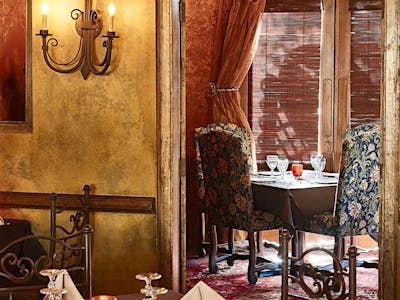
Gothic rock aesthetic with curio cabinet displays, historic Jerome mining town setting with a slightly haunted atmosphere; eclectic and artistic vibe.