Page Springs Cellars Tasting Room & Bistro
Page Springs Cellars Tasting Room & Bistro sits along the Verde Valley wine corridor in Cornville, Arizona, where a growing cluster of estate producers has turned a stretch of high-desert riparian land into one of the Southwest's more serious winemaking addresses. The tasting room pairs poured wines with bistro-style food in a format that rewards visitors who arrive with time to settle rather than a checklist to tick.
Pearl is the En Primeur Club membership app — saves, bookings, and concierge access live there. Same editors, same standards.
- Address
- 1500 N Page Springs Rd, Cornville, AZ 86325
- Phone
- +1 928 639 3004
- Website
- pagespringscellars.com
- Directions
- Get directions
 Saves & bookings on Pearl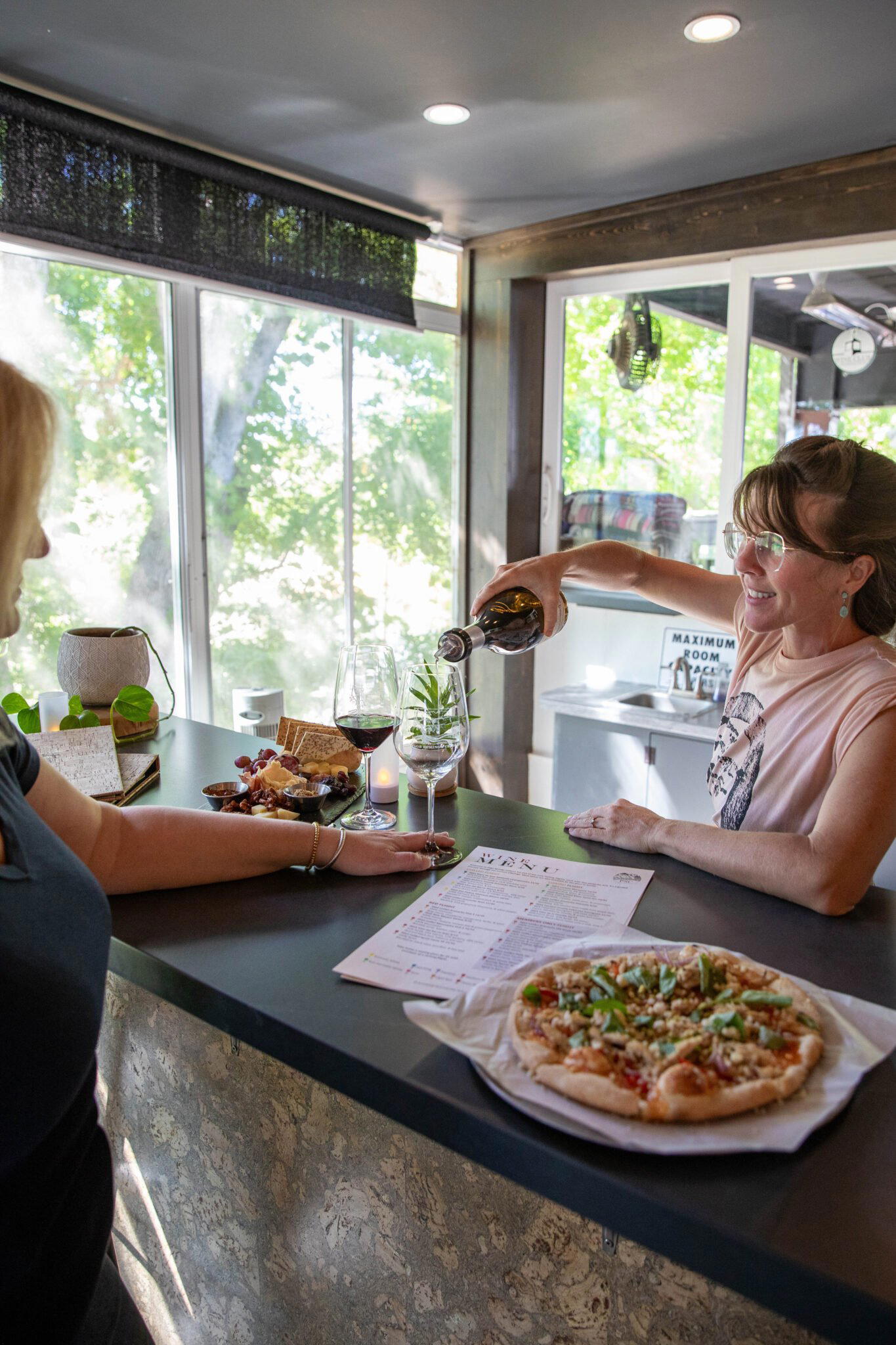
Where the Verde Valley Puts Down Roots
The drive along Page Springs Road into Cornville offers the clearest argument for taking Arizona wine seriously. The Verde Valley sits at elevations between 3,000 and 5,000 feet, where diurnal temperature swings of 30 to 40 degrees Fahrenheit concentrate acidity and aromatics in ways that lower-elevation Southwest growing areas rarely achieve. This isn't incidental geography, it's the structural reason a small corridor of estate producers here has drawn attention from wine writers and sommeliers who spend most of their working hours focused on California or the Pacific Northwest.
Page Springs Cellars occupies a position near the front of that story. As one of the Verde Valley's earlier and more referenced estate operations, it helped establish the expectation that Arizona wine could be discussed in terms of terroir specificity rather than novelty. The tasting room and bistro format reflects how the region's producers have learned to build a hospitality layer around their wine: not as a winery tour with a gift shop, but as a full afternoon proposition where food, drink, and the physical surroundings do coordinated work.
The Setting Before the Pour
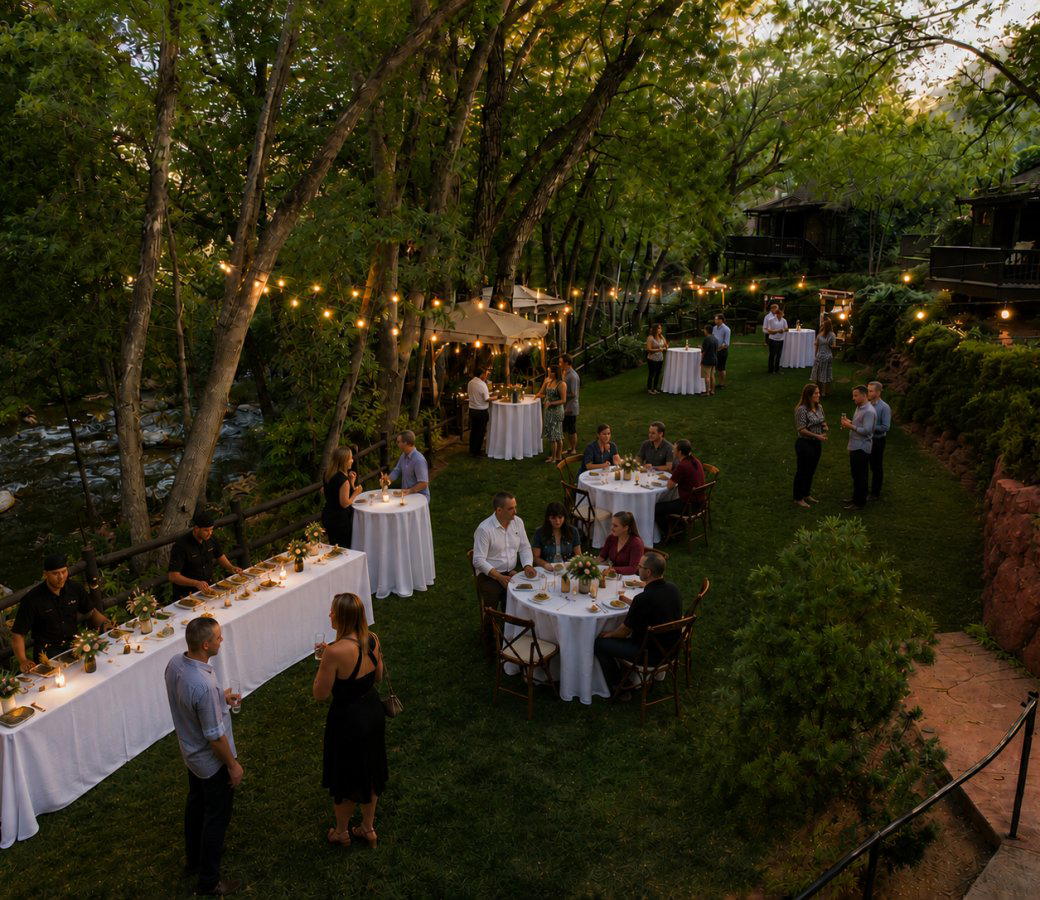
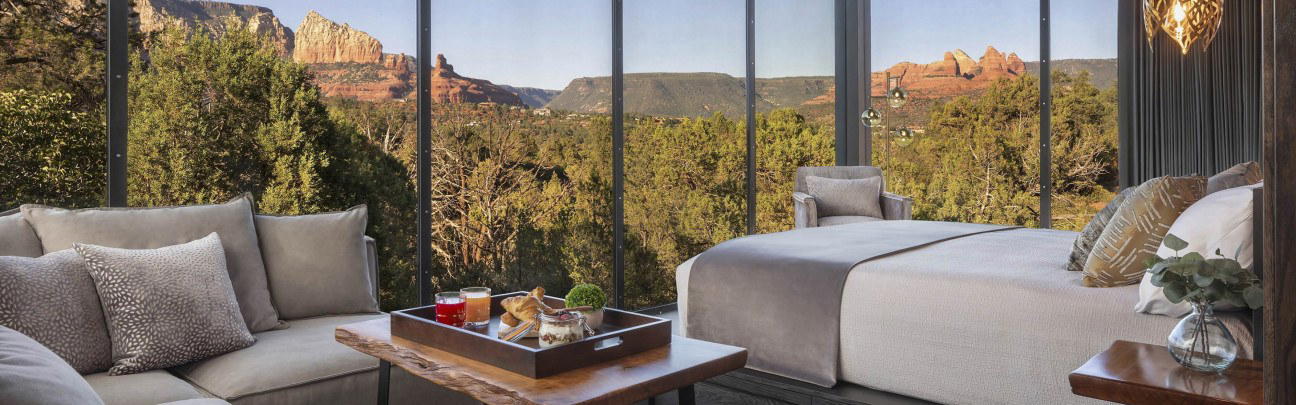
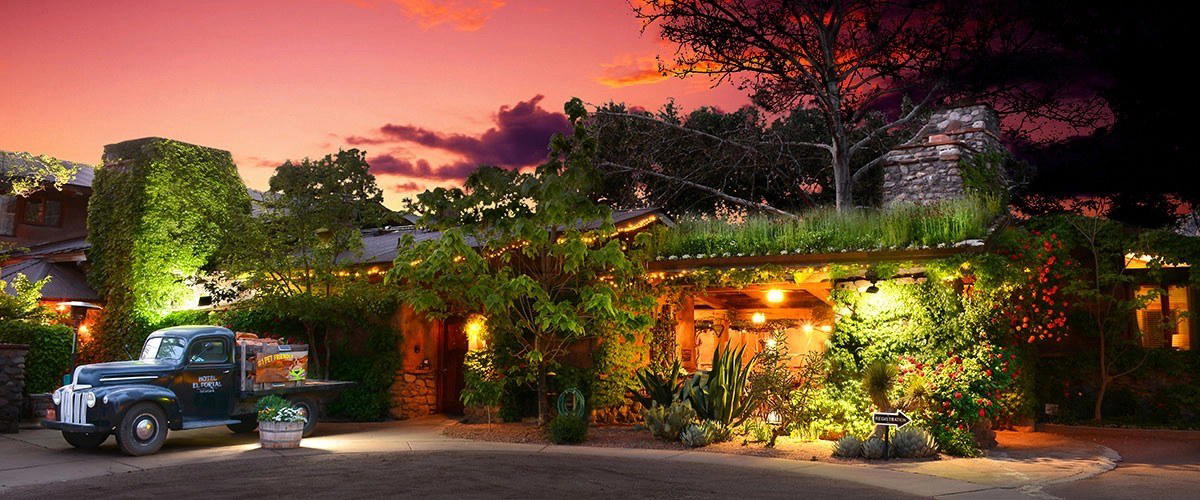
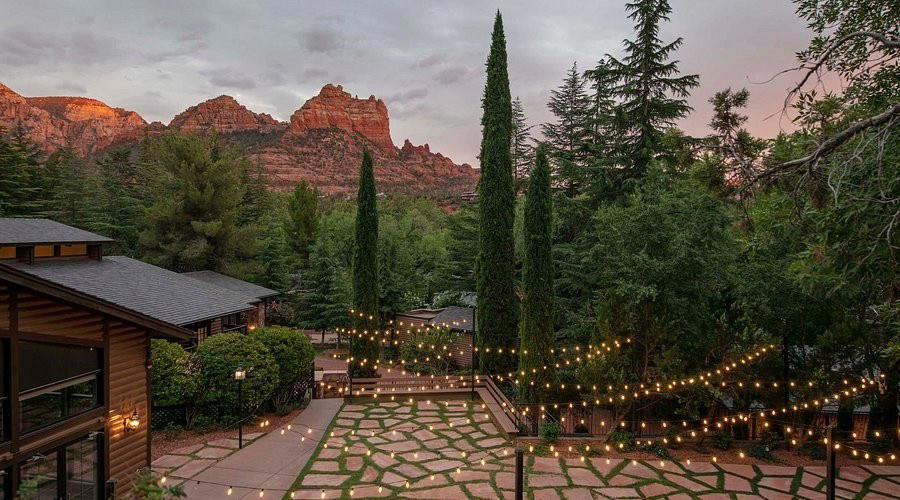
Arriving at the property along the creek-side road, the shift from highway driving to something quieter is immediate. Oak Creek runs close to the site, and the riparian corridor, cottonwoods, willows, the particular humidity of water in a high-desert valley, creates a microclimate that reads differently from the surrounding scrubland. The outdoor seating areas place you inside that environment rather than adjacent to it. This matters because the Verde Valley's winemaking case rests partly on the argument that water access and elevation interact in specific ways here, and sitting on the property makes that argument concrete.
The bistro component means a visit has a shape to it beyond a lineup of pours. Food and wine served together in this setting functions less like a formal tasting protocol and more like the approach you'd find at a well-run European estate that treats the table as an extension of the cellar. Several comparable wine-forward American properties have moved in this direction, pairing rooms that operate on appointment schedules, seated flights with a food pairing component, because the format slows the pace down to where wine conversation actually happens.
The Wine Program in the Verde Valley Context
Verde Valley producers work with a grape selection that reflects the region's hybrid identity: Rhône varieties like Grenache, Syrah, and Viognier find credible expression at these elevations, as do some Spanish and Italian cultivars that handle heat with more structural grace than, say, a Pinot Noir forced into warm conditions. The region's producers have largely resisted the temptation to chase variety recognition at the expense of site suitability, which is a more disciplined position than many emerging American wine regions manage in their first decade of commercial attention.
Page Springs Cellars has historically shown range across both red and white programs, with an emphasis on varieties that suit the high-desert riparian context. A visit to the tasting room is, in practical terms, a way to track how the estate reads across multiple expressions, from lighter aromatic whites to the fuller-structured reds the region handles with particular confidence. The bistro menu exists to give those wines something to work against at the table, which is a more useful learning format than a dry tasting flight followed by a parking lot.
How This Fits the American Wine-Country Tasting Room Circuit
The first is high-volume, appointment-optional, heavily branded, the Napa Valley model, where per-person tasting fees run into three figures and the experience is engineered for throughput. The second is lower-capacity, place-specific, with a stronger emphasis on the conversation between visitor and producer. Verde Valley generally operates in the second register, and Page Springs sits in that cohort. The comparison to bar and cocktail programs elsewhere in the American West is instructive: operations like ABV in San Francisco or Bitter & Twisted in Phoenix built sustained reputations on program depth and a willingness to educate rather than merely perform. A serious wine estate tasting room operates on the same logic.
The bistro format also places Page Springs in a different comparable set than a pour-and-leave tasting room. Operations like Kumiko in Chicago and Jewel of the South in New Orleans show how pairing a serious drinks program with equally considered food creates a format that holds people longer and generates deeper engagement with what's in the glass. The underlying principle applies whether the liquid in question is a Japanese whisky highball or an estate-grown Grenache from Arizona's high desert.
For visitors coming from Phoenix, roughly 100 miles south, or from Sedona, which sits about 20 miles north, the Verde Valley wine corridor represents a day-trip format that requires planning rather than improvisation. Weekday visits tend to offer more room and more producer attention than weekend afternoons, when the corridor draws leisure traffic from both directions. The bistro element makes an extended midday visit more practical than a quick stop.
The Broader Case for Verde Valley
What makes the Verde Valley argument worth following over the next decade isn't the current output alone, it's the trajectory. Regions like this one, where serious growers arrived early and established estate production before the tourism layer matured, tend to develop coherent identities more quickly than areas where hospitality infrastructure precedes the agricultural commitment. The Verde Valley has the agriculture in place. The question for visitors is whether they arrived during the period when that agricultural identity was still accessible on a personal scale, before the region's recognition catches up to the quality of what's being grown.
Page Springs Cellars and the tasting room format it operates within represent a version of that window. Comparable American wine-region tasting experiences with food programs, whether in the Willamette Valley or the Santa Ynez, now command premium pricing and booking lead times that reflect demand exceeding capacity. The Verde Valley hasn't reached that inflection point, which is a practical reason to engage with it now rather than when it does. For those interested in how serious cocktail and beverage programs develop regional identities, the comparison operations at Bar Leather Apron in Honolulu, Canon in Seattle, and Allegory in Washington, D.C. all trace a similar arc: early seriousness, regional specificity, and a format built for depth over volume. The Verde Valley wine corridor, with Page Springs near its center, is running the same play in estate wine.
Other operations worth cross-referencing for how food-and-drink pairing formats build audience and identity include Julep in Houston, Superbueno in New York City, Bar Kaiju in Miami, and The Parlour in Frankfurt, each of which demonstrates how a clear drinks identity paired with food creates something more durable than either element alone.
Planning a Visit
Page Springs Cellars is located at 1500 N Page Springs Rd, Cornville, AZ 86325. The property is accessible from Sedona to the north or from the I-17 corridor to the south via Camp Verde. Visitors planning to cover multiple Verde Valley producers in a single day should map the route along Page Springs Road in advance, as the cluster of tasting rooms along the creek creates a natural itinerary. The bistro format means arriving with appetite rather than treating the food as an afterthought.
Quick Comparison
Comparable venues nearby, for context on price, style, and recognition.
| Venue | Cuisine | Price | Notes |
|---|---|---|---|
| Page Springs Cellars Tasting Room & BistroThis venue — the venue you are viewing | wine_bar | $$ | Not listed |
| Oeno Wine Lounge | wine_bar | $$ | Downtown Flagstaff |
| Crescent Ballroom | lounge | $$ | Copper Square |
| The Mix Up Bar | cocktail_bar | $$ | Camlback Corridor |
| One Handsome Bastard Distillery | cocktail_bar | $$ | Old Town Scottsdale |
Continue exploring
More in Cornville
Bars in Cornville
Browse all →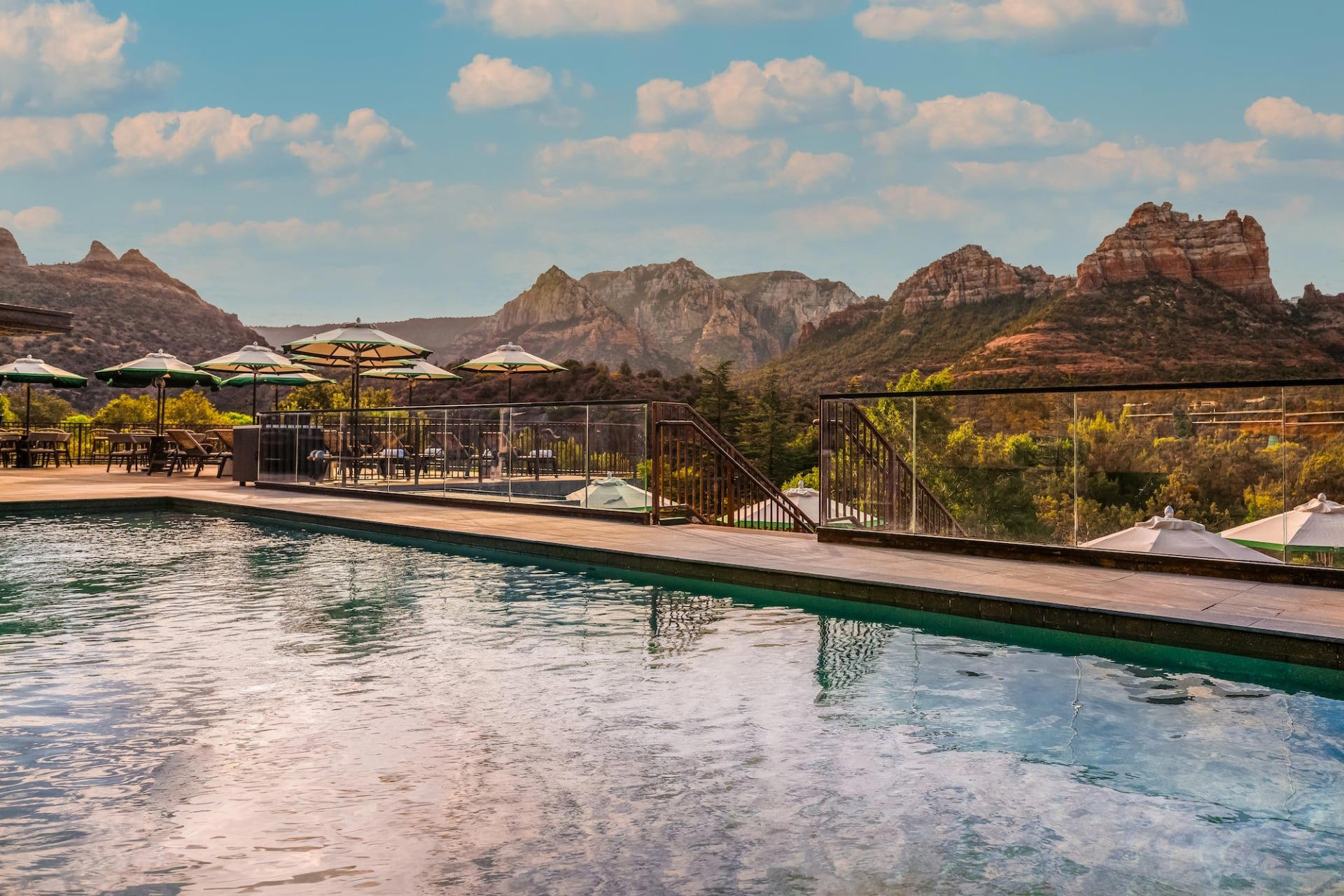

Restaurants in Cornville
Browse all →
At a Glance
- Scenic
- Rustic
- Cozy
- Date Night
- Casual Hangout
- Garden
- Seated Bar
- Lounge Seating
- Outdoor Terrace
- Conventional Wine
- Vineyard
- Mountain
Current opening hours
- Monday
- 11 AM–6 PM
- Tuesday
- 11 AM–6 PM
- Wednesday
- 11 AM–6 PM
- Thursday
- 11 AM–8 PM
- Friday
- 11 AM–8 PM
- Saturday
- 11 AM–8 PM
- Sunday
- 11 AM–6 PM
Hours can change for holidays and private events. Last verified .
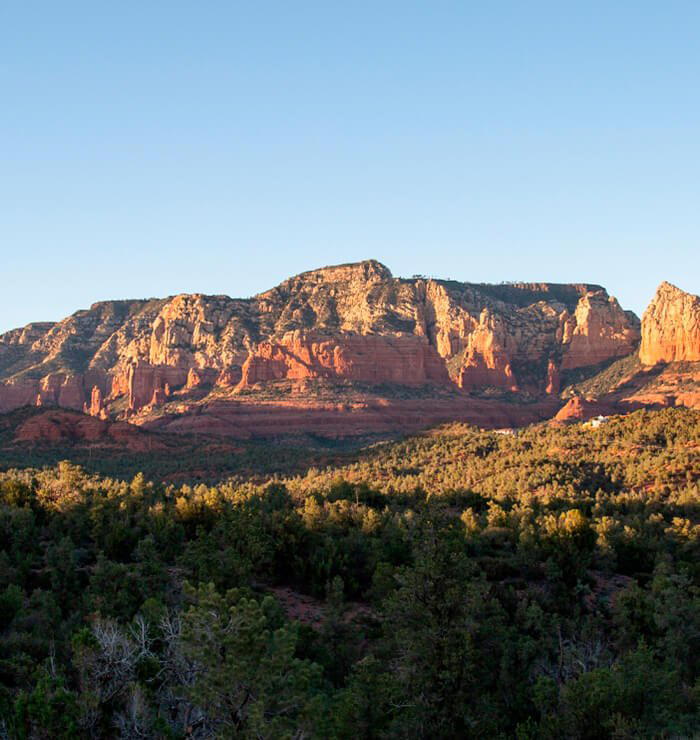
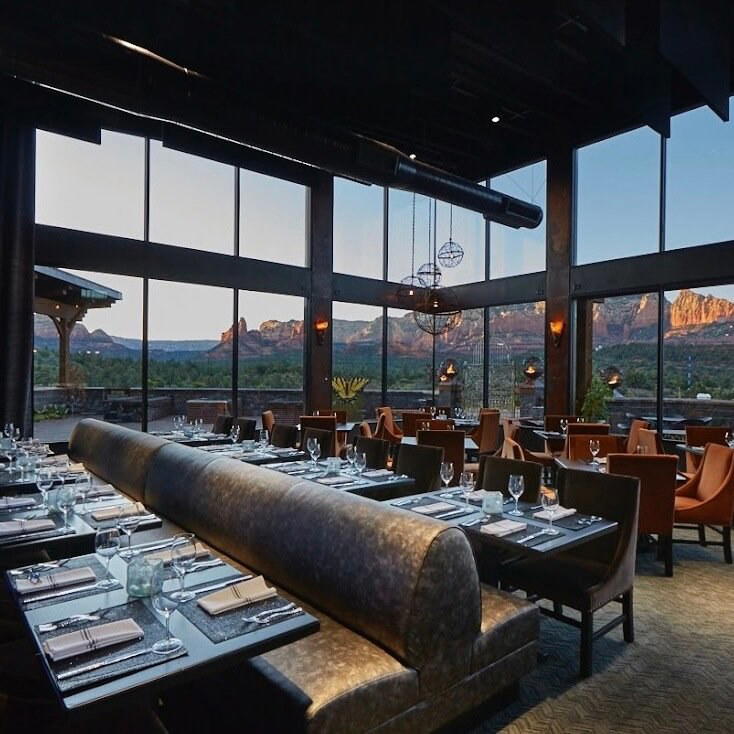
Serene and picturesque winery atmosphere with dramatic vineyard views and open seating areas.