
A Michelin Plate-recognised Japanese restaurant in Skórzewo, near Poznań, Nare Sushi holds. The kitchen works within a Japanese culinary tradition that prizes restraint and seasonal logic, placing it in a distinct tier among Poland's growing cohort of serious Japanese dining addresses.
Pearl is the En Primeur Club membership app — saves, bookings, and concierge access live there. Same editors, same standards.
- Address
- Kozierowskiego 4, 60-185 Skórzewo, Poland
- Phone
- +48 882 999 333
- Website
- naresushi.com.pl
- Directions
- Get directions
 Saves & bookings on Pearl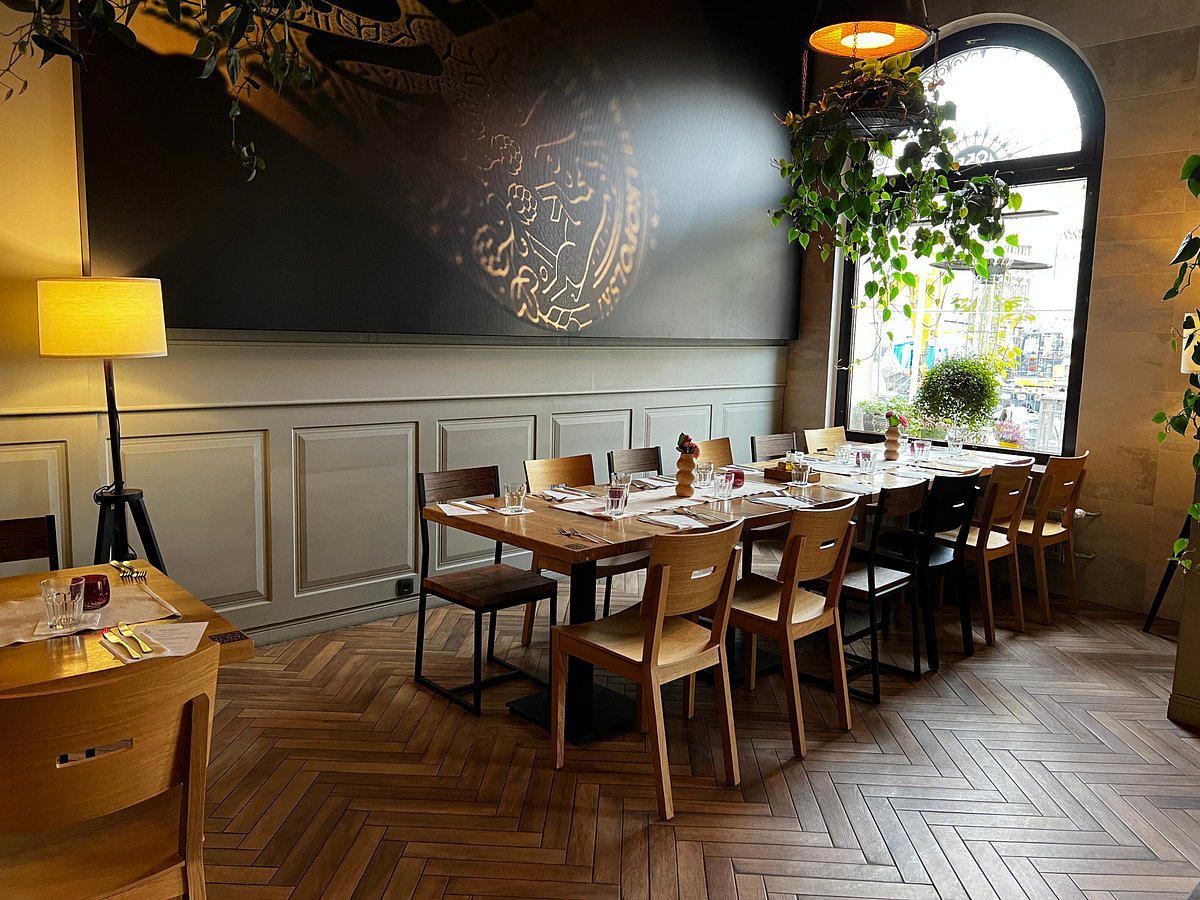
Japanese Discipline in an Unexpected Postcode
Skórzewo is not a neighbourhood that figures prominently on Poland's culinary map. A small township on Poznań's western edge, it lacks the foot traffic of Stare Miasto and the critical mass of restaurant reviewers that circulate through Warsaw or Kraków. In the taxonomy of European Japanese dining, this kind of recognition in a peripheral location is worth examining carefully.
The Michelin Plate designation, introduced to signal restaurants producing food of good quality that reviewers consider worth knowing about, positions Nare Sushi within the broader Polish restaurant scene in a specific way. It is not a starred address, but the Plate marks it as a venue that has passed editorial scrutiny from the same guide that awards stars to Bottiglieria 1881 in Kraków and tracks the ambitions of kitchens like Arco by Paco Pérez in Gdańsk. Recognition at this level, outside a major city centre, typically implies that the kitchen is operating with a seriousness that has filtered beyond the local audience.
The Kaiseki Sensibility and What It Asks of a Kitchen
Japanese cuisine at its most considered is organised around a set of aesthetic principles that Western fine dining has absorbed selectively but rarely entirely. Kaiseki, the multi-course tradition with roots in Kyoto's tea ceremony culture, demands that each element of a meal, sequence, temperature, vessel, ingredient, carry seasonal and compositional meaning. The tradition shapes not only what appears on a plate but the entire logic of how a menu is constructed: lighter preparations precede richer ones, raw gives way to cooked, and the progression mirrors a kind of temporal arc from early to late in a season.
For a Japanese kitchen operating in Poland, this philosophy runs into the practical reality of sourcing. The country's temperate climate and agricultural calendar produce different seasonal markers than Japan's. How a kitchen reconciles the kaiseki instinct for hyperlocal seasonality with a Central European ingredient base says more about its culinary seriousness than almost any other single factor. Nare Sushi's €€ price positioning, modest by the standard of Michelin-recognised Japanese dining in Europe, suggests either a deliberately accessible format or a kitchen that has found sourcing efficiencies that more expensive peers have not.
Poland's Japanese dining scene remains thin relative to its overall restaurant ambition. Warsaw concentrates most of the country's serious Japanese addresses, and even there the category is small compared to the sushi density of Berlin, Amsterdam, or London. Outside the capital, sustained quality in Japanese cuisine is rare enough that the Michelin Guide's attention to a Skórzewo address carries genuine weight. For comparison, you can look at what similarly disciplined Japanese kitchens in major global cities have achieved: Myojaku in Tokyo and Azabu Kadowaki in Tokyo illustrate the standard against which serious Japanese kitchens anywhere measure themselves, even obliquely.
Where Nare Sushi Sits in the Poznań Dining Picture
Poznań has been building a more coherent restaurant identity over the past decade, with kitchens like Muga consolidating a fine-dining tier in the city proper. The Skórzewo address places Nare Sushi slightly outside that conversation by geography but not by ambition. The €€ price range aligns it with mid-tier dining in Poznań rather than with the €€€ bracket occupied by modern Polish tasting-menu formats.
That positioning is worth holding in mind. At the €€ level, a Michelin Plate-holding Japanese restaurant is a relatively rare configuration. The economics of serious Japanese cuisine, fresh fish, specialist ingredients, technique-intensive preparation, usually push price points upward. A kitchen maintaining Michelin recognition at this price tier is either working within a genuinely tight format or operating with unusual efficiency. Either interpretation speaks to a specific kind of discipline.
For diners travelling from Poznań's centre, Skórzewo is accessible by car in under twenty minutes, making Nare Sushi a practical destination rather than a detour. The address at Kozierowskiego 4 is in a residential part of Skórzewo with limited public transport options at dinner hour, so arriving by car or taxi is the sensible approach. Our full Skórzewo restaurants guide covers the broader dining picture in the area if you are planning a longer visit.
The Broader Pattern: Japanese Dining Outside European Capitals
The emergence of recognised Japanese restaurants in non-capital European cities follows a pattern visible across the continent over the last decade. Specialist Japanese dining moved outward from London, Paris, and Amsterdam into secondary cities as the knowledge base among diners expanded and the supply chains for Japanese produce became more established. Warsaw absorbed this shift before Poznań's orbit did, but the trajectory points toward a wider geographic spread of serious Japanese kitchens across Central Europe.
What distinguishes the addresses that sustain recognition in these smaller markets is typically focus: a narrow format, deep repetition of a specific technique, and a clientele that returns often enough to support quality sourcing.
Diners extending their Poland itinerary across the country's broader restaurant map will find other Michelin-tracked addresses at 1911 in Sopot, Acquario in Wrocław, Biały Królik in Gdynia, and hub.praga in Warsaw. For a different register of Polish regional cooking, Giewont in Kościelisko, Drukarnia Smaku Cristina in Zakopane, Luneta & Lorneta Bistro Club in Ciekocinko, and Restauracja Solmarina in Wiślinka each reflect distinct regional approaches. If you are planning time in the Skórzewo area beyond dinner, our guides to hotels, bars, wineries, and experiences in Skórzewo cover the supporting picture.
Planning Your Visit
Nare Sushi is at Kozierowskiego 4, 60-185 Skórzewo, Poland. No phone number, website, or published hours are confirmed in available records, so approaching via the restaurant directly on arrival or through local booking aggregators is the current practical route.
How Nare Sushi Skórzewo compares with similar nearby venues.
| Venue | Cuisine | Price | Awards |
|---|---|---|---|
| Nare Sushi | Japanese | €€ | Michelin Guide Poland 2026, Plate, Nare Sushi |
| A nóż widelec | Modern Cuisine | €€ | Not listed |
| Cucina | Mediterranean Cuisine | €€ | Not listed |
| November Brasserie | Japanese | €€ | Not listed |
Recognition history
Dated appearances from independent guides and award organizations, with the underlying list record or original source where available.
Michelin Plate
Michelin
Michelin Plate
Michelin
Continue exploring
More in Skórzewo
Restaurants in Skórzewo
Browse all →


At a Glance
- Cozy
- Modern
- Intimate
- Date Night
- Casual Hangout
- Open Kitchen
- Sake Program
Current opening hours
- Monday
- 1–9 PM
- Tuesday
- 1–9 PM
- Wednesday
- 1–9 PM
- Thursday
- 1–9 PM
- Friday
- 1–10 PM
- Saturday
- 1–10 PM
- Sunday
- 1–8 PM
Hours can change for holidays and private events. Last verified .
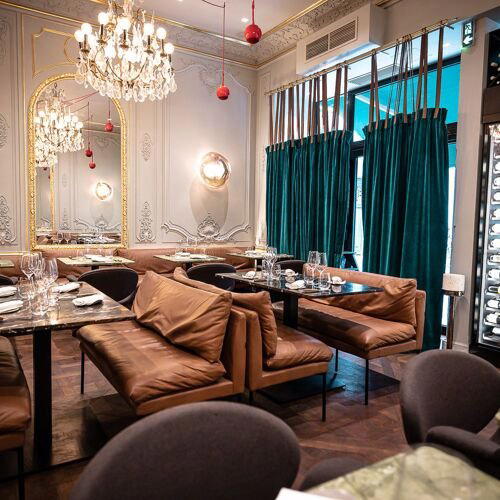
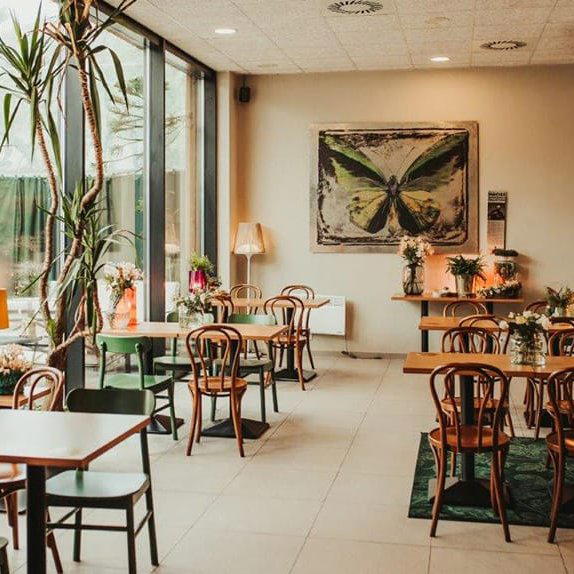
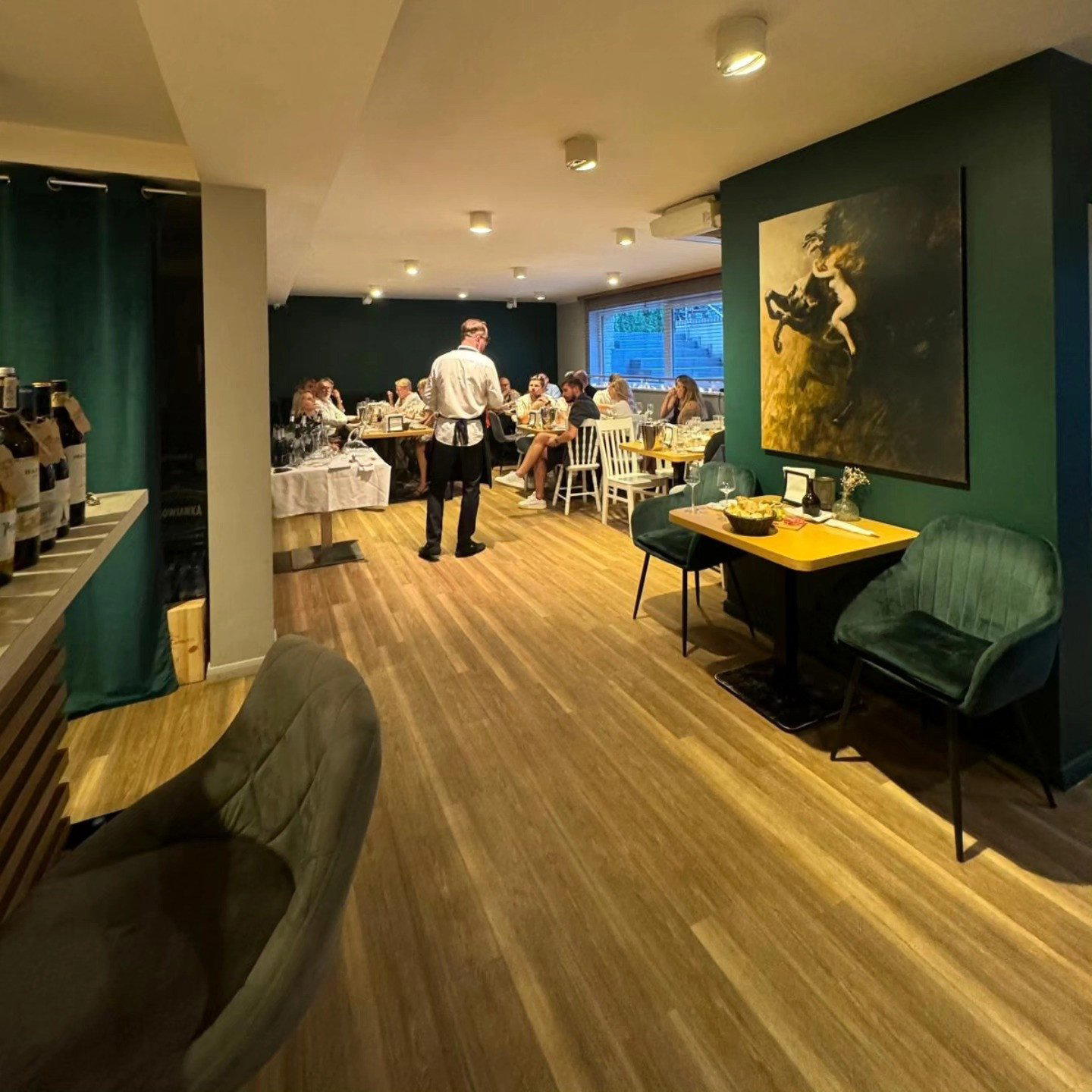
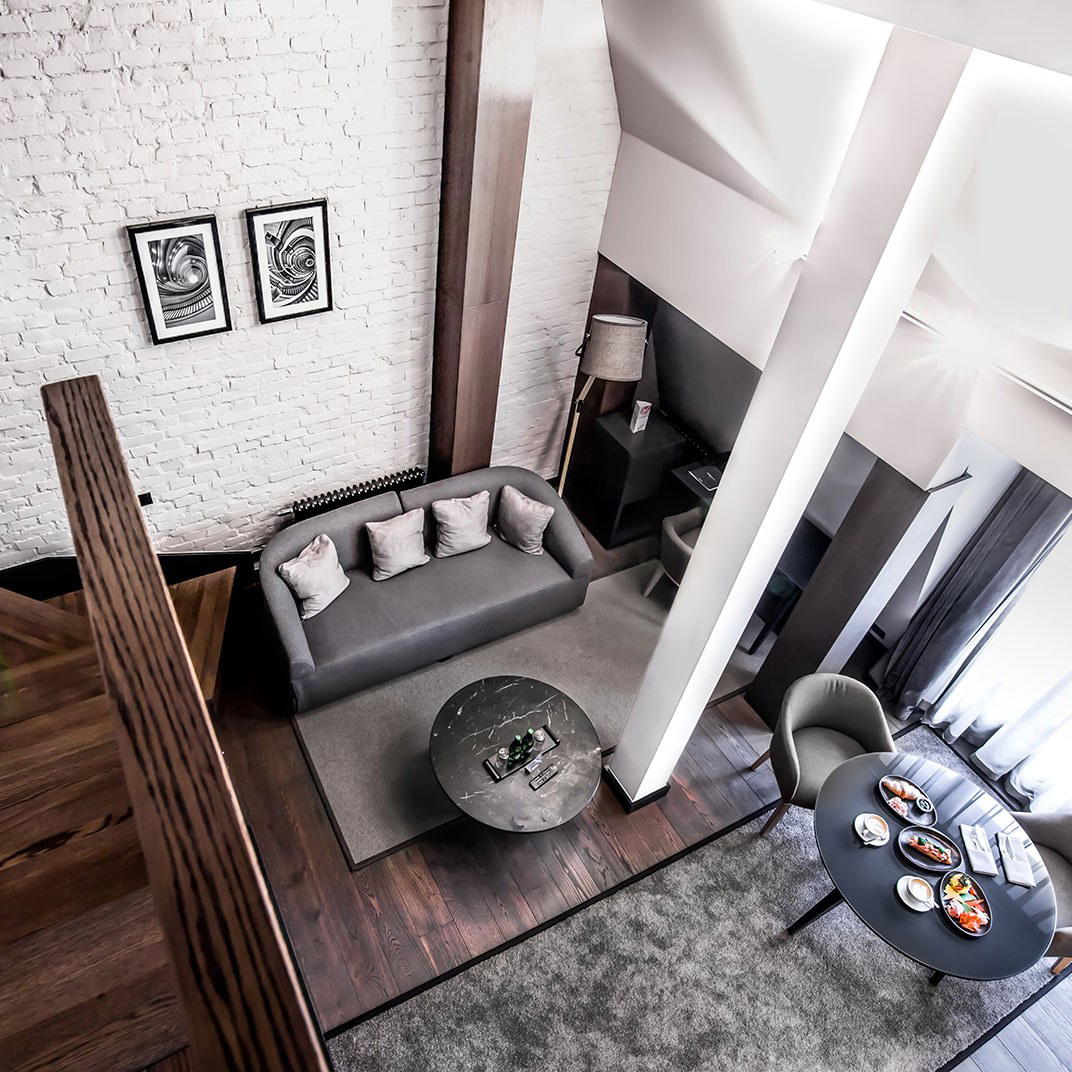
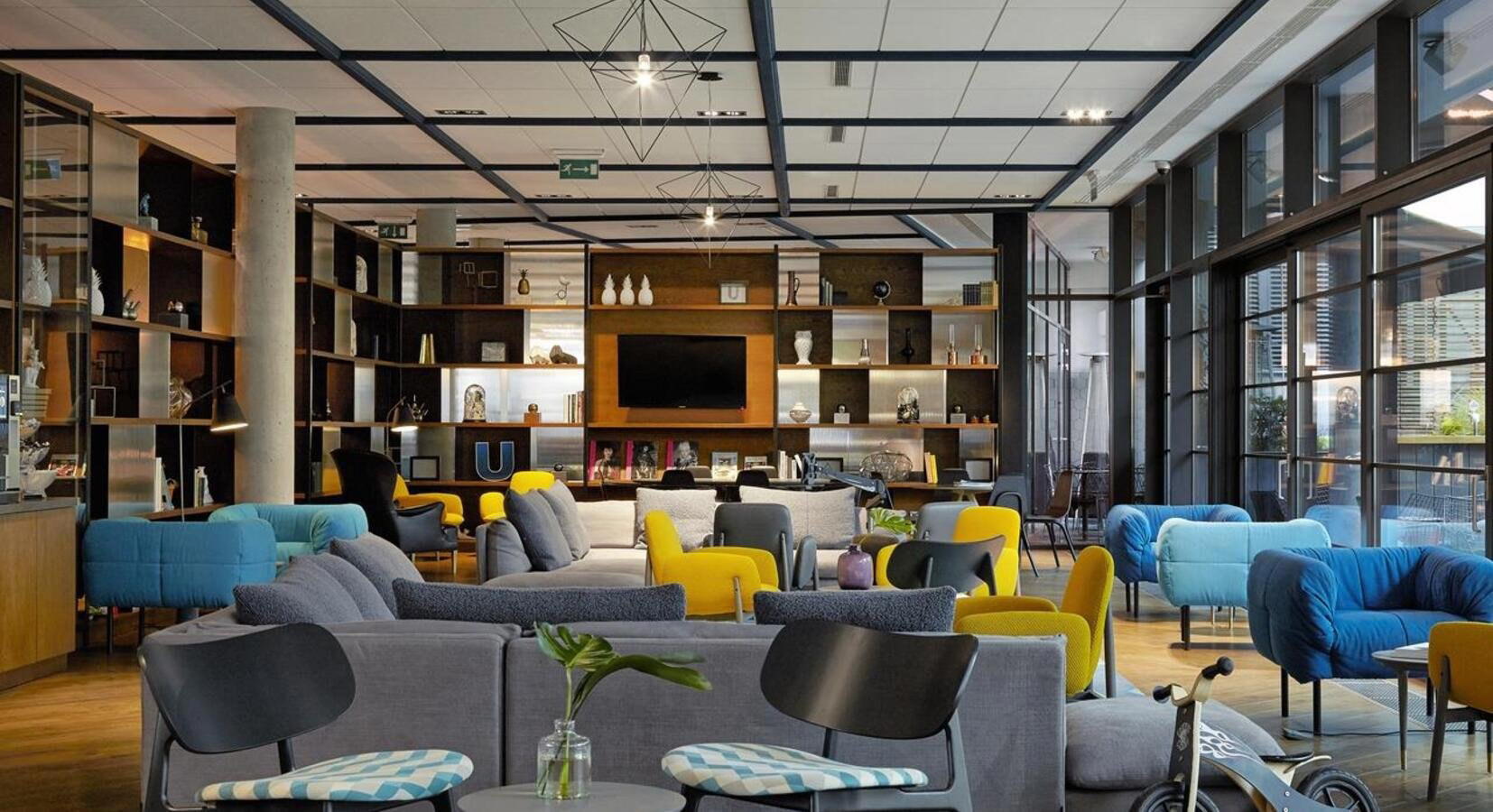
Warm, inviting, and cozy with dramatic contemporary Japanese interior design and natural light.
Know Before You Go
- Getting there
- Kozierowskiego 4, 60-185 Skórzewo, Poland