Our verdict
Can Violí occupies a quiet square in Sants-Montjuïc, a district more associated with working Barcelona than with destination dining. For visitors building a Barcelona itinerary around Spain's broader creative restaurant culture, it represents the neighbourhood-level layer that the city's Michelin-starred roster rarely covers.

Pearl is the En Primeur Club membership app, where members save venues, book tables and use the concierge.

The menu
What to order
- Patatas_bravas
- Duck_cannelloni
- Creamy_seafood_rice
A Square in Sants, and What It Signals
Barcelona's premium dining conversation tends to collapse around a handful of postcodes: the fine-dining blocks near Eixample, the waterfront, the old city. Sants-Montjuïc rarely enters that frame. The district is residential in character, built around the Sants railway hub and the long slope up toward Montjuïc, and its restaurant culture reflects that: neighbourhood-first, less concerned with international visibility than with feeding the people who live there. Can Violí sits on Plaça d'Ibèria, a modest square within that district, and that placement is itself a signal about what kind of experience the address is set up to deliver.
This matters because the editorial story of Barcelona dining in 2024 is not only about the city's concentration of creative tasting menus. It is also about the ecosystem that surrounds them: the trattorias, the market-adjacent lunch spots, the neighbourhood rooms that operate in a different register entirely. Disfrutar, Cocina Hermanos Torres, and ABaC anchor the city's upper tier. Can Violí does not compete in that bracket and does not appear to be trying to. Its value lies in what neighbourhood dining in a city with this much culinary depth can offer when it is done with care.
The Setting as Context
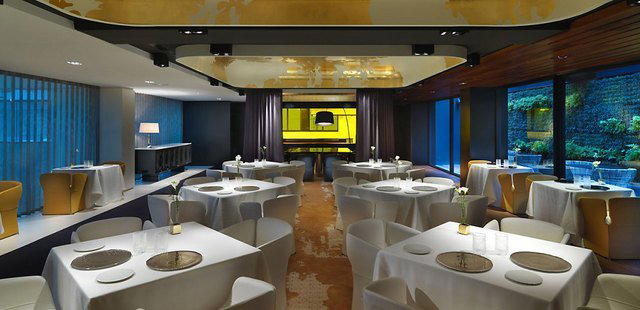
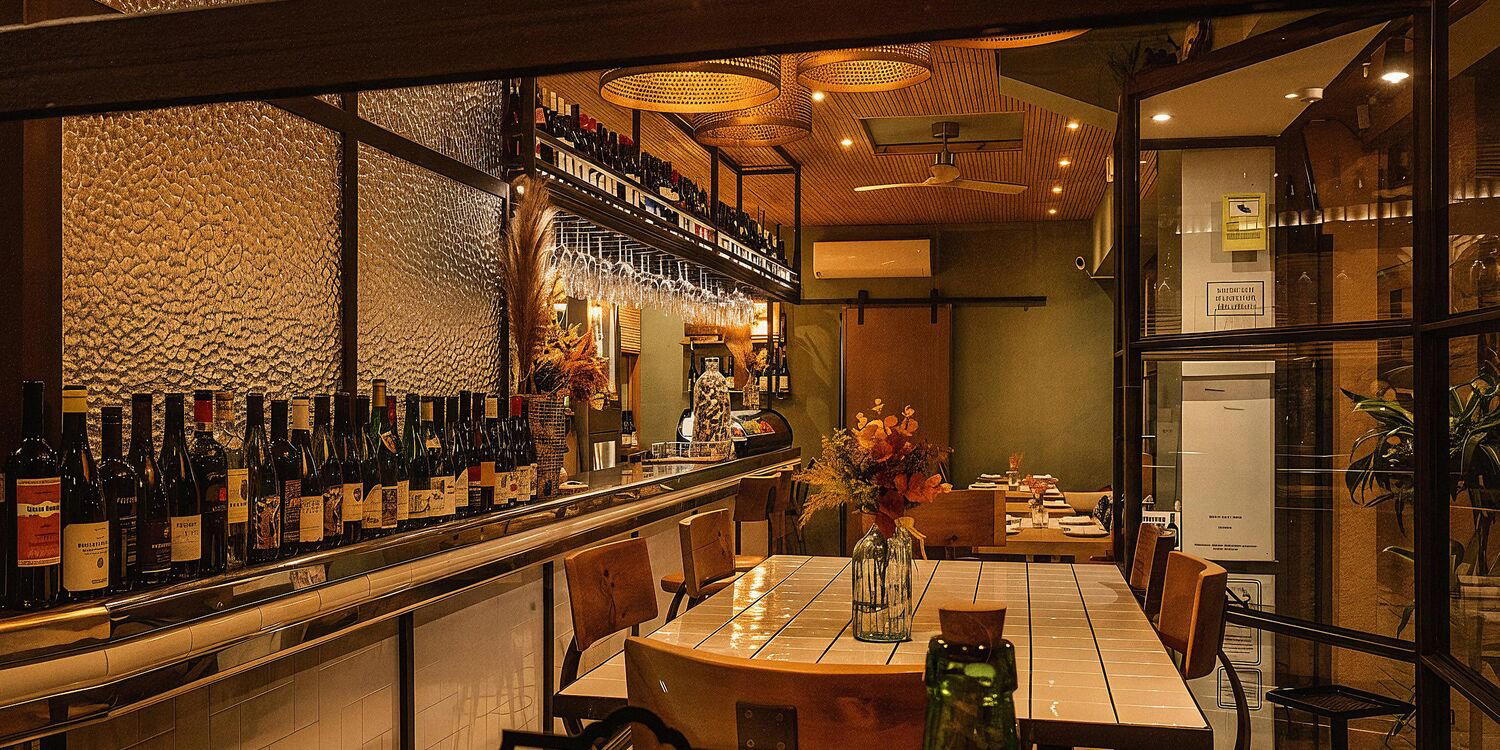
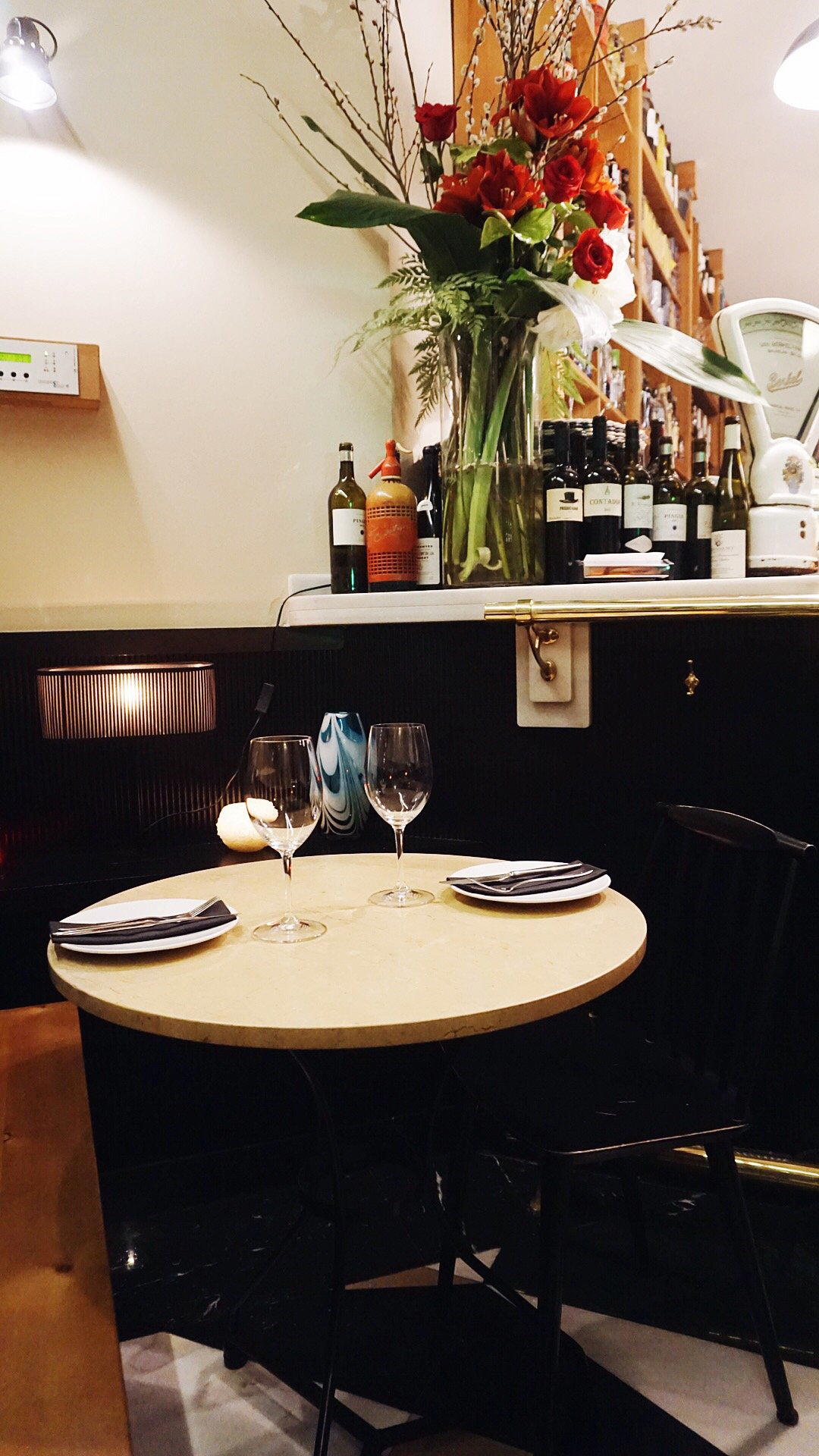
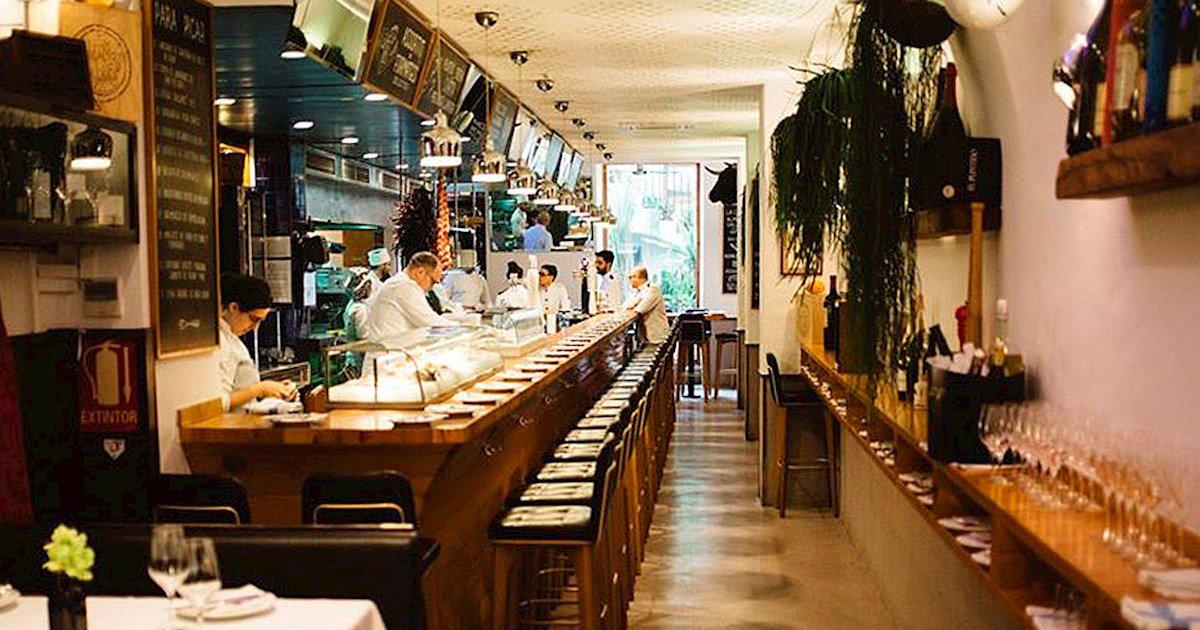
Plaça d'Ibèria is the kind of square that exists across dozens of Spanish cities but rarely makes it into travel guides: shaded, locally frequented, without the foot traffic of a tourist corridor. A restaurant on this square is addressing a fundamentally different audience than one on Passeig de Gràcia. The dining room at Can Violí inherits that context. It is not a room designed to photograph well for social media; it is a room designed for people who know the neighbourhood or have been pointed there by someone who does.
That physical grounding in place is a characteristic of a particular kind of Spanish restaurant that has become harder to find as rents rise and dining tourism intensifies in cities like Barcelona. The Sants-Montjuïc address keeps Can Violí operating within that tradition by geography alone.
Where It Sits in the Barcelona Picture
Spain's creative restaurant culture is unusually concentrated relative to its geography. El Celler de Can Roca in Girona, Arzak and Martin Berasategui in San Sebastián, Quique Dacosta in Dénia, Aponiente in El Puerto de Santa María: the country's most-discussed restaurants are frequently not in its largest cities. Barcelona is the exception, sustaining a dense cluster of serious kitchens. Lasarte, Enigma, and others keep the city's upper bracket competitive. But that concentration creates a shadow: the restaurants operating just outside the awards conversation, in neighbourhoods that the Michelin inspector circuit visits less frequently.
For broader context across Spain's creative dining tier, the same pattern appears in other cities: Mugaritz in Errenteria, Ricard Camarena in València, and DiverXO in Madrid all represent the headline tier, beneath which a neighbourhood layer operates in a different but complementary register. Azurmendi and Atrio illustrate how deeply that ambition extends into regional settings outside major cities. Can Violí is not making that argument, but it exists within the same national dining culture.
How a Meal Here Likely Unfolds
In restaurants of this type in Barcelona, neighbourhood-facing, square-adjacent, without the theatrical preamble of a tasting menu room, the arc of a meal tends to be defined by simplicity of sequence rather than complexity of technique. An opening round of something cold and sharp, probably something from the sea given Barcelona's coastal supply lines. A middle course built around whatever the market offered that morning. A closing course that does not overstay its welcome. The pleasure is in the pacing and the absence of performance, which is its own form of discipline.
This is a different kind of tasting progression from the extended multi-act formats at Lazy Bear in San Francisco or Le Bernardin in New York. The narrative arc here is compressed and local: the point is not revelation but recognition, the pleasure of a kitchen that knows its territory and does not reach beyond it. That restraint is a choice, and in the right context, it is the correct one.
Planning a Visit
Know Before You Go
- Address: Pl. d'Ibèria, 2, Sants-Montjuïc, 08014 Barcelona, Spain
- District: Sants-Montjuïc, a residential area west of the city centre
- Phone:our full Barcelona restaurants guide.
Frequently asked questions
Where is Can Violí located?
Can Violí is located at Pl. d'Ibèria, 2, Sants-Montjuïc, 08014 Barcelona, Spain, Barcelona.
Is Can Violí a good option for a Barcelona lunch away from the tourist centre?
Can Violí's address on Plaça d'Ibèria in the Sants-Montjuïc district places it well outside the tourist corridors of the Gothic Quarter and Barceloneta waterfront. Sants is a working residential neighbourhood, and the square itself functions as a local gathering point rather than a visitor destination. That geographic remove is precisely what makes the restaurant relevant to travellers looking for a meal absorbed into the city's daily rhythm rather than staged for outside audiences.
What should I eat at Can Violí?
The restaurant sits in Sants-Montjuïc, a district where kitchen output tends toward market-driven Catalan cooking rather than the tasting-menu format common in Eixample. Check directly with the restaurant on arrival or by phone for the day's options.
Can I walk in to Can Violí?
Can Violí is located at Plaça d'Ibèria 2 in the Sants-Montjuïc district of Barcelona. Walk-in availability at neighbourhood square restaurants in this city varies sharply between midweek lunches, which are typically more accessible, and weekend evenings when regulars tend to fill the room. No booking platform or phone number is currently on file, so arriving early or asking locally is the practical approach.
What do critics highlight about Can Violí?
No Michelin, 50 Best, or named press citations are currently documented for Can Violí. The restaurant's position on Plaça d'Ibèria places it outside the postcodes that attract most Barcelona food criticism, which may reflect its orientation toward the local Sants community rather than the destination-dining circuit.
Is Can Violí worth the price?
No pricing data for Can Violí is currently documented. Restaurants on residential squares in Sants-Montjuïc generally occupy the mid-range of Barcelona's pricing spectrum, running below the Eixample fine-dining tier. Without confirmed figures, any cost assessment would be speculative.
Comparable Spots, Quickly
Comparable venues nearby, for context on price, style, and recognition.
| Venue | Cuisine | Price | Notes |
|---|---|---|---|
| Can ViolíThis venue (the venue you are viewing) | Modern Mediterranean Tapas | $20–30 | Not listed |
| San Telmo | Modern Mediterranean Tapas | $30–50 | Sant Gervasi - Galvany |
| Restaurante Avinyo 10 | Mediterranean Tapas and Paella | $20–30 | Barri Gotic |
| Minyam | Modern Mediterranean Rice & Seafood | $30–50 | el Poblenou |
| Nonna Delia | Mediterranean Vermuteria with Italian-Spanish Fusion | $20–30 | la Sagrada Familia |