

Michelin Plate · Macarfi 7.3 Food Rating
Our verdict
Open since 1959, Can Jepet is a Michelin Plate-recognised restaurant in the Pyrenean village of Setcases, Girona, where traditional Catalan mountain cooking has remained the point for over six decades. Grilled meats, game, sausages, and seasonal calçots define the menu. At the €€ price tier, it delivers the kind of honest, fire-forward cooking that the Ripollès comarca does better than anywhere in the province.

Pearl is the En Primeur Club membership app — saves, bookings, and concierge access live there. Same editors, same standards.
- Address
- Carrer Molló, 8, 17869 Setcases, Girona, Spain
- Phone
- +34 972 13 61 04
- Hours
- Mon 9 AM–5 PMTue–Wed ClosedThu–Sun 9 AM–5 PM
- Website
- canjepet.es
- Directions
- Get directions
The menu
What to order
- Truffled deer cannelloni
- Wild boar stew
- Cow tail
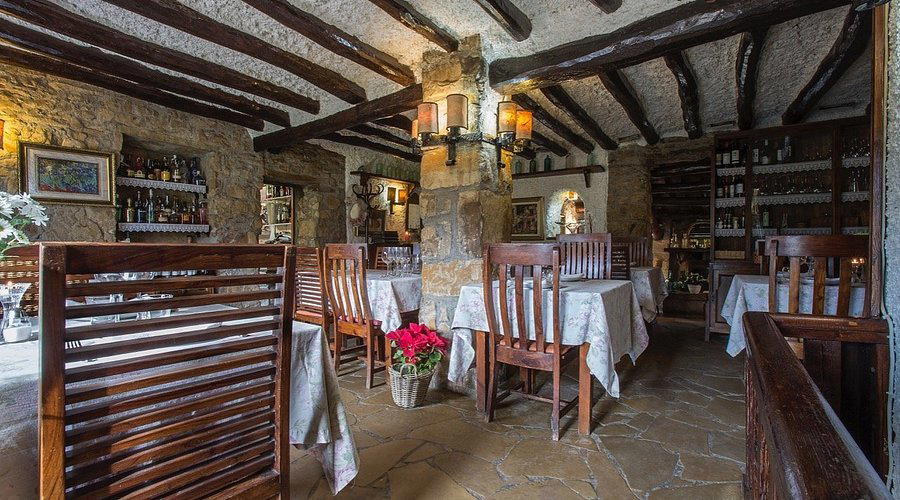
Stone Walls, Wood Smoke, and the Mountain Table
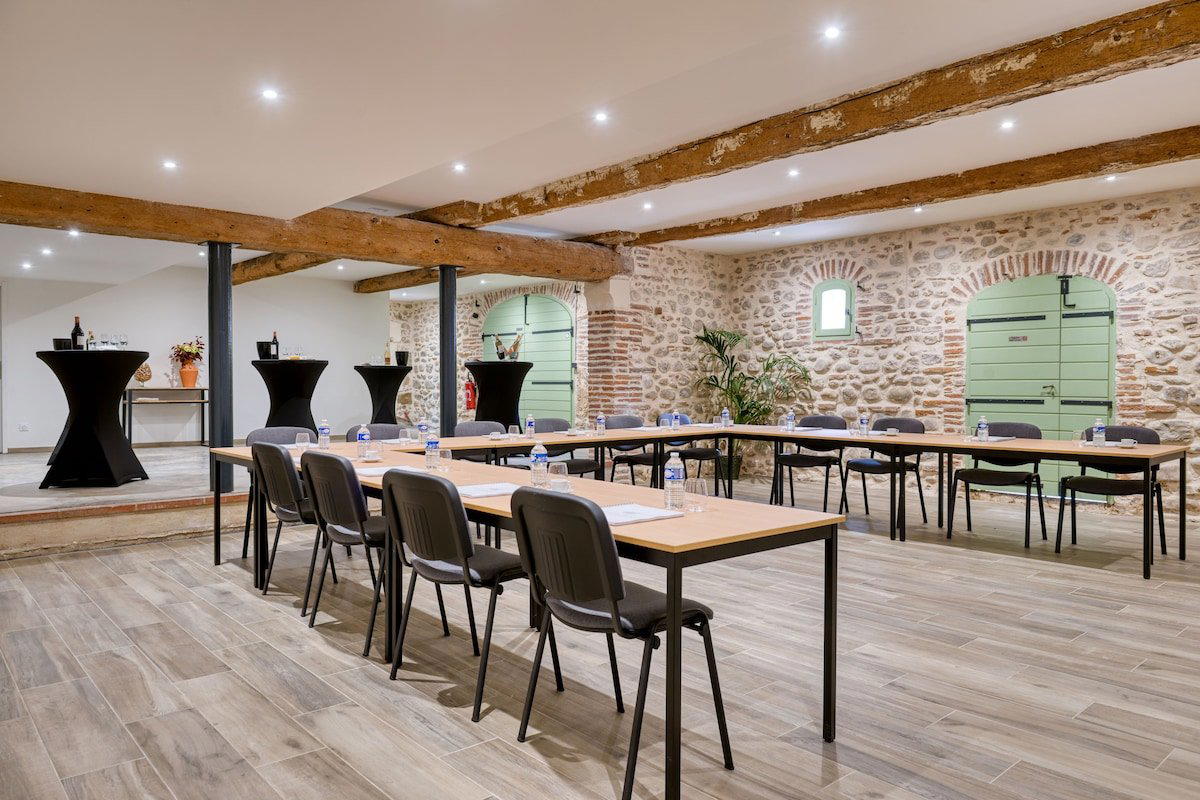
Arriving in Setcases in the Ripollès comarca of Girona, the geometry of the village tells you what kind of eating awaits. The stone houses climb steeply from the Ter river, the altitude nudges 1,000 metres, and the forest above the rooftops is dense with the kind of game that ends up on the grill. Can Jepet sits on Carrer Molló, a short walk from the village centre, and the building's rough-hewn interior — wooden beams, unpretentious furniture, the faint residue of decades of wood-fired cooking — signals a restaurant that has never needed to perform rusticity because it has simply been practising it since 1959. That longevity is the first thing to read carefully: in a village this small, staying open for over sixty years means the kitchen has earned its place at the table through the loyalty of locals and returning visitors rather than through tourism cycles.
The Tradition Behind the Menu
Catalan mountain cooking occupies a distinct position within the broader Catalan culinary tradition. Where coastal Catalonia gravitates toward rice, seafood, and the romesco-based preparations of the Costa Daurada or the Costa Brava, the Pyrenean interior developed around what the land and the hunt reliably provided: pork in all its cured and fresh forms, game birds and larger animals from the Pyrenean forests, root vegetables, dried pulses, and the grilled preparations that required little more than good fire and good product. These are not simplified versions of more sophisticated dishes; they are the original architecture, and the coastal refinements came later.
Can Jepet operates from within that tradition. The menu's emphasis on grilled meats, game dishes, and sausages reflects a kitchen organised around the grill rather than the sauce pot. Across Spain, the sharing and communal ordering culture that defines tapas at a city bar finds a parallel in the mountain restaurant's approach to the table: dishes arrive as the fire dictates, portions are designed to share across a group, and the meal extends across conversation rather than racing through courses. The rhythm is the point. Sitting at a table in Can Jepet with a group, ordering grilled meat and sausages alongside whatever game the season has provided, is structurally similar to the shared-plate culture of a Barcelona bodega, but rooted in entirely different ingredients and a different relationship to the land.
Calçots and Seasonality
Among the dishes most worth planning around, the calçots deserve specific attention. The calçot, a long, mild green onion grown in Catalonia and traditionally charred directly over fire, is one of the more seasonal and ritualistic elements in Catalan food culture. The calçotada, the feast built around these grilled onions served with salvitxada or romesco sauce, is a late-winter and early-spring tradition that transforms into a social occasion as much as a meal. Can Jepet's recognition for its calçots when in season places it within a tradition where the product and its preparation are inseparable from the time of year. Visiting outside the calçot season means the kitchen pivots entirely to what the season provides, which is the way this kind of cooking is supposed to operate. Michelin's 2024 Plate recognition for Can Jepet confirms that the kitchen's consistency across its traditional format has met a standard worth flagging to travellers, even if the restaurant operates at a very different register from Spain's starred houses.
Where Can Jepet Sits in Spain's Wider Restaurant Picture
Spain's restaurant conversation at the highest level is dominated by progressive tasting-menu formats: El Celler de Can Roca in Girona, Arzak in San Sebastián, Azurmendi in Larrabetzu, Cocina Hermanos Torres in Barcelona, DiverXO in Madrid, Aponiente in El Puerto de Santa María, Mugaritz in Errenteria, Martin Berasategui in Lasarte-Oria, Quique Dacosta in Dénia, Ricard Camarena in València, and Atrio in Cáceres represent the tasting-menu tier at three and two Michelin stars. Can Jepet occupies no part of that conversation. It sits in an entirely separate category: the long-established, family-named, mountain-cooking house that has remained consistent to a tradition rather than evolved beyond it. For readers accustomed to comparing restaurants like 7 Portes in Barcelona or B44 in San Francisco as entry points to Catalan cooking abroad, Can Jepet offers something neither of those can: the actual Pyrenean context, the altitude, the game season, and the sixty-year family continuum. The €€ price tier makes it accessible to a broad range of travellers staying in or passing through Setcases.
Planning a Visit
Setcases sits at the head of the Ter valley in the Ripollès comarca, roughly 130 kilometres north of Barcelona and accessible via Camprodon. The village functions partly as a ski resort base in winter, drawing visitors to the Vallter 2000 station above the village, and as a hiking destination across spring and summer. Can Jepet's position on Carrer Molló means it draws from both the resident community and whoever is passing through for the mountains. For the calçots specifically, the season runs roughly from late January through March; a trip timed to that window makes the visit materially different from one in summer. For the broader game and grilled-meat menu, autumn and winter are when the full repertoire is most likely available. The restaurant is named after the owning family, which is itself a useful signal: this is a kitchen with institutional memory built across generations rather than a concept built for a particular market moment. Check current opening hours and booking availability directly before travelling, as hours in small mountain villages operate on rhythms that differ from city restaurants. Explore the full range of options in the area through our full Setcases restaurants guide, our full Setcases hotels guide, our full Setcases bars guide, our full Setcases wineries guide, and our full Setcases experiences guide.
Frequently asked questions
Would Can Jepet be comfortable with kids?
Yes. The rustic format, grilled meats, and €€ price point make it a relaxed choice for families rather than a formal sit-down occasion. The kitchen's focus on straightforward Catalan mountain staples — sausages, grilled meats, game — translates well across age groups. Setcases itself is a small Pyrenean village, and the restaurant has operated in this community-facing format since 1959.
Is Can Jepet better for a quiet night or a lively one?
The shared-plate rhythm of grilled meats and game tends to produce a convivial atmosphere when the room is full, particularly during calçot season when tables gather around the same communal ritual. Outside peak season, Setcases is a quiet mountain village and the mood will reflect that. Either way, the rustic stone setting keeps things grounded rather than loud.
Does Can Jepet have a Michelin star or similar recognition?
Can Jepet has received recognition including: A restaurant with a rustic atmosphere which opened its doors in this picturesque Pyrenean mountain village in 1959. Named after the family that owns the property, it is a good place to discover traditional Catalan mountain cuisine with its ….
What do people recommend at Can Jepet?
The grilled meats, sausages, and game dishes form the backbone of the menu and underpin the kitchen's Michelin Plate recognition (2024). When in season, the calçots — Catalonia's long mild green onions, traditionally charred and eaten with salvitxada sauce — are worth planning a visit around. These are the dishes most consistent with what the restaurant has built its reputation on since opening in 1959.
At-a-Glance Comparison
| Venue | Cuisine | Price | Awards |
|---|---|---|---|
| Can JepetThis venue — the venue you are viewing | Traditional Catalan Mountain Cuisine | $30–50 | Michelin Plate · Macarfi 7.3 Food Rating |
| Aponiente | Progressive - Seafood, Creative | Not listed | Michelin 3 Star |
| Arzak | Modern Basque, Creative | Not listed | Michelin 3 Star |
| DiverXO | Progressive - Asian, Creative | Not listed | Michelin 3 Star |
| El Celler de Can Roca | Progressive Spanish, Creative | Not listed | Michelin 3 Star |
| Quique Dacosta | Creative | Not listed | Michelin 3 Star |
Recognition history
Dated appearances from independent guides and award organizations, with the underlying list record or original source where available.
Michelin Plate
Michelin
Macarfi 7.3 Food Rating
Macarfi
Full recognition history (4 entries)
Michelin Plate
Michelin
Michelin Plate
Michelin
Continue exploring
More in Setcases
Restaurants in Setcases
Browse all →
Bars in Setcases
Browse all →
Hotels in Setcases
Browse all →

Details
- Rustic
- Cozy
- Family
- Casual Hangout
- Historic Building
- Local Sourcing
- Mountain
- A La Carte
- Vegetarian Friendly
- Vegan Options
- Gluten Free Options
Current opening hours
- Monday
- 9 AM–5 PM
- Tuesday
- Closed
- Wednesday
- Closed
- Thursday
- 9 AM–5 PM
- Friday
- 9 AM–5 PM
- Saturday
- 9 AM–5 PM
- Sunday
- 9 AM–5 PM
Hours can change for holidays and private events. Last verified .
Rustic and cozy atmosphere with a bourgeoise touch, warm and inviting as described in guest reviews.