Lavagna
On a quiet stretch of East 5th Street in the East Village, Lavagna occupies the kind of neighborhood slot that New York's Italian dining scene has always depended on: honest, ingredient-led cooking at a scale where sourcing decisions are actually visible on the plate. The address alone places it inside one of the city's most competitive dining corridors, where the gap between good and forgettable is measured in the provenance of what arrives at the table.
Pearl is the En Primeur Club membership app — saves, bookings, and concierge access live there. Same editors, same standards.
- Address
- 545 E 5th St, New York, NY 10009
- Phone
- +1 212 979 1005
- Website
- lavagnanyc.com
- Directions
- Get directions
 Saves & bookings on Pearl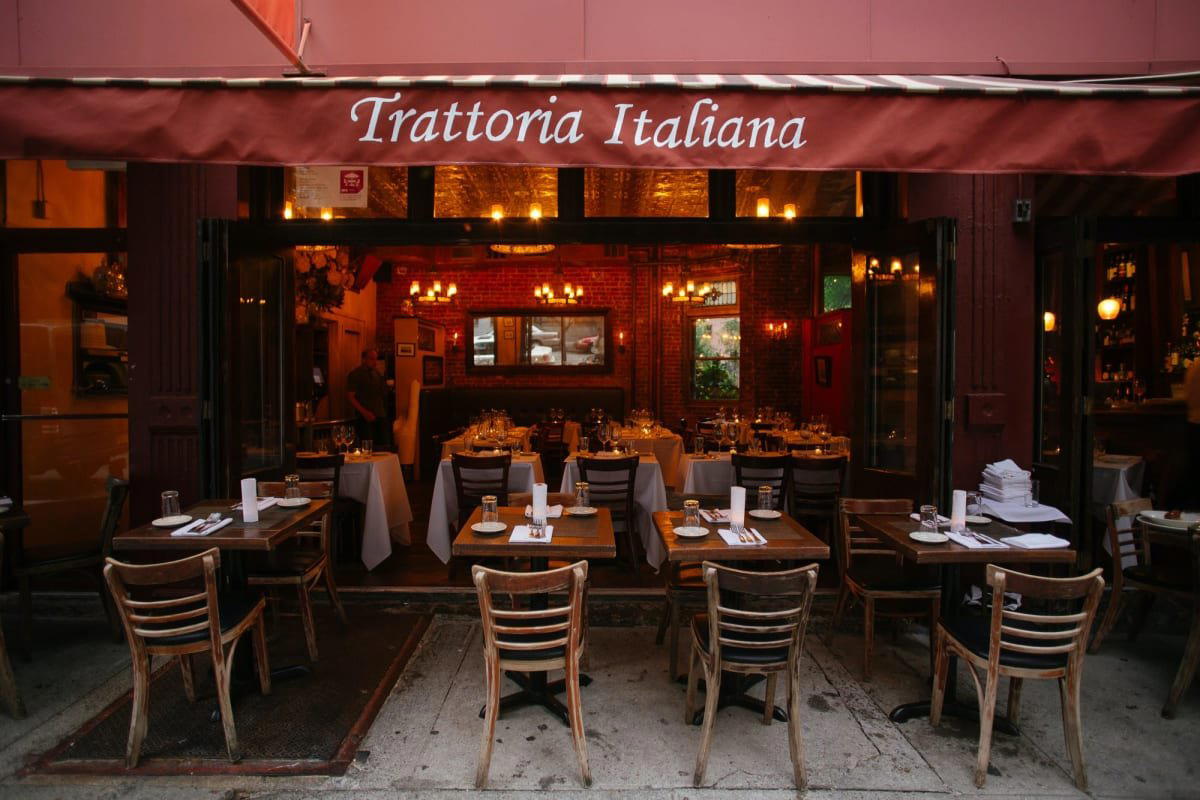
East Village, Italian, and the Question of Where the Food Comes From
East 5th Street between Avenue A and Avenue B is not a restaurant row in the conventional sense. There are no marquee awnings, no valet stands, no lines visible from the corner. What the block has instead is a density of neighborhood-anchored restaurants that have survived multiple cycles of New York's hospitality economy by staying close to their communities and their suppliers. Lavagna sits at 545 E 5th St inside this tradition, operating in a part of the East Village where Italian cooking has long occupied a middle tier between the red-sauce standbys of the outer boroughs and the tasting-menu Italian that now competes with places like Eleven Madison Park and Per Se at the summit of Manhattan's dining hierarchy. Lavagna is a traditional Italian trattoria in New York City's East Village, with a recommended reservation policy and an approximate spend of $40 per person.
That middle tier is where ingredient sourcing matters most. At the higher end, a kitchen with a $400-per-head price point can absorb the cost of Hokkaido scallops or Japanese A5 wagyu without the bill alarming anyone. At the neighborhood end, the sourcing decision is the editorial statement. When a kitchen in the East Village commits to a particular producer, a regional cheese, or a market-driven vegetable program, that commitment is visible in both the food and the check. It is a more constrained form of integrity, and in some ways a more honest one.
The Ingredient Logic Behind East Village Italian
Italian cooking in New York has two gravitational pulls. The first is tradition: the accumulated weight of the city's Italian-American immigration history, the red-sauce canon, the comfort of dishes that have not changed in forty years. The second is sourcing: the ongoing conversation about which Italian regions produce what, how those products travel, and whether an American kitchen can replicate the logic of cucina povera with ingredients that were never grown in Campania or Emilia-Romagna.
The leading neighborhood Italian restaurants in the city have always occupied the tension between these two poles. Lavagna's address in the East Village places it in a neighborhood that has historically supported this kind of cooking, where a room of 40 or 50 covers can sustain a focused menu built around a short list of producers without needing to scale up to a format that would change the character of the food. Compare this to the production demands of a room like Le Bernardin, where seafood sourcing operates at a volume that requires a different kind of supply infrastructure entirely.
For Italian cooking specifically, sourcing divides into two tracks: imported Italian products, where the decision is about which importer and which region, and domestic American ingredients cooked in an Italian idiom, where the decision is about which farms and what seasonality. Particularly coherent neighborhood Italian kitchens in New York work both tracks simultaneously, using imported pasta, olive oil, and aged cheese alongside Hudson Valley vegetables or New England fish. That coherence is what separates a restaurant with a point of view from one that is simply serving Italian food.
Where Lavagna Sits in the East Village Context
The East Village has never developed the density of destination restaurants that defines, say, the West Village or Tribeca. What it has instead is a long track record of sustained neighborhood places that operate below the radar of major award cycles but accumulate years of loyal regulars. This is a different kind of durability than the kind signaled by placement on the Atomix-level tasting menu circuit. It is the durability of consistent cooking at a price point that keeps people coming back weekly rather than annually.
For travelers mapping New York's Italian dining options, the East Village corridor offers an alternative to both the tourist-facing Italian of Midtown and the high-concept Italian of the Flatiron. It is a tier where the cooking is taken seriously without the ceremony that comes with a four-figure table for two. Other American cities have developed their own versions of this format: Frasca Food & Wine in Boulder built an entire reputation on regional Italian sourcing discipline, while Smyth in Chicago operates a different but related logic around ingredient provenance in a neighborhood-scale room.
The farm-to-table Italian model has deeper roots in the wine country regions: Single Thread Farm in Healdsburg and The French Laundry in Napa have made ingredient provenance a central part of their identity, and Blue Hill at Stone Barns in Tarrytown, just north of the city, has made it the entire premise. The East Village operates under different constraints, but the underlying logic, that knowing where the food comes from changes what the food tastes like, runs through all of these kitchens.
For a broader map of where Lavagna fits within New York's full dining range, from the Masa-level spending ceiling to the neighborhood tier, see our full New York City restaurants guide.
Italian Sourcing in a Global Context
The sourcing conversation in Italian cooking is not limited to New York or even to the United States. In Italy itself, the movement toward hyperlocal, regionally specific cooking has produced restaurants like Atelier Moessmer Norbert Niederkofler in Brunico, where the menu is built entirely around the Alps, and Dal Pescatore in Runate, which has maintained a Michelin three-star record while staying rooted in the Po Valley's particular agricultural traditions. What makes the East Village version of this conversation interesting is the translation problem: Italian sourcing logic applied to American ingredients, in a city where the ingredient supply chain is more complex and the cultural reference points are more mixed.
Other American restaurants outside New York have engaged this translation directly. Lazy Bear in San Francisco, Providence in Los Angeles, Emeril's in New Orleans, and Addison in San Diego all work within regional American ingredient frameworks, even when the culinary idiom is European in origin. The Inn at Little Washington built a kitchen garden program to close the gap between European sourcing standards and American restaurant reality. Lavagna operates at a different scale and price point than any of these, but the underlying question, what does Italian food mean when the ingredients are American, is the same one every kitchen in this tradition has to answer.
Style and Standing
Comparable venues nearby, for context on price, style, and recognition.
| Venue | Cuisine | Price | Notes |
|---|---|---|---|
| LavagnaThis venue — the venue you are viewing | Traditional Italian Trattoria | $$ | Not listed |
| Bacaro | Venetian Cicchetti Tavern | $$ | Chinatown-Two Bridges |
| Fumo Chelsea | Authentic Italian Trattoria | $$ | Chelsea-Hudson Yards |
| Trattoria Bianca | Casual Italian Trattoria | $$ | Chelsea-Hudson Yards |
| Da Raffaele | Authentic Italian | $$ | East Midtown-Turtle Bay |
| Mama Mia 44SW | Authentic Southern Italian | $$ | Hell's Kitchen |
Continue exploring
More in New York City
Restaurants in New York City
Browse all →
Bars in New York City
Browse all →
Hotels in New York City
Browse all →





At a Glance
- Cozy
- Romantic
- Intimate
- Rustic
- Date Night
- Special Occasion
- Late Night
- Open Kitchen
- Extensive Wine List
Current opening hours
- Monday
- 5–10 PM
- Tuesday
- 5–10 PM
- Wednesday
- 5–10 PM
- Thursday
- 5–10 PM
- Friday
- 5–10 PM
- Saturday
- 1–11 PM
- Sunday
- 1–10 PM
Hours can change for holidays and private events. Last verified .
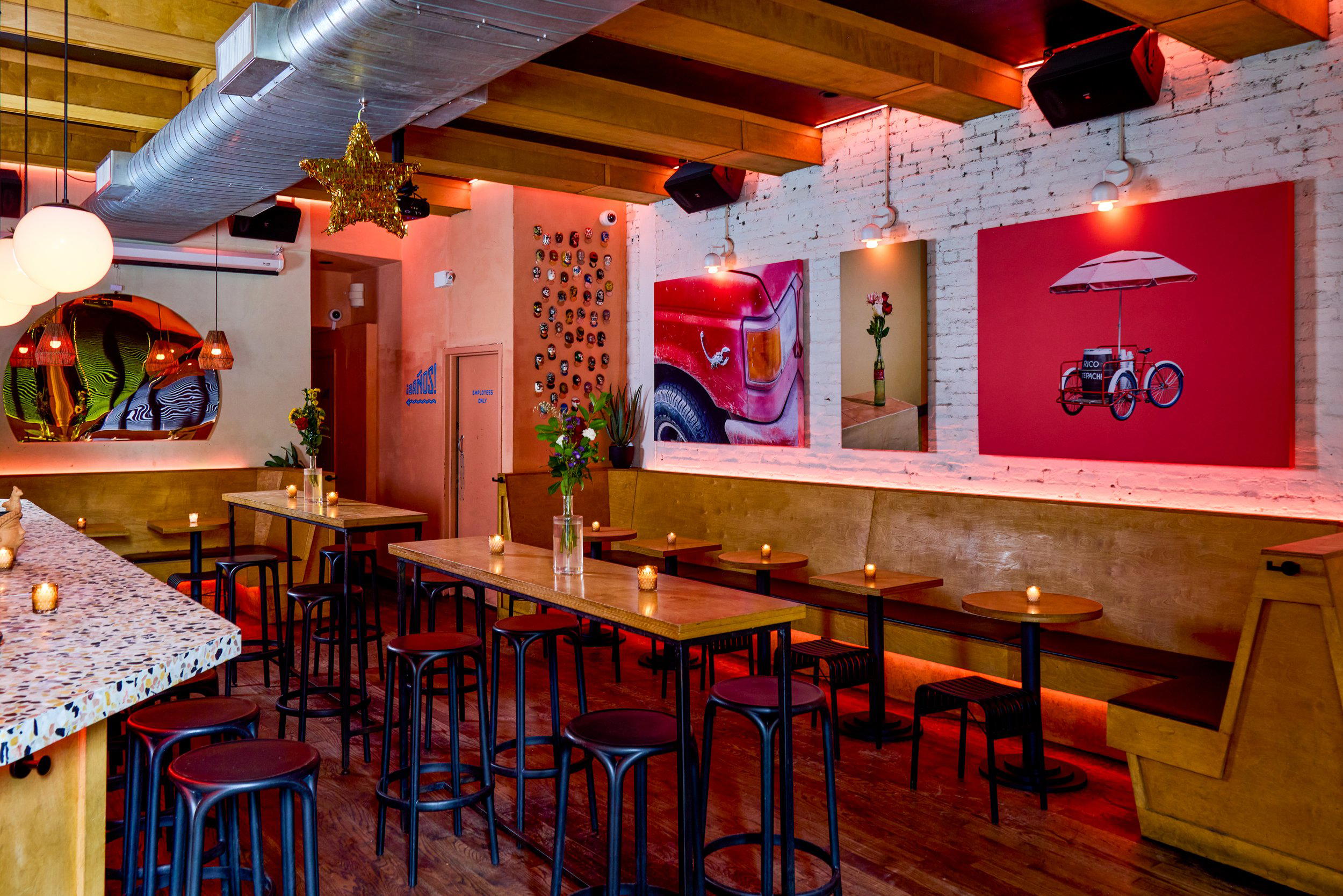
Candlelit and cozy with exposed brick walls, pressed tin ceiling, and warm wood-burning oven glow.