On a narrow Saint-Germain-des-Prés side street, Le Petit Saint-Benoît has been feeding the 6th arrondissement's literary and academic crowd since 1901. The formula is resolutely unchanged: chalked plats du jour, communal seating, and servers who operate on their own timetable. In a city increasingly defined by tasting menus and reservation queues, it represents a durable argument for the unreconstructed Parisian bistro.
Pearl is the En Primeur Club membership app — saves, bookings, and concierge access live there. Same editors, same standards.
- Address
- 4 Rue Saint-Benoît, 75006 Paris, France
- Phone
- +33142602792
- Website
- lepetitsaintbenoit.fr
- Directions
- Get directions
 Saves & bookings on Pearl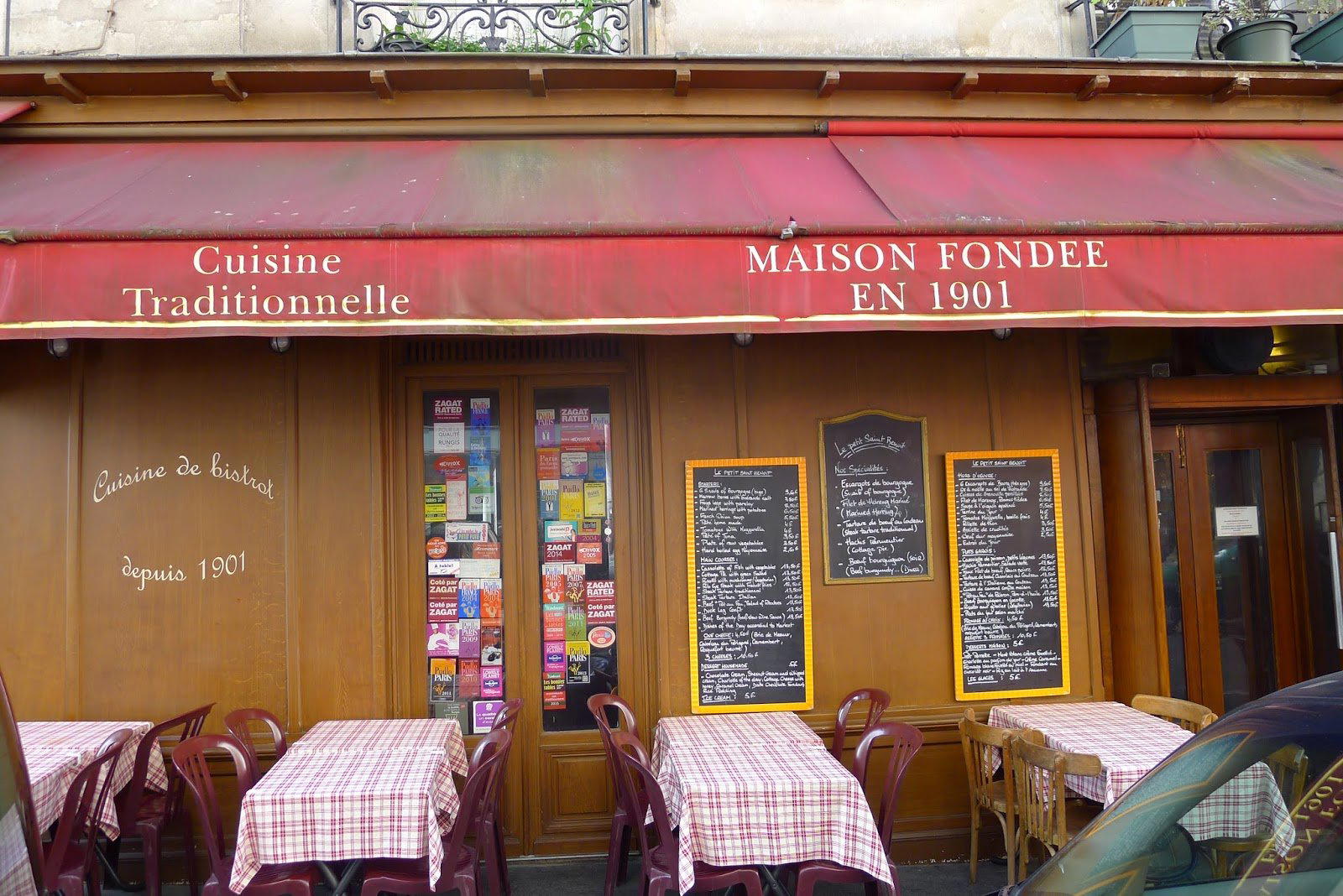
A Room That Has Refused to Change
Le Petit Saint-Benoit is a classic French bistro in Paris, France, at 4 Rue Saint-Benoît in the 6th arrondissement. But the address at number four has long drawn regulars, and the interior explains why: zinc-topped counters, paper tablecloths, bentwood chairs crowded close enough that conversation carries between tables, and a handwritten daily menu propped near the door. The room does not perform nostalgia. It simply has not changed much, which is a different thing.
In contemporary Paris, where even neighbourhood bistros are being repositioned toward the higher-margin tasting-menu format, the unreconstructed lunch-and-dinner canteen occupies a distinct tier. Le Petit Saint-Benoît sits firmly in that tier, functioning less like a restaurant in the modern hospitality sense and more like a civic institution that happens to serve food.
The Rhythm of the Meal
The dining ritual here operates on different terms from most places in the 6th. Seating is communal when the room fills, and it fills, so the table you are shown to may already have two strangers occupying the far end. This is not an oversight. It reflects an older Parisian logic in which a restaurant is a shared public space, not a private dining room you have rented for the evening.
Service follows the kitchen's pace rather than the guest's. Starters arrive when they are ready, the plat du jour is whatever is written on the board that morning, and the expectation is that you will be finished within a reasonable time because there are other people waiting. For readers accustomed to the orchestrated progression of places like Alléno Paris au Pavillon Ledoyen or the considered pacing at Arpège, this is a different relationship between kitchen and guest.
The plats du jour rotate around the canon of French home cooking: blanquette de veau, pot-au-feu, boeuf bourguignon in cooler months. These are not reinvented or deconstructed. They are made and served. That consistency is, itself, a form of editorial statement, a refusal to participate in the broader movement toward constantly evolving menus that characterises kitchens such as Kei or the inventive formats at L'Ambroisie.
Where It Sits in the Saint-Germain Dining Picture
The 6th arrondissement's restaurant identity has been pulled in multiple directions. The area around Odéon and Saint-Germain-des-Prés now accommodates everything from three-Michelin-star dining rooms to fast-casual concepts serving the tourism trade. Le Petit Saint-Benoît occupies neither of those poles. Its price positioning aligns it with a shrinking cohort of places that have resisted the commercial logic of the neighbourhood's upward trajectory.
That positioning has consequences for who eats there. The regulars are not the clientele of Le Cinq who happen to be slumming it. They are locals from the nearby university offices, publishers from nearby houses on Rue Jacob, and longer-term visitors who know to return. The tourist contingent is present, it would be hard to avoid on Rue Saint-Benoît, but the room's structure tends to integrate rather than segregate, which keeps the atmosphere honest.
This is a useful contrast to hold in mind when thinking about French bistro dining more broadly. The tradition that produced Le Petit Saint-Benoît also produced the provincial houses that became the foundation of French haute cuisine: places like Auberge de l'Ill in Alsace, Troisgros in Ouches, or Paul Bocuse in Collonges-au-Mont-d'Or. Those addresses evolved upward into the haute cuisine register. The Parisian neighbourhood bistro followed a different path, staying close to the bourgeois domestic tradition and absorbing its repertoire rather than transcending it. That divergence is visible every time a blanquette lands on the paper tablecloth.
Booking and Practical Considerations
Reservations at Le Petit Saint-Benoît are not required in the same way they are at the tasting-menu addresses that dominate EP Club's Paris coverage. The format is designed to turn tables efficiently, and walk-in access, particularly at lunch, is generally feasible, though arriving early or during the first sitting is advisable. This is consistent with how the older bistro category functions across Paris: places like this historically operated on the assumption that customers arrived, waited briefly if necessary, and were seated without elaborate advance planning.
The address, 4 Rue Saint-Benoît, 75006, places it a short walk from the Saint-Germain-des-Prés metro station, which makes it easy to combine with the galleries and bookshops on Rue de Buci or the garden end of Boulevard Saint-Germain.
Le Petit Saint-Benoît sits at the opposite end of the price and formality spectrum from the addresses EP Club covers most extensively. It is not comparable, on those axes, to Mirazur in Menton, Bras in Laguiole, or AM par Alexandre Mazzia in Marseille. The reason to note it alongside those addresses is precisely the contrast: understanding where French dining has arrived requires understanding where it started, and rooms like this one are where it started.
Le Petit Saint-Benoît offers a calibrating lunch, a reminder of what French cooking looks like when it is not performing for accolades. It is the same culinary tradition, expressed without apology and without pretension, in a room that still serves wine by the carafe and expects you to be done before the next sitting needs the table.
- Œufs Mayonnaise
- Foie Gras de Canard
- Confit de Canard
- Boeuf Bourguignon
- Coq au Vin
- Tarte Tatin
Style and Standing
Comparable venues nearby, for context on price, style, and recognition.
| Venue | Cuisine | Price | Notes |
|---|---|---|---|
| Le Petit Saint-BenoitThis venue — the venue you are viewing | Classic French Bistro | $$ | Not listed |
| Vagenende | Classic French Brasserie | $$ | Saint-Germain-des-Prés |
| Bouillon Racine | Traditional French Bouillon | $$ | Latin Quarter |
| Le Cellier | Modern French Bistro with Breton Influences | $$ | 9e arrondissement |
| Causses | French Farm-to-Table Bistro & Gourmet Grocery | $$ | Marais / South Pigalle |
| Le Garde-Manger des Dames | Bio French Locavore Cafe | $$ | Batignolles |
Continue exploring
More in Paris
Restaurants in Paris
Browse all →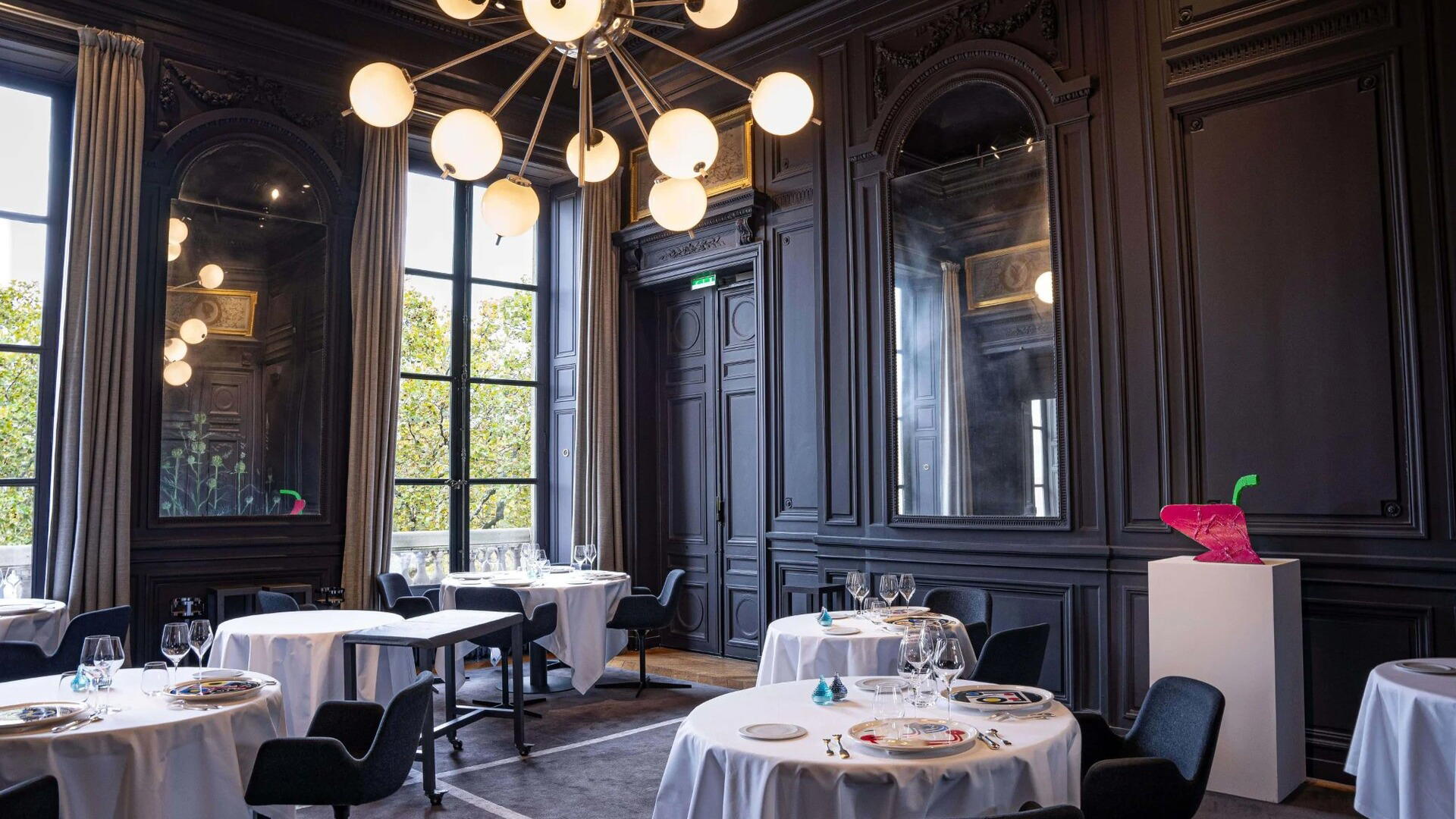
Bars in Paris
Browse all →
Hotels in Paris
Browse all →
Wineries in Paris
Browse all →
At a Glance
- Classic
- Well Known
- Cozy
- Rustic
- Casual Hangout
- Group Dining
- Date Night
- Solo
- Historic Building
- Standalone
- Local Sourcing
Current opening hours
- Monday
- 12–11 PM
- Tuesday
- 12–11 PM
- Wednesday
- 12–11 PM
- Thursday
- 12–11 PM
- Friday
- 12–11 PM
- Saturday
- 12–11 PM
- Sunday
- Closed
Hours can change for holidays and private events. Last verified .
Warm, nostalgic Parisian atmosphere with walls festooned with Paris history, wooden revolving door details, and classically efficient service; intimate and unpretentious.