Our verdict
Le Bouillon des Vignes on Rue des Moines sits in the 17th arrondissement, where Paris's wine-bar bistro tradition intersects with a neighbourhood that trades in everyday French cooking rather than destination dining. The format draws regulars with a meal-length progression through French classics alongside a considered wine list, making it a useful reference point for understanding how the city's mid-tier bistro circuit operates.

Pearl is the En Primeur Club membership app, where members save venues, book tables and use the concierge.
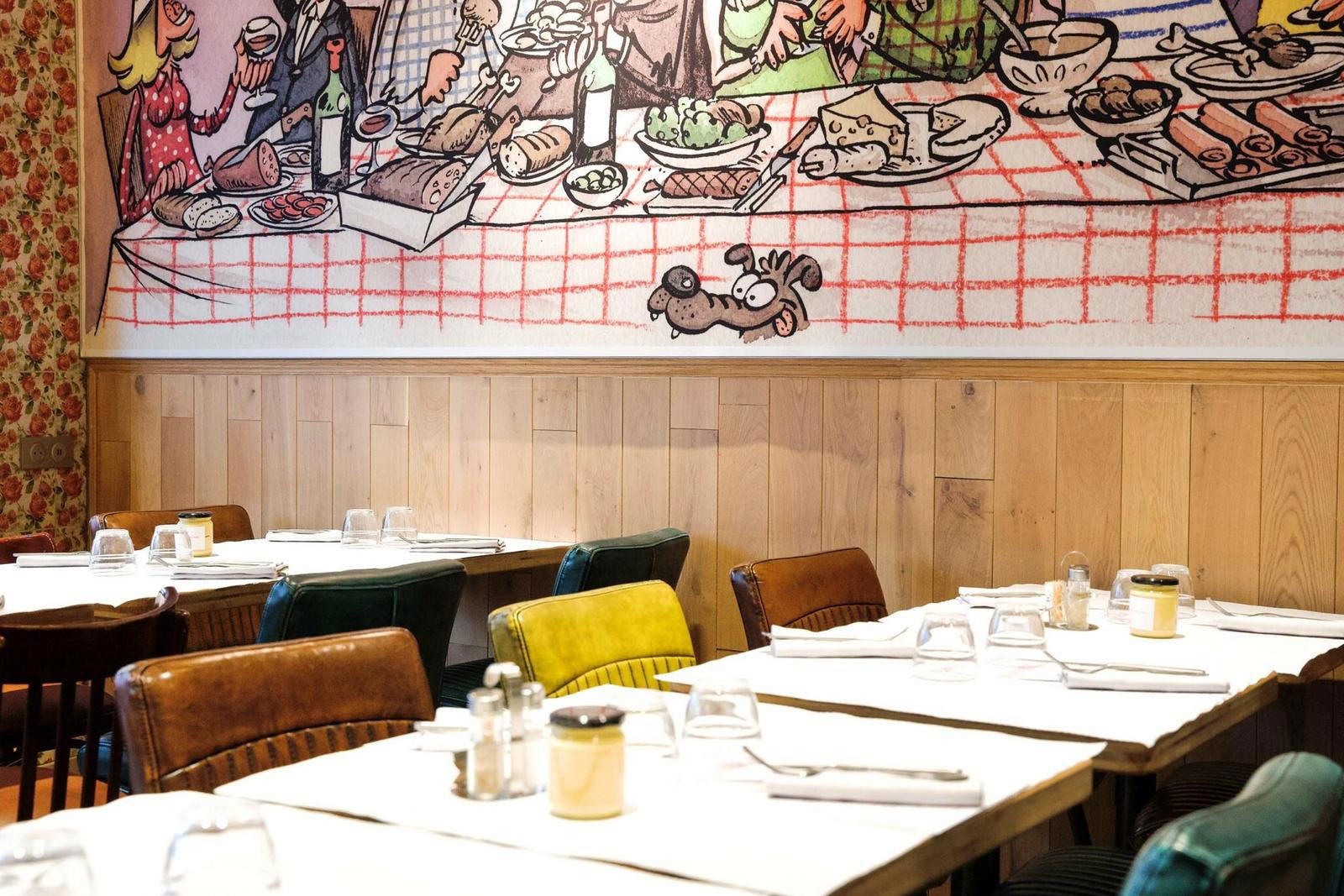
The menu
What to order
- Beef Tartare
- Œufs Mimosa
- Terrine de Campagne
- Pâté en Croûte au Foie Gras
- Poireaux Vinaigrette
A Street in the 17th, and What It Tells You About Paris Bistro Culture
Rue des Moines runs through the Batignolles quarter of the 17th arrondissement, a stretch of Paris that has stayed largely residential while areas like the Marais and Saint-Germain absorbed waves of tourism and the pricing structures that follow. The bistros along this corridor tend to address the neighbourhood rather than visitors, which means the meal-length logic operates differently from the city centre. You are not being processed through a tourist experience; you are entering something that functions more like a local institution, with its own rhythm and expectations.
Le Bouillon des Vignes sits at 45 Rue des Moines within that context. The name itself signals the format: a bouillon is a classical French eating house associated with volume, affordability, and the kind of unfussy cooking that sustained working Paris for over a century. Appending "des Vignes" shifts the frame toward wine, suggesting a hybrid register that pairs the democratic bistro tradition with the kind of wine-led thinking that has characterised Paris's neighbourhood bar-à-vins circuit over the past decade.
How the Meal Unfolds: The Tasting Progression at a French Bistro Table
The grammar of a French bistro meal is among the most codified in European dining. It has a sequence, and that sequence carries meaning. An entrée arrives to establish appetite and register: a terrine, perhaps, or a composed salad, something that signals whether the kitchen is working from conviction or from convenience. The plat follows with the weight of the meal behind it, typically built around protein and a sauce, the point at which a cook's technique becomes most visible. The fromage course, where it exists, functions as a pause before the dessert closes the arc.
This progression is what separates a serious bistro table from a casual one. At the €€€€ end of the Paris spectrum, venues like L'Ambroisie on the Place des Vosges or Le Cinq at the Four Seasons George V execute this arc with considerable formality. At the creative end, Alléno Paris au Pavillon Ledoyen and Arpège remake the progression entirely, using the multi-course structure as a platform for extended technical statements. A neighbourhood bistro like Le Bouillon des Vignes operates in neither register, but the underlying arc remains the same. The craft lies in executing it without pretension, which is a harder brief than it sounds.
Wine as Structural Element, Not Afterthought
The wine-bar bistro format that has spread across Paris's residential arrondissements over the past fifteen years is built on a specific premise: that the wine list should be integrated into the meal's sequence rather than appended to it. This means the glass you drink with the entrée is chosen in dialogue with the food, not simply as a general accompaniment. It also means the list tends to run toward producers with a point of view: natural and low-intervention wines, regional bottles from less-trafficked appellations, grower champagnes over the large négociant houses.
The "des Vignes" framing at this address suggests a commitment to that integrated approach. A well-constructed wine-forward bistro in Paris uses the cellar to extend the editorial logic of the kitchen: if the food is rooted in French classics, the list should trace a line through regional French production rather than padding out with international names. This kind of coherence is what separates a wine bistro with genuine credentials from one using the format as branding. France has no shortage of reference points for the former: the legacy houses tracked in our full Paris restaurants guide demonstrate how seriously the city takes the wine-food integration question at every price tier.
The 17th Arrondissement as Dining Context
17th sits north and west of the 8th, separated from the grand-restaurant axis of avenue Montaigne and avenue George V by both geography and intent. Dining in this arrondissement tends to be less about destination restaurants and more about sustained neighbourhood quality. The arrondissement has produced serious cooking across multiple formats: there are bistros here that have operated under the same model for decades, and there are newer addresses that have brought the natural-wine and small-producer focus that originated in the 11th and 20th across to the right bank.
This geographic and cultural positioning matters when reading any address on Rue des Moines. The expectation is not spectacle but regularity: a table you return to rather than one you visit once. Compare this to the pressure of getting a reservation at Kei in the 1st, or the institutional weight of an evening at L'Ambroisie. The 17th operates in a quieter register, and Le Bouillon des Vignes belongs to that frequency.
For comparative reference points beyond Paris, the French regional tradition is worth consulting. The discipline of a meal at Auberge de l'Ill in Alsace, or the terroir-led conviction at Bras in Laguiole, or the accumulated authority of Paul Bocuse outside Lyon, provide a framework for understanding what French cooking at its most committed looks like. A neighbourhood bistro in the 17th is not competing at those coordinates, but it is working within the same national tradition, and that tradition carries expectations.
Elsewhere in France, restaurants like Flocons de Sel in Megève, Mirazur in Menton, Troisgros in Ouches, Assiette Champenoise in Reims, Au Crocodile in Strasbourg, and Auberge du Vieux Puits in Fontjoncouse represent the formal apex of French regional cooking. AM par Alexandre Mazzia in Marseille maps a different creative vector. Internationally, the French-rooted technical tradition appears in different registers at Le Bernardin and the cross-cultural precision of Atomix in New York. These references establish the broader tradition that any Paris bistro, however neighbourhood-focused, is working inside.
Know Before You Go
- Address: 45 Rue des Moines, 75017 Paris, France
- Arrondissement: 17th (Batignolles quarter)
- Format: Wine-forward neighbourhood bistro
- Reservations: Contact directly; this format typically accepts bookings by phone or in person
- Getting there: Closest metro access via the 13th line (Brochant) or the 3rd line (Villiers); the address sits between both stations
- Timing: Lunch service tends to be quieter than dinner in this arrondissement; arriving without a reservation at peak evening hours carries risk at any address in this format tier
Frequently asked questions
Where is Le Bouillon des Vignes in Paris?
Le Bouillon des Vignes is located at 45 Rue des Moines, 75017 Paris, France, Paris.
Is Le Bouillon des Vignes in Paris suitable for a solo dinner at the bar or counter?
The wine-bar bistro format common to Paris's 17th arrondissement is among the more solo-friendly dining structures in the city, where counter or bar seating is standard and ordering a glass alongside a single course carries no social friction. At Rue des Moines specifically, the residential, non-tourist character of the Batignolles quarter means the room tends toward regulars rather than groups, which suits solo diners well. Confirming bar availability when you book is worth the extra step.
What do regulars order at Le Bouillon des Vignes?
Le Bouillon des Vignes sits within the wine-bar bistro tradition that has taken hold across Paris's residential arrondissements, where the menu typically orbits classic French bistro structure: a cold starter, a protein-led main, and cheese or dessert to close. In venues of this type on Rue des Moines, the wine list drives the ordering logic as much as the kitchen does, with glasses chosen to move across the meal rather than anchor to a single bottle. Specific dish-by-dish ordering patterns for this address are not captured in current public records, so the most reliable approach is to ask your server what the kitchen is running that day.
Do I need a reservation for Le Bouillon des Vignes?
Booking ahead for dinner is the lower-risk approach at any wine-forward bistro in Paris's residential arrondissements, where covers are typically limited and the room fills with regulars who plan ahead. At an address like 45 Rue des Moines in the 17th, walk-in availability at peak dinner hours is not guaranteed. Lunch on a weekday is generally more permissive, but the safest move is to call or book before you commit to the evening.
A Pricing-First Comparison
Comparable venues nearby, for context on price, style, and recognition.
| Venue | Cuisine | Price | Notes |
|---|---|---|---|
| Le Bouillon des VignesThis venue (the venue you are viewing) | Traditional French Bistro | $20–30 | Not listed |
| L'Alsace | Alsatian Brasserie | $30–50 | 8th Arr., Alsatian Brasserie |
| Lulu's | French Bistro | $30–50 | Trocadéro, French Bistro |
| La French Guinguette | Traditional French Bistro | $30–50 | Sainte-Avoie, Traditional French Bistro |
| La Gorgée | Traditional French Bistro | $30–50 | 6th arrondissement, Traditional French Bistro |
| Jaja | Modern French Bistro | $30–50 | Marais, Modern French Bistro |
Continue exploring
More in Paris
Restaurants in Paris
All restaurants in Paris →

Bars in Paris
All bars in Paris →



Details
- Cozy
- Classic
- Intimate
- Casual Hangout
- Business Dinner
- Family
- Group Dining
- Terrace
- Standalone
- Extensive Wine List
- Local Sourcing
- Farm To Table
- A La Carte
- Wine
- Vegetarian Friendly
Current opening hours
- Monday
- 12–2:30 PM, 7–11 PM
- Tuesday
- 12–2:30 PM, 7–11 PM
- Wednesday
- 12–2:30 PM, 7–11 PM
- Thursday
- 12–2:30 PM, 7–11 PM
- Friday
- 12–2:30 PM, 7–11 PM
- Saturday
- 12–5:30 PM, 7–11 PM
- Sunday
- 12–5:30 PM, 7–11 PM
Hours can change for holidays and private events. Hours as of .
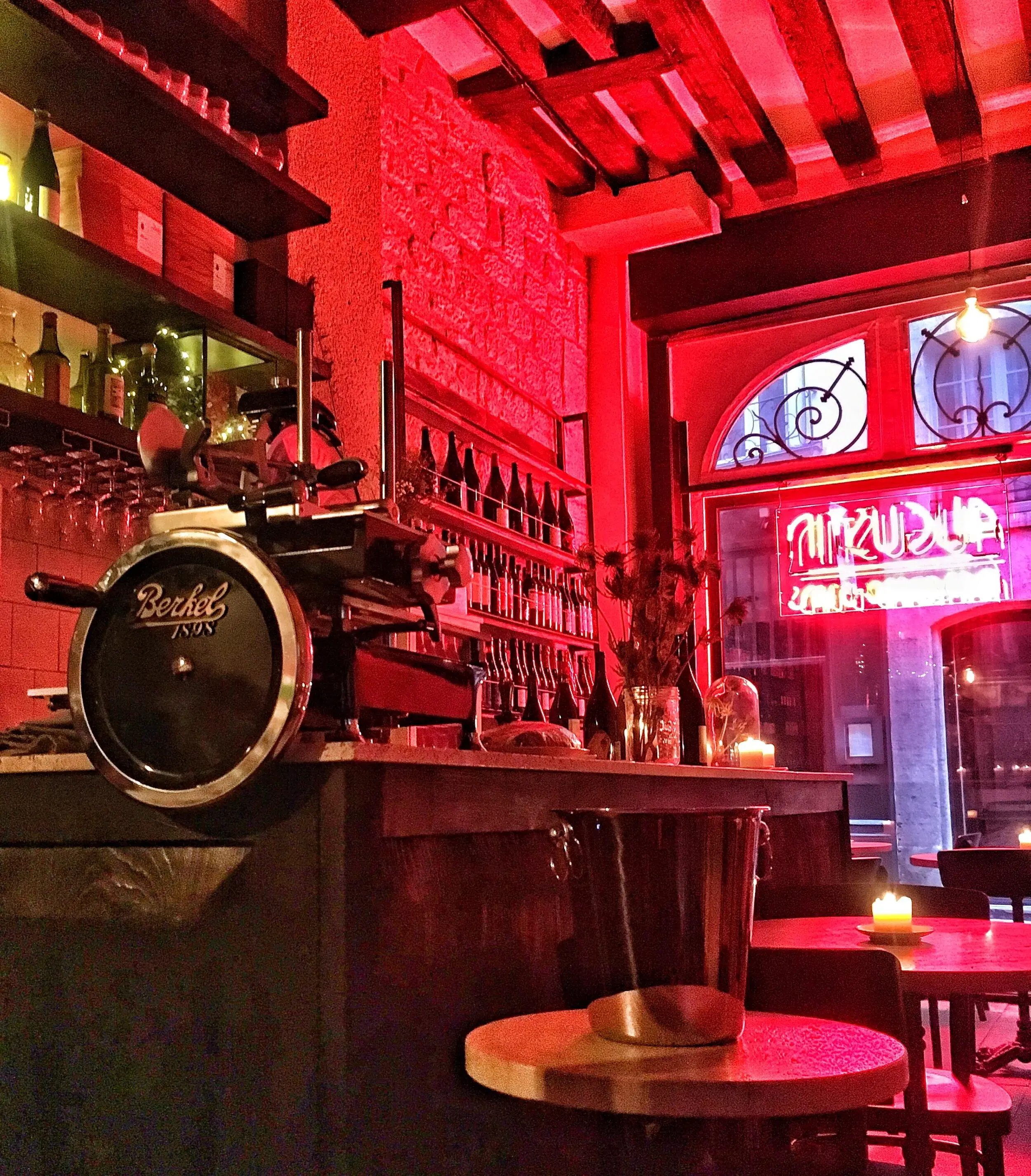
Warm and welcoming neighborhood bistro with a charming, unpretentious atmosphere; wine-focused setting with careful attention to detail and a homey, affectionate dining experience.