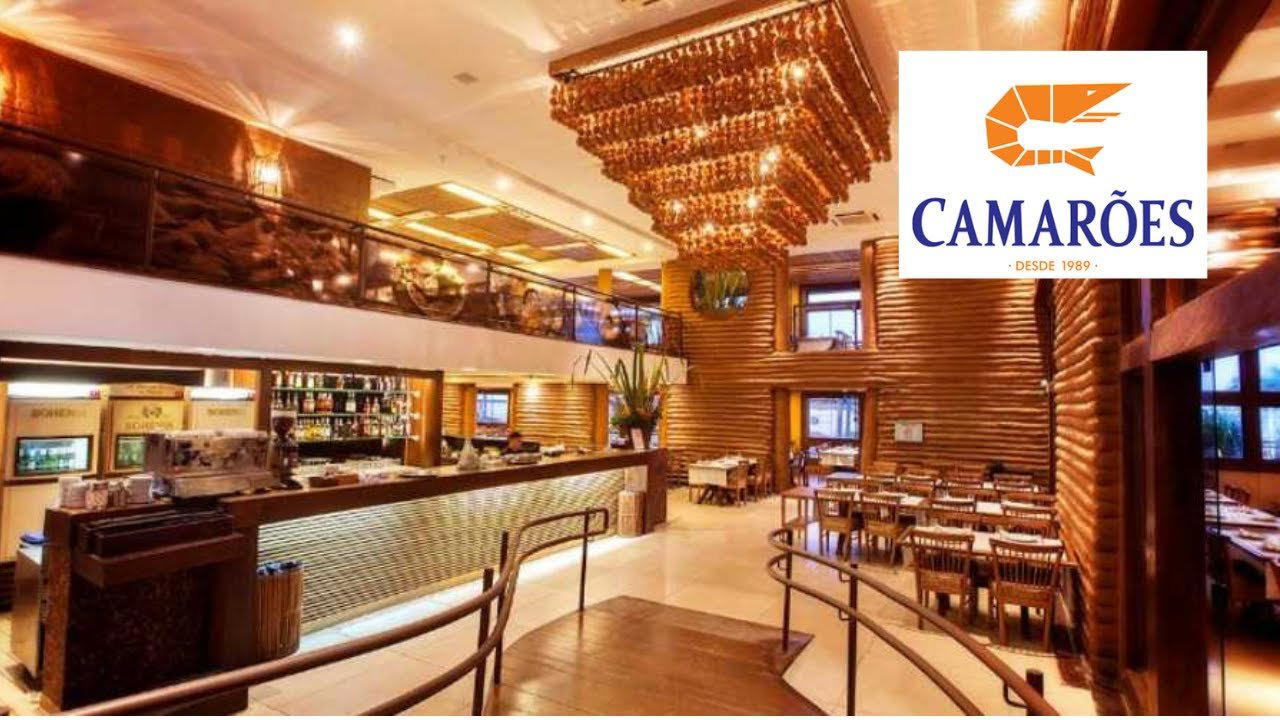
Camarões Restaurante anchors Natal's Ponta Negra dining strip as one of the city's most established seafood addresses, where the Rio Grande do Norte coastline arrives directly on the plate. Set along Avenida Engenheiro Roberto Freire, it draws both residents and visitors who treat the meal as an event rather than a transaction, an approach that has defined the restaurant's reputation across decades of operation.
Pearl is the En Primeur Club membership app — saves, bookings, and concierge access live there. Same editors, same standards.
- Address
- Av. Engenheiro Roberto Freire, 3980 - Ponta Negra, Natal - RN, 59090-000, Brazil
- Phone
- +558432092424
- Website
- camaroes.com.br
- Directions
- Get directions
 Saves & bookings on Pearl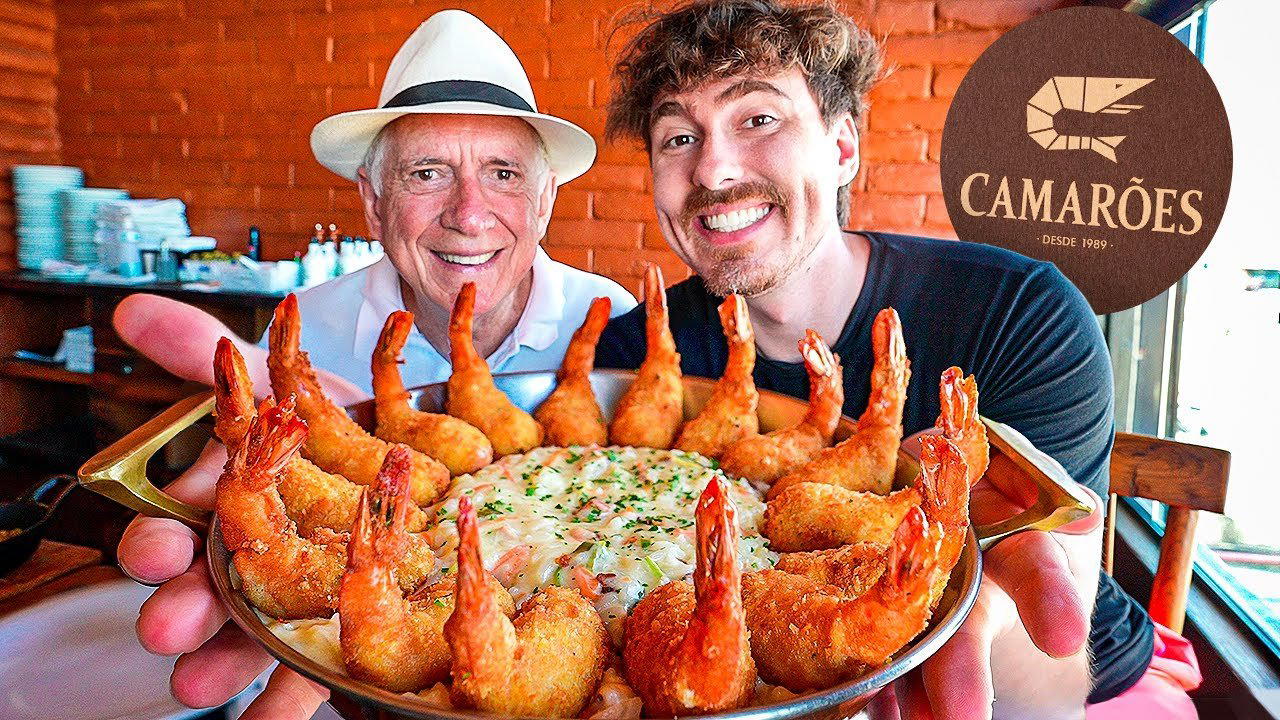
Where the Coast Becomes the Kitchen
Ponta Negra's main avenue runs parallel to the sea, and the restaurants along Avenida Engenheiro Roberto Freire have long organised themselves around that geography. The Atlantic is not merely backdrop here, it is supply chain, identity, and argument. Camarões Restaurante, positioned at number 3980 on that strip, belongs to a tradition in which the name of the restaurant is also a statement of intent: camarões means prawns, and in Natal's culinary vocabulary, prawns carry the same weight that crab does on the Maryland shore or oysters do in Cancale.
Brazil's northeastern seaboard produces some of the country's most consequential seafood, and Natal sits at the pivot point of that supply. The waters off Rio Grande do Norte yield prawns with a firm, sweet flesh that differs noticeably from the farmed product more common in Brazil's south. Restaurants in this city are built around that ingredient in a way that coastal dining rooms elsewhere in the country rarely match, not because of a single chef's intervention, but because the raw material demands a format that respects it.
The Ritual of a Seafood Meal in Natal
Dining at an established seafood restaurant in Natal follows a rhythm that visitors from São Paulo or Rio, accustomed to faster, more metropolitan pacing, often find instructive. The meal is not rushed toward a conclusion. Appetisers arrive as conversation starters, not as preamble to be dismissed. The main event, typically a prawn preparation of some weight and occasion, is given room to be assessed rather than consumed reflexively. This is the northeastern Brazilian dining ritual at its most explicit: food as social architecture, with the table as the structure that holds the gathering together.
In cities where this tradition is intact, the question of whether you order the prawns grilled, in a coconut milk sauce, or in a more elaborate regional preparation is less a menu decision than a declaration of mood. Natal's better seafood houses understand this, which is why their menus are usually built around variations on a central ingredient rather than around breadth for its own sake. Camarões works within that logic, the name itself signals that the kitchen has staked its identity on one ingredient and is prepared to be judged by it.
Ponta Negra's Dining Tier
Natal's restaurant scene divides more clearly by neighbourhood than by cuisine type. The Ponta Negra district, where the famous crescent beach meets the city's tourist infrastructure, holds the highest concentration of restaurants that pitch themselves at both local families and visitors with some expenditure capacity. Within that district, the Avenida Roberto Freire corridor functions as the primary dining artery, with venues ranging from casual beach-adjacent snack bars to multi-room restaurants capable of handling larger parties.
Camarões Restaurante occupies the more established end of that spectrum. Its position on the avenue places it alongside other seafood-focused operations including NAU Frutos do Mar RN, which also draws on the city's coastal supply, and Camarões Potiguar, which shares a name origin and similarly centres the northeastern prawn tradition. The presence of multiple venues operating in the same culinary register is less about redundancy than about the depth of local demand, Natal residents eat seafood with a frequency and seriousness that sustains several kitchens at this level simultaneously.
For visitors interested in the city's broader dining range, Lotus Japanese Fusion Cuisine and Seu Minino Creperia & Petiscaria offer contrasting registers on the same strip, and
The Northeastern Seafood Tradition in National Context
Brazil's fine dining conversation is dominated by São Paulo and Rio de Janeiro, where restaurants like D.O.M. in São Paulo and Oteque in Rio de Janeiro have attracted international critical attention and reshaped what Brazilian cooking is understood to mean abroad. The northeast participates in that conversation differently, not through tasting-menu formalism, but through ingredient authority. The prawns, the crab, the regional spice combinations, the coconut milk that appears in dishes from Bahia to Natal: these are the northeastern contribution to Brazilian cuisine, and they carry real weight in any serious account of what the country's food culture looks like outside its financial capitals.
Venues in this tradition, from Orixás North Restaurant in Itacaré to Natal's own seafood houses, represent a strand of Brazilian dining that prioritises product specificity over technique display. That approach has analogues elsewhere in the world, the ingredient-first philosophy that defines places like Le Bernardin in New York City operates on a different price tier and formality level, but shares the underlying conviction that notable seafood is served leading when the kitchen gets out of its way. In Natal, that conviction is expressed through regional cooking tradition rather than through modernist restraint, but the editorial instinct is recognisably similar.
Restaurants outside the northeast that draw on similar commitments to regional identity and ingredient provenance include Manu in Curitiba and Birosca S2 in Belo Horizonte, both of which use local supply chains as the primary editorial argument for their menus. Further afield, Mina in Campos do Jordão, Olivetto Restaurante e Enoteca in Campinas, Primrose in Gramado, Castelo Saint Andrews in Vale do Bosque, and State of Espírito Santo in Rio Bananal each situate themselves within a regional identity rather than a national or international trend, a structural parallel to what Natal's seafood houses do with the northeastern prawn. Meanwhile, Lazy Bear in San Francisco demonstrates that a communal, ritual approach to dining can underpin a sophisticated restaurant format regardless of geography.
Planning Your Visit
Camarões Restaurante sits at Av. Engenheiro Roberto Freire, 3980, in the Ponta Negra district of Natal. Ponta Negra is accessible from the city centre by taxi or rideshare in under 30 minutes depending on traffic, and the neighbourhood itself is walkable once you arrive. For evening meals, the Ponta Negra dining strip fills progressively from around 19:00, with peak seating pressure on weekends when local families join the tourist flow.
Cuisine and Credentials
Comparable venues nearby, for context on price, style, and recognition.
| Venue | Cuisine | Price | Notes |
|---|---|---|---|
| Camarões RestauranteThis venue — the venue you are viewing | Brazilian Seafood | $$ | Not listed |
| Camarões | Brazilian Seafood | $$ | Ponta Negra |
| Lotus Japanese Fusion Cuisine | Japanese Fusion Sushi Omakase | $$$ | Ponta Negra |
| NAU Frutos do Mar RN | Brazilian Seafood | $$$ | Capim Macio |
| Seu Minino Creperia & Petiscaria | Dining | Not listed | Natal |
| Camarões Potiguar | Brazilian Seafood | $$ | Ponta Negra |
Continue exploring
More in Natal
Restaurants in Natal
Browse all →
At a Glance
- Cozy
- Classic
- Family
- Celebration
- Group Dining
- Standalone
Current opening hours
- Monday
- 11:30 AM–3 PM, 6:30–11 PM
- Tuesday
- Closed
- Wednesday
- 11:30 AM–3 PM, 6:30–11 PM
- Thursday
- 11:30 AM–3 PM, 6:30–11 PM
- Friday
- 11:30 AM–3:30 PM, 6:30–11 PM
- Saturday
- 11:30 AM–3:30 PM, 6:30–11 PM
- Sunday
- 11:30 AM–4 PM, 6:30–10 PM
Hours can change for holidays and private events. Last verified .
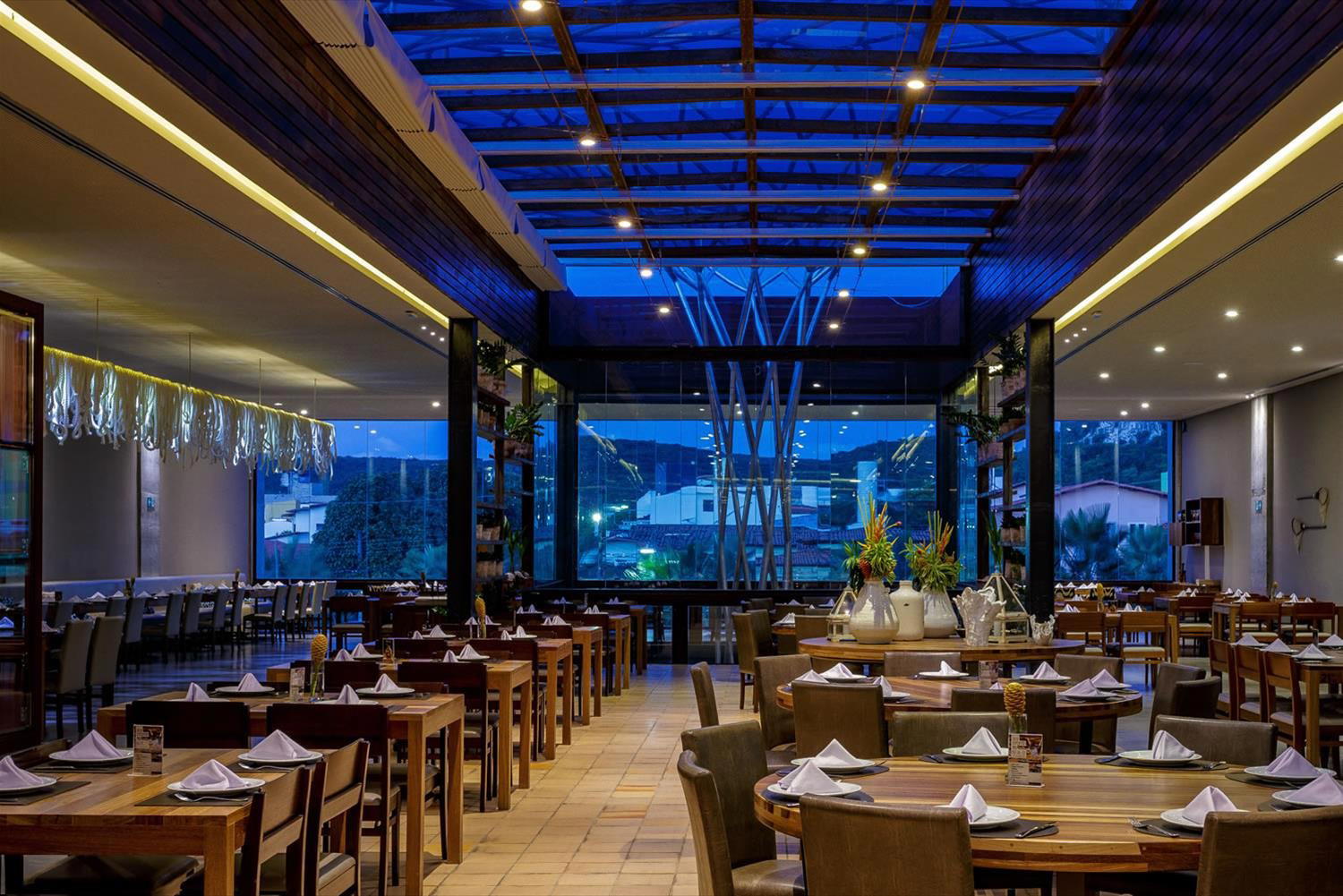
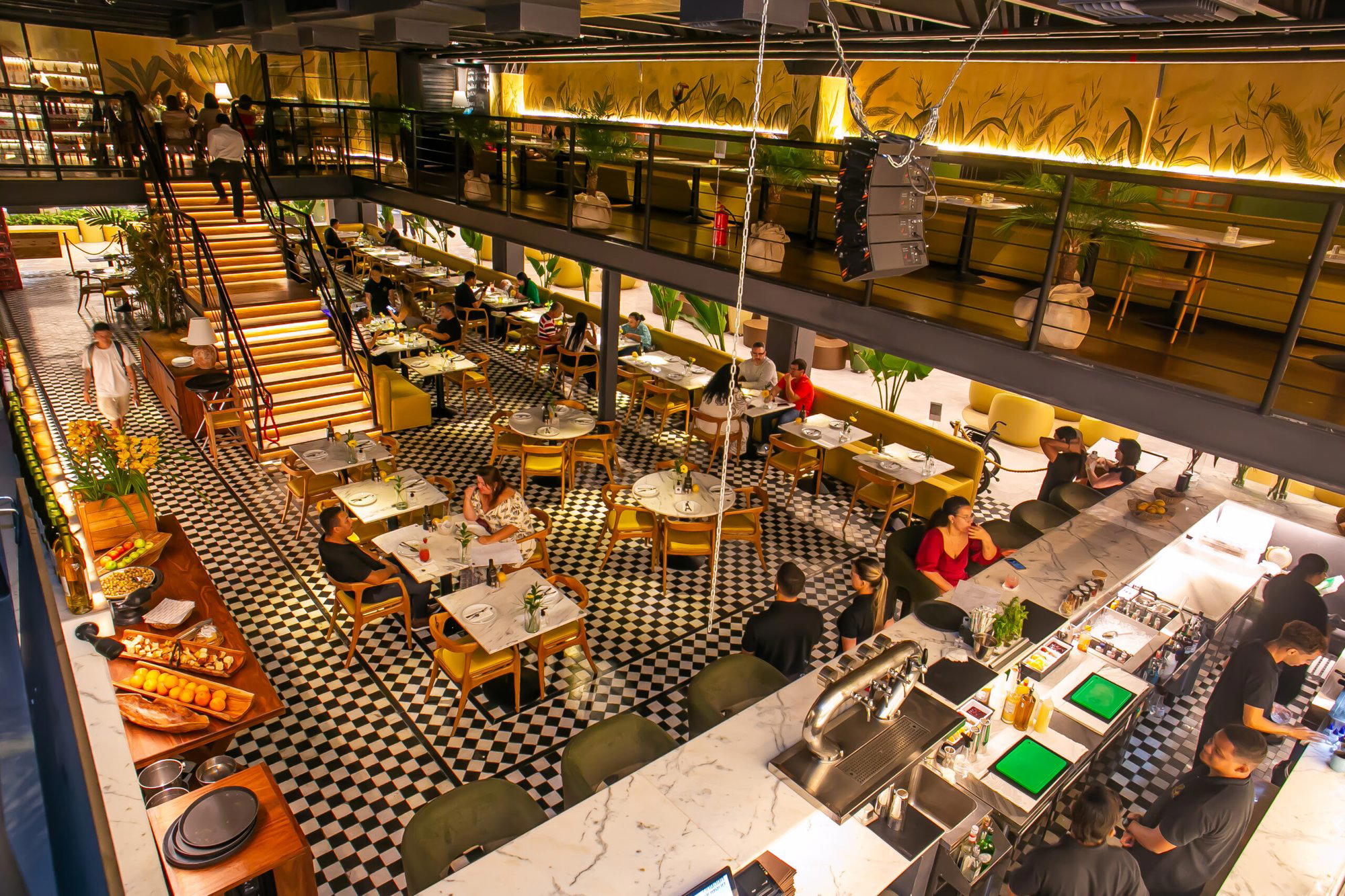
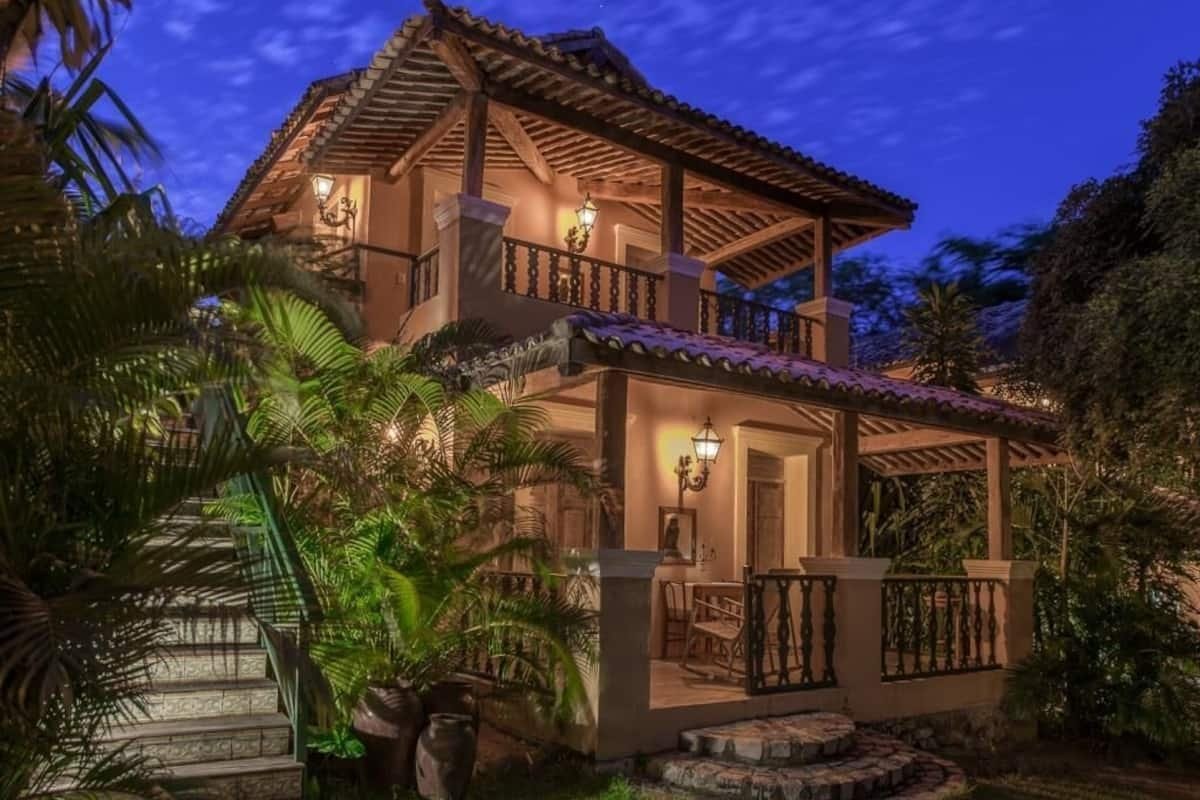
Cozy and beautiful atmosphere ideal for families and special occasions with friendly service.