In Ponta Negra, Natal's primary dining corridor, Lotus Japanese Fusion Cuisine applies Japanese culinary technique to a city defined by Atlantic seafood and regional Brazilian cooking. Set at Rua Hélio Galvão 299, it occupies a small and distinct niche in a market dominated by shrimp specialists, offering a different culinary logic to the same coastal ingredient base that drives most serious kitchens in the city.
Pearl is the En Primeur Club membership app — saves, bookings, and concierge access live there. Same editors, same standards.
- Address
- R. Hélio Galvão, 299 - Ponta Negra, Natal - RN, 59090-070, Brazil
- Phone
- +5584991129649
- Website
- linktr.ee
- Directions
- Get directions
 Saves & bookings on Pearl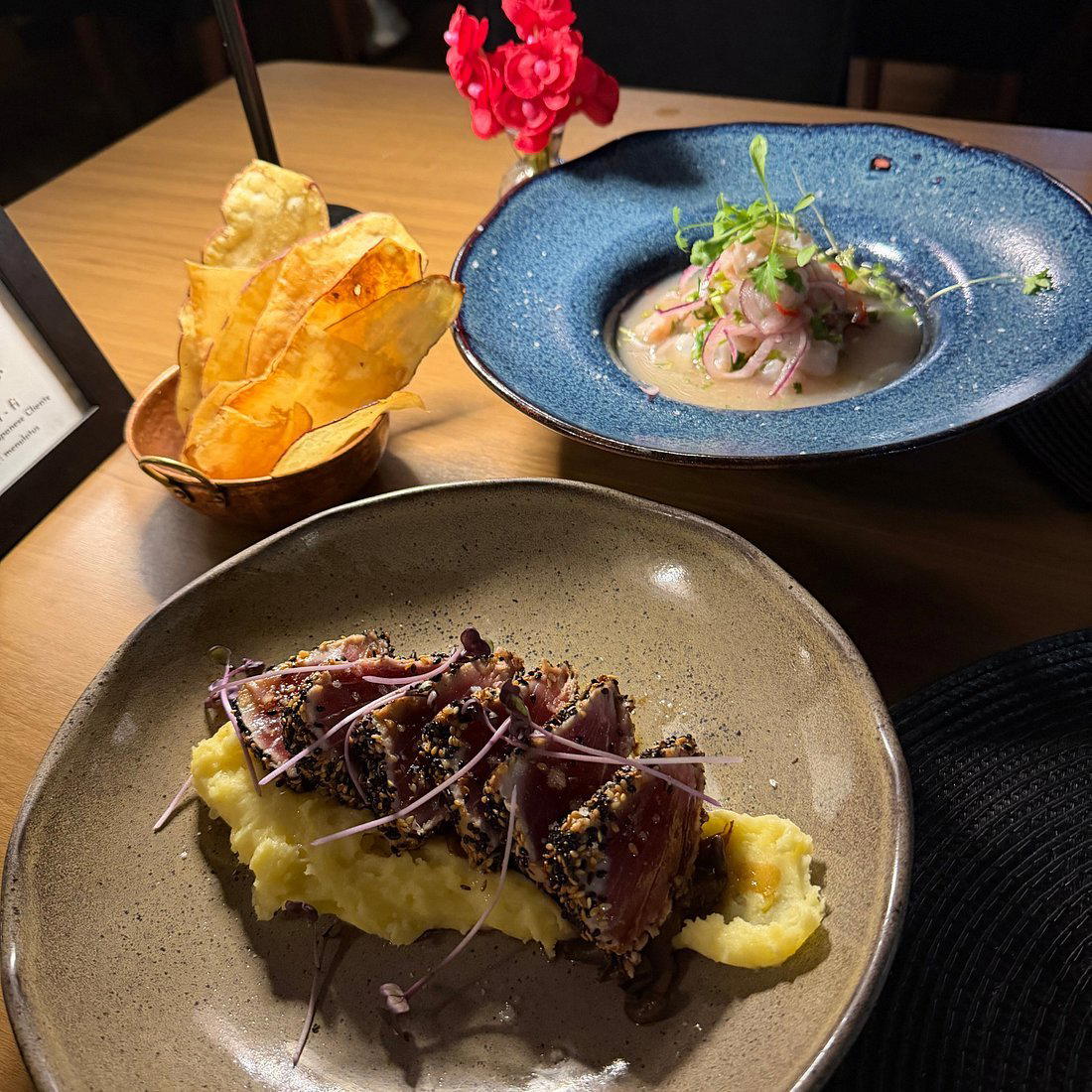
Japanese Cooking in a Brazilian Coastal City
Ponta Negra, the neighbourhood anchoring Natal's most active restaurant corridor, sits where beach-town informality meets a genuine appetite for cooking that travels beyond the obvious. The streets running back from the waterfront hold a mix of seafood houses, casual Brazilian grills, and a smaller tier of internationally oriented kitchens. Lotus Japanese Fusion Cuisine occupies that second tier, at Rua Hélio Galvão 299, in Natal, a city whose dining scene is more often discussed through its shrimp dishes and coastal grills than through the traditions of Japanese cooking.
Japan's culinary diaspora in Brazil is one of the largest and oldest outside Japan itself. São Paulo absorbed the majority of that immigration wave and built a Japanese-Brazilian restaurant culture now recognised globally, with restaurants like Atomix in New York City and Le Bernardin in New York City demonstrating how Asian and European precision traditions can find serious footing outside their home countries. In Brazil's northeast, that same tradition arrives at smaller scale and in a different register. Natal is not São Paulo, and a Japanese-fusion kitchen here positions itself against a different competitive backdrop: the dominant local seafood restaurants rather than a dense comparable set of Japanese specialists.
What Fusion Means in This Context
The term "fusion" carries a complicated reputation globally. At its weakest, it functions as cover for arbitrary combinations. At its most coherent, it describes a genuine negotiation between two culinary logics, each with its own sourcing requirements, preparation philosophy, and texture expectations. In Brazil's northeast, the sourcing argument for Japanese-influenced cooking takes on particular weight. The Atlantic waters off Natal and Rio Grande do Norte produce seafood that differs meaningfully from the Pacific fish central to Japanese tradition: different species, different fat content, different seasonality. A kitchen working this category must either import to preserve fidelity or adapt the technique to what the local supply chain actually delivers.
That sourcing question is the sharpest editorial lens through which to read any Japanese or fusion kitchen operating far from traditional supply networks. Restaurants like D.O.M. in São Paulo and Lasai in Rio de Janeiro have built their reputations specifically on resolving the tension between a foreign technique and a local ingredient base. Northeast Brazil presents that same tension in a less resourced environment, which makes the kitchen's decisions about what to import, what to substitute, and what to reframe as local interpretation particularly consequential decisions it makes.
Natal's Seafood Supply and the Japanese Kitchen
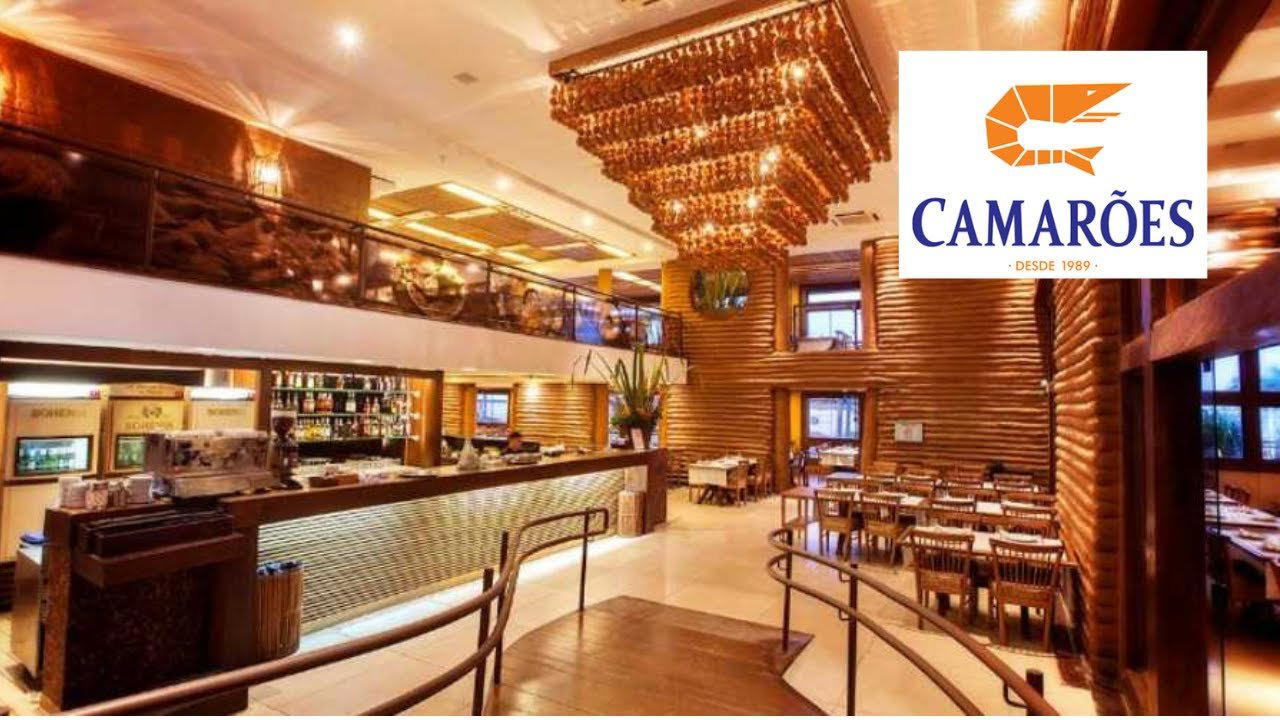
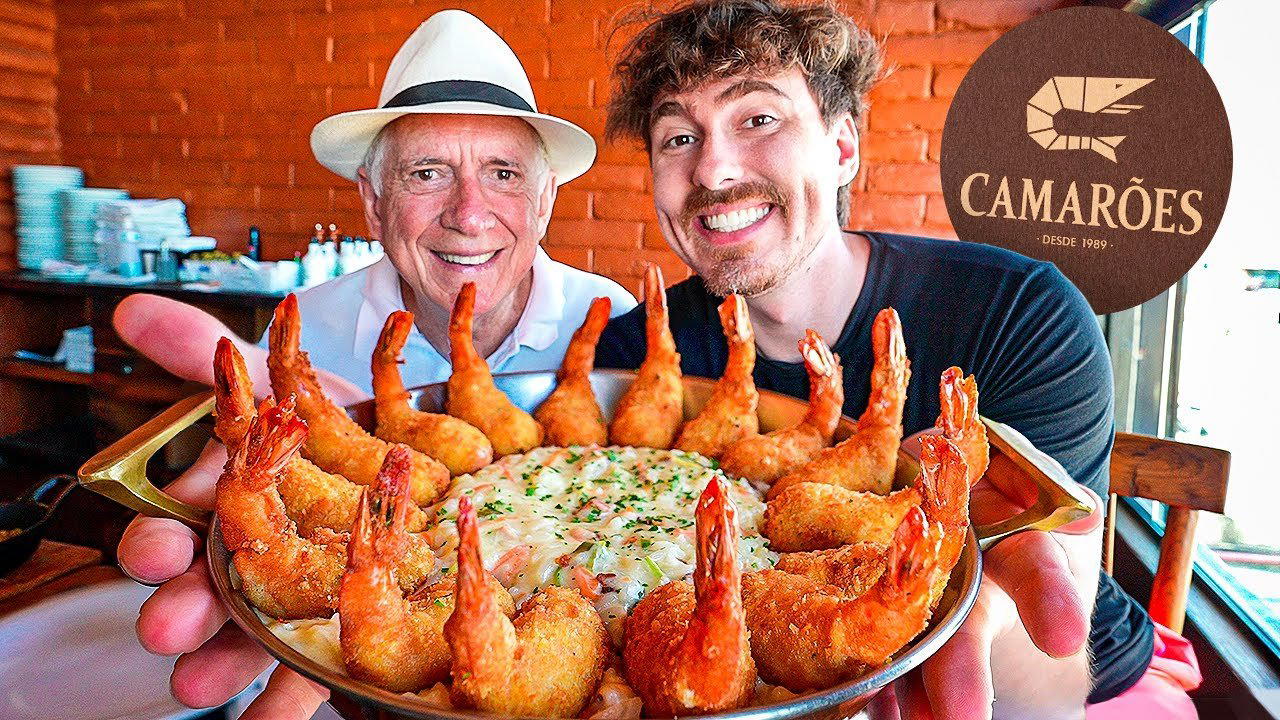
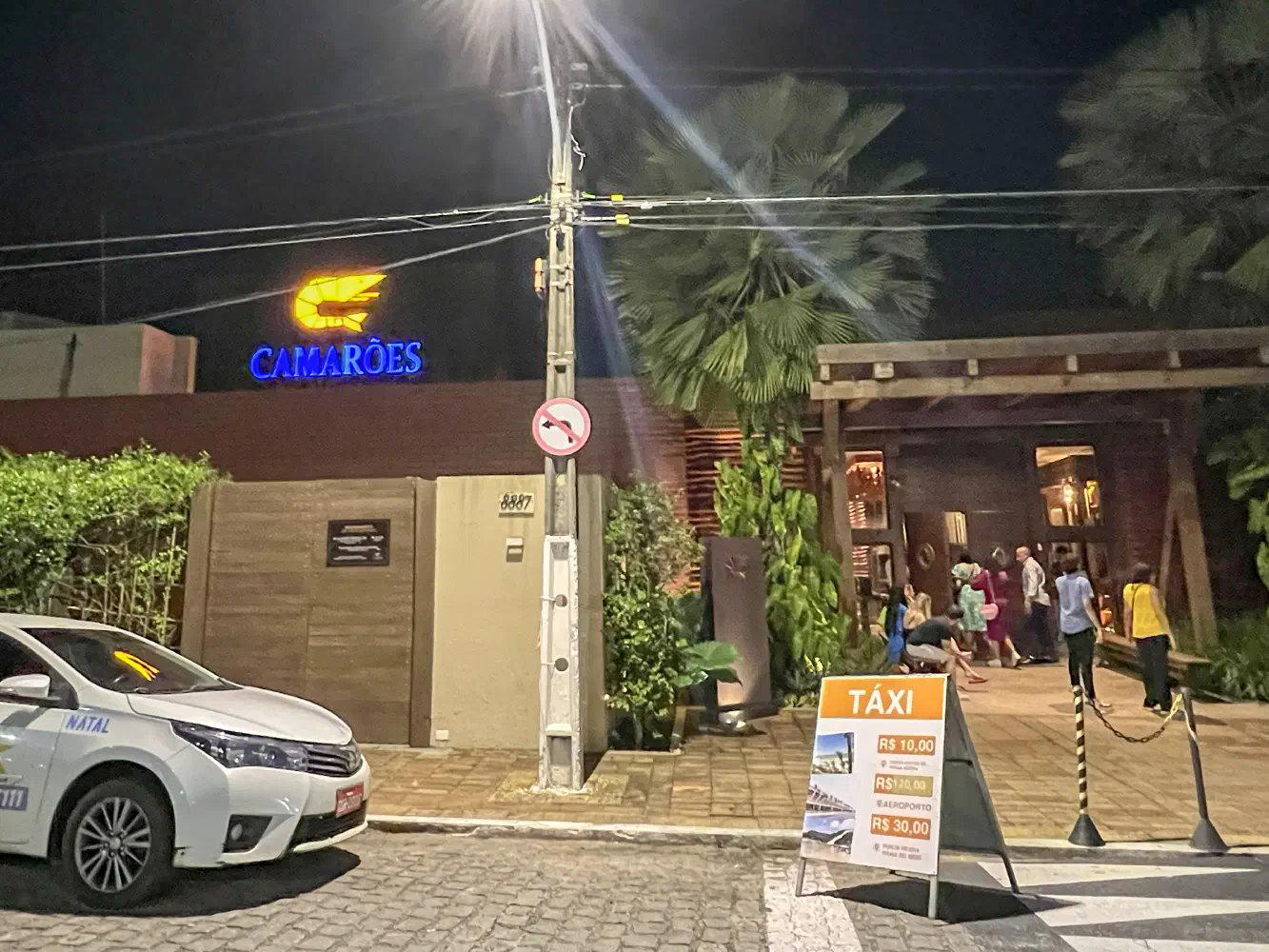
Rio Grande do Norte is Brazil's largest shrimp-producing state, a fact that shapes every serious kitchen in the city. Restaurants including Camarões, Camarões Potiguar, and Camarões Restaurante have built their entire identities around that local shrimp supply. A Japanese-fusion kitchen entering this environment faces a choice: compete on the same ingredient or find the complementary angle. Applying Japanese preparation logic, whether through light pickling, temperature-precise cooking, or the restraint of dashi-based saucing, to locally farmed shrimp and Atlantic fish represents a genuinely coherent fusion premise. It uses technique as differentiation rather than exotic ingredient as differentiation, which tends to produce more sustainable kitchen logic.
The broader seafood-focused restaurant tier in Natal also includes NAU Frutos do Mar RN, which positions around local marine sourcing. In that context, a Japanese-influenced kitchen's value proposition depends less on importing exotic proteins and more on applying different culinary language to the same regional supply. That is also where the sourcing story becomes most interesting for a reader thinking about what distinguishes one Natal restaurant from another.
The Ponta Negra Address and What It Signals
Location in Ponta Negra places Lotus in Natal's primary dining zone, where foot traffic from the beach and from the local residential population overlap. The neighbourhood has attracted a range of formats, from casual street-side petiscos to more structured sit-down kitchens. Seu Minino Creperia & Petiscaria represents the informal end of that spectrum. Lotus, with a Japanese-fusion orientation, targets a different part of the same audience: diners looking for something more composed than beach-casual but without the formality of a tasting-menu format.
Ponta Negra also rewards visitors who plan arrivals before the evening peak. The neighbourhood's main restaurant strip compresses quickly on weekends, and kitchens operating with any degree of precision prefer to pace covers rather than absorb a rush. Visiting earlier in the week, or confirming table availability in advance, is a practical note worth carrying for any serious dinner plan here. For a broader view of what Natal's restaurant scene offers across price points and formats, the full Natal restaurants guide maps the major options by neighbourhood and category.
Planning Your Visit
The venue's address at Rua Hélio Galvão 299 in Ponta Negra puts it within easy reach of the neighbourhood's main accommodation cluster.
In Context: Similar Options
Comparable venues nearby, for context on price, style, and recognition.
| Venue | Cuisine | Price | Notes |
|---|---|---|---|
| Lotus Japanese Fusion CuisineThis venue — the venue you are viewing | Japanese Fusion Sushi Omakase | $$$ | Not listed |
| Seu Minino Creperia & Petiscaria | Dining | Not listed | Natal |
| NAU Frutos do Mar RN | Brazilian Seafood | $$$ | Capim Macio |
| Camarões Restaurante | Brazilian Seafood | $$ | Ponta Negra |
| Camarões | Brazilian Seafood | $$ | Ponta Negra |
| Camarões Potiguar | Brazilian Seafood | $$ | Ponta Negra |
At a Glance
- Elegant
- Modern
- Intimate
- Cozy
- Sophisticated
- Date Night
- Special Occasion
- Celebration
- Live Music
- Open Kitchen
- Sake Program
- Craft Cocktails
Current opening hours
- Monday
- Closed
- Tuesday
- 6–11 PM
- Wednesday
- 6–11 PM
- Thursday
- 6–11 PM
- Friday
- 6–11:30 PM
- Saturday
- 6–11:30 PM
- Sunday
- 6–11 PM
Hours can change for holidays and private events. Last verified .
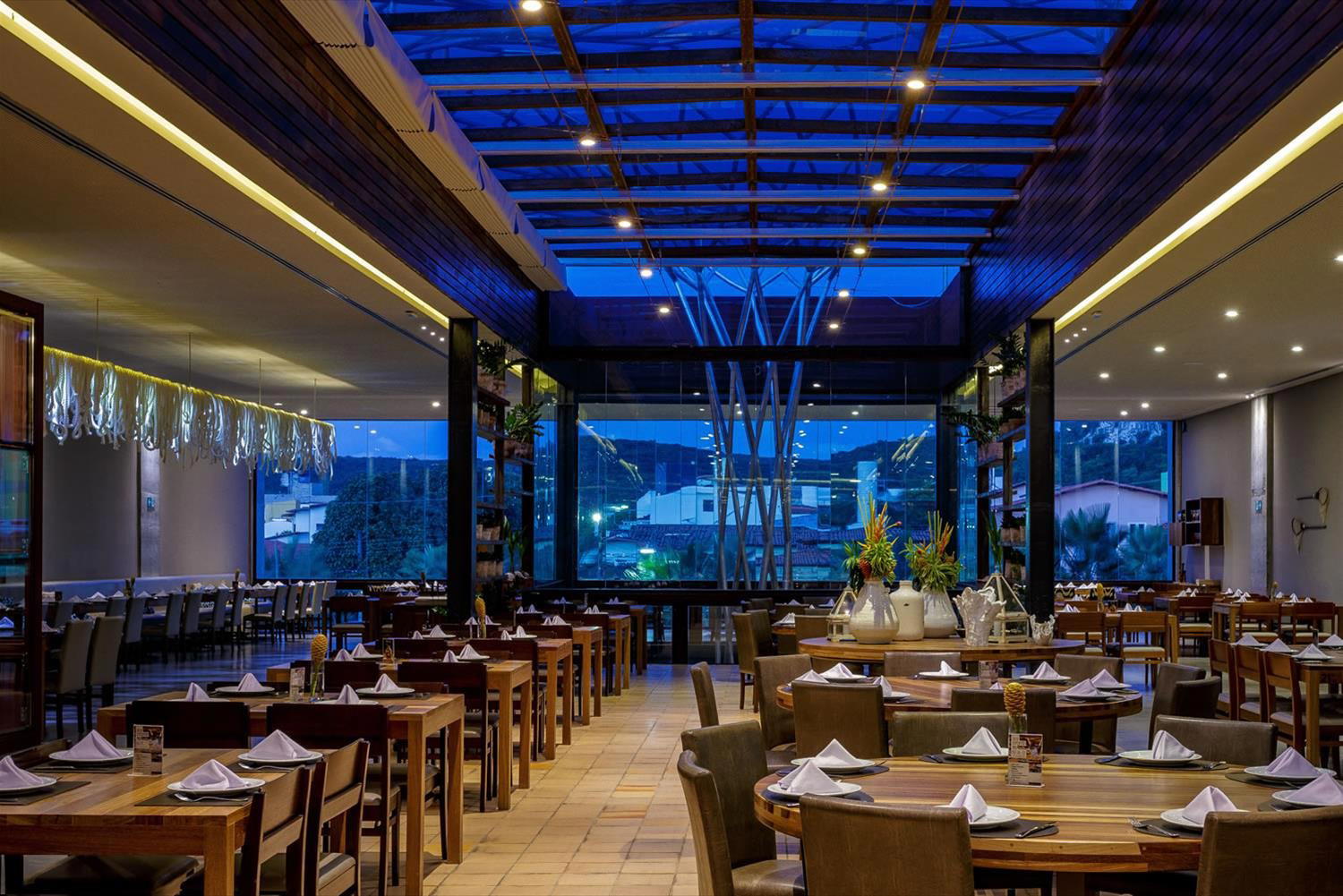
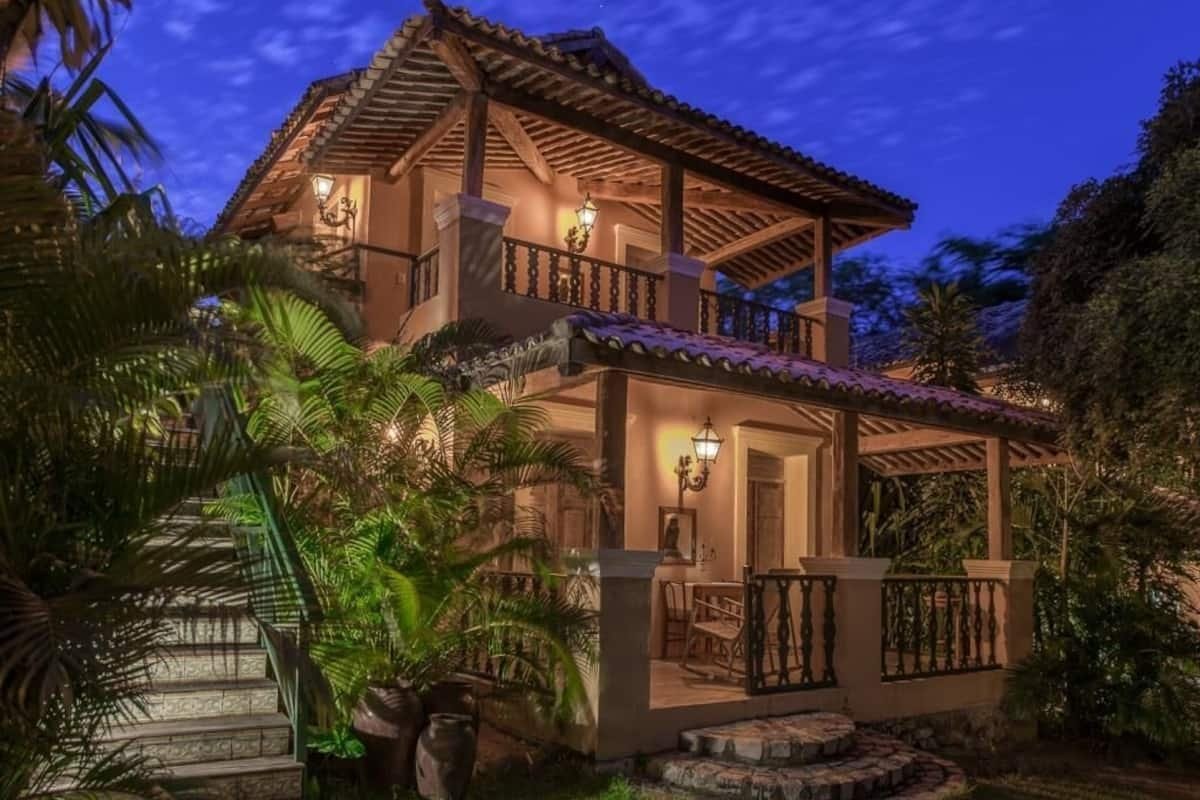
Cozy and modern with soft live jazz music, elegant design including Buddha mural and pool, creating a refined and welcoming atmosphere.