Café Tirol
Our verdict
Café Tirol operates in Piracicaba's Santa Olímpia neighbourhood, where the city's interior São Paulo dining culture sits at some distance from the coastal fine-dining circuit. The café format positions it within a local tradition of everyday hospitality rather than destination gastronomy — a distinction that shapes what you order, how long you stay, and what the experience is actually about.

Pearl is the En Primeur Club membership app — saves, bookings, and concierge access live there. Same editors, same standards.
The menu
What to order
- Handmade pasta
- Artisanal bread
- Traditional pastries
- Seasonal regional dishes
Santa Olímpia and the Interior São Paulo Café Tradition
Piracicaba sits roughly 160 kilometres northwest of São Paulo, far enough from the capital's fine-dining density to develop its own hospitality register. The city's restaurant scene does not pattern after São Paulo's competition-heavy tasting-menu circuit — venues like D.O.M. in São Paulo represent a different tier and a different cultural ambition entirely. Piracicaba's dining identity is shaped more by the interior paulista tradition: agricultural roots, German and Italian immigrant communities, and a café culture that functions as civic infrastructure rather than destination dining. Café Tirol, on Rua Santa Olímpia in the neighbourhood of the same name, sits squarely inside that tradition.
The name alone signals its lineage. Tirol references the Alpine region straddling Austria and northern Italy, a naming convention common across Brazil's southern and interior states wherever German-speaking immigrants settled in the nineteenth and early twentieth centuries. In the state of São Paulo, and particularly in cities like Piracicaba, that heritage produced a pattern of neighbourhood cafés that drew on Central European baking and coffee culture while absorbing local ingredients and pace. The result is a format quite distinct from the espresso bars of São Paulo's Vila Madalena or the destination coffee houses tracking third-wave roasting trends. This is a local institution in the practical sense: a place where the neighbourhood eats, not a concept designed for external audiences.
The Ingredient Logic of Interior São Paulo
One of the defining characteristics of cafés in the interior of São Paulo state is their proximity to primary production. Piracicaba's agricultural economy — sugarcane, citrus, and a range of small-scale produce, means that cafés and restaurants in the region have historically operated closer to their ingredient sources than their urban counterparts. That proximity is not necessarily a marketing position; in many cases it is simply logistics. Suppliers are local because local is what is available and practical.
This contrasts with the deliberate farm-to-table framing increasingly common in Brazil's coastal dining cities. At Oteque in Rio de Janeiro or among the sourcing-forward restaurants in Salvador, such as Manga in Salvador, ingredient provenance is a communicative act, foregrounded on menus and in chef interviews. In interior São Paulo, the same supply-chain reality exists but operates without the editorial layer. The ingredients are regional because the region produces them. That structural difference shapes the food in ways that are less visible but no less real.
For a café like Tirol, that means the baked goods, if the Tyrolean naming convention holds, likely draw on a baking tradition that uses locally available flour, eggs, and dairy, filtered through a European recipe inheritance. The Central European café format, bread, pastry, coffee, light savoury plates, tends to translate into the interior Brazilian context with some adaptation but considerable structural fidelity. The weight of the tradition is in the technique and the format rather than in any single signature ingredient.
Reading Café Tirol Against Its Piracicaba Peers
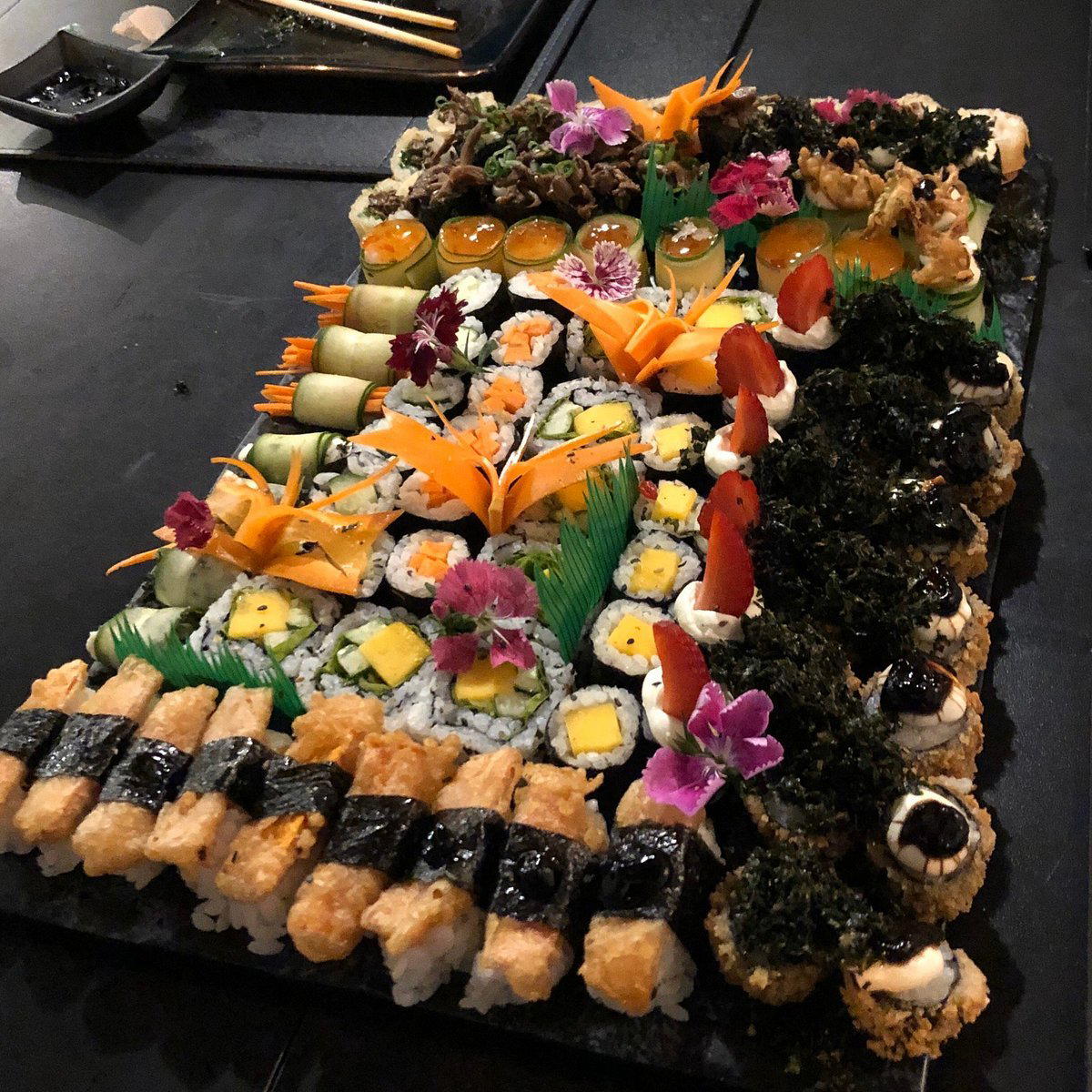
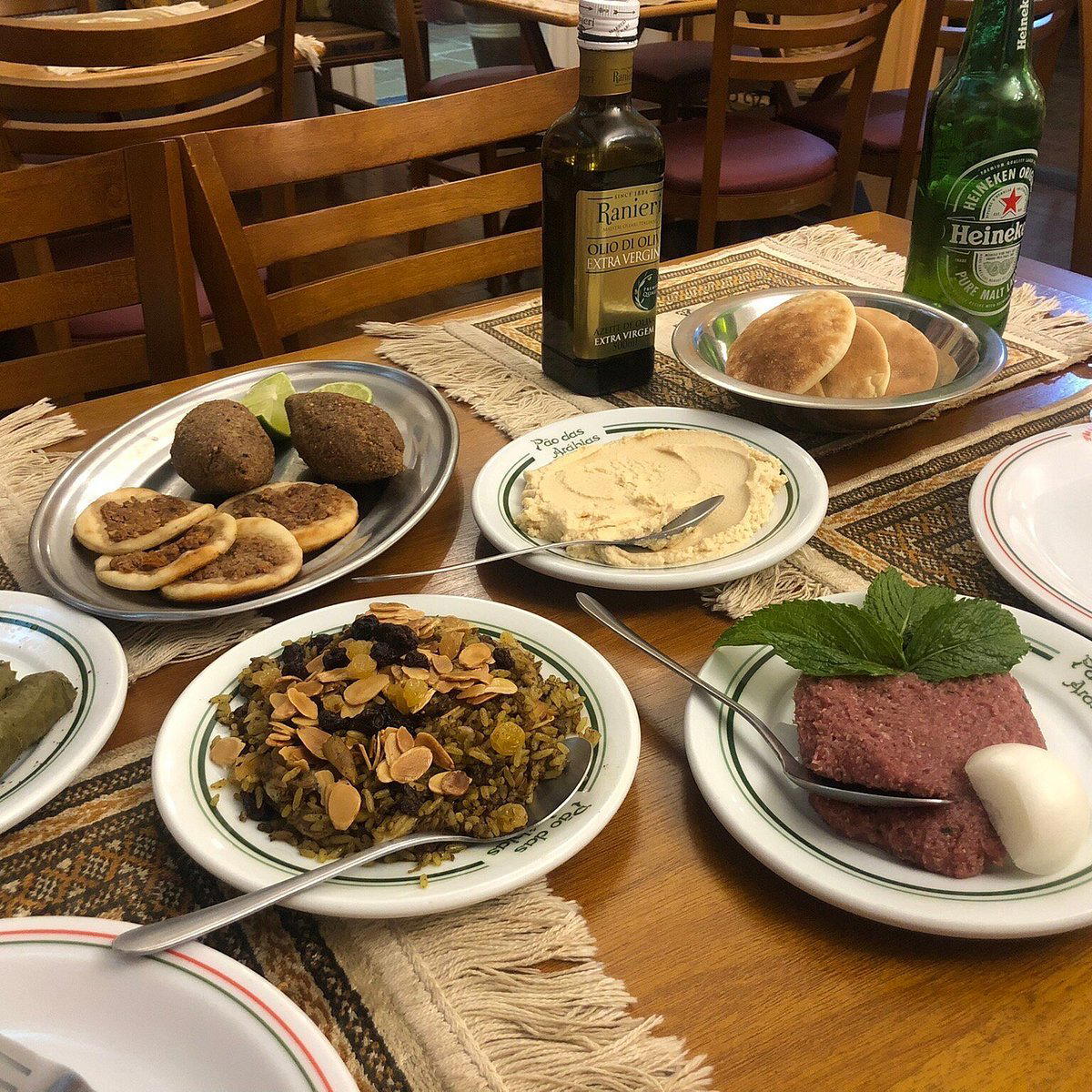
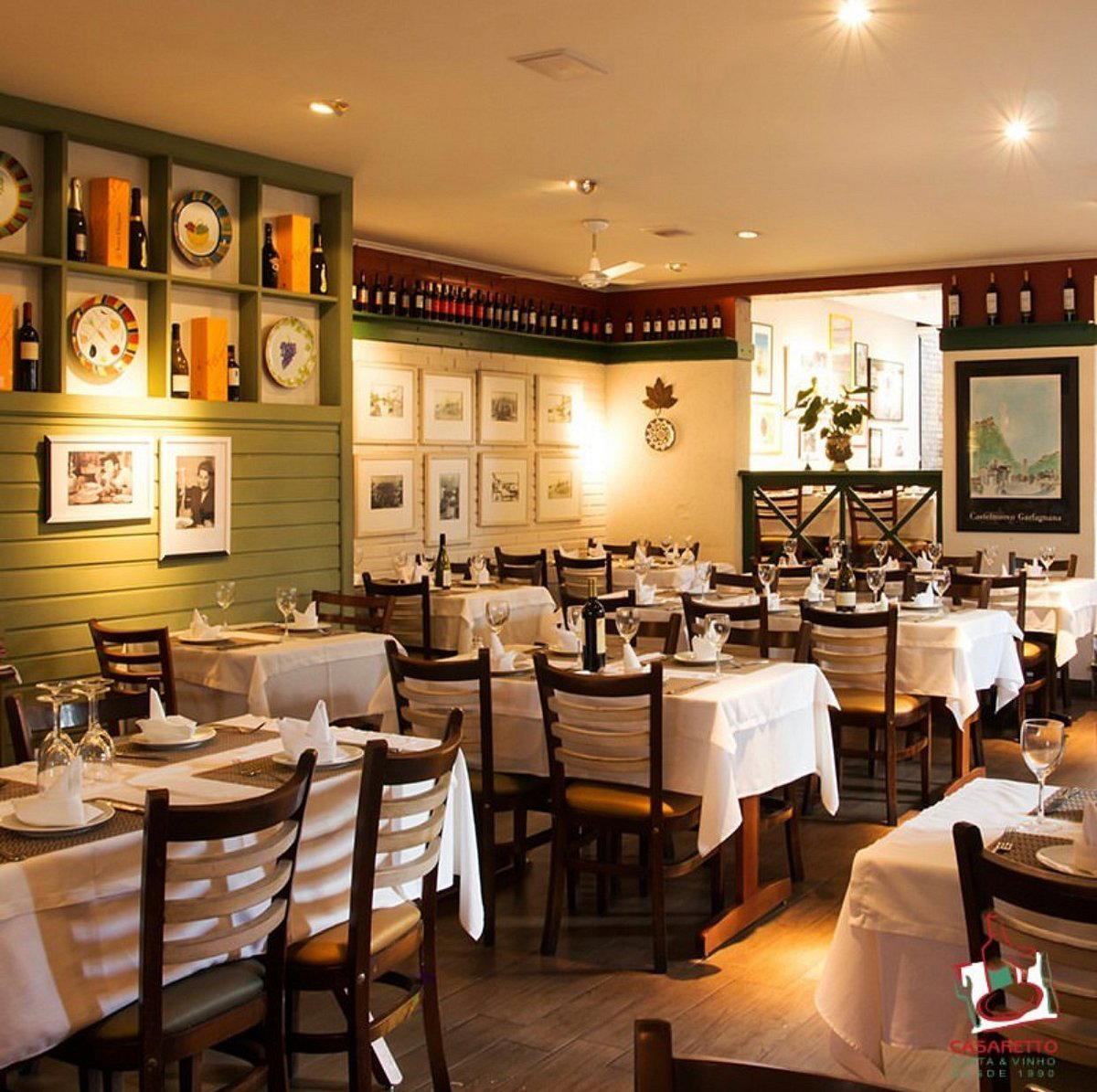
Piracicaba's dining options span several distinct registers. Casaretto Pasta & Vinho represents the Italian-heritage sit-down model, with a wine-forward positioning that places it in a more deliberate dining category. Kobu Sushi addresses the Japanese-Brazilian dining tradition that runs through much of São Paulo state's interior. Mohamad Culinária Árabe reflects the Lebanese and Syrian immigration that left a particularly strong mark on interior paulista food culture. Café Tirol occupies a different register from all three: the neighbourhood café, a category defined more by rhythm and accessibility than by cuisine ambition.
That positioning is worth taking seriously. Brazil's best-regarded restaurants, from Manu in Curitiba to Birosca S2 in Belo Horizonte, operate in a different tier and with different objectives. Comparing Café Tirol to destination restaurants like Le Bernardin in New York City or Lazy Bear in San Francisco would misread what the venue is and who it serves. The more instructive comparison is with the broader category of immigrant-heritage neighbourhood cafés in Brazilian interior cities, a format that survives because it serves a genuine local function, not because it courts external recognition.
Across Brazil's interior, this kind of café tends to hold its position not through awards or media coverage but through consistency and community integration. Lobby Café in Belém illustrates how café culture in Brazilian cities can develop strong local identity through a different regional inheritance entirely. The Amazonian context produces very different ingredient logic and atmosphere from the Central European-inflected interior of São Paulo, but both cases make the same structural point: Brazilian café culture is geographically diverse, and its most durable examples are those embedded in a specific place and its particular history.
Planning a Visit to Café Tirol
Café Tirol is located at Rua Santa Olímpia, 160, in the Santa Olímpia neighbourhood of Piracicaba. The address places it in a residential area rather than in Piracicaba's commercial centre, which typically means it functions as a neighbourhood anchor for locals rather than as a stop on a touring itinerary. Visitors coming specifically to Piracicaba for its dining should consult our full Piracicaba restaurants guide to plan a broader day that might include stops at Casaretto, Kobu, or Mohamad alongside a café visit. The Santa Olímpia neighbourhood is accessible by car; street parking in residential Piracicaba neighbourhoods is generally available but worth arriving with time to spare.
For context on how interior São Paulo fits into the wider Brazilian dining scene, the Campos do Jordão mountain-resort dining tradition offers a useful regional comparison point, with Mina in Campos do Jordão and the German-heritage alpine registers found at venues like Castelo Saint Andrews in Gramado and Primrose in Gramado both reflecting how European immigration shaped distinct micro-scenes across Brazil. The São Paulo interior, including Piracicaba, sits within that broader national pattern, though with a flatter, less tourist-oriented hospitality register than the resort towns of the south. Regional dining outside São Paulo's urban core also extends east toward Espírito Santo, where venues in Rio Bananal reflect a different coastal and river-influenced food tradition, and north toward Bahia, where Orixás in Itacaré draws on Afro-Brazilian ingredient traditions. Against that national spread, Piracicaba's Central European-inflected café culture is a specific and not widely documented sub-tradition, which makes places like Café Tirol worth understanding on their own terms rather than through the filter of Brazil's more celebrated dining destinations. The Campinas region's Italian-heritage dining, represented by Olivetto Restaurante e Enoteca in Campinas, is the closest metropolitan peer, though Campinas operates at a larger scale and with more dining infrastructure than Piracicaba.
Frequently asked questions
Where is Café Tirol in Piracicaba?
Café Tirol is located at R. Santa Olímpia, 160 - Santa Olímpia, Piracicaba - SP, 13411-589, Brazil, Piracicaba.
How does Café Tirol's location in Santa Olímpia compare to Piracicaba's main dining districts?
Café Tirol is positioned at Rua Santa Olímpia, 160, in a residential area of Piracicaba rather than along the commercial corridors where most of the city's higher-profile restaurants operate. That placement puts it closer to the everyday neighbourhood café model common in interior São Paulo towns, where agricultural proximity shapes ingredients more than urban dining trends. Visitors should factor in that the Santa Olímpia address requires a deliberate trip rather than a spontaneous stop between other attractions.
What should I order at Café Tirol?
Arriving with an appetite for seasonal, producer-proximate preparations is a reasonable approach.
Should I book Café Tirol in advance?
Café Tirol sits in the residential Santa Olímpia neighbourhood of Piracicaba rather than in a high-footfall commercial strip, which affects walk-in dynamics differently than a city-centre venue.
What do critics highlight about Café Tirol?
Within Piracicaba's café and dining scene, the venue occupies a distinct residential-neighbourhood position, which sets it apart from the more visible Italian-heritage dining spots the city is known for. Local reputation in the Santa Olímpia area is a more reliable guide at this stage than formal critical consensus.
Do they accommodate allergies at Café Tirol?
Given the venue's address at Rua Santa Olímpia, 160, Piracicaba, the most reliable step is to contact the café directly before your visit to confirm what the kitchen can adjust.
Quick Comparison
| Venue | Cuisine | Price |
|---|---|---|
| Café TirolThis venue — the venue you are viewing | Tyrolean Alpine Trattoria | $20–30 |
| Casaretto Pasta & Vinho | Traditional Italian Pasta & Wine | Not listed |
| Kobu Sushi | Japanese Sushi | Not listed |
| Mohamad Culinária Árabe | Authentic Lebanese | Not listed |
Continue exploring
More in Piracicaba
Details
- Cozy
- Rustic
- Classic
- Intimate
- Family
- Group Dining
- Casual Hangout
- Celebration
- Open Kitchen
- Standalone
- Beer Program
- Local Sourcing
- Farm To Table
- A La Carte
- Family Style
- Coffee
- Local Beer
- Vegetarian Friendly
- Allergy Accommodating
Current opening hours
- Monday
- Closed
- Tuesday
- Closed
- Wednesday
- Closed
- Thursday
- Closed
- Friday
- Closed
- Saturday
- 9 AM–5 PM
- Sunday
- 9 AM–5 PM
Hours can change for holidays and private events. Last verified .
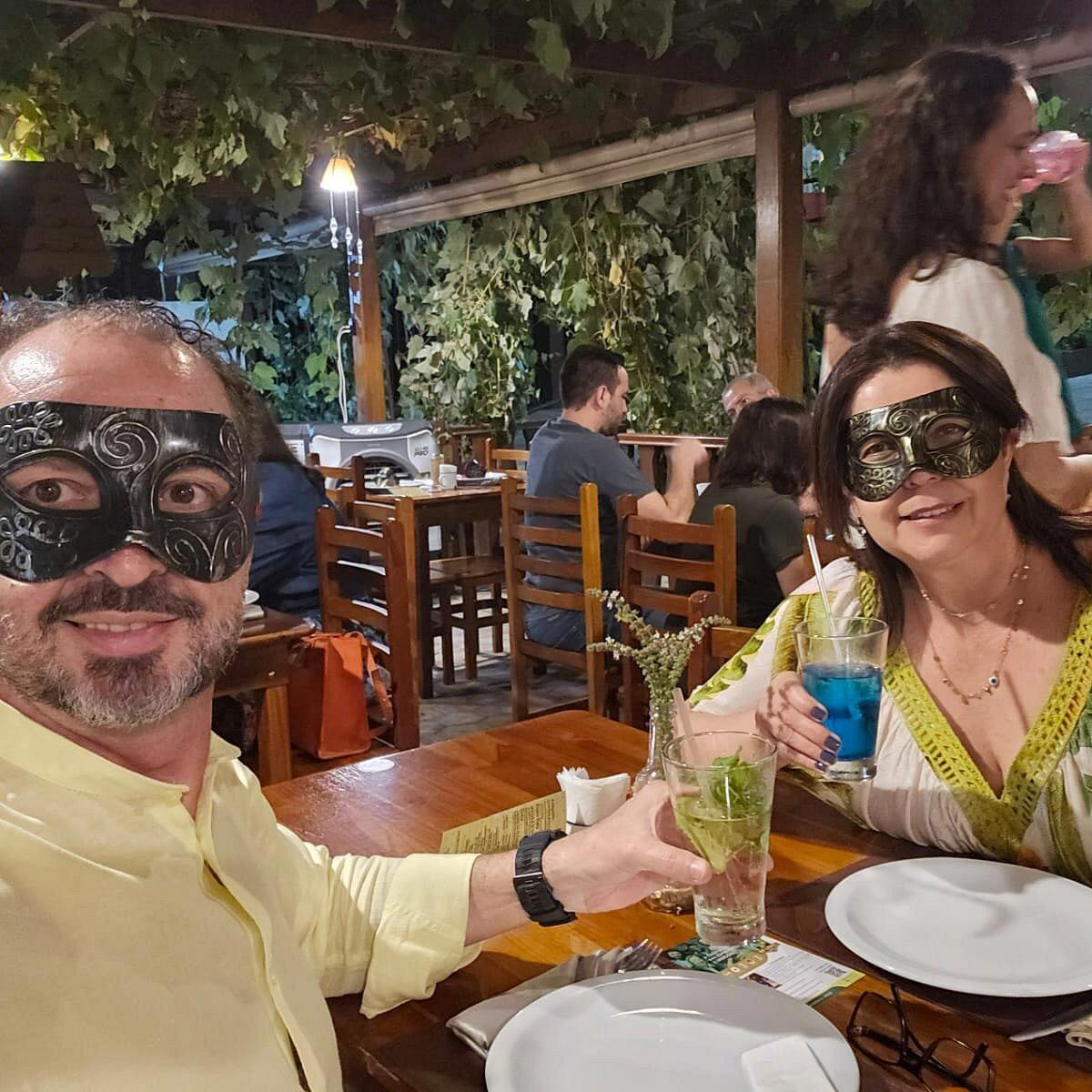
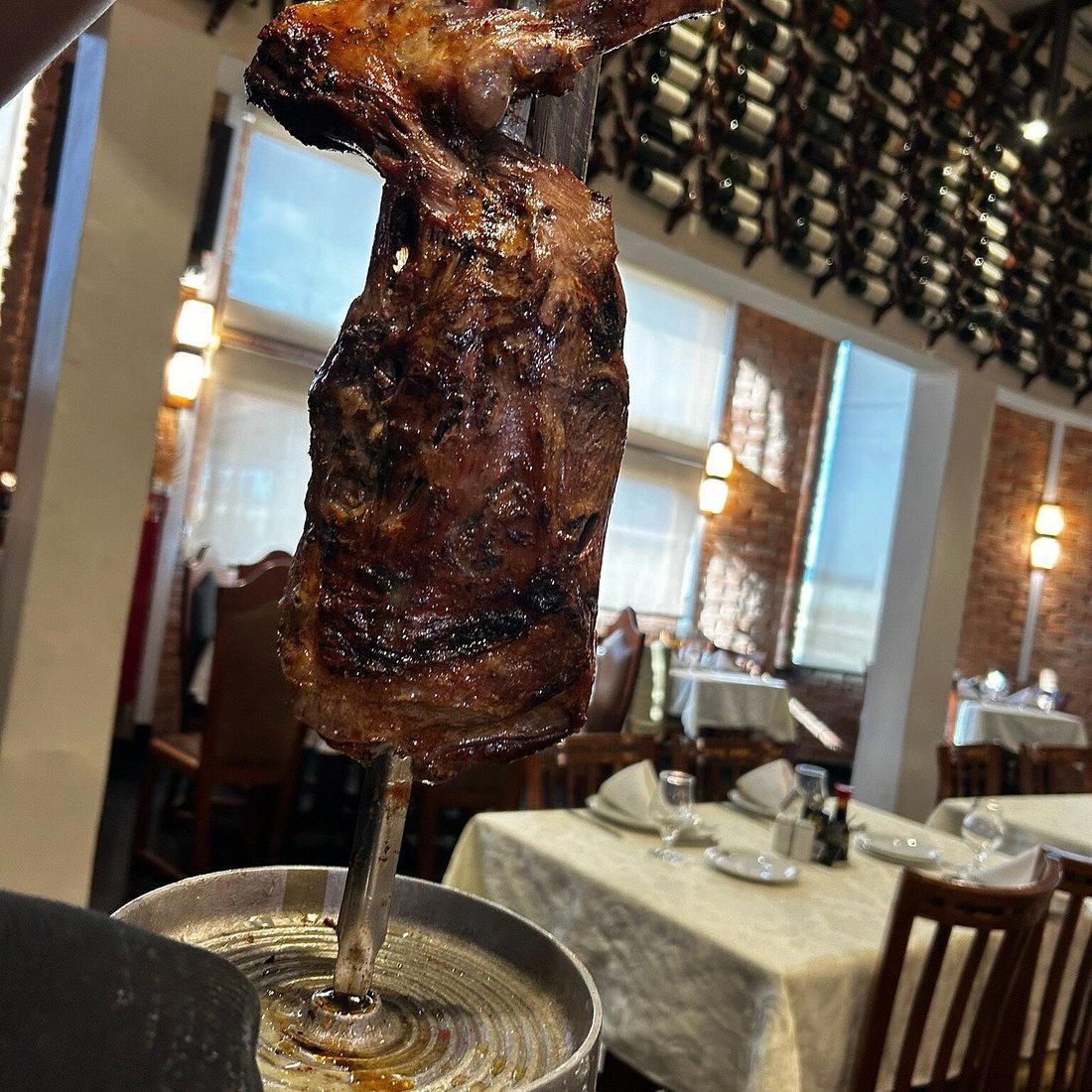
Warm and welcoming atmosphere evoking a small European village, with charming décor reflecting Tyrolean heritage, natural lighting, and an intimate setting that transports guests through time.