A-Fusion

A-Fusion sits on Zeedijk in Amsterdam's Chinatown, delivering accessible pan-Asian cooking that has earned back-to-back Michelin Bib Gourmand recognition in 2024 and 2025.
Pearl is the En Primeur Club membership app — saves, bookings, and concierge access live there. Same editors, same standards.
- Address
- Zeedijk 130, 1012 BC Amsterdam, Netherlands
- Phone
- +31 20 330 4068
- Website
- a-fusion.nl
- Directions
- Get directions
 Saves & bookings on Pearl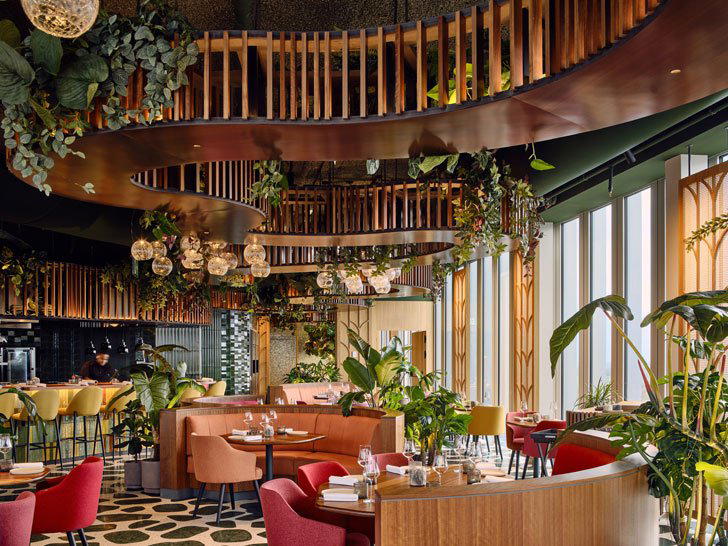
Zeedijk and the City's Asian Quarter
Zeedijk is one of Amsterdam's oldest streets, running from Centraal Station toward Nieuwmarkt, and its lower stretch has functioned as the heart of the city's Chinese community since the mid-twentieth century. The block around number 130 sits in that established corridor, surrounded by Chinese grocery shops, Buddhist temples, and a cluster of Asian restaurants that range from fast noodle counters to more considered sit-down formats. Walking this stretch, the signage shifts registers, Dutch commercial, Chinese characters, Vietnamese script, and the foot traffic reflects a neighbourhood that serves both a diaspora community and a steady stream of visitors who have figured out that this part of the city offers a different register of eating from the tourist-facing cafes closer to the Rijksmuseum.
It is in this context that A-Fusion operates. The address places it squarely inside Amsterdam's Chinatown rather than on the periphery, and the kitchen works a pan-Asian format that pulls from multiple culinary traditions across the continent. Pan-Asian cooking as a category attracts justified scepticism when it functions as cover for unfocused menus, but at A-Fusion the Michelin Bib Gourmand recognition in both 2024 and 2025 suggests the kitchen is executing with enough consistency and value to satisfy a guide that looks specifically for quality-to-price performance rather than spectacle.
What the Bib Gourmand Signal Actually Means
Michelin's Bib Gourmand designation operates on a distinct logic from its star program. Where stars assess technical ambition and overall experience against a global field, the Bib identifies restaurants where the kitchen delivers notable quality at a price point that doesn't require a special occasion to justify. In Amsterdam, that puts A-Fusion in a specific peer tier, alongside value-led kitchens that compete on everyday reliability rather than on the prestige signals that define places like Ciel Bleu, Flore, Spectrum, or Vinkeles, all of which operate at the €€€€ end of the city's restaurant economy.
Two consecutive Bib Gourmand listings, 2024 and 2025, carry more weight than a single recognition. Sustaining the designation means the kitchen has maintained its standard across different service cycles and different inspection visits.5 across 2,083 reviews reinforces that signal from a different direction: high-volume public consensus, which tends to be harder to sustain than a single critical visit, aligns with the guide's assessment. The convergence of those two data points is worth noting for any reader trying to assess risk before a booking.
Pan-Asian Cooking: Tradition and the Fusion Question
The term "fusion" carries baggage from a 1990s restaurant movement that often used it to dissolve the specificity out of regional cuisines rather than to synthesise them thoughtfully. Contemporary pan-Asian kitchens in cities like Amsterdam operate in a different frame, one informed by decades of Southeast Asian, Chinese, Japanese, and Korean restaurants establishing their own credibility and audiences, so that a kitchen drawing on multiple traditions is doing so against a richer local reference point than it would have in 1995.
Amsterdam's pan-Asian scene has developed partly because of the city's colonial and trade history, which brought Indonesian cuisine into the Dutch mainstream early. That foundation made space for subsequent waves of Chinese, Thai, Vietnamese, and Japanese restaurants to build audiences, and has produced a dining public with broader Asian food literacy than comparable European cities of similar size. A kitchen on Zeedijk working across those traditions sits in a city that, on balance, knows what good versions of these cuisines taste like, which raises the stakes for consistency and keeps the competitive pressure real.
Amsterdam's Value Tier and Where This Fits
Amsterdam's mid-range dining bracket is more crowded at the European and Modern Dutch end than at the Asian end, which means that quality-consistent Asian cooking at a low price point occupies a less contested space than it would in London or Paris. The single-euro price marker at the restaurant places it at the accessible end of a city where restaurant meals have become noticeably more expensive since 2020, a period in which staffing costs, energy, and ingredient prices pushed many Amsterdam kitchens upmarket or out of operation entirely.
For comparison, the city's mid-tier restaurant bracket, places like Bistro de la Mer at €€€, operates a floor above the restaurant on price, with the top end of Amsterdam dining anchored by multi-star kitchens. Readers looking at the Netherlands more broadly can find further reference points at De Librije in Zwolle, 't Nonnetje in Harderwijk, Aan de Poel in Amstelveen, De Bokkedoorns in Overveen, Brut172 in Reijmerstok, and De Groene Lantaarn in Staphorst. Internationally, the pan-Asian quality conversation reaches comparable levels at places like Atomix in New York City, though that comparison sits at a completely different price and format tier. Le Bernardin in New York City represents the opposite end of the value spectrum for reference.
Planning a Visit
The restaurant is at Zeedijk 130 in the 1012 BC postal district, a short walk from Amsterdam Centraal Station, which makes it one of the more logistically direct restaurant options in the city for visitors arriving by train. The single-euro price bracket means the financial commitment is low relative to most Michelin-recognised restaurants in the Netherlands, and the high review volume suggests the kitchen handles covers at scale rather than operating as a small-capacity specialist format. Given the neighbourhood foot traffic, peak dining hours on weekends are worth accounting for when planning arrival.
A Pricing-First Comparison
Comparable venues nearby, for context on price, style, and recognition.
| Venue | Cuisine | Price | Awards | Notes |
|---|---|---|---|---|
| A-FusionThis venue — the venue you are viewing | Burgwallen Oost, Asian Fusion | $$$ | Bib Gourmand | Not listed |
| Alba | Not listed | $$$ | Bib Gourmand | Oosterparkbuurt Zuidwest, Modern Fusion with Natural Wines |
| Serre | Not listed | $$$ | Bib Gourmand | Lizzy Ansinghbuurt, International Fusion with Far Eastern Influences |
| Nazka | Not listed | $$$ | Michelin Plate | Van der Helstpleinbuurt, Modern Peruvian Fusion |
| Bar BAUT | Not listed | $$$ | Michelin Plate | Marathonbuurt West, Contemporary International with Middle Eastern Influences |
| Lastage | Lastage, Dutch-French Fine Dining | $$$ | Michelin Plate | Not listed |
Recognition history
Dated appearances from independent guides and award organizations, with the underlying list record or original source where available.
Michelin Bib Gourmand
Michelin
Michelin Bib Gourmand
Michelin
Continue exploring
More in Amsterdam
Restaurants in Amsterdam
Browse all →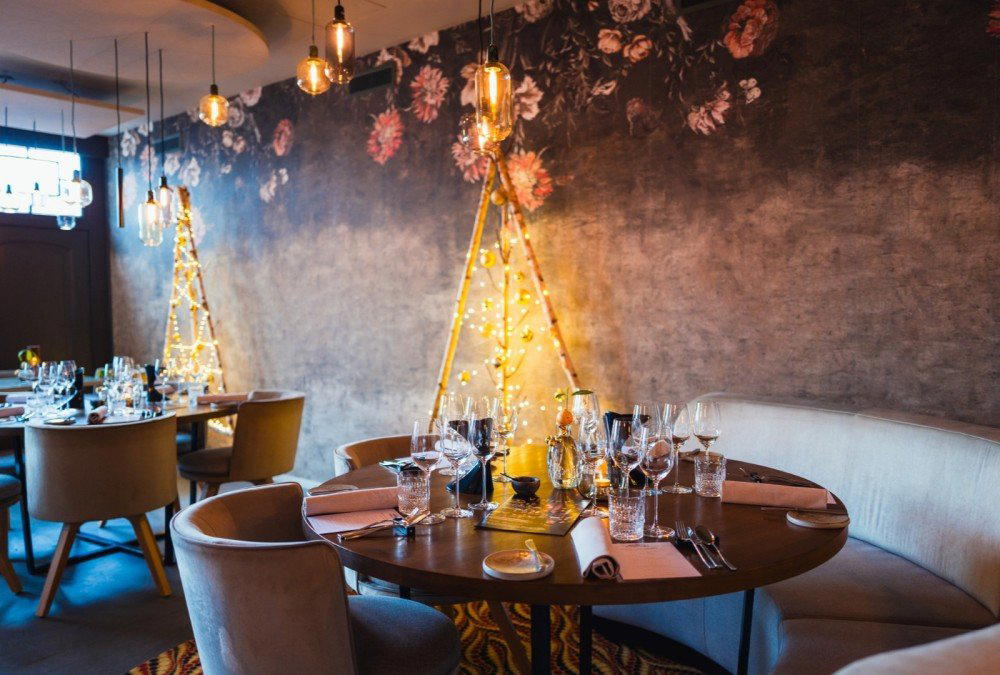
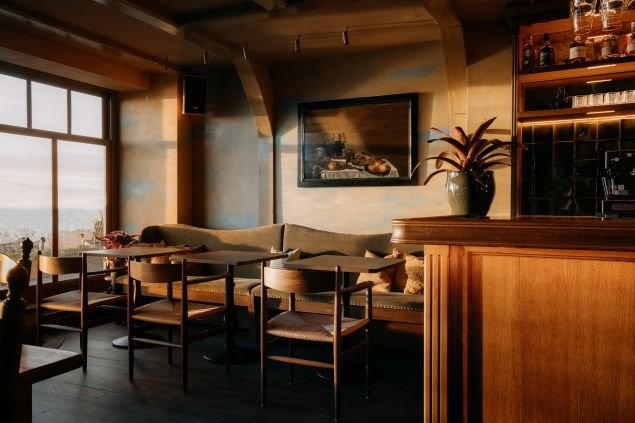
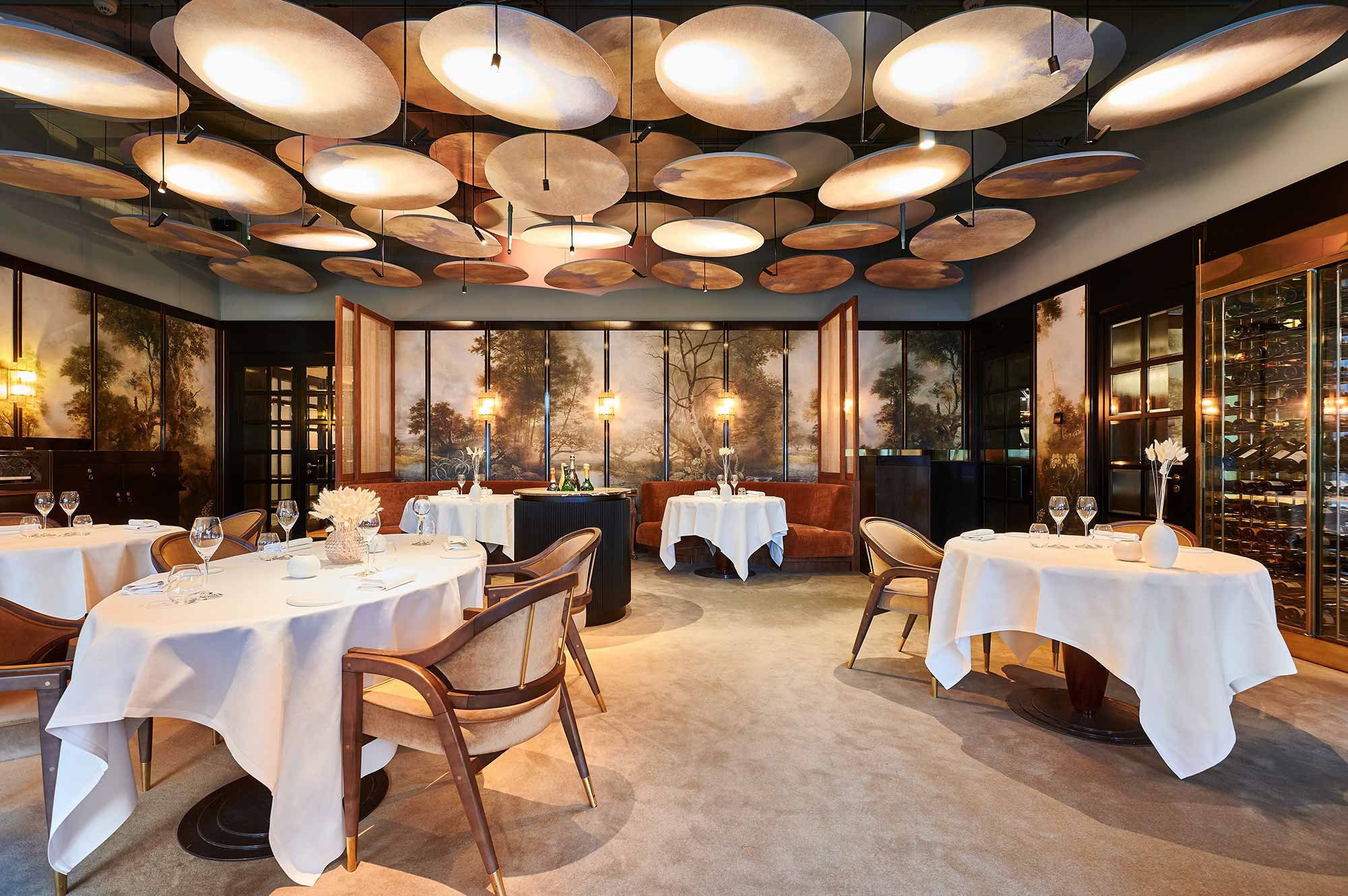
Bars in Amsterdam
Browse all →
Hotels in Amsterdam
Browse all →
Wineries in Amsterdam
Browse all →
At a Glance
- Lively
- Trendy
- Cozy
- Date Night
- Group Dining
- Family
- Casual Hangout
- Open Kitchen
Current opening hours
- Monday
- 4–10:45 PM
- Tuesday
- 4–10:45 PM
- Wednesday
- 4–10:45 PM
- Thursday
- 4–10:45 PM
- Friday
- 12–11:30 PM
- Saturday
- 12–11:30 PM
- Sunday
- 12–10:45 PM
Hours can change for holidays and private events. Last verified .
Lively and authentic Asian setting with a busy, welcoming atmosphere, though kitchen smells and crowds noted during peak times.