Cafe Hong Kong
On Bayard Street in the heart of Manhattan's Chinatown, Cafe Hong Kong sits within one of New York City's most historically layered dining corridors. The menu structure here follows the logic of Hong Kong-style café tradition, where casual range and quick execution define the format. For those mapping the neighbourhood's Chinese dining options against the city's broader Asian restaurant scene, this address rewards attention.
Pearl is the En Primeur Club membership app — saves, bookings, and concierge access live there. Same editors, same standards.
- Address
- 51 Bayard St, New York, NY 10013
- Phone
- +12126085359
- Website
- cafe-hong-kong.com
- Directions
- Get directions
 Saves & bookings on Pearl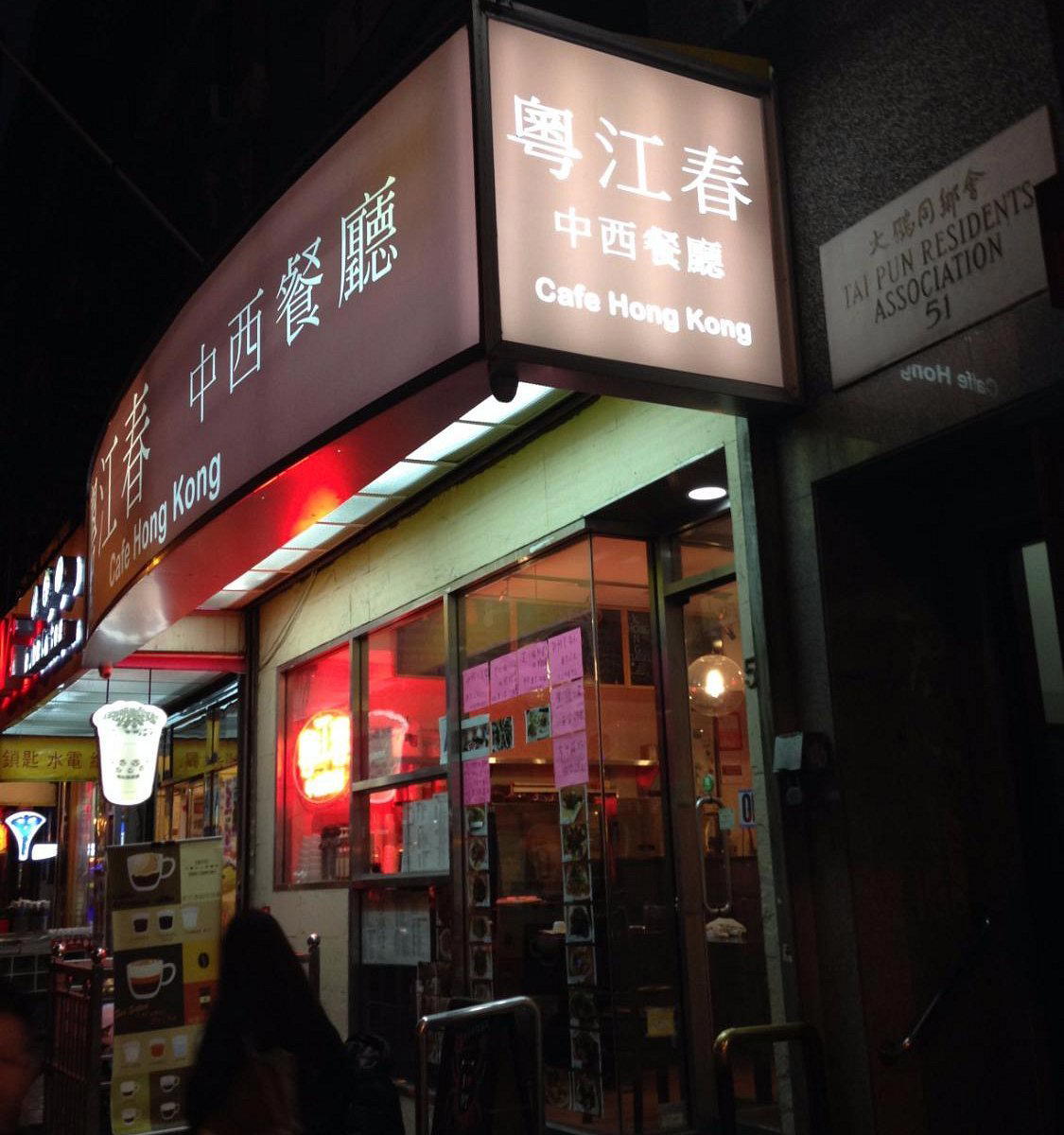
Bayard Street and the Grammar of Chinatown's Dining Corridor
Chinatown's Bayard Street functions differently from the city's other dining corridors. Where Midtown's top tier, represented by rooms like Le Bernardin or Per Se, organises itself around formal tasting structures and reservation cycles measured in weeks, Bayard Street operates on a different logic entirely: high throughput, broad menus, and an expectation that a table should be available within minutes of arrival. Cafe Hong Kong, at 51 Bayard St, belongs to that tradition and should be read within it rather than against the standards of the city's destination dining circuit.
The distinction matters because Chinatown as a dining zone has historically been evaluated on its own terms by the critics who know it leading. The neighbourhood around Canal Street and Bayard represents one of the few areas in Manhattan where price anchoring still favours the diner, and where the menu architecture of individual restaurants reflects community eating patterns rather than the preferences of an upscale out-of-neighbourhood clientele. In that context, Cafe Hong Kong's position on Bayard places it in a dense, competitive cluster where differentiation comes from execution and range, not from scarcity or spectacle.
The Hong Kong Café Format: What the Menu Structure Signals
The Hong Kong-style café, known locally as cha chaan teng, is one of the more structurally interesting restaurant formats to emerge from twentieth-century Cantonese urban culture. Its menus are deliberately wide, spanning Western-influenced breakfast items, noodle soups, rice plates, and milk tea preparations within a single laminated document. That breadth is not a compromise; it is the format's defining feature. The cha chaan teng arose in postwar Hong Kong as a response to the unaffordability of Western restaurants, producing a hybrid menu that absorbed elements of British colonial café culture into a Cantonese operating rhythm.
When that format transfers to New York's Chinatown, it carries those structural habits with it. A restaurant operating in this tradition tends to offer a wide page count, fast table turns, and a drinks menu that anchors on milk tea and coffee-tea blends rather than alcohol. The menu's architecture tells you something specific about who the room is for and what kind of eating it enables: quick solo meals, family-style shared plates, and the kind of repeat daily-use dining that neighbourhood restaurants depend on. This is a different competitive frame from the one occupied by Atomix or Eleven Madison Park, where menu architecture is a deliberate editorial statement about a chef's point of view.
Across the United States, restaurants working in this format operate at price points and with a menu philosophy that prioritise accessibility and speed. The comparison set is not Masa, where a counter seat commands a three-figure price before drinks; it is the other Cantonese café-style rooms in the immediate neighbourhood, and the cha chaan tengs that serve the Chinese-American diaspora in Flushing, Sunset Park, and other outer-borough nodes.
Chinatown's Place in New York's Wider Dining Map
New York's Chinese dining infrastructure is considerably more distributed than its Michelin-facing restaurant map suggests. The concentration in lower Manhattan's Chinatown represents only one part of a system that includes large-format dim sum houses in Flushing, Cantonese seafood specialists in Brooklyn, and a growing number of regional Chinese kitchens serving cuisines far from the Cantonese mainstream. Within that larger system, the Bayard Street cluster serves a specific function: it is especially historically visible node, the one most legible to visitors approaching from lower Manhattan, and the one with the longest continuous operating history.
For travellers building a broader New York itinerary that already includes higher-investment meals at rooms covered in our full New York City restaurants guide, a Chinatown lunch or dinner on Bayard represents a useful counterpoint. The dining patterns of a city are never fully read through its most decorated rooms alone. The same principle applies to the restaurants EP Club covers across the country: from Lazy Bear in San Francisco to Emeril's in New Orleans, from The French Laundry in Napa to Smyth in Chicago, what distinguishes a city's food culture is the full range, not only the leading bracket.
Neighbourhood restaurants like those on Bayard Street serve the function that Single Thread Farm in Healdsburg, Providence in Los Angeles, Blue Hill at Stone Barns in Tarrytown, Addison in San Diego, The Inn at Little Washington, and Frasca Food and Wine in Boulder do not: they anchor a neighbourhood's daily rhythms, provide accessible price points, and maintain the social infrastructure of a community. That is not a lesser function. It is a different one, and it deserves to be read on its own terms.
For international context, the cha chaan teng format has parallels in European neighbourhood dining traditions, including the kind of embedded local-use restaurants found near venues like Atelier Moessmer Norbert Niederkofler in Brunico and Dal Pescatore in Runate, where the distinction between destination dining and community dining is equally important to understand.
Planning a Visit: What to Know Before You Go
Cafe Hong Kong is located at 51 Bayard Street in Manhattan's Chinatown, within walking distance of the Canal Street subway station, which is served by the J, Z, N, Q, R, and 6 lines. The surrounding blocks contain a dense concentration of Cantonese, Fujianese, and pan-Chinese restaurants, which means Bayard Street functions well as an anchor for a longer neighbourhood walk rather than an isolated destination. No booking is typically required for restaurants in this format and price tier; arrival during off-peak hours, mid-morning or mid-afternoon, tends to produce the shortest wait times in this part of Chinatown.
A Minimal comparable set
Comparable venues nearby, for context on price, style, and recognition.
| Venue | Cuisine | Price | Notes |
|---|---|---|---|
| Cafe Hong KongThis venue — the venue you are viewing | Not listed | $ | Not listed |
| Deluxe Green Bo | Not listed | $ | Chinatown-Two Bridges, Shanghainese Dumplings |
| Chef Yu | Not listed | $$ | Chelsea-Hudson Yards, Szechuan & Cantonese Chinese |
| Hop Lee | Chinatown, Traditional Cantonese Chinese | $ | Not listed |
| Nom Wah Tea Parlor | Not listed | $$ | Chinatown-Two Bridges, Hong Kong-Style Dim Sum |
| Nuevo Jardín de China | Not listed | $$ | Astoria (Central), Cuban-Chinese Fusion |
Continue exploring
More in New York City
Restaurants in New York City
Browse all →
Bars in New York City
Browse all →
Hotels in New York City
Browse all →





At a Glance
- Lively
- Energetic
- Casual Hangout
- Family
- Group Dining
Current opening hours
- Monday
- 11 AM–9 PM
- Tuesday
- 11 AM–9 PM
- Wednesday
- 11 AM–9 PM
- Thursday
- 11 AM–9 PM
- Friday
- 11 AM–9 PM
- Saturday
- 11 AM–9 PM
- Sunday
- 11 AM–9 PM
Hours can change for holidays and private events. Last verified .
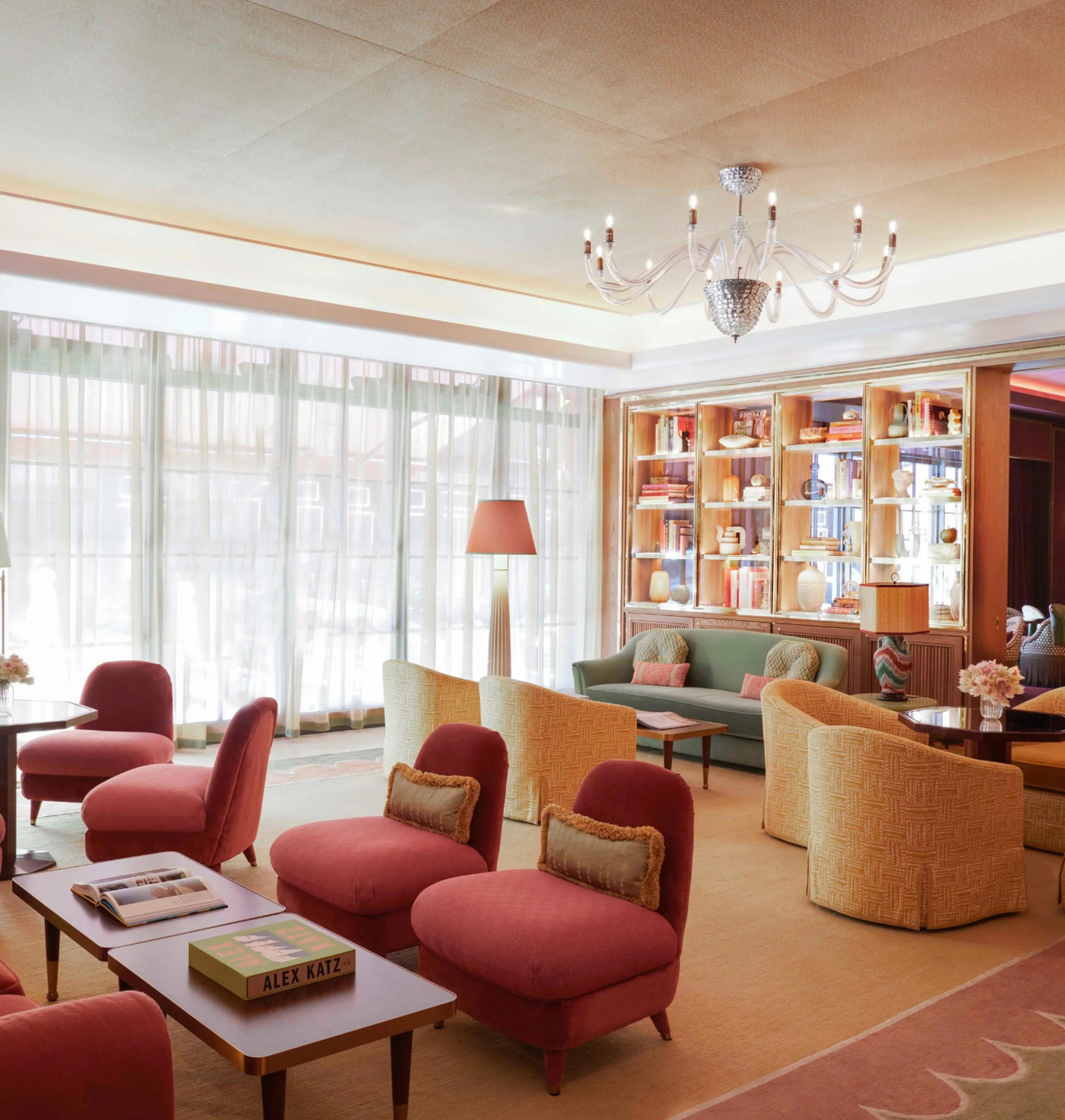
Basic decor in a small, crowded space with lively, busy atmosphere filled with local diners and quick service.