Chef Yu
Chef Yu occupies a mid-block position on 8th Avenue in Midtown West, placing it squarely within the dense lunch-driven corridor that feeds Garment District offices and Penn Station commuters. The address alone signals a venue built around daytime volume as much as evening dining, a split that shapes the menu logic and pacing of each service. For New York's broader Chinese dining scene, it represents one data point in a city where regional specificity increasingly determines where a restaurant fits in the competitive order.
Pearl is the En Primeur Club membership app — saves, bookings, and concierge access live there. Same editors, same standards.
- Address
- 520 8th Ave, New York, NY 10018
- Phone
- +12127366150
- Website
- chef-yu.com
- Directions
- Get directions
 Saves & bookings on Pearl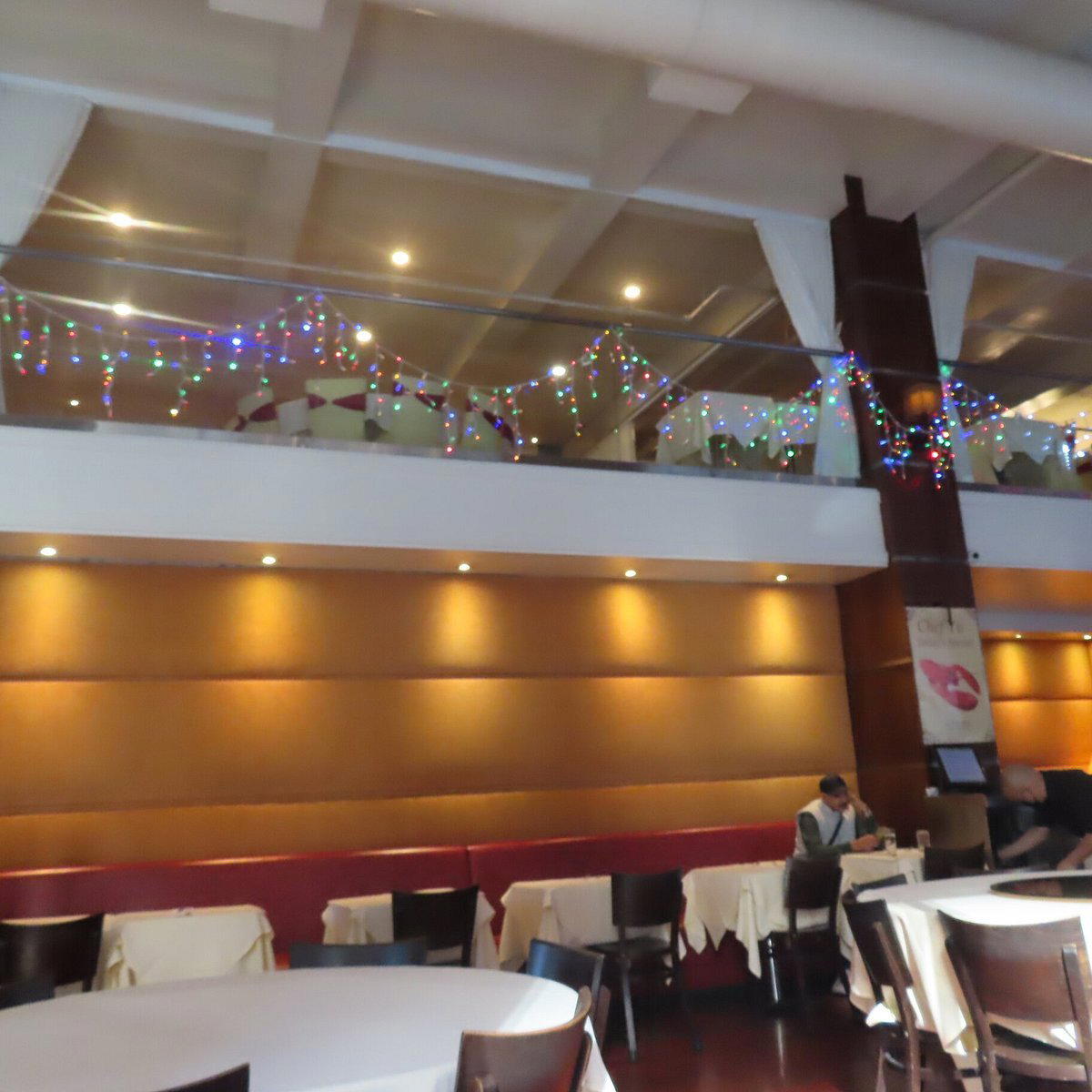
Midtown's Lunch-Dinner Divide and Where Chef Yu Sits in It
The stretch of 8th Avenue between 30th and 34th Streets operates on two distinct rhythms. Between noon and two o'clock, the Garment District and Penn Station corridors push a volume of office traffic that rewards fast-moving, value-forward lunch formats. After seven in the evening, the same blocks quiet considerably, and the restaurants that survive across both dayparts tend to run genuinely different service models rather than simply flipping a price switch. Chef Yu is a restaurant serving Szechuan & Cantonese Chinese at 520 8th Ave, New York, NY 10018. Its Midtown West address is a logistical statement as much as a culinary one: this is a location that demands a restaurant earn its keep twice daily, under different conditions.
That lunch-versus-dinner divide is one of the more underexamined pressures on mid-tier and independent restaurants in New York's busiest commercial corridors. Dinner, by contrast, allows for more deliberate service and a guest who has made an active choice to be there.
The 8th Avenue Address and Its Context
Midtown West between Penn Station and the upper Garment District is not a neighborhood known for destination dining. The area draws from a transient population, hotel guests, commuters, and office workers, rather than the kind of repeat neighborhood clientele that sustains a restaurant's identity over years. That context matters when reading any venue on this strip. It shapes how menus are written, how tables are turned, and how a kitchen calibrates between speed and depth.
Chinese restaurants in this corridor tend toward one of two formats: high-volume Cantonese or regional specialists that draw a more intentional diner. New York's broader Chinese dining scene has grown considerably more differentiated over the past decade, with Sichuan, Shanghainese, and Hunanese specialists drawing press attention and a repeat clientele willing to travel across boroughs. The city's most-discussed Chinese tables now sit in Flushing, Sunset Park, and the East Village rather than Midtown, which means a Midtown Chinese restaurant is operating with less automatic foot traffic from that specialist-dining audience and more reliance on proximity and lunch volume to sustain throughput.
That competitive geography puts Chef Yu in a position familiar to many mid-block Midtown operators: drawing from a reliable daytime base while building a case for evening visits among guests who have already encountered the kitchen at lunch. It is a harder path than operating in a destination dining neighborhood, and it requires a restaurant to perform consistently at both service tempos rather than optimizing for one.
How Lunch and Dinner Diverge in New York's Chinese Dining Rooms
Across New York's Chinese restaurants at multiple price points, the lunch-to-dinner shift tends to produce measurable differences in menu depth, pacing, and the type of guest arriving at the table. Lunch at the city's more established Chinese dining rooms often means a condensed menu format, set combinations, and faster table turns. The evening service opens up to larger-party formats, more elaborate preparations, and a guest willing to spend more time at the table. This pattern holds whether you are looking at a full-service Cantonese dining room or a more focused regional specialist.
The implications for kitchen staffing and mise en place are significant. A restaurant that runs a serious lunch program alongside an evening menu is effectively operating two kitchens in sequence, and the discipline required to execute both without compromise is one reason many restaurants in high-traffic commercial corridors quietly narrow their ambitions to one or the other. The ones that manage both well tend to develop a loyal following that crosses over from daytime to evening visits, the lunch guest who returns for dinner because the first encounter established enough trust to make the evening trip worthwhile.
This dynamic is not distinctive to New York. Smyth in Chicago and Lazy Bear in San Francisco both calibrate their service formats around guest intent and time of day, though at different price tiers and with more formal tasting structures. At the other end of the formality spectrum, restaurants like Frasca Food and Wine in Boulder have built reputations partly on the consistency of their hospitality across both lunch and dinner formats. The challenge for a Midtown Chinese restaurant is doing something comparable without the marketing apparatus or critical attention that tends to follow venues in destination dining neighborhoods.
Where Chef Yu Fits in New York's Broader Dining Order
New York's leading tables, places like Atomix, Eleven Madison Park, and Masa, operate in a tier defined by advance reservations, tasting formats, and price points that position them against international peers rather than neighborhood competition. The restaurant operates in a different register, closer to the fabric of daily Midtown dining than to the destination-meal category. That is neither a criticism nor a commendation on its own; it is simply a description of where the address places the restaurant in the city's competitive order.
Comparable Options
Comparable venues nearby, for context on price, style, and recognition.
| Venue | Cuisine | Price | Notes |
|---|---|---|---|
| Chef YuThis venue — the venue you are viewing | Szechuan & Cantonese Chinese | $$ | Not listed |
| Nuevo Jardín de China | Cuban-Chinese Fusion | $$ | Astoria (Central) |
| Shanghai Zhen Gong Fu | Shanghainese | $$ | Elmhurst |
| Royal Seafood | Cantonese Dim Sum | $$ | SoHo-Little Italy-Hudson Square |
| Szechuan Mountain House | Authentic Sichuan | $$ | East Village |
| Mazu Szechuan Cuisine | Polished Szechuan Cuisine | $$ | Murray Hill-Kips Bay |
Continue exploring
More in New York City
Restaurants in New York City
Browse all →
Bars in New York City
Browse all →
Hotels in New York City
Browse all →
Wineries in New York City
Browse all →


At a Glance
- Modern
- Late Night
- Standalone
Current opening hours
- Monday
- 11 AM–10 PM
- Tuesday
- 11 AM–10 PM
- Wednesday
- 11 AM–10 PM
- Thursday
- 11 AM–10 PM
- Friday
- 11 AM–10 PM
- Saturday
- 11 AM–10 PM
- Sunday
- 11 AM–10 PM
Hours can change for holidays and private events. Last verified .
Clean and modern with high ceilings and white décor, spacious on two floors.