Hop Lee

Our verdict
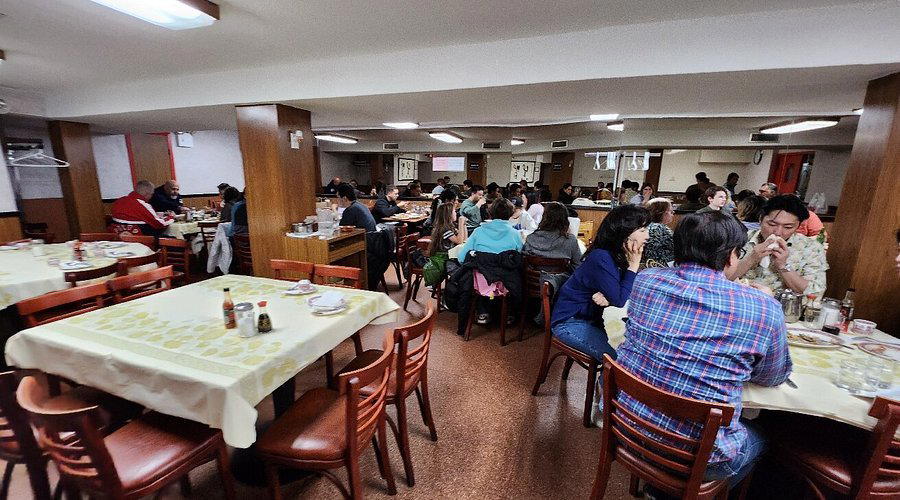
Hop Lee belongs to Chinatown’s old-school Cantonese lane: lazy-susan tables, soybean soup at the start, high-heat seafood, crisp chicken, lobster, fortune cookies, and oranges to close. The point is not novelty; it is speed, flame, texture, and the social rhythm of a shared Chinese meal in New York City.

Pearl is the En Primeur Club membership app, where members save venues, book tables and use the concierge.
The menu
What to order
- Lobster Cantonese
- Fried flounder with garlic sauce
- Clams with black bean sauce
- Beef with broccoli
New York City does not need stagecraft to announce dinner. The signal is often practical: groups arriving with an appetite for a full table, servers moving through busy rooms, and the steady rhythm of a city that treats dinner as part of daily life rather than a special effect. In that setting, Chinese cooking reads less as nostalgia than as a working system. The kitchen has to move quickly, texture matters, and the table has to be ready to receive dishes that make sense together.
Hop Lee sits inside that New York City grammar. It matters in a city where Chinese dining has been repeatedly rewritten by immigration patterns, rent pressure, regional specialization, and changing expectations around design. New York now has many kinds of Chinese dining rooms, from casual specialists to more polished destination restaurants, but the shared-meal idea still carries a particular authority: a table built around balance, pacing, and enough variety for the group rather than a sequence of individual statements.
Wok heat, shared plates, and the Chinese table
The useful lens here is heat and timing. In Chinese kitchens, high heat is not theatre; it is a timing problem solved in seconds. Ingredients need to keep their character without being pushed past the point of clarity. Sauced dishes have to stay vivid without losing their clean texture. These are not dishes built for lingering under a pass. They depend on fire, speed, oil temperature, and a kitchen that understands when to stop.
That is why Chinese dining can feel more exacting than a plainspoken room suggests. The shared table is not a quaint idea; it is a service logic that makes the meal work. Dishes arrive for the group, not for possession. A well-ordered meal can move through contrast, with different textures and weights doing different jobs. The format rewards a group that orders across texture: something crisp, something briny, something sauced, something green, something soft enough for rice.
Price also shapes the reading. The $$ bracket places Hop Lee outside luxury dining and outside quick-service logic. It is a mid-range proposition, the kind of place where value comes from a table ordering well rather than from a single dish. In New York City, that middle tier has become harder to preserve. Labor costs, ingredient pricing, and real estate pressure have pushed many comparable rooms toward either larger-scale service or stripped-down specialization.
Why the old-school room still matters in New York City
New York City restaurant culture has never been static. Older Chinese dining rooms once defined much of the city’s public understanding of the cuisine; later waves brought a broader range of regional and format-driven restaurants into the mix. The current citywide Chinese dining conversation is broader and more regional than it was a generation ago. That makes a long-running shared-table style less of a default option and more of a reference point.
The distinction is important. A modern regional specialist may ask diners to understand chile heat, fermented notes, hand-pulled starch, or a particular pantry. A more traditional Chinese table asks diners to understand balance: heat without scorch, sauce without heaviness, crispness without dryness, ingredients handled cleanly, service paced for the group. Hop Lee’s contextual weight is reinforced by its recognition on the 2026 New York Times Best Restaurants in New York City list, where it is ranked No. 73, but the more useful measure is whether the format still helps explain how communal Chinese dining works in the city.
That tradition also explains why a meal here is best considered as more than a single order. The cooking makes more sense when the table can take on contrast. Different dishes can play different roles in the meal’s structure. The result is a restaurant whose appeal is not about spectacle but continuity: a meal form that predates the city’s current appetite for design-led restaurants and does not need to imitate it.
How to read it within the wider city
For readers mapping Chinese food across New York City, Hop Lee belongs to the city’s older shared-dining conversation rather than only to the newer destination-dining circuit. Other New York City dining rooms can express different regional or format priorities, from tightly focused specialties to broader menus. The value of Hop Lee is its proposition: Chinese cooking in New York City understood through the lens of shared plates, pace, and group dining.
That focus makes the restaurant a useful stop for travelers who want New York City as a living dining city, not as a postcard. Pairing it with a broader city plan helps. The practical base is our full New York City restaurants guide, while our full New York City hotels guide, our full New York City bars guide, our full New York City wineries guide, and our full New York City experiences guide help place dinner within a larger New York City itinerary.
The wider EP Club map also shows how specific dining formats carry local identity in different cities, with other restaurants elsewhere sitting in different cultural conversations. In New York City, the relevant conversation at Hop Lee is older, faster, and more communal: Chinese cooking, shared plates, and a room understood through the habits of the city around it.
Frequently asked questions
Is Hop Lee child-friendly?
Hop Lee is listed at a $$/midrange price point, which can make it a practical option for group dining in New York City.
What kind of setting is Hop Lee?
Hop Lee is a Chinese restaurant in New York City, best understood within the city’s broader shared-dining and group-meal tradition.
Does Hop Lee have a Michelin star or similar recognition?
Hop Lee is recognized on the 2026 New York Times Best Restaurants in New York City list, where it is ranked No. 73.
How would you describe the cuisine at Hop Lee?
Hop Lee serves Chinese cuisine.
How much does it cost to eat at Hop Lee?
Pricing at Hop Lee is listed as $$.
Where is Hop Lee located?
New York City.
In Context
Comparable venues nearby, for context on price, style, and recognition.
| Venue | Cuisine | Price | Notes |
|---|---|---|---|
| Hop LeeThis venue (the venue you are viewing) | Traditional Cantonese Chinese | $20–30 | Not listed |
| Lanzhou Handmade Noodle | Lanzhou Hand-Pulled Noodles | $10–20 | Flushing-Willets Point, Lanzhou Hand-Pulled Noodles |
| Laghman Express | Uyghur Hand-Pulled Noodles | $10–20 | Bensonhurst, Uyghur Hand-Pulled Noodles |
| La Nueva Victoria | Chinese-Cuban Fusion | $20–30 | Upper West Side (Central), Chinese-Cuban Fusion |
| Zen Vegetarian | Chinese Vegetarian | $10–20 | Flatbush, Chinese Vegetarian |
| Tim Ho Wan East Village | Hong Kong Style Dim Sum | $20–30 | East Village, Hong Kong Style Dim Sum |
Recognition history
Dated appearances from independent guides and award organizations, with the underlying list record or original source where available.
New York Times Best Restaurants in New York City #73
New York Times
Continue exploring
More in New York City
Restaurants in New York City
All restaurants in New York City →
Bars in New York City
All bars in New York City →





Details
- Classic
- Lively
- Group Dining
- Family
- Casual Hangout
- Late Night
- Standalone
- A La Carte
- Family Style
Current opening hours
- Monday
- 11 AM–9 PM
- Tuesday
- 11 AM–9 PM
- Wednesday
- 11 AM–9 PM
- Thursday
- 11 AM–9 PM
- Friday
- 11 AM–9 PM
- Saturday
- 11 AM–9 PM
- Sunday
- Closed
Hours can change for holidays and private events. Hours as of .
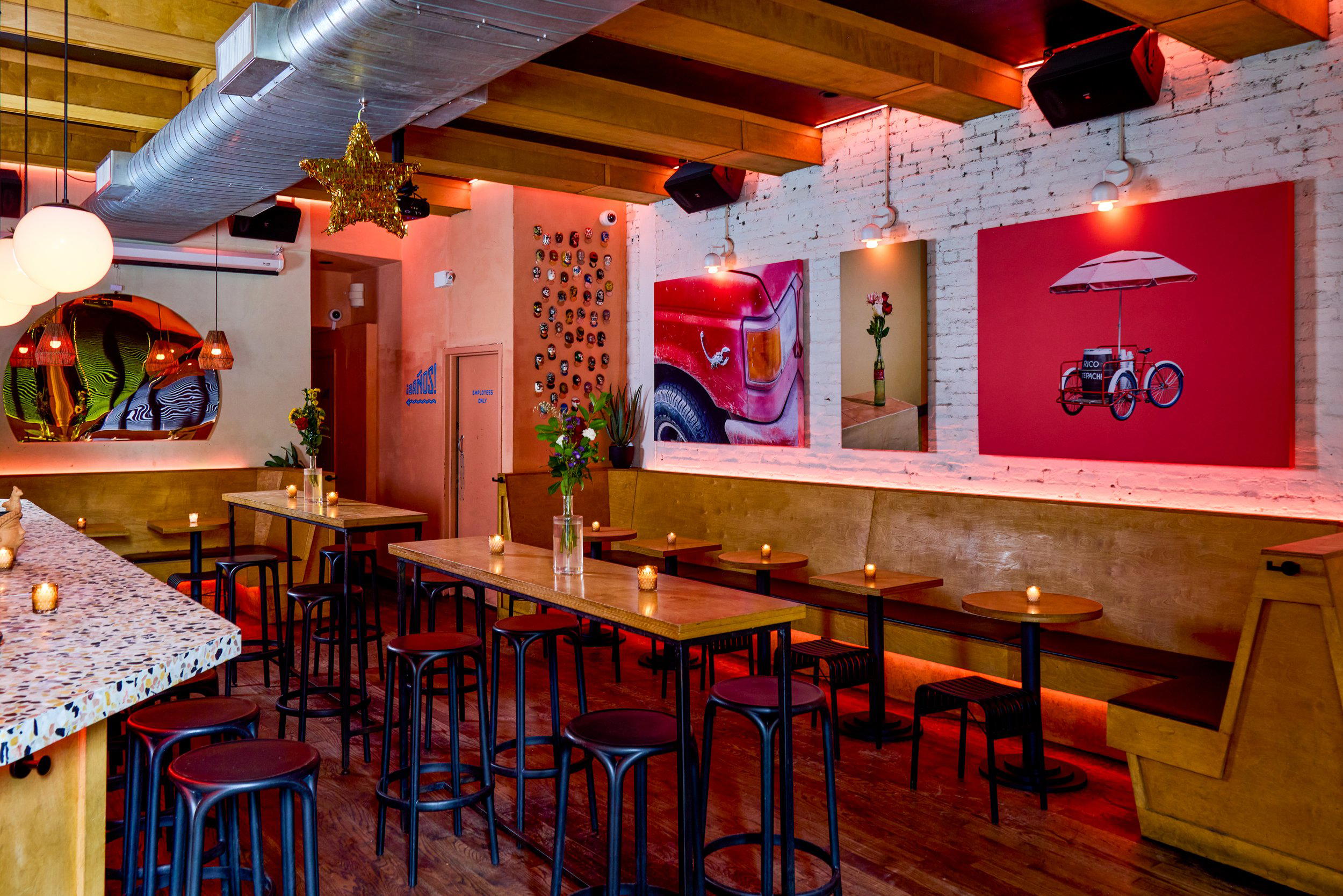
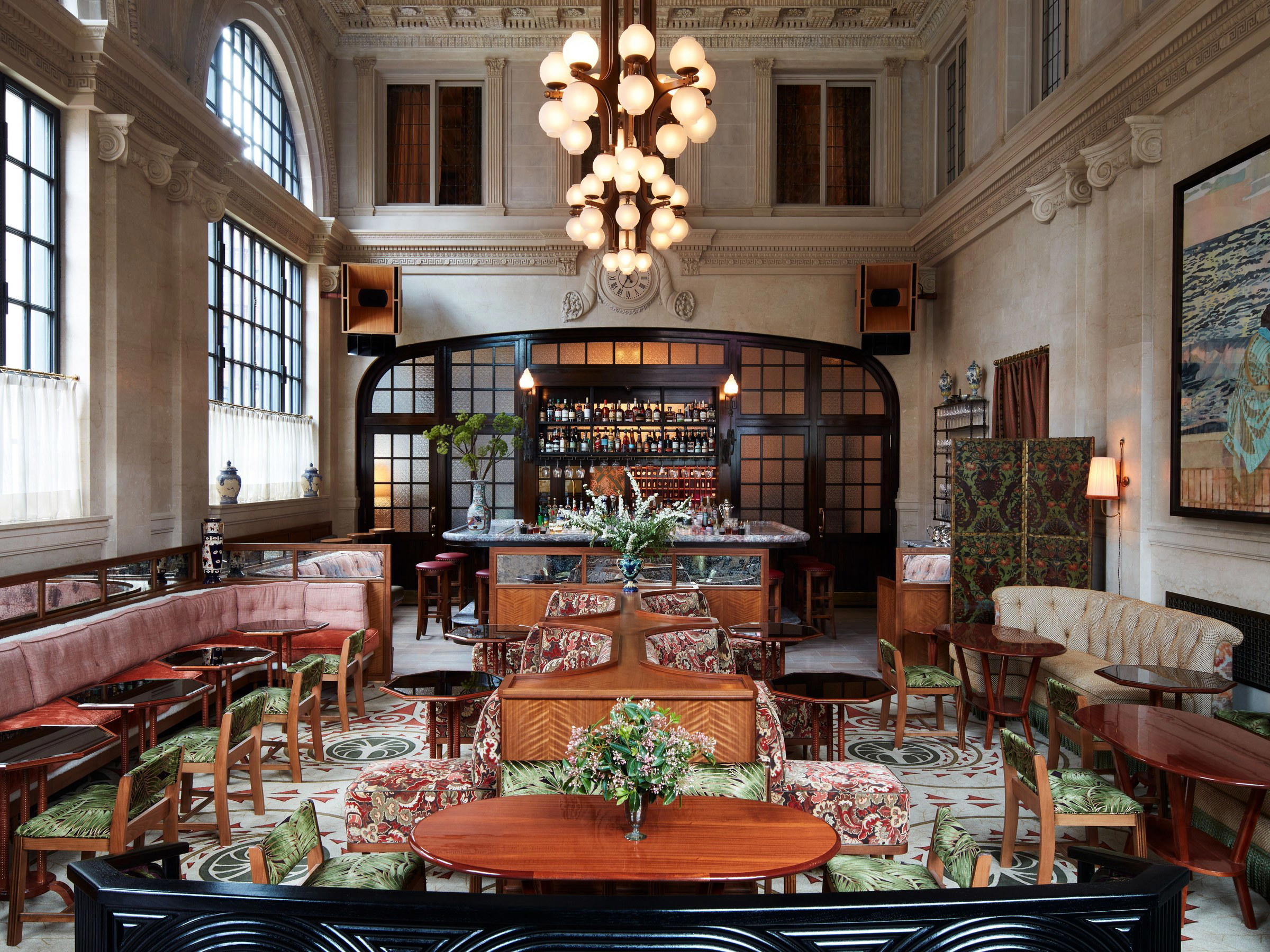
Casual, old-school Chinatown dining room with bright lighting, simple décor, and a lively, bustling atmosphere that feels like a classic neighborhood standby rather than a destination restaurant.