Fritai


James Beard Award Semi Finalist · Esquire Best New Restaurants #40
Our verdict
Fritai brings Haitian Creole cooking to Basin Street in Treme, one of the few places in New Orleans where the Caribbean roots of the city's culinary identity surface with this kind of clarity.

Pearl is the En Primeur Club membership app, where members save venues, book tables and use the concierge.
Basin Street in Treme carries a specific weight in New Orleans. This is the neighborhood that predates the French Quarter's tourist economy, where the city's African, Caribbean, and Creole lineages have always run closer to the surface than in the more photographed districts downtown. Fritai sits at 1535 Basin St inside that context, and the address matters. A restaurant occupying this stretch of Treme isn't positioning itself for foot traffic from Bourbon Street. It's rooted in a particular cultural argument about what New Orleans cooking actually is, and where it came from.
The Haitian Line in Louisiana Cooking
New Orleans has always had a Caribbean spine. The city's Creole identity was shaped substantially by waves of migration from Saint-Domingue, present-day Haiti, in the early nineteenth century, when thousands of refugees resettled in Louisiana following the Haitian Revolution. The culinary transfer was significant: spicing logic, cooking techniques, and ingredient pairings that entered the city's food culture and were eventually absorbed into what gets marketed today as generic Louisiana Creole. Fritai operates at that junction, making the Haitian thread explicit rather than folded quietly into the broader gumbo narrative. In a city where Creole cooking is discussed constantly but its Caribbean origins are often underplayed, that specificity carries editorial weight. Compare this positioning to the broader Creole dining scene: Commander's Palace remains the white-tablecloth standard for uptown Creole; Emeril's built its reputation on Cajun technique with fine-dining structure; Bayona works New American territory through a French Creole lens. Fritai occupies a different position entirely, one that treats Haitian cooking not as a footnote to Louisiana history but as its own culinary tradition worth centering.
What Brings People Back
Restaurants in New Orleans that accumulate volume at that score aren't typically one-visit novelties. The city's dining public is informed and difficult to impress on purely exotic grounds, this is a place where people grow up eating well, where neighborhood restaurants are held to serious standards, and where a kitchen that doesn't deliver consistency doesn't retain a local following.
The regulars' relationship with a restaurant like this is partly about familiarity with a cuisine that doesn't appear elsewhere in the city at this register. Haitian Creole cooking in New Orleans at sit-down restaurant quality is not a crowded category. For the returning diner, that scarcity value compounds over time: Fritai becomes not just a preference but a reliable answer to a question the rest of the city's menus don't fully address. The Treme location reinforces this. Neighborhoods shape their restaurants' clientele, and Treme's residents and cultural visitors have different expectations than the expense-account crowds that cycle through Saint-Germain or the contemporary-leaning rooms like Re Santi e Leoni.
Esquire's Recognition and What It Signals
The Esquire Leading New Restaurants list for 2021 placed Fritai at number 40 nationally. That's a meaningful credential in context. Esquire's annual list has historically skewed toward restaurants that represent a genuine shift in American dining rather than technical refinement for its own sake. The year 2021 was also a particularly charged one for restaurant recognition, as critics and publications were explicitly reassessing which kitchens were doing substantive cultural work. Landing on that list alongside programs at the level of Lazy Bear in San Francisco, Atomix in New York City, or ambitious regional projects nationwide suggests that Fritai's editorial case was strong enough to hold its own in a national field that included technically elaborate tasting-menu formats and well-capitalized openings. It also implies the kind of early-year buzz that requires a restaurant to be consistently delivering, not just opening well.
For comparison, the restaurants that tend to occupy the upper tiers of national lists in the same period, Alinea in Chicago, The French Laundry in Napa, Le Bernardin in New York City, operate in dramatically different price brackets and booking windows. Fritai's recognition came from a different kind of argument: that cultural specificity and cooking rooted in a real community tradition can generate the same critical attention as technical formalism, even without the infrastructure of a destination restaurant.
The Dining Context Around It
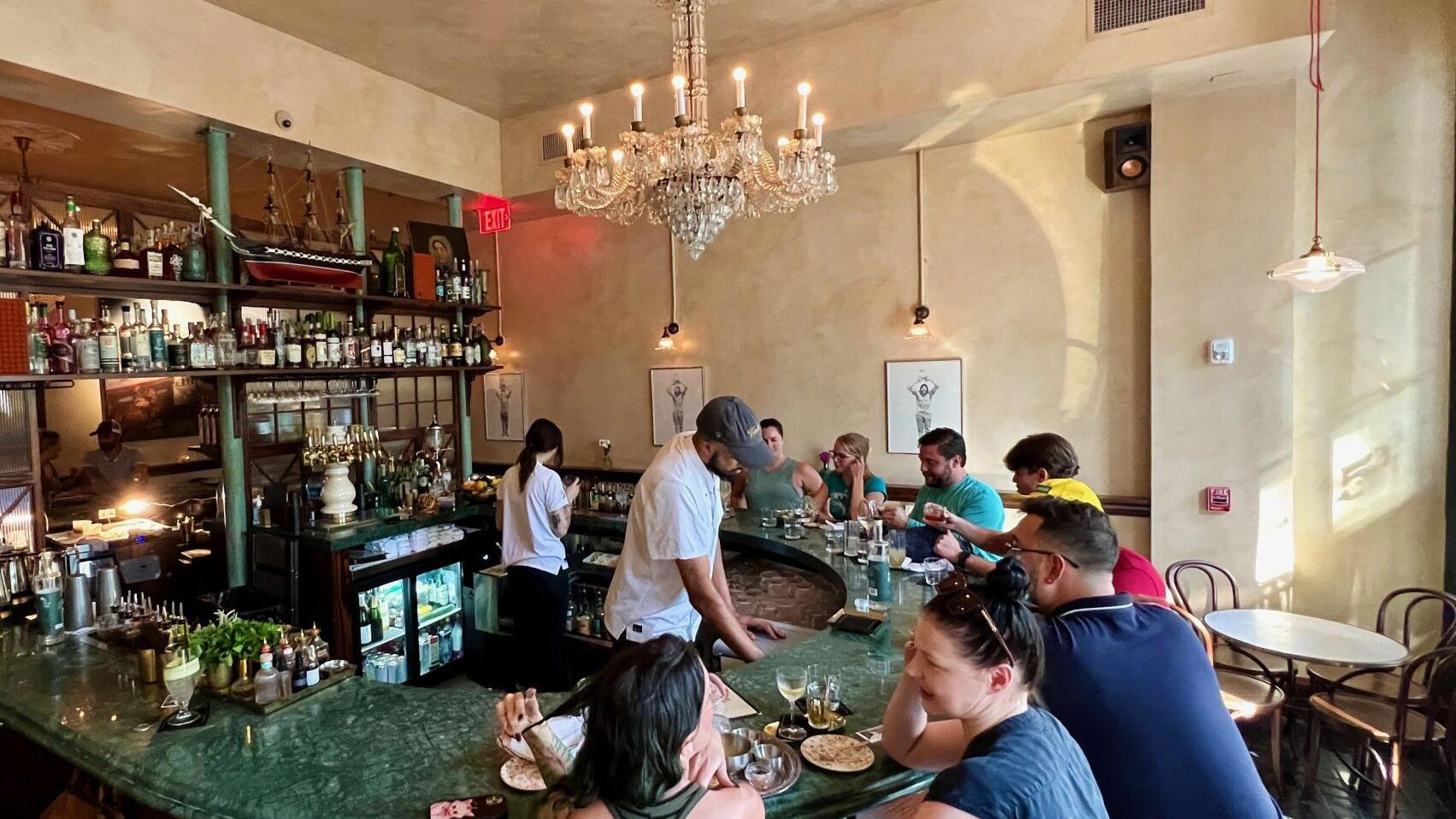
New Orleans rewards those who move beyond the well-mapped circuits. The French Quarter and the Garden District carry most of the tourist dining energy, but Treme operates on a different frequency. Arriving at Basin Street requires a degree of intention that self-selects for a different diner. That intention is part of what shapes the atmosphere: a room without a heavy walk-in traffic layer tends to feel more grounded, with higher proportions of people who chose this specific place over many alternatives. For visitors building a week-long itinerary, it fits alongside a broader exploration of the city's dining range, Zasu for American Contemporary, the established Creole standards, and the newer wave of chefs working the city's culinary vocabulary in different directions.
The full picture of what New Orleans offers across restaurants, bars, hotels, and experiences is worth planning ahead. Our full New Orleans restaurants guide maps the dining scene across neighborhoods and price tiers. For everything else: our New Orleans hotels guide, bars guide, wineries guide, and experiences guide cover the broader city. For broader US comparisons, Providence in Los Angeles and Single Thread Farm in Healdsburg represent different points on the American fine-dining spectrum. 8 1/2 Otto e Mezzo Bombana in Hong Kong shows how far the international comparison set extends when thinking about restaurants recognized at a similar critical level.
Planning a Visit
Fritai is located at 1535 Basin St in Treme, walkable from the edge of the French Quarter but a deliberate trip rather than a casual stroll from most hotel clusters. Current hours and reservation methods are best confirmed directly, as operational details for independent restaurants in this segment shift with staffing and season. Treme rewards the visit independently of any single meal: the neighborhood's music and cultural history sit immediately outside the door.
Frequently asked questions
Is Fritai okay with children?
Fritai's Tremé address and Haitian Creole format are accessible enough for families, though the neighborhood setting at 1535 Basin St is better suited to older children comfortable with a sit-down, independent restaurant environment. Nothing in the venue's profile signals a child-specific offering, so a quiet weeknight visit is a safer bet than a weekend peak.
What should I expect atmosphere-wise at Fritai?
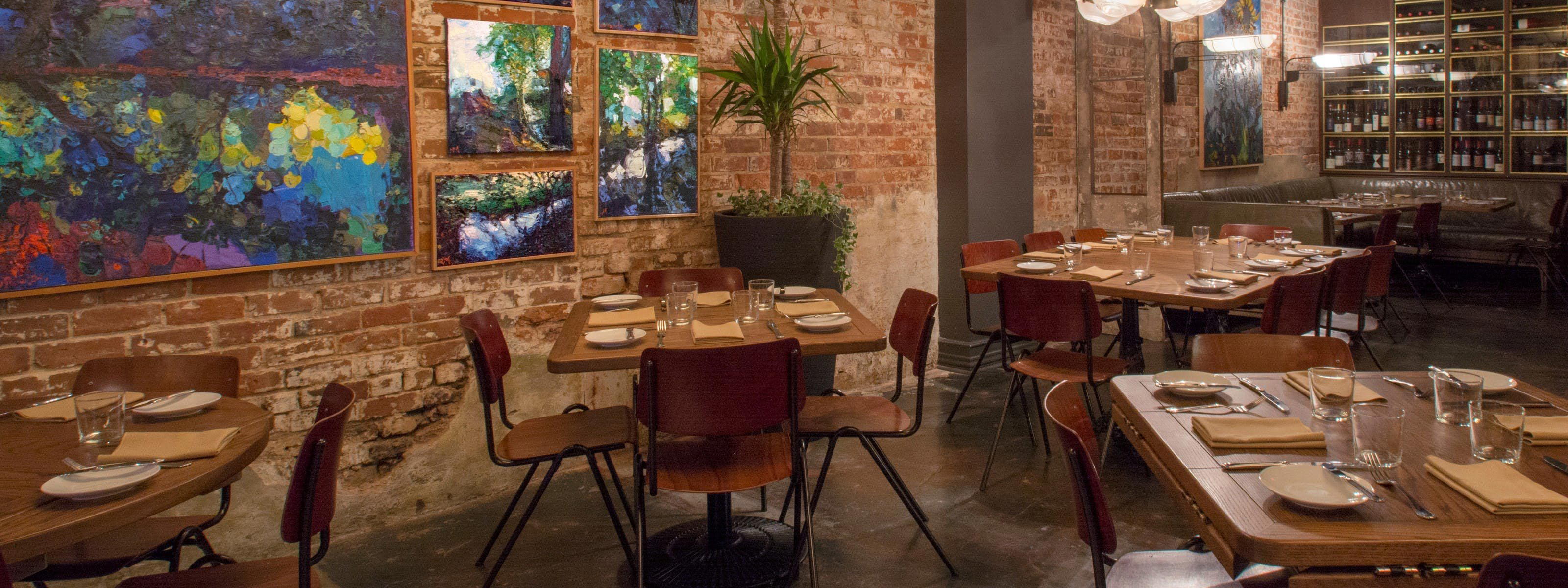
Fritai sits in Tremé, one of New Orleans' oldest neighborhoods and well outside the French Quarter tourist circuit, which shapes the room considerably, regulars outnumber first-timers. Esquire's 2021 national recognition points to a place that takes the cooking seriously without the formality that often accompanies that kind of press.
Is Fritai award-winning?
Fritai has received recognition including: Esquire Best New Restaurants #40 (2021).
What's the must-try dish at Fritai?
What the Haitian Creole format does signal is cooking rooted in Saint-Domingue culinary traditions, spice profiles, stewed proteins, and techniques that distinguish it from standard Louisiana Creole.
How would you describe the cuisine at Fritai?
The Short List
Comparable venues nearby, for context on price, style, and recognition.
| Venue | Cuisine | Price | Awards | Notes |
|---|---|---|---|---|
| FritaiThis venue (the venue you are viewing) | Haitian Street Food | $30–50 | James Beard Award Semi Finalist · Esquire Best New Restaurants #40 | Not listed |
| Alma Café Mid-City | Honduran-inspired all-day brunch and Latin American cafe | $20–30 | Not listed | Mid-City, Honduran-inspired all-day brunch and Latin American cafe |
| Gumbo Shop | Authentic Creole | $20–30 | Not listed | French Quarter, Authentic Creole |
| New Orleans Creole Cookery | Traditional Creole | $30–50 | Not listed | French Quarter, Traditional Creole |
| Cafe Conmigo | Cuban Bakery Cafe | $10–20 | Not listed | Freret, Cuban Bakery Cafe |
| BABs | Modern American Bistro | $30–50 | Not listed | Bywater, Modern American Bistro |
Recognition history
Dated appearances from independent guides and award organizations, with the underlying list record or original source where available.
James Beard Award Semi Finalist
James Beard Award
Esquire Best New Restaurants #40
Esquire