The Rum House
Our verdict
On Magazine Street in Uptown New Orleans, The Rum House occupies a stretch of the city where neighborhood bars and serious drinking spots coexist without ceremony. The address puts it squarely in a part of town that rewards slower exploration, and the rum-focused format slots into a city whose cocktail culture runs deeper than almost anywhere in the United States.

Pearl is the En Primeur Club membership app, where members save venues, book tables and use the concierge.

The menu
What to order
- Calypso Beef
- Duck Duck Goose
- Chipotle Grilled Shrimp
- Crispy Fish
Magazine Street and the Architecture of the Neighborhood Bar
Magazine Street runs for several miles through Uptown New Orleans, shifting register block by block from antique shops and boutiques to corner groceries and bars that have been holding the same stools in place for decades. The 3100 block, where The Rum House sits at number 3128, belongs to a stretch that leans residential without losing its commercial pulse. This is not the French Quarter, where the drinking is performative and the crowds transient. Uptown bars tend to draw from the surrounding blocks, and the physical character of a room on Magazine Street carries that expectation into its design: spaces here earn repeat visits through comfort and consistency, not spectacle.
New Orleans has more bar formats per square mile than almost any American city, and the distinctions between them are legible to anyone who spends time here. There are the storied hotel bars, the Bourbon Street operations built for volume, the craft cocktail counters in the Marigny and Bywater that have emerged over the past fifteen years, and then the neighborhood spots that hold their ground in the residential corridors. The Rum House occupies the latter category by address if not entirely by concept: a rum-specific bar in a city that has historically leaned toward rye, bourbon, and the French-inflected cocktail canon represented by venues like those near the French Quarter.
The Physical Container: What a Rum Bar Looks Like in Uptown
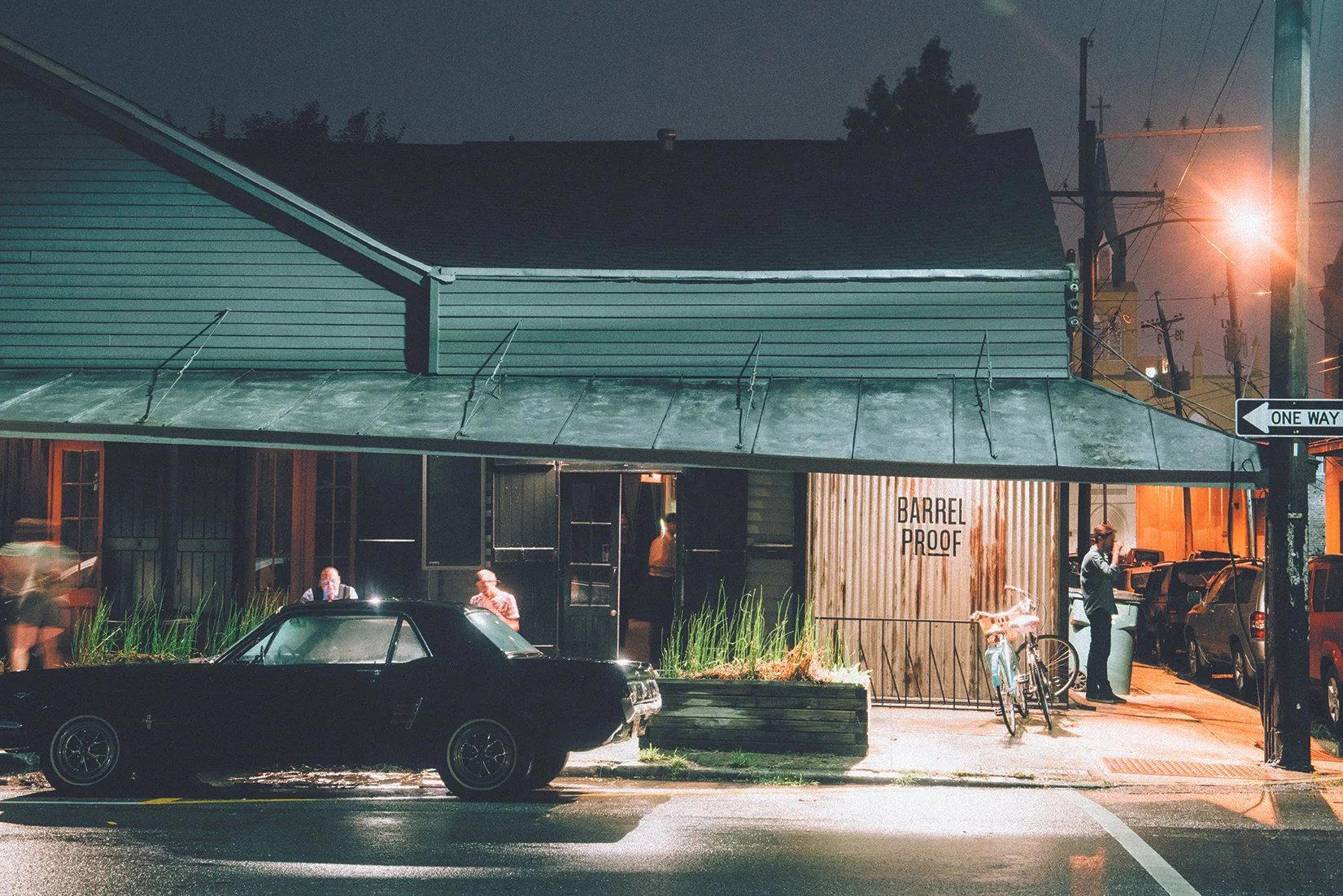
The editorial angle that matters most when reading a bar like The Rum House is the design of the space itself. Rum bars, as a format, carry their own visual grammar. Where whiskey-focused rooms tend toward dark wood, brass, and library shelving, rum programs often invite a warmer, more equatorial palette: exposed wood, tiled surfaces, open-air adjacency where the climate allows. In New Orleans, where the heat and humidity for much of the year create a natural argument for open doors and ceiling fans, the logic of a rum-forward room aligns with the city's built environment in ways that a Scotch bar, for instance, would not.
The 3128 Magazine Street address places the venue in a building stock typical of Uptown's commercial strips: shotgun-adjacent storefronts with narrow frontages that open into longer interior spaces, often with rear access to courtyards or covered outdoor areas. This physical typology shapes how bars on this stretch organize their seating. A long bar running parallel to a side wall, a handful of tables, and some outdoor capacity is the dominant arrangement, and it tends to produce rooms that feel occupied without feeling crowded, provided the room is managed well. The design imperative in spaces like this is not to impose a concept onto the architecture but to work with proportions that reward intimate seating over large-group formats.
Rum, as a spirits category, is broad enough to support a serious program without requiring the kind of single-origin depth that makes some whiskey rooms feel exclusionary. The range runs from agricole expressions produced in the French Caribbean to aged Jamaican rums, Spanish-style solera programs from Cuba and Puerto Rico, and the increasingly visible craft American rum sector. A rum list on Magazine Street has the material to reflect the Caribbean influences that have shaped Louisiana cooking and culture for centuries, a point of genuine local coherence that a gin bar or even a bourbon room could not make as convincingly.
New Orleans Cocktail Culture and Where Rum Fits
The city's cocktail identity is old enough to have produced its own mythology. The Sazerac, the Ramos Gin Fizz, the Vieux Carré: these drinks emerged from a bar culture that predates Prohibition and survived it. What the post-2010 craft cocktail movement added was not tradition but technique, bringing clarified stocks, fat-washing, and carbonation programs into rooms that had previously relied on institutional recipes. Bars like those in the French Quarter's hotel circuit and the Marigny's independent scene now operate along these lines, and the city has developed a reputation for technical seriousness that sits alongside its historical identity.
Rum occupies an interesting position in this context. It is not a New Orleans native spirit in the way that rye historically was, but the city's Caribbean commercial history gives it a legitimate claim to the category. Sugar production, the trade routes that ran through the port, and the Creole cultural inheritance all point toward rum as a natural fit in a city that takes its food and drink history seriously. Bars like Emeril's (Cajun) and Bayona (New American) have spent years anchoring the city's reputation for serious hospitality, and the drinking culture has followed a similar arc toward programs with real curatorial depth.
Against that broader scene, a rum-specific bar in Uptown reads as a format with both conceptual logic and some risk. The risk is that specialization requires a program deep enough to reward the regulars who will return weekly. The logic is that Magazine Street's residential density provides exactly the kind of repeat-visit customer base that a specialist format needs to sustain itself. Contemporary American bar programs at venues like Saint-Germain ($$$$ · Contemporary) and Zasu ($$$ · American Contemporary) have shown that New Orleans diners and drinkers will support ambitious formats when the quality is consistent.
For readers comparing New Orleans to other American cities with serious bar programs, the reference points are different in scale but not in ambition. The precision-driven cocktail programs at venues like Le Bernardin in New York City, Lazy Bear in San Francisco, or Alinea in Chicago represent what happens when a bar or restaurant commits fully to a technical identity. New Orleans operates at a different temperature, more relaxed in its delivery but increasingly serious in its sourcing and construction. The Rum House's position on Magazine Street reflects that middle ground: a specialist concept in a neighborhood format, which is a combination the city does particularly well. For a broader map of where this fits in the city's drinking and dining scene, see our full New Orleans restaurants guide.
Readers planning more ambitious American dining itineraries alongside a New Orleans visit might also consider The French Laundry in Napa, Providence in Los Angeles, Blue Hill at Stone Barns in Tarrytown, Addison in San Diego, The Inn at Little Washington in Washington, Bacchanalia in Atlanta, Atomix in New York City, Single Thread Farm in Healdsburg, or Re Santi e Leoni (Contemporary) and 8 1/2 Otto e Mezzo Bombana (Hong Kong) in Hong Kong for those extending further afield.
Know Before You Go
Address: 3128 Magazine St, New Orleans, LA 70115
Neighbourhood: Uptown, along the Magazine Street corridor
Format: Neighbourhood rum bar; specialist spirits program
Booking: Contact details not currently listed; walk-in format typical for this bar category on Magazine Street
Leading approach: Magazine Street is accessible by the St. Charles streetcar (alight and walk) or by rideshare; street parking available on surrounding blocks
Planning note: Uptown bars on this stretch tend to draw local regulars on weeknights; weekend evenings run busier across the neighbourhood
Frequently asked questions
What do people recommend at The Rum House?
The Rum House is a rum-focused bar, so the drinks program is the primary draw rather than a full kitchen. In a city whose cocktail culture spans pre-Prohibition classics to contemporary technical programs, a rum-specific list has the range to cover agricole, aged Jamaican, and Spanish-style expressions. Comparable neighborhood bars on Magazine Street in the same category tend to pair their spirits programs with direct food menus, though specific dishes and current offerings are best confirmed directly with the venue before visiting.
How far ahead should I plan for The Rum House?
Magazine Street neighborhood bars in this format generally operate as walk-in venues rather than reservation-driven destinations. New Orleans draws significant visitor volume year-round, with peaks around major festivals including Jazz Fest in late April and early May and the Mardi Gras season in late winter. If your visit falls during those windows, arriving earlier in the evening on a weekend gives you the leading chance of settling in comfortably. The Uptown corridor is less congested than the French Quarter, which works in the venue's favor for access.
What makes The Rum House worth seeking out?
The combination of address and concept gives The Rum House a coherence that generic neighborhood bars lack. Magazine Street's residential character supports the kind of repeat-visit program that a specialist rum format requires, and the city's Caribbean historical connections give a rum-focused bar genuine local logic rather than imported concept. For visitors already planning stops at serious New Orleans dining destinations like [Bayona (New American)](https://www.enprimeurclub.com/restaurants/bayona-new-orleans-restaurant) or [Re Santi e Leoni (Contemporary)](https://www.enprimeurclub.com/restaurants/re-santi-e-leoni-nola-restaurant), adding a rum-focused Uptown bar rounds out an itinerary that covers the city's drinking culture beyond the Quarter.
Is The Rum House on Magazine Street a good option for exploring rum beyond the standard cocktail list?
Magazine Street's bar scene has historically supported formats with specific curatorial identities, and a rum-focused program in Uptown New Orleans has the regional logic to go deeper than the standard daiquiri and mojito canon. Louisiana's sugar-producing history and its Caribbean trade connections mean that rum, more than most spirits, carries genuine local resonance in this city. For visitors whose interest runs toward aged or agricole expressions rather than mixed drinks, a dedicated rum bar provides more range by definition than a general spirits program at a comparable neighborhood spot.
A Credentials Check
Comparable venues nearby, for context on price, style, and recognition.
| Venue | Cuisine | Price | Notes |
|---|---|---|---|
| The Rum HouseThis venue (the venue you are viewing) | Caribbean-Inspired Tacos | $20–30 | Not listed |
| Maïs Arepas | Colombian Arepas | $20–30 | Central City |
| NOCHI | New Orleans-Inspired Student-Led Dining | Not listed | Arts District |
| Mother's Restaurant | Classic New Orleans Po'boys & Cajun | $20–30 | Central Business District |
| Stella's | Dining | Not listed | French Quarter |
| Sneaky Pickle & Bar Brine | Farm-to-Table American with Vegetarian Focus | $20–30 | Bywater |
Continue exploring
More in New Orleans
Restaurants in New Orleans
All restaurants in New Orleans →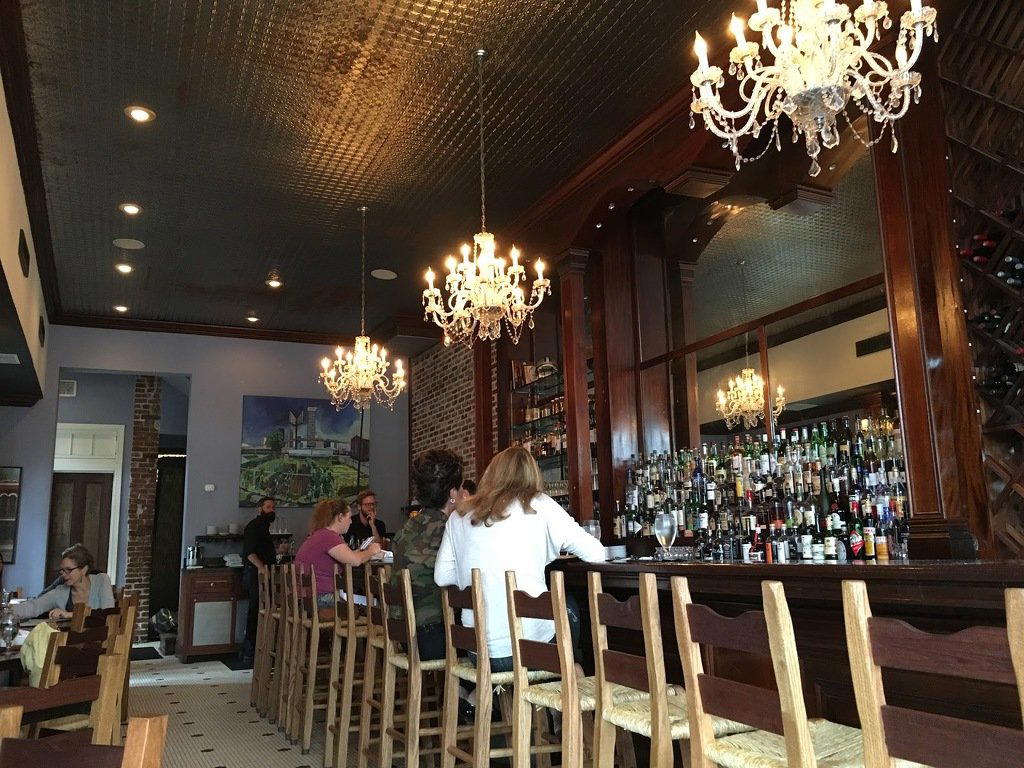
Bars in New Orleans
All bars in New Orleans →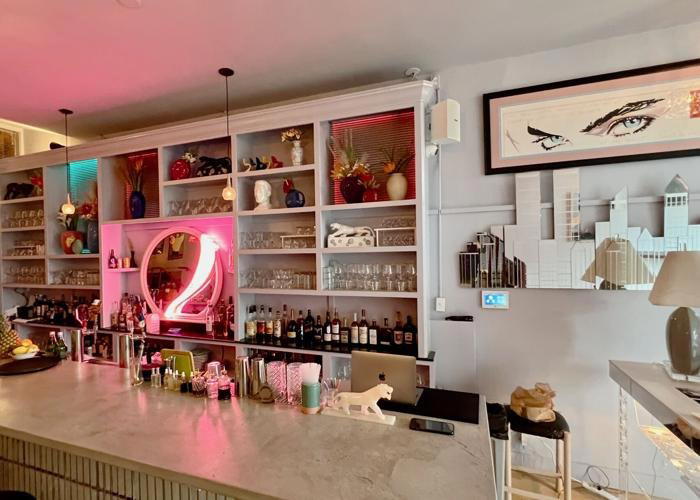

Details
- Lively
- Cozy
- Trendy
- Casual Hangout
- Group Dining
- Late Night
- Brunch
- Open Kitchen
- Craft Cocktails
- A La Carte
- Small Plates
- Rum Drinks
Current opening hours
- Monday
- 11 AM–10 PM
- Tuesday
- 11 AM–10 PM
- Wednesday
- Closed
- Thursday
- 11 AM–10 PM
- Friday
- 11 AM–10 PM
- Saturday
- 11 AM–10 PM
- Sunday
- 11 AM–10 PM
Hours can change for holidays and private events. Hours as of .
Colorfully-lit, friendly atmosphere transporting guests to Caribbean 'Island Time' with a lively, jam-packed energy.