Luke
On St. Charles Avenue, Luke occupies a corner of New Orleans dining where the French brasserie tradition meets the city's deep Creole and Gulf Coast pantry. The format rewards unhurried eating, from raw-bar openers through to the kind of main courses that justify the streetcar ride down the Avenue. It sits comfortably in the mid-to-upper tier of the city's casual-formal restaurant spectrum.
Pearl is the En Primeur Club membership app — saves, bookings, and concierge access live there. Same editors, same standards.
- Address
- 333 St Charles Ave, New Orleans, LA 70130
- Phone
- +15043782840
- Website
- lukeneworleans.com
- Directions
- Get directions
 Saves & bookings on Pearl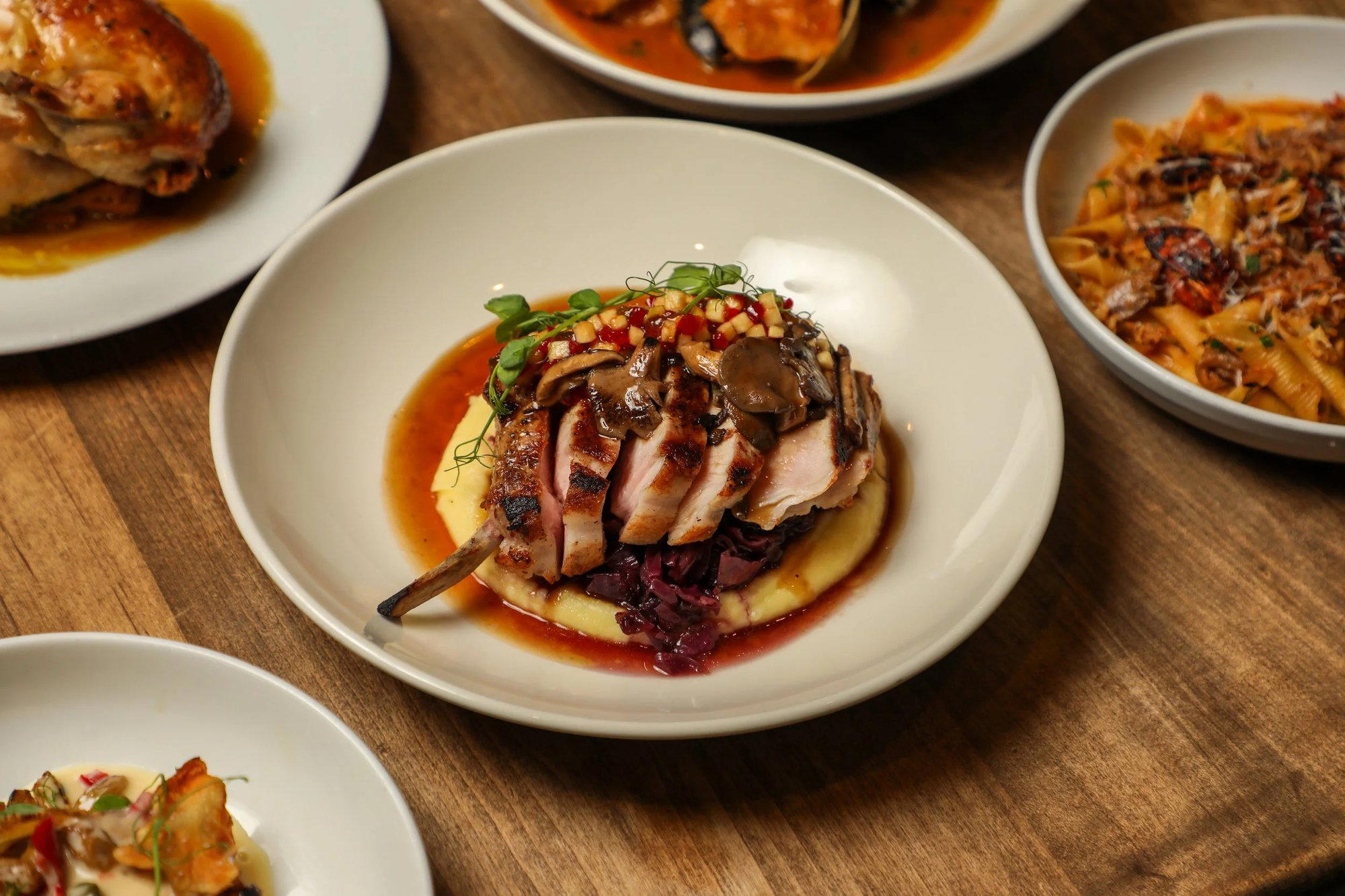
The Room Before the Menu
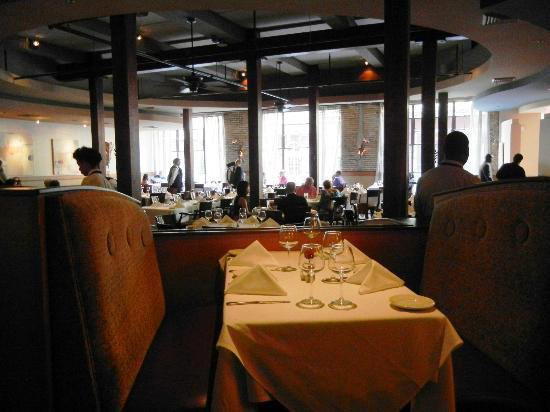
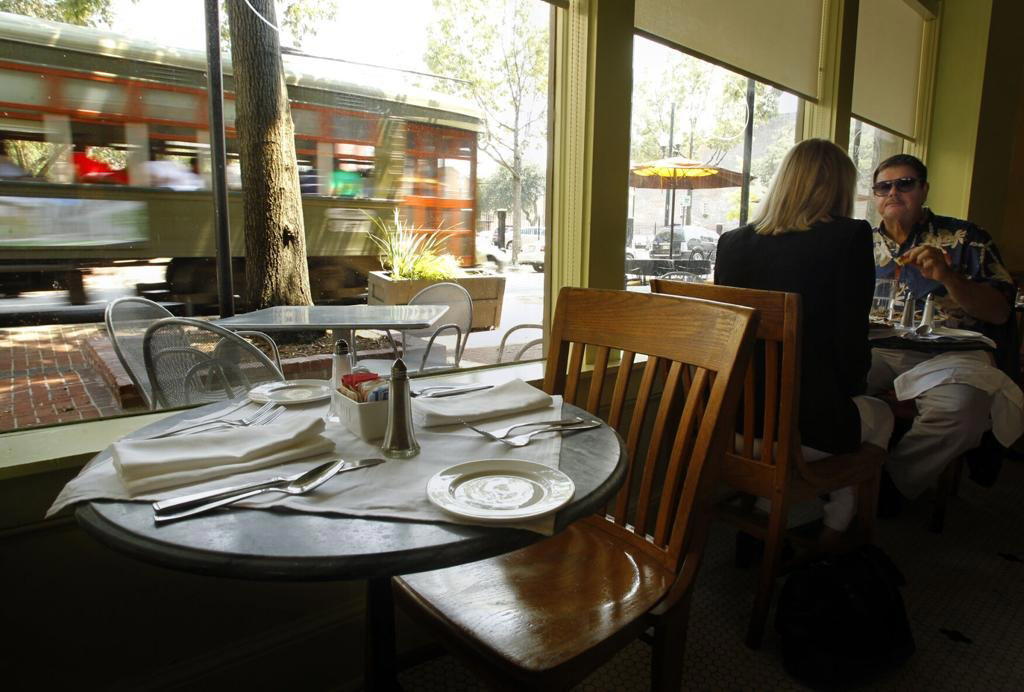
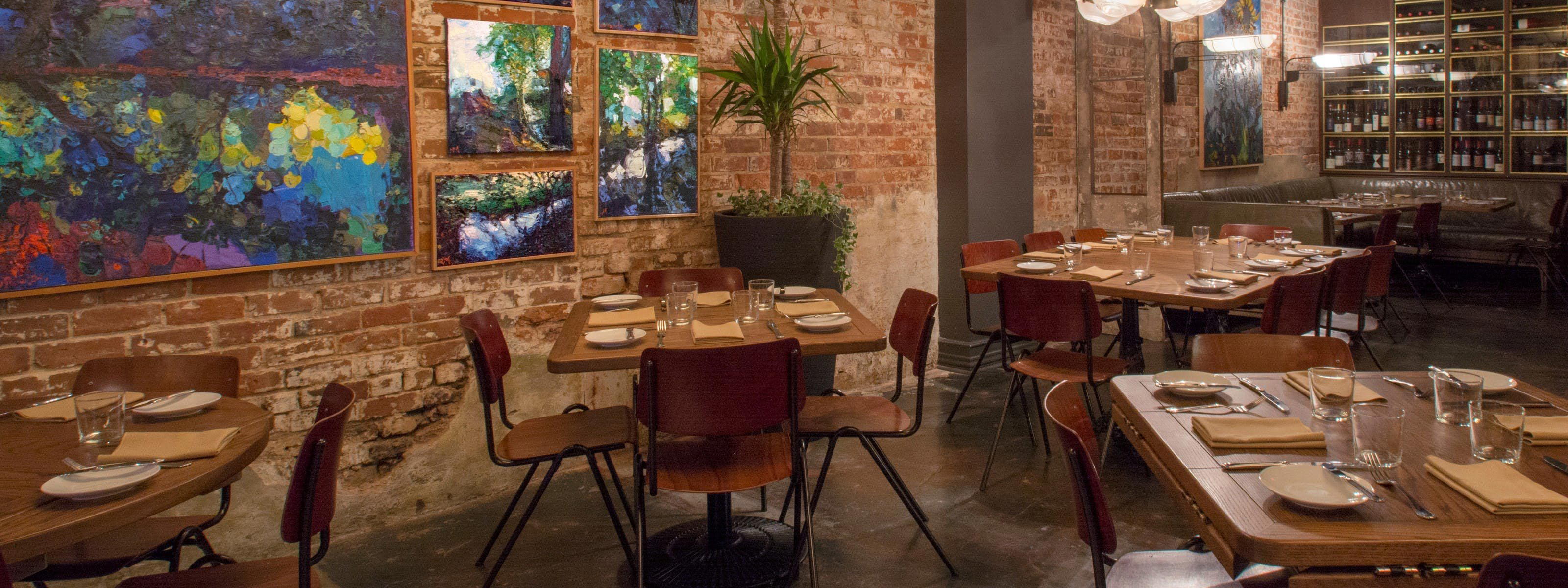
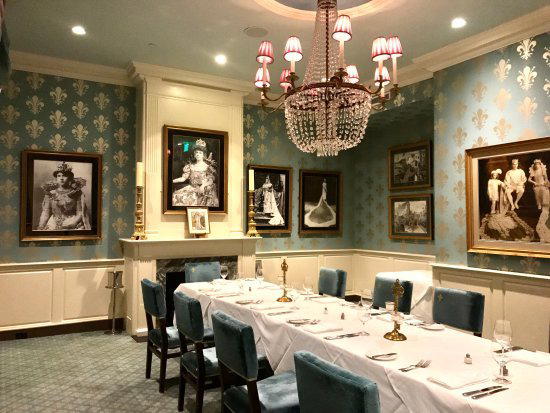
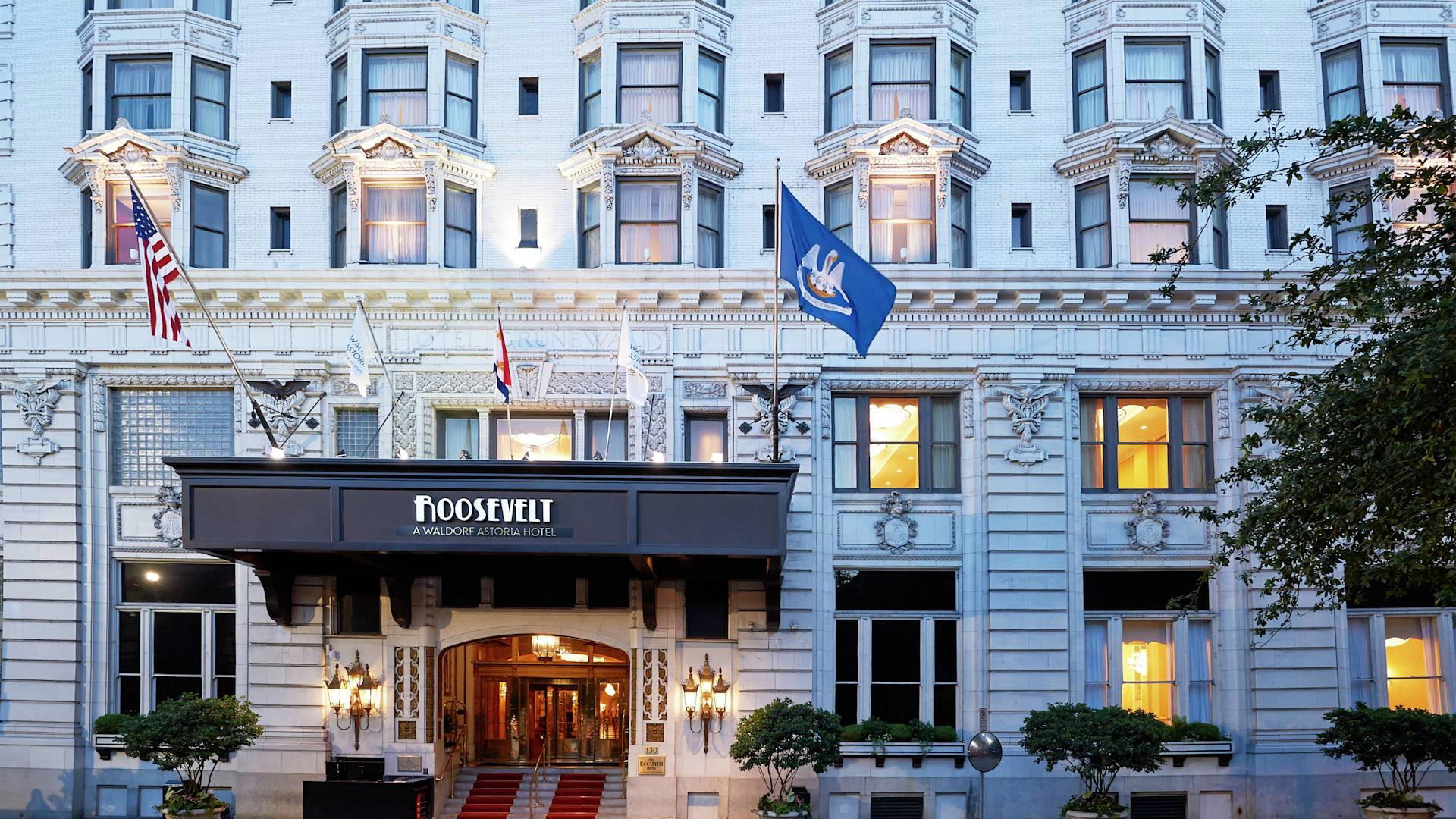
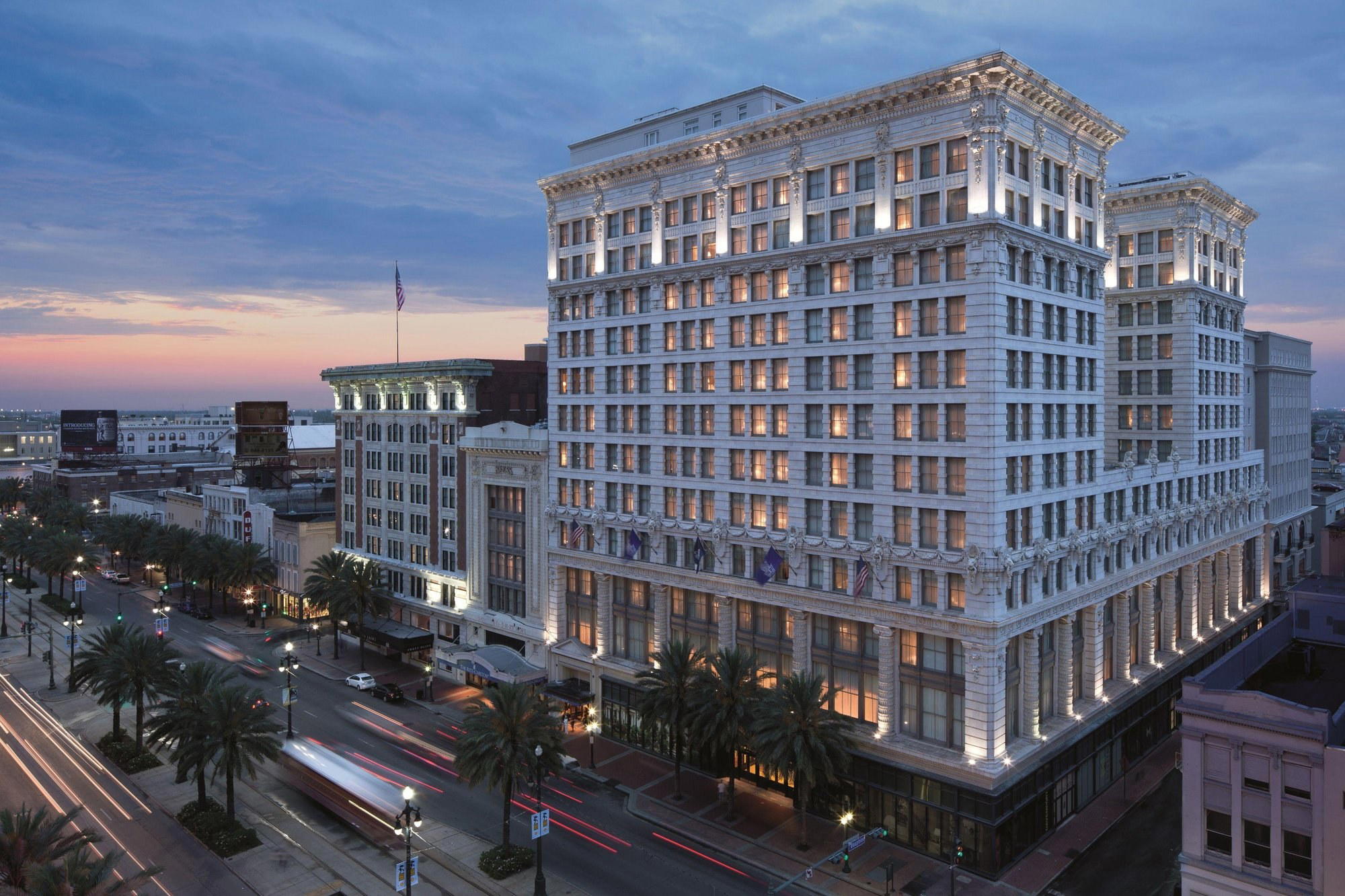
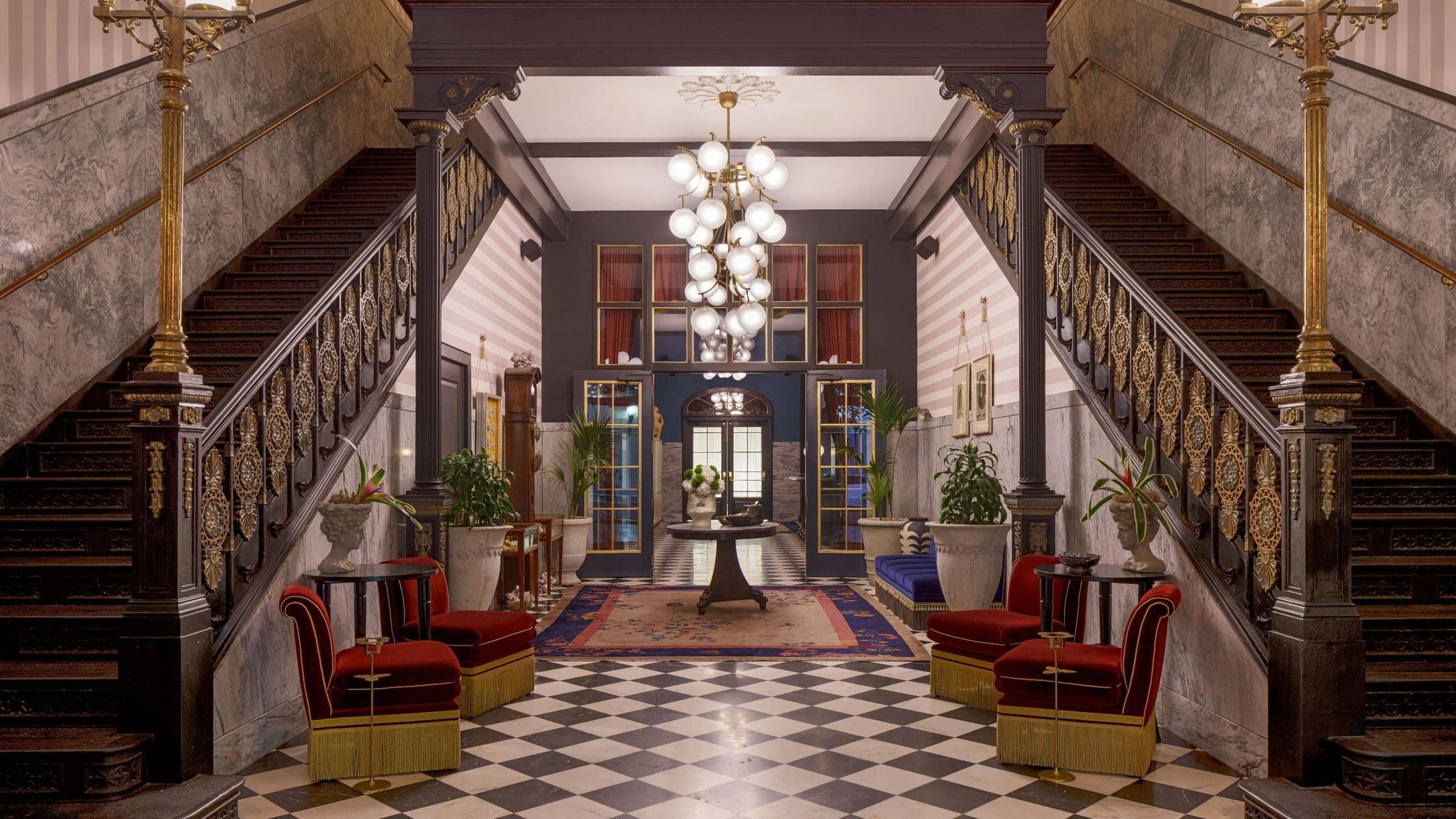
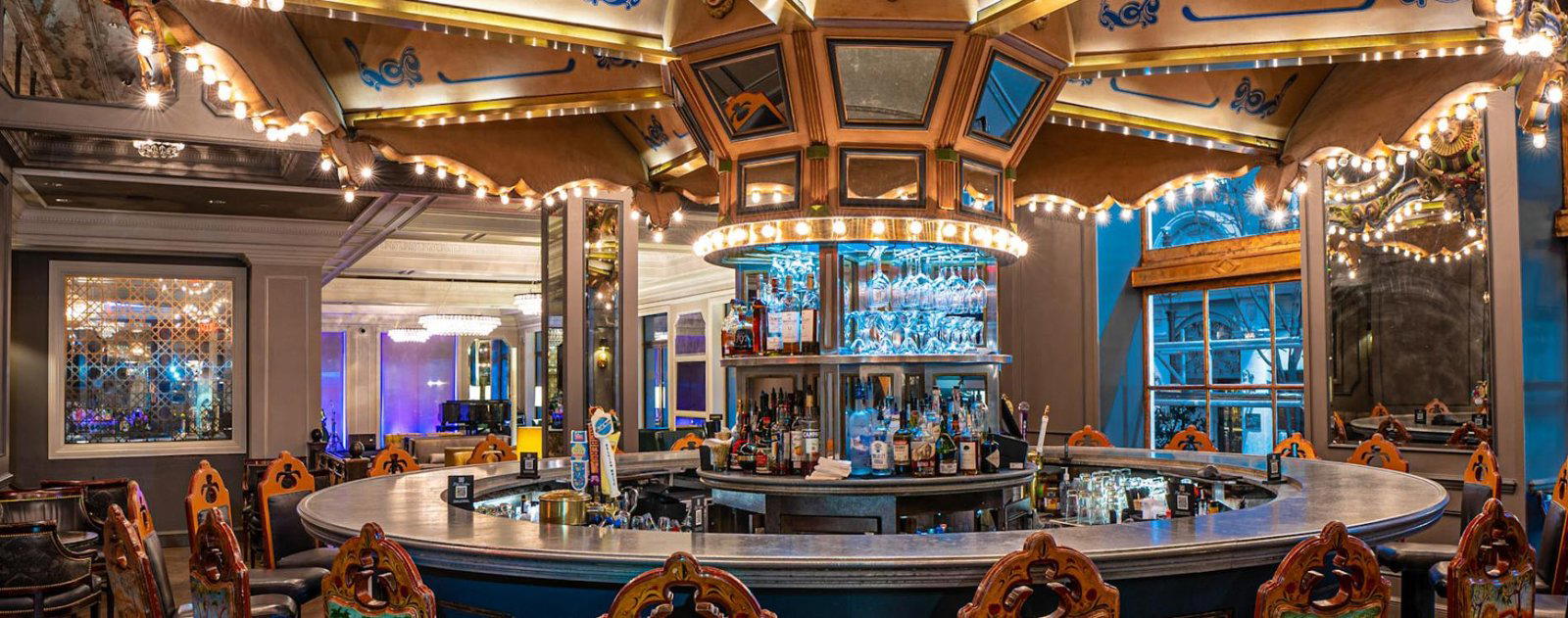
St. Charles Avenue is one of those American streets that still does civic grandeur without apology. The streetcar runs its median, the oaks arch overhead, and the buildings along it carry a particular New Orleans conviction that architecture should announce itself. Luke, at 333 St. Charles, inherits that posture. The room reads as a brasserie in the French tradition, the kind of space where the bones of the building do most of the atmospheric work, and where a long bar and a properly loud dining room signal that this is a place designed for the pleasure of being out, not just for the food arriving at your table.
That physical environment matters as a frame for everything that follows. New Orleans has always been a city where the act of sitting down to eat is understood as a social ritual as much as a gastronomic one, and Luke's room operates inside that understanding. The scale is generous without being anonymous. You feel the room rather than just occupying a seat in it.
How the Meal Moves
The structure of eating at Luke follows a logic familiar to anyone who has spent time in French brasserie culture, but with a Gulf Coast accent running through it. That combination is not incidental to the New Orleans dining tradition, it is, in many ways, the tradition. The city's culinary identity was built at the intersection of French technique, Spanish influence, and the particular abundance of the Louisiana coast, and the leading restaurants here have always expressed that layering across the arc of a meal rather than in a single signature gesture.
A meal that starts at the raw bar is the natural beginning. Oysters in New Orleans carry weight beyond their size: the Gulf's warm, shallow waters produce a brinier, meatier oyster than the cold-water varieties that dominate East and West Coast programs, and any restaurant on St. Charles Avenue worth its position knows how to let that difference speak. From there, the French brasserie scaffold, charcuterie, soups built on long stocks, proteins that reward classical preparation, maps onto a pantry that the Loire Valley never had access to. That tension between French form and Louisiana ingredient is where the interesting eating happens.
The progression of a meal here is not a tasting menu in the contemporary sense. This is brasserie eating: you direct the pace, you choose the depth, and the room absorbs both a two-course lunch and a four-course dinner without making either feel wrong. This is brasserie eating: you direct the pace, you choose the depth, and the room absorbs both a two-course lunch and a four-course dinner without making either feel wrong. That flexibility is a structural strength in a city where the rhythm of an evening rarely conforms to a fixed schedule.
Where Luke Sits in the New Orleans Conversation
The New Orleans restaurant scene has a complicated upper tier. At one end, the city's Creole institutions, Commander's Palace being the clearest example, operate as much as cultural monuments as restaurants, their menus in ongoing dialogue with a century of local culinary history. At the other, a newer generation of chef-driven rooms like Saint-Germain and Re Santi e Leoni operates inside a more globally inflected contemporary idiom. Luke occupies a middle register that is the hardest to hold: serious enough to sit in a peer conversation with Bayona and Zasu, but committed to a brasserie format that resists the tasting-menu arms race that has defined prestige dining in most American cities over the past decade.
That refusal to pivot toward the tasting-menu format is worth reading as a position rather than a limitation. Across American fine dining, the structured multi-course progression has become almost a prerequisite for serious critical attention. At venues like Le Bernardin in New York City, Lazy Bear in San Francisco, Alinea in Chicago, The French Laundry in Napa, Providence in Los Angeles, Blue Hill at Stone Barns in Tarrytown, Single Thread Farm in Healdsburg, Addison in San Diego, The Inn at Little Washington, Bacchanalia in Atlanta, and Atomix in New York City, the kitchen controls the sequence and the diner submits to it. The brasserie format inverts that relationship, and in New Orleans, where hospitality has historically been guest-directed rather than chef-directed, the inversion feels native rather than contrarian.
For a wider picture of how Luke fits into the city's dining geography, our full New Orleans restaurants guide maps the tiers in detail. The comparison set for St. Charles Avenue eating also includes Emeril's, which operates a more explicitly Cajun program a short distance away, and international peers like 8 1/2 Otto e Mezzo Bombana in Hong Kong, both useful reference points for understanding how classical European dining formats adapt to specific local pantries.
Planning Your Visit
Luke is located at 333 St. Charles Avenue, accessible via the St. Charles streetcar line, which stops within a short walk. Luke is open daily from 7 AM to 10 PM. Reservation is recommended. For a meal that allows the brasserie arc to unfold properly, lunch on a weekday or an early dinner reservation will give the room at a more measured pace than a Saturday evening, when St. Charles Avenue fills with a different energy entirely.
Reputation Context
Comparable venues nearby, for context on price, style, and recognition.
| Venue | Cuisine | Price | Notes |
|---|---|---|---|
| LukeThis venue — the venue you are viewing | Creole-Inspired French Brasserie | $$ | Not listed |
| Antoine's | French-Creole | $$$ | French Quarter |
| La Crepe Nanou | French Bistro & Crêperie | $$ | Uptown |
| Pelican Club | Modern Creole Fine Dining | $$$ | French Quarter |
| MaMou | Modern French Brasserie | $$$ | French Quarter |
| Loa | Hawaiian Poke Bowls | $$ | Central Business District |
Continue exploring
More in New Orleans
Restaurants in New Orleans
Browse all →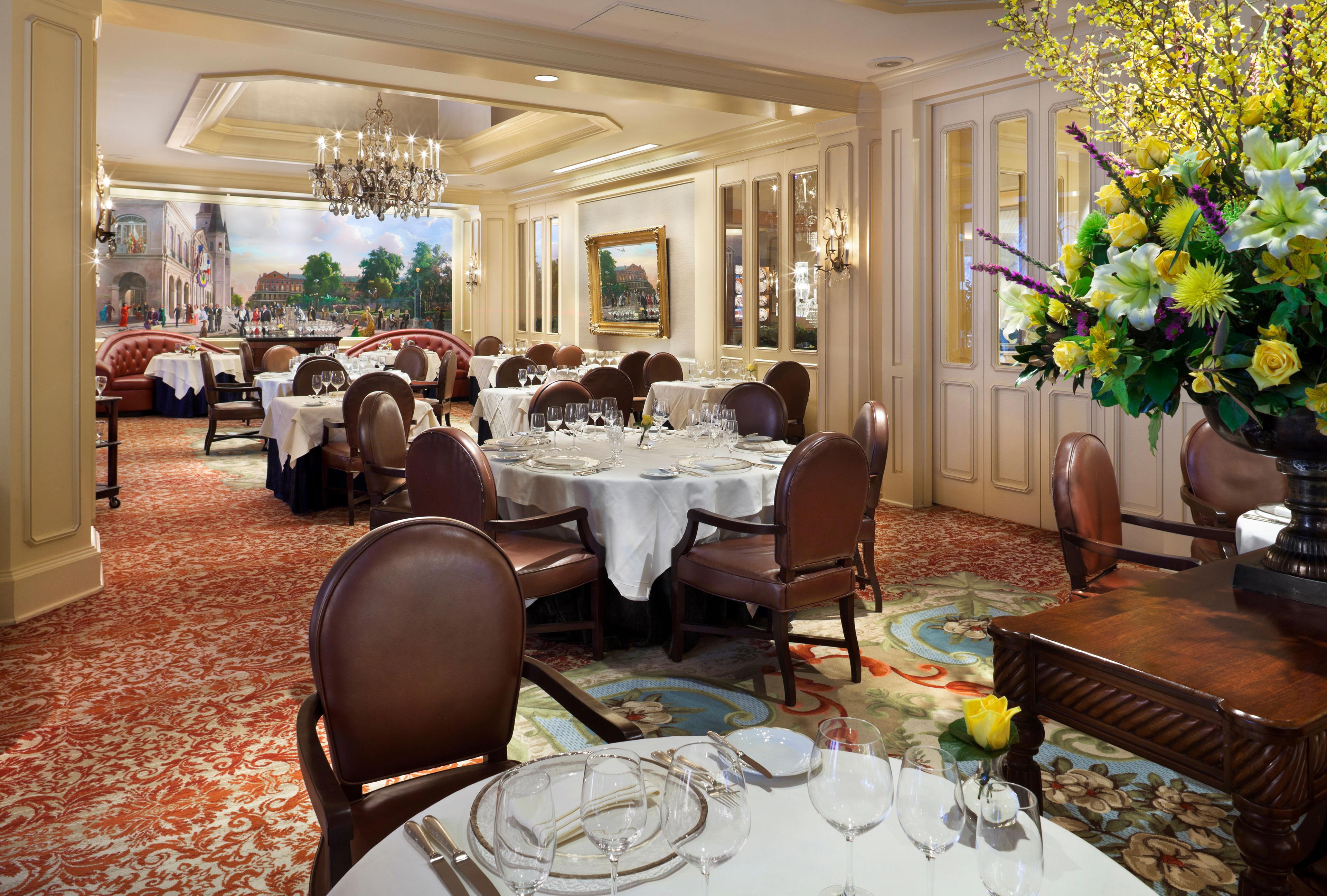
Bars in New Orleans
Browse all →
At a Glance
- Lively
- Energetic
- Classic
- Brunch
- Business Dinner
- Casual Hangout
- Special Occasion
- Open Kitchen
- Craft Cocktails
- Extensive Wine List
- Local Sourcing
Current opening hours
- Monday
- 7 AM–10 PM
- Tuesday
- 7 AM–10 PM
- Wednesday
- 7 AM–10 PM
- Thursday
- 7 AM–10 PM
- Friday
- 7 AM–10 PM
- Saturday
- 7 AM–10 PM
- Sunday
- 7 AM–10 PM
Hours can change for holidays and private events. Last verified .
Lively and energetic atmosphere with a lively raw bar, modern clean vibe, and warm welcoming energy.