Our verdict
Café de l'Esplanade occupies a particular position on the 7th arrondissement's dining map: a brasserie-format address on Rue Fabert with a sightline toward Les Invalides that has made it a reliable fixture for the neighbourhood's diplomatic and ministerial crowd. Over the years its tone has shifted, tracking broader changes in how Paris's established brasseries position themselves against a more competitive mid-to-upper market.

Pearl is the En Primeur Club membership app, where members save venues, book tables and use the concierge.

The menu
What to order
- Escargot
- Foie Gras
- Miso Salmon
- Saumon miso gingembre
The View from Rue Fabert
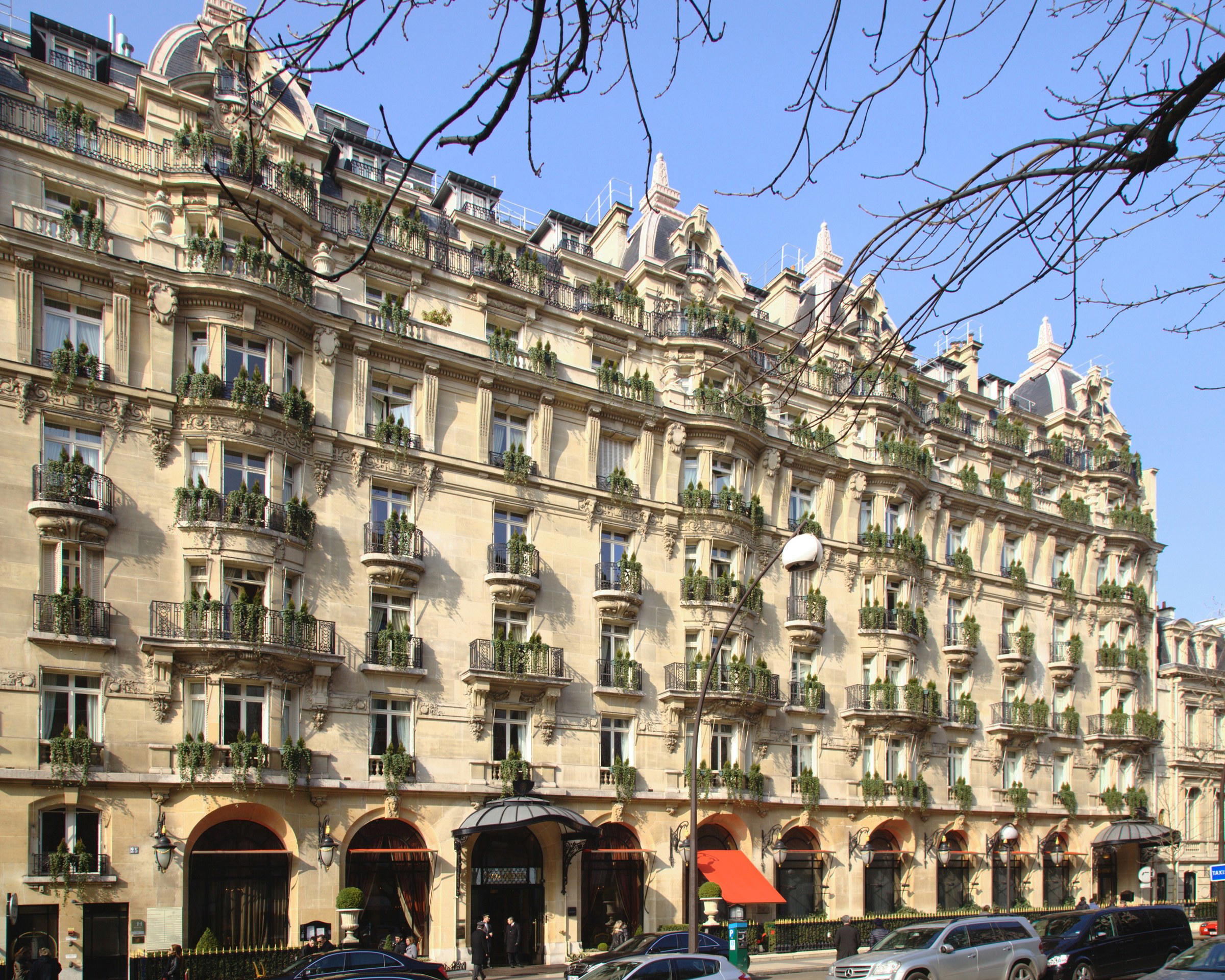
The 7th arrondissement is not where Paris experiments. It is where Paris maintains. The stretch of Rue Fabert running parallel to the Esplanade des Invalides belongs to a district defined by stone facades, Haussmann proportions, and a clientele drawn from the ministries, embassies, and senior public institutions clustered within a short radius. Café de l'Esplanade, at number 52, fits that environment precisely: a brasserie-format room with a terrace oriented toward the gardens of Les Invalides, holding its place in a neighbourhood where restaurants tend to survive not through reinvention but through institutional loyalty.
That loyalty, however, has been tested in recent years. The broader Parisian brasserie category has faced structural pressure from two directions simultaneously: from the premium end, where houses like Arpège and L'Ambroisie on the Place des Vosges set a different register entirely, and from the mid-market, where a generation of bistronomy addresses has pulled younger, format-conscious diners away from the classic white-tablecloth brasserie model. Addresses that once coasted on location and reputation have had to decide, consciously or not, which version of themselves they intend to be.
A Brasserie Reckoning
The evolution of the Parisian grand brasserie over the past two decades is a useful frame for reading any individual address in the category. Through the 1990s and into the early 2000s, the format was largely self-sustaining: the combination of theatrical interiors, extensive carte, and hour-flexible service made these rooms indispensable. Then came the compression. Neobistros tightened their menus and lowered their prices; the Michelin-calibre end moved further toward tasting-menu formats with smaller rooms and higher prices, as seen at Alléno Paris au Pavillon Ledoyen or Kei; and the middle ground became genuinely contested for the first time.
Café de l'Esplanade sits in that contested middle. Its Costes group ownership places it within a portfolio whose design sensibility is immediately legible: moody lighting, dressed leather, a room that communicates before the menu arrives. That approach worked decisively in the early 2000s when the venue opened, and it remains the dominant physical register of the space. What has shifted is the competition around it and, consequently, what its price-to-proposition ratio implies for a visitor choosing between it and a dozen other addresses in the 7th and 8th arrondissements.
Location as Architecture
One element that has not changed and cannot be replicated by competitors is the terrace aspect. A south-facing position with the Esplanade des Invalides as backdrop is a fixed asset. In the warmer months, from late April through September, that terrace becomes the primary draw, and it attracts a crowd that would not necessarily seek out the interior room on its own merits. Seasonal positioning matters here: the experience differential between a winter lunch inside and a June evening on the terrace is significant enough to treat them as distinct propositions. Visitors targeting the terrace experience should note that this is among the more sought-after outdoor tables in the arrondissement and plan accordingly.
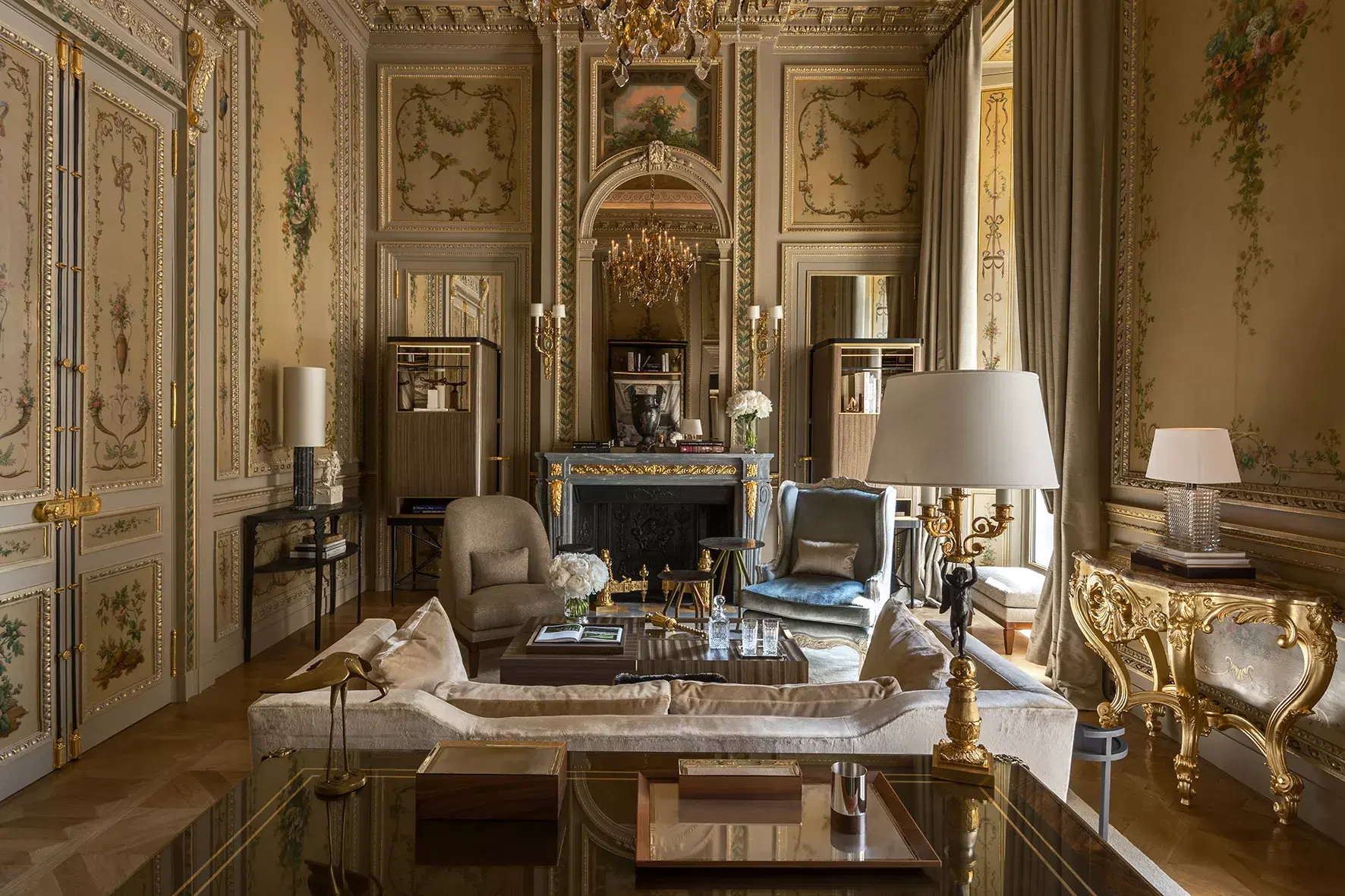
The interior design, by contrast, speaks to a particular moment in Parisian hospitality rather than to any durable tradition. The Costes aesthetic of the late 1990s and early 2000s drew on a global vocabulary of boutique-hotel drama, and Café de l'Esplanade carries that signature. It remains a handsome room, but it reads now as period-specific in a way that the more stripped-back contemporary addresses, or the genuinely historic rooms like those at Paul Bocuse's Auberge du Pont de Collonges or Auberge de l'Ill in Illhaeusern, do not.
What the Category Comparison Reveals
Placed against the full range of Paris dining, Café de l'Esplanade occupies a position that is specific rather than generic. It is not competing with Le Cinq at the Four Seasons George V, where the formal dining proposition and price point operate at a different level entirely. Nor is it competing with the destination addresses outside Paris, whether Mirazur in Menton, Flocons de Sel in Megève, or Bras in Laguiole, which draw visitors for the cooking as the primary reason to travel.
French cooking traditions in this register, as practised across dozens of similar rooms from Vonnas at Georges Blanc to the Languedoc at Auberge du Vieux Puits in Fontjoncouse, reward specificity of place. At Café de l'Esplanade, place is the argument. The food serves the occasion; the occasion is defined by the address. That is not a criticism but a category description. International points of comparison, such as Le Bernardin in New York City or Lazy Bear in San Francisco, operate on entirely different premises, where the cooking is the primary architecture of the experience. Café de l'Esplanade inverts that logic.
For our full coverage of where this address fits within the wider Paris dining picture, see our full Paris restaurants guide. For readers looking at regional French dining beyond the capital, the Troisgros table in Ouches, Les Prés d'Eugénie in Eugénie-les-Bains, and La Table du Castellet represent the more destination-driven end of the French dining tradition.
Planning Your Visit
The essential practical variables for Café de l'Esplanade are seasonal and logistical rather than format-specific. Reservations: The terrace is the premium draw and fills quickly during the outdoor season; advance booking for spring and summer evenings is advisable. Location: 52 Rue Fabert, 75007 Paris, accessible via the Invalides or La Tour-Maubourg metro stations. Context: The room suits a pre- or post-museum visit, a working lunch for the diplomatic district's professional population, or a leisurely terrace dinner during the longer daylight months. Those approaching from a fine-dining-first perspective should calibrate expectations to the brasserie format rather than to the tasting-menu addresses that define Paris at its highest end.
Frequently asked questions
What is the signature dish at Café de l'Esplanade?
The address operates in the upscale Parisian brasserie format, a category defined by broad cartes covering classic French preparations rather than a single signature. Readers seeking that level of menu specificity should consult the venue directly. For cooking where a specific dish or tasting sequence is the central draw, the relevant reference points in Paris are Arpège or L'Ambroisie.
How far ahead should I plan for Café de l'Esplanade?
As a brasserie-format address in the 7th arrondissement, Café de l'Esplanade operates at a different booking cadence from tasting-menu destinations in Paris, which can require weeks or months of lead time. The terrace, however, is the address's most sought-after seating during the warmer months, and demand during the April-to-September outdoor season is consistent. Planning one to two weeks ahead for weekday terrace reservations and further ahead for weekend evenings during that period reflects the general pattern for well-positioned brasserie terraces in this arrondissement.
What do critics highlight about Café de l'Esplanade?
Critical commentary on Café de l'Esplanade consistently returns to the same pair of coordinates: the physical setting, specifically the Invalides-facing terrace, and the room's Costes-group design signature. The cooking is treated as appropriate to the occasion rather than as the occasion itself, which positions the address differently from Paris destinations where cuisine credentials are the primary trust signal. Awards data is not available in; for credentialed Paris dining, the Michelin-starred addresses such as Kei or Alléno Paris au Pavillon Ledoyen carry formal verification.
Is Café de l'Esplanade suitable for a formal business lunch in Paris's diplomatic quarter?
The 7th arrondissement's concentration of ministries and international institutions has made the surrounding restaurant stock reliable for professional dining, and Café de l'Esplanade at 52 Rue Fabert sits squarely within that orbit. The room's design seriousness, brasserie-format carte, and table spacing suit a working lunch where the setting needs to communicate competence without the formality of a full tasting-menu house. For a district where the professional lunch remains a functioning social institution, the address's combination of location, interior register, and consistent service pattern has kept it relevant across two decades of ownership by the Costes group.
Peers Worth Knowing
Comparable venues nearby, for context on price, style, and recognition.
| Venue | Cuisine | Price | Notes |
|---|---|---|---|
| Café de l'EsplanadeThis venue (the venue you are viewing) | French Brasserie with Asian Fusion | $50–100 | Not listed |
| Fitzgerald | Modern French Bistro with Mediterranean Touches | $50–100 | Gros-Caillou |
| Brasserie l'Émil | French Brasserie with Mediterranean Accents | $50–100 | 1er arrondissement |
| La Table des Copains | Traditional French Bistro | $30–50 | Montparnasse |
| Le Flamboire | Traditional French Wood-Fired Grill | $50–100 | 9th arrondissement |
| Astair | Contemporary French Brasserie | $50–100 | 2nd Arrondissement |
Continue exploring
More in Paris
Restaurants in Paris
All restaurants in Paris →
Bars in Paris
All bars in Paris →
Details
- Elegant
- Classic
- Cozy
- Well Known
- Brunch
- Business Dinner
- Terrace
- Historic Building
- Extensive Wine List
- Street Scene
- A La Carte
- French Wines
- Cocktails
- Vegetarian Friendly
- Vegan Options
Current opening hours
- Monday
- 8 AM–1 AM
- Tuesday
- 8 AM–1 AM
- Wednesday
- 8 AM–1 AM
- Thursday
- 8 AM–1 AM
- Friday
- 8 AM–1 AM
- Saturday
- 8 AM–1 AM
- Sunday
- 8 AM–1 AM
Hours can change for holidays and private events. Hours as of .
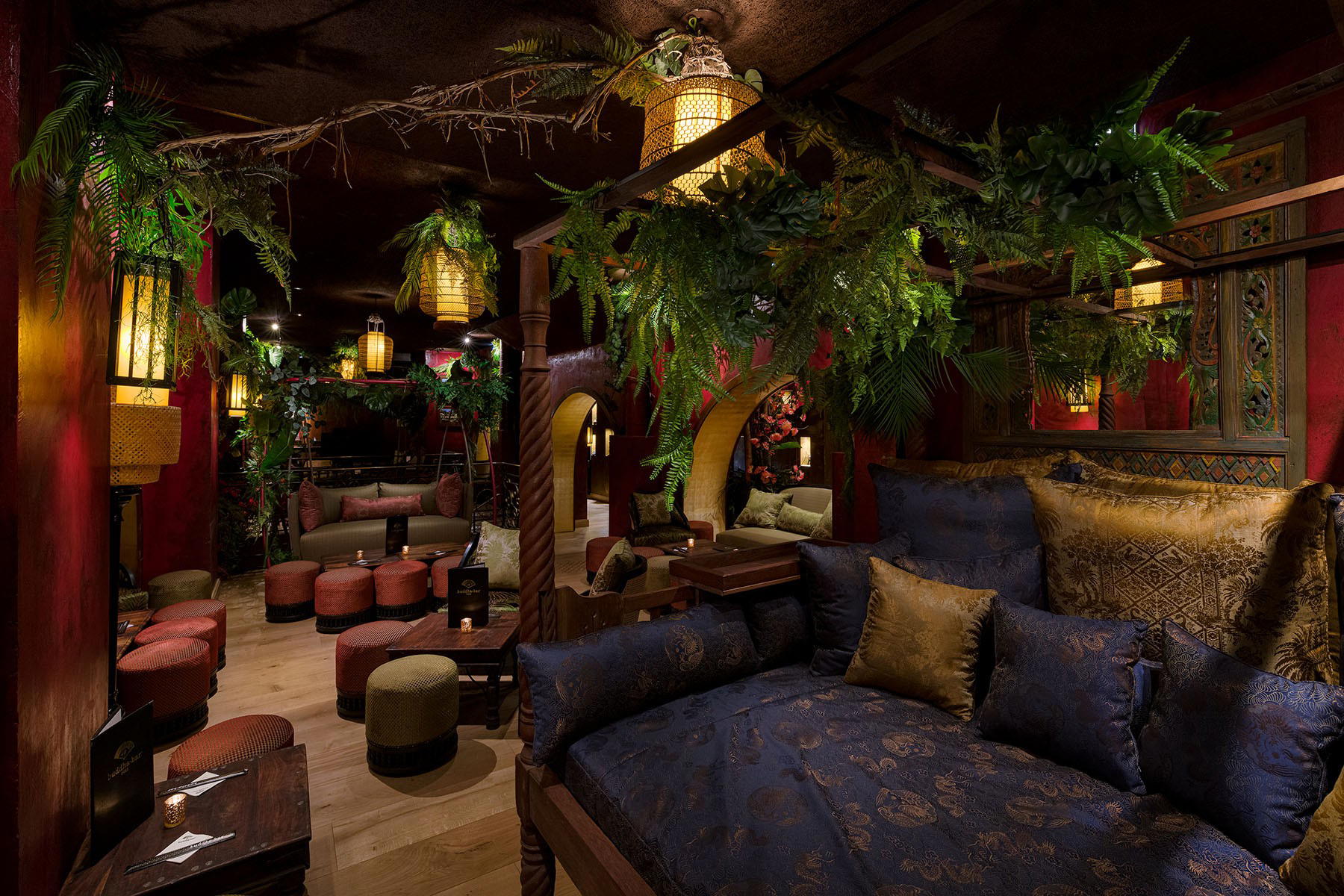
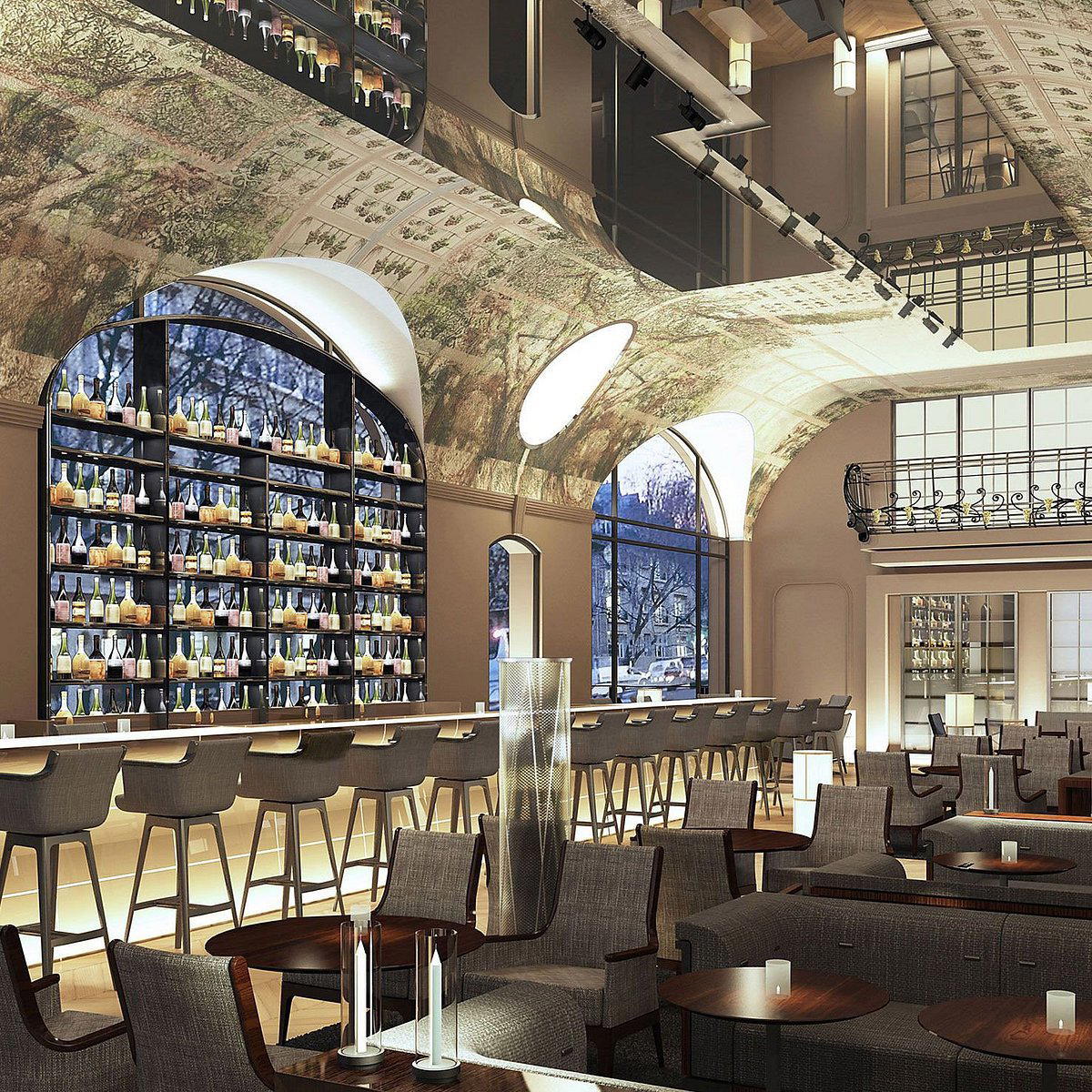
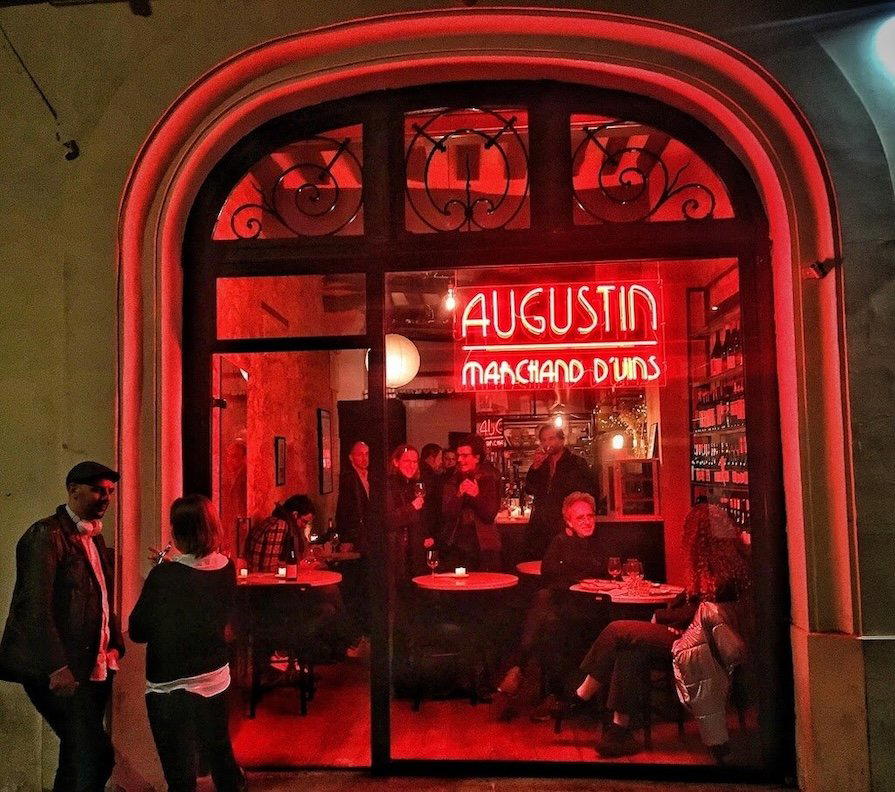
Plush setting with candlelit tables, red velour seats, and a somptueux atmosphere.