Astair sits inside the Passage des Panoramas, one of Paris's oldest covered arcades, and operates in a dining tier that prizes setting and sequencing over ceremony. Where neighbouring 2nd arrondissement restaurants lean on brasserie formats, Astair draws from a more considered multi-course tradition. Its address alone places it at the intersection of historic Paris and a new wave of destination dining in the Grands Boulevards corridor.
Pearl is the En Primeur Club membership app — saves, bookings, and concierge access live there. Same editors, same standards.
- Address
- 19 Pass. des Panoramas, 75002 Paris, France
- Phone
- +33981295095
- Website
- astair.paris
- Directions
- Get directions
 Saves & bookings on Pearl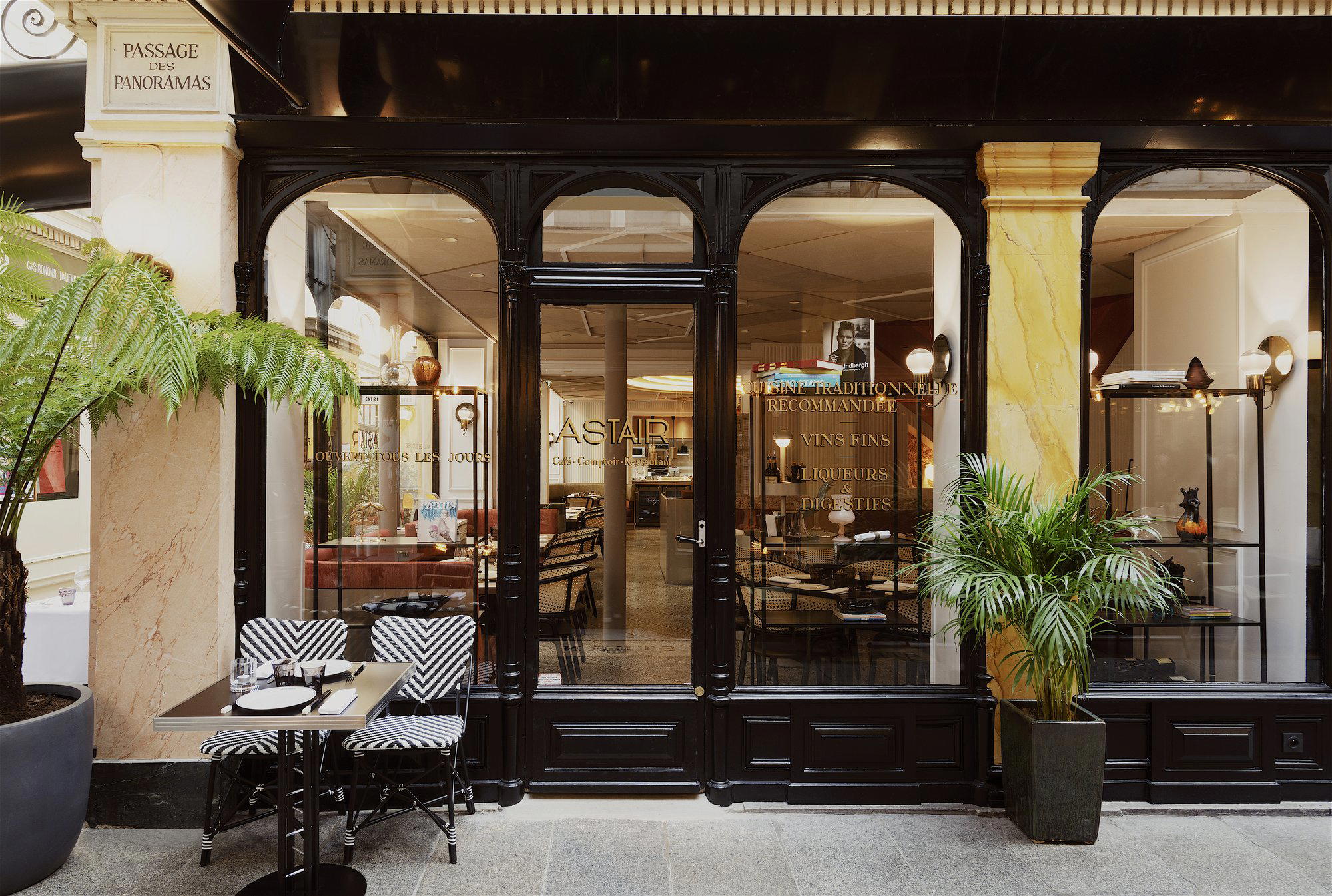
The Passage as Context: Dining Inside a Nineteenth-Century Arcade
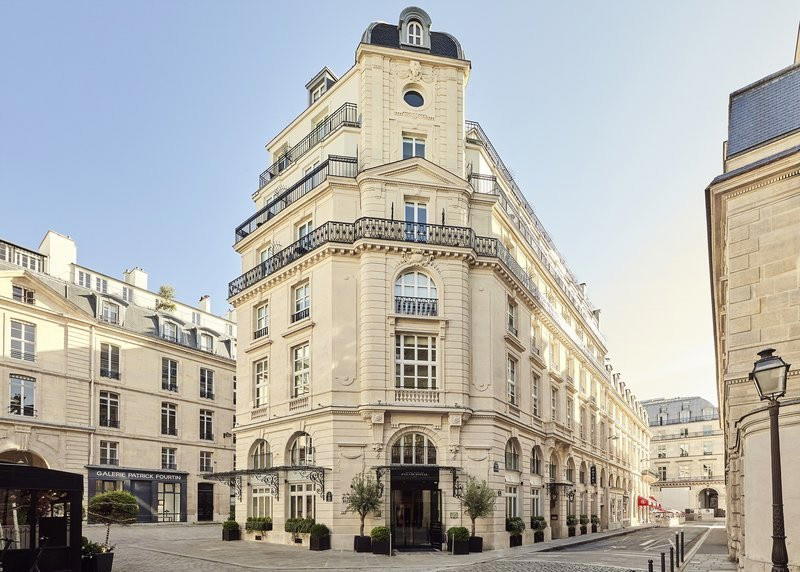
The Passage des Panoramas opened in 1799 and is the oldest surviving covered arcade in Paris. Walking its mosaic-tiled corridor toward Astair at number 19, you move through a space that has housed print shops, stamp dealers, and theatre crowds for more than two centuries. That layering of time is not incidental to the experience. Paris's covered passages, the galeries and passages that thread through the 2nd and 9th arrondissements, represent a specific urban architecture, one that insulates the visitor from the street while keeping the city legible just beyond the glass roof. Dining inside them carries a weight of context that no purpose-built restaurant can manufacture.
Astair occupies a position in the 2nd arrondissement where the dining field has shifted considerably over the past decade. The Grands Boulevards and surrounding streets have moved from a zone of reliable brasseries and theatre suppers toward a more experimental register, with kitchens drawing serious attention without the institutional gravity of the 8th or the 16th. That shift makes an address like the Passage des Panoramas both commercially interesting and editorially legible: the historic shell, the evolving neighbourhood, and a kitchen attempting something deliberate in the middle of both.
A Meal as Sequence: How the Progression Works Here
The multi-course format that defines contemporary destination dining in Paris operates on a particular logic. At the upper tier, places like Alléno Paris au Pavillon Ledoyen or Arpège, that logic is exhaustive, with menus stretching across a dozen or more courses and wine pairings calibrated to each. At Astair, the sequencing belongs to a register that sits between the grand tasting format and the à la carte bistro. This is the middle tier Paris does well when it does it well: structured enough to have narrative arc, abbreviated enough to remain social.
The progression through a meal in a space like this matters more than it might elsewhere. The passage itself acts as an aperitif, the approach through the arcade, the transition from street noise to the particular hush of the galerie, the shift in light from Parisian grey to the warm interior glow. By the time you are seated, the meal has already begun in a physical and atmospheric sense. Kitchens that understand this tend to pace their early courses accordingly, using lighter, more acidic preparations to complement the disorientation of arrival and settling into the room.
How courses build from that point defines the kitchen's editorial position. Paris's leading multi-course operations, from Kei in the 1st to L'Ambroisie on the Place des Vosges, use progression to make an argument: about a cuisine, a season, or a set of ingredients in conversation with each other. The meal's structure is the statement. Whether a kitchen chooses to open with delicate and close with intensity, or to invert that arc, or to hold a steady register throughout, each choice positions it within a broader conversation about what French dining is doing right now.
Where Astair Sits in the Paris Dining Field
Paris's restaurant field at the serious end is not a single tier. It stratifies by price, by formality, by awards recognition, and by the specific tradition the kitchen is working within or against. Le Cinq at the Four Seasons George V operates in the palace-hotel tradition, where the room and the service infrastructure are as much the product as the food. Kei occupies a Franco-Japanese synthesis space. L'Ambroisie holds the classic French position with three Michelin stars and a near-four-decade record on the Place des Vosges.
Astair's position in the Passage des Panoramas places it outside those institutional frameworks. The passage address is not a palace-hotel address. It is not a grand-place address. It is something more specific: a historic but intimate Paris interior that attracts a certain kind of diner, one who is drawn to place as much as to the menu. That positioning has precedent in French provincial dining, restaurants like Bras in Laguiole or Auberge de l'Ill in Illhaeusern built their identities on an inseparability of setting and table, and it is a model that can work in Paris when the kitchen is serious enough to hold its side of the relationship.
For broader context on how Astair relates to France's wider fine dining conversation, from Mirazur in Menton to Troisgros in Ouches to Flocons de Sel in Megève, the EP Club Paris restaurants guide maps the full field. Internationally, the progressive multi-course format that Astair draws from has parallels at places like Le Bernardin in New York and Lazy Bear in San Francisco, where sequencing and setting work together to produce something more coherent than the sum of individual dishes.
- Frog legs à la Provençale
- Oysters
- Roasted quail with figs and grapes
- Côte de boeuf
- Tarte Tatin
- Baba au rhum
The Minimal Set
Comparable venues nearby, for context on price, style, and recognition.
| Venue | Cuisine | Price | Notes |
|---|---|---|---|
| AstairThis venue — the venue you are viewing | Not listed | $$$ | Not listed |
| Ardent | Not listed | $$$ | 9th arrondissement, Modern French Flame-Grill |
| Le Bouclard | Not listed | $$$ | 18th Arrondissement, Traditional French Bistro |
| Bistro L'Olivier | Montmartre, French Mediterranean Bistro | $$$ | Not listed |
| Pépite | Folie-Méricourt, Modern French Bistro | $$$ | Not listed |
| Bistrot Des Tournelles | Le Marais, Classic French Bistro | $$$ | Not listed |

At a Glance
- Classic
- Elegant
- Trendy
- Romantic
- Sophisticated
- Date Night
- Business Dinner
- Group Dining
- Celebration
- Special Occasion
- Historic Building
- Standalone
- Terrace
- Sommelier Led
- Local Sourcing
Current opening hours
- Monday
- 12–3 PM, 7–11 PM
- Tuesday
- 12–3 PM, 7–11 PM
- Wednesday
- 12–3 PM, 7–11 PM
- Thursday
- 12–3 PM, 7–11 PM
- Friday
- 12–3 PM, 7–11 PM
- Saturday
- 12–3 PM, 7–11 PM
- Sunday
- 12–3 PM, 7–11 PM
Hours can change for holidays and private events. Last verified .
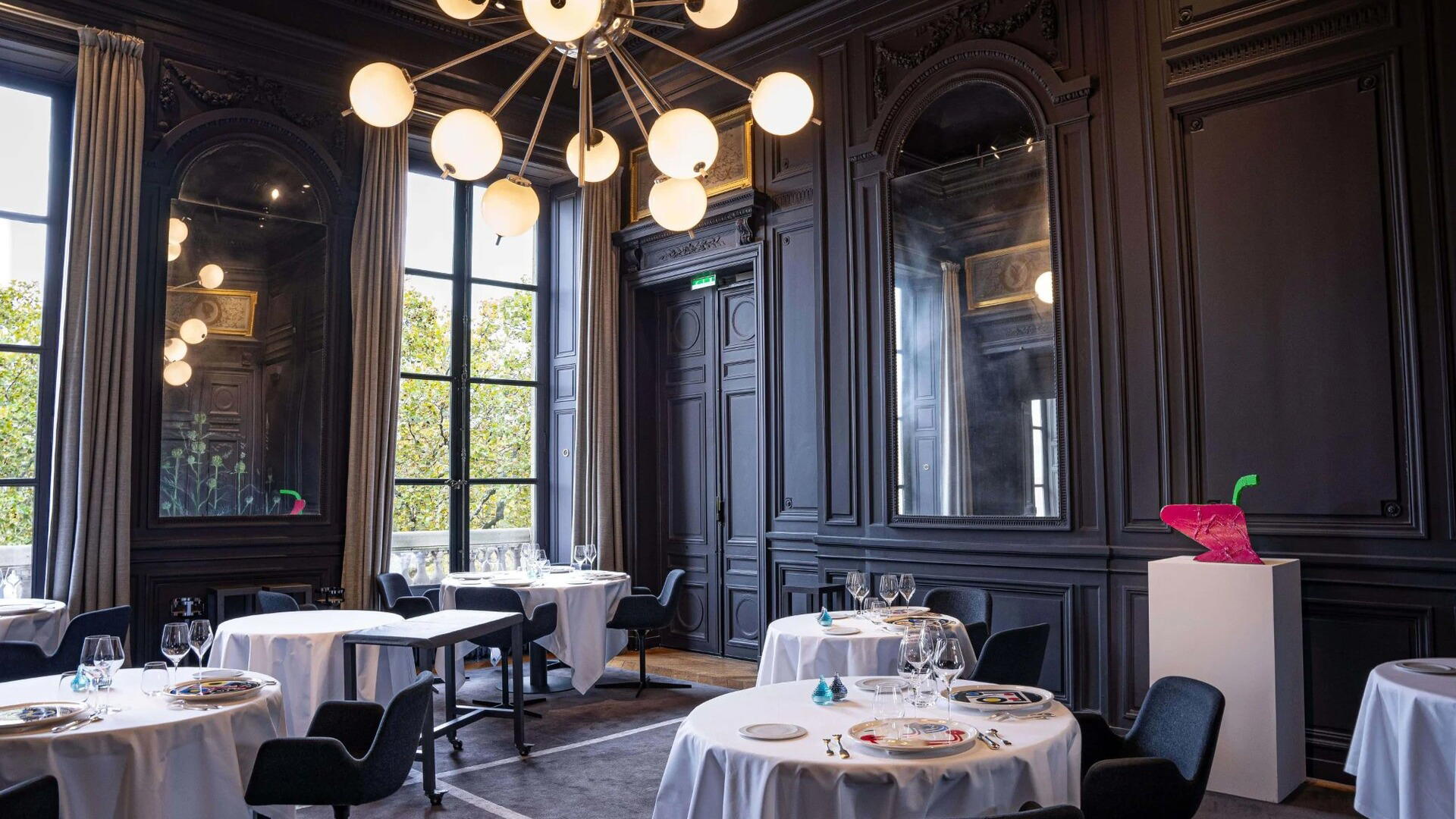
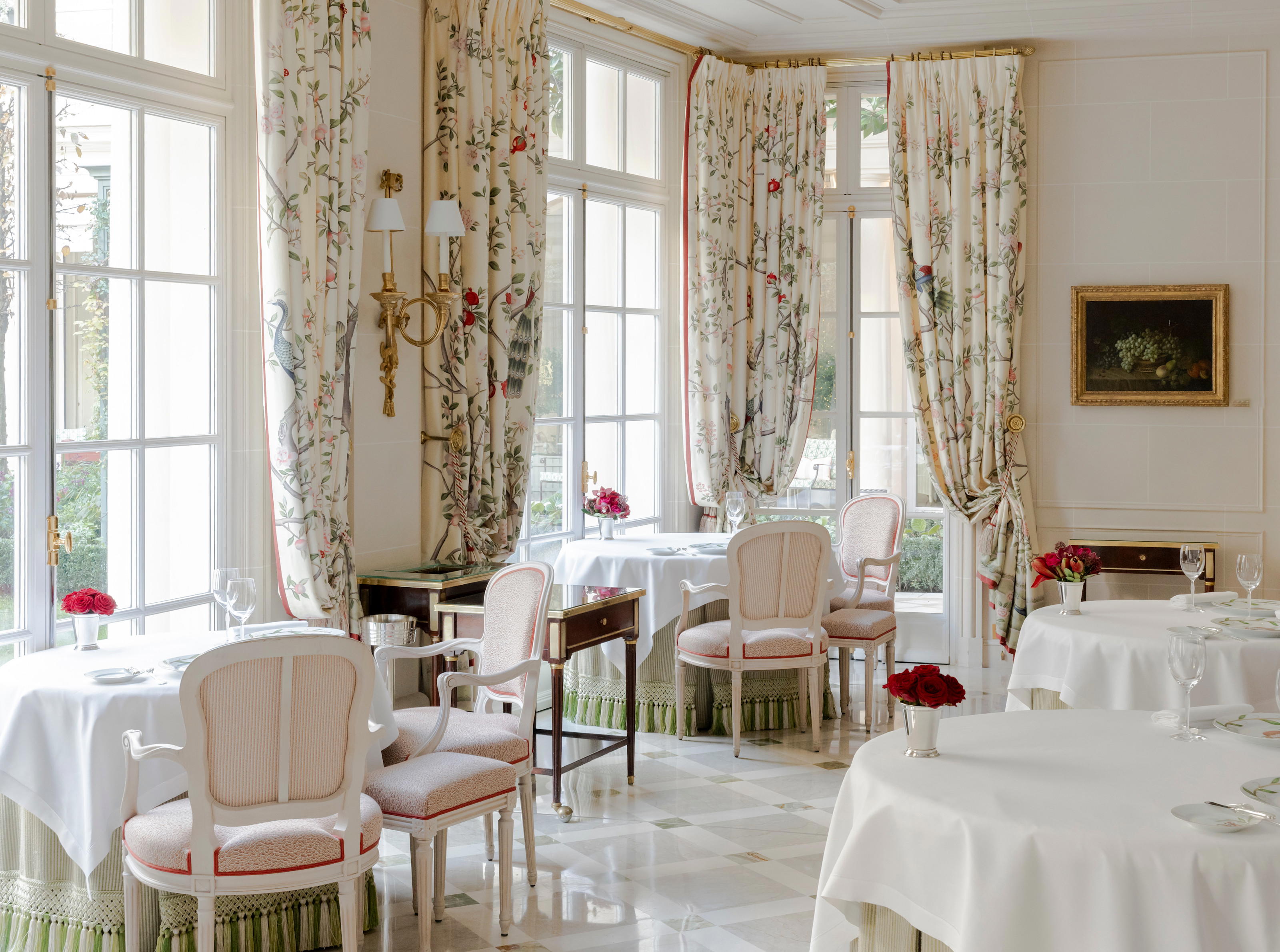
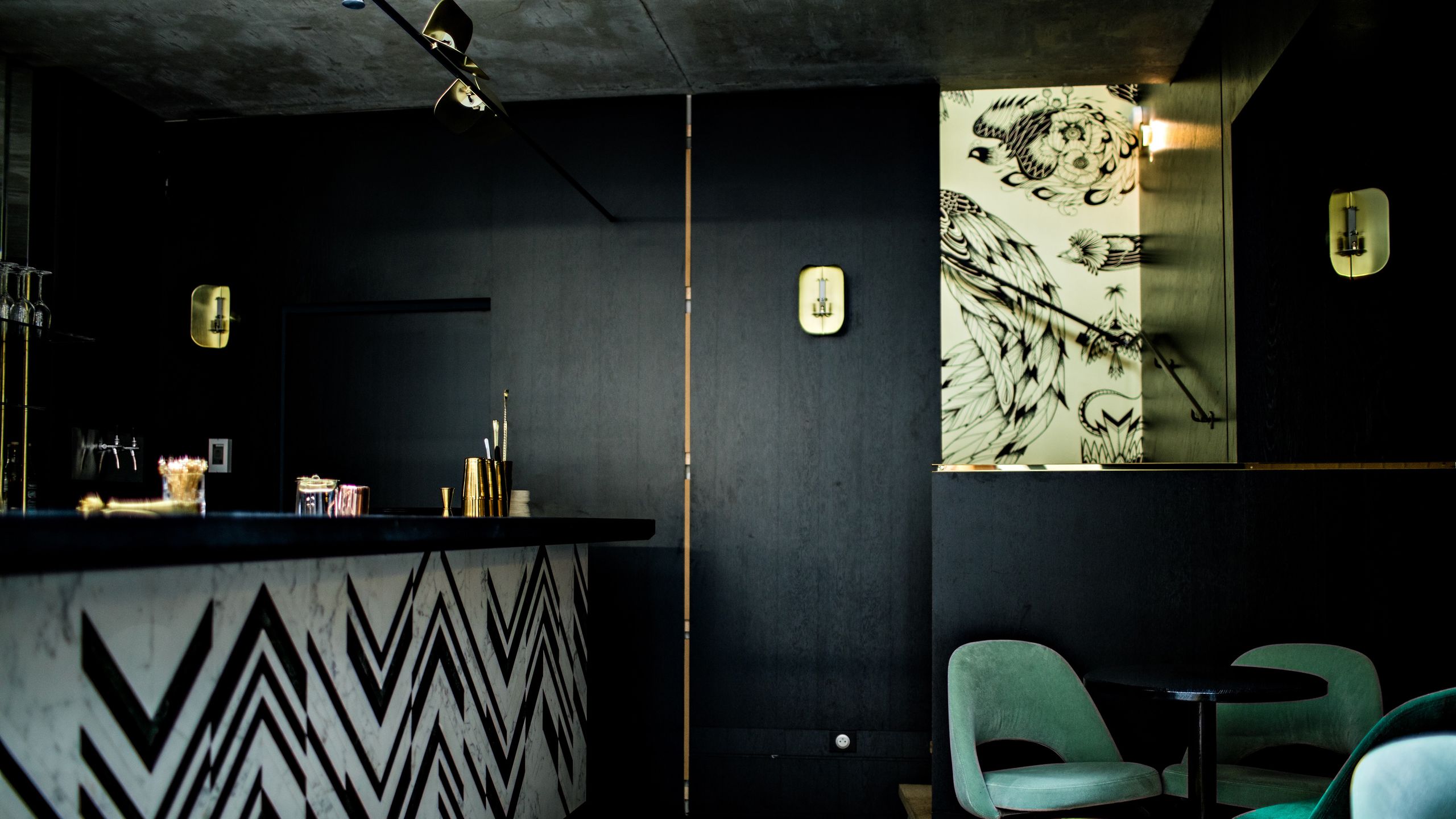
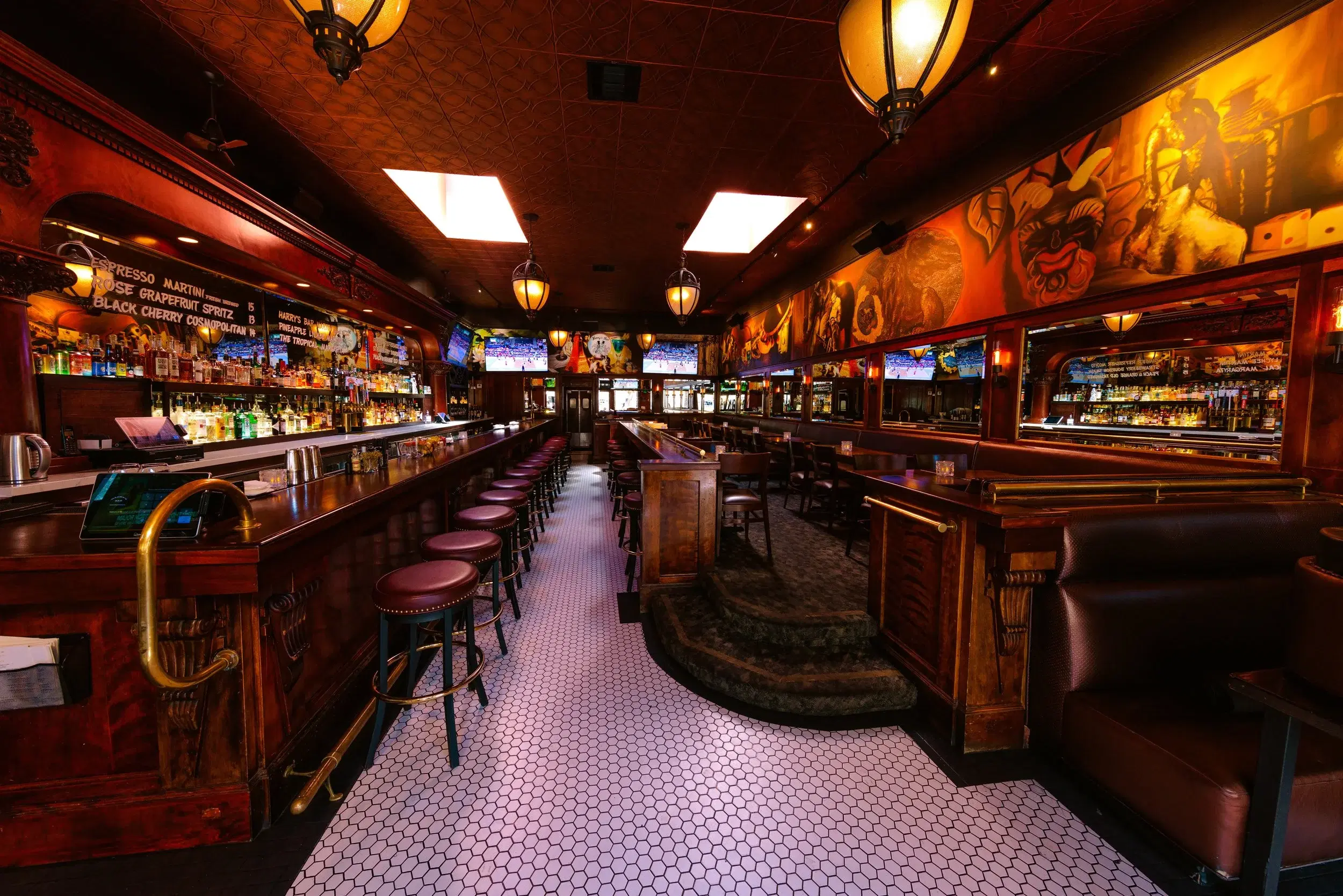
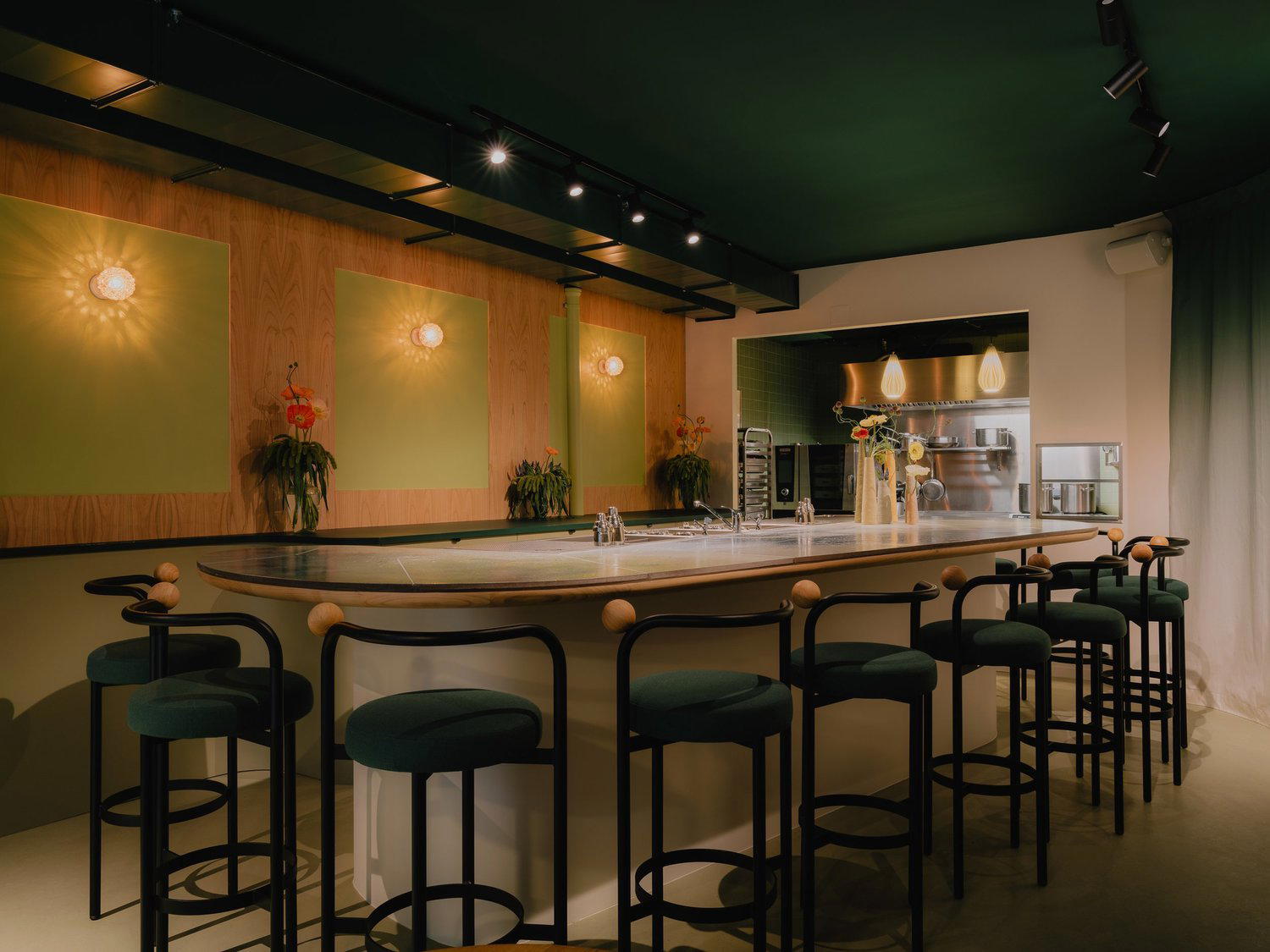
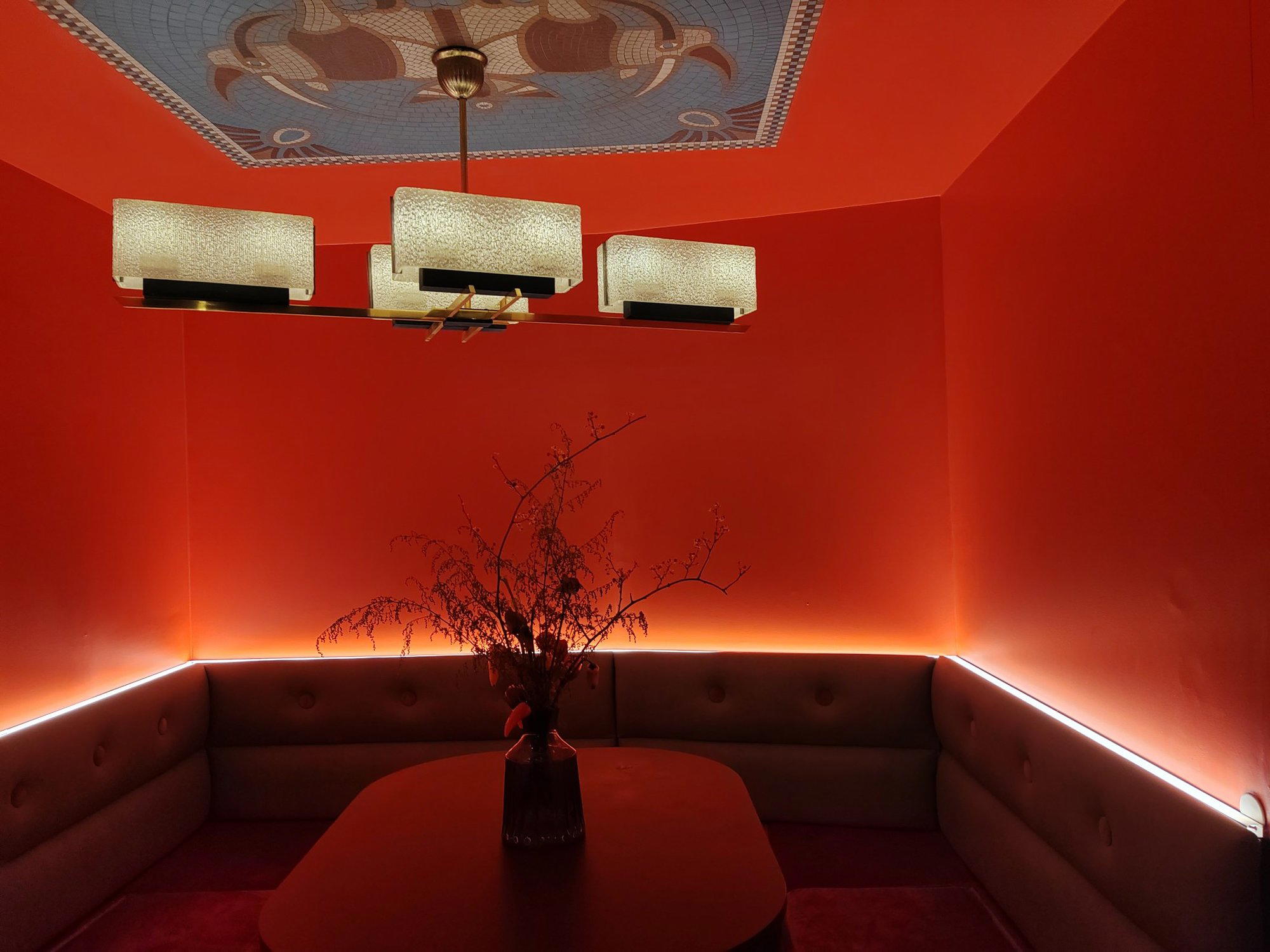
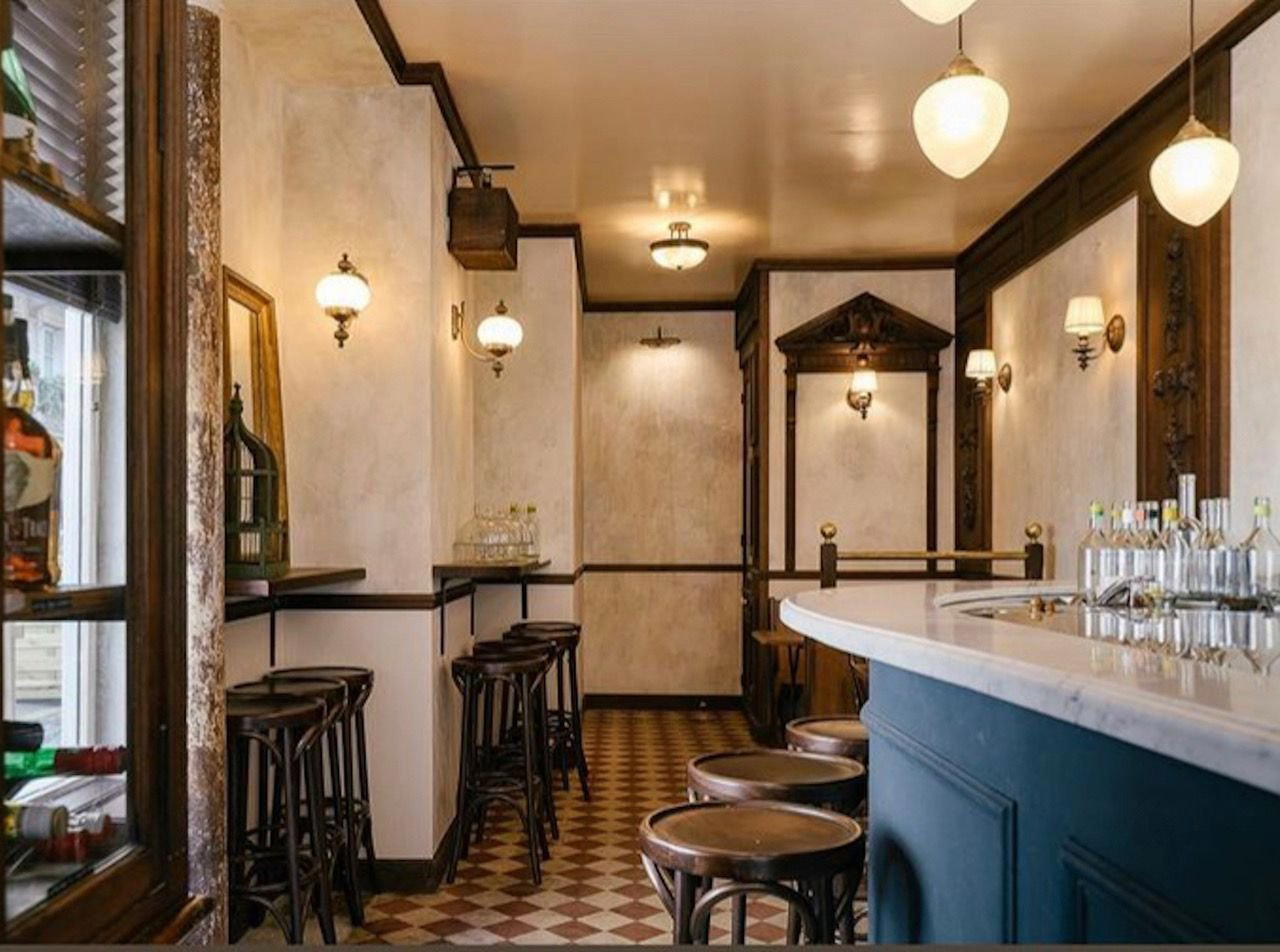
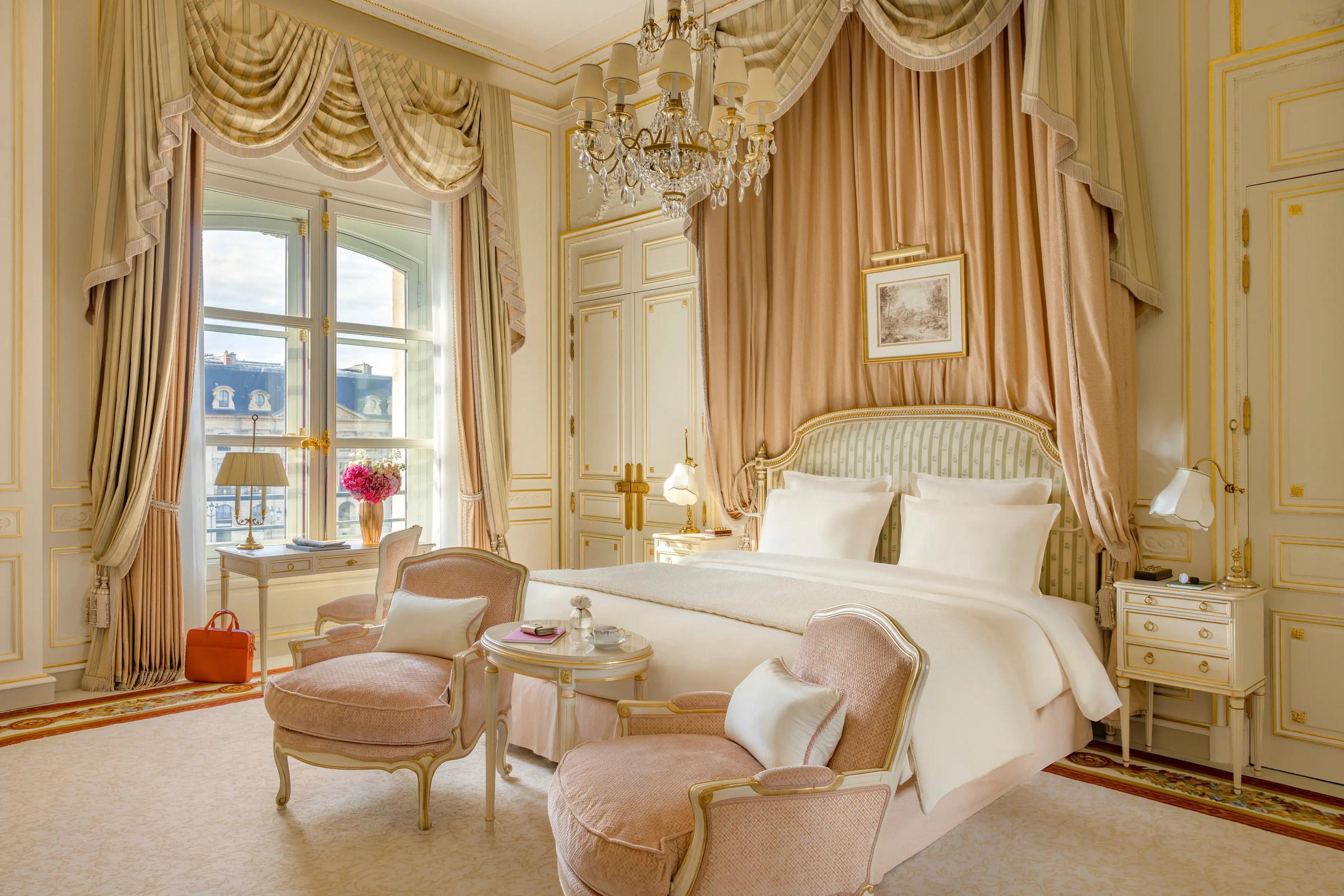
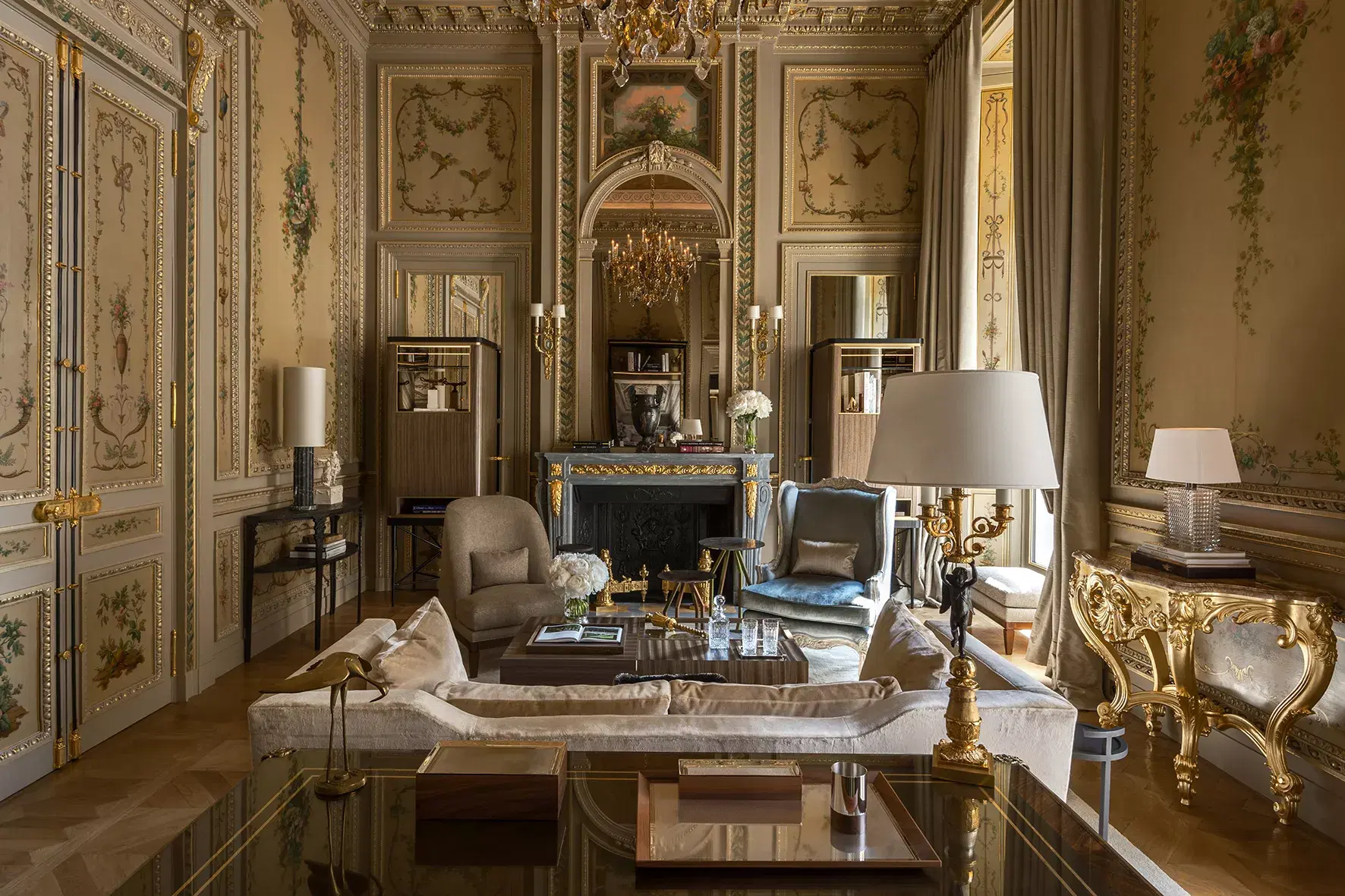
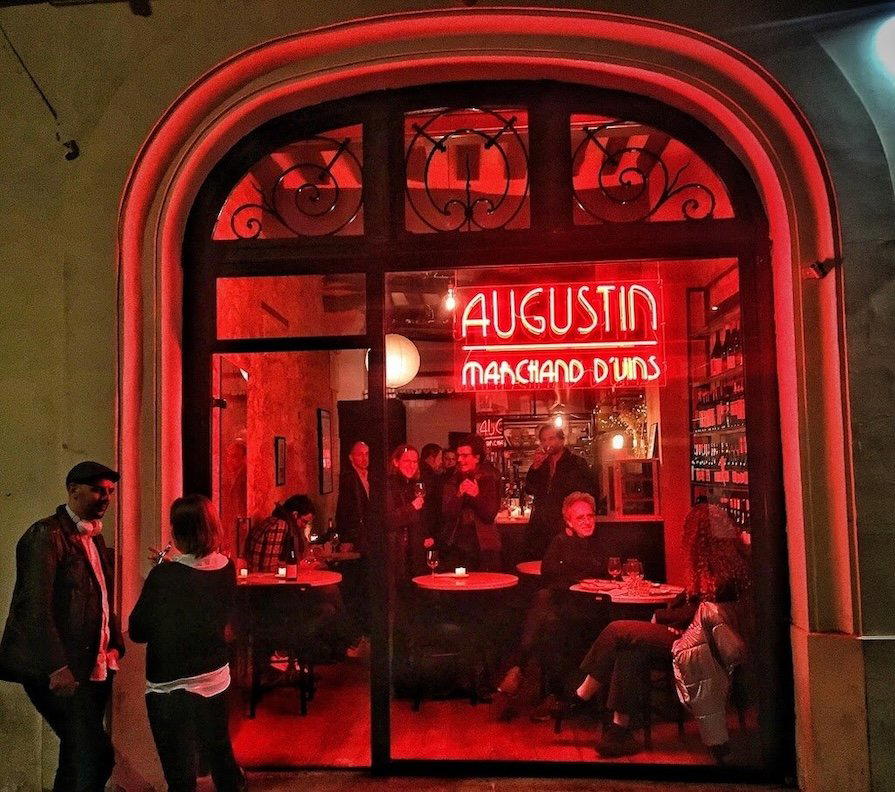
Warm and inviting with charming small tables along the passage alley, classical décor reflecting the Belle Époque setting, intimate yet lively atmosphere typical of a traditional Parisian bistro.