Cachet de Cire occupies a quiet address on Guldensporenlei in Turnhout, a city whose restaurant scene has grown steadily more sophisticated without attracting the same international attention as Antwerp or Ghent. The name itself, French for wax seal, signals a certain deliberateness, the kind of place that values the integrity of what arrives at the table over the noise of promotion.
Pearl is the En Primeur Club membership app — saves, bookings, and concierge access live there. Same editors, same standards.
- Address
- Guldensporenlei 23, 2300 Turnhout, Belgium
- Phone
- +32495848185
- Website
- cachetdecire.be
- Directions
- Get directions
 Saves & bookings on Pearl
A Street-Level Entry into Turnhout's Quieter Dining Register
Guldensporenlei is not a restaurant row. It is a residential address in Turnhout, the Kempen market town roughly 45 kilometres northeast of Antwerp, and the fact that Cachet de Cire sits there rather than on a more visible commercial strip says something about how this kind of Belgian dining tends to operate. The dining rooms that generate local loyalty in Flanders are rarely the ones with the prominent frontage. They build their audience by word of mouth and by the consistency of what is served, not by footfall. Cachet de Cire follows that pattern.
Turnhout itself is worth contextualising for visitors approaching from outside Belgium. It is a regional centre of about 45,000 people, more known historically for its playing-card manufacturing industry than for gastronomy. That has been changing. The city now holds a cluster of restaurants that range from mid-range neighbourhood dining to more considered tasting-menu formats. Hert, which works in Modern Flemish and Modern French registers at the leading price tier, and Bink, a Modern French address operating at the €€€ level, represent the sharper edge of that development. Amu and CucinaMarangon fill out the Italian and modern cuisine tiers below them.
Where the Food Comes From and Why That Question Matters Here
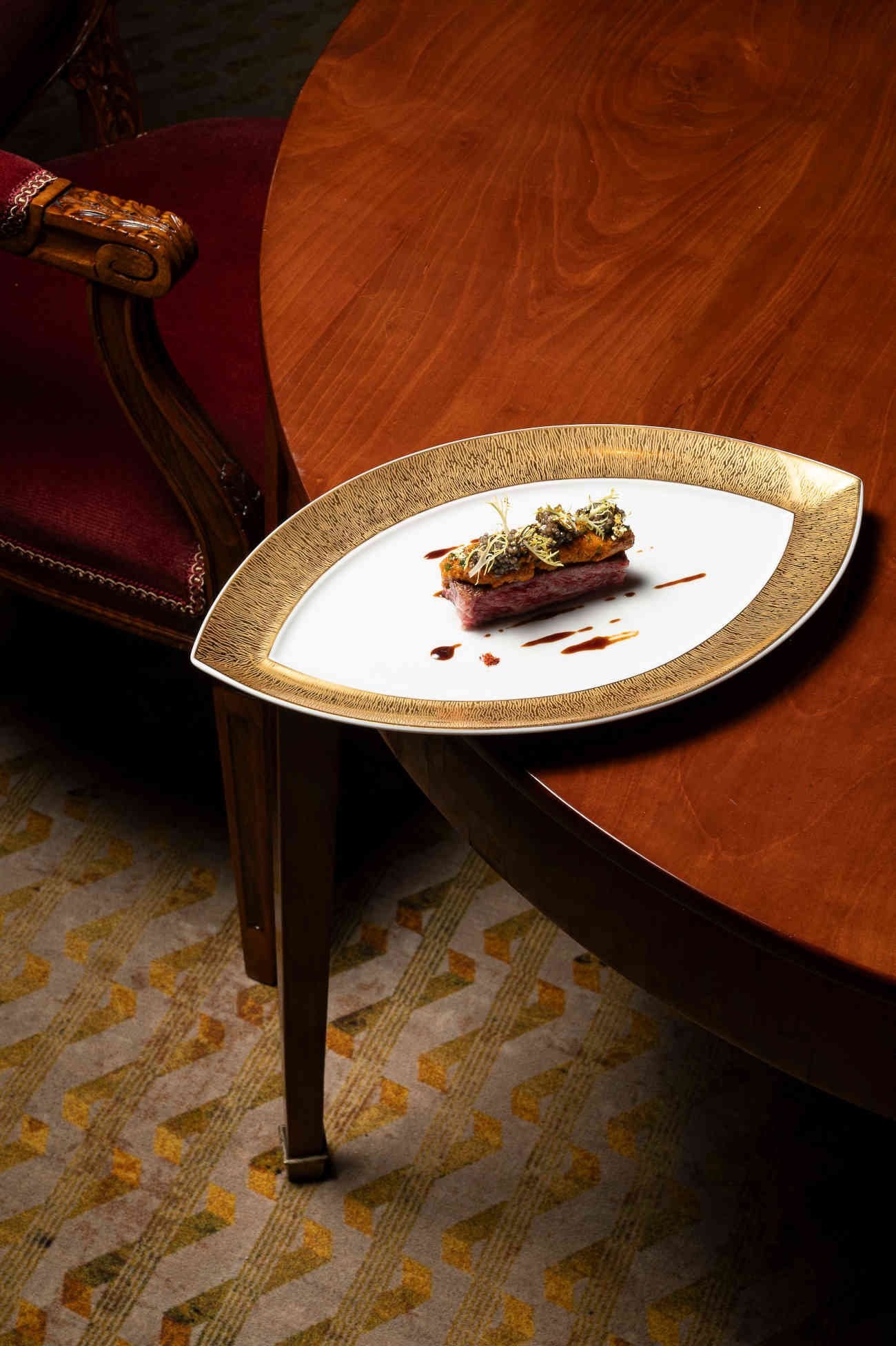
In Belgian fine and mid-fine dining, sourcing has become one of the clearest dividing lines between restaurants that are genuinely cooking and those that are merely assembling. The Kempen region, the sandy plateau that extends across northeastern Belgium into the Netherlands, is not especially agriculturally celebrated zone in the country. The polders around Bruges, the river valleys of the Ardennes, the market gardens of the Pajottenland, these tend to attract more attention from chefs who anchor their menus to terroir. But that gap is partly a function of storytelling rather than quality. Kempen producers, including small-scale vegetable growers, game suppliers from the surrounding heathlands, and artisan producers in the wider Antwerp province, have supplied serious kitchens for years without the narrative infrastructure that coastal or Wallonian ingredients typically receive.
For a restaurant like Cachet de Cire, positioned in the heart of that region, the sourcing question is both practical and editorial. What arrives on the plate in Turnhout is shaped by proximity to those Kempen networks, but also by the wider Belgian system of artisan supply that connects restaurants across Flanders to producers in Wallonia, to North Sea fish markets, and to the French border region that influences so much of Belgian kitchen culture. Belgium's leading dining addresses, Hof van Cleve in Kruishoutem, Boury in Roeselare, Zilte in Antwerp, each draw on regional specificity while operating within that shared national supply logic. A restaurant at Cachet de Cire's address and character sits within that same system, even if at a different point on the formality spectrum.
This matters for the diner because it frames expectations. Belgian restaurants of this type tend not to chase exotic imports or global ingredient trends. The discipline is in reading what is available locally, seasonally, and within the artisan networks that replenish weekly rather than on industrial schedules. Comparable dynamics play out at Willem Hiele in Oudenburg and Vrijmoed in Ghent, both of which have made sourcing integrity central to their identity.
Reading the Room: Formality and the Belgian Middle Register
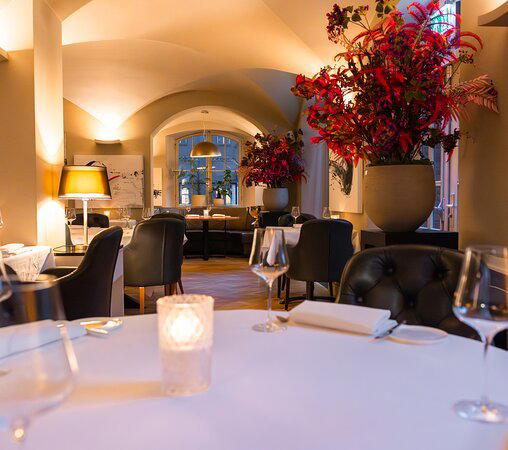
Belgian dining has a particular middle register that does not translate cleanly to French or Dutch equivalents. It is not brasserie informality, nor is it the white-tablecloth formality of a classic Michelin-starred room. It is a zone of considered hospitality where the service is attentive without being ceremonial, where the menu has genuine thought behind it, and where the wine list reflects some engagement with producer-led selections rather than purely commercial labels. Many of the country's most quietly admired rooms operate in this register: La Durée in Izegem, d'Eugénie à Emilie in Baudour, Cuchara in Lommel. These are not restaurants that compete for international attention. They compete for repeat local custom, which is a harder and more honest metric.
The restaurant's address on Guldensporenlei places it within that geography of discreet neighbourhood seriousness. It is not the kind of venue that needs a lobby or a social media presence to maintain its position. Its name, the wax seal, implies closure, privacy, and the sense that what happens inside stays and matters inside. That is a coherent identity for a Flemish town like Turnhout, where dining out remains more embedded in local social life than in tourism or destination-seeking.
For comparison, the more internationally visible end of Belgian dining, Bozar Restaurant in Brussels, or restaurants with profiles that travel as far as Le Bernardin in New York or Lazy Bear in San Francisco in terms of the dining conversation they generate, operates on entirely different logic. Turnhout offers restaurants for people who are already there, or who have good reason to make the trip.
Getting There and Planning Your Visit
Guldensporenlei 23 is a short walk or taxi ride from the station. Given that this address is in a residential area rather than a commercial district, it is advisable to confirm availability directly before visiting.
In Context: Similar Options
Comparable venues nearby, for context on price, style, and recognition.
| Venue | Cuisine | Price | Awards | Notes |
|---|---|---|---|---|
| Cachet de CireThis venue — the venue you are viewing | French-Belgian Fusion | $$ | Not listed | Not listed |
| Marché 17 | Modern French-Belgian Fine Dining | $$$ | Not listed | Grote Markt (City Center) |
| Bink | Modern French Bistro | $$$$ | Michelin Plate | Turnhout |
| Amu | Modern Belgian Fusion Tasting | $$ | Bib Gourmand | Turnhout center |
| Savoury | French-Belgian Fine Dining | $$$ | Michelin Plate | Turnhout |
| CucinaMarangon | Authentic Venetian Italian | $$$ | Michelin Plate | Turnhout center |
At a Glance
- Elegant
- Cozy
- Intimate
- Date Night
- Special Occasion
- Garden
- Extensive Wine List
- Garden
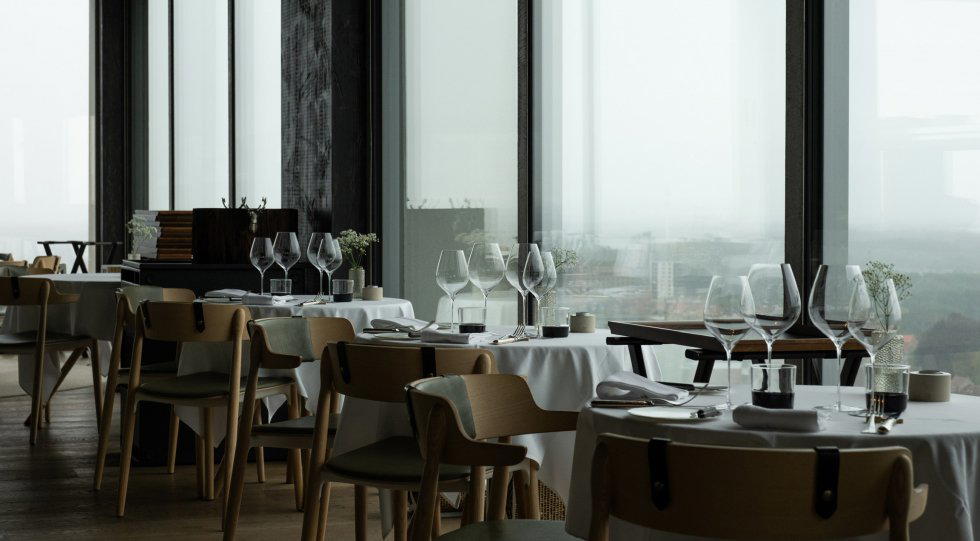
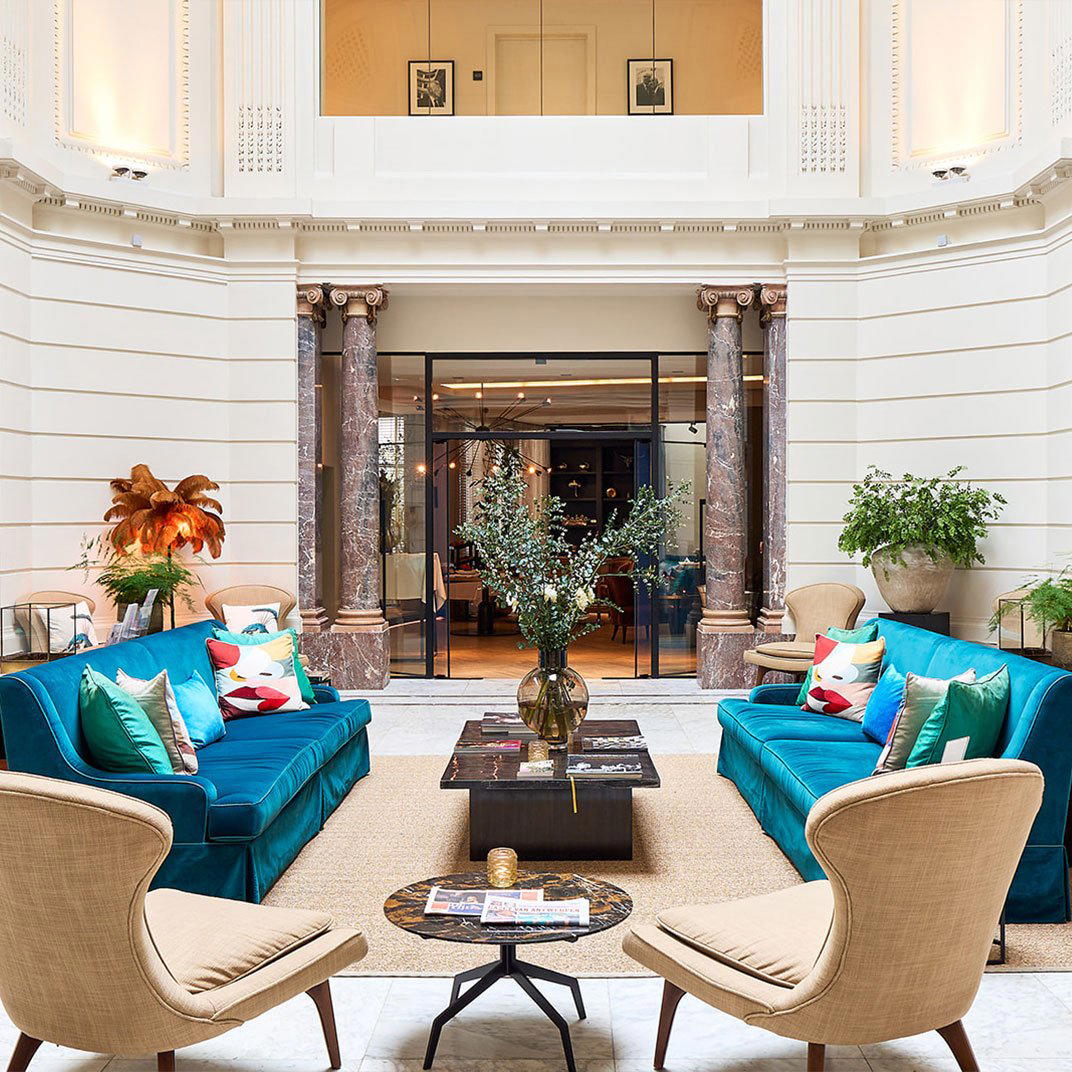
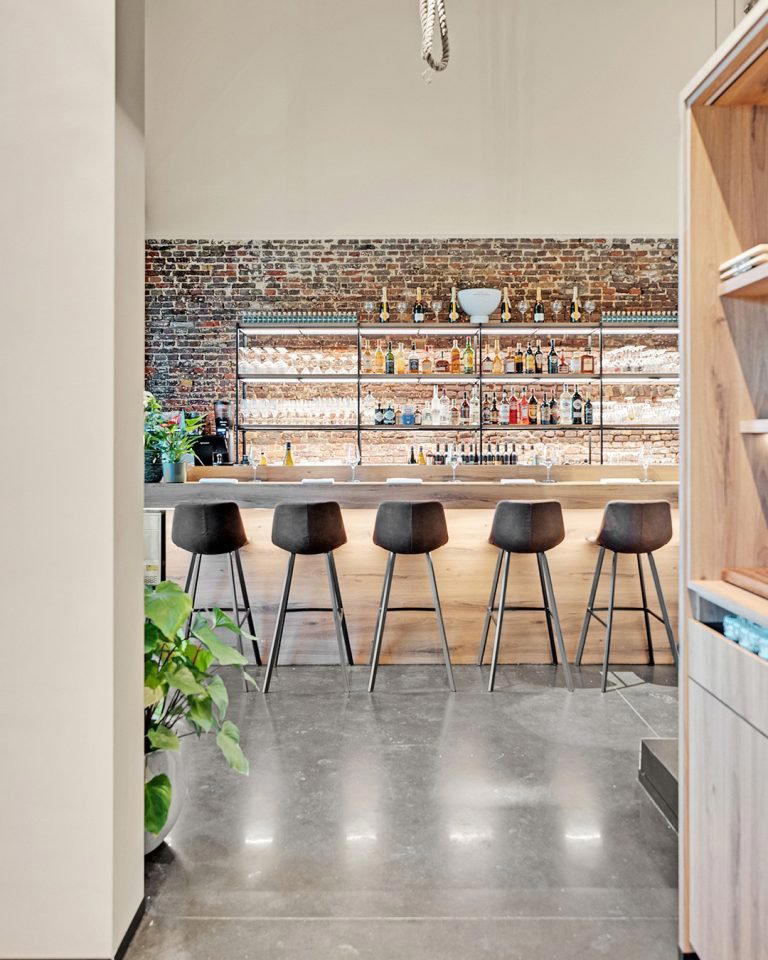
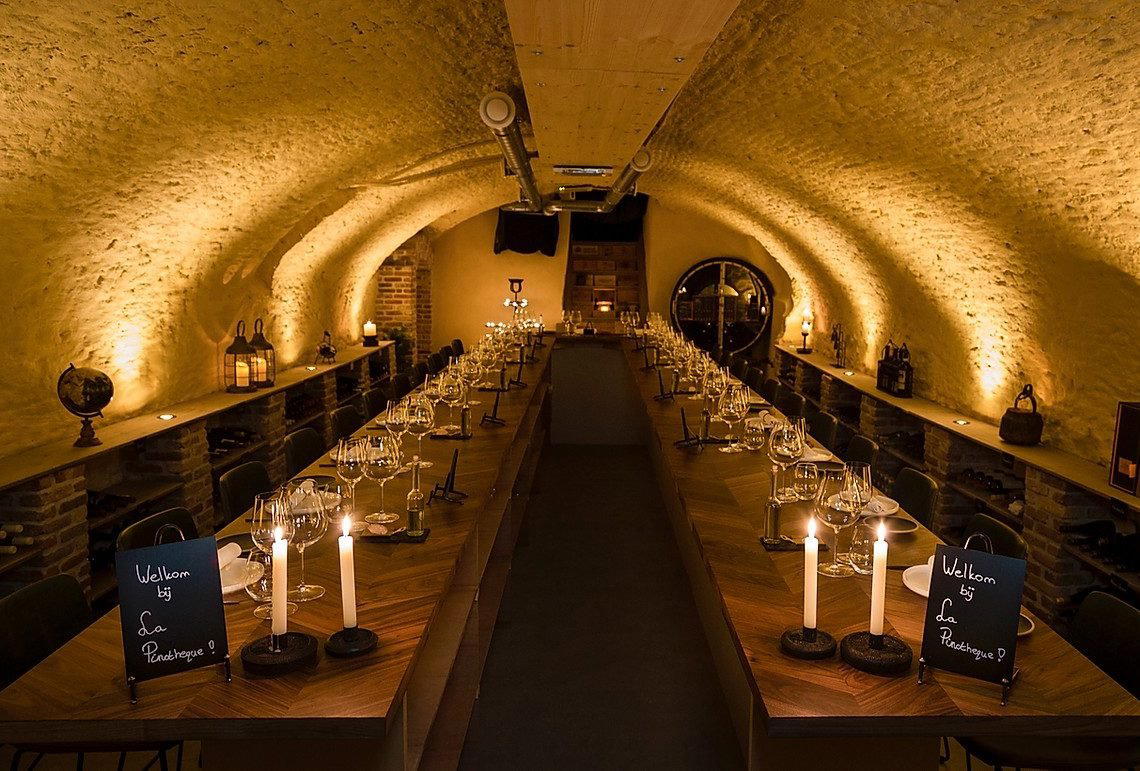
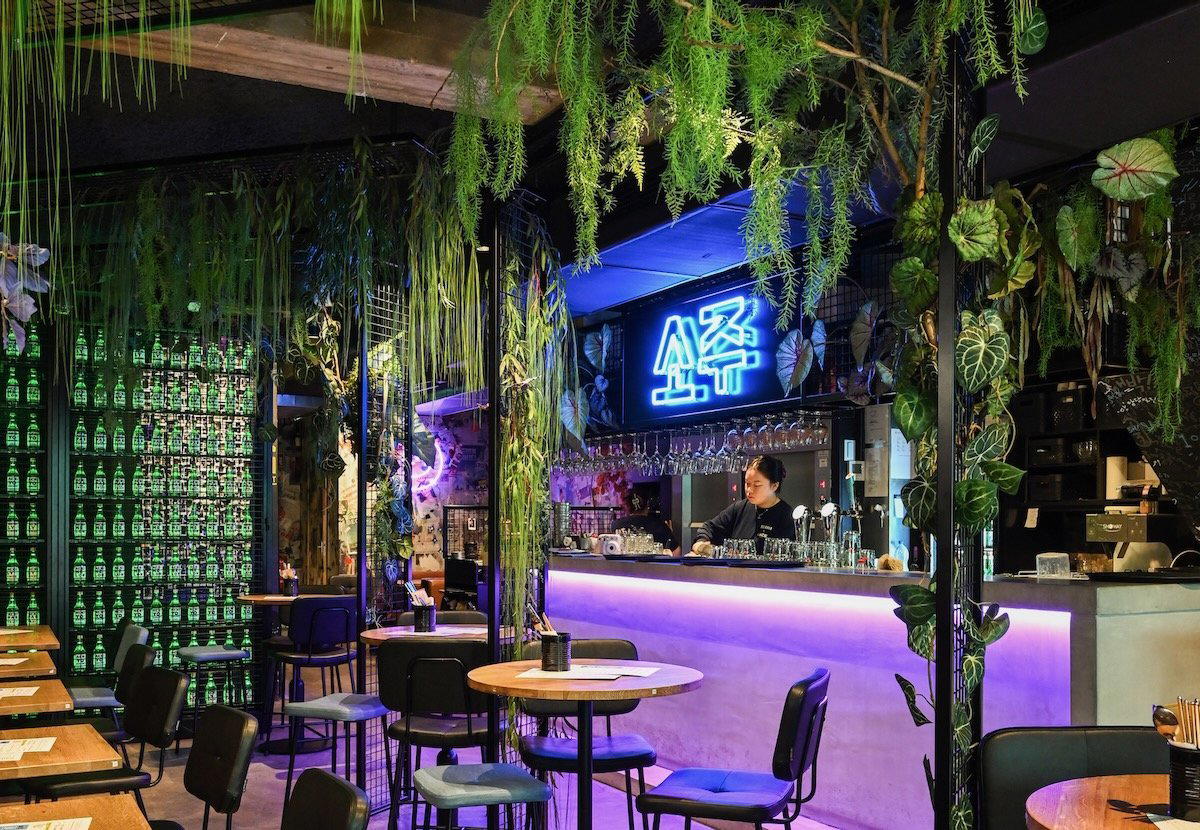
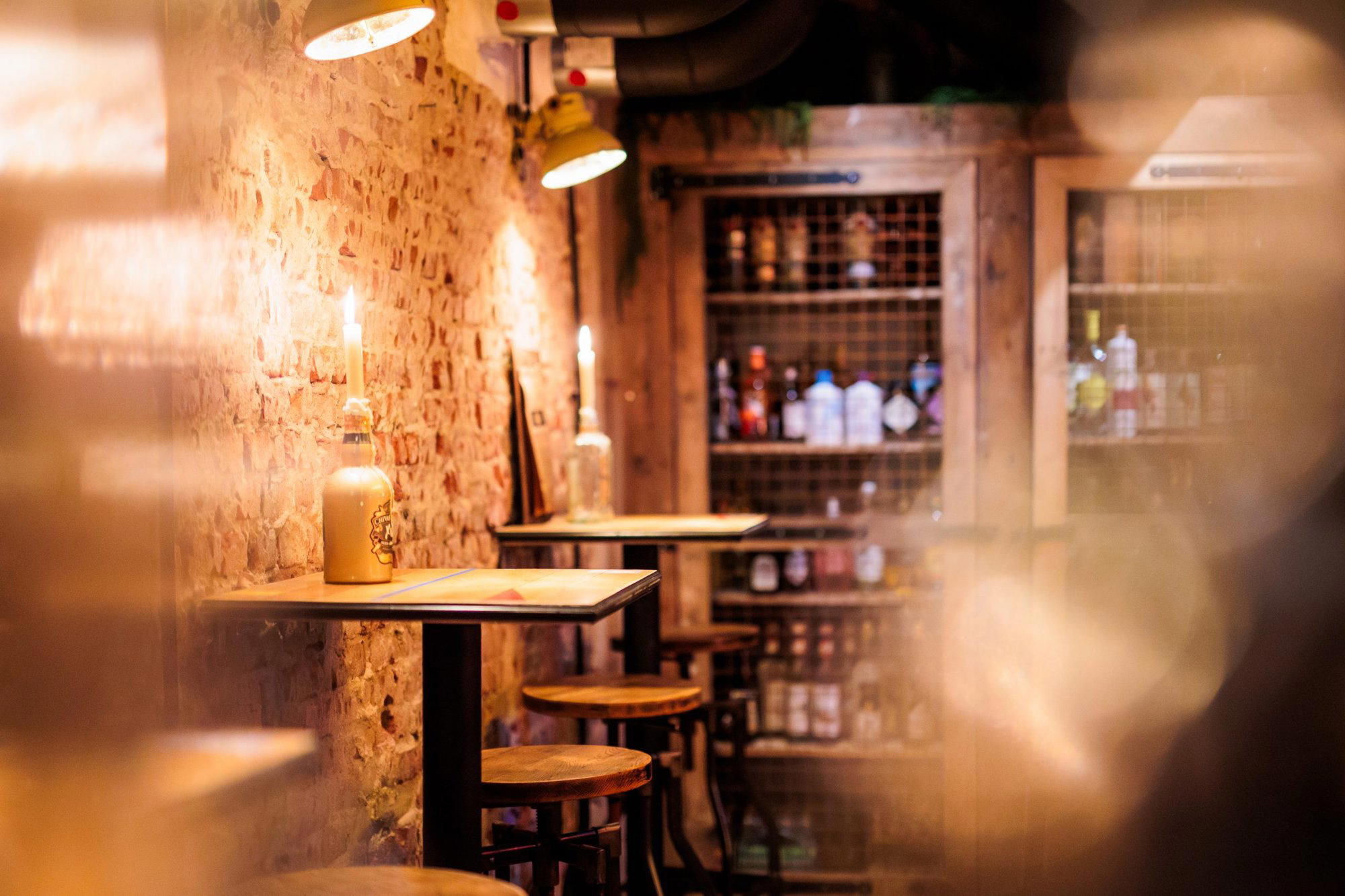
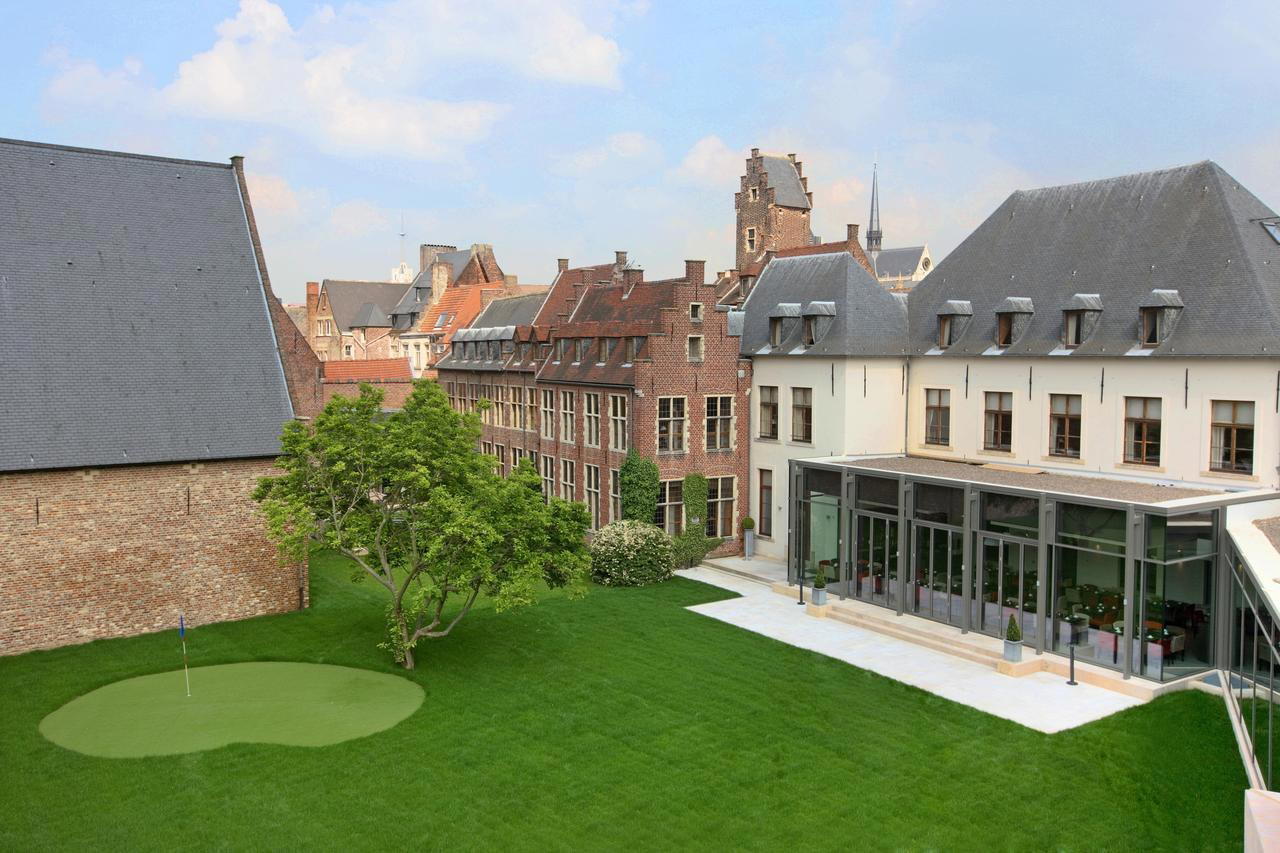
Cozy and elegant atmosphere with serene garden setting and impressive wine selection.