Cabo Vidio

Michelin Plate
Our verdict
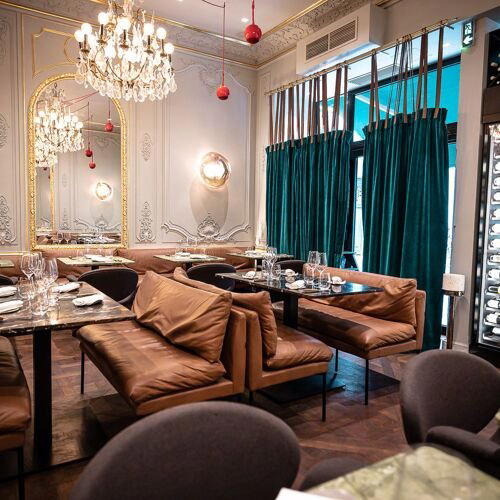
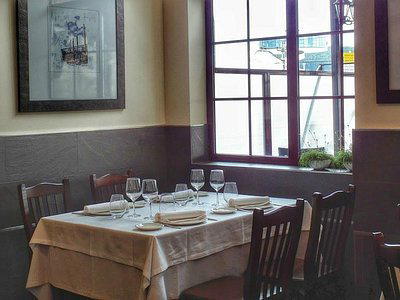
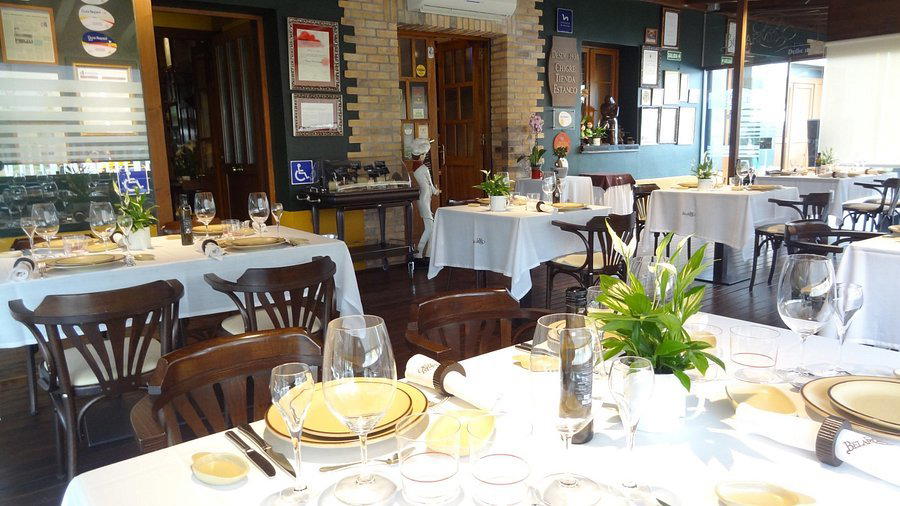
At Cabo Vidio, chef-proprietor Jairo López orchestrates a polished, deeply personal celebration of Asturian tradition, where seasonal seafood and mountain fare meet coastal elegance. From broad beans with cod cheek to spider crab cake and sea bream bathed in local cider, each dish is rooted in impeccable ingredients and rendered with quiet sophistication. A rustic-chic dining room opens onto a landscaped terrace, offering an intimate backdrop for leisurely lunches and candlelit dinners, with the option to share generous plates for two or savor individual portions—each an ode to the region’s enduring soul.

Pearl is the En Primeur Club membership app, where members save venues, book tables and use the concierge.
The menu
What to order
- Clams
- Fabada with cod cheeks
- Spider crab cake
Where the Asturian Coast Feeds the Kitchen
The A-8 motorway threads along the Cantabrian coastline with industrial efficiency, but exit 438 leads somewhere that operates at a different pace entirely. Cabo Vidio sits here, in a rustic-style dining room that opens onto a landscaped terrace, and the view from that terrace tells you something important before the food arrives. This is not a restaurant performing rurality as an aesthetic. The sourcing is the premise. Unlike the Basque Country, which has spent decades building a gastronomy export identity through restaurants like Arzak in San Sebastián and Azurmendi in Larrabetzu, or Catalonia's long run of international attention anchored by Aponiente in El Puerto de Santa María, the avant-garde signatures of DiverXO in Madrid, or the technical elaboration at Mugaritz in Errenteria all sit in a different category entirely, both in price and in ambition. Cabo Vidio's €€ price tier is not a consolation; it reflects a deliberate register. The kitchen is not attempting to reimagine the ingredients. It is attempting to source them well and cook them honestly. That is a harder brief than it sounds in a country that has made international headlines by doing the opposite. Comparable formats in other regions, such as Fahr in Künten-Sulz or Gannerhof in Innervillgraten, show that the regional cuisine category, when it holds to genuine local sourcing rather than loose thematic branding, earns recognition on its own terms.
Michelin Plate Recognition and What It Signals
Cabo Vidio has carried the Michelin Plate in both 2024 and 2025. The Plate sits below Star level in Michelin's hierarchy, but its meaning is specific: the inspectors consider the cooking good and the kitchen consistent. In a country where the Michelin guide's higher tiers are occupied by restaurants like Martin Berasategui in Lasarte-Oria, Cocina Hermanos Torres in Barcelona, and experiences in Soto de Luiña.enprimeurclub.com/restaurants/atrio-cceres-restaurant">Atrio in Cáceres and Ricard Camarena in València, both of which operate at the intersection of place-specific sourcing and serious kitchen discipline.
Frequently asked questions
What is the must-try dish at Cabo Vidio?
Is Cabo Vidio a family-friendly restaurant?
Is Cabo Vidio better for a quiet night or a lively one?
At-a-Glance Comparison
| Venue | Cuisine | Price | Awards | Notes |
|---|---|---|---|---|
| Cabo VidioThis venue (the venue you are viewing) | Traditional Asturian Seafood | $30–50 | Michelin Plate | Not listed |
| Aponiente | Avant-Garde Marine Seafood | $200–300 | 3 Michelin Stars · World's 50 Best #84 | Progressive - Seafood, Creative |
| Arzak | Contemporary Basque Fine Dining | $300–500 | 3 Michelin Stars · World's 50 Best #31 | Modern Basque, Creative |
| DiverXO | Avant-Garde Spanish Tasting Menu | $300–500 | 3 Michelin Stars · World's 50 Best #4 | Progressive - Asian, Creative |
| El Celler de Can Roca | Creative Catalan Fine Dining | $300–500 | 3 Michelin Stars · World's 50 Best #2 | Progressive Spanish, Creative |
| Quique Dacosta | Avant-Garde Spanish Fine Dining | $300–500 | 3 Michelin Stars · World's 50 Best #65 | Creative |
Recognition history
Dated appearances from independent guides and award organizations, with the underlying list record or original source where available.
Michelin Plate
Michelin
Full recognition history (3 entries)
Michelin Plate
Michelin
Michelin Plate
Michelin
Continue exploring
More in Soto de Luiña
Restaurants in Soto de Luiña
All restaurants in Soto de Luiña →
Hotels in Soto de Luiña
Browse all →
Details
- Rustic
- Cozy
- Intimate
- Family
- Special Occasion
- Terrace
- Local Sourcing
- Garden
- A La Carte
- Vegetarian Friendly
- Vegan Options
- Gluten Free Options
Rustic-style dining room with cozy, pleasantly surprising interior and charming terrace views.