Our verdict
ときの蔵 sits in Sabae, Fukui, a city better known for its eyeglass manufacturing than its dining rooms, at 2 Chome-2-1 Shinyokoe. Details on cuisine format, pricing, and reservations are limited in public records, making direct inquiry the most reliable first step. For broader context on where this fits within Fukui prefecture's understated food culture, see our full Sabae restaurants guide.

Pearl is the En Primeur Club membership app, where members save venues, book tables and use the concierge.
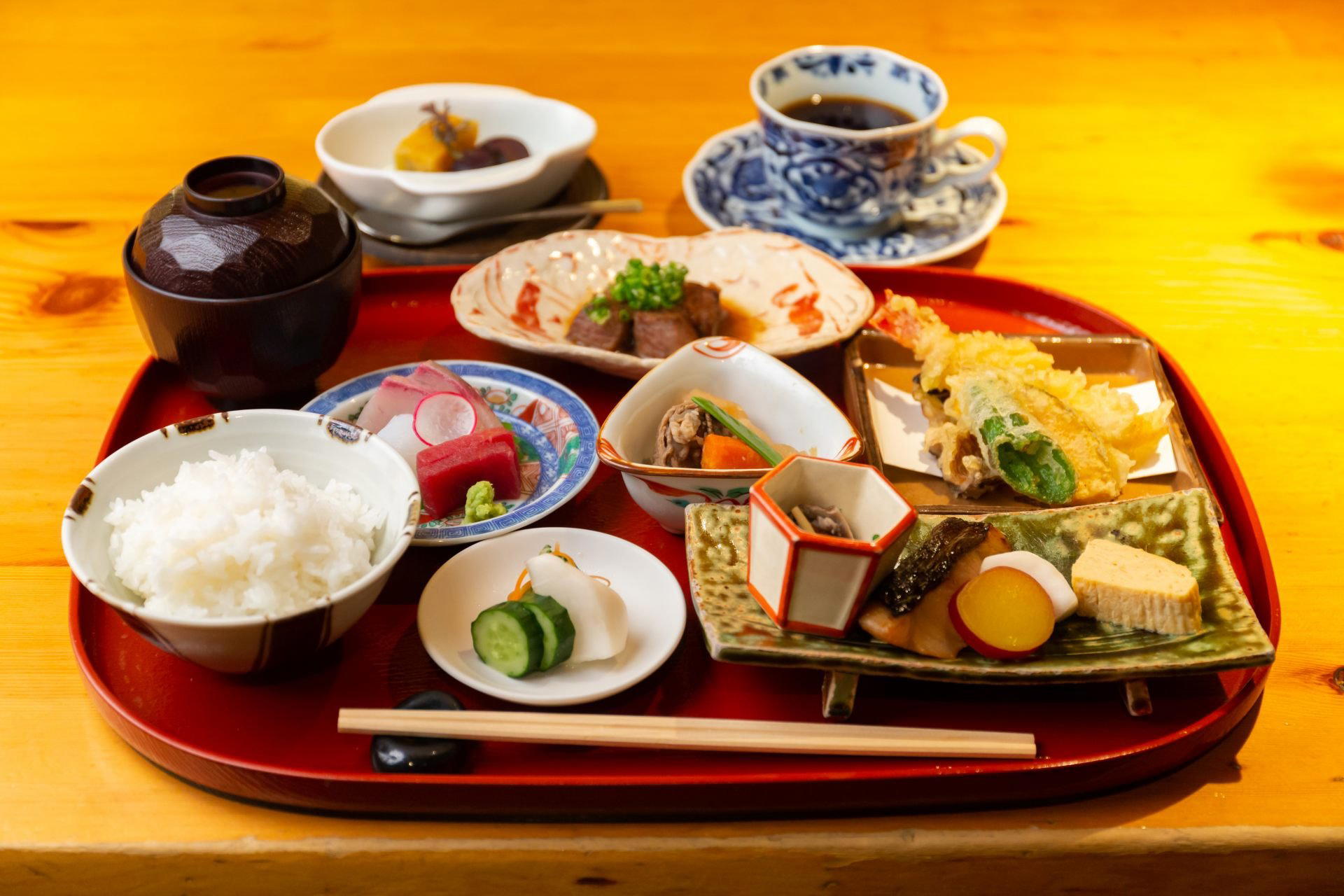
The menu
What to order
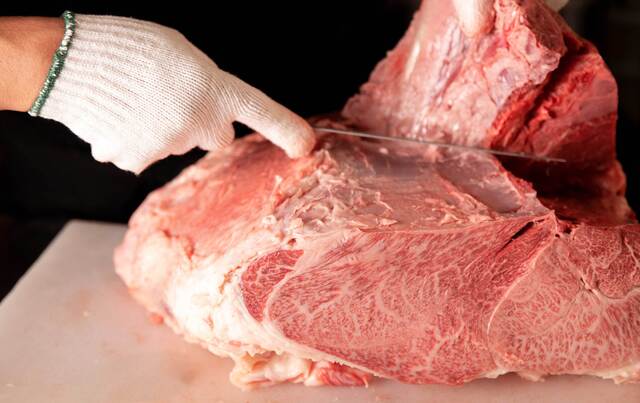
- Wakasa beef
- Nodoguro
- Sasakarei
Sabae, Fukui, and the Question of Provincial Dining in Japan
Fukui prefecture occupies a particular place in the geography of Japanese dining: far enough from the Osaka-Kyoto-Tokyo triangle that it rarely appears in international food coverage, yet close enough to premium seafood routes along the Sea of Japan coast that serious kitchens have always had access to exceptional raw material. Sabae specifically is a manufacturing city, its eyeglass industry accounts for roughly 90 percent of Japan's domestic frames production, which means its restaurant culture developed for residents and local industry rather than for food tourists. That context matters when reading a venue like 乾龍飯店 or ときの蔵: these are not places that emerged to serve a culinary tourism circuit. They exist because people who live and work in Sabae want to eat well.
Provincial Japanese dining often operates on terms that differ substantially from the flagship kaiseki or omakase model legible to international visitors. In cities like Osaka, where HAJIME in Osaka operates at the ¥¥¥¥ tier with French-innovative credentials, or in Tokyo, where Harutaka in Tokyo anchors a premium sushi counter format, the competitive set is internationally legible and award-documented. In Sabae, the reference points are local: neighbourhood regulars, seasonal ingredients from nearby Wakasa Bay, and the kind of continuity that doesn't require a Michelin listing to sustain a loyal room.
ときの蔵: Address, Access, and What the Record Shows
ときの蔵 is located at 2 Chome-2-1 Shinyokoe, Sabae, Fukui 916-0042. Sabae Station on the JR Hokuriku Main Line is the logical arrival point; the Hokuriku Shinkansen extension, which opened in March 2024 connecting Kanazawa to Tsuruga with stops at Fukui and Sabae, has materially changed access from Tokyo and the Kansai region. A journey that previously required multiple transfers now runs considerably faster, which has begun shifting Fukui prefecture from a destination requiring genuine planning commitment into one approachable on an extended itinerary through the Hokuriku corridor.
Public records on ときの蔵 are sparse. The our full Sabae restaurants guide provides broader context on where individual venues sit within the city's food culture.
The Cultural Weight of Place-Based Dining
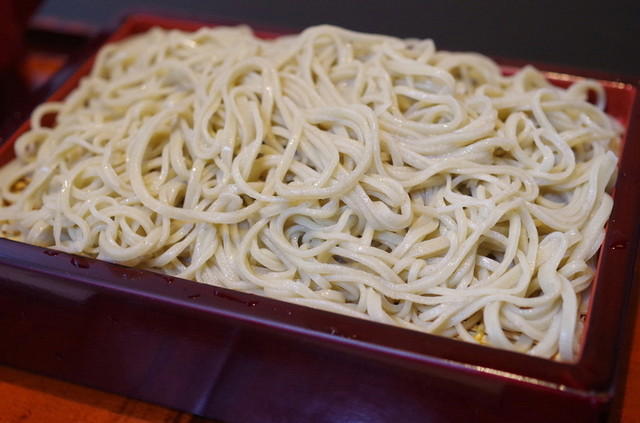
Japan's food culture has always distributed its seriousness unevenly across geography, and that unevenness is a feature rather than a flaw. The kaiseki tradition that reaches its most formalised expression at venues like Gion Sasaki in Kyoto did not emerge from urban competition alone, it drew on centuries of regional ingredient culture, temple cooking, and the particular aesthetic sensibility of specific places. Fukui sits within that tradition as a prefecture with its own food identity: echizen crab (越前ガニ) from the Sea of Japan, heshiko (mackerel preserved in rice bran), and soba with a distinct local character rooted in the prefecture's buckwheat-growing history.
A restaurant operating in this environment, even one with limited public documentation, is embedded in that material culture whether or not it makes explicit claims to it. The proximity to Wakasa Bay and the Hokuriku coast gives Sabae kitchens access to seafood that would command premium positioning in a Tokyo or Osaka context. In Fukui, that access is structural rather than aspirational. For comparison, consider that similarly regional but well-documented venues along the broader Sea of Japan corridor, such as 一本木 成川制 in Nanao in Ishikawa prefecture, draw on the same coastal supply networks that define Hokuriku's ingredient story.
That broader regional dynamic extends southward along the Japan Sea coast toward venues like 滋賀庄屋 in Takashima and inland toward the Lake Biwa basin, where food culture reflects a different but equally specific geography. In each case, the ingredient logic of the region precedes the individual restaurant. The venue is where that logic becomes edible.
How Sabae Fits the Hokuriku Dining Circuit
The March 2024 shinkansen extension is the most significant structural change to Fukui's visitor access in a generation. Before it, Fukui and Sabae required deliberate routing; the prefecture's dining culture was essentially invisible to international itineraries built around speed and convenience. That is beginning to shift. Food-focused travellers building itineraries through Kanazawa, which has its own mature dining scene with venues like 夕付山乃 in Sapporo operating in comparable regional contexts further north, now have a structurally easier path through Fukui prefecture.
For travellers already committed to deep regional Japan itineraries, Sabae sits between Fukui city to the north and Tsuruga to the south. The city itself does not have the visible dining infrastructure of Kanazawa or Kyoto, but that absence is part of the point: venues here operate for local demand rather than tourist positioning, and that tends to produce a different quality of hospitality, less performative, more grounded in the actual rhythms of the place. Similar dynamics appear in other small-city contexts across Japan, such as 広羽屋 in Nishikawa Machi, where the absence of tourist infrastructure shapes the dining experience in ways that cities with established food tourism circuits cannot replicate.
For international context on what high-commitment regional dining can look like, the kind of research and travel required to reach venues operating outside major food capitals, akordu in Nara and Goh in Fukuoka offer useful reference points on how non-primary Japanese cities have built dining reputations that reward the extra distance.
Planning Your Visit
Given the limited public documentation for ときの蔵, practical planning requires direct engagement. The venue's address at 2 Chome-2-1 Shinyokoe is the confirmed anchor; Sabae Station provides the logical transit connection, now significantly more accessible via the Hokuriku Shinkansen. For travellers building a broader Hokuriku itinerary, Fukui city, Awara Onsen, and Echizen pottery villages are all within reasonable reach and add cultural texture to a Sabae stop. The our full Sabae restaurants guide provides updated context as new information becomes available.
Frequently asked questions
Is ときの蔵 child-friendly?
Sabae is a manufacturing city rather than a tourist-oriented dining destination, and most restaurants in smaller Fukui cities are built around local residents rather than visiting families. Without documented seating format or menu style for ときの蔵, suitability for children depends on what you learn when contacting the venue directly. The address at 2 Chome-2-1 Shinyokoe places it in a residential-commercial district, which typically signals a neighbourhood-facing operation rather than a formal dining room with age restrictions.
What should I expect atmosphere-wise at ときの蔵?
Sabae's dining rooms are built for the working population of a city better known for eyeglass manufacturing than food tourism, so expect spaces oriented toward regulars rather than visitors. That usually means functional, unfussy interiors without the performance of destination restaurants in Kyoto or Tokyo. The name ときの蔵, broadly translating to 'warehouse of time', suggests a space that leans into local character, though the precise format is best confirmed before arrival.
Is ときの蔵 worth visiting as a day trip from Fukui City or via the Hokuriku shinkansen?
The March 2024 Hokuriku shinkansen extension brought Fukui and Sabae into the Tokyo-accessible corridor for the first time, which changes the calculus for visitors building a regional itinerary. Sabae Station on the JR Hokuriku Main Line sits close to the Shinyokoe address, making ときの蔵 reachable without a car. For travellers moving between Kanazawa and Fukui City, Sabae is a logical stop rather than a detour.
What should I order at ときの蔵?
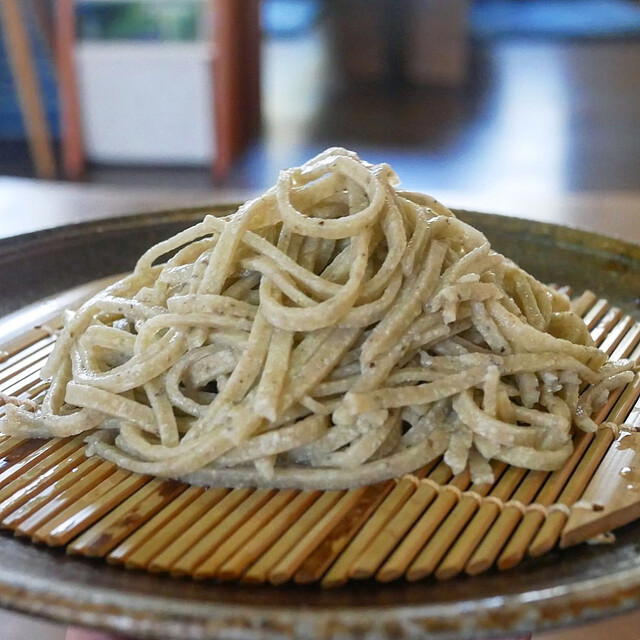
Fukui prefecture's strongest culinary argument is its access to the Sea of Japan seafood corridor, crab, in particular, is a Hokuriku staple, alongside soba traditions that are taken seriously in this part of Japan. If the kitchen is regionally focused, those would be the natural anchors, but confirming the cuisine style directly with the venue before visiting is the only reliable approach.
Where do I go for ときの蔵?
ときの蔵 is located at 2 Chome-2-1 Shinyokoe, Sabae, Fukui 916-0042, Japan, Sabae.
How hard is it to get a table at ときの蔵?
Sabae has no significant food tourism infrastructure, which means most restaurants in the city operate on local demand rather than advance reservation queues from outside visitors. That pattern usually makes booking accessible for out-of-town guests, though it also means fewer English-language booking channels. Reaching ときの蔵 at its Shinyokoe address directly, or through your hotel's concierge if arriving via the Hokuriku shinkansen, is the practical path.
Booking and Cost Snapshot
Comparable venues nearby, for context on price, style, and recognition.
| Venue | Cuisine | Price | Awards | Notes |
|---|---|---|---|---|
| ときの蔵This venue (the venue you are viewing) | Seasonal Japanese Izakaya | $30–50 | Not listed | Not listed |
| 九龍飯店 | Sabae, japanese | Not listed | Not listed | Not listed |
| Kamezou | Handmade Soba & Sake | $10–20 | Tabelog 100 #63 | Higashisabae, Handmade Soba & Sake |
| Kara Semi Tei (空蝉亭) | Specialty Tonkatsu with Aged Pork | $30–50 | Tabelog 100 #50 | Kamigyo-ku, Specialty Tonkatsu with Aged Pork |
| 石垣島きたうち牧場 浜崎町本店 | Hamasaki, Ishigaki Premium Yakiniku | Not listed | Not listed | Not listed |
| Ootoku | Seafood Japanese with Sea Views | $30–50 | Not listed | Mikuni Minato, Seafood Japanese with Sea Views |
Continue exploring
More in Sabae
Restaurants in Sabae
All restaurants in Sabae →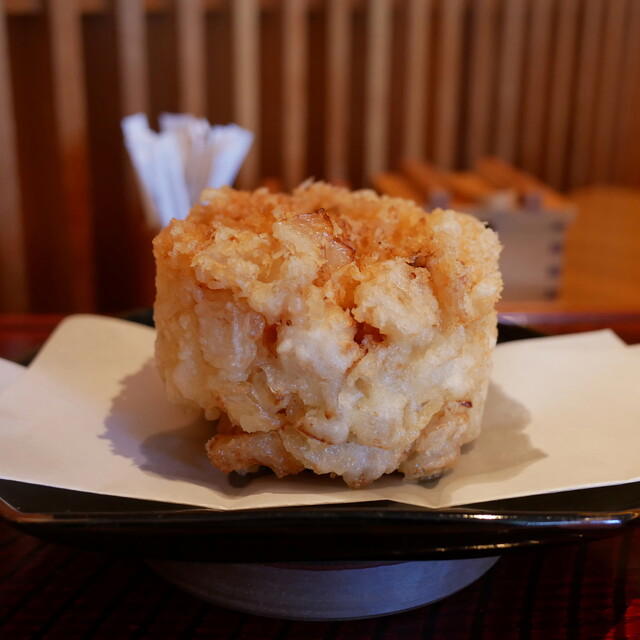
Details
- Classic
- Cozy
- Rustic
- Special Occasion
- Business Dinner
- Sake Program
- Local Sourcing
- A La Carte
Current opening hours
- Monday
- Closed
- Tuesday
- 11:30 AM–1:30 PM, 5:30–10 PM
- Wednesday
- 11:30 AM–1:30 PM, 5:30–10 PM
- Thursday
- 11:30 AM–1:30 PM, 5:30–10 PM
- Friday
- 11:30 AM–1:30 PM, 5:30–10 PM
- Saturday
- 5:30–10 PM
- Sunday
- Closed
Hours can change for holidays and private events. Hours as of .
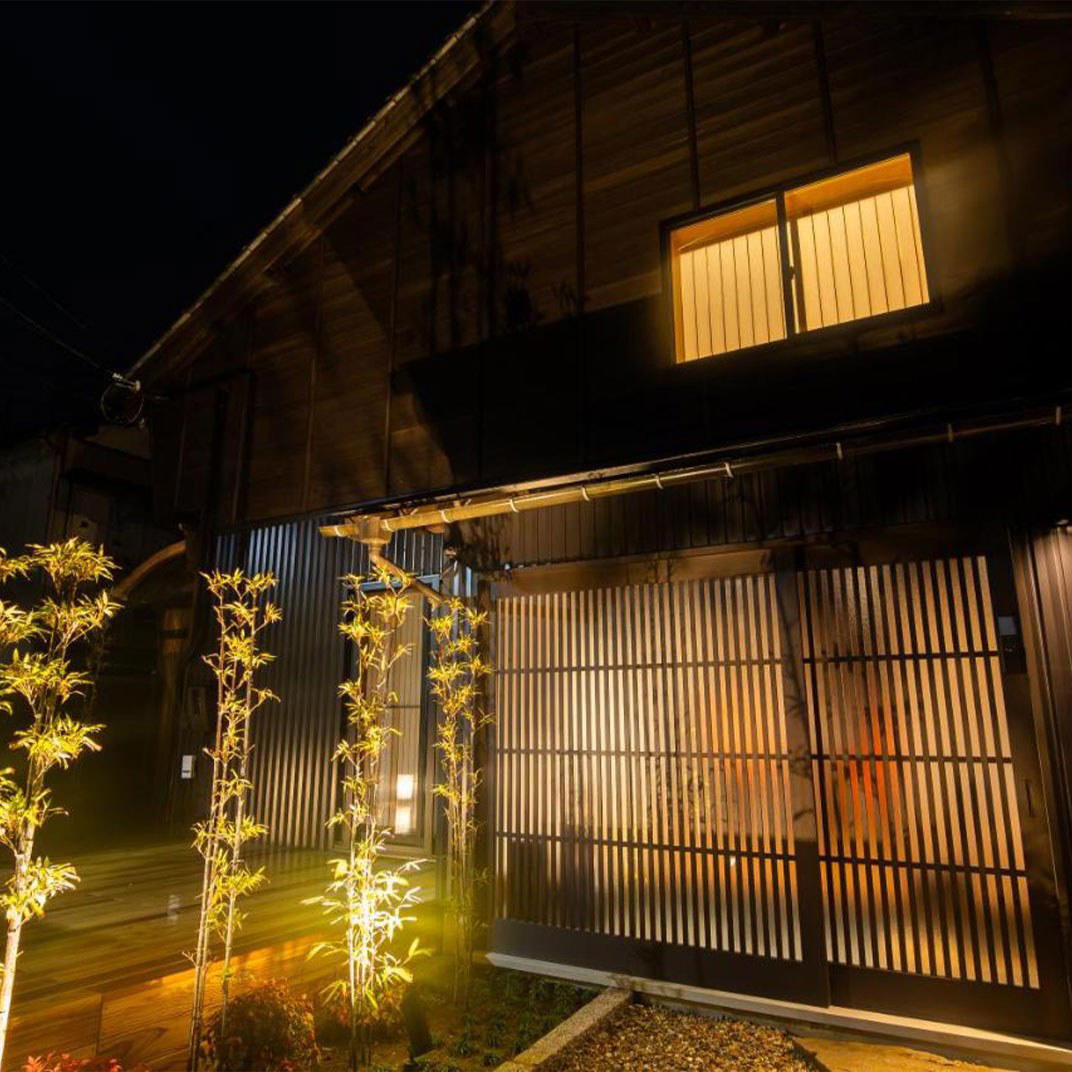
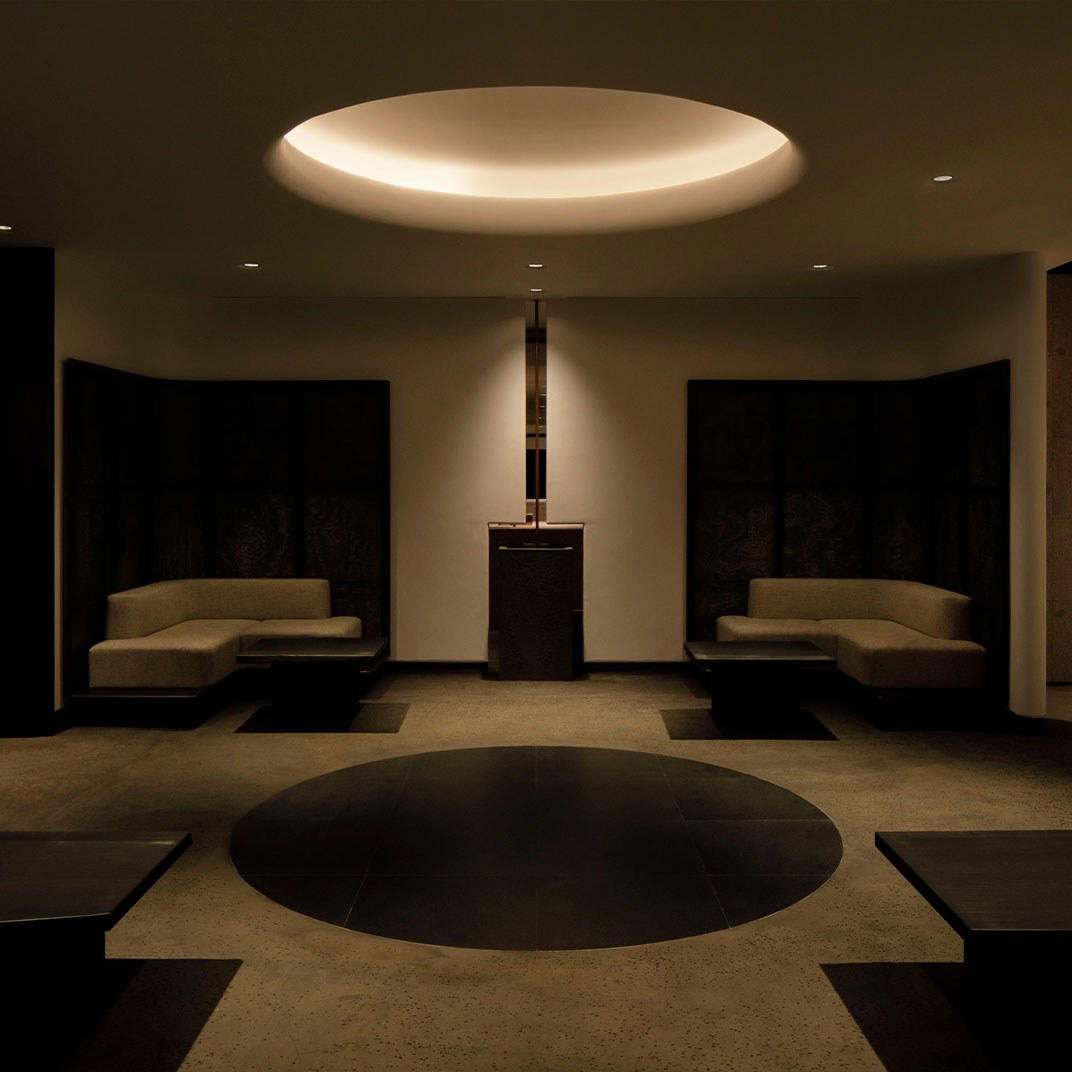
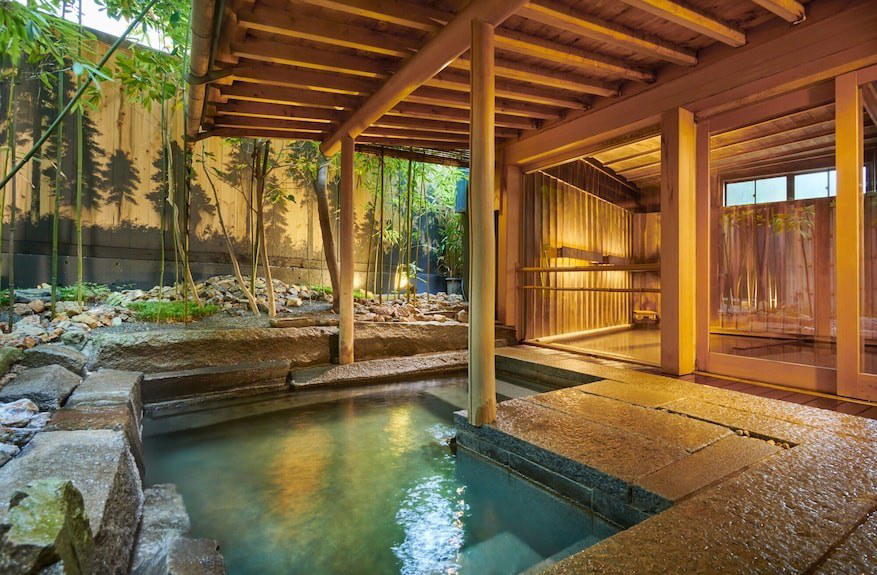
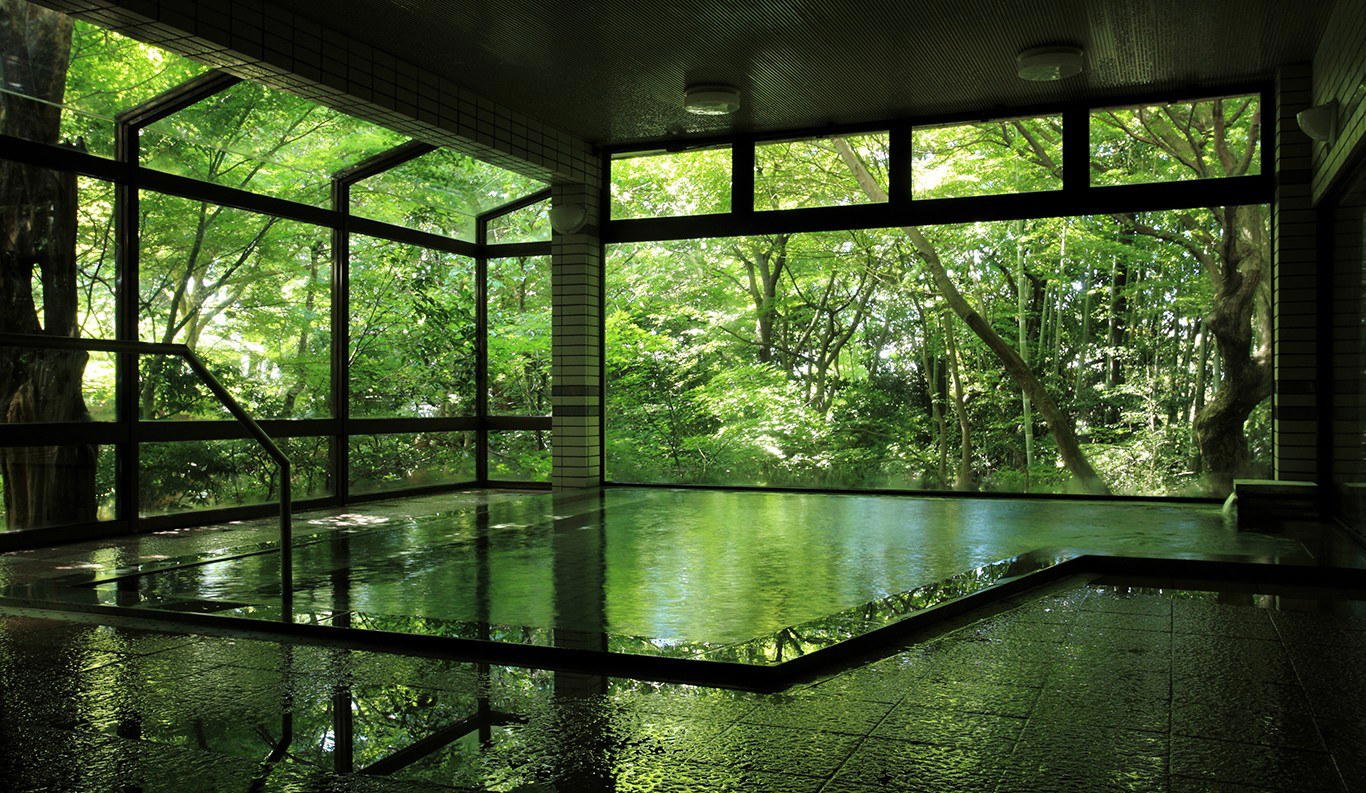
Impressive traditional kura-style interior evoking a cozy, classic Japanese atmosphere.