
Tabelog 100 #61
Our verdict
Mahoroba gives Fukui’s ramen scene a compact, counter-led reference point rather than a destination built on ceremony. Its Tabelog Ramen WEST “Tabelog 100” selections in 2024 and 2025 place it within a regional conversation where sourcing, broth discipline, and everyday pricing matter more than luxury signals.

Pearl is the En Primeur Club membership app, where members save venues, book tables and use the concierge.
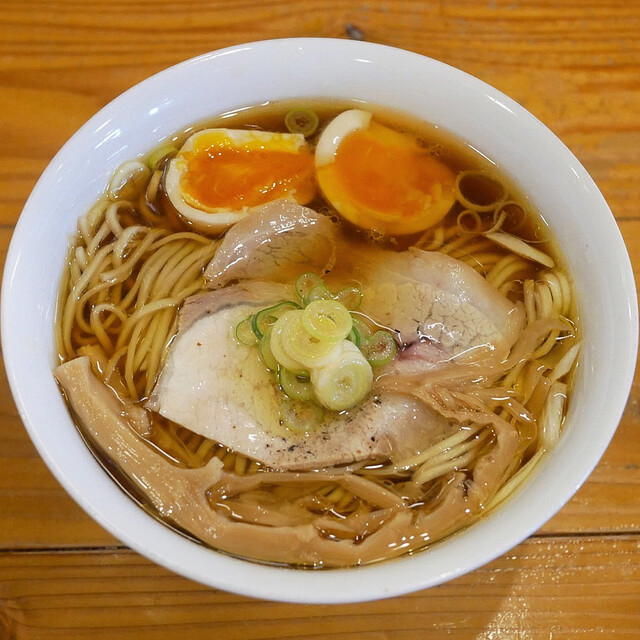
Approaching a recognised ramen venue in provincial Japan rarely needs to feel theatrical. The cues are usually straightforward: diners focused on the bowl, a service style built around directness, and attention placed on the ramen rather than on ceremony. In fuchi, where dining culture is less export-facing than in Tokyo, Osaka, or Kyoto, that informality matters. Ramen here is judged less by spectacle than by repeatability: how broth, noodles, seasoning, and the overall bowl hold their line across service.
Mahoroba sits inside that tradition with a format that reads as practical rather than performative. It is best understood as a focused ramen setting rather than a tasting-menu production. That framing suits ramen, a category where precision is often measured through timing, balance, and small adjustments rather than multi-course pacing. Its 2025 Tabelog Hyakumeiten recognition gives the shop a clear external credential, especially in a region where national attention often concentrates on larger food cities.
fuchi ramen, judged by sourcing discipline rather than spectacle
Western Japan’s ramen conversation is broad: richer broths, lighter bowls, seafood-driven soups, and local interpretations all compete for attention. The stronger shops are not simply louder or heavier. They tend to show discipline in structure, with broth and seasoning doing the work before toppings enter the frame. Mahoroba’s 2025 recognition places it within a ramen-specific field, not only against other local addresses.
That distinction is useful for travellers. fuchi is not a ramen tourism shorthand in the way Sapporo is for miso or Hakata is for tonkotsu, so a recognised shop here offers a different kind of read on Japanese ramen culture. It shows how serious everyday cooking can sit outside the usual metropolitan circuits. The appeal is not luxury. It is the chance to see how a regional ramen venue can compete in a category where ingredient clarity, broth balance, and consistency matter more than elaborate service language.
The sourcing angle is especially important because ramen is often misunderstood as a cheap, casual bowl first and a supply-chain dish second. A convincing bowl depends on repeated choices: base, seasoning, noodle type, fat level, and how these elements hold together at service speed. Without inventing a house recipe, the meaningful point is that recognition in a ramen-specific list normally rewards that integrated craft. In this tier, ingredients are not decoration; they determine whether the bowl has shape.
A small-room format built for direct, everyday dining
The dining format says a great deal about the shop’s role in the city. Ramen supports a direct rhythm: enter, order, eat with focus, leave. The same kind of venue can also work for different kinds of diners when timing and space allow, which broadens the audience without changing the category. In a Japanese ramen context, that balance matters because many serious shops are defined by the bowl rather than by extended service rituals. Here, the editorial read is focused rather than ceremonial.
Travellers should treat the experience accordingly: simple, local, and more dependent on timing than on concierge infrastructure. The useful preparation is not to over-plan the meal as a luxury reservation, but to approach it as a ramen stop in fuchi. That is often the strength of the category. The value comes from the bowl itself, the speed of execution, and the way a kitchen holds consistency through ordinary service.
Compared with fuchi’s more formal dining addresses, including references such as Kaikatei or 料亭 開花亭, this is a different value equation. Those names point toward regional dining traditions with more ceremony or broader menus; ramen compresses the argument into a single-bowl format. The comparison is useful because it clarifies what Mahoroba is not trying to be. It is not a long lunch or a private-room meal. It is a focused, accessible encounter with a Japanese category that can be technically demanding while remaining democratic.
How to place it within a fuchi eating itinerary
For visitors building time in and around fuchi, Mahoroba works better as a calibrated stop than as the centrepiece of an entire day. The award signal justifies attention for ramen-focused travellers, but the deeper reason to go is contextual: it adds a grounded, everyday counterpoint to the broader meals that often shape dining in regional Japan. Rather than leaning on ceremony, the shop’s case rests on the clarity of the ramen format and the credibility of its 2025 recognition.
The local guide architecture around the area helps frame that wider itinerary. Start with Our full fuchi restaurants guide for dining context, then map the rest of the trip through Our full fuchi hotels guide, Our full fuchi bars guide, Our full fuchi wineries guide, and Our full fuchi experiences guide. For readers comparing casual Japanese formats across the country, useful contrasts can be made generically with other ramen counters, casual noodle shops, grill-led rooms, cafes, and quick-service dining spaces, while fuchi’s own dining scene can also be read alongside allowed local references such as Mahoroba, Kaikatei, ベッキエッタ, ル・ディアマンローズ, 料亭 開花亭, and 紋や.
The editorial case is concise: this is a fuchi ramen venue with credible 2025 recognition, a listed Tabelog score of 3.69, and listed pricing of Dinner: JPY 1,000 - JPY 1,999; Lunch: JPY 1,000 - JPY 1,999. In a category crowded with louder claims, those facts are enough. The reward is not grandeur; it is a clear look at how ingredient-led ramen culture functions away from Japan’s usual culinary capitals.
Frequently asked questions
Is Mahoroba a family-friendly restaurant?
Mahoroba is a ramen restaurant in fuchi. For family visits or group dining, check the venue's official channels for the latest details.
What's the vibe at Mahoroba?
Mahoroba reads as a focused ramen venue rather than a formal occasion restaurant. Tabelog Hyakumeiten recognition in 2025 gives it an external signal for ramen-focused diners.
How much does it cost to eat at Mahoroba?
Pricing at Mahoroba is listed as Dinner: JPY 1,000 - JPY 1,999; Lunch: JPY 1,000 - JPY 1,999.
What is Mahoroba known for?
Mahoroba is known as a ramen venue in fuchi, with a listed Tabelog score of 3.69 and 2025 Tabelog Hyakumeiten recognition.
Comparison Snapshot
Comparable venues by cuisine and price in the same metro.
| Venue | Cuisine | Price | Awards | Notes |
|---|---|---|---|---|
| MahorobaThis venue (the venue you are viewing) | Ramen Shop | $10–20 | Tabelog 100 #61 | Not listed |
| Tanikawa Beikokuten | Sanuki Udon | $1–10 | Not listed | Manno-cho, Nakatado-gun |
| Urashima Ramen | Traditional Wakayama Ramen Shop | $1–10 | Tabelog 100 #75 | Uchita |
| Marusho Gyoza | Japanese Gyoza Specialist | $10–20 | Not listed | Daito City |
| Chuka Soba Hayami | Traditional Wakayama Ramen | Not listed | Not listed | Shingu |
| Koja Sobaya | Authentic Miyako Soba | $1–10 | Not listed | Hirara |
Recognition history
Dated appearances from independent guides and award organizations, with the underlying list record or original source where available.
Tabelog 100 #61 · No. 61
Tabelog · Tabelog 100 - Ramen - WEST - 2025
Continue exploring
More in fuchi
Restaurants in fuchi
All restaurants in fuchi →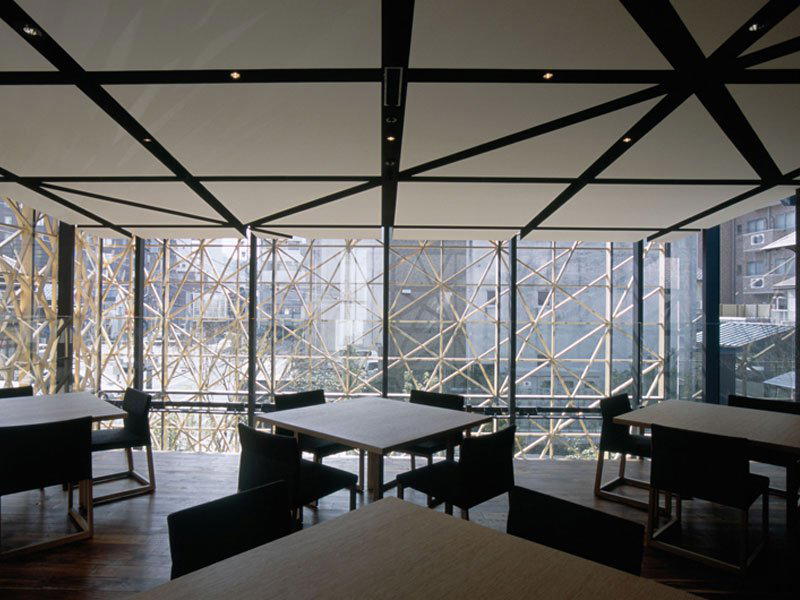
Details
- Cozy
- Lively
- Solo
- Family
- Casual Hangout
- After Work
- Late Night
- Standalone
- A La Carte
- Counter Dining
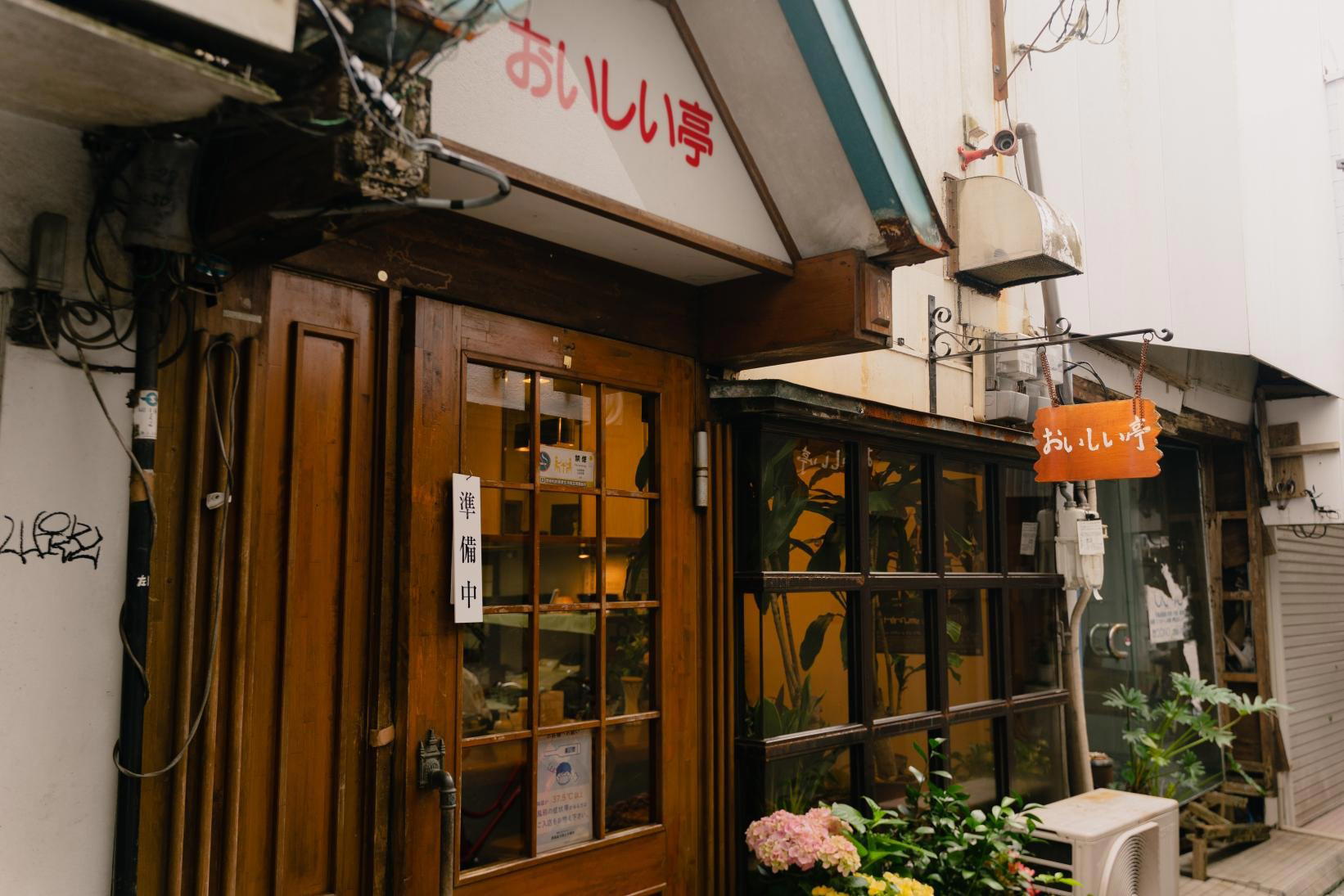
Small, non-smoking ramen shop with counter seats and a couple of tables, creating a casual, cozy atmosphere suited to solo diners and families, often busy with a lively ramen-ya feel.