
Tabelog 100 #39
Our verdict
Fukui’s yakiniku culture rewards places that treat beef, offal, cold noodles, and drinks as a complete table rather than a luxury tasting format. Korean Chubo Senara sits in that local sweet spot: Tabelog 100 Yakiniku WEST recognition in 2025, a 70-seat room, and a menu orbiting Japanese BBQ, tripe, and Korean cold noodles.

Pearl is the En Primeur Club membership app, where members save venues, book tables and use the concierge.
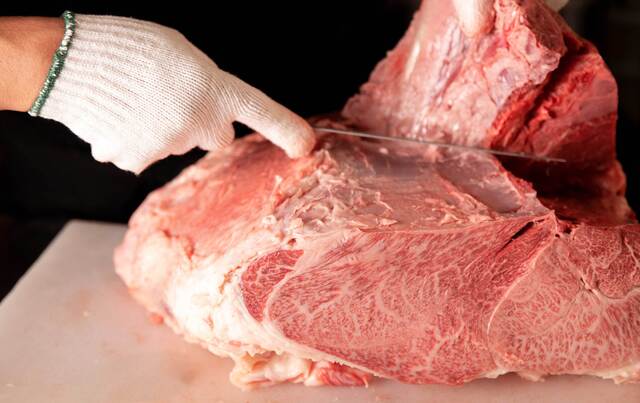
Approach Fukui and the dining rhythm changes from station-front quick meals to table-led eating. Yakiniku suits that geography. It is not built around the hush of a counter or the choreography of kaiseki; it is a cuisine of heat, ventilation, shared plates, and the small negotiations of doneness that happen across a grill. In that setting, Korean Chubo Senara belongs to a strand of regional Japanese dining that treats beef and offal not as garnish but as the centre of the evening.
Fukui is often framed through soba, crab, and sauce katsudon, and those signatures matter. Other Fukui dining rooms speak to the prefecture’s noodle discipline, coastal luxury, and everyday comfort-food appeal. Yakiniku adds another register: protein-driven, social, and less bound to a single local emblem. The category’s seriousness comes from sourcing and handling, especially when a room lists yakiniku alongside tripe and Korean cold noodles rather than treating grilled beef as a generic comfort meal.
Beef, tripe, and cold noodles define the table
The stronger yakiniku rooms in Japan tend to reveal their priorities through category breadth. Beef alone can carry a casual grill restaurant, but tripe demands a different kind of confidence: cleaning, cutting, texture management, and seasoning all become visible. Korean cold noodles add another axis, placing the meal within the Korean-influenced side of Japan’s yakiniku tradition rather than a purely steakhouse-adjacent format. That mix gives the table a useful arc, from grilled cuts and organ meats to a cold, starch-led finish.
Ingredient sourcing is the quiet test here. In yakiniku, provenance is not only a label; it determines fat quality, grill behaviour, portioning, and how much seasoning the kitchen needs to apply before the meat reaches the table. Fukui’s dining scene is not as internationally scrutinised as Tokyo or Osaka, so recognition in a specialist list carries extra weight. Korean Chubo Senara was listed by Tabelog Hyakumeiten in 2025, with a listed Tabelog score of 3.71. That does not make it a luxury temple, but it does place the restaurant inside a broader conversation about yakiniku quality rather than only a local neighbourhood circuit.
The format also says something about value. A dinner budget in the JPY 5,000 to JPY 5,999 range sits well below the high ceremony of premium wagyu counters, while lunch is listed at JPY 2,000 to JPY 2,999. That gap matters for travellers mapping Fukui meals across a short stay: one slot can go to seafood, one to noodles, one to everyday local comfort food, and one to grilled meat without turning the itinerary into a single-price-tier exercise. For a wider city scan, Our full Fukui restaurants guide is the cleanest companion, especially when deciding between seafood, noodle houses, and other Fukui dining rooms.
A regional yakiniku room rather than a destination counter
The room’s regional character is important. Fukui’s stronger restaurants are not all small, chef-facing counters, and yakiniku benefits from a table format when the meal is social. The appeal is not a performance of scarcity but the shared rhythm of grilling, passing plates, and deciding when each cut is ready. That keeps the experience closer to dining-room energy than to a sealed-off tasting-menu script.
Drinks and pacing can follow the same practical logic. Grilled meat is broad enough to suit different pairings, and yakiniku often works precisely because it lets diners move through the meal according to the cut, the sauce, and the pace of the grill. The point is not formality for its own sake; it is flexibility, repetition, and the way a table can make a meal feel communal without losing focus on the meat.
Location shapes the decision as much as cuisine. Korean Chubo Senara is in Fukui, so planning depends on how the meal fits into the rest of the city rather than on a single landmark checklist. For travellers, it can sit naturally within a day that moves between dining, sightseeing, and rest. Wider trip planning belongs outside the dining table: Our full Fukui hotels guide, Our full Fukui bars guide, Our full Fukui wineries guide, and Our full Fukui experiences guide help set the rest of the itinerary around the meal rather than the other way round.
How it fits into a wider Japan eating map
For readers comparing this with other Japanese and Japan-adjacent meals, the useful distinction is format. Some beef restaurants point toward simmered dishes and controlled sweetness; some urban rooms frame charcoal through seafood and izakaya habits; some overseas venues show how Japanese drinking and rice formats travel abroad. Yakiniku in Fukui remains more grounded: heat at the table, meat as the anchor, noodles as the release valve.
That groundedness is the reason to pay attention. Fukui dining does not need to imitate the capital to be compelling. Its range runs from casual local comparison points to regional specialists and everyday dining rooms across the city. Within that national spread, Korean Chubo Senara’s case is specific: a regional yakiniku address with Tabelog Hyakumeiten recognition in 2025, a meat-and-offal vocabulary, and enough everyday usability to feel like part of Fukui’s dining fabric rather than a trophy stop.
Frequently asked questions
What does dinner at Korean Chubo Senara typically cost?
Pricing at Korean Chubo Senara is listed as Dinner: JPY 5,000 - JPY 5,999; Lunch: JPY 2,000 - JPY 2,999.
When can I go to Korean Chubo Senara?
Check current opening hours directly with Korean Chubo Senara before visiting.
Where is Korean Chubo Senara located?
Fukui.
What's Korean Chubo Senara best at?
Its clearest strength is the yakiniku format itself, backed by Tabelog Hyakumeiten recognition in 2025. The menu focus also includes tripe and Korean cold noodles, which gives the Fukui room more range than a standard grill house.
How It Stacks Up
Nearby venues at a similar price tier for orientation.
| Venue | Cuisine | Price | Awards | Notes |
|---|---|---|---|---|
| Korean Chubo SenaraThis venue (the venue you are viewing) | Korean BBQ | Not listed | Tabelog 100 #39 | Not listed |
| 御料理 一燈 | Japanese | Not listed | Not listed | Fukui |
| トラットリア チャオ | Modern Italian Trattoria with Local Fukui Ingredients | $20–30 | Not listed | Fukui Station area |
| 鮨 åå µè¡ | Traditional Fukui Omakase Sushi | Not listed | Not listed | Fukui |
| ベッキエッタ | Cheese-Focused Italian | Not listed | Not listed | Kamo Kawahara |
| Amida Soba Fuku no I | Echizen oroshi soba & juwari soba | $10–20 | Tabelog 100 #36 | Chuo |
Recognition history
Dated appearances from independent guides and award organizations, with the underlying list record or original source where available.
Tabelog 100 #39 · No. 39
Tabelog · Tabelog 100 - Yakiniku - WEST - 2025
Continue exploring
More in Fukui
Restaurants in Fukui
All restaurants in Fukui →
Details
- Cozy
- Classic
- Group Dining
- Casual Hangout
- Solo
- Standalone
- A La Carte
Current opening hours
- Monday
- 11:30 AM–2 PM, 5–10 PM
- Tuesday
- Closed
- Wednesday
- 11:30 AM–2 PM, 5–10 PM
- Thursday
- 11:30 AM–2 PM, 5–10 PM
- Friday
- 11:30 AM–2 PM, 5–10 PM
- Saturday
- 11:30 AM–2 PM, 5–10 PM
- Sunday
- 11:30 AM–2 PM, 5–10 PM
Hours can change for holidays and private events. Hours as of .
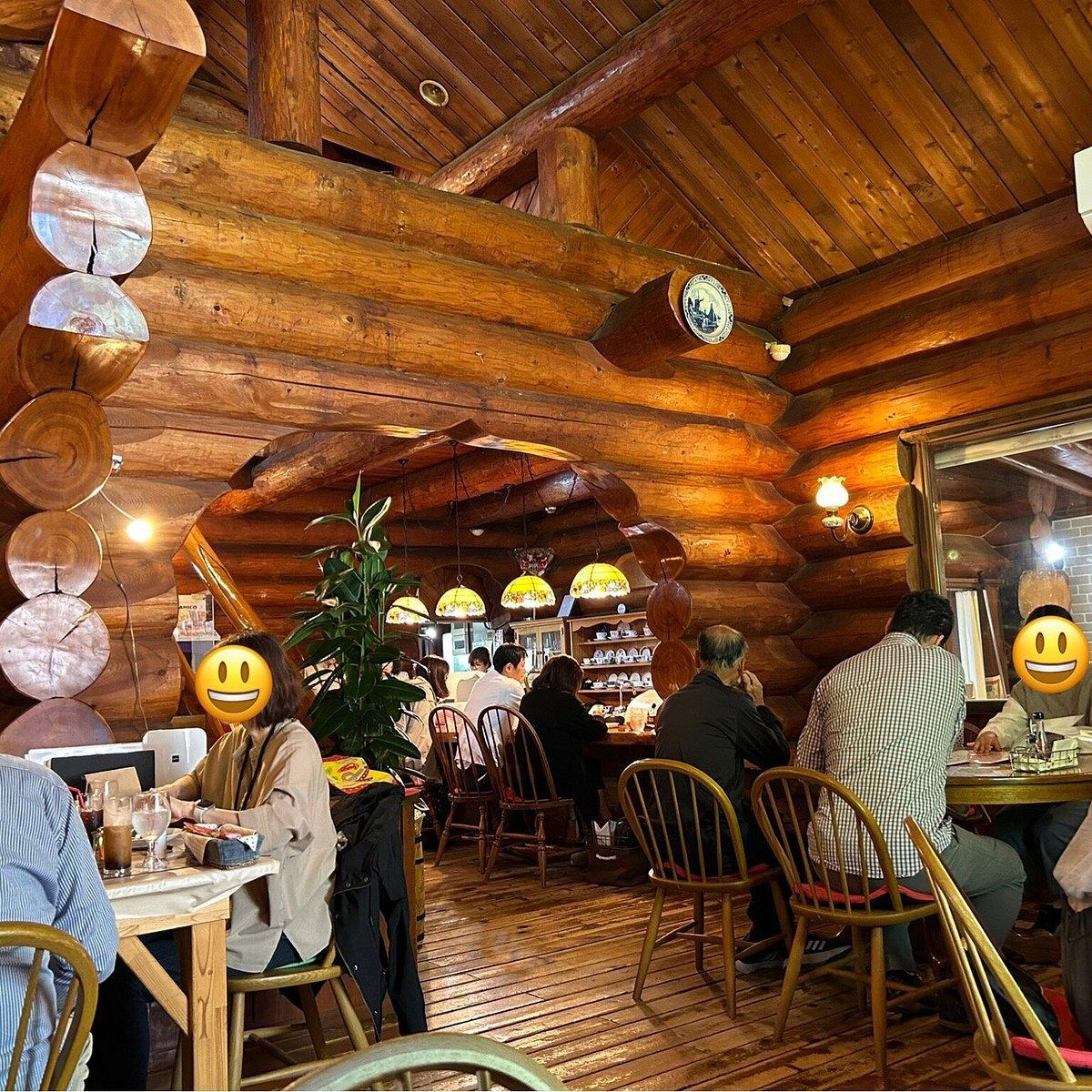
Warm, service-oriented, and comfort-focused, with an emphasis on a welcoming guest experience rather than a flashy or formal setting.