æ©ä»é é»å®¶èç¥é£¯ç¸½åº: æ©ä»é é»å®¶èç¥é£¯ç¸½åº— serves Traditional Taiwanese food with local sourcing, smart casual dress, standard pacing, and conversational noise for lunch or dinner.
Pearl is the En Primeur Club membership app — saves, bookings, and concierge access live there. Same editors, same standards.
- Address
- No. 106號, Qiaonan Rd, Qiaotou District, Kaohsiung City, Taiwan 825
- Phone
- +88676123253
- Website
- facebook.com
- Directions
- Get directions
 Saves & bookings on Pearl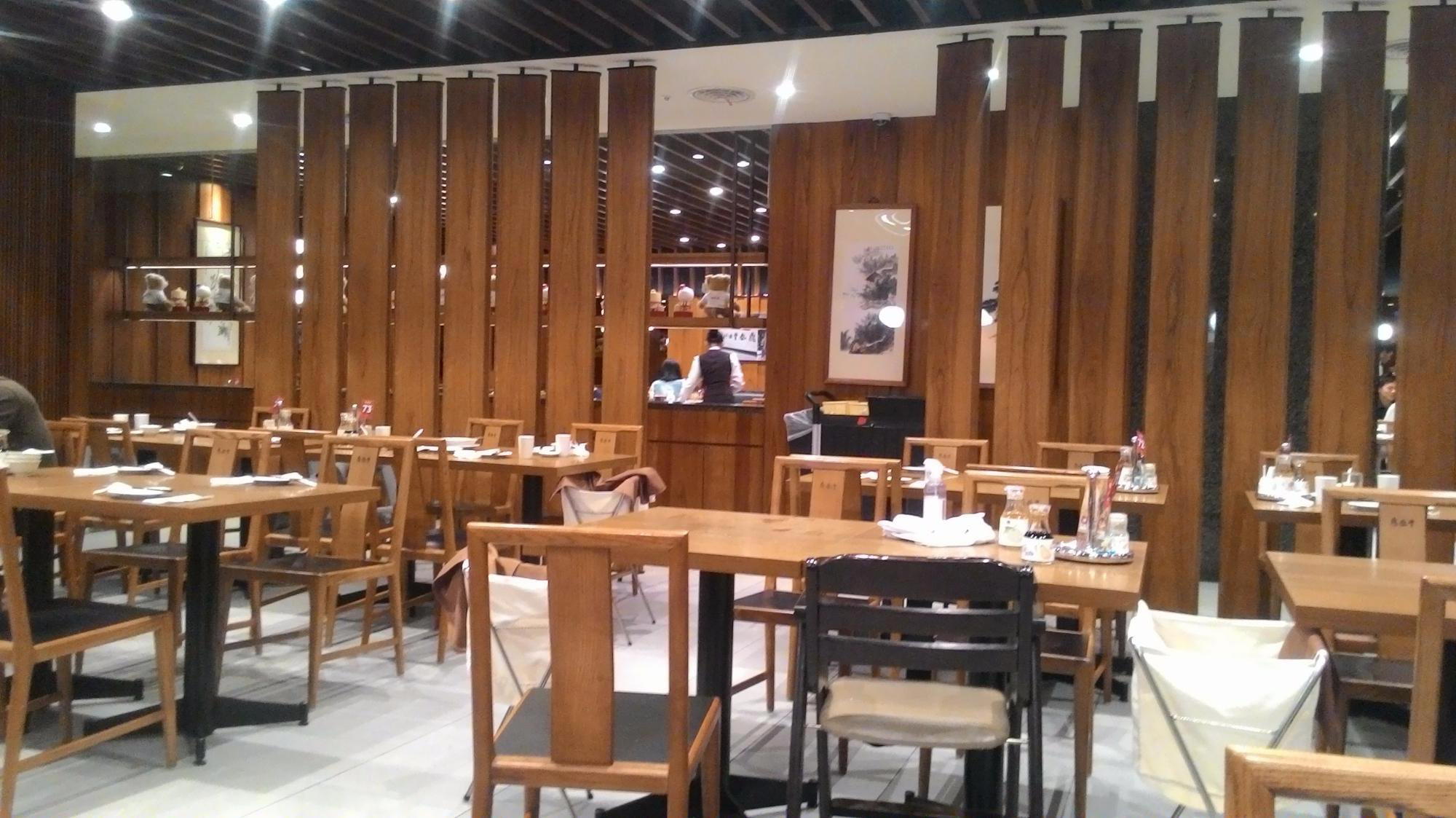
Qiaotou District and the Grammar of the Neighbourhood Feast
Qiaotou District sits at Kaohsiung's northern edge, where the city's dense commercial core gives way to older residential blocks and the kind of local food culture that rarely surfaces in travel coverage. The district is not a dining destination in the way that Xinxing or Lingya are for visitors arriving from Taipei, but that geographical remove is precisely what sustains places like 橋仔頭黑家辦桌總廚. In neighbourhoods like this one, on Qiaonan Road, the audience is overwhelmingly local and the standards are set by repeat diners who have eaten this food at family tables their entire lives, a more demanding jury, in many respects, than the award-circuit crowd.
The address, No. 106, Qiaonan Road, places the restaurant firmly in the everyday fabric of Qiaotou rather than any tourist corridor. Arriving here, you are reading the district rather than a curated dining strip. That context shapes the experience before you sit down. Taiwan's banquet-table tradition, 辦桌 (ban-doh), the communal feast format tied to weddings, temple festivals, and ancestral observances, has historically taken place exactly in settings like this: not in hotel ballrooms or Michelin-starred dining rooms, but in neighbourhood spaces where the cooking is calibrated to celebration volume and collective appetite.
The Ban-Doh Tradition in a Southern City
Taiwan's 辦桌 culture is the country's most distinctive food institution, and southern Taiwan, particularly Tainan and Kaohsiung, has long been considered its heartland. The format involves multi-course shared meals, typically served at round tables to groups of eight or ten, with dishes sequenced from lighter seafood preparations through to rich braised proteins and starchy closers. The cooking is technically unflashy but logistically demanding: feeding large gatherings simultaneously requires a kind of production discipline that fine-dining kitchens rarely encounter.
The name 飯桌菜 (fan-zhuo cai), meaning roughly "rice-table cooking," signals a specific register of Taiwanese home-feast food, generous, protein-forward, designed for sharing rather than individual plating. This sits at a considerable distance from the tasting-menu formats at places like Haili or the Cantonese precision of GEN, or the Japanese counter discipline of Sho. It is also a different proposition from the Taiwanese-inflected cooking at A Fung's Harmony Cuisine or the European contemporary framing of Anchovy. Where those restaurants ask diners to engage with a chef's editorial point of view, 飯桌菜 asks diners to participate in a collective ritual.
Across Taiwan, this tradition has come under the same pressures as comparable ceremonial food cultures elsewhere: smaller family sizes, urban migration, and the shift of celebration events to catering halls. The places that survive in neighbourhood settings tend to do so because they have maintained both the repertoire and the operational capacity to execute it at scale. That combination, repertoire plus logistics, is what gives a 飯桌菜 specialist its credibility with local diners.
Positioning Within Kaohsiung's Broader Dining Scene
Kaohsiung's restaurant offering has diversified significantly in recent years. The city now has representation across multiple fine-dining formats and international cuisines, and its food scene draws comparison, at the upper end, to the kind of ambitious cooking found at JL Studio in Taichung or logy in Taipei. But the majority of the city's most-eaten food remains rooted in southern Taiwanese cooking traditions, and the 辦桌 format is a significant strand within that.
Compared with peers in the NT$300 to 800 per-person range for shared-table Taiwanese cooking, 飯桌菜 specialists compete on dish count, protein quality, and the kind of braising depth that takes years to calibrate. The cooking at establishments in this category differs from casual Taiwanese street dining in the same way that a Sunday roast in a serious British pub kitchen differs from a sandwich counter, it is occasion food, not everyday food, even if the prices remain accessible.
For visitors building a Kaohsiung itinerary, 橋仔頭黑家辦桌總廚 addresses a gap that the city's more internationally-oriented restaurant circuit does not fill. The 飯桌菜 category sits firmly within Taiwan's communal dining tradition.
Comparable traditions elsewhere in Taiwan appear at places like A Xia in Tainan, where southern Taiwanese cooking traditions inform a more contemporary format, or in the neighbourhood-level specialists tracked across our coverage of Hsinchu City, Taichung City, and Sanchong District. Across those contexts, the pattern holds: particularly credible practitioners of ceremonial Taiwanese home cooking tend to operate in residential rather than tourist-facing locations.
Planning a Visit to Qiaotou
Qiaotou District is served by the Kaohsiung MRT's Red Line, with Qiaotou Station providing access from the city centre in roughly 30 minutes. Qiaonan Road is within walking distance of the station, making the logistics direct even without a car. The neighbourhood rewards visitors who extend their time: the Qiaotou Sugar Refinery, a repurposed Japanese-era industrial site, sits nearby and contextualises the district's historical relationship with Taiwan's agricultural economy.
For a 飯桌菜 meal, the practical considerations differ from typical restaurant bookings. These formats are built for groups, and arriving as a couple or a solo diner at a neighbourhood banquet restaurant will likely mean a reduced version of the full spread. Groups of six or more will see the format at its most coherent. Contacting the restaurant in advance, particularly for any celebration or event framing, is standard practice in this format, as the kitchen calibrates quantities to expected headcount.
For those building a multi-city Taiwan itinerary, the dining registers explored at GARDENh in Yonghe District, Volcanic Rock in Zhubei City, and Chenggong Douhua in Chenggong illustrate how deeply local food identity varies even across short distances. Hengshan's scene adds another data point. The 飯桌菜 format at 橋仔頭黑家辦桌總廚 is, within that spread, one of the more specifically southern expressions of how Taiwan feeds itself on occasions that matter.
A Lean Comparison
Comparable venues nearby, for context on price, style, and recognition.
| Venue | Cuisine | Price | Notes |
|---|---|---|---|
| æ©ä»é é»å®¶èç¥é£¯ç¸½åºThis venue — the venue you are viewing | Kaohsiung, Traditional Taiwanese | $$$ | Not listed |
| è²³å¥é£å | Cianjhen District, Taiwanese Street Food | $$ | Not listed |
| 侯記鴨肉飯 | Taiwanese | Not listed | Not listed |
| Niu Lao Da | Qianjin District, Taiwanese Beef Hotpot | $$ | Not listed |
| Three Meals | Not listed | $$$ | Lingya, Contemporary Taiwanese Fine Dining |
| 賣塩é å°è-æ£å®å°è | Not listed | Not listed | Kaohsiung, 正宗台菜 (Authentic Taiwanese Cuisine) |
Continue exploring
More in Kaohsiung
Restaurants in Kaohsiung
Browse all →
Bars in Kaohsiung
Browse all →
At a Glance
- Elegant
- Sophisticated
- Group Dining
- Family
- Casual Hangout
- Local Sourcing
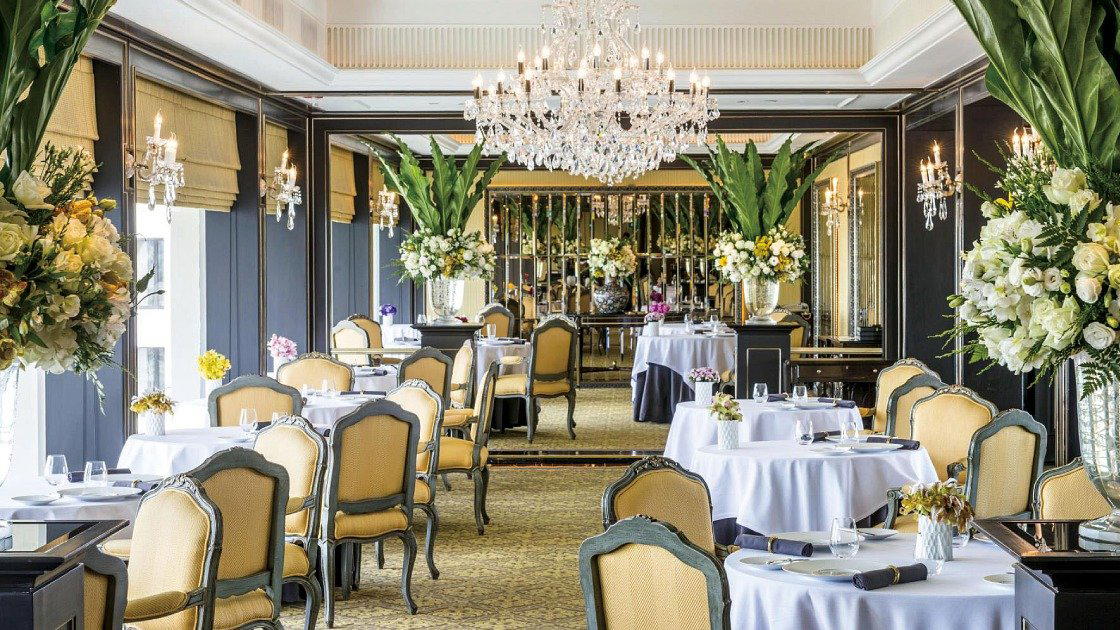
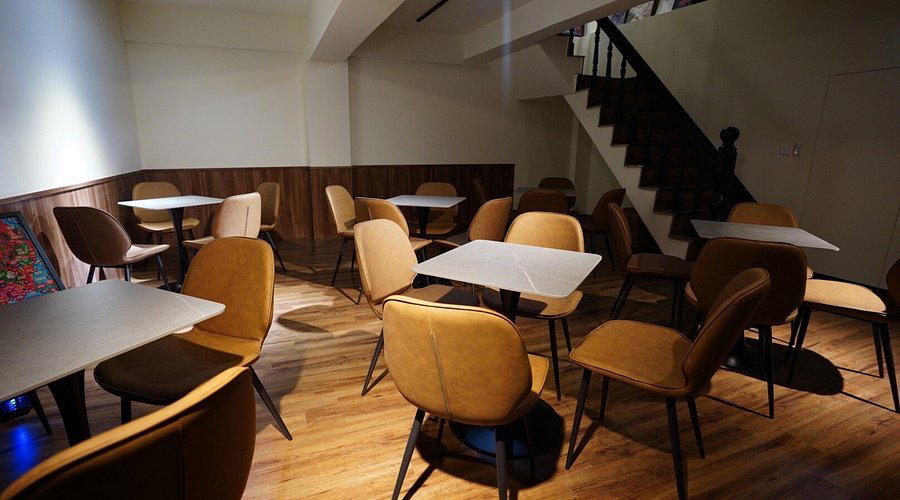
Warm and inviting with traditional decor reflecting Taiwanese cultural elements