On Zhongzheng Road in Lukang, The Old Royal Thai brings a classical Thai cooking tradition into one of Taiwan's most historically layered market towns. The name signals intent: this is not the Thai-Taiwanese fusion common across central Taiwan, but a register of dishes rooted in older, more ingredient-driven culinary logic. For Changhua visitors looking beyond local staples, it sits in a distinct category.
Pearl is the En Primeur Club membership app — saves, bookings, and concierge access live there. Same editors, same standards.
- Address
- 中正路501號, 鹿港鎮, Changhua 505
- Directions
- Get directions
 Saves & bookings on Pearl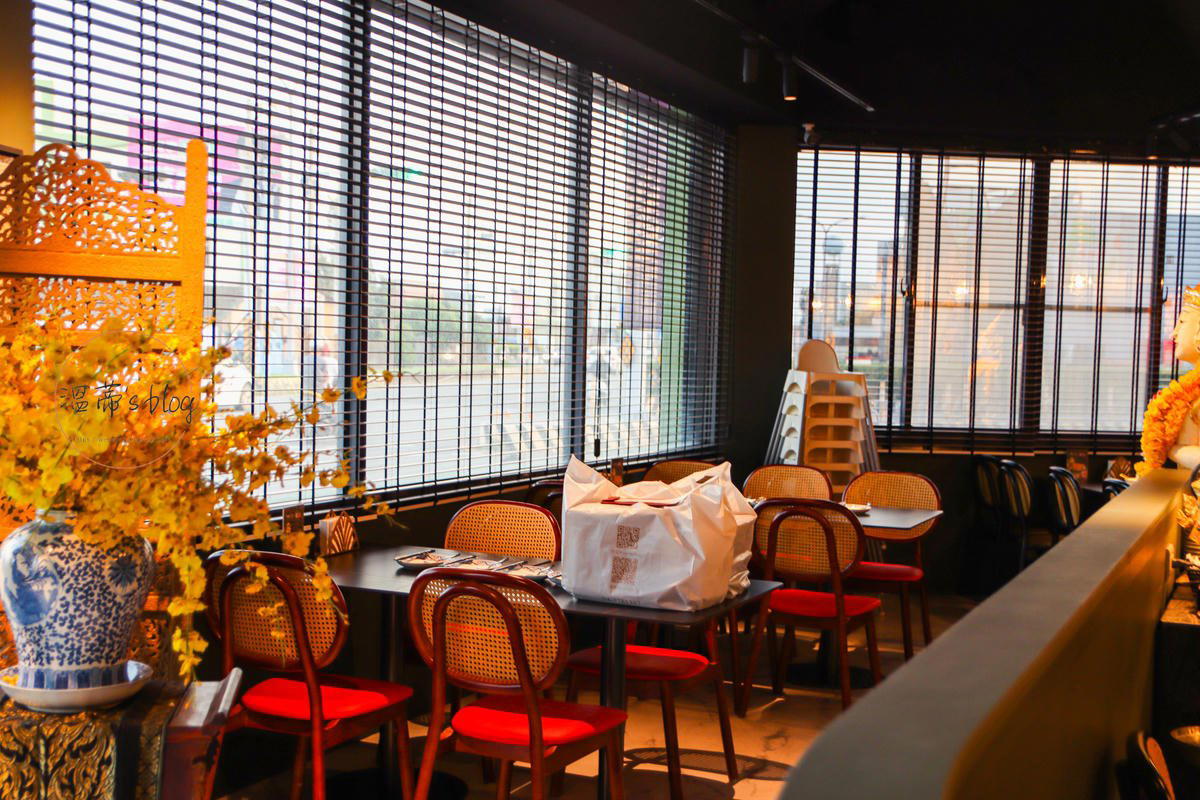
Thai Cooking in a Taiwanese Market Town
Lukang is not where most visitors expect to find a Thai restaurant worth pausing for. The old trading port town in Changhua County draws people for its Qing-dynasty temple rows, its baroque shophouse facades, and its dense concentration of Taiwanese snack culture, places like 阿振肉包 and 王罔麵線糊 anchor the eating logic of the town. Thai food sits at a different angle to all of this. The Old Royal Thai 老泰國古典餐廳 on Zhongzheng Road occupies that gap, a restaurant whose name announces a classical register rather than the simplified, sweetened Thai-Taiwanese hybrid format that has spread through central Taiwan's commercial strips over the past two decades.
That distinction matters more than it might first appear. Thai cuisine across Taiwan has largely followed the path of its peers in Hong Kong and Singapore: compressed into a small repertoire of recognisable exports, adjusted for local palates, and priced into the mid-market casual tier. The word "classical" in a restaurant's name, particularly when paired with the traditional Chinese character 古典 and the marker 老 (old, established), signals a counter-positioning, a claim to the deeper, more herb-dependent, more sourcing-conscious cooking tradition that characterised Thai royal court cuisine and its regional descendants before export formats took hold.
Where the Ingredients Carry the Argument
Classical Thai cooking, in its more disciplined forms, is built on fresh aromatics in a way that separates it sharply from cuisines that can absorb frozen or industrial substitutes without visible damage. Galangal, kaffir lime leaf, lemongrass, fresh turmeric, and Thai basil each have short windows of aromatic potency after harvest. A kitchen committed to the older register of this cuisine, rather than the convenience-adapted version, faces sourcing questions that most Thai restaurants in mid-sized Taiwanese cities quietly sidestep. The supply chains for fresh Thai aromatics in a market town like Lukang are not automatic. They require active management, whether through specialist importers who serve Taipei and Taichung markets, through locally adapted cultivation of compatible herbs, or through relationships with the Thai migrant worker community that has created informal ingredient networks across central and southern Taiwan over the past thirty years.
Those networks are real and consequential. Taiwan's Thai-origin population, concentrated in manufacturing corridors that run through Taoyuan, Taichung, and Changhua counties, has supported a secondary market for Thai groceries and home-cook ingredients that operates largely outside conventional retail. Restaurants that tap this infrastructure tend to produce food that reads differently to the palate than those relying on standard catering supply. The proof is typically in dishes where the aromatic base is most exposed: tom kha, green curry, som tum, and larb, where sweetness from palm sugar, acidity from lime, heat from fresh chilli, and herbal depth from galangal or fish sauce need to be in active tension rather than resolved into a single, blunted flavour direction.
For context on what ingredient-serious Thai cooking can look like at a higher tier, JL Studio in Taichung and logy in Taipei both demonstrate how Southeast Asian ingredient logic can be held to a rigorous sourcing standard within a Taiwan context, though both operate at a price point and format far removed from Lukang's street-level dining culture. The parallel in Tainan's more casual register is closer to what A Xia in Tainan achieves for Taiwanese seafood: regional specificity expressed through sourcing decisions rather than menu theatrics.
Lukang as Context
Positioning any restaurant in Lukang requires understanding what the town's dining environment actually rewards. The eating culture here skews toward deeply local, low-cost, high-frequency food: oyster vermicelli noodles, steamed pork buns, mochi, scallion crackers, and temple-forecourt snacks consumed while walking. The 越南小吃 鹿港民族路 on nearby Minzu Road illustrates how Southeast Asian cooking has found a foothold in this market, Vietnamese food, like Thai, has expanded in Lukang partly in response to the town's migrant worker population and partly because Taiwanese diners have grown more comfortable with spiced, herb-forward food over the past decade.
The Old Royal Thai on Zhongzheng Road, one of Lukang's main commercial arteries, sits in this broader pattern: a town that is slowly diversifying its eating options beyond its historic Taiwanese snack identity, without yet developing the density of international dining that Taichung or Kaohsiung offer. Beyond Changhua, comparisons with GEN in Kaohsiung illustrate how southern Taiwan has developed more established international dining infrastructure at the city level.
Planning a Visit
The restaurant is located at 中正路501號 in Lukang Township, Changhua County 505, a central address on Zhongzheng Road, which runs through the commercial core of Lukang and is walkable from the main temple and historic district. The restaurant is walk-in friendly and priced at about US$15 per person, with casual dress. Lukang is accessible from Changhua City by local bus, and from Taichung by bus routes that run into the historic district. Weekend visits during temple festival seasons can bring significant foot traffic to Zhongzheng Road, which affects parking and ambient noise on the street.
Comparable Spots, Quickly
Comparable venues nearby, for context on price, style, and recognition.
| Venue | Cuisine | Price | Notes |
|---|---|---|---|
| the old royal thai 老 泰國古典餐廳This venue — the venue you are viewing | 老皇家泰國古典料理 | $$ | Not listed |
| 老龍師肉包 | Traditional Taiwanese Steamed Pork Buns | $ | Lukang |
| 阿振肉包 | Traditional Taiwanese Steamed Buns | $ | Lukang |
| 王罔麵線糊 | Traditional Taiwanese Mi Fen Hu | $ | Lukang |
| 越南小吃 鹿港民族路 | Traditional Taiwanese Mienxian Hu (Mie Line Paste) | $ | Lukang Old Street area |
| Baan Taipei | Modern Home-Style Thai | $$$ | Da'an District |
At a Glance
- Classic
- Elegant
- Group Dining
- Family
- Historic Building
- Sake Program
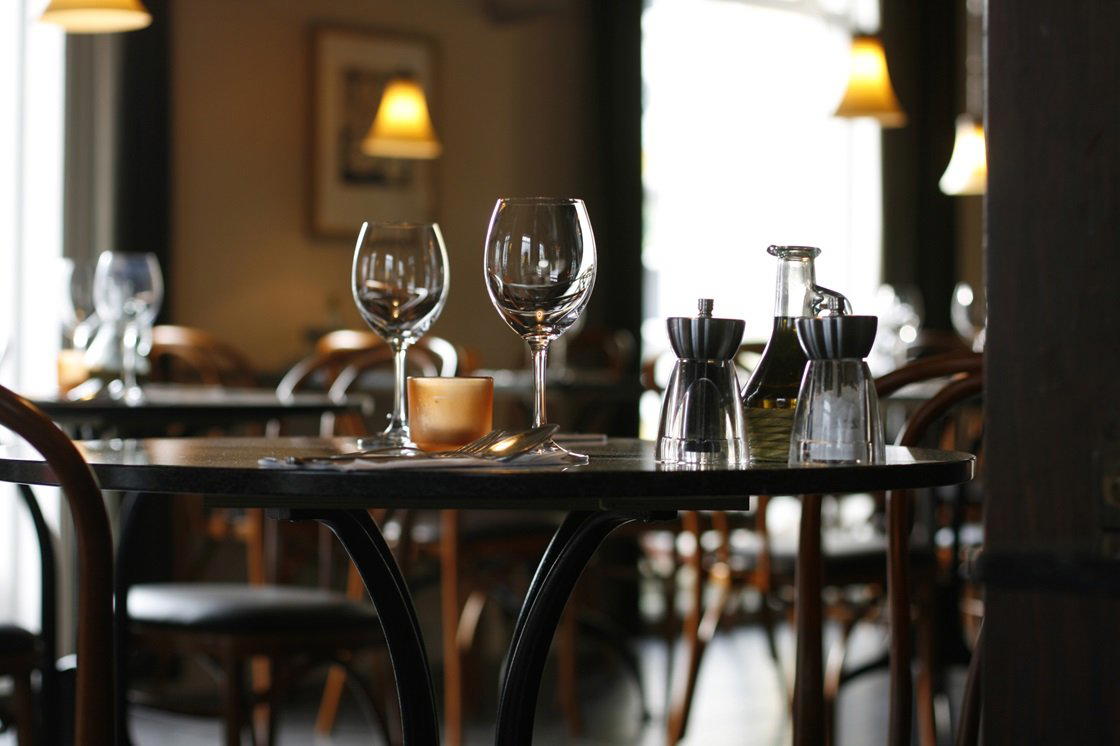
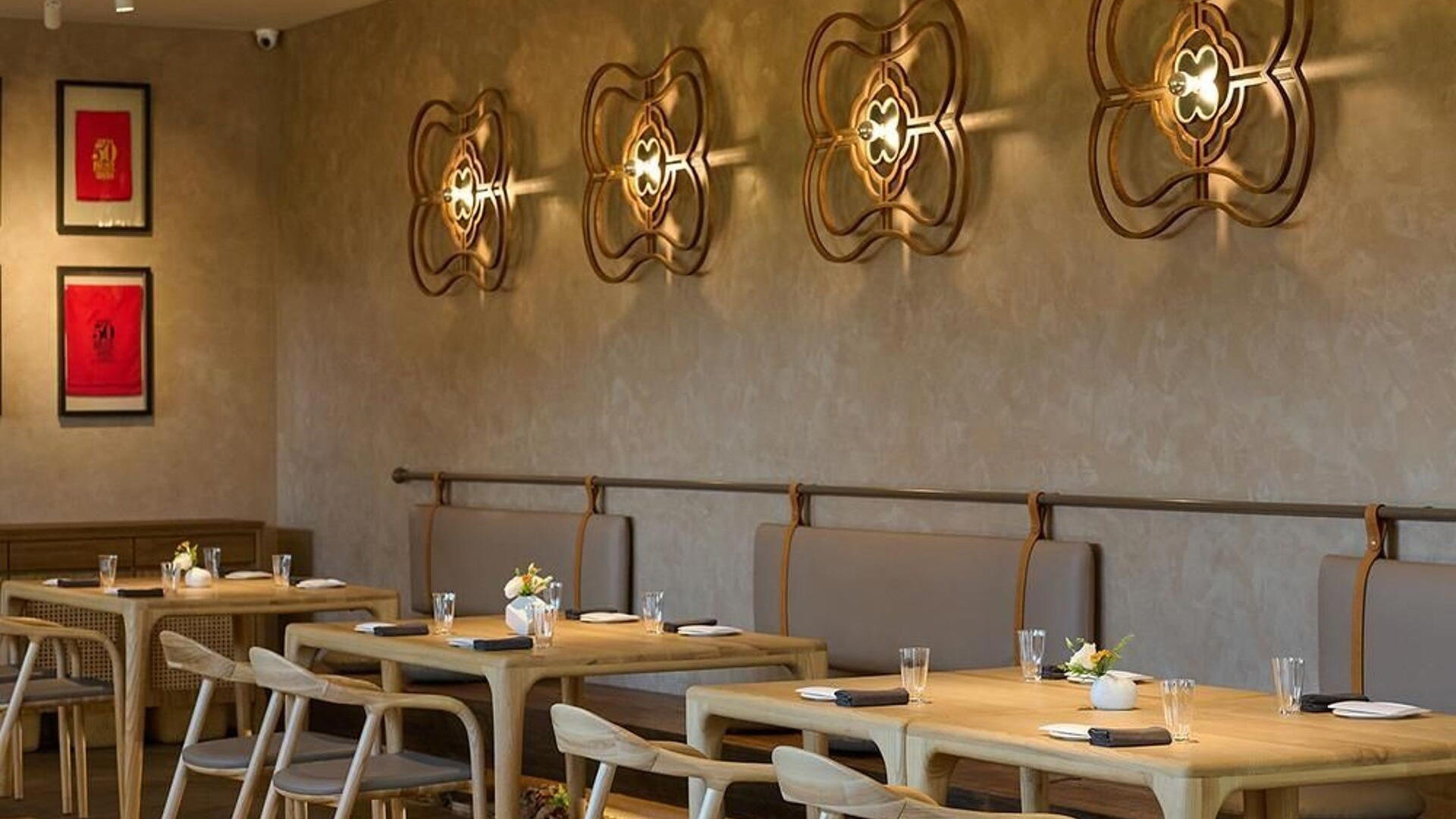
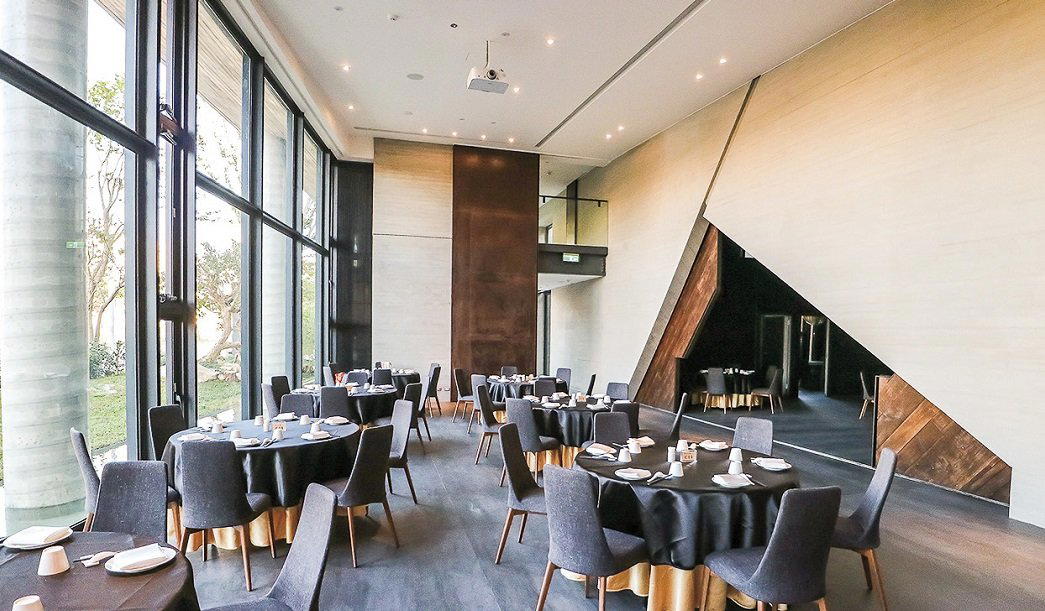
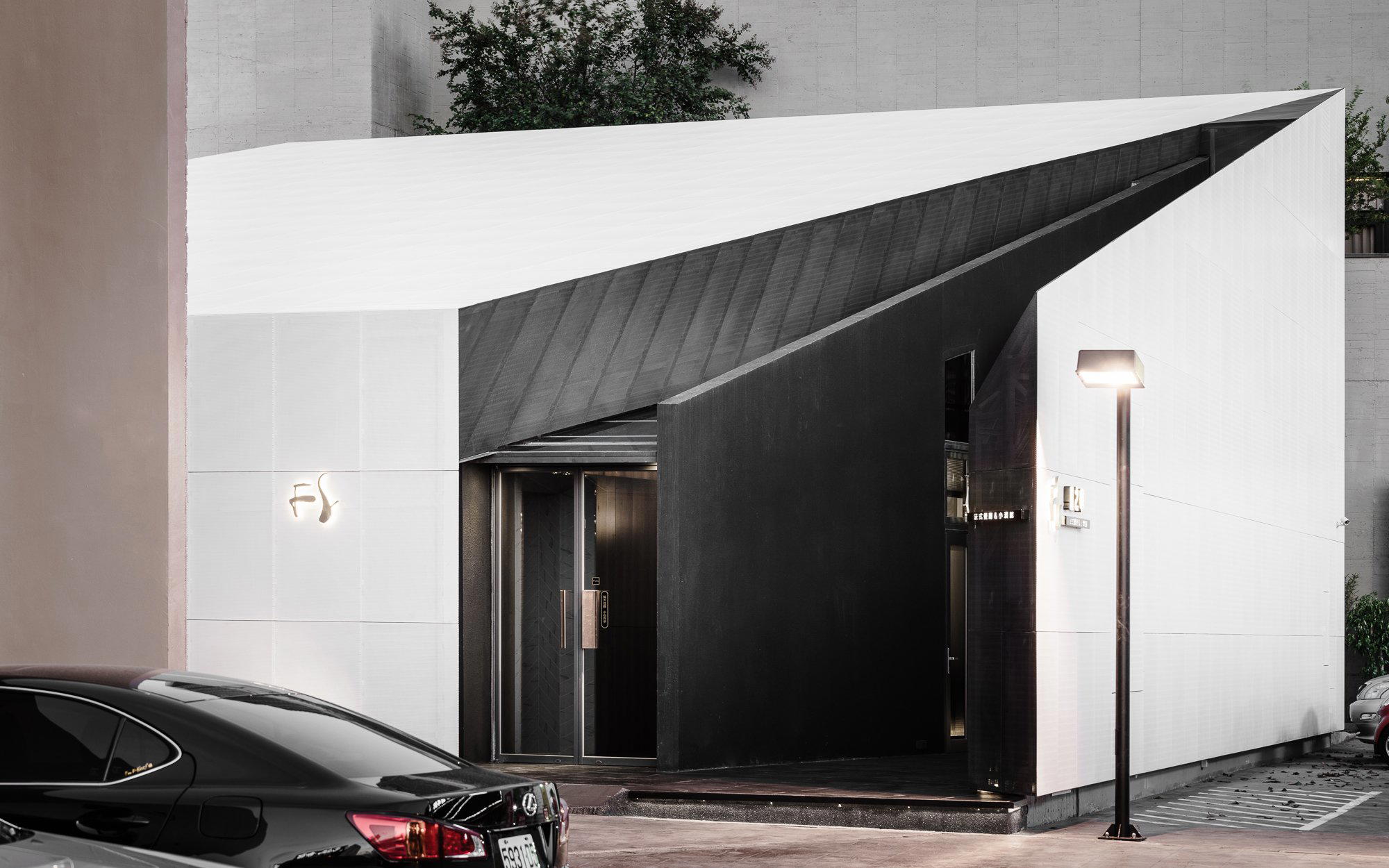
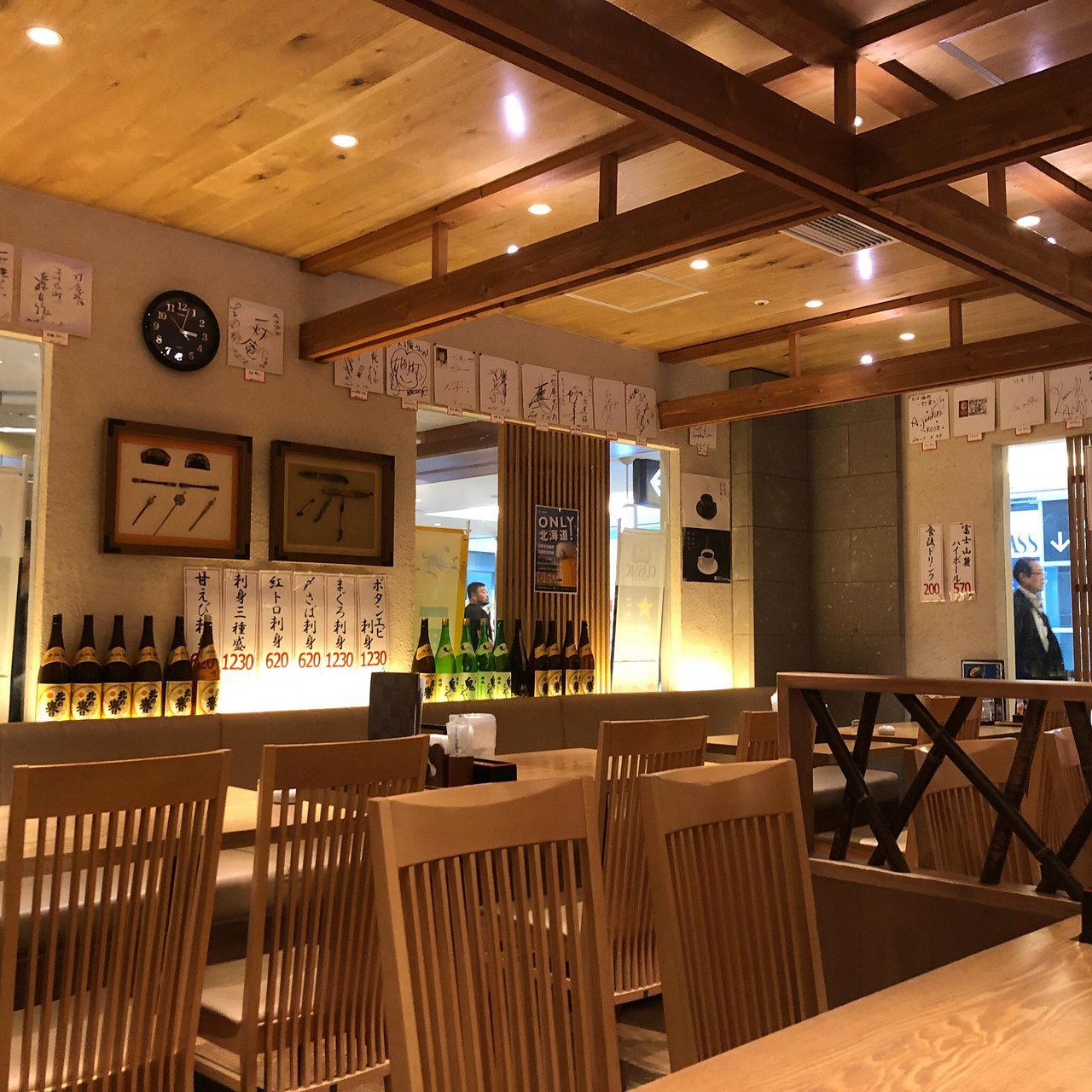
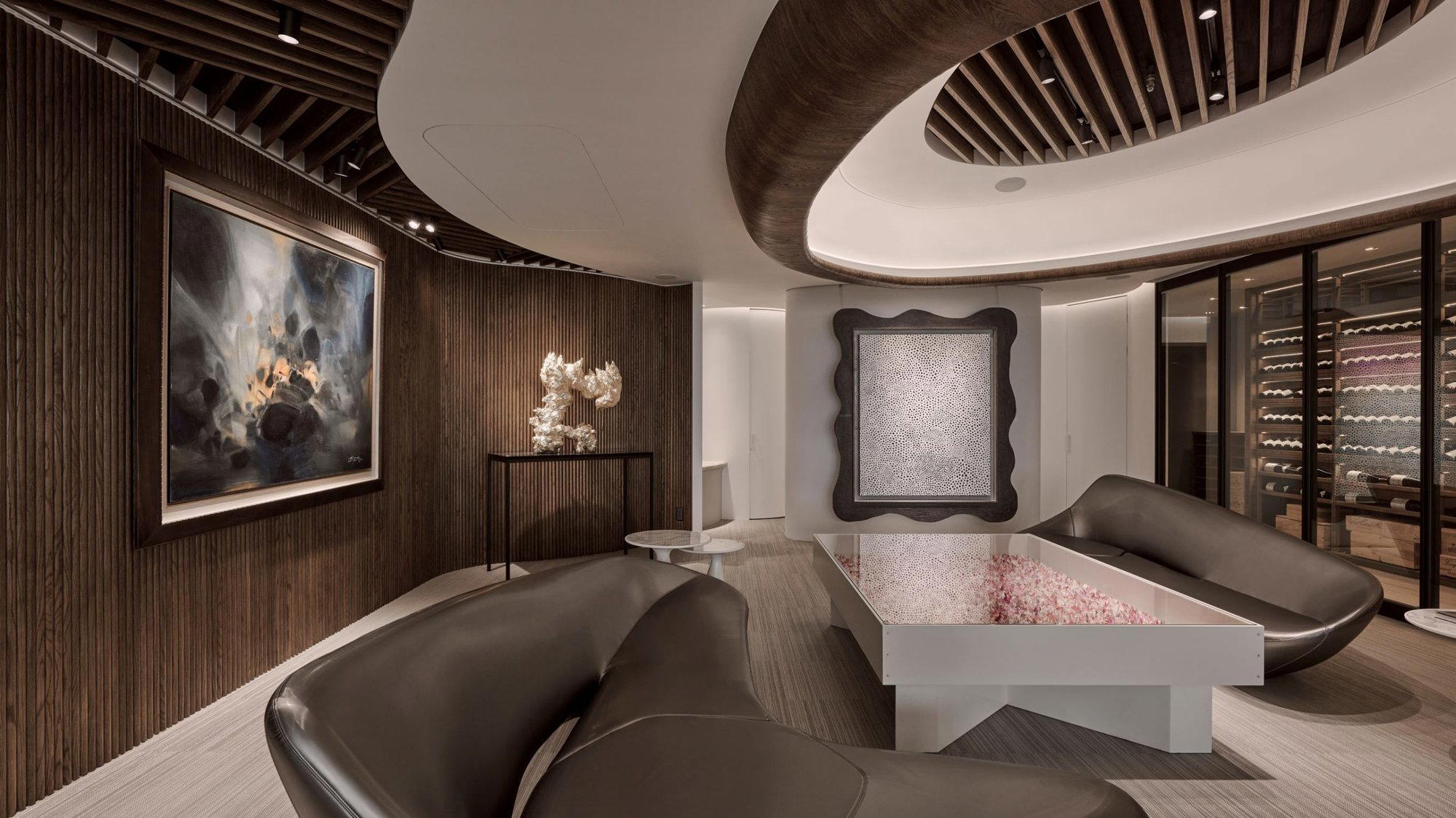
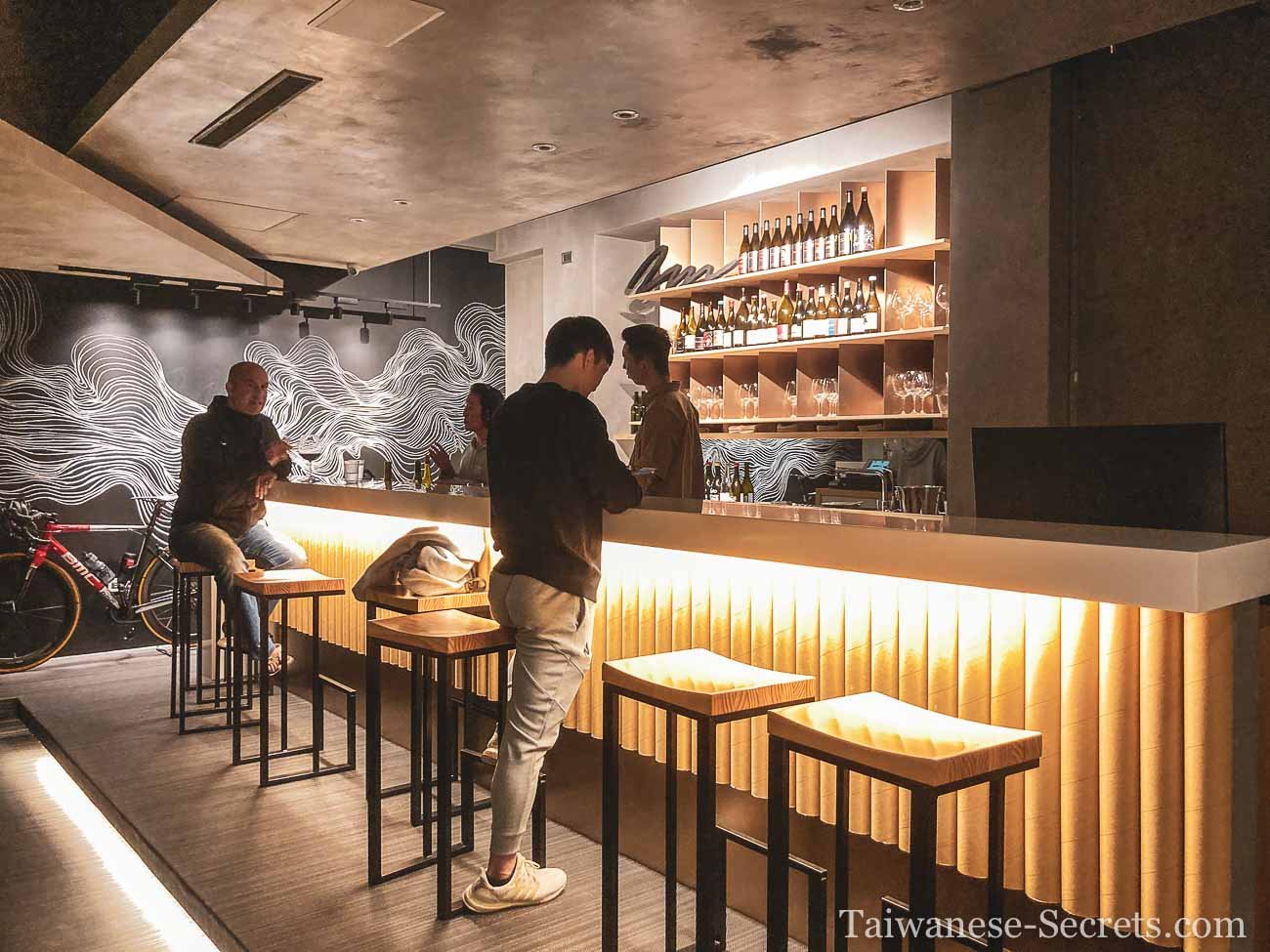
古典泰式裝潢,金碧輝煌,氣派寬敞,採光佳