BURURAKE
Situated in Minca, the cloud-forest village above Santa Marta, BURURAKE sits at the intersection of Sierra Nevada altitude and Caribbean-coast ingredient culture. Where the town's eating scene tends toward backpacker simplicity, this address operates at a different register, drawing on the ecological richness immediately outside its door. A focused option for travellers willing to trade sea-level convenience for something more grounded in place.
Pearl is the En Primeur Club membership app — saves, bookings, and concierge access live there. Same editors, same standards.
- Address
- 47009, Minca, Santa Marta, Magdalena, Colombia
- Phone
- +573135153432
- Directions
- Get directions
 Saves & bookings on Pearl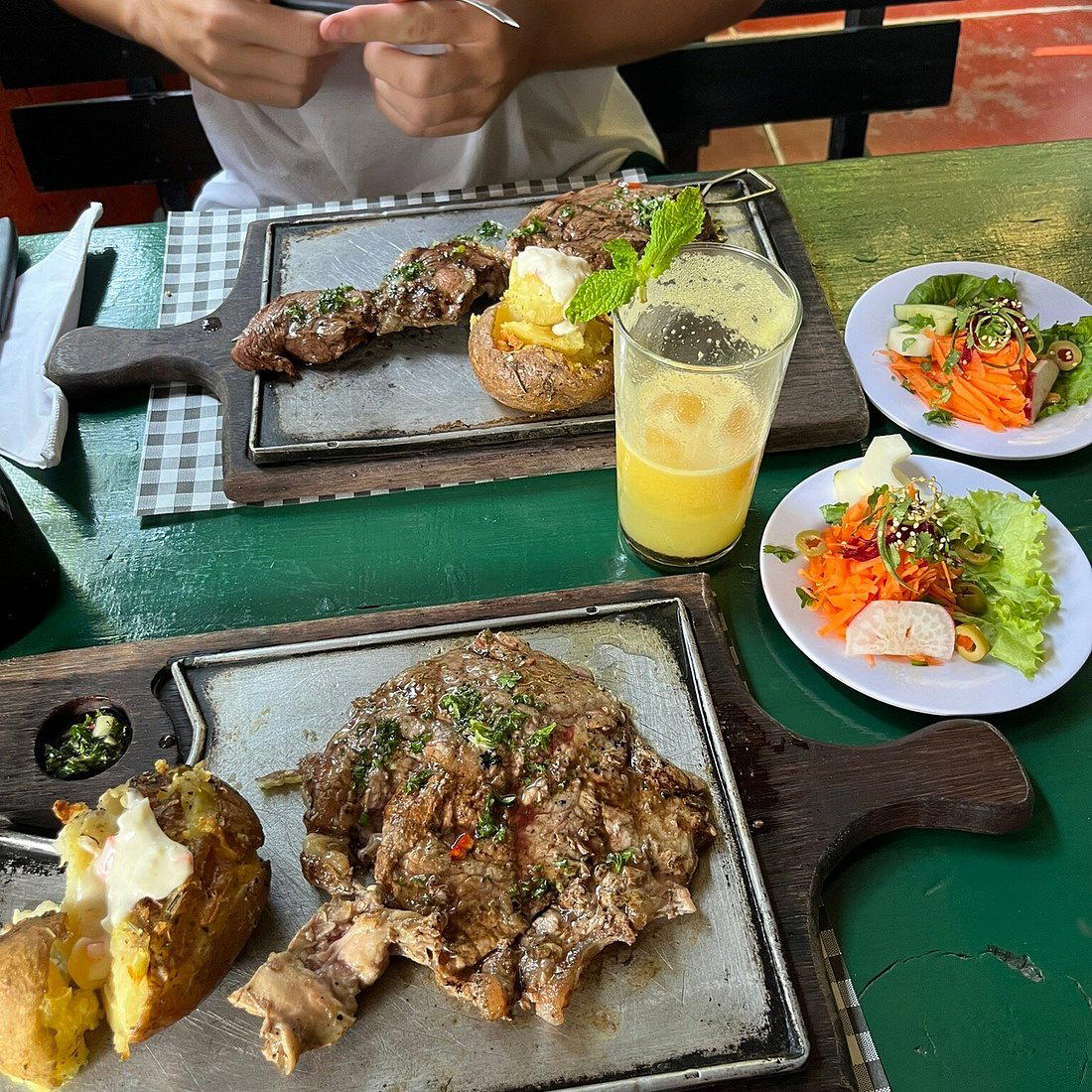
Where the Sierra Nevada Meets the Table
Minca sits roughly 650 metres above Santa Marta in the Sierra Nevada de Santa Marta, a mountain range that rises with unusual abruptness from the Caribbean coast. The thermal gradient between the coast and this altitude produces a microclimate dense with cacao, coffee, tropical fruit, and cloud-forest vegetation, and the village has become a reference point for travellers moving between the heat of the bay and the cooler interior. Within that context, the dining scene in Minca has historically been secondary to its ecological draw, with most tables oriented toward budget travellers on their way to hiking trails or bird-watching routes. BURURAKE addresses a different appetite: visitors who want the setting and the altitude while keeping the experience rooted in the village rather than in generic mountain-town cooking.
The broader shift this represents is worth noting. Across Colombia's secondary and tertiary destinations, a new generation of eating places has emerged that treats local geography as a kitchen resource rather than a postcard backdrop. In the coffee-growing axis, in the Andean valleys, and now in the Sierra Nevada foothills, that model is producing restaurants that read as extensions of their ecosystems. BURURAKE fits that pattern, positioned in Minca at an address where altitude, biodiversity, and proximity to artisan producers converge.
The Minca Context: Why Location Changes Everything
The address on the outskirts of Santa Marta's urban sprawl understates what Minca actually is. The village functions as a distinct food-and-ecology zone, separated from Santa Marta by a winding mountain road that most day visitors never take. Coffee fincas operate at this altitude; cacao grown here supplies some of Colombia's better-regarded chocolate producers; and the bird count in the Sierra Nevada is among the highest of any mountain range in the world. None of that is incidental to why a restaurant operating here carries different editorial weight than one positioned on Santa Marta's malecón.
For dining context, the contrast with Santa Marta's waterfront tier is instructive. Sea-level Santa Marta runs a predictable spectrum: ceviche counters, grilled fish restaurants, and a handful of spots that have attempted more ambitious menus without quite escaping the resort-town gravitational pull. Minca, by contrast, has the ingredients for something more interesting and the low foot-traffic that forces any serious operator to build a loyal return visitor base rather than relying on tourist throughput. Restaurants that survive and develop a reputation here do so on the strength of what they are offering, not on location luck. Elsewhere in Colombia, analogous micro-destination dynamics have produced notable addresses: El Boliche Ceviche in Cartagena has built a strong identity on precise regional sourcing, while Donde Mama in Barranquilla demonstrates how a focused local proposition outperforms generalist competition in mid-size Colombian cities.
The Eating Scene in Minca and Where BURURAKE Sits
Minca's restaurant ecosystem is small and subject to rapid change. The village attracts a particular traveller: experienced, independently minded, and increasingly interested in food provenance alongside the ecological tourism that defines the area. That demographic has begun to support a tier of eating above the hostel-kitchen standard that dominated the scene for years. BURURAKE occupies that emerging upper tier, operating in a town where the competition is not another ambitious kitchen but a collection of casual spots that serve as fuel stops rather than destinations in themselves.
That competitive positioning matters because it sets expectation correctly. This is not a city restaurant transplanted to a mountain backdrop. It is a place whose identity is inseparable from Minca's particular character: the sound of the Minca River, the density of the vegetation, the light that changes as cloud cover moves across the peaks above. Approaching it through the village, visitors are already inside the experience, not just approaching a venue. That is a structural advantage few urban addresses can replicate, and it shapes every element of what eating here involves.
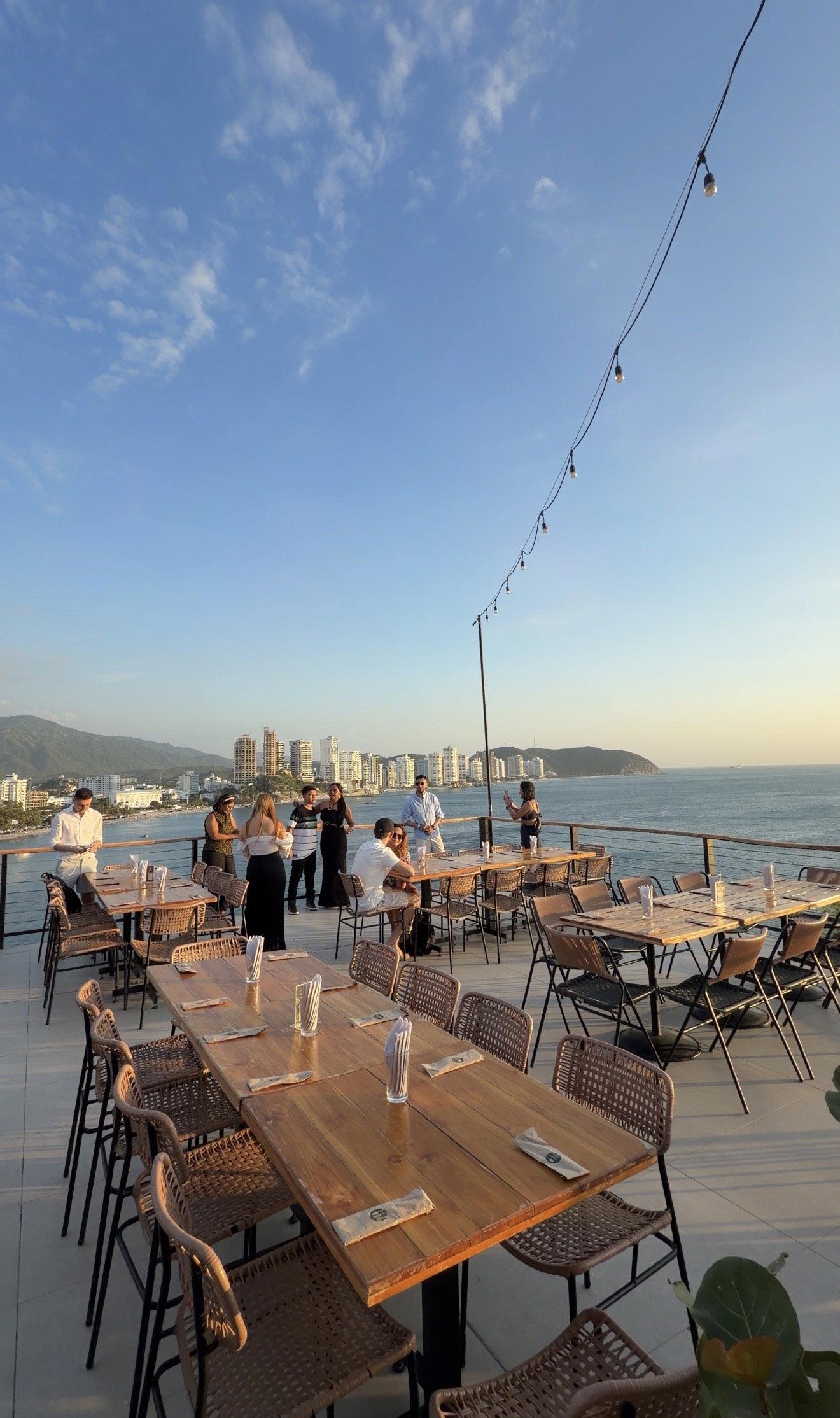
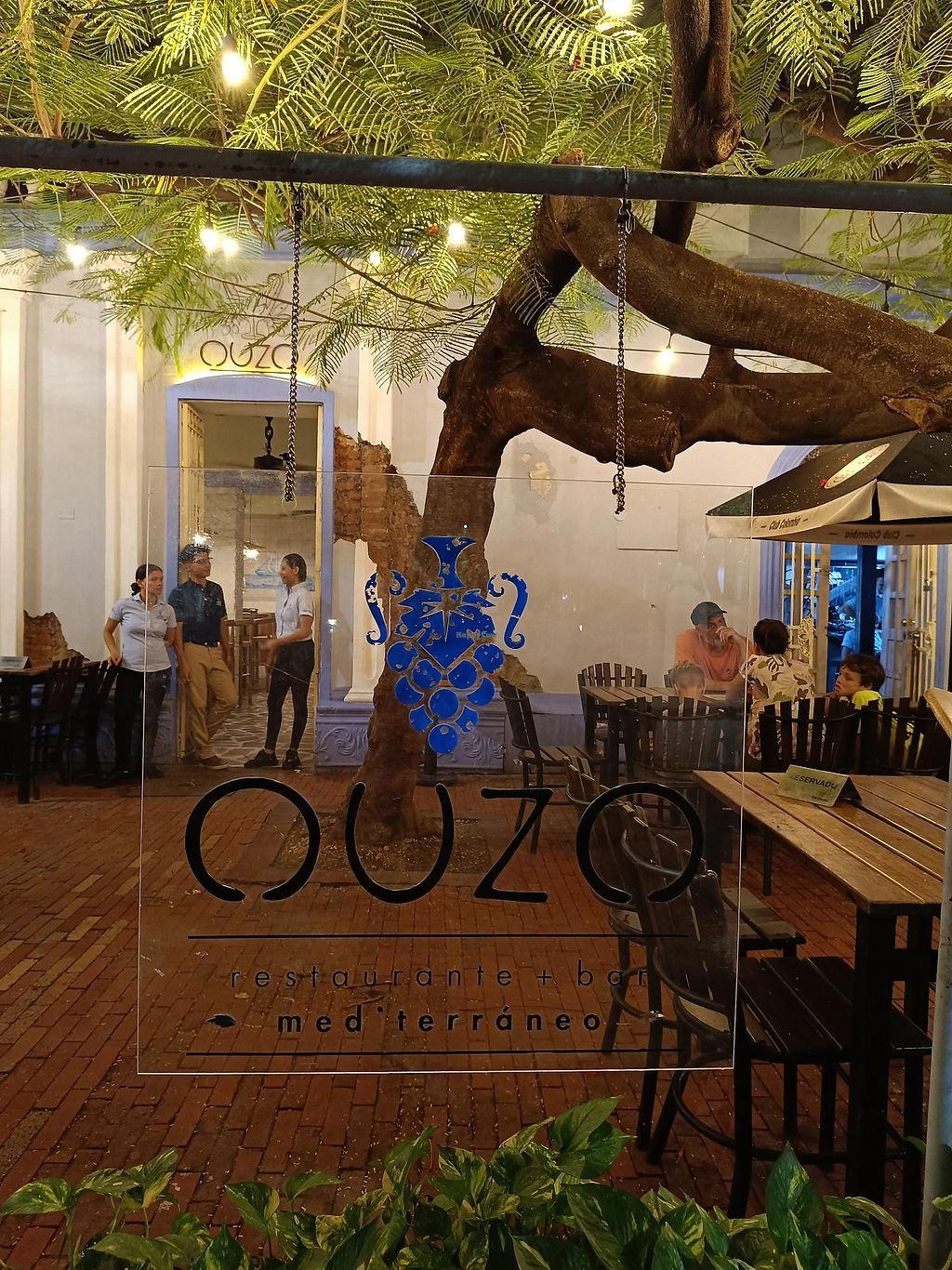
For travellers building a broader Santa Marta itinerary, the local competitive set includes BK - BURUKUKA Restaurante Bar / Sunset Spot Santa Marta at the water's edge, Ouzo Santa Marta for Mediterranean-inflected cooking in the city, Restaurante LamArt as a further city-based option, and Cattleya Fast Food & Souvenirs for casual eating closer to the tourist centre. BURURAKE sits apart from all of these by geography alone, but the distinction is qualitative as much as spatial.
Planning the Visit
Reaching Minca from Santa Marta takes approximately 45 minutes by road, with shared taxis departing from the Mercado Público area. The village is small enough to navigate on foot once there. Travellers should confirm current hours before building the trip around the table. Arriving mid-morning or at lunch, before afternoon cloud frequently moves in, makes logistical sense for anyone combining a meal with the river walks and waterfall routes that define the Minca day-trip structure.
For comparison across the Colombian dining spectrum, Harry Sasson in Bogotá and Debora Restaurante in Bogota represent the capital's fine-dining register; X.O. in Medellín and Café Le Gris in Medellin anchor Medellín's more progressive mid-tier. At the destination-experience end, Andrés Carne de Res in Chia remains the reference point for Colombian restaurant culture as collective event. Domingo in Cali, Bulgatta restaurante in Retiro, Adictta pizza Manizales in Manizales, and Sevichería Guapi in Santiago De Cali round out the country's regional dining picture. Internationally, the micro-destination dining model that Minca represents finds its most developed expression in places like Lazy Bear in San Francisco and the producer-to-table discipline of Le Bernardin in New York City, where geography and sourcing are treated as primary rather than incidental.
Just the Basics
Comparable venues nearby, for context on price, style, and recognition.
| Venue | Cuisine | Price | Notes |
|---|---|---|---|
| BURURAKEThis venue — the venue you are viewing | Minca, Steakhouse Parrilla Fusion | $$ | Not listed |
| Cattleya Fast Food & Souvenirs | Minca, Venezuelan Arepas & Latin | $ | Not listed |
| Restaurante LamArt | Not listed | $$ | Comuna 2, Artistic Seafood Fusion |
| Ouzo Santa Marta | Not listed | $$ | Parque de los Novios, Mediterranean with Greek Influences |
| BK - BURUKUKA Restaurante Bar / Sunset Spot Santa Marta | Not listed | $$$ | Rodadero, Caribbean Fusion with Local Flavors |
| Café Rialto | Not listed | $$ | Getsemaní, Colombian Specialty Coffee & Pastries |
Continue exploring
More in Santa Marta
Restaurants in Santa Marta
Browse all →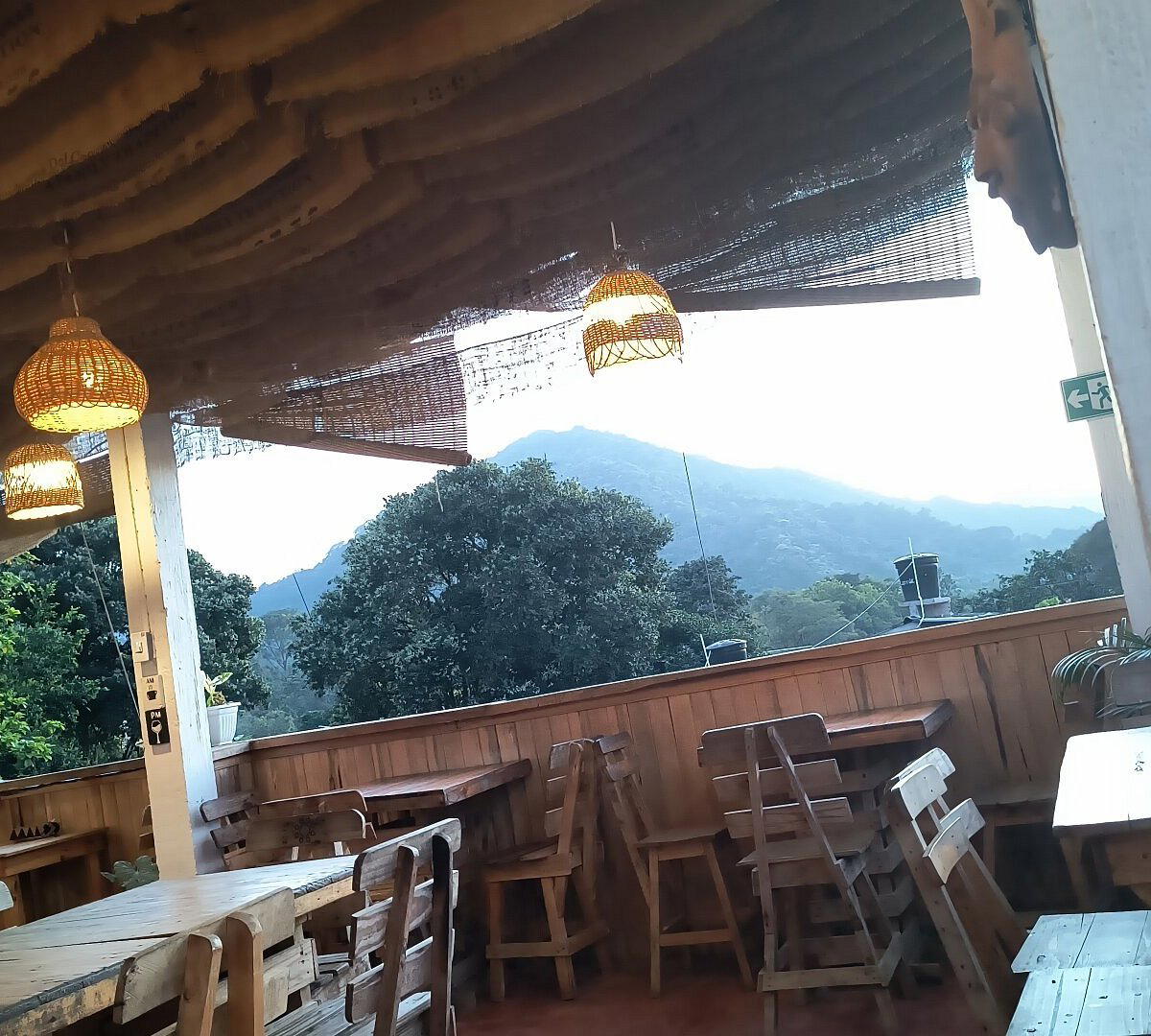
Bars in Santa Marta
Browse all →
Hotels in Santa Marta
Browse all →
At a Glance
- Rustic
- Scenic
- Whimsical
- Casual Hangout
- Brunch
- Waterfront
- Terrace
- Craft Cocktails
- Waterfront
Current opening hours
- Monday
- Closed
- Tuesday
- Closed
- Wednesday
- 12–6 PM
- Thursday
- Closed
- Friday
- Closed
- Saturday
- 12–3:30 PM, 6:30–9 PM
- Sunday
- 12–6 PM
Hours can change for holidays and private events. Last verified .
Charming outdoor terrace overlooking the river with a quirky, nature-surrounded atmosphere and friendly service.