Restaurante LamArt
Restaurante LamArt sits on Carrera 3 in Santa Marta's Comuna 2, a stretch where the old port city's Caribbean character remains intact beneath the tourist overlay. The address places it close to the historic centre, where dining tends to follow a slower, more deliberate rhythm than the beach-strip alternatives. For visitors working through Santa Marta's restaurant scene, LamArt represents a fixed local reference point in a neighbourhood still finding its dining identity.
Pearl is the En Primeur Club membership app — saves, bookings, and concierge access live there. Same editors, same standards.
- Address
- Cra. 3 #16-30, Comuna 2, Santa Marta, Magdalena, Colombia
- Phone
- +57 301 7155870
- Website
- menux.live
- Directions
- Get directions
 Saves & bookings on Pearl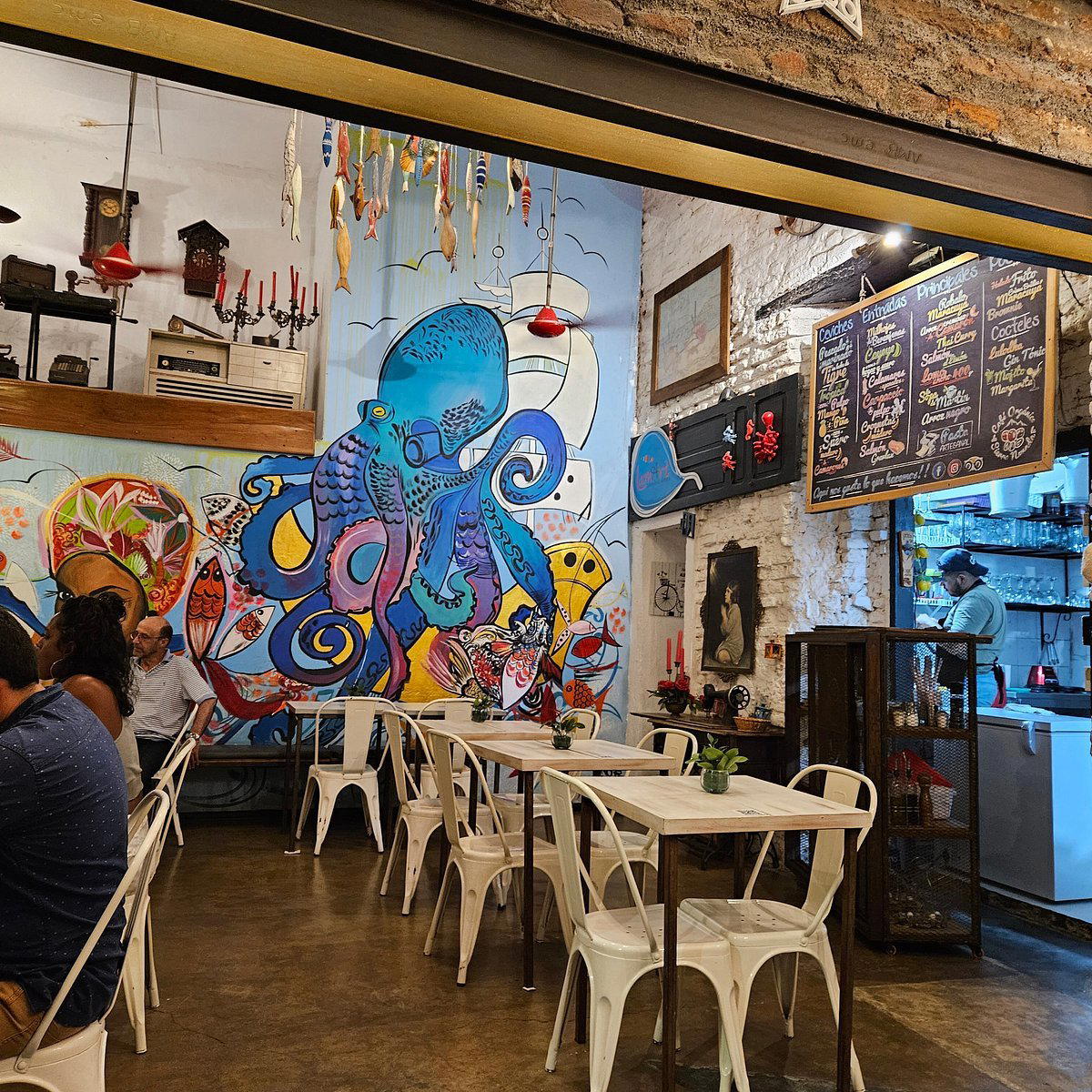
Eating on Carrera 3: What the Address Tells You
Santa Marta's dining scene divides along a fairly clear axis. The waterfront and El Rodadero pull visitors toward casual fish plates, open-air bars, and menus calibrated for quick turnover. The historic centre and its adjacent streets, including Carrera 3 where Restaurante LamArt operates, tend toward a different register: smaller rooms, local clientele, and a pace that treats the meal as an event rather than a transaction. The address at Cra. 3 #16-30 in Comuna 2 positions LamArt within that second tradition, close enough to the Parque de los Novios corridor to catch foot traffic from the city's social hub, but far enough from the beachfront strip to attract guests who came specifically to eat.
That geographical distinction matters more than it might in a larger city. Santa Marta is not Cartagena, and it is not Medellín. The restaurant infrastructure here is thinner, and the premium segment is less developed. Venues like BK - BURUKUKA Restaurante Bar and Ouzo Santa Marta occupy distinct niches in a city with a small sit-down dining scene. In that context, a restaurant on Carrera 3 with a defined identity carries more weight than the same address would in a city with dozens of comparable options.
The Rhythm of the Meal in Colombia's Caribbean North
The dining ritual along Colombia's Caribbean coast follows conventions that differ meaningfully from the capital's formal restaurant culture or the Andean city tradition of long midday meals anchored to set menus. In Santa Marta, meals tend to begin slowly and extend. The aperitif moment, if observed at all, is informal. Dishes arrive in a sequence that prizes volume and generosity over architectural plating. Sharing is standard rather than optional, and the expectation of a fixed ending time is more relaxed than in Bogotá's tasting-menu rooms or the structured pacing you find at venues like Debora Restaurante in Bogota.
What this means practically is that a meal in this part of Santa Marta is as much social event as food delivery. The room's temperature, the proximity of tables, the presence or absence of air conditioning, the street noise from Carrera 3 filtering in: these environmental conditions are part of the experience in a way that a climate-controlled dining room in Cartagena's walled city would not produce. Venues like BURURAKE and Cattleya Fast Food & Souvenirs illustrate the range that exists even within a small city: the Santa Marta dining scene spans casual street-adjacent formats to more considered sit-down rooms, with LamArt occupying a position that leans toward the latter without reaching into formal territory.
Colombia's Coastal Kitchen as Context
Caribbean Colombian cooking operates from a pantry that is simultaneously tropical and African-influenced, shaped by centuries of exchange between Indigenous, Spanish, and West African culinary traditions. Rice cooked with coconut milk, fried fish prepared with achiote, plantain in every stage from green to ripe, and soups heavy with yam and cassava form the structural grammar of the regional table. That grammar persists in Santa Marta even as the city's restaurant sector adds international formats and fusion gestures to its roster.
The regional fish and seafood supply is a genuine advantage. Santa Marta sits at the base of the Sierra Nevada de Santa Marta, with the Caribbean directly at its front door, which means local catch arrives quickly and cheaply relative to inland cities. Compare that with the sourcing constraints facing a restaurant like Donde Mama in Barranquilla, which also operates within the Caribbean Colombian tradition but pulls from a slightly different catchment. In Santa Marta, any restaurant with a fixed address and local supplier relationships has access to raw material that premium coastal operations in other regions spend considerable effort and cost to replicate. The baseline quality ceiling is therefore higher than the price-point or surface presentation of a given restaurant might suggest.
For comparison, coastal ceviche traditions further west, represented in Colombia by places like El Boliche Ceviche in Cartagena and in the Pacific tradition by Sevichería Guapi in Santiago De Cali, draw from markedly different ingredient pools and cooking philosophies. The Caribbean Santa Marta approach is its own register, distinct from the citrus-forward Pacific style and the more elaborate preparations found in Bogotá's mid-to-upper tier, illustrated by the scale and confidence of Harry Sasson in Bogotá or the focused ambition of X.O. in Medellín.
Where LamArt Sits in the Local Hierarchy
Santa Marta's restaurant market has not yet developed the tiering visible in Medellín or Cali, where price brackets map reasonably cleanly onto cooking philosophy, sourcing ambition, and room quality. The city's small size and the dominance of tourist-facing operations on the seafront mean that particularly meaningful distinction remains between restaurants built for local repeat custom and those built for visitor throughput. LamArt's position on Carrera 3, away from the highest-traffic tourist corridors, suggests an orientation toward the former category. That is not a value judgment so much as a practical observation about likely clientele and therefore likely kitchen priorities.
Restaurants in that local-anchored segment tend to maintain more consistent quality across the week than venues whose trade peaks on weekends with visiting crowds. They also tend to price against local spending patterns rather than tourist willingness to pay, which historically produces better value for the informed visitor who knows where to look. For context on how dining ambition varies across Colombia's mid-sized cities, the progression visible at venues like Domingo in Cali, Café Le Gris in Medellin, and even the celebratory scale of Andrés Carne de Res in Chia illustrates how differently dining culture can be expressed across the country's regions. Santa Marta's version is quieter, closer to the ground, and more dependent on the quality of the day's market than on a fixed tasting architecture.
Planning a Visit
Restaurante LamArt is a Santa Marta restaurant on Carrera 3 at Cra. 3 #16-30, Comuna 2, serving Artistic Seafood Fusion at about $20 per person. Reservations are recommended. Visiting earlier in the evening service typically allows more flexibility than arriving at peak hours. Dress code is smart casual. Travellers comparing options across the city's compact centre will find the Carrera 3 corridor accessible on foot from most centrally located accommodation.
The contrast between Santa Marta's coastal informality and more composed dining formats elsewhere frames how different operating assumptions and guest expectations can be across dining tiers. LamArt belongs to a local tradition that values directness, proximity to ingredient source, and the social texture of the meal over architectural formality. In Santa Marta, that is not a compromise; it is the point.
Where It Fits
Comparable venues nearby, for context on price, style, and recognition.
| Venue | Cuisine | Price | Notes |
|---|---|---|---|
| Restaurante LamArtThis venue — the venue you are viewing | Artistic Seafood Fusion | $$ | Not listed |
| Ouzo Santa Marta | Mediterranean with Greek Influences | $$ | Parque de los Novios |
| Cattleya Fast Food & Souvenirs | Venezuelan Arepas & Latin | $ | Minca |
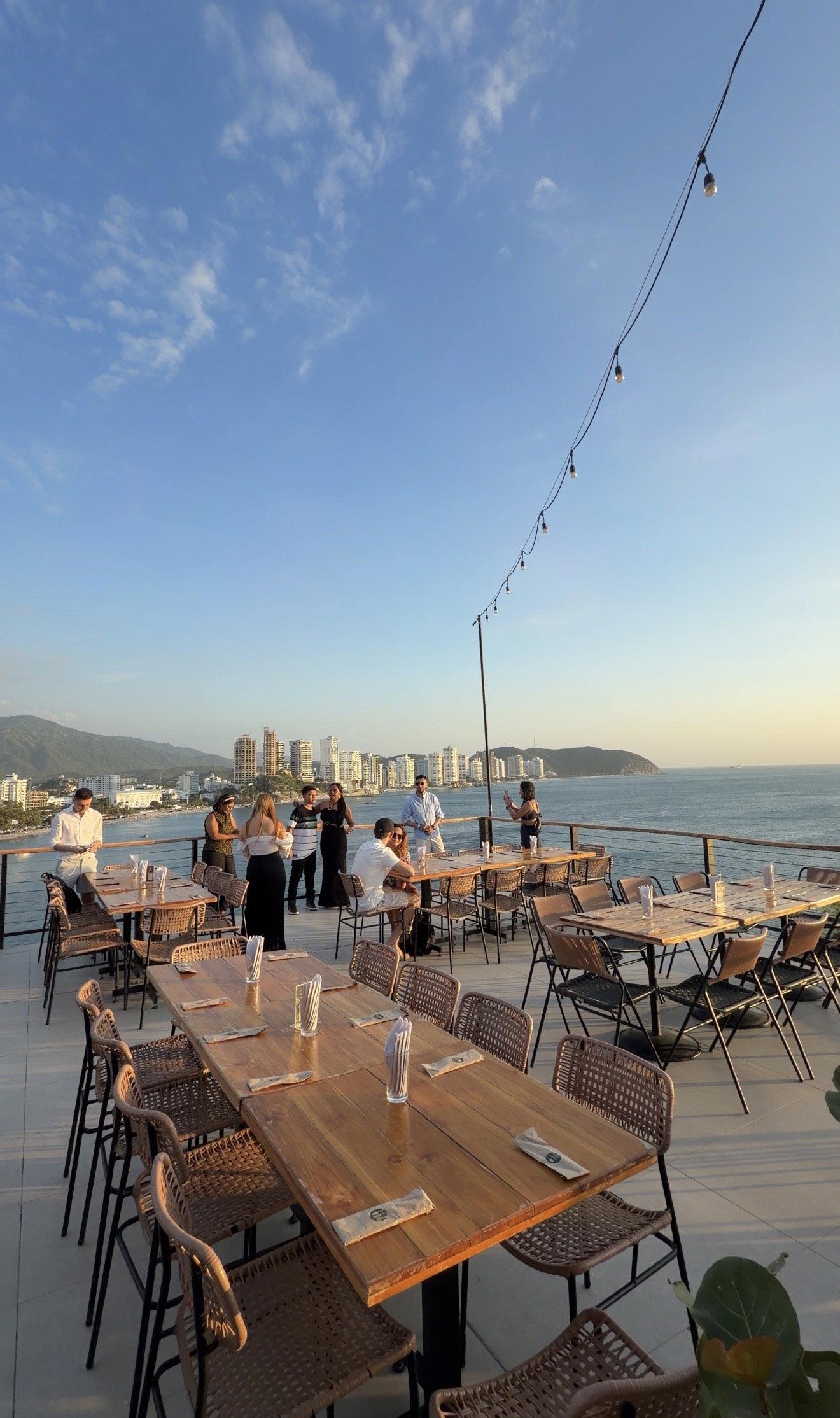
| BK - BURUKUKA Restaurante Bar / Sunset Spot Santa Marta | Caribbean Fusion with Local Flavors | $$$ | Rodadero |
| BURURAKE | Steakhouse Parrilla Fusion | $$ | Minca |
| Mondongo's | Traditional Colombian Paisa Cuisine | $$ | Poblado |
Continue exploring
More in Santa Marta
Restaurants in Santa Marta
Browse all →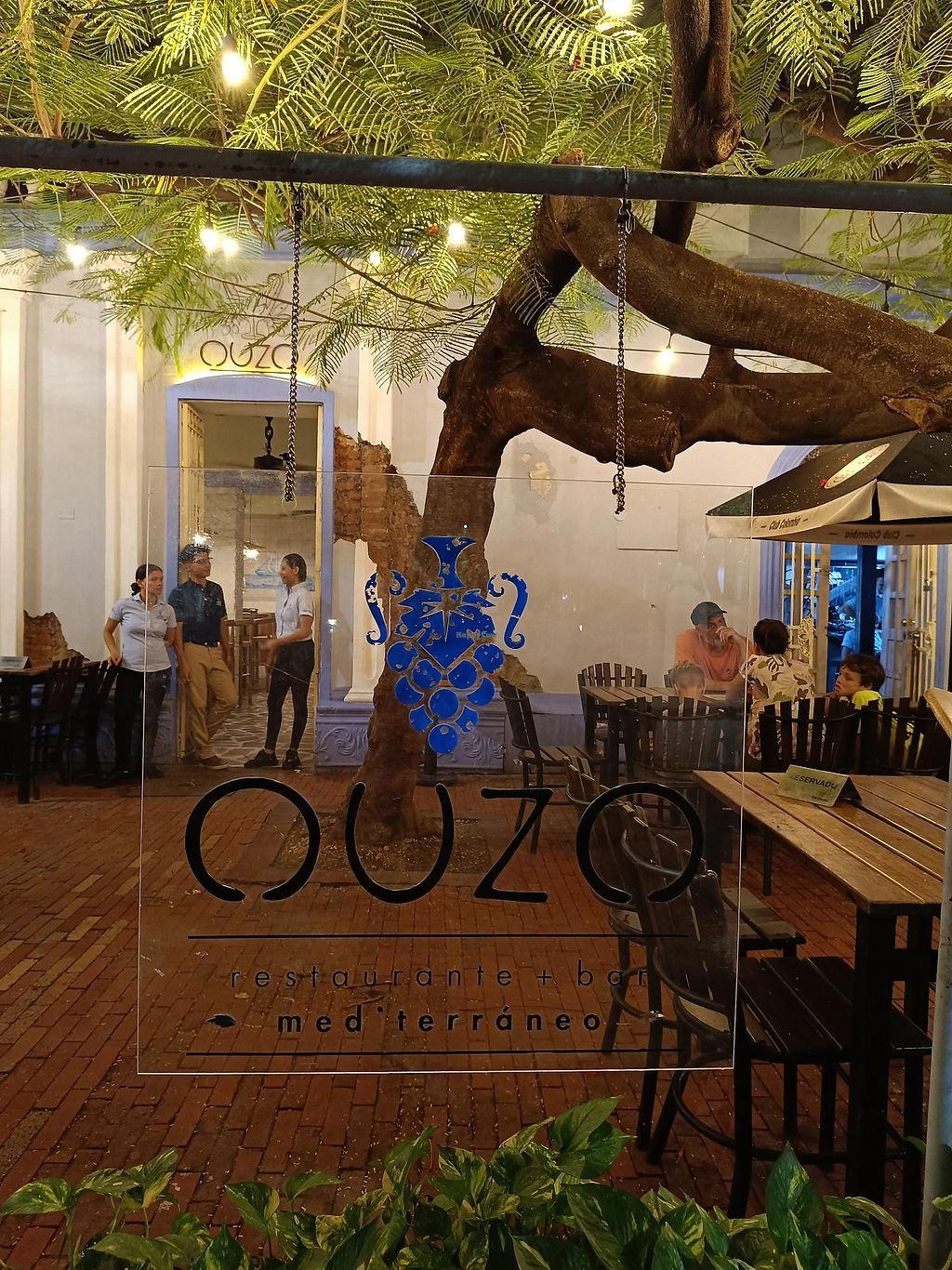
Bars in Santa Marta
Browse all →
Hotels in Santa Marta
Browse all →
At a Glance
- Trendy
- Modern
- Elegant
- Cozy
- Date Night
- Casual Hangout
- Open Kitchen
- Local Sourcing
- Street Scene
Current opening hours
- Monday
- Closed
- Tuesday
- 10:30 AM–10:30 PM
- Wednesday
- 10:30 AM–10:30 PM
- Thursday
- 10:30 AM–10:30 PM
- Friday
- 10:30 AM–10:30 PM
- Saturday
- 10:30 AM–10:30 PM
- Sunday
- 10:30 AM–10:30 PM
Hours can change for holidays and private events. Last verified .
Modern and stylish with eclectic decor, artist cafe vibes, and lively street atmosphere when sitting outside.