Cattleya Fast Food & Souvenirs
Cattleya Fast Food & Souvenirs sits in Minca, the mountain village above Santa Marta that draws hikers, birdwatchers, and those escaping the coastal heat. Its dual identity as a fast food stop and souvenir shop reflects how Minca's small commercial strip functions: practical, informal, and oriented toward travellers moving through rather than lingering over a long meal.
Pearl is the En Primeur Club membership app — saves, bookings, and concierge access live there. Same editors, same standards.
- Address
- Minca, Santa Marta, Magdalena, Colombia
- Phone
- +573242372808
- Website
- instagram.com
- Directions
- Get directions
 Saves & bookings on Pearl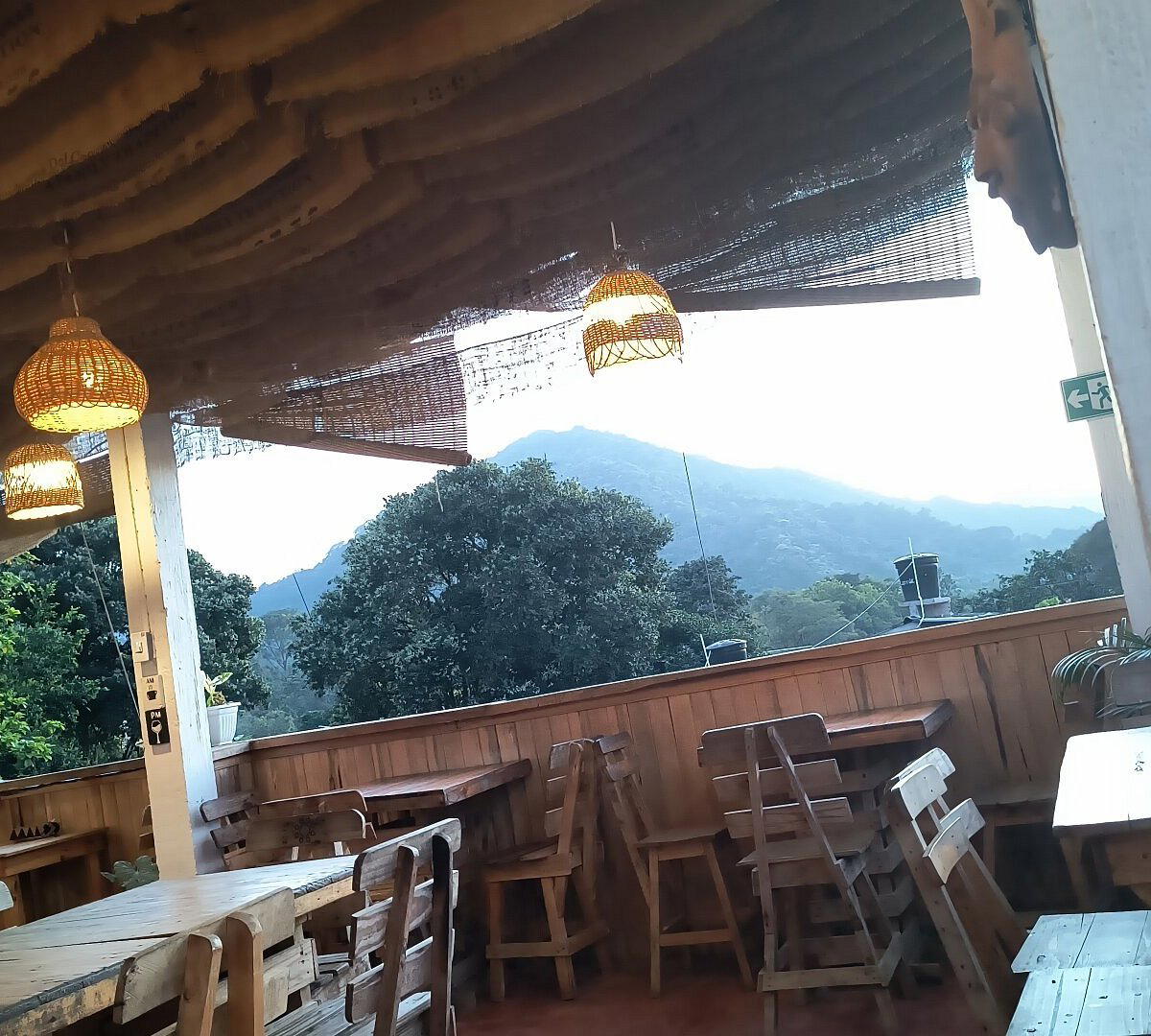
Where the Road to Minca Stops for Food
The road from Santa Marta to Minca climbs roughly 600 metres through coffee farms and cloud-forest edges, and by the time most travellers reach the village, they want something immediate. Minca's commercial centre is small, a loose collection of hostels, juice stands, and small restaurants pressed against the main path, and within that compact strip, the fast food and souvenir format occupies a specific and practical niche. It offers a quick, accessible stop where food and a small retail browse coexist under one roof.
That dual format is worth reading as a menu architecture decision in itself. The pairing of fast food with souvenirs is not incidental; it reflects the transactional character of Minca as a way-point. Many visitors arrive from Santa Marta for a day, stay one or two nights, and move on. A venue that combines both functions captures foot traffic from travellers who need a meal and a small memento in the same movement.
The Menu Logic of a Transit Stop
Fast food in a Colombian mountain village context does not carry the same connotations as the term implies elsewhere. In small towns across the Sierra Nevada de Santa Marta foothills, fast food typically means fried snacks, empanadas, simple rice plates, fresh juices, and prepared items that require no extended wait. The emphasis is on speed and affordability for a crowd that is either returning from a hike, catching transport back to Santa Marta, or simply hungry between activities.
That functional framing shapes what a venue like this is actually competing against. In that competitive frame, the souvenir retail element adds a margin line that food alone at this price tier would not sustain, which is a structurally sound model for a location where rents and visitor volumes are modest but consistent with eco-tourism seasonality.
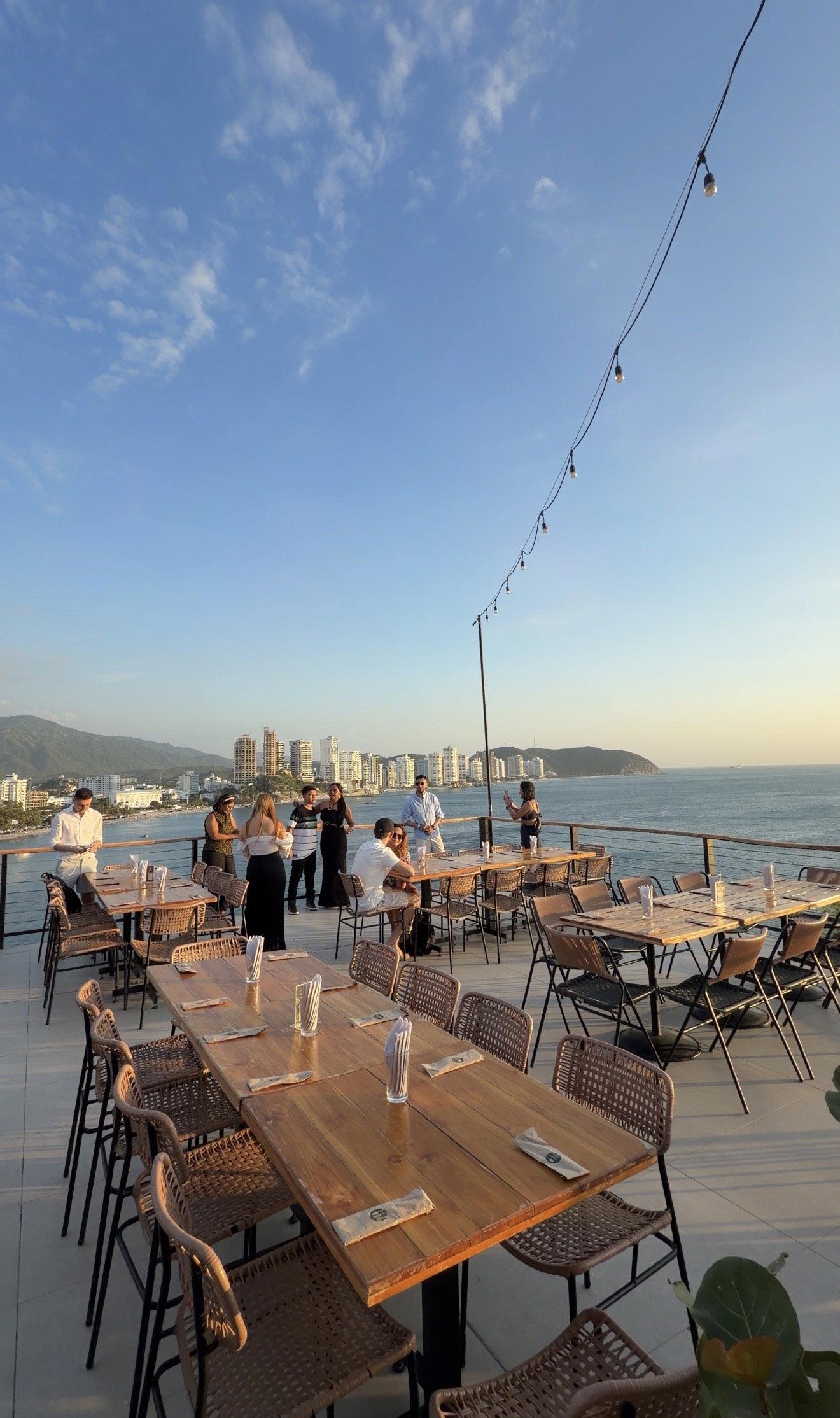
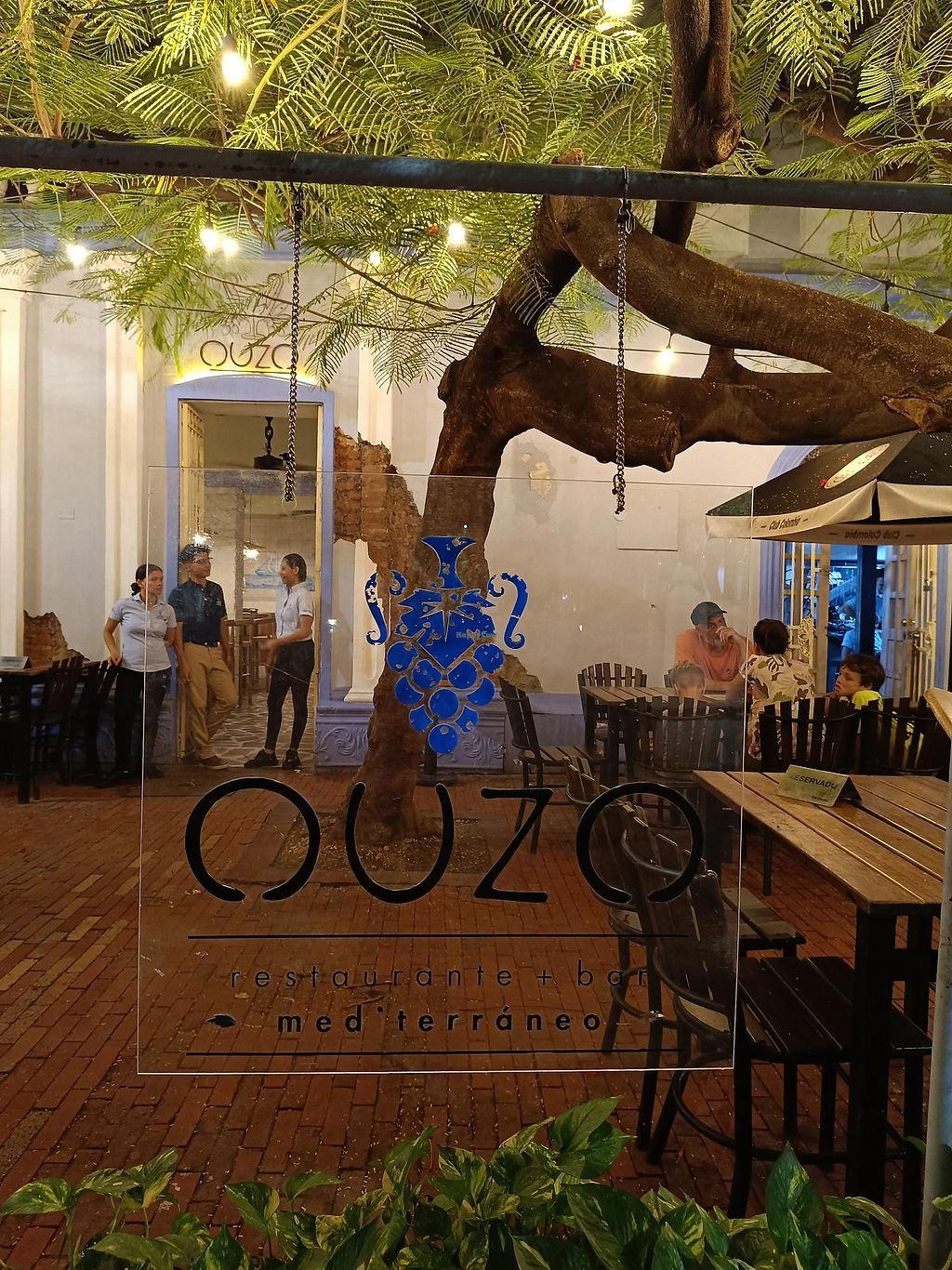
Across Colombia's smaller tourist towns, from the coffee region villages of the Eje Cafetero to the coastal settlements near Tayrona National Park, this hybrid format recurs. It is worth noting for the traveller that one relevant comparison when visiting Minca is not to the full-service restaurant scene in Santa Marta itself, where spots like BK - BURUKUKA Restaurante Bar / Sunset Spot Santa Marta or Ouzo Santa Marta offer a different register of dining entirely, but to the specific logic of what a mountain village stop needs to do.
Minca as a Dining Context
Understanding Cattleya requires understanding Minca's position in the broader Santa Marta travel circuit. The village sits roughly an hour from the city by road and functions as the primary inland escape for visitors to the Caribbean coast who want altitude, birding, and cooler temperatures. It is popular with backpackers, eco-tourists, and increasingly with Colombian urban travellers from Bogotá and Medellín seeking a contrast to beach tourism.
The dining options in Minca reflect that visitor profile. The riverside restaurants lean rustic and slow-paced. Several serve fresh fish from nearby streams and local fruit plates in a setting designed for lingering. For those wanting a broader sense of Santa Marta's food scene before or after a Minca trip, the city's own restaurant circuit is more developed, with venues like Restaurante LamArt and BURURAKE representing what the coastal city does at a higher level of culinary ambition.
Against that context, the fast food format in Minca serves a gap rather than competing with it. The traveller who has just descended from the Pozo Azul waterfall or the La Victoria coffee farm does not always want, or have time for, a full sit-down meal before the last shared taxi back to Santa Marta. A quick stop that also lets them pick up a small piece of regional craft or a packaged local coffee is practically useful.
The Souvenir Dimension
The retail side of Cattleya connects to a broader pattern in Colombian eco-tourism corridors. Minca sits within the Sierra Nevada de Santa Marta, a region with significant Indigenous cultural heritage and a coffee and cacao economy that generates several categories of artisan product. Souvenir retail in this context often includes woven goods, locally grown and processed coffee, cacao-based products, and small craft items. For many travellers, the village stop is their only opportunity to purchase something directly connected to the agricultural landscape they have been moving through.
That makes the souvenir function at a place like Cattleya more than retail filler: it positions the venue as a point of contact between the visitor economy and local production, even at a small scale. Across Colombia's tourist towns, the venues that combine food service with regional product retail are often the ones best positioned to survive the low seasons that affect more specialised food-only operations. For comparison on how Colombia's broader restaurant and food culture operates at different registers, venues like Debora Restaurante in Bogota, Harry Sasson in Bogotá, or El Boliche Ceviche in Cartagena represent what focused culinary formats look like when scale and ambition allow for specialisation. Cattleya occupies a different register and is better understood on its own terms.
Planning Your Visit
Minca is most easily reached from Santa Marta by shared taxi or mototaxi, with journey times typically under an hour depending on road conditions. The village's main commercial area is walkable from most accommodation, so finding Cattleya requires no special logistics beyond arriving in the centre. Walk-ins are welcome. Visitors making a day trip from Santa Marta should note that the last departures back to the city thin out in the late afternoon, so timing a food stop before or just after the midday peak is practical. For those building a wider Colombian itinerary, the restaurant scene in other cities offers context on what the country's food culture looks like at different scales: Donde Mama in Barranquilla, X.O. in Medellín, Domingo in Cali, and Sevichería Guapi in Santiago De Cali are useful reference points across the regions.
Recognition Snapshot
Comparable venues nearby, for context on price, style, and recognition.
| Venue | Cuisine | Price | Notes |
|---|---|---|---|
| Cattleya Fast Food & SouvenirsThis venue — the venue you are viewing | Venezuelan Arepas & Latin | $ | Not listed |
| Ouzo Santa Marta | Mediterranean with Greek Influences | $$ | Parque de los Novios |
| BURURAKE | Steakhouse Parrilla Fusion | $$ | Minca |
| Restaurante LamArt | Artistic Seafood Fusion | $$ | Comuna 2 |
| BK - BURUKUKA Restaurante Bar / Sunset Spot Santa Marta | Caribbean Fusion with Local Flavors | $$$ | Rodadero |
| Taco Beach | Mexican-Caribbean Taqueria | $ | Calle Santo Domingo |
Continue exploring
More in Santa Marta
Restaurants in Santa Marta
Browse all →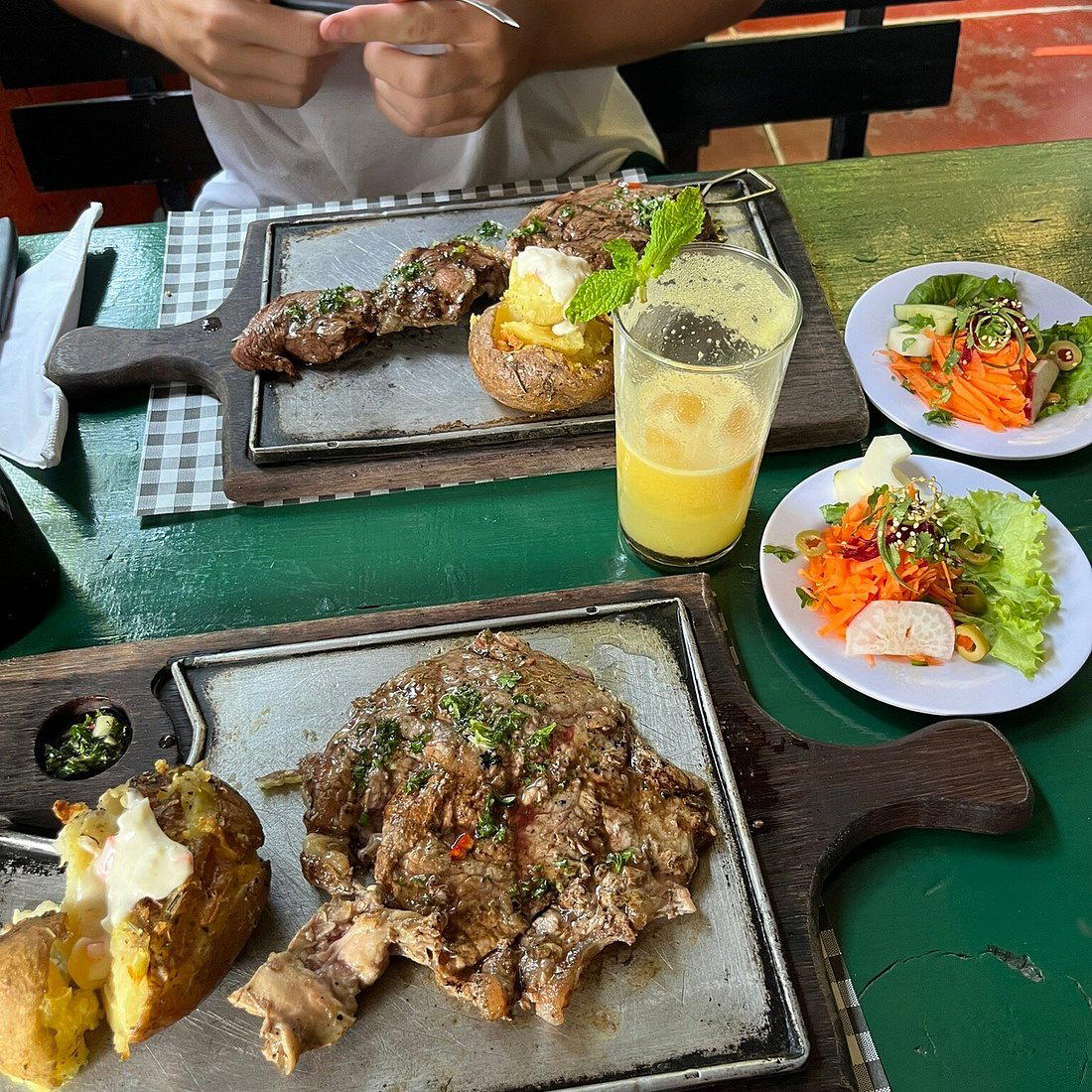
Bars in Santa Marta
Browse all →
Hotels in Santa Marta
Browse all →
At a Glance
- Cozy
- Casual Hangout
- Family
- Terrace
- Mountain
Current opening hours
- Monday
- 12–9:30 PM
- Tuesday
- 12–9:30 PM
- Wednesday
- 12–9:30 PM
- Thursday
- 12–9:30 PM
- Friday
- 12–9:30 PM
- Saturday
- 12–9:30 PM
- Sunday
- 12–9:30 PM
Hours can change for holidays and private events. Last verified .
Cozy and cute spot with a nice rooftop terrace offering beautiful mountain views and a welcoming, friendly atmosphere.