Burger AG sits on Homburger Landstraße in Frankfurt's northern reaches, operating within a city that takes its restaurant culture seriously without always advertising it loudly. The venue's name and address place it outside the Sachsenhausen and Bahnhofsviertel circuits that dominate most Frankfurt dining coverage, making it a reference point for those tracking the city's less-documented eating geography.
Pearl is the En Primeur Club membership app — saves, bookings, and concierge access live there. Same editors, same standards.
- Address
- Homburger Landstraße 785, 60437 Frankfurt am Main, Germany
- Phone
- +496957809911
- Website
- burgerag.de
- Directions
- Get directions
 Saves & bookings on Pearl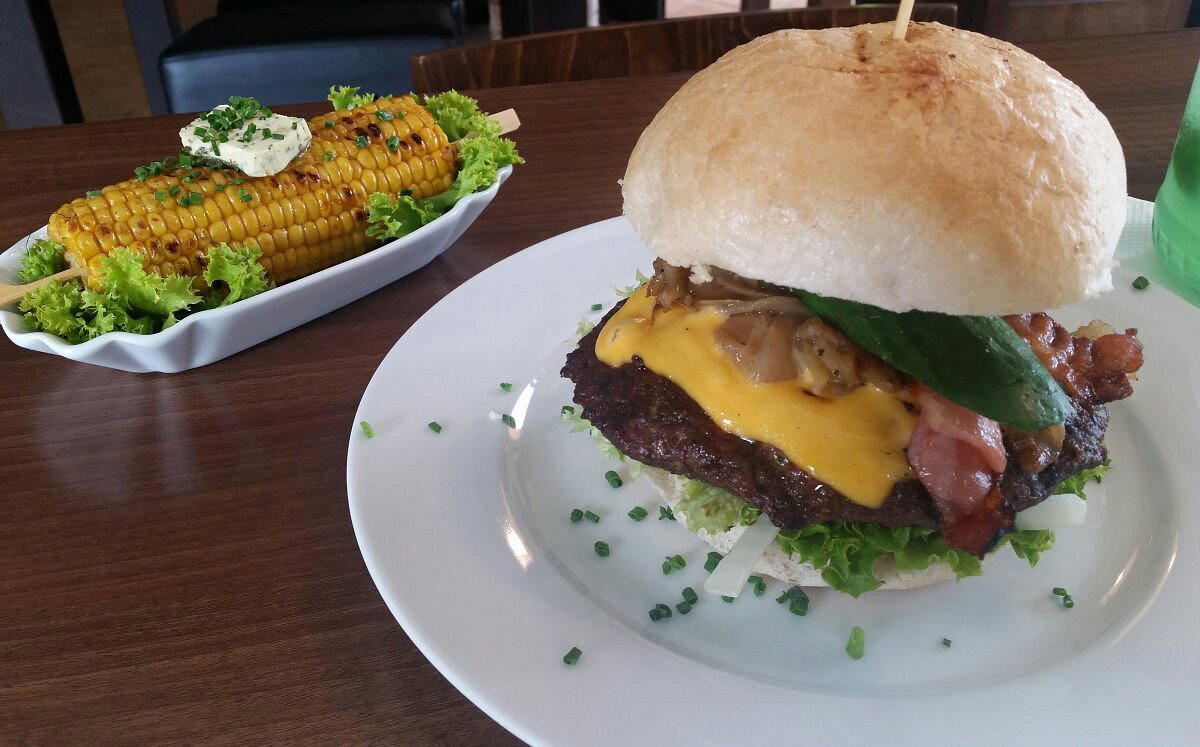
Frankfurt's Northern Dining Belt: Context Before the Counter
Burger AG is a restaurant in Frankfurt am Main's 60437 district, serving American Burgers at Homburger Landstraße 785. The Bahnhofsviertel draws the international press for its density of eating options within walking distance of the main station. Sachsenhausen gets the Apfelwein coverage. But the city's northern corridors, running out along Homburger Landstraße toward the suburbs and the A661 interchange, represent a different kind of dining geography: less curated, less photographed, and in some cases more revealing of how Frankfurt actually eats when it isn't performing for visitors. Burger AG's address at Homburger Landstraße 785 places it squarely in that northern territory, at a point where the city transitions from dense urban fabric into the kind of mid-scale commercial and residential mix that most restaurant guides skip over entirely.
That geographic position matters editorially. Germany's most-discussed restaurant destinations in 2024 and 2025 cluster in the south and west: Schwarzwaldstube in Baiersbronn, Waldhotel Sonnora in Dreis, and Schanz in Piesport all sit in that award-heavy corridor. Frankfurt, as a financial capital with a transient international population, has historically supported solid mid-market dining over the kind of obsessive, terroir-rooted restaurants that earn Michelin attention in smaller German towns. Understanding Burger AG means understanding that broader urban dynamic first.
The Address and What It Signals
Homburger Landstraße 785 is a specific kind of Frankfurt postcode: outer-borough, car-adjacent, and unlikely to generate foot traffic from hotel guests or conference attendees staying near the Messe. Restaurants in these locations typically build their clientele from a tighter geographic radius than city-centre venues, which produces a different room character. Regulars tend to dominate the booking sheet. The atmosphere, approaching from the street, is shaped by the neighbourhood rather than by a design brief aimed at destination diners.
This contrasts with the central Frankfurt venues that compete for the same broader audience. ALEJANDRO'S, Allgaiers Restaurant, and Ariston each operate in a more visible tier of the Frankfurt market, with the kind of central positioning that attracts both local regulars and visitors working through a city itinerary. atm by Deli&Grape; and Babam occupy a different niche again, each with a more defined concept identity. The restaurant's northern address positions it outside all of those circuits, which shapes expectations before you've seen the menu or the room.
On Wine Lists in German Mid-Market Venues
The editorial angle for any Frankfurt venue worth examining in 2025 often runs through the cellar rather than the kitchen. Germany's wine-list culture has matured considerably over the past decade. The country's own producers have pushed quality signals higher across Riesling, Spätburgunder, and increasingly Grauburgunder, while sommeliers in mid-tier urban venues have become more confident anchoring lists to domestic producers rather than defaulting to French imports for credibility.
At Germany's most ambitious tables, the wine program operates as a parallel attraction to the food. Victor's Fine Dining by Christian Bau in Perl and Vendôme in Bergisch Gladbach both maintain cellars with the depth and curation that function as independent reasons to book. JAN in Munich and Restaurant Haerlin in Hamburg demonstrate how northern and southern German cities have each developed distinct wine-list personalities. Aqua in Wolfsburg and ES:SENZ in Grassau illustrate how regional venues outside the major cities can punch above their geographic weight when the wine program is treated with the same seriousness as the kitchen.
Frankfurt's mid-market and neighbourhood venues have been slower to develop this kind of wine ambition, partly because of the corporate dining culture that dominates the city's upper tier: expense-account tables tend to default to safe, legible labels rather than producers that require explanation. That creates an opening for venues willing to build a list with genuine curatorial intent at price points below the fine-dining bracket.
For comparison across European contexts, venues like Le Bernardin in New York City and Lazy Bear in San Francisco demonstrate how wine programs in non-European markets have increasingly adopted the curation depth that was once a European distinction. CODA Dessert Dining in Berlin shows how a German venue can build a drinks program that functions as a genuine conceptual anchor, not merely a supporting list.
What Frankfurt's Outer-Borough Venues Offer That Central Tables Don't
There is a consistent pattern across European financial capitals: the restaurants that locals treat as genuine regulars rather than special-occasion destinations tend to cluster in the less-photographed postal codes. In Paris, the 11th and 20th have been playing this role for years. In Frankfurt, the equivalent geography runs north and east of the Innenstadt, through neighborhoods where rents allow a different kind of operational model and where the room isn't competing for visibility on social feeds.
Venues in these locations can offer value-to-quality ratios that city-centre addresses cannot sustain, and they can build the kind of repeat-customer intimacy that drives a more attentive service culture. The trade-off is accessibility: without a car or a willingness to extend a journey, these addresses require deliberate effort from visitors. That friction acts as a natural filter, and the room composition that results is typically more local and less tourist-weighted than you'd find closer to the Dom or the Römerberg.
Planning a Visit
The restaurant's address at Homburger Landstraße 785 in the 60437 postal district places it in Frankfurt's northern outer zone. Visitors coming from the city centre should plan for a transit or driving leg that extends beyond what most hotel concierges will reflexively suggest. Reservations are recommended, and the restaurant is open Mon to Fri and Sun 12 to 10 PM, with Saturday service from 5 to 10 PM. Given the outer-borough location and the dynamics described above, an evening visit rather than a speculative drop-in is the more reliable approach.
Similar Picks
Comparable venues nearby, for context on price, style, and recognition.
| Venue | Cuisine | Price | Notes |
|---|---|---|---|
| Burger AGThis venue — the venue you are viewing | American Burgers | $$ | Not listed |
| Der Fette Bulle | Gourmet American Burgers | $$ | Roemerberg |
| Bodega el Amigo | Authentic Spanish Tapas | $$ | Palmengarten |
| Mian Nudelhaus | Chinese Handmade Noodles | $$ | Goethehaus |
| Udon Thai Imbiss | Authentic Thai Cuisine | $$ | Sachsenhausen |
| Gilgamesch | Persian Middle Eastern | $$ | Palmengarten |
Continue exploring
More in Frankfurt
Restaurants in Frankfurt
Browse all →
Bars in Frankfurt
Browse all →
Hotels in Frankfurt
Browse all →

At a Glance
- Lively
- Cozy
- Casual Hangout
- Family
Current opening hours
- Monday
- 12–10 PM
- Tuesday
- 12–10 PM
- Wednesday
- 12–10 PM
- Thursday
- 12–10 PM
- Friday
- 12–10 PM
- Saturday
- 5–10 PM
- Sunday
- 12–10 PM
Hours can change for holidays and private events. Last verified .
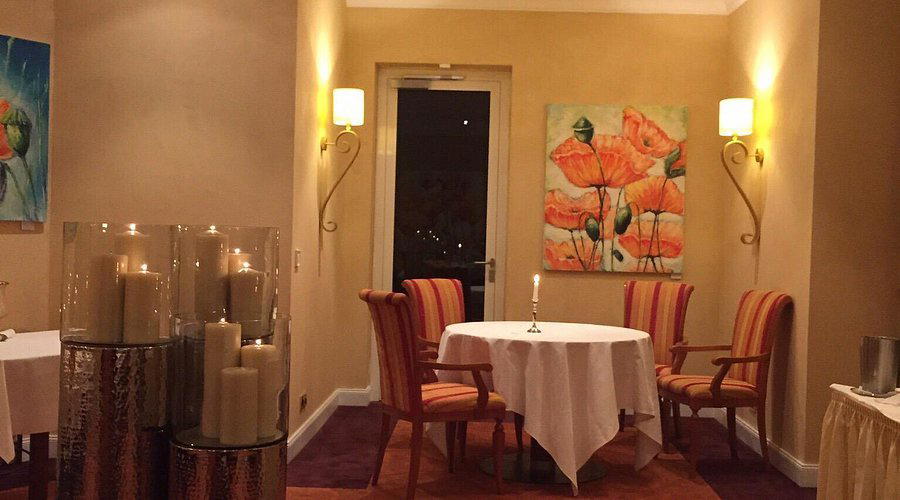
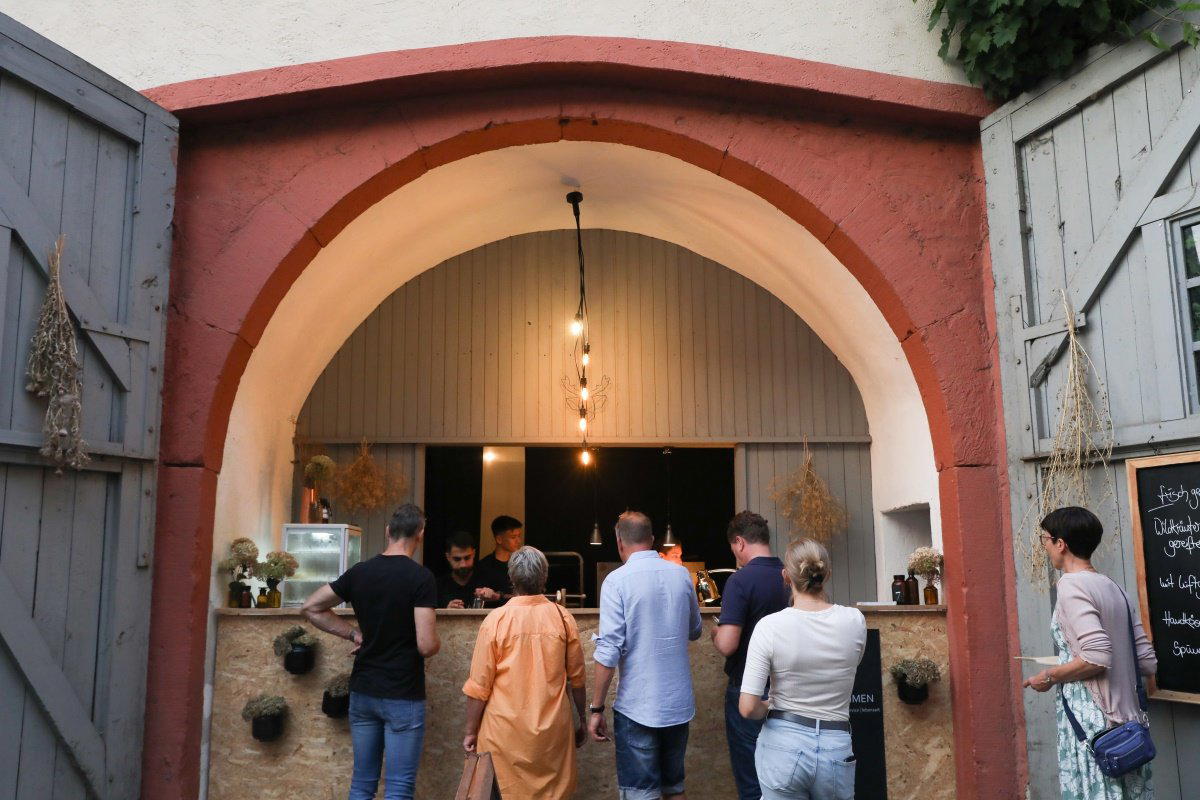
Relaxed and unfussy atmosphere in a typical German 'Gasthof' setting with friendly, discreet staff.