Burbello
Burbello sits on Via Aldo Moro in Trebaseleghe, a small comune in the Veneto's agricultural belt where the flat countryside between Padua and Treviso has long supplied serious kitchens with produce, game, and dairy. The surrounding area positions the restaurant inside a regional dining tradition that prizes direct sourcing over imported ingredients, making ingredient provenance as much a part of the experience as what arrives on the plate.
Pearl is the En Primeur Club membership app — saves, bookings, and concierge access live there. Same editors, same standards.
- Address
- Via Aldo Moro, 4/A, 35010 Trebaseleghe PD, Italy
- Phone
- +393341197760
- Website
- pizzeriaburbello.com
- Directions
- Get directions
 Saves & bookings on Pearl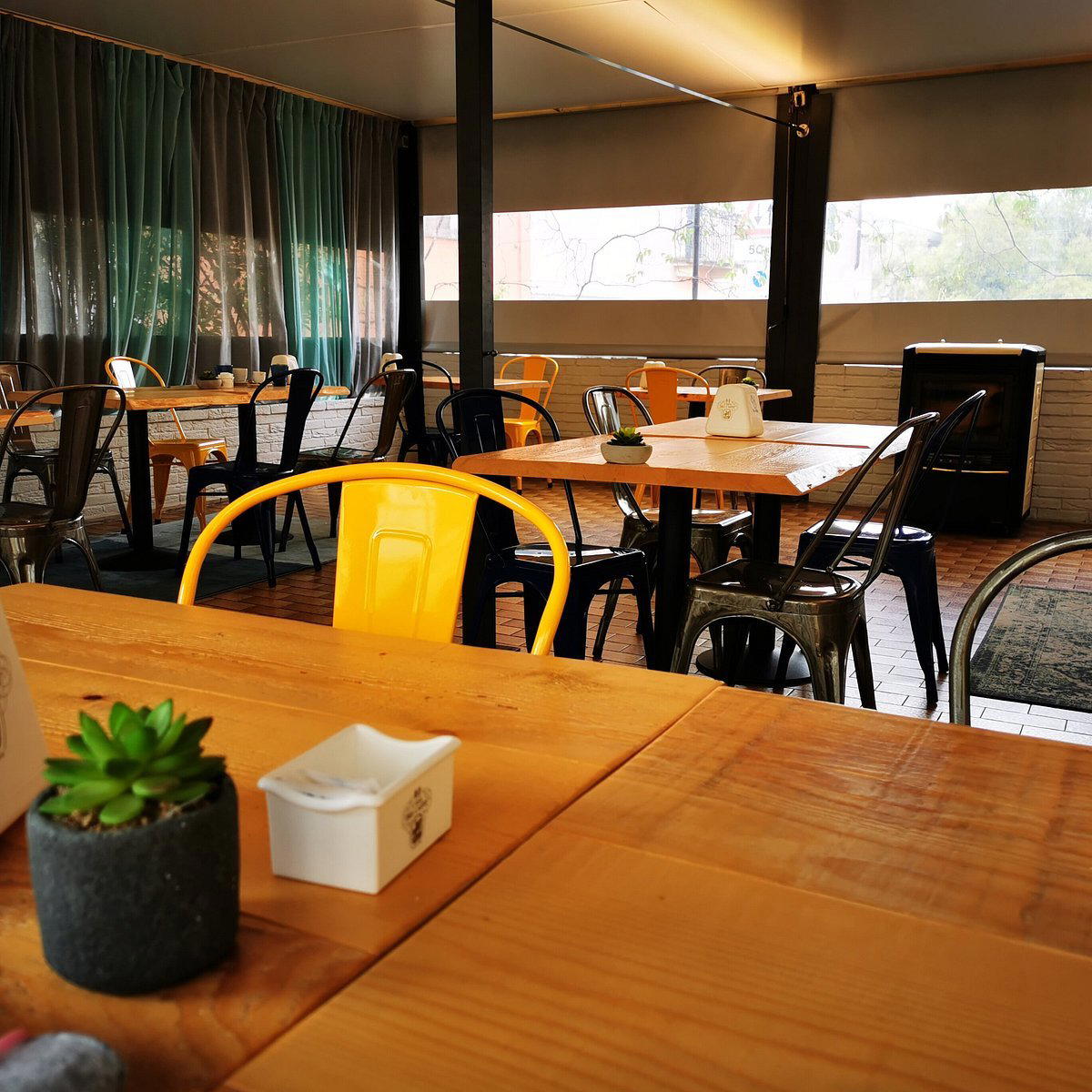
The Veneto's Agricultural Belt and What It Means for a Plate of Food
Trebaseleghe sits in the low-lying countryside between Padua and Treviso, in a stretch of the Veneto that rarely appears in travel itineraries built around Verona or Venice. That relative quiet is, in culinary terms, an advantage. The Padovana plain has supplied the region's markets and tables for centuries: radicchio di Treviso from fields less than twenty kilometres north, white asparagus from Badoere and Cimadolmo in season, Marano maize for polenta, freshwater fish from the Brenta and Sile rivers, and a dairy tradition rooted in the surrounding lowland farms. Restaurants operating in this corridor have access to a supply chain that more famous addresses in larger Italian cities often have to replicate at considerable cost and effort. Burbello is a casual Italian Pizza restaurant in Trebaseleghe, Italy, on Via Aldo Moro at the centre of Trebaseleghe, occupies that position directly.
The Veneto is one of Italy's most internally varied food regions. Along the coast, kitchens at places like Uliassi in Senigallia and Quattro Passi in Marina del Cantone operate around the logic of the sea. Inland, particularly in this agricultural crescent, the logic is entirely different: the season and the field determine the menu, not the catch. That distinction shapes how kitchens here approach cooking in a way that separates them from the coastal creative mode.
Sourcing as Structure, Not Story
In northern Italy's more thoughtful provincial restaurants, ingredient sourcing is not a marketing posture, it is the structural logic of the menu. Where a restaurant sits geographically determines what it can serve honestly. The Padovana corridor gives any kitchen working within it a specific seasonal calendar: autumn brings chestnuts and game birds; winter shifts toward braised cuts, root vegetables, and aged cheeses; spring opens with the asparagus and pea season that defines Veneto tables; summer rounds out with zucchini flowers, tomatoes, and the soft herbs that grow prolifically in the flatlands. A restaurant in Trebaseleghe that follows this calendar does not need to reach far for its ingredients, and the proximity, measured in road kilometres, is genuinely short.
The multi-course tasting menus at Le Calandre in Rubano, the Alajmo family's three-Michelin-star address, itself in the Padua province, or the creative seasonal architecture at Dal Pescatore in Runate both operate at a scale and visibility that demands consistent ingredient supply regardless of what a given week's markets offer. Smaller, quieter restaurants in the same countryside often have more room to be genuinely responsive: to pull a dish when the produce isn't right, to add one when something comes in early. That responsiveness is one of the less-discussed advantages of provincial dining at this scale.
What the Surrounding Region Tells You About the Food
The Veneto's culinary tradition is one of Italy's most coherent and least compromised by tourism pressure in its inland form. Polenta remains a genuine staple rather than a retro affectation. Baccalà alla vicentina, salt cod slow-cooked in milk with onion and anchovy, is still served in the way it was intended: as a patient, labour-intensive dish that rewards the kitchen's time more than the diner's appetite for novelty. Risotto in this territory uses Vialone Nano, the IGP-protected variety grown in the Veronese lowlands, with a texture and starch behaviour distinct from Arborio. These are not minor variations; they are different dishes that reflect different agricultural histories.
Restaurants in the area between Padua and Treviso that take this tradition seriously tend to read differently from the high-concept creative format dominant at starred addresses like Reale in Castel di Sangro or Atelier Moessmer Norbert Niederkofler in Brunico. Those kitchens are in conversation with international fine dining; a provincial Veneto table is, at its leading, in conversation with the countryside immediately outside its window.
Trebaseleghe and the Dining Context
Trebaseleghe is a comune of around 12,000 people. It functions as an agricultural and light-industrial town rather than a tourism destination, which means its restaurants exist primarily to serve a local clientele with genuine expectations of regional cooking. That context matters. Restaurants that survive in small towns without a tourist safety net tend to maintain honest kitchens: the regulars know what a dish should cost and how it should taste, and they return or don't based on that knowledge alone. The competitive pressure is different from Venice or Verona, but it is not absent.
Within Trebaseleghe itself, Baracca - Storica Hostaria represents the established trattoria end of the local offer, with a format built around regional classics and a wine list weighted toward Veneto and Friuli producers. Both addresses occupy a different tier from the destination format of Osteria Francescana in Modena or Enoteca Pinchiorri in Florence, but the comparison is less relevant than it might seem, the aims are different, and so is what a successful meal looks like.
Planning a Visit
Burbello is located at Via Aldo Moro 4/A in Trebaseleghe, reachable by car from Padua in under thirty minutes and from Treviso in a similar window. The address is central to the comune rather than rural-peripheral, which makes it a direct stop rather than a destination requiring specific routing. Given that the restaurant operates in a local-first market, booking ahead is advisable, particularly for weekend evenings when Veneto families tend to eat out in larger groups. Contact details and current hours are best confirmed directly with the restaurant prior to visiting, as provincial restaurants in Italy frequently adjust their schedules seasonally. Reservations are recommended.
Fast Comparison
Comparable venues nearby, for context on price, style, and recognition.
| Venue | Cuisine | Price | Awards | Notes |
|---|---|---|---|---|
| BurbelloThis venue — the venue you are viewing | Italian Pizza | $$ | Not listed | Not listed |
| Baracca - Storica Hostaria | Traditional Italian Regional | $$$ | Michelin Plate | Trebaseleghe |
| Venchi Cioccogelateria | Italian Chocolate Gelateria | $$ | Not listed | San Marco |
| La Zucca | Venetian Vegetable-Focused Osteria | $$ | Not listed | Santa Croce |
| Taverna Dei Dogi | Traditional Venetian Trattoria | $$ | Not listed | Castello |
| Nalin | Traditional Venetian Grill & Regional Italian | $$ | Not listed | Sant'Andrea, Campodarsego |
Continue exploring
More in Trebaseleghe
Restaurants in Trebaseleghe
Browse all →
Bars in Trebaseleghe
Browse all →
Hotels in Trebaseleghe
Browse all →
At a Glance
- Casual Hangout
Current opening hours
- Monday
- 7–11 PM
- Tuesday
- Closed
- Wednesday
- 7–11 PM
- Thursday
- 7–11 PM
- Friday
- 7–11 PM
- Saturday
- 7–11 PM
- Sunday
- 7–11 PM
Hours can change for holidays and private events. Last verified .