Brusko Grill Restaurant sits on Emmy-Noether Strasse in Dachau, positioned within a town that draws visitors from Munich's northwestern corridor. The grill format places it in a category where sourcing and fire technique define the kitchen's identity, making it a practical address for the region's meat-focused dining scene. For Dachau residents and Munich day-trippers alike, it represents a local option with a clear culinary focus.
Pearl is the En Primeur Club membership app — saves, bookings, and concierge access live there. Same editors, same standards.
- Address
- Emmy-Noether Str. 4, 85221 Dachau, Germany
- Website
- brusko.de
- Directions
- Get directions
 Saves & bookings on Pearl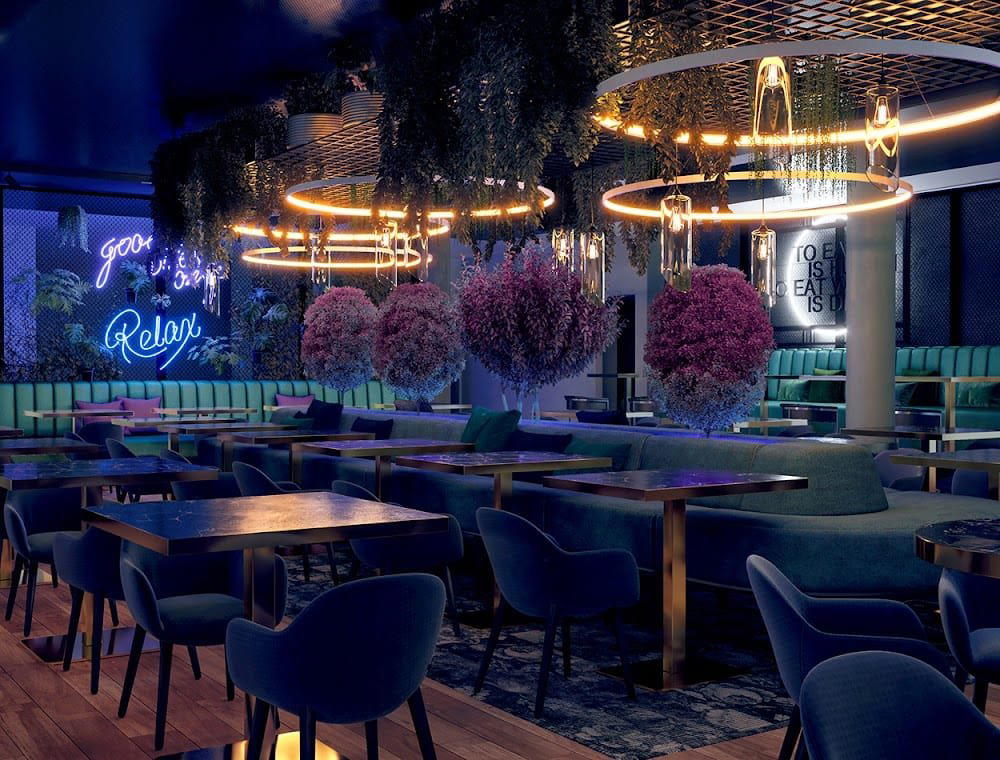
Grilling as a Statement: Dachau's Meat-Focused Dining Scene
The towns ringing Munich's northwestern edge rarely generate serious food-world attention. That role belongs to the city itself, where addresses like JAN in Munich operate in an entirely different register of ambition and price. But the suburban corridor has its own logic: restaurants here serve a local population that eats out regularly without the occasion-dining framing that Munich's fine-dining tier demands. Brusko Grill Restaurant, at Emmy-Noether Str. 4 in Dachau, occupies that everyday-serious category — a grill house whose format implies a kitchen organised around fire, protein, and the sourcing decisions that separate competent grilling from genuinely good grilling.
Dachau itself sits roughly 17 kilometres northwest of central Munich, accessible by S-Bahn on the S2 line. The town is better known internationally for its 20th-century history than for its food culture, but its residential base sustains a range of neighbourhood restaurants that operate independently of the Munich dining economy. For context on what else is available locally, the full Dachau restaurants guide maps the broader picture, including Café Zaunkönig and Nightingale Thai Cuisine and Bar, which between them cover the café and Asian ends of the local spectrum.
What a Grill Format Requires of Its Kitchen
In Germany's broader restaurant scene, the grill category occupies a specific position. It sits below the formal tasting-menu tier represented by places like Schwarzwaldstube in Baiersbronn or Aqua in Wolfsburg, but it carries its own set of technical and sourcing demands that make the category genuinely difficult to execute well. A grill kitchen cannot hide behind sauce complexity or labour-intensive plating. The quality of the animal, the age of the cut, and the precision of heat management are the whole story.
This is where sourcing becomes the editorial point. Across Europe's better grill restaurants, the conversation has shifted decisively toward breed provenance, pasture management, and ageing protocol. The best-regarded addresses in the category — whether in Madrid, London, or the German-speaking markets, build their identity around relationships with specific farms or butchers, and communicate that lineage to guests. At the high end of this trajectory, you find restaurants like Vendôme in Bergisch Gladbach treating ingredient provenance as a philosophical commitment across the entire menu. The grill-focused format compresses that commitment into a narrower range of ingredients, which makes the sourcing choices more exposed and more consequential.
For a local Dachau address operating without the documented awards or price-point data that would place it precisely within this hierarchy, the reasonable inference is that its grill format serves the neighbourhood market rather than the destination-dining circuit. That is not a criticism, it is a description of function. The Munich region's fine-dining restaurants require advance planning and occasion framing; a local grill house requires neither, and fills a different role in the weekly rhythm of eating out.
The Neighbourhood Context and What It Means for the Diner
Emmy-Noether Strasse sits in a residential section of Dachau, away from the tourist infrastructure near the memorial site. The street address suggests a restaurant that serves the town's working and professional population rather than day-trippers. In practical terms, this shapes everything from the atmosphere to the pace of service: neighbourhood restaurants in German towns of this size tend toward the unpretentious, with direct service, generous portions, and a price structure that reflects local purchasing power rather than destination-dining premiums.
Germany's suburban restaurant tier has been under genuine pressure in recent years, with rising food costs, energy prices, and staffing challenges reshaping the economics of everyday dining. Restaurants that have maintained a clear identity in this environment, whether through a consistent grill focus, a loyal local base, or a simple, well-executed menu, have generally fared better than those attempting to chase trends without the kitchen depth to support them. The grill format, when executed with discipline, has the structural advantage of relative menu simplicity: fewer ingredients, fewer moving parts, and a clearer value proposition for the guest.
For those approaching Dachau from Munich, the S2 S-Bahn line makes the trip direct, approximately 20 to 25 minutes from Munich Hauptbahnhof. Visitors combining a visit to the town's memorial with an evening meal will find the restaurant quarter clustered around the old town and the residential streets to the south. Booking ahead for weekend evenings at any local restaurant of this type is advisable, as neighbourhood restaurants in smaller German towns often operate with limited covers.
Placing Brusko Grill in the Wider German Dining Map
Understanding what Brusko Grill is requires understanding what it is not. The German restaurant scene at its upper registers produces some of Europe's most technically precise cooking: Victor's Fine Dining by Christian Bau in Perl, ES:SENZ in Grassau, and Waldhotel Sonnora in Dreis represent a tier of commitment that requires destination travel and months of forward planning. At the creative end, CODA Dessert Dining in Berlin pushes the category boundaries of what a restaurant can be. Internationally, the sustained technical standards of Le Bernardin in New York City or the collaborative format of Lazy Bear in San Francisco define different models of ambition entirely.
None of that context applies directly to a neighbourhood grill in Dachau, and it should not. The more relevant comparison set is the cluster of mid-tier German restaurants that serve their immediate communities with focus and reliability. Places like Schanz in Piesport, Bagatelle in Trier, L.A. Jordan in Deidesheim, GästeHaus Klaus Erfort in Saarbrücken, and Restaurant Haerlin in Hamburg each occupy defined positions in the German dining hierarchy. What the format signals is a kitchen with a clear technical orientation, where the quality of its execution will be legible in the product itself.
Planning Your Visit
Brusko Grill Restaurant is located at Emmy-Noether Str. 4, 85221 Dachau. Given the restaurant's neighbourhood profile, walk-in dining may be possible on quieter weekday evenings, but weekend visits warrant a call ahead if contact details become available. Dachau is served directly by Munich's S-Bahn network, making this a viable dinner option for Munich visitors without a car.
A Quick Peer Check
| Venue | Cuisine | Price | Awards |
|---|---|---|---|
| Brusko Grill Restaurant DachauThis venue — the venue you are viewing | This venue | Not listed | Not listed |
| Schwarzwaldstube | French, Classic French | €€€€ | Michelin 3 Star |
| Aqua | Contemporary German, Italian/Japanese, Creative | €€€€ | Michelin 3 Star |
| Vendôme | Modern European, Creative | €€€€ | Michelin 2 Star |
| CODA Dessert Dining | Creative | €€€€ | Michelin 2 Star |
| Tantris | Modern French, French Contemporary | €€€€ | Michelin 2 Star |
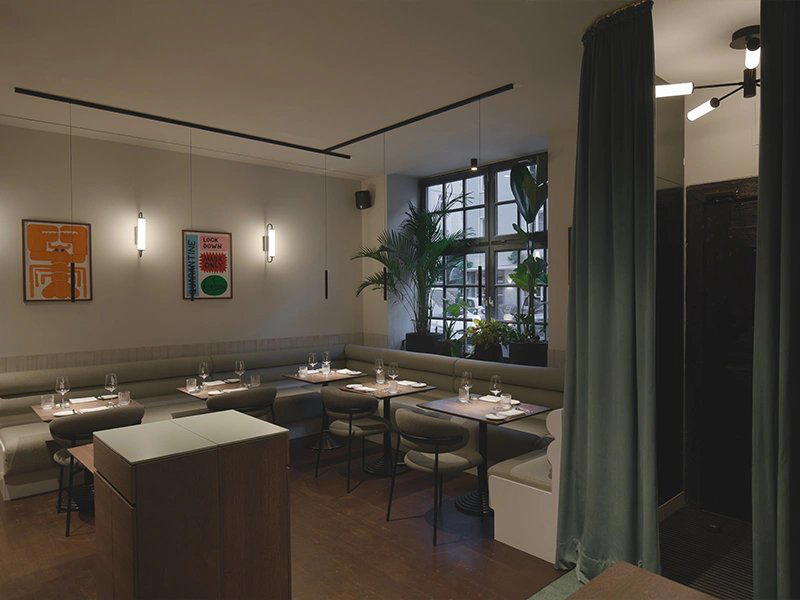
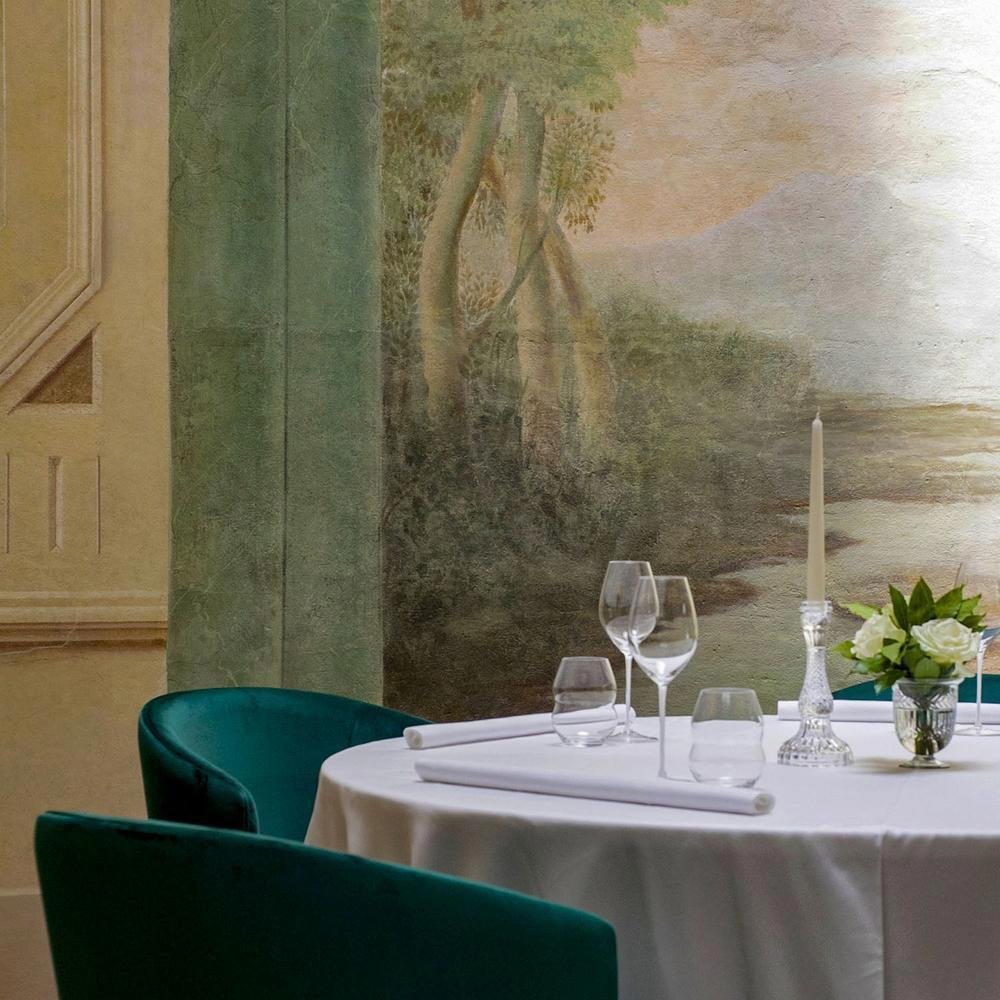
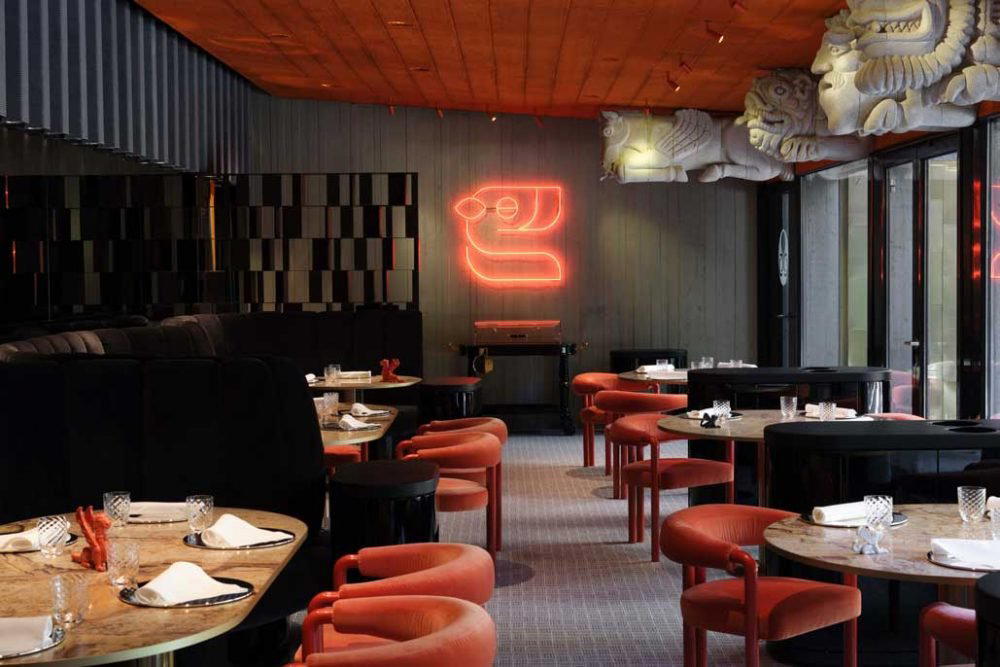
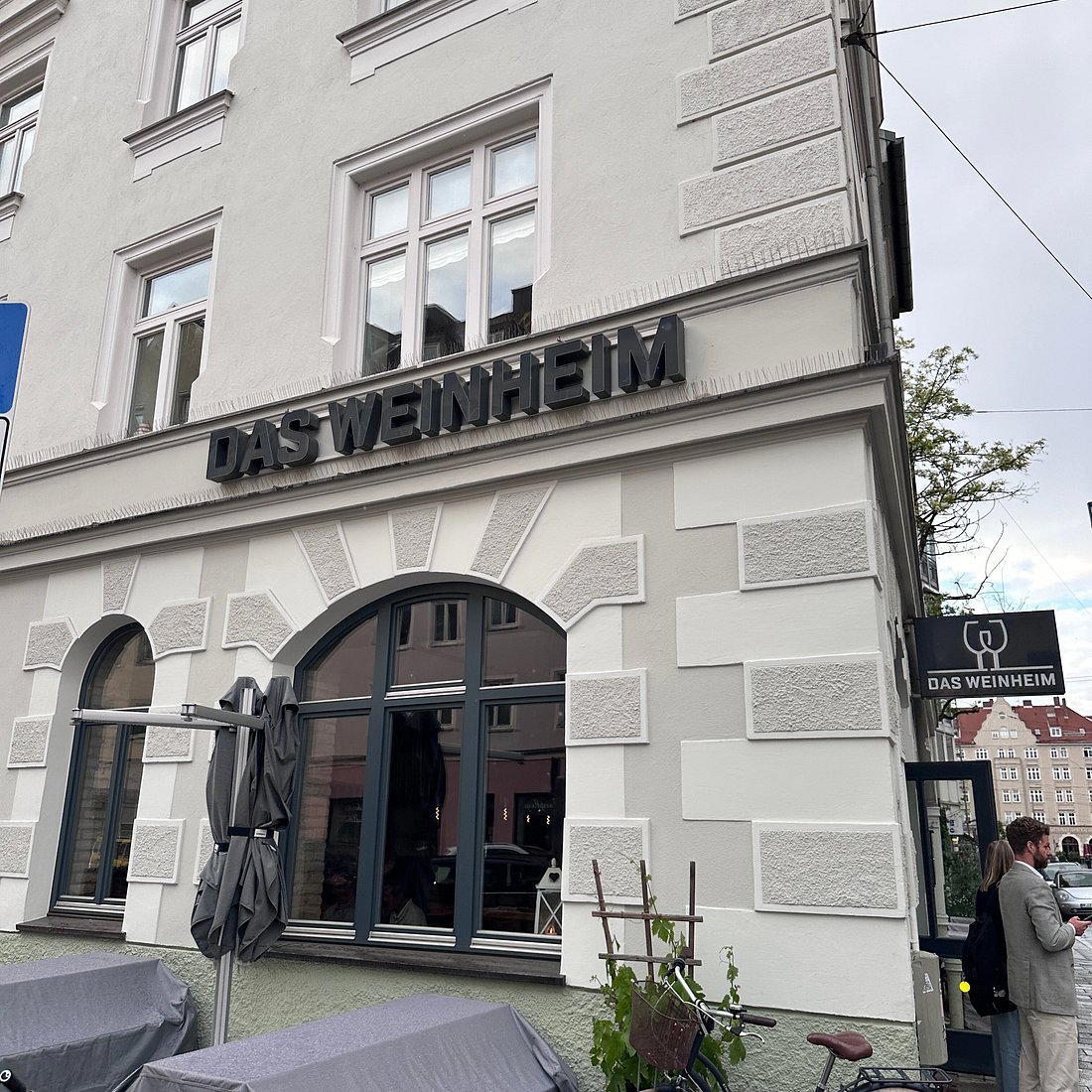

At a Glance
- Modern
- Elegant
- Sophisticated
- Cozy
- Date Night
- Group Dining
- Special Occasion
- Terrace
- Extensive Wine List
- Local Sourcing
Current opening hours
- Monday
- 5 PM–12 AM
- Tuesday
- 5 PM–12 AM
- Wednesday
- 5 PM–12 AM
- Thursday
- 5 PM–12 AM
- Friday
- 5 PM–12 AM
- Saturday
- 5 PM–12 AM
- Sunday
- 12–10 PM
Hours can change for holidays and private events. Last verified .
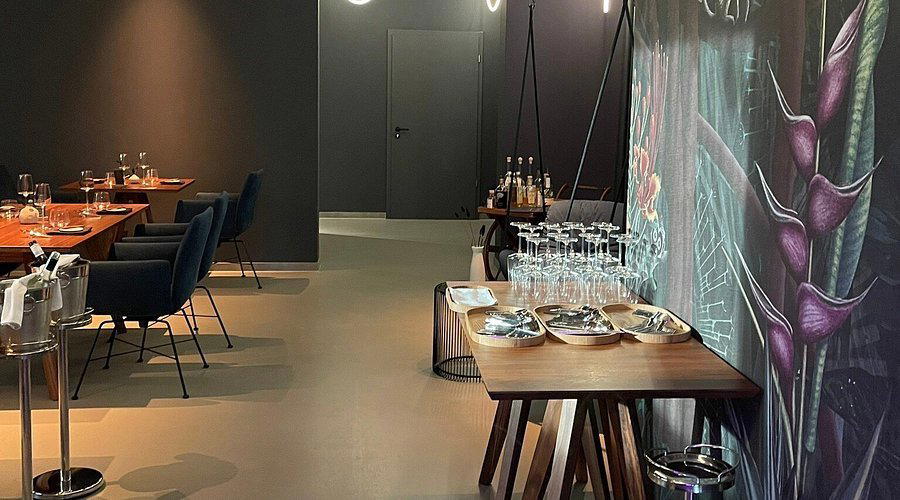
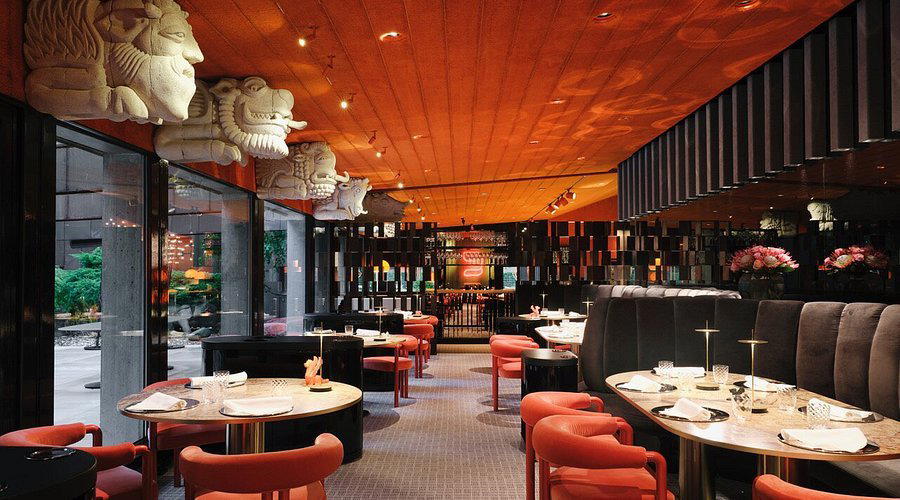
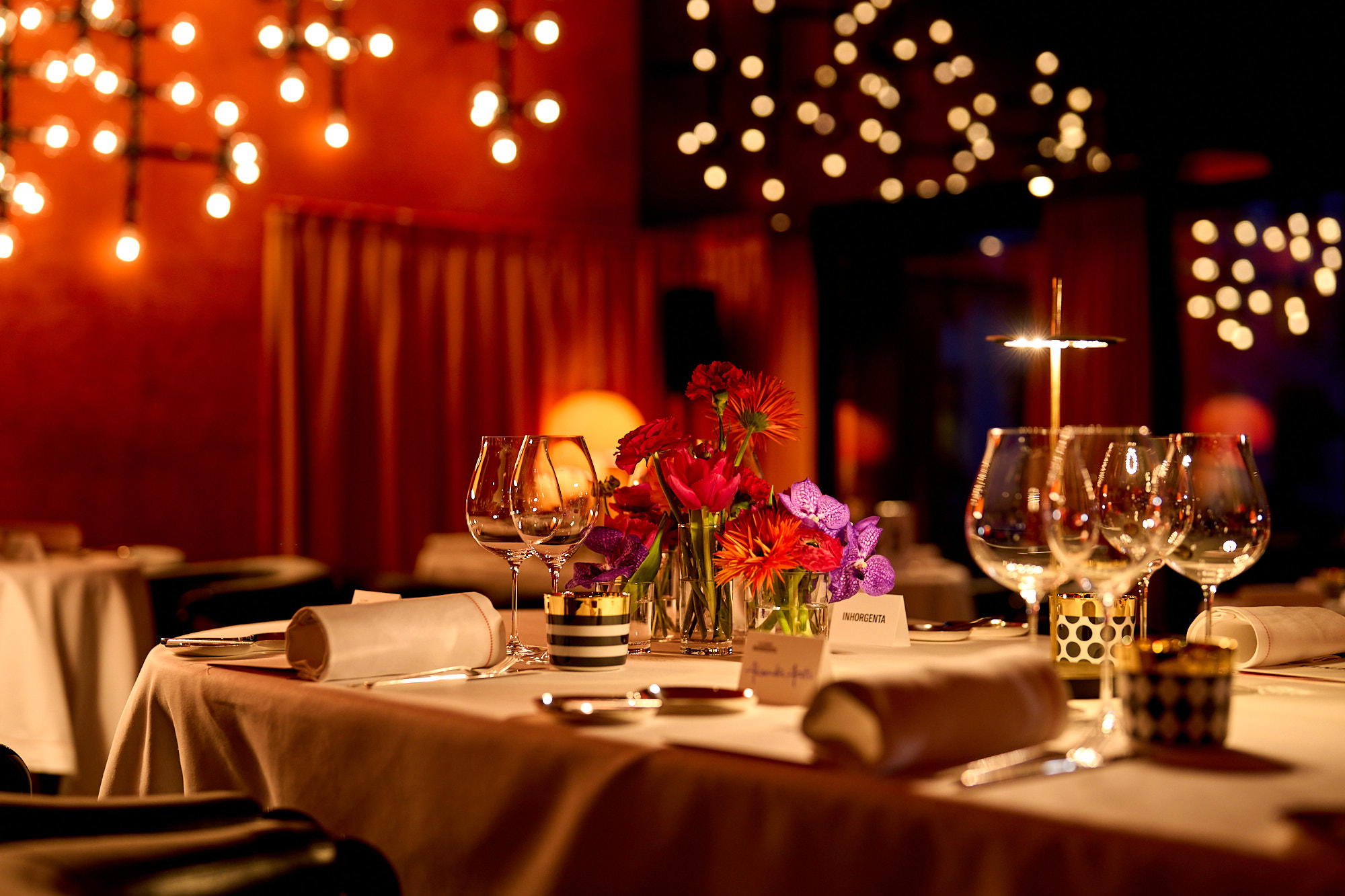
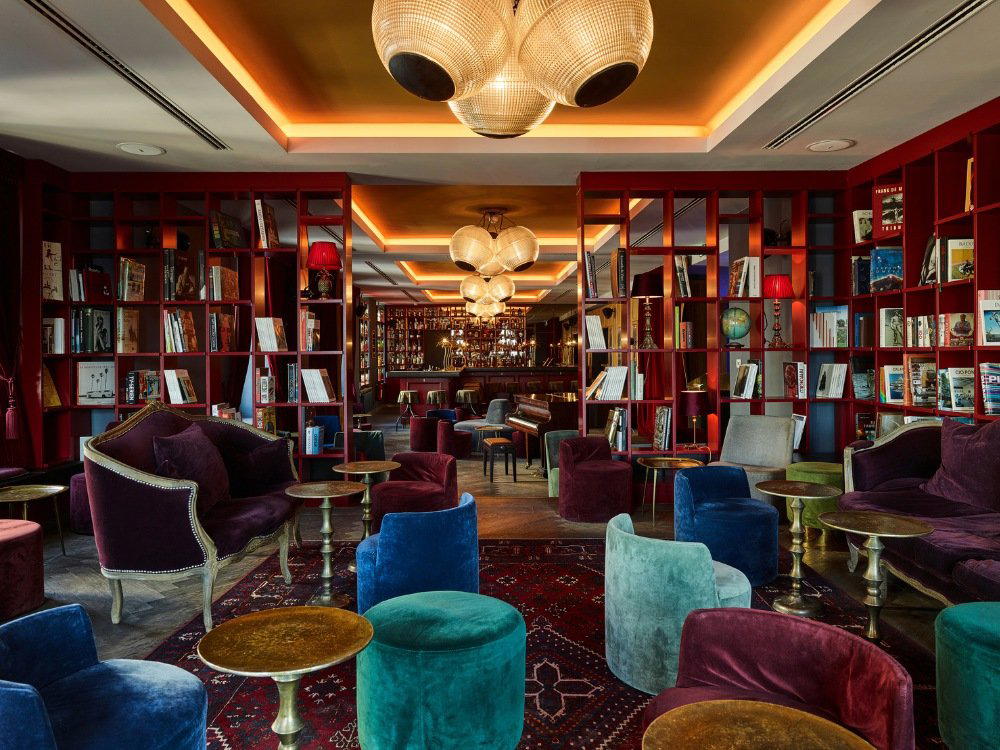
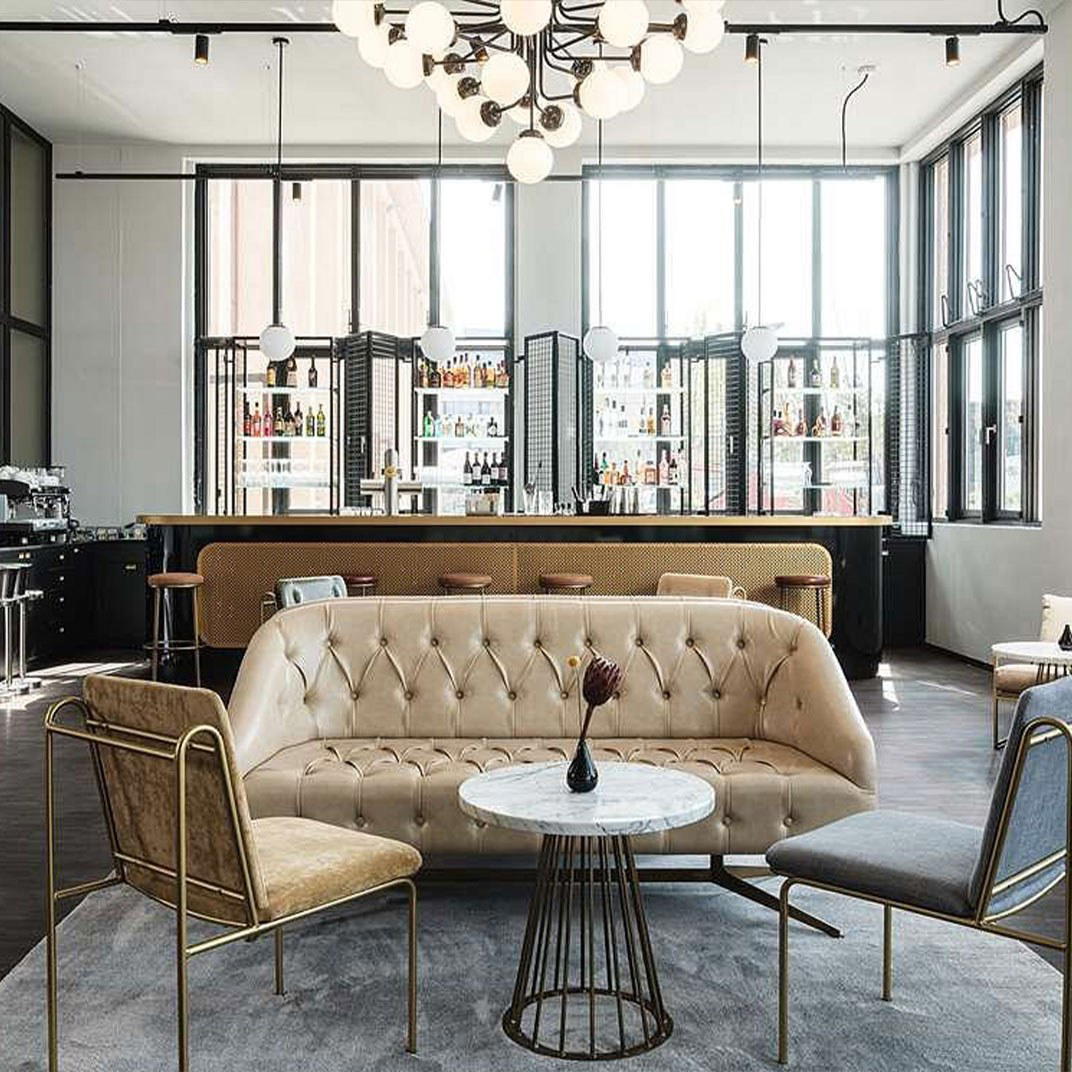
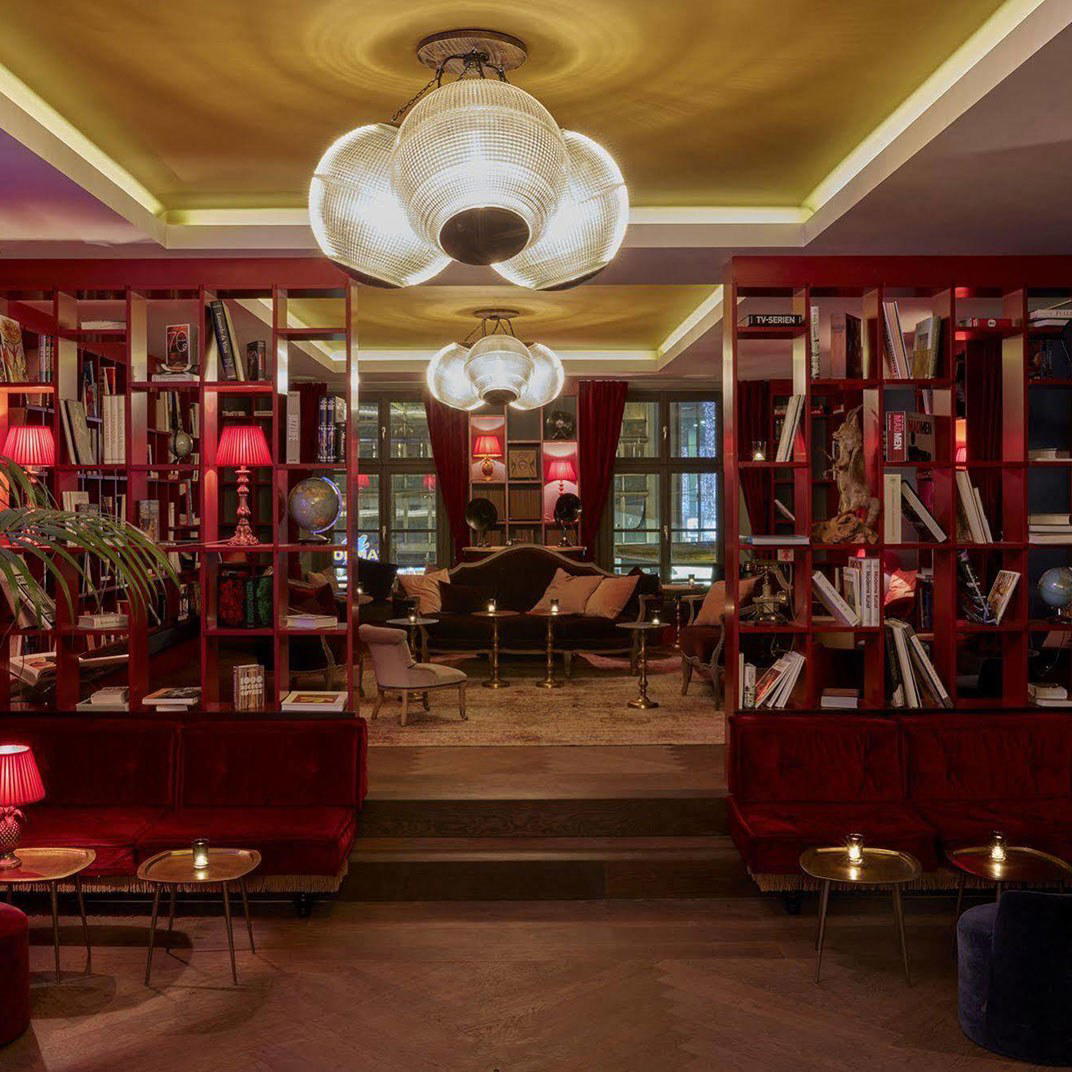
Sophisticated lighting concept with tasteful furnishings creating a modern, chic setting that feels upscale yet welcoming; described as plush and contemporary.