
Against Tokyo’s premium sushi and kappo economy, BROWNIE belongs to a different kind of serious dining: low-priced, counter-only curry-yoshoku with Tabelog 100 Curry TOKYO recognition in 2019, 2020, 2023, and 2024. Its eight-seat format in Sotokanda makes it a compact lunch proposition rather than a lingering restaurant night out.
Pearl is the En Primeur Club membership app — saves, bookings, and concierge access live there. Same editors, same standards.
- Address
- 3 Chome-7-9 Sotokanda, Chiyoda City, Tokyo 101-0021, Japan
- Phone
- +81 3-3252-1165
- Website
- facebook.com
 Saves & bookings on Pearl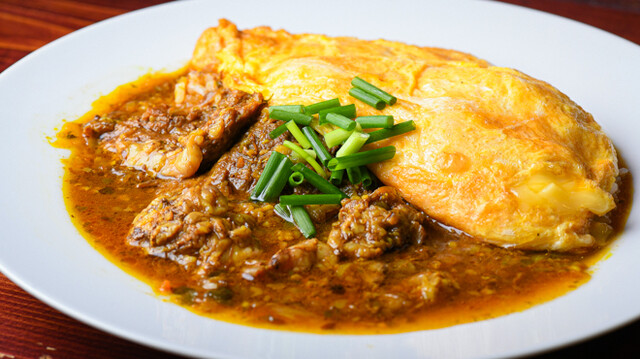
Sotokanda does not soften its edges for lunch. The area around Suehirocho and Akihabara runs on narrow shopfronts, fast decisions, and a rhythm set by office workers, hobbyists, and regulars who know exactly where they are going. In that setting, Tokyo curry occupies a useful middle ground: less ceremonial than sushi, less elastic than izakaya dining, and often more revealing about everyday taste than a long tasting menu. BROWNIE sits inside that compact tradition, an eight-seat counter whose scale makes the meal feel closer to a timed exchange than a drawn-out occasion.
Tokyo’s curry culture has never been one single cuisine. It moves between yoshoku, spice-curry experimentation, kissaten lunch plates, railway-station practicality, and specialist counters that treat curry as a category worthy of close comparison. The Tabelog 100 Curry TOKYO selections matter because they separate enduring local demand from ordinary convenience eating. Recognition in 2019, 2020, 2023, and 2024 places this Sotokanda counter in a group judged against Tokyo’s specialist curry field, not against general casual restaurants.
Counter curry in a city that often prices seriousness higher
The useful way to read this address is not as a bargain alternative to luxury dining, but as proof that Tokyo’s hierarchy of seriousness is broader than price. A small counter, no private rooms, and a narrow lunch window can carry as much intent as a polished room, provided the format is disciplined. Curry and yoshoku are the declared categories here, which matters: the reference point is Japanese Western-style comfort cooking as much as spice technique, a strand of Tokyo dining that prizes concentration, sauce, rice, and pace.
That puts the restaurant in a different lane from nearby premium formats. Ishibashi belongs to the sushi and unagi conversation, while Namaiki sits in a far higher spend bracket. Tempura and soba at Tentenkyokyo Umean ask for another kind of appetite and pacing. Among curry peers, Caligari Akihabara and BENGAL show how dense the Akihabara-Sotokanda curry map has become, with multiple specialist addresses competing within a short urban radius. BROWNIE’s relevance comes from being judged within that curry-specific field rather than from crossing into fine-dining theatre.
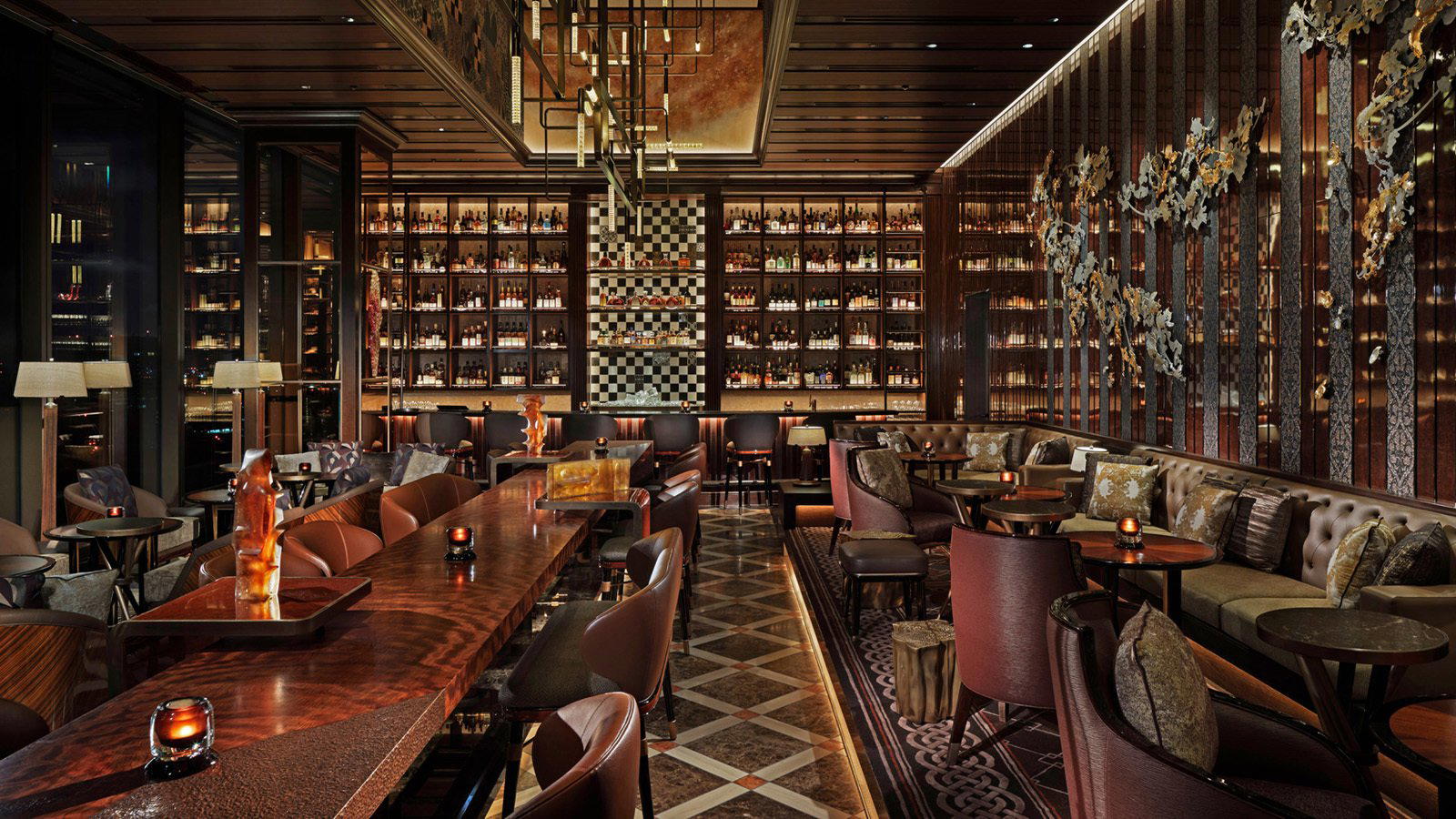
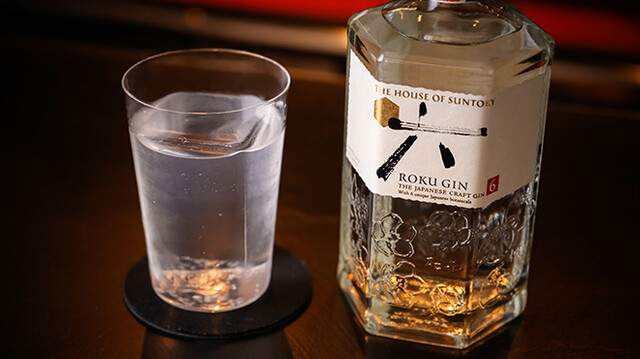
The wine-list angle, in this case, is mostly a useful absence. Tokyo has plenty of small restaurants where pairing culture and sommelier language now shape the meal; this is not that mode. The decision set is narrower and more lunch-driven. In a city where even casual counters increasingly borrow vocabulary from tasting-menu restaurants, curry specialists like this keep attention on plate structure and turnover rather than cellar depth. For travellers planning food days across Tokyo, that distinction is practical: save the wine-led evening for another room, and treat this as a tightly defined midday stop.
Sotokanda curry belongs to Akihabara's working rhythm
Akihabara’s restaurant character is often misunderstood from the outside. The neighbourhood is not only themed cafés and electronics blocks; it is also a dense lunch district where small counters survive by serving repeat customers quickly and consistently. Curry fits that ecology neatly. It is filling without requiring a long break, familiar without being generic, and flexible enough to absorb yoshoku technique, spice-house influence, and shop-specific habits.
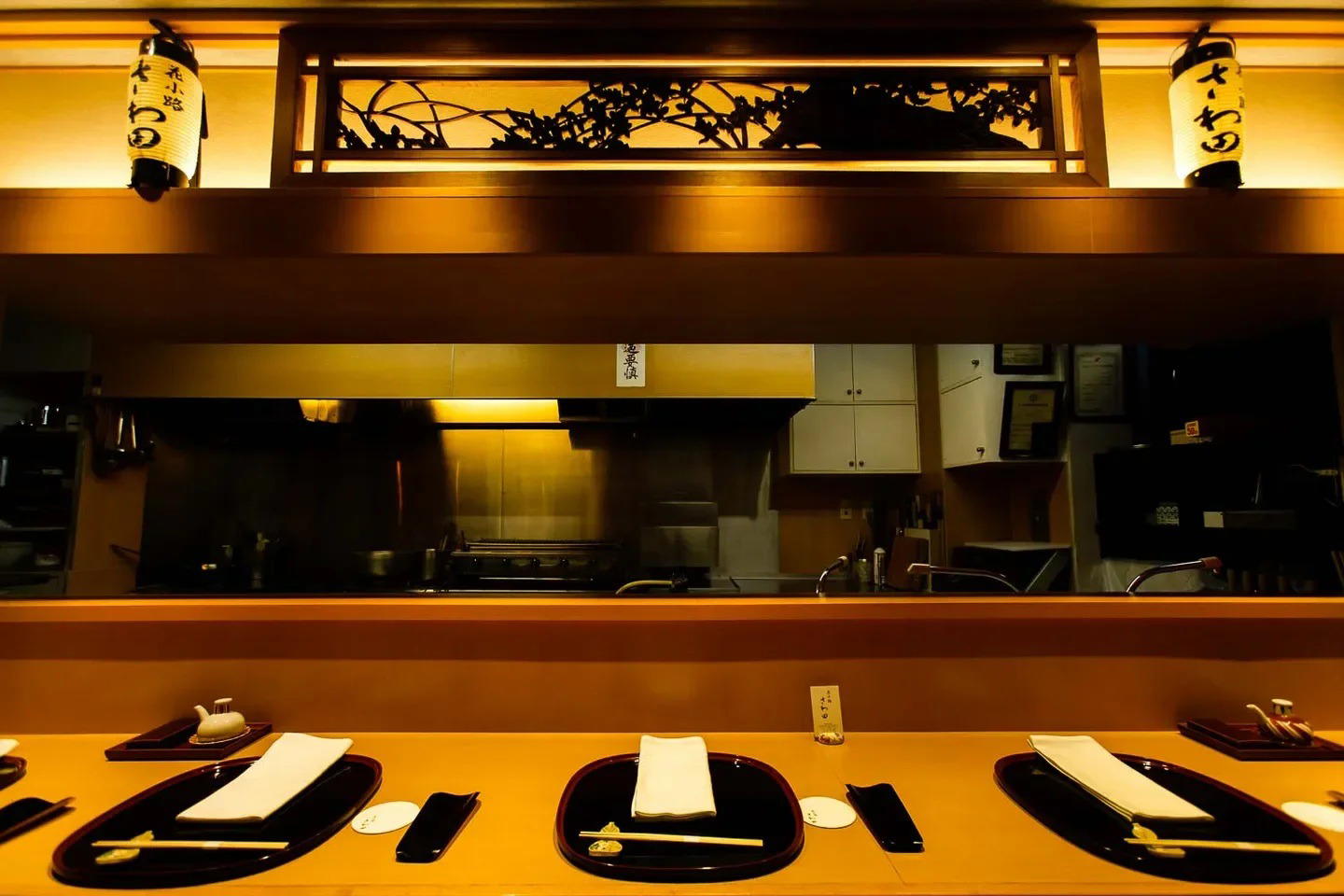
An eight-seat counter changes the social contract. Large parties are not the point, lingering is not the point, and the room’s scarcity is built into the experience. The counter format also explains why the place reads differently from a destination restaurant with a reservations calendar and a beverage program. The reward is compression: a narrow menu category, limited seats, and a neighbourhood that rewards diners who arrive with a plan rather than a long list of questions.
The practical signals are unusually clear for a casual address. Reservations are unavailable, payment is cash only, and service may stop when rice runs out. Those details are not inconveniences so much as the operating logic of a small Tokyo lunch counter. The restaurant is also non-smoking, with allergy information available, which helps frame it for visitors who want specificity without turning a quick meal into a negotiation.
How to place it within a Tokyo food day
The right itinerary keeps the category boundaries clean. Pairing a curry lunch in Sotokanda with an ambitious dinner elsewhere gives a sharper picture of Tokyo than stacking only expensive counters. For a wider restaurant sweep, start with Our full Tokyo restaurants guide, then compare nearby and cross-city options such as . 鮪と炭火焼き うお炭 秋葉原店, 12/10 Shinjuku ten, 124. KAGURAZAKA (Yakitori), 2D Cafe, and 3 Chome no Curry Ya San.
Travellers building a broader Japan file can also use contrasts outside Tokyo: -Grilled beef Sukiyaki- KAMAKURA TANUKIAN 鎌倉 たぬき庵 in Kamakura.cafe in Osaka.know in Kumamoto, (Shoku) Vietnam in Kawasaki, [Curry Senmon Ten] Maruyama Kyoju. in Sapporo, and [ki:] in Kyoto. For a different Japanese-food conversation abroad, Jōdo Saké Bar in Los Angeles and Onigiri Time in Pasadena show how format changes once the cuisine leaves Japan.
For the rest of the trip architecture, the useful companion pages are Our full Tokyo hotels guide, Our full Tokyo bars guide, Our full Tokyo wineries guide, and Our full Tokyo experiences guide. BROWNIE makes sense when treated as a precise lunch decision within that larger schedule: compact, counter-based, curry-focused, and validated by repeated Tabelog 100 Curry TOKYO selection rather than by ceremony.
A Lean Comparison
Comparable venues by category and price.
| Venue | Cuisine | Price | Notes |
|---|---|---|---|
| BROWNIEThis venue — the venue you are viewing | Not listed | $ | Not listed |
| Kamezawa Do | Not listed | $ | Chiyoda, Japanese Confectionery (Wagashi) |
| Ramen Kai | Taitō, Clam-focused Japanese ramen | $ | Not listed |
| Houraiya Honten | Not listed | $ | Chiyoda, Traditional Japanese Wagashi & Tea |
| Oniyanma Shimbashi ten | Minato, Stand-up Sanuki Udon | $ | Not listed |
| King Seimen | Kita, Modern Tokyo ramen & dumpling shop | $ | Not listed |
Recognition history
Dated appearances from independent guides and award organizations, with the underlying list record or original source where available.
Tabelog 100 #31 · No. 31
Tabelog · Tabelog 100 - Curry - TOKYO - 2024







At a Glance
- Cozy
- Classic
- Solo
- Casual Hangout
- Standalone
Current opening hours
- Monday
- 11:30 AM–3 PM
- Tuesday
- 11:30 AM–3 PM
- Wednesday
- Closed
- Thursday
- 11:30 AM–3 PM
- Friday
- 11:30 AM–3 PM
- Saturday
- 11:30 AM–3 PM
- Sunday
- Closed
Hours can change for holidays and private events. Last verified .
A small, adults-oriented hideout with a quiet, homey feel and a counter-only layout.