
Michelin Plate
Our verdict
A Michelin Plate-recognised address in Munich's Neuhausen district, Broeding occupies the quieter end of the city's classic cuisine scene, away from the tourist circuits and tasting-menu theatrics that define the centre. Two consecutive Michelin Plate recognitions (2024 and 2025) signal consistent kitchen form. It holds a loyal following among residents who return for cooking rather than occasion.

Pearl is the En Primeur Club membership app, where members save venues, book tables and use the concierge.
The menu
What to order
- Trout and eel with cucumber
- Pike perch
- Pastrami
- Veal
- Chocolate mousse
A Neighbourhood Room in a City That Rewards Exploration
Munich's dining geography tends to concentrate prestige in a relatively small central footprint, the Michelin-starred rooms at Tantris in Schwabing, the multi-star kitchens around Maxvorstadt and the Altstadt. But the city's more considered eating happens further out, in residential neighbourhoods where rooms serve a local clientele rather than a hotel-adjacent one. Neuhausen, on the city's western edge, fits that pattern: quieter streets, fewer tourists, and a restaurant culture that leans toward regulars.
Classic Cuisine in a City Moving in Multiple Directions
Munich's restaurant scene has split across several registers over the past decade. At the leading, the city now fields three-star ambition at Tohru in der Schreiberei, two-star creative French at Tantris and Atelier, and two-star creative cooking at Alois, Dallmayr Fine Dining. Below that tier, a growing number of addresses have pursued either modern European casualisation or hyper-local German identity. Classic cuisine, in this context, occupies a more specific position: it carries the formal European tradition of technique-led cooking without the reinvention agenda that defines contemporary tasting menus.
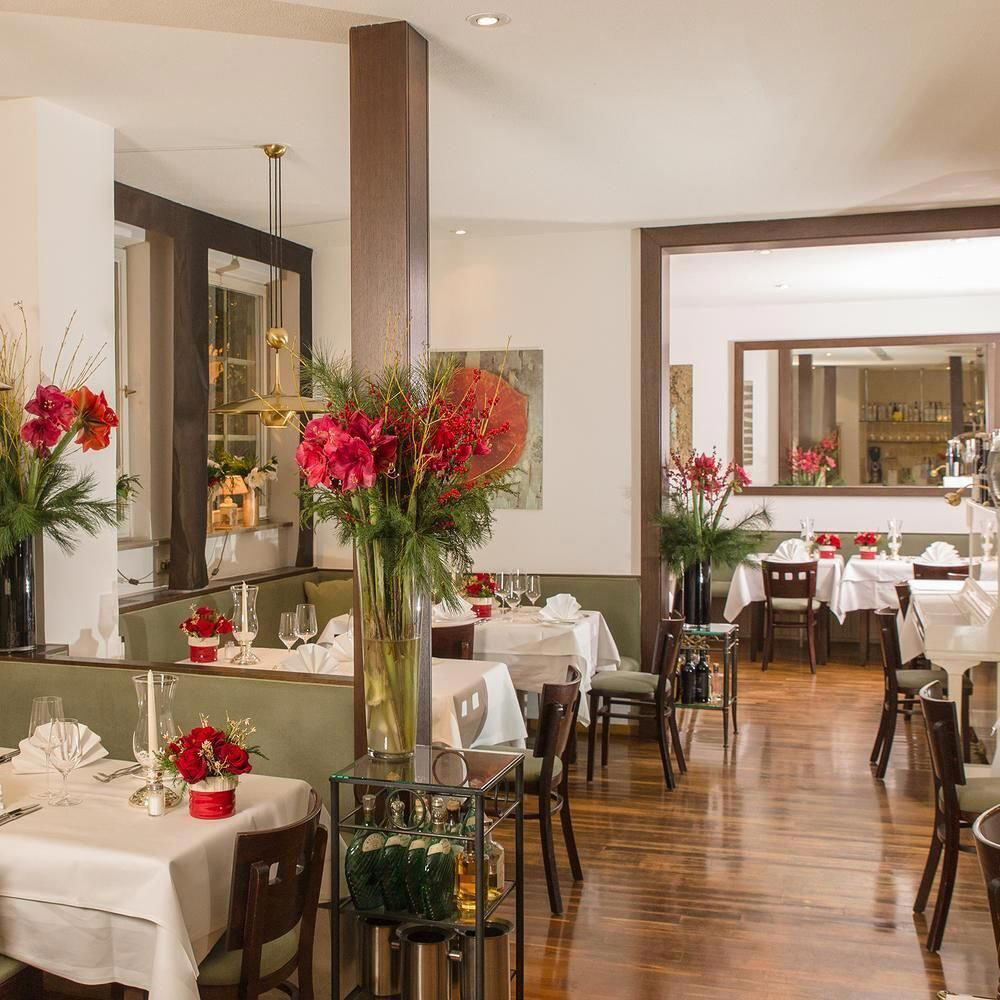
In a city where the Michelin star bracket has largely consolidated around creative and fusion-forward formats, the Plate designation carries a distinct signal. It is not a consolation for unreached stardom; it marks the Guide's acknowledgement of cooking quality without the full criterion of star-level consistency across every dimension. Two consecutive Plates suggest a kitchen that has found its register and is executing within it reliably. That kind of steadiness is its own editorial statement in a scene that often rewards novelty. The street sits in a part of Neuhausen that has retained its neighbourhood character, low-rise apartment buildings, local commerce, a pace that does not perform urgency. Inside, the room operates on the logic of a classic European dining room: the emphasis falls on the table rather than on the architecture. This is a format in which the physical environment is designed to recede, leaving the cooking and the conversation as the primary experience. For a certain kind of diner, one who has grown tired of rooms that compete with their own food, that restraint reads as deliberate positioning rather than a budget decision.
Broeding appears to have built the kind of repeat clientele that classic cuisine rooms depend on.
How the Room Has Developed Over Time
The pattern of back-to-back Michelin Plate recognition in 2024 and 2025 is worth examining as an indicator of direction rather than just status. Michelin Plate addresses that maintain their recognition across editions are typically rooms that have resolved earlier inconsistencies, in service, in kitchen output, or in the coherence between their stated format and the actual experience. For Broeding, the consecutive appearances suggest the kitchen has stabilised around a clear identity.
This is a different kind of evolution from the reinvention story that defines restaurants like CODA Dessert Dining in Berlin or the creative pivots visible at addresses such as JAN in Munich. At Broeding, the evolution appears to have moved inward, toward greater precision within a fixed tradition, rather than outward into new formats or categories. In a moment when German fine dining is producing ambitious experimental work at places like Aqua in Wolfsburg, Schwarzwaldstube in Baiersbronn, Vendôme in Bergisch Gladbach, and ES:SENZ in Grassau, a room that commits to classical form and executes it well occupies a narrower but defensible position.
Where Broeding Sits in Munich's Mid-to-Upper Tier
At the €€€ price tier, Broeding operates in a competitive band that in Munich includes several addresses with their own editorial character. KOMU, Blauer Bock, and Le Stollberg each represent different angles on the same spend level. What distinguishes Broeding within that group is its explicit alignment with the classic European tradition rather than with contemporary casualisation or modern bistro formats. For a diner comparing options at this price point, the question is less about quality, the Michelin recognition and review depth confirm that, and more about what kind of experience they are choosing. Broeding is an argument for technique and tradition; its neighbours in the tier are often arguments for something else.
Elsewhere in Munich's restaurant scene, rooms like Restaurant Haerlin in Hamburg demonstrate how classical European cooking can sustain prestige recognition across decades. Broeding operates at a different scale and recognition level, but it points toward the same underlying commitment: that classical cuisine, executed with discipline, retains its own audience even as the broader market moves toward fusion and informality. The address is a neighbourhood restaurant in the structural sense: it is not positioned near major hotels or tourist attractions, and the journey to reach it is itself a signal that you are eating at a room chosen for its cooking rather than its convenience. For logistics, travel planning, and what else to do in the area, EP Club's full Munich restaurants guide, Munich hotels guide, Munich bars guide, Munich wineries guide, and Munich experiences guide cover the broader city in depth.
Frequently asked questions
What's the price range at Broeding?
Pricing at Broeding is listed as €€€.
A Quick Peer Check
| Venue | Cuisine | Price | Awards | Notes |
|---|---|---|---|---|
| BroedingThis venue (the venue you are viewing) | Modern Classic European with Alpine Sourcing | $50–100 | Michelin Plate | Not listed |
| Tantris | Modern French Fine Dining | $300–500 | 2 Michelin Stars · World's 50 Best #73 | Modern French, French Contemporary |
| Tohru in der Schreiberei | Modern Japanese-European Fusion Fine Dining | $300–500 | Michelin Plate · La Liste Top Restaurants | Modern German - Japanese, Modern Cuisine |
| Alois - Dallmayr Fine Dining | Modern Bavarian Fine Dining with French and Nordic Influences | $300–500 | 2 Michelin Stars · La Liste Top Restaurants | Creative |
| Atelier | Charcoal-Grilled French Tasting Menu with Oita Wagyu | $100–150 | Tabelog 100 #51 | Creative French |
| Acquarello | Modern Italian Fine Dining | $100–150 | 1 Michelin Star | Italian - Mediterranean, Italian |
Recognition history
Dated appearances from independent guides and award organizations, with the underlying list record or original source where available.
Michelin Plate
Michelin · 2026 Michelin Plate
Full recognition history (3 entries)
Michelin Plate
Michelin
Michelin Plate
Michelin
Continue exploring
More in Munich
Restaurants in Munich
All restaurants in Munich →
Bars in Munich
All bars in Munich →
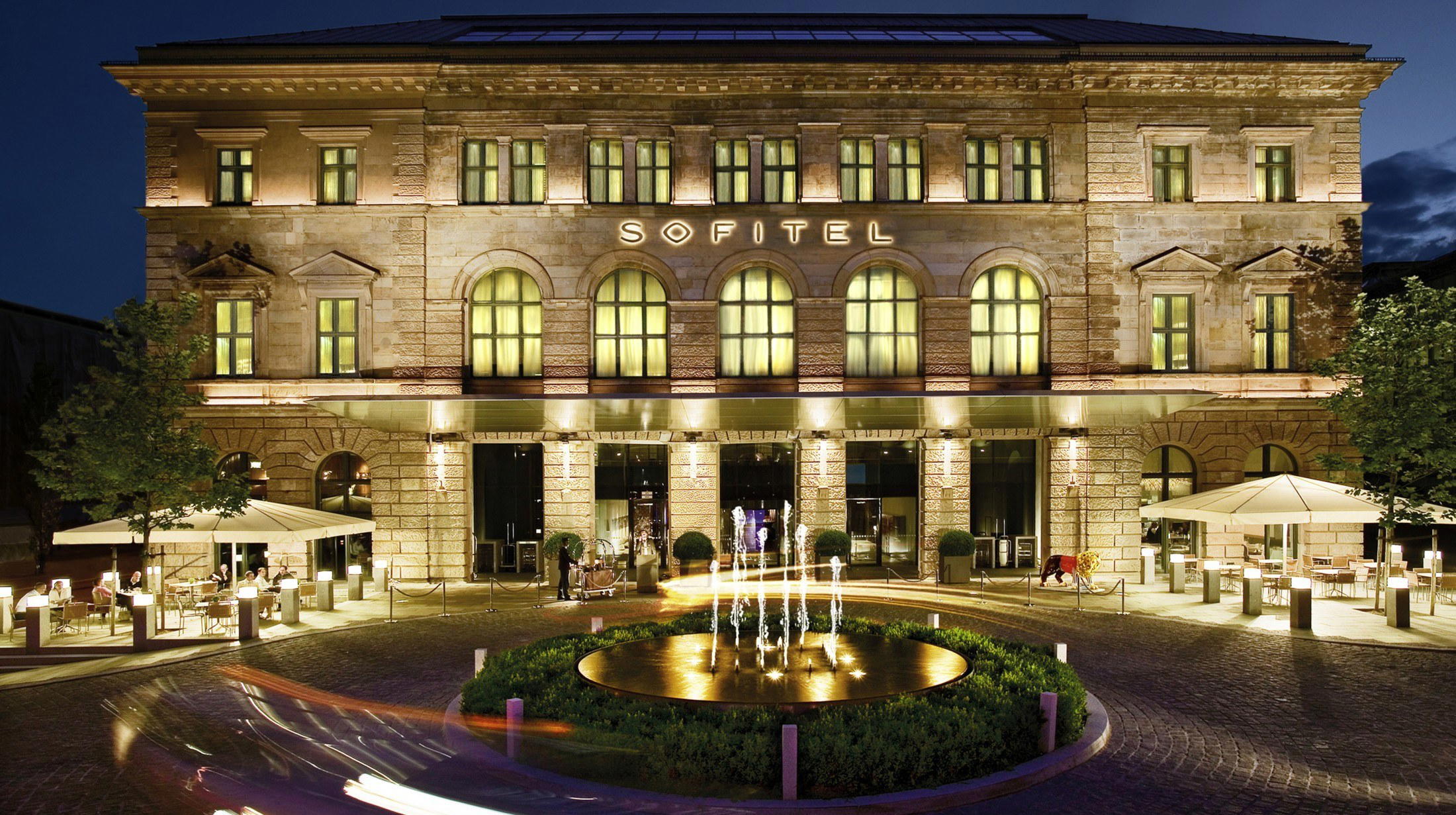
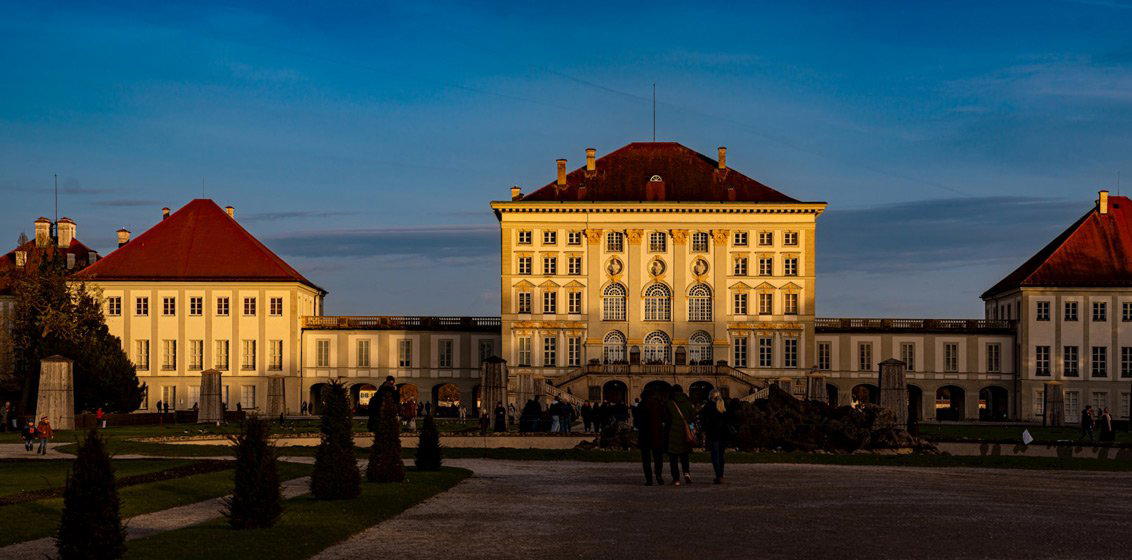
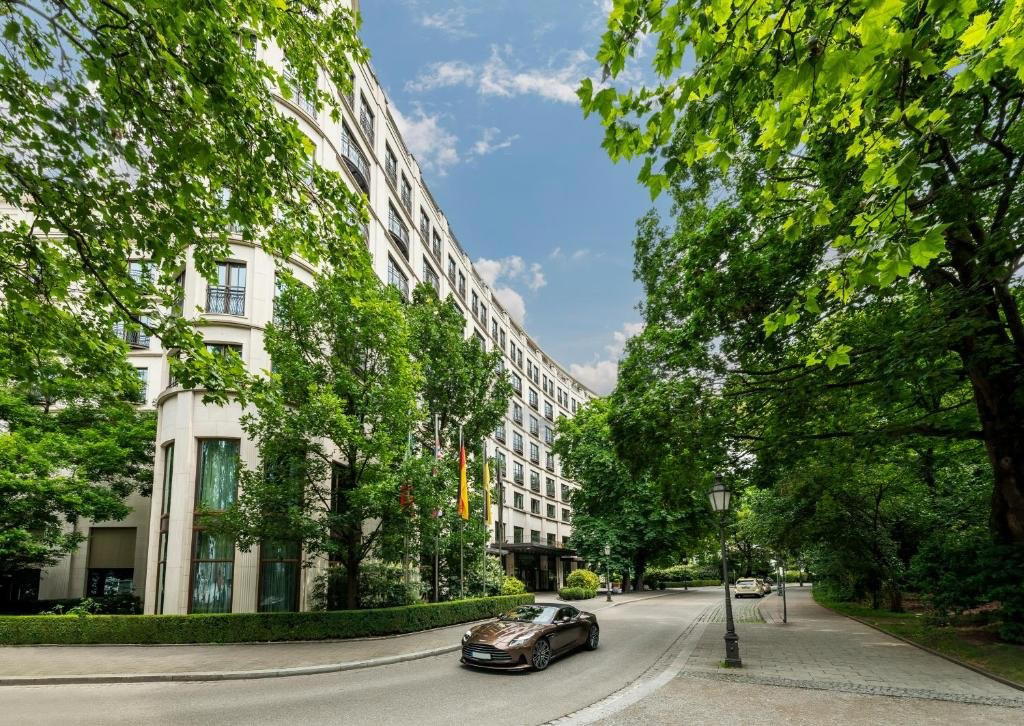
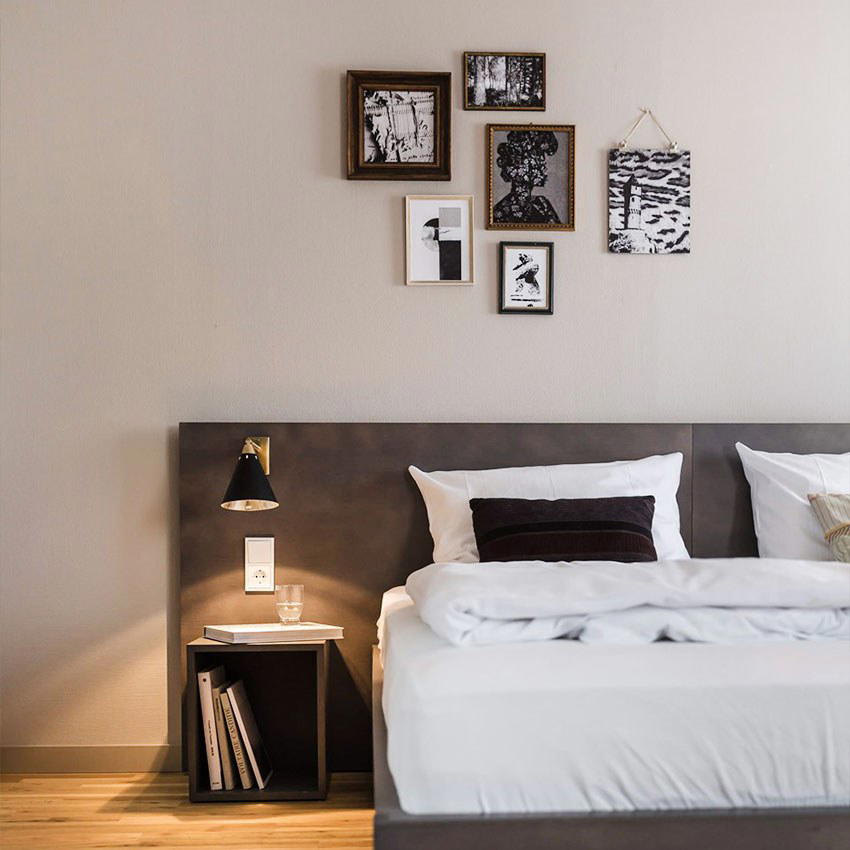
Broeding
The wine
- Wine program
- Deep wine list
- Extensive wine list
- Sommelier-led
Details
- Elegant
- Intimate
- Cozy
- Sophisticated
- Date Night
- Special Occasion
- Business Dinner
- Celebration
- Terrace
- Courtyard
- Standalone
- Extensive Wine List
- Sommelier Led
- Organic
- Local Sourcing
- Farm To Table
- Garden
- Set Menu
- Tasting Menu
- Austrian Wine
- Wine Pairing
- Vegetarian Friendly
- Gluten Free Options
- Organic Focus
Current opening hours
- Monday
- 6 PM–12 AM
- Tuesday
- 6 PM–12 AM
- Wednesday
- 6 PM–12 AM
- Thursday
- 6 PM–12 AM
- Friday
- 6 PM–12 AM
- Saturday
- 6 PM–12 AM
- Sunday
- Closed
Hours can change for holidays and private events. Hours as of .
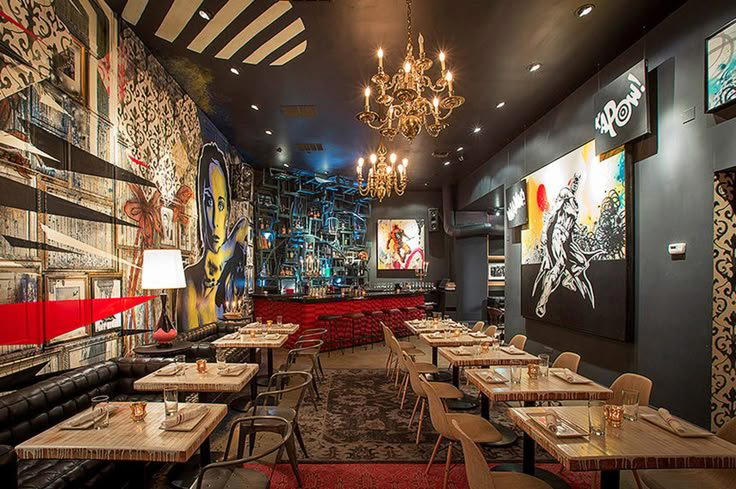
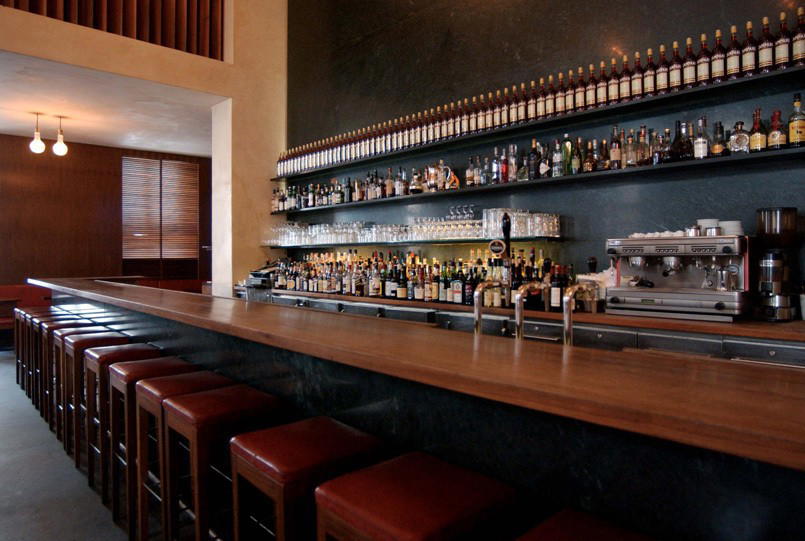
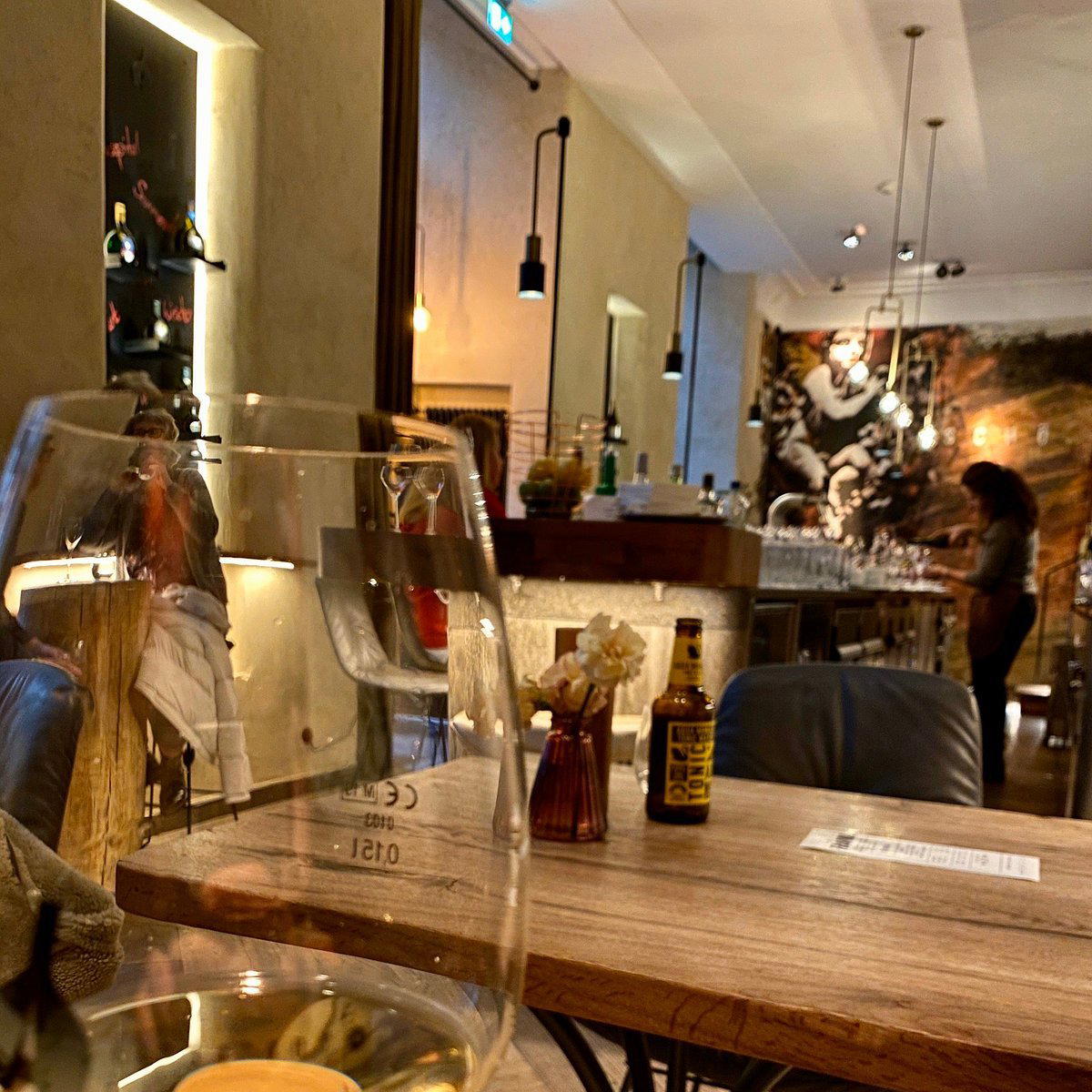
Pleasingly laid-back with simple, light interior; friendly and attentive service creates a homely fine-dining feel without pretension; secluded inner courtyard terrace available in summer.