
Michelin Plate
Our verdict
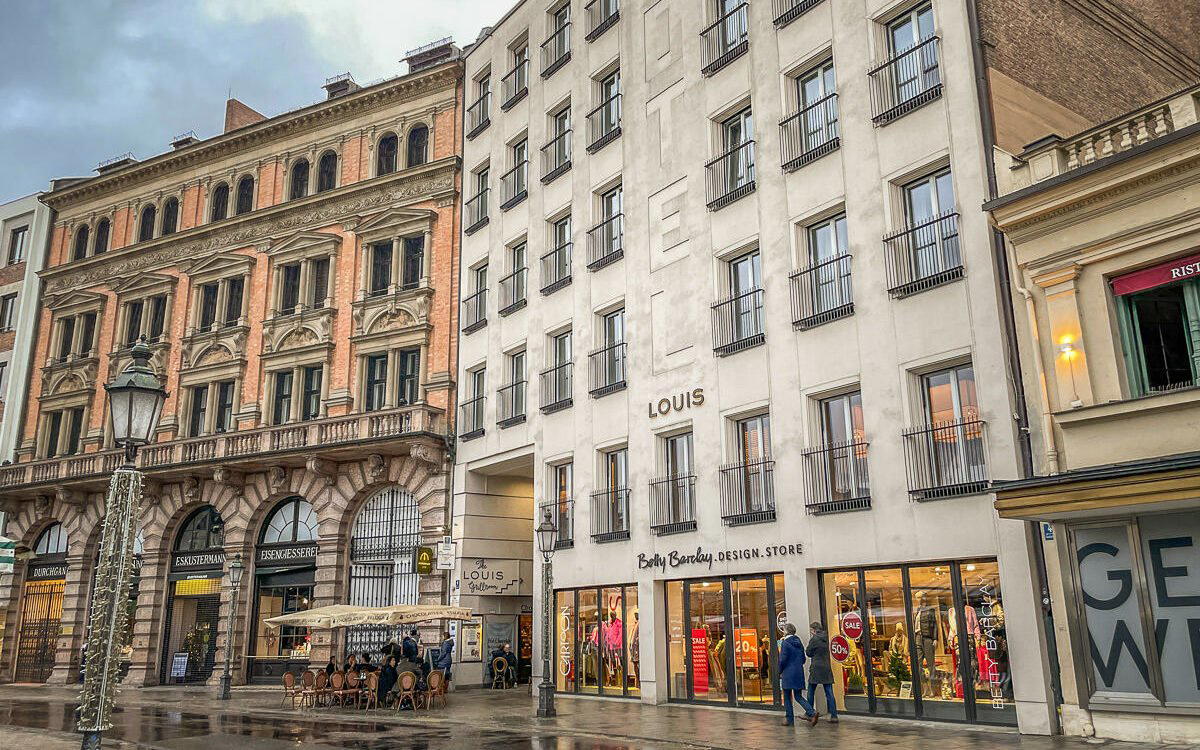
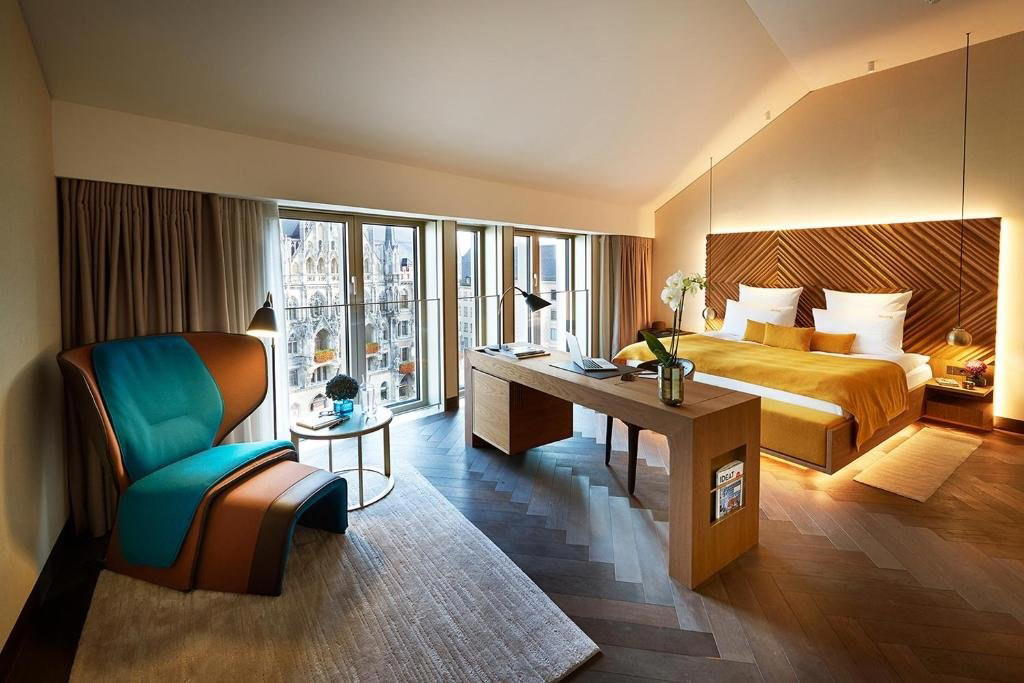
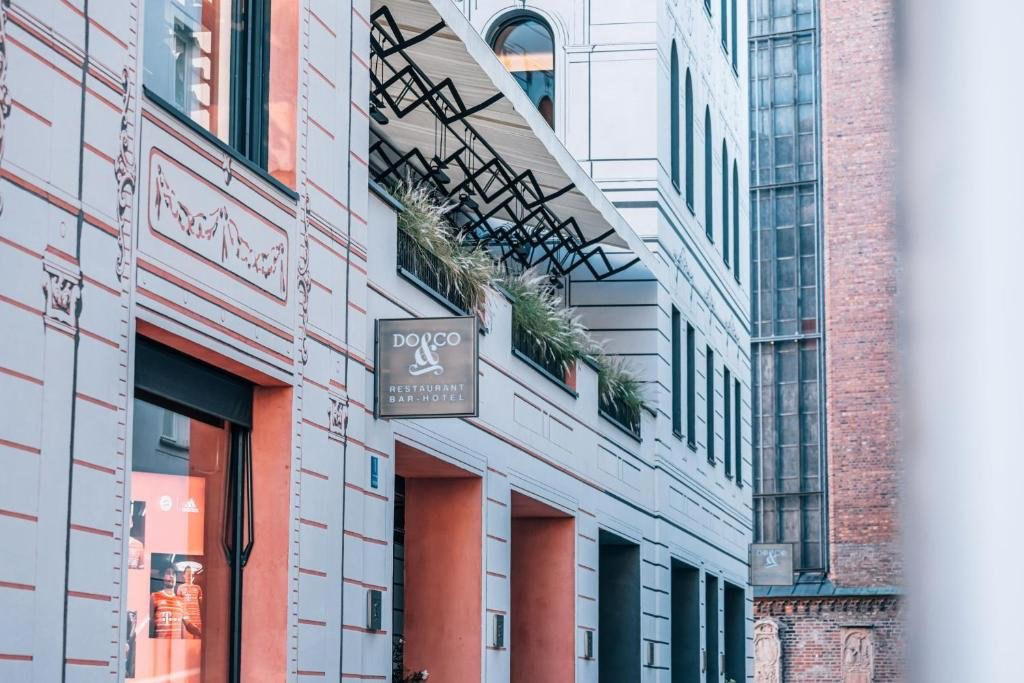
Blauer Bock occupies a considered position in Munich's Viktualienmarkt quarter, where classic German cooking meets contemporary presentation inside the hotel of the same name. A 2024 Michelin Plate, unhurried dining. The pavement tables facing the pedestrian zone are among the area's more sought-after seats on a warm evening.

Pearl is the En Primeur Club membership app, where members save venues, book tables and use the concierge.
The menu
What to order
- Caviar with Blinis
- Perfectly Grilled Steak
- Wiener Schnitzel
Where the Viktualienmarkt Quarter Sets the Table
The streets around Sebastiansplatz carry a particular culinary weight in Munich. The Viktualienmarkt, one of Europe's most historically continuous food markets, sits within walking distance, and the city museum anchors the southern edge of the square. Restaurants in this corridor inherit a certain expectation: the neighbourhood's identity is rooted in produce, tradition, and the daily business of eating well.
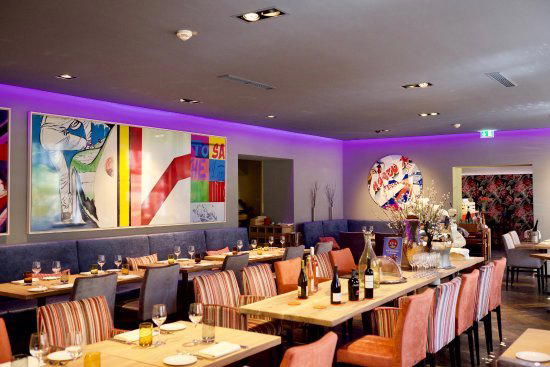
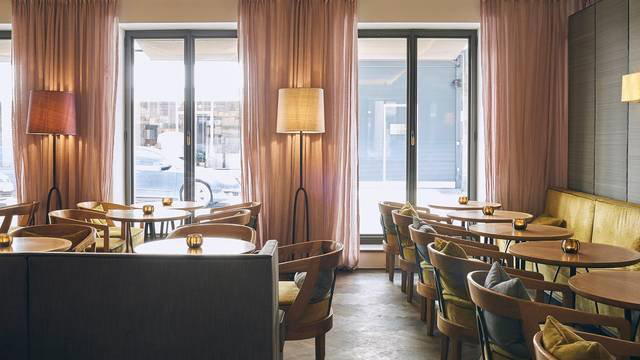
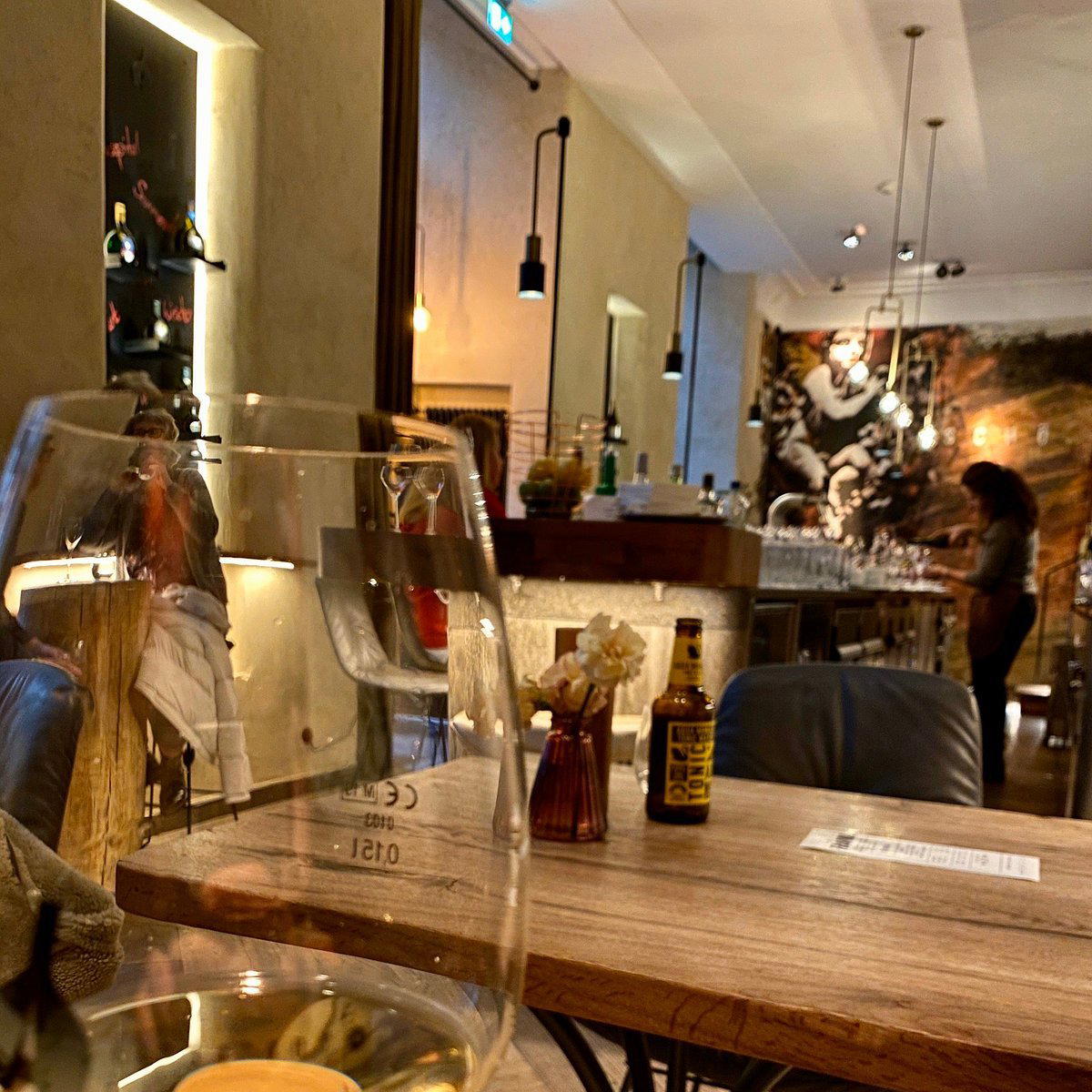
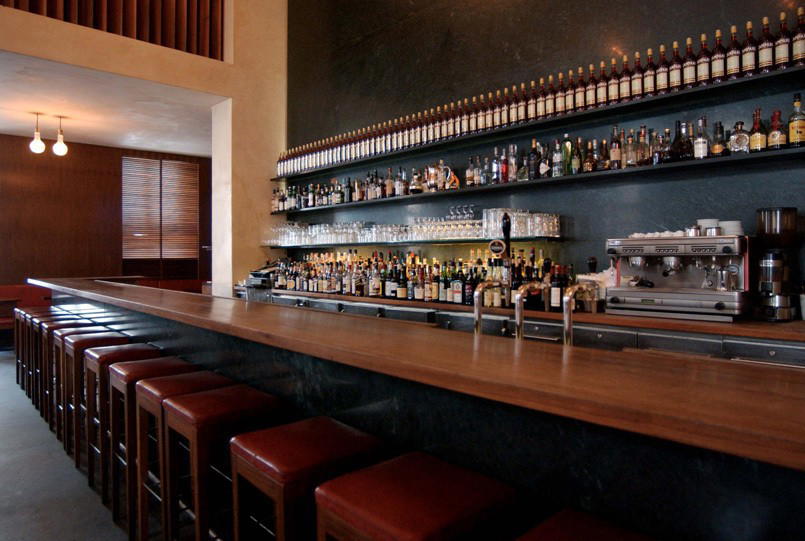
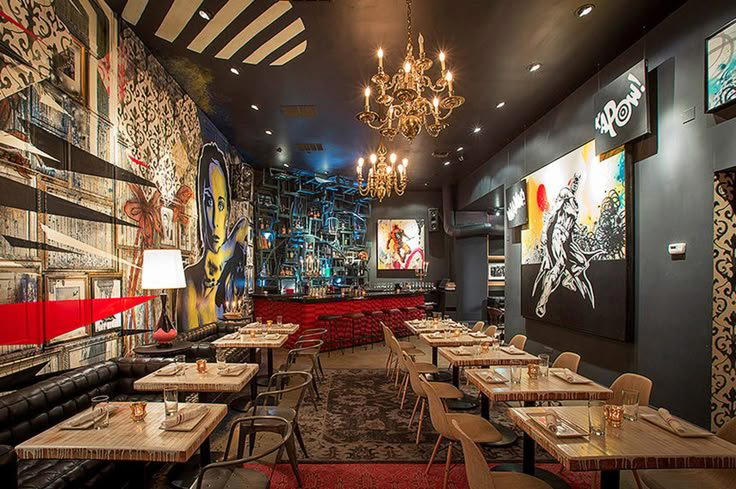
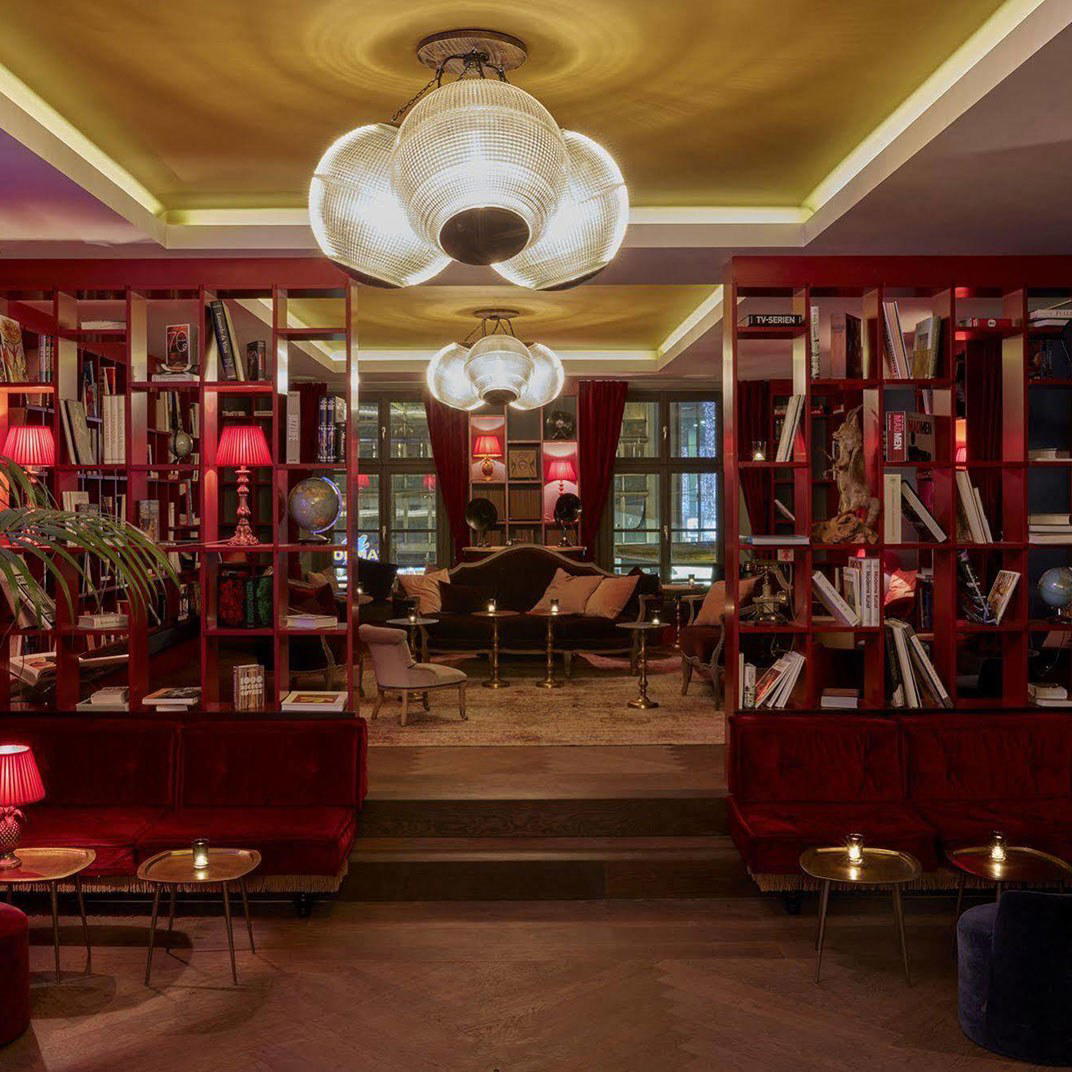
The dining room reflects the restrained confidence that has come to characterise mid-to-upper Munich dining in the past decade. Contemporary lines, sleek surfaces, and a considered selection of artwork on the walls make the design deliberate without being austere. It reads as a room that takes food seriously without needing architecture to do the talking. When the weather holds, the exterior tables overlooking the pedestrian zone shift the proposition entirely: the square becomes the backdrop, and the meal gains an unhurried, outdoor dimension that indoor Munich dining rarely replicates.
Classic Cuisine in a City That Has Moved Toward the Contemporary
Munich's fine dining tier has tilted hard toward modernity over the past fifteen years. The city's three-Michelin-star address, Tohru in der Schreiberei, works a German-Japanese register. Two-star houses like Tantris, JAN (Creative), and Alois at Dallmayr operate in creative or contemporary French modes. Against that backdrop, a restaurant committed to classic cuisine, braised veal shoulder, sole prepared for two, represents a deliberate counter-position, not a failure to modernise.
Classic cuisine in the French-European tradition is a demanding discipline precisely because it offers nowhere to hide behind novelty. A braised veal shoulder lives or dies on technique, sourcing, and timing. Preparing a whole sole for two requires both kitchen confidence and a room willing to pace itself. These are dishes that reward kitchens with genuine classical grounding, and their presence on the menu is itself a statement about what Blauer Bock is for. Peer comparisons in this mode include Maison Rostang in Paris and Meierei Dirk Luther in Glücksburg, addresses where the classical tradition is the product, and the execution is expected to carry the weight.
Within Munich, Blauer Bock occupies a different register from addresses like Broeding, which operates an Austrian-wine-led tasting format, or KOMU, which brings a Japanese-inflected sensibility to the city's dining options. The comparison points for Blauer Bock are restaurants committed to the European classical canon, of which Munich has fewer than its culinary ambition might suggest. Le Stollberg occupies adjacent territory in the classic French register.
The Wine Dimension at a Classic Table
Classic cuisine restaurants operate a particular relationship with their cellars. The cooking style, built on reductions, butter-finished sauces, and long-braised proteins, creates a natural demand for wines with structure, weight, and development. This is the category of dining where a Burgundy with some age, a serious Riesling from the Mosel or Rheingau, or a Bordeaux of genuine vintage depth earns its place in a way that natural wine lists or by-the-glass programs often cannot replicate.
Germany's own wine culture adds an additional layer. Bavarian addresses in the classic mode have historically drawn on both regional white wine traditions (Franken, in particular, produces Silvaner and Riesling that work well with the regional kitchen) and on the broader European cellar, Alsatian whites, German Pinot Noir (Spätburgunder) from Baden, and a broader German fine wine scene that has matured significantly since the early 2000s. For comparison, the wine programs at addresses like Schwarzwaldstube in Baiersbronn and Restaurant Haerlin in Hamburg demonstrate how seriously Germany's leading classic tables treat their cellars. At Blauer Bock, the €€€ price positioning suggests a wine program calibrated for the mid-to-upper end of the Munich market.
The broader German fine dining scene rewards those who pay attention to it: addresses like Aqua in Wolfsburg, Vendôme in Bergisch Gladbach, ES:SENZ in Grassau, and CODA Dessert Dining in Berlin confirm that Germany's fine dining tier is neither monolithic nor parochial. Blauer Bock's classical positioning sits within that wider national conversation, even if its scale and setting are more intimate than those reference points.
Recognition and Practical Considerations
The 2024 Michelin Plate places Blauer Bock in the tier of restaurants that the guide considers to serve food prepared to a good standard, a meaningful endorsement in a city where the Michelin footprint is competitive and often concentrated at the starred level. At €€€ pricing, it occupies the bracket below Munich's two- and three-star houses, where covers run at €€€€ and menus are typically set. This makes Blauer Bock one of the more accessible addresses for serious classical cooking in the city centre, with the flexibility à la carte dining tends to afford.
In the Viktualienmarkt quarter, where tourist footfall is significant and culinary expectations among regulars are high, maintaining that average requires sustained quality across a range of table types and visit occasions.
The hotel setting at Sebastiansplatz 9 means the restaurant is direct to locate and benefits from the operational infrastructure that comes with hotel dining: considered service rhythms, a dining room designed for varied parties, and the outdoor terrace that the square makes possible in warmer months. For those organising dinner around a visit to the Viktualienmarkt or the nearby Munich City Museum, the geography could not be more convenient. For more ideas in the city, see our full Munich experiences guide.
Frequently asked questions
What price level is Blauer Bock?
Pricing at Blauer Bock is listed as €€€.
Where exactly is Blauer Bock?
Blauer Bock is located at Sebastianspl. 9, 80331 München, Germany.
What's the best thing to order at Blauer Bock?
The menu is grounded in classic preparations: braised veal shoulder and sole for two are among the listed dishes that define the kitchen's direction. Both reflect the restaurant's commitment to technique-led, traditional cooking rather than trend-driven plating. The sole for two, in particular, suits the unhurried pace of a table meal at this price point (€€€).
What cuisine category does Blauer Bock fall under?
Blauer Bock is a classic-cuisine restaurant.
What's the best way to book Blauer Bock?
Blauer Bock is housed within the hotel of the same name at Sebastiansplatz 9, Munich, which is the most reliable route for reservations. The terrace tables overlooking the pedestrian area are in particularly high demand, so booking ahead and specifying a preference for outdoor seating is advisable.
What has Blauer Bock built its reputation on?
The restaurant has established itself as a consistent address for classic cuisine in a Munich dining scene that has largely moved toward contemporary formats. Its 2024 Michelin Plate recognises cooking prepared to a solid standard, and its position steps from the Viktualienmarkt gives it a credibility rooted in the city's most historically significant food quarter.
Cuisine-First Comparison
| Venue | Cuisine | Price | Awards | Notes |
|---|---|---|---|---|
| Blauer BockThis venue (the venue you are viewing) | Modern Bavarian Fine Dining | $50–100 | Michelin Plate | Not listed |
| Tantris | Modern French Fine Dining | $300–500 | 2 Michelin Stars · World's 50 Best #73 | Modern French, French Contemporary |
| Tohru in der Schreiberei | Modern Japanese-European Fusion Fine Dining | $300–500 | Michelin Plate · La Liste Top Restaurants | Modern German - Japanese, Modern Cuisine |
| Alois - Dallmayr Fine Dining | Modern Bavarian Fine Dining with French and Nordic Influences | $300–500 | 2 Michelin Stars · La Liste Top Restaurants | Creative |
| Atelier | Charcoal-Grilled French Tasting Menu with Oita Wagyu | $100–150 | Tabelog 100 #51 | Creative French |
| Acquarello | Modern Italian Fine Dining | $100–150 | 1 Michelin Star | Italian - Mediterranean, Italian |
Recognition history
Dated appearances from independent guides and award organizations, with the underlying list record or original source where available.
Michelin Plate
Michelin · 2026 Michelin Plate
Full recognition history (3 entries)
Michelin Plate
Michelin
Michelin Plate
Michelin
Continue exploring
More in Munich
Restaurants in Munich
All restaurants in Munich →
Bars in Munich
All bars in Munich →
Details
- Classic
- Cozy
- Elegant
- Modern
- Date Night
- Business Dinner
- Special Occasion
- Open Kitchen
- Historic Building
- Extensive Wine List
- Local Sourcing
- Street Scene
- A La Carte
- Vegetarian Friendly
Contemporary decor with dark walls, modern art, table lamps creating a sleek yet sometimes gloomy atmosphere.