
Michelin Plate
Our verdict
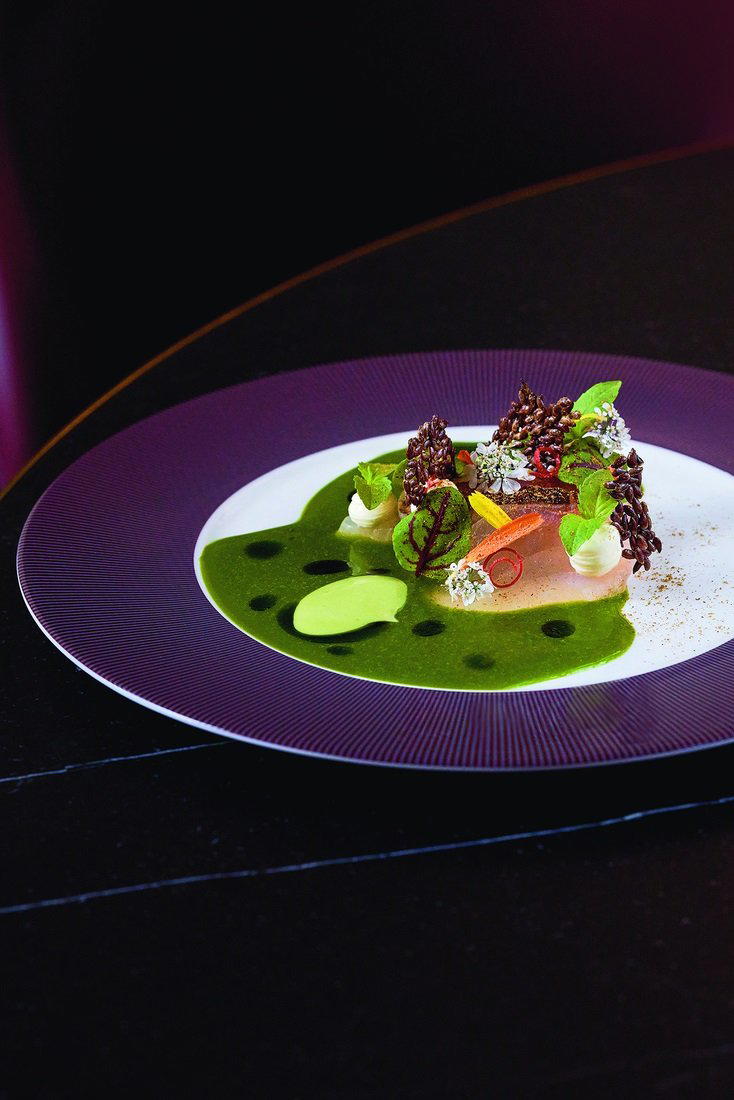
A Michelin Plate recipient in both 2024 and 2025, Le Stollberg occupies the mid-range bracket of Munich's classic cuisine scene on Stollbergstraße in the Maxvorstadt district. The kitchen works within a classic tradition that, in Munich, carries genuine weight alongside the city's grander fine-dining addresses.

Pearl is the En Primeur Club membership app, where members save venues, book tables and use the concierge.
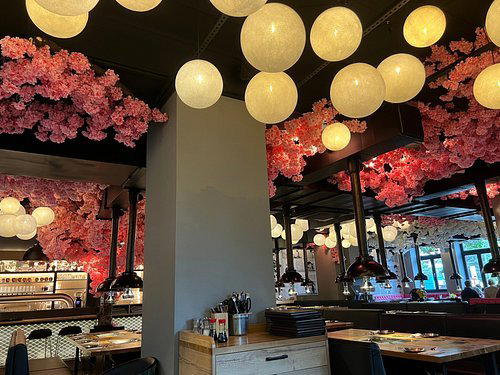
Where Classic Cuisine Holds Its Ground in Munich
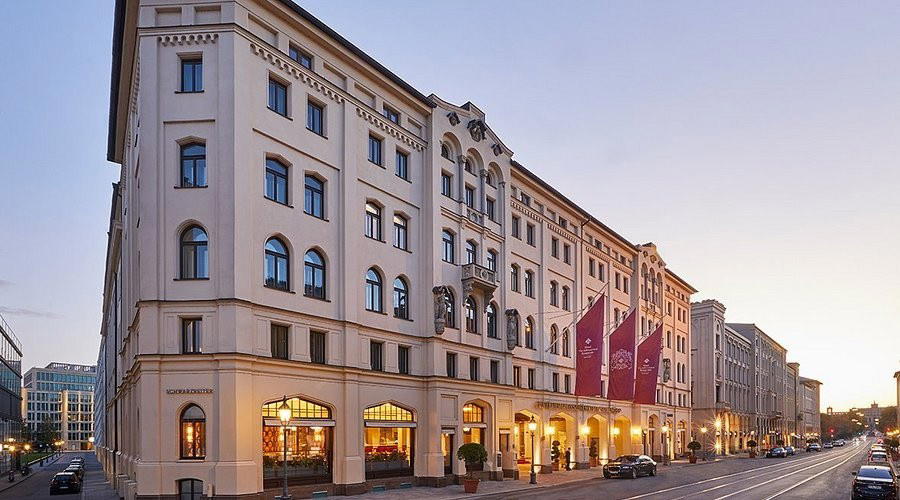
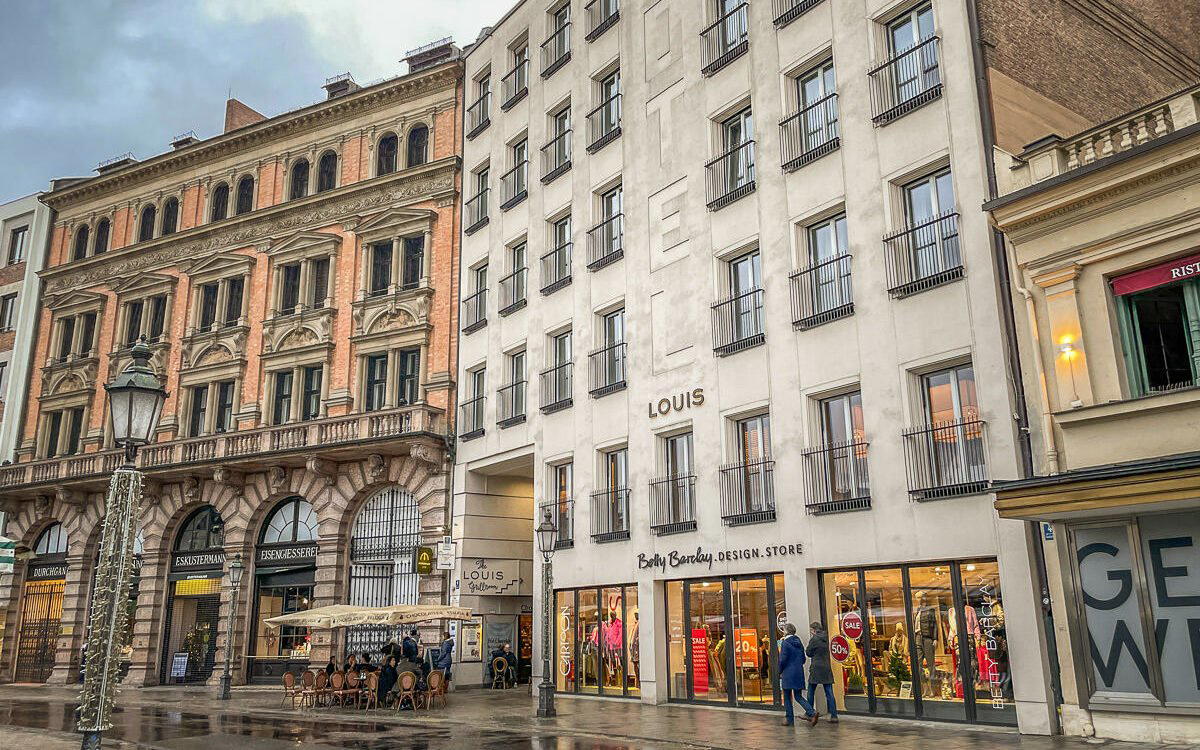
Stollbergstraße is the kind of street that takes a moment to read. The Maxvorstadt quarter surrounds it with museums, university buildings, and the quiet authority of late-nineteenth-century residential architecture. Restaurants here don't announce themselves loudly; they earn their position through repetition and word of mouth. Le Stollberg, at number two on that street, fits that pattern precisely. There is no theatrical frontage, no neon-lit bar visible from the pavement. What you approach is a room that has already decided what it is.
Classic cuisine in Germany sits in a distinct and sometimes undervalued position. The country's fine-dining conversation tends to gravitate toward the creative and the avant-garde, the kind of kitchens producing the work recognised at addresses like JAN or, at the higher-budget tier, Tantris. Classic cuisine, technique-driven, rooted in European tradition, concerned with execution over invention, operates in a quieter register. Internationally, you find its most articulate expressions at places like Maison Rostang in Paris or Meierei Dirk Luther in Glücksburg. In Munich, Le Stollberg claims that ground at the accessible end of the price spectrum.
The Mid-Range Michelin Bracket: What a Plate Actually Means
The Michelin Plate, awarded to Le Stollberg in both 2024 and 2025, is not a star. That distinction matters. The Plate signals that Michelin's inspectors found cooking of notable quality, food worth crossing the city for, without placing the restaurant in the starred tier occupied by Munich's more expensive addresses. For a diner, this creates a specific kind of opportunity. You are eating in a kitchen that has passed repeated external scrutiny, at a price point, €€, that sits well below the city's multi-course tasting menus. Among Munich's recognised dining options, that combination is less common than it might appear.
Consistency at this rating level, across that volume of responses, reflects a kitchen and a service team that have aligned around a repeatable standard. In a city where the upper tier of fine dining, from Blauer Bock to Broeding, tends to carry longer lead times and higher price floors, Le Stollberg occupies a genuinely useful middle position.
The Team Behind the Room
Classic cuisine restaurants live or die by the coherence of their floor. The editorial angle that matters here is not a single chef biography but the collective dynamic that makes a room of this type work. In a kitchen operating within classical tradition rather than experimental frameworks, the front-of-house team carries unusual weight. The genre rewards fluency: knowing when a sauce is built on a long-cooked reduction, how a wine list reads against the style of the cooking, when to guide a table and when to let the menu speak for itself. At restaurants in this category across Germany, including Schwarzwaldstube in Baiersbronn and Restaurant Haerlin in Hamburg, the service dimension is inseparable from the culinary one. Le Stollberg's sustained ratings suggest a floor team that understands this.
The sommelier function in a classic-cuisine restaurant is similarly structural rather than decorative. Classic European cooking, particularly at the French-influenced end of the tradition, was built with wine pairings in mind. The question at any restaurant in this genre is whether the wine program reflects the cooking's sensibility or simply appends a list to a menu. Le Stollberg's price positioning at €€ suggests a list calibrated for accessibility rather than collector-tier trophy bottles, which in practice often means better value and sharper pairing logic than the high-end alternatives. Comparable dynamics appear at addresses like Vendôme in Bergisch Gladbach and Aqua in Wolfsburg, where the relationship between kitchen and cellar defines the experience as much as the plate itself.
Where Le Stollberg Sits in Munich's Dining Conversation
Munich's restaurant scene has developed a clear internal hierarchy. At the peak, creative kitchens with multiple Michelin stars set the city's international reputation. Below that, a mid-tier of recognised but less expensive addresses does the real work of sustaining the city's food culture on a week-to-week basis. Le Stollberg belongs to this second group, and within it, occupies the classic-cuisine corner rather than the modern or fusion end. That distinction has practical implications. Diners who find the pivot-to-Asian or pivot-to-Nordic directions of many contemporary Munich restaurants less compelling have fewer options at the €€ tier. Le Stollberg addresses that gap.
For broader Munich dining context, including addresses across the creative and modern German spectrum, see our full Munich restaurants guide. The city's hospitality picture also extends to hotels, bars, and experiences worth placing alongside a dinner reservation. If you are building a trip around German fine dining more broadly, ES:SENZ in Grassau and CODA Dessert Dining in Berlin represent very different but comparably serious directions. Munich's wine and spirits picture has its own logic; our Munich wineries guide and bars guide map that terrain separately. Other Munich addresses worth considering alongside Le Stollberg include KOMU, which operates at a different register of the city's mid-range scene.
Planning a Visit
Le Stollberg is at Stollbergstraße 2, 80539 München, in the Maxvorstadt district, within walking distance of the Pinakothek museums and the university area. The €€ price range places it comfortably below Munich's starred tasting-menu tier, making it a realistic option for mid-week dinners as well as planned evenings out. Given the consistency of its ratings and the relatively small scale typical of Maxvorstadt neighbourhood restaurants, booking ahead rather than arriving on spec is the more reliable approach, particularly on weekends and during the autumn and winter months when Munich's indoor dining calendar fills quickly.
Frequently asked questions
What is Le Stollberg known for?
What's the must-try dish at Le Stollberg?
How hard is it to get a table at Le Stollberg?
Peers Worth Knowing
Comparable options at a glance, pulled from our tracked venues.
| Venue | Cuisine | Price | Awards | Notes |
|---|---|---|---|---|
| Le StollbergThis venue (the venue you are viewing) | French-Mediterranean Fine Dining | $50–100 | Michelin Plate | Not listed |
| Tantris | Modern French Fine Dining | $300–500 | 2 Michelin Stars · World's 50 Best #73 | Modern French, French Contemporary |
| Tohru in der Schreiberei | Modern Japanese-European Fusion Fine Dining | $300–500 | Michelin Plate · La Liste Top Restaurants | Modern German - Japanese, Modern Cuisine |
| Alois - Dallmayr Fine Dining | Modern Bavarian Fine Dining with French and Nordic Influences | $300–500 | 2 Michelin Stars · La Liste Top Restaurants | Creative |
| Atelier | Charcoal-Grilled French Tasting Menu with Oita Wagyu | $100–150 | Tabelog 100 #51 | Creative French |
| Acquarello | Modern Italian Fine Dining | $100–150 | 1 Michelin Star | Italian - Mediterranean, Italian |
Recognition history
Dated appearances from independent guides and award organizations, with the underlying list record or original source where available.
Michelin Plate
Michelin · 2026 Michelin Plate
Full recognition history (3 entries)
Michelin Plate
Michelin
Michelin Plate
Michelin
Continue exploring
More in Munich
Restaurants in Munich
All restaurants in Munich →
Bars in Munich
All bars in Munich →
Details
- Elegant
- Cozy
- Intimate
- Sophisticated
- Business Dinner
- Date Night
- Special Occasion
- Open Kitchen
- Extensive Wine List
- Local Sourcing
- A La Carte
- Tasting Menu
- Vegetarian Friendly
Current opening hours
- Monday
- Closed
- Tuesday
- Closed
- Wednesday
- 11:30 AM–2:30 PM, 6–11 PM
- Thursday
- 11:30 AM–2:30 PM, 6–11 PM
- Friday
- 11:30 AM–2:30 PM, 6–11 PM
- Saturday
- 4:30–11 PM
- Sunday
- Closed
Hours can change for holidays and private events. Hours as of .
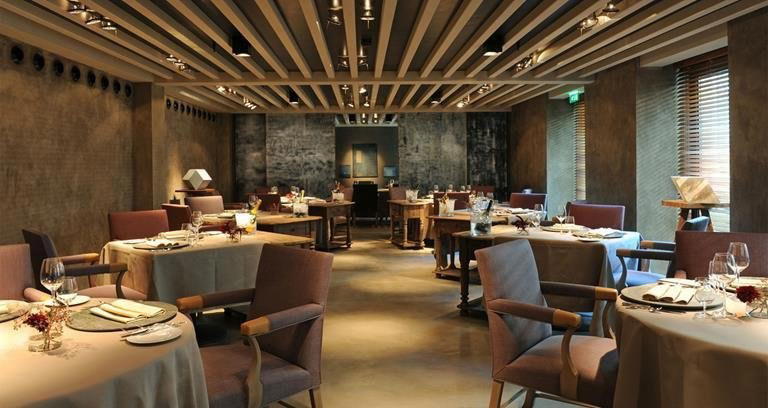
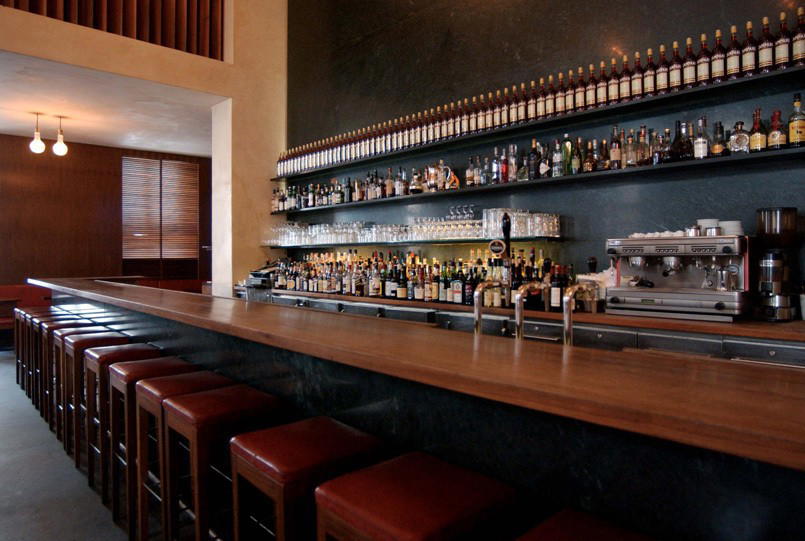
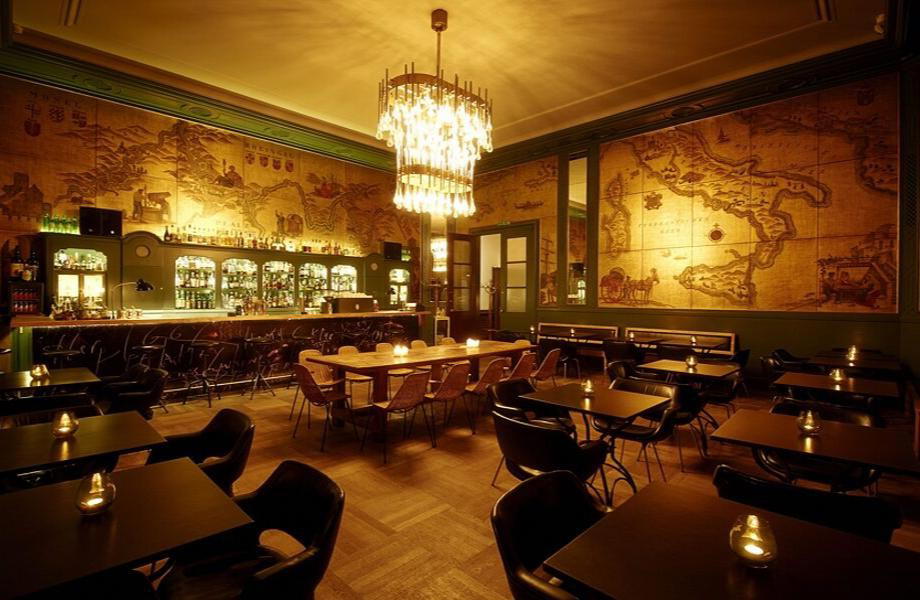
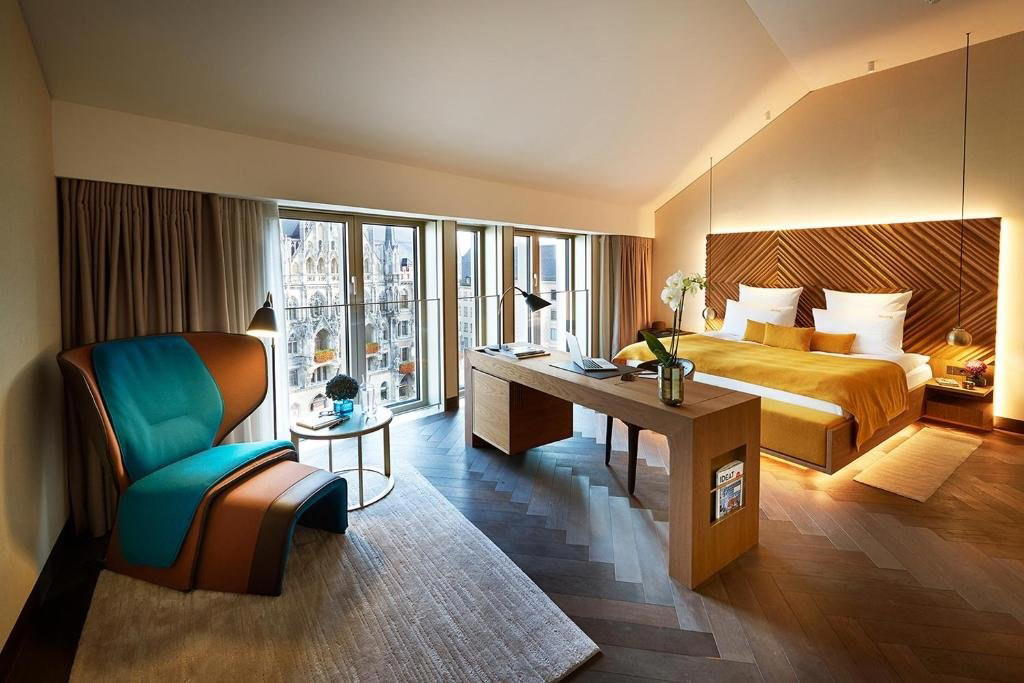
Elegant yet cozy and welcoming atmosphere with simple, modern decor that emphasizes the food.