
Bavarie at Am Olympiapark brings farm-to-table cooking to one of Munich's most architecturally charged addresses, earning consecutive Michelin Plate recognition in 2024 and 2025. The €€ price point makes it one of the more accessible Michelin-recognised tables in the city, positioned well outside the four-star tasting-menu tier that defines central Munich's fine-dining concentration.
Pearl is the En Primeur Club membership app — saves, bookings, and concierge access live there. Same editors, same standards.
- Address
- Am Olympiapark 1, 80809 München, Germany
- Phone
- +49 89 358991822
- Website
- feinkost-kaefer.de
- Directions
- Get directions
 Saves & bookings on Pearl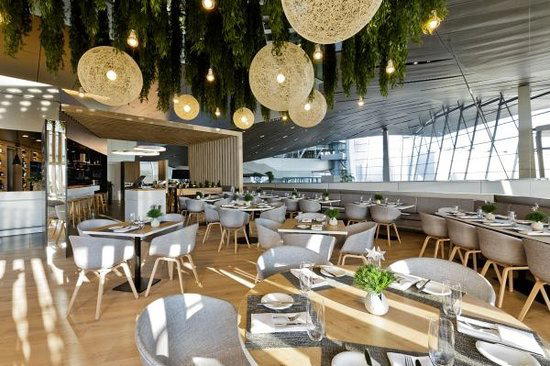
A Michelin-Recognised Table Inside Munich's Olympic Complex
The Olympic Park precinct in Munich carries a specific kind of architectural weight. Built for the 1972 Games, the Olympiapark campus was designed as a civic statement, the sweeping tensile roof structure over the stadium, the landscaped hill rising from former wartime rubble, the deliberate openness of the site. Dining inside that framework changes the terms of reference before a dish arrives. The physical container at Am Olympiapark 1 is not a converted warehouse or a historic Altstadt building; it is part of a listed modernist ensemble that defines its own visual logic, and any restaurant operating within it answers to that context first.
Bavarie occupies this setting as a farm-to-table address at the €€ price tier, which puts it in a different competitive bracket from the multi-starred tasting-menu restaurants that dominate Munich's Michelin conversation. Tantris, Alois - Dallmayr Fine Dining, and Tohru in der Schreiberei all sit at the €€€€ end of the spectrum, with two or three Michelin stars and the associated price architecture. Bavarie's Michelin Plate recognition in 2024 and 2025 signals a kitchen cooking at a recognised level without the formality or the spend of those upper-tier rooms.
What the Space Does
Farm-to-table restaurants in German cities have tended to divide between two spatial philosophies: the reclaimed-industrial aesthetic common in Berlin and Hamburg, and the more overtly regional approach, rough timber, natural stone, references to Bavarian craft tradition, found in restaurants across the Alpine south. The Olympiapark setting imposes a third option. The architecture of the 1972 complex is determinedly non-traditional, which means the interior design at Bavarie cannot straightforwardly invoke Gemütlichkeit without creating friction with its surroundings. How a space resolves that tension tells you something about the kitchen's priorities.
The farm-to-table category carries its own spatial logic in high-performing rooms: seasonal produce displayed at the pass, visible provenance cues, a material palette that references the land rather than the city. At the €€ price point, the production values are more restrained than at a room like JAN or Dallmayr Bar & Grill, but the Michelin Plate recognition over two consecutive years confirms that the kitchen is sustaining a level of cooking that the guide's inspectors regard as worth noting. In Munich's Michelin cohort, that recognition at this price tier is relatively rare, most plates in the city cluster at the €€€ or €€€€ levels.
The Farm-to-Table Category in Munich's Context
Farm-to-table as a culinary commitment sits differently in Bavaria than in most other German regions. The state has functioning agricultural infrastructure that many parts of Germany do not: active dairy farming, significant grain production, proximity to Alpine pasture, and a foraging tradition tied to seasonal calendars. A Munich kitchen with genuine supply-chain connections to Bavarian producers can draw on ingredients, Allgäu cheeses, river fish from the Isar and its tributaries, white asparagus from the region's sandy soils in late spring, that give the format real substance rather than marketing language.
That seasonal specificity is where the farm-to-table model earns or loses credibility. In the spring and early summer window, Bavarian white asparagus is among the more discussed seasonal ingredients in German restaurant culture, and kitchens that source it directly from local growers position themselves differently from those working through wholesale supply chains. The Michelin Plate, while not a star, functions as a signal that the food quality crosses a threshold the guide considers meaningful, and sustaining that across 2024 and 2025 suggests the kitchen is not drifting.
For comparison within the farm-to-table category across Germany, Au Gré du Vent in Seneffe and BOK Restaurant in Münster represent how the format plays at different price points and in different regional supply contexts. Bavarie's position at €€ in Munich, with Michelin recognition, makes it one of the more accessible entry points into serious produce-led cooking in the city.
Location, Timing, and Practical Considerations
The Olympiapark address is central to understanding when and how to visit. The complex draws significant visitor traffic for events, concerts in the Olympiahalle, sporting fixtures, and the park itself as a summer destination, which means the restaurant sits inside a venue that fluctuates with the event calendar. Visiting during a major event weekend will produce a different atmosphere than arriving on a quieter midweek evening. The Olympiazentrum U-Bahn station on the U3 line places the site within the city's public transit network, making the address less isolated than it might appear on a map of Munich's northern districts.
The €€ pricing means the spend is comparable to a mid-range Munich Wirtshaus rather than to the city's tasting-menu rooms.. For visitors working through Munich's broader dining scene, Bavarie occupies a niche that the starred rooms do not: Michelin-acknowledged farm-to-table cooking at a price point that does not require the same level of pre-planning as a full fine-dining evening.
Munich's fine-dining tier extends well beyond the city's borders. Elsewhere in Germany, Aqua in Wolfsburg, Schwarzwaldstube in Baiersbronn, Vendôme in Bergisch Gladbach, ES:SENZ in Grassau, Restaurant Haerlin in Hamburg, and CODA Dessert Dining in Berlin represent other points on Germany's fine-dining map. Bavarie does not compete directly with any of those rooms, but it represents a different and underserved position: serious produce-led cooking inside a historically significant architectural setting, at a price that keeps it within reach of most visitors.
Comparable Venues
Comparable venues nearby, for context on price, style, and recognition.
| Venue | Cuisine | Price | Notes |
|---|---|---|---|
| BavarieThis venue — the venue you are viewing | Modern Bavarian-French Brasserie | $$$ | Not listed |
| Broeding | Modern Classic European with Alpine Sourcing | $$$ | Neuhausen |
| Bogenhauser Hof | Modern Alpine with Asian Influences | $$$ | Lehel |
| Nymphenburger Hof | Classic German-Austrian with Mediterranean influences | $$$ | Neuhausen |
| Asam Schlössl | Modern Bavarian with Grill Specialties | $$ | Thalkirchen |
| The Lonely Broccoli | Modern Bavarian Steakhouse | $$$ | Freimann |
Recognition history
Dated appearances from independent guides and award organizations, with the underlying list record or original source where available.
Michelin Plate
Michelin · 2026 Michelin Plate
Michelin Plate
Michelin
Michelin Plate
Michelin

At a Glance
- Elegant
- Modern
- Cozy
- Business Dinner
- Family
- Celebration
- Terrace
- Extensive Wine List
- Local Sourcing
- Sustainable Seafood
- Street Scene
Current opening hours
- Monday
- 12–3 PM
- Tuesday
- 12–3 PM, 6–10 PM
- Wednesday
- 12–3 PM, 6–10 PM
- Thursday
- 12–3 PM, 6–10 PM
- Friday
- 12–3 PM, 6–10 PM
- Saturday
- 12–3 PM, 6–10 PM
- Sunday
- Closed
Hours can change for holidays and private events. Last verified .
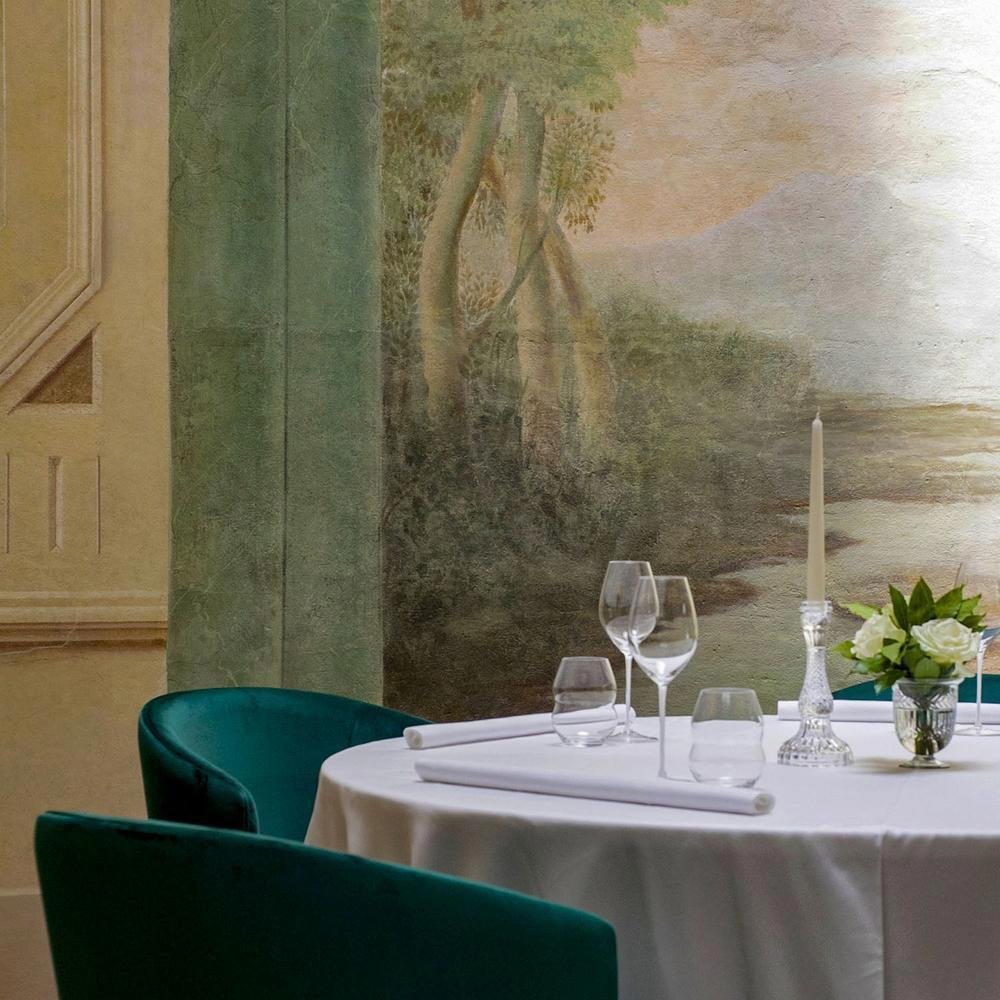
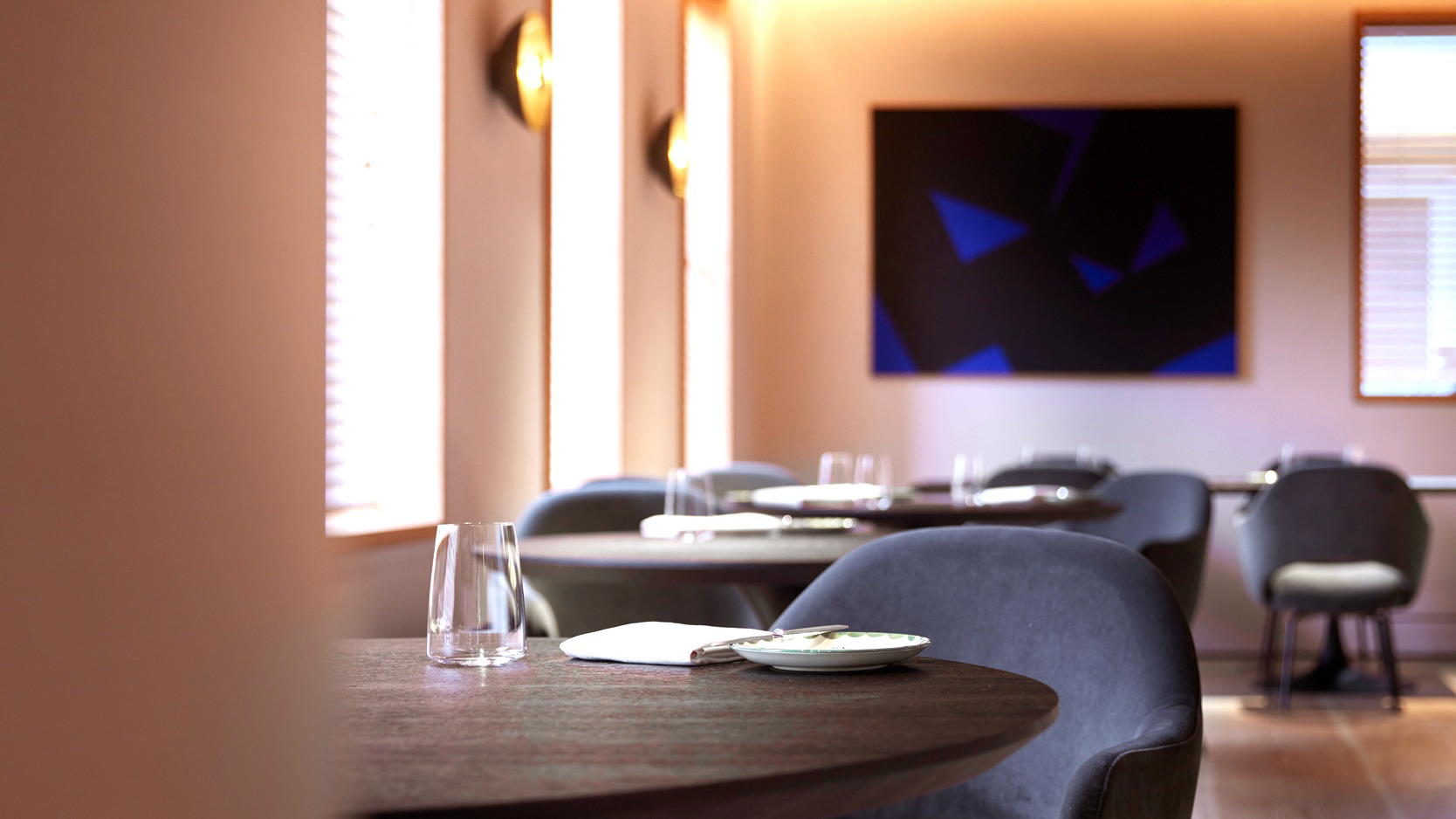
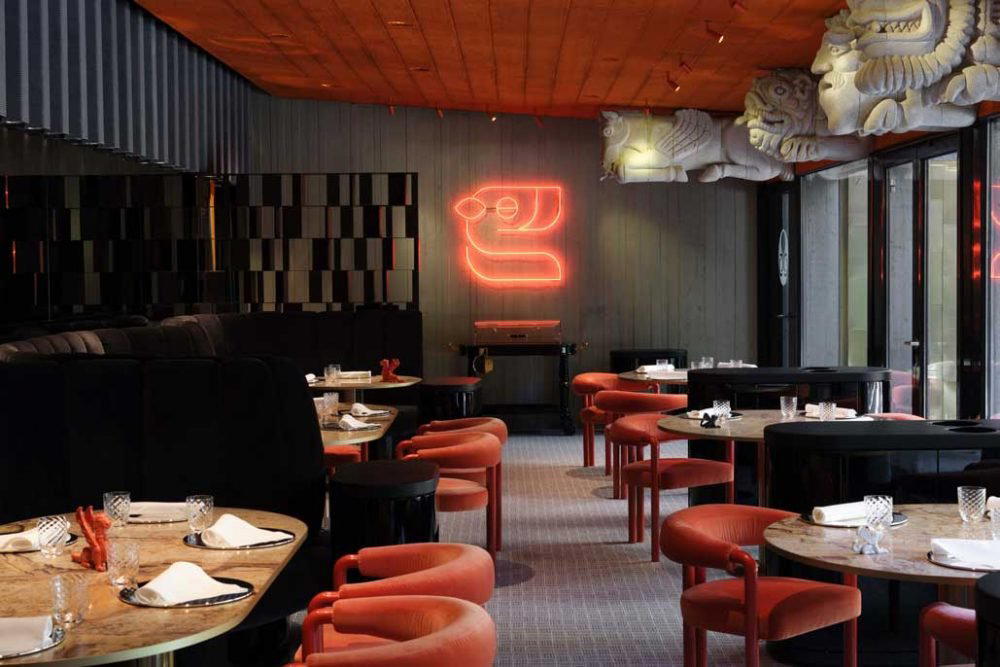
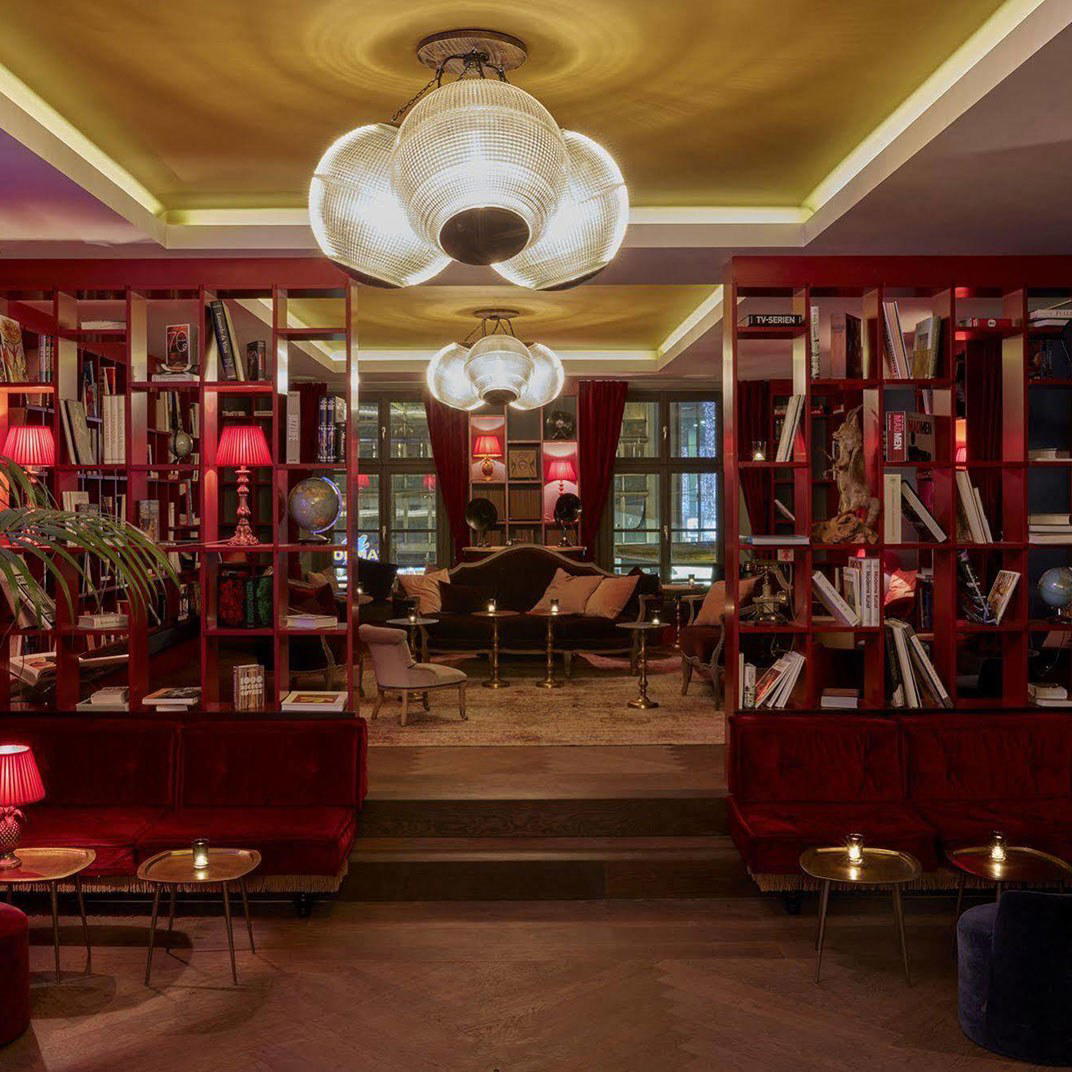
Spacious, airy high-ceilinged room with pleasant atmosphere, natural wood furnishings, sophisticated lighting, and a nice terrace.