Brindisa
Our verdict
Brindisa at Borough Market has defined London's understanding of Spanish produce for decades, operating as both importer and restaurant in a city that often mistakes Spanish food for tapas-by-rote. For serious Spanish food in London, it remains a reliable reference point.

Pearl is the En Primeur Club membership app, where members save venues, book tables and use the concierge.

The menu
What to order
- Gambas al ajillo
- Galician octopus
- Squid ink paella
- King crab rice
- Padrón peppers
- Tortilla
Spanish food in London has historically been read through one of two lenses: the mass-market tapas format that spread through Soho and Covent Garden in the 1990s and 2000s, or the fine-dining reinterpretation that borrowed Ferran Adrià's grammar and applied it to tasting menus with Michelin ambitions. Brindisa has always occupied different ground. The proposition is closer to what a Barcelonan or Madrilenian would recognise as a decent neighbourhood bar-restaurant with serious sourcing: produce that travels well because it was selected correctly at origin, cooked in ways that protect rather than transform.
Produce as the Kitchen's Primary Argument
The editorial angle on Spanish food in Britain is usually technique: how have chefs adapted the country's regional traditions for a northern European palate? At Brindisa, the more instructive story is logistics. The parent business has spent decades building direct relationships with Spanish producers across Catalonia, the Basque Country, Castile, and beyond. Jamón from estates with documented acorn-fed breeding programs, paprika from the Vera region of Extremadura, cheeses aged in specific caves in Murcia, these are not generic category items purchased through a food service distributor. They arrive with provenance intact because the importing arm can specify exactly what it needs.
This creates a kitchen situation that most London restaurants cannot replicate: the sourcing overhead has already been absorbed by another part of the business, which means the cooking can be organised around showcasing the ingredient rather than justifying an refined price by adding complexity to it. In a city where three-Michelin-star rooms like CORE by Clare Smyth, Restaurant Gordon Ramsay, and Sketch, The Lecture Room and Library are committed to multi-course technical demonstrations costing well over £200 per head, the argument for excellent produce cooked simply is a real one. Counter dining and informal seating have been standard formats in this neighbourhood longer than they have been trends in the rest of London's restaurant scene. The Borough area attracted serious food businesses precisely because its industrial and commercial character kept rents lower than Mayfair or Kensington, allowing operators to invest in product rather than interior spectacle. That dynamic has shifted somewhat as the area's profile rose, but the culture of provenance-first eating remains legible in how restaurants here communicate with their customers.
For comparison with the broader London scene: the city's highest-end Spanish dining currently skews toward tasting-menu formats with progressive technique, aligning more closely with what visitors might find at The Ledbury or Dinner by Heston Blumenthal in ambition and structure. Brindisa's format is explicitly not that.
How Brindisa Fits the Wider UK Scene
Across the UK, the most interesting regional cooking conversations are happening at destination restaurants with serious tasting menus: The Fat Duck in Bray, L'Enclume in Cartmel, Moor Hall in Aughton, and Gidleigh Park in Chagford are all making arguments about British produce and terroir in elaborate, choreographed formats. The parallel argument for Spanish terroir in Britain has been made primarily by importers. Brindisa's contribution is that it made the importing argument legible to a restaurant-going public rather than just to chefs and retail buyers. That is a different kind of influence than a Michelin star, but in terms of shaping how Londoners understand what good Spanish produce actually tastes like, it has been a sustained one.
Internationally, the approach has resonances with how certain New York restaurants handle imported product. Le Bernardin in New York City built its identity partly around direct supplier relationships in French fishing ports; Atomix in New York City makes a comparable argument about Korean ingredients arriving with their original character preserved. The common thread is that the sourcing decision is made before the cooking decision, and the kitchen's job is to honour rather than override what the product already is.
Planning a Visit
Brindisa's Borough Market location operates in a neighbourhood that is busy from mid-morning on market days (Thursdays through Saturdays) and considerably calmer midweek. Visitors arriving on a Saturday should expect the surrounding streets to be crowded well before noon. For those building a London food itinerary that includes higher-end dining, the full context is available across our full London restaurants guide, our full London hotels guide, our full London bars guide, our full London wineries guide, and our full London experiences guide.enprimeurclub.com/restaurants/core-by-clare-smyth-london-restaurant">CORE by Clare Smyth
Frequently asked questions
What should I order at Brindisa?
The sourcing side of the business means charcuterie and cheese are where the kitchen's advantages are most directly visible. Jamón and regional cheeses arrive through the importing operation rather than through generic food service channels, so these are the categories where the quality differential is easiest to assess. Spanish wine selections at produce-led restaurants of this type typically reflect the same sourcing discipline applied to food.
Can I walk in to Brindisa?
Walk-ins are more viable midweek and at off-peak hours; on Saturdays, when Borough Market trading is at full volume, the area generates significant footfall and reservations become advisable. Unlike the city's Michelin-heavy tier, where rooms like those at Sketch require advance planning of weeks or months, Brindisa operates in a more accessible booking window.
What has Brindisa built its reputation on?
The core reputation rests on direct-import sourcing from Spanish producers, established over decades before the restaurant arm existed. That importing credibility gives the kitchen access to Iberian product with documented provenance rather than commodity substitutes, and in the Borough Market context, where customers already have strong reference points for quality, that distinction has been commercially and critically legible from early on.
What if I have allergies at Brindisa?
London's food safety regulations require restaurants to provide allergen information, and any Borough Market operator of Brindisa's standing should have that documentation accessible on request. Calling or emailing ahead is the reliable approach.
Is eating at Brindisa worth the cost?
Relative to the top tier of London dining, the price point is accessible. The value argument rests on the sourcing model: you are paying for ingredient quality that bypasses normal food service supply chains, not for a tasting menu format or a technical kitchen performance. In that sense, the comparison set is less Restaurant Gordon Ramsay and more a well-stocked Spanish deli with table service.
How does Brindisa's importing background affect the dining experience compared to other Spanish restaurants in London?
Most Spanish restaurants in London source through UK-based food service distributors, which means product arrives pre-processed and standardised. Brindisa's parent company built direct relationships with Spanish producers over more than three decades, which means the restaurant can specify, for example, a particular estate's jamón or a specific regional paprika rather than a category equivalent. For a diner, this is most legible in the charcuterie and cheese selections, where the difference between estate-sourced and generic product is significant in both flavour and traceability. It is the structural advantage that defines Brindisa's position relative to other London venues working in the same cuisine territory.
The Short List
Comparable venues nearby, for context on price, style, and recognition.
| Venue | Cuisine | Price | Notes |
|---|---|---|---|
| BrindisaThis venue (the venue you are viewing) | Authentic Spanish Tapas | $30–50 | Not listed |
| Barrafina Coal Drops Yard | Modern Spanish Tapas | $30–50 | King's Cross, Modern Spanish Tapas |
| Barcelona Tapas - City EC3 | Authentic Spanish Tapas | $30–50 | Spitalfields, Authentic Spanish Tapas |
| Barrafina Adelaide Street | Modern Spanish Tapas | $30–50 | Covent Garden, Modern Spanish Tapas |
| Opera Tavern | Spanish and Italian Tapas | $50–100 | Aldwych, Spanish and Italian Tapas |
| Tapas Revolution | Spanish Tapas | $20–30 | White City, Spanish Tapas |
Continue exploring
More in London
Restaurants in London
All restaurants in London →
Bars in London
All bars in London →




Details
- Lively
- Energetic
- Casual
- Group Dining
- Casual Hangout
- Celebration
- Date Night
- Standalone
- Terrace
- Sommelier Led
- Local Sourcing
- Small Plates
- Family Style
- A La Carte
- Spanish Wine
- Vermut
- Vegetarian Friendly
- Pescatarian Friendly
Current opening hours
- Monday
- 11 AM–11 PM
- Tuesday
- 11 AM–11:30 PM
- Wednesday
- 11 AM–11:30 PM
- Thursday
- 11 AM–12 AM
- Friday
- 11 AM–12 AM
- Saturday
- 11 AM–12 AM
- Sunday
- 11 AM–11 PM
Hours can change for holidays and private events. Hours as of .
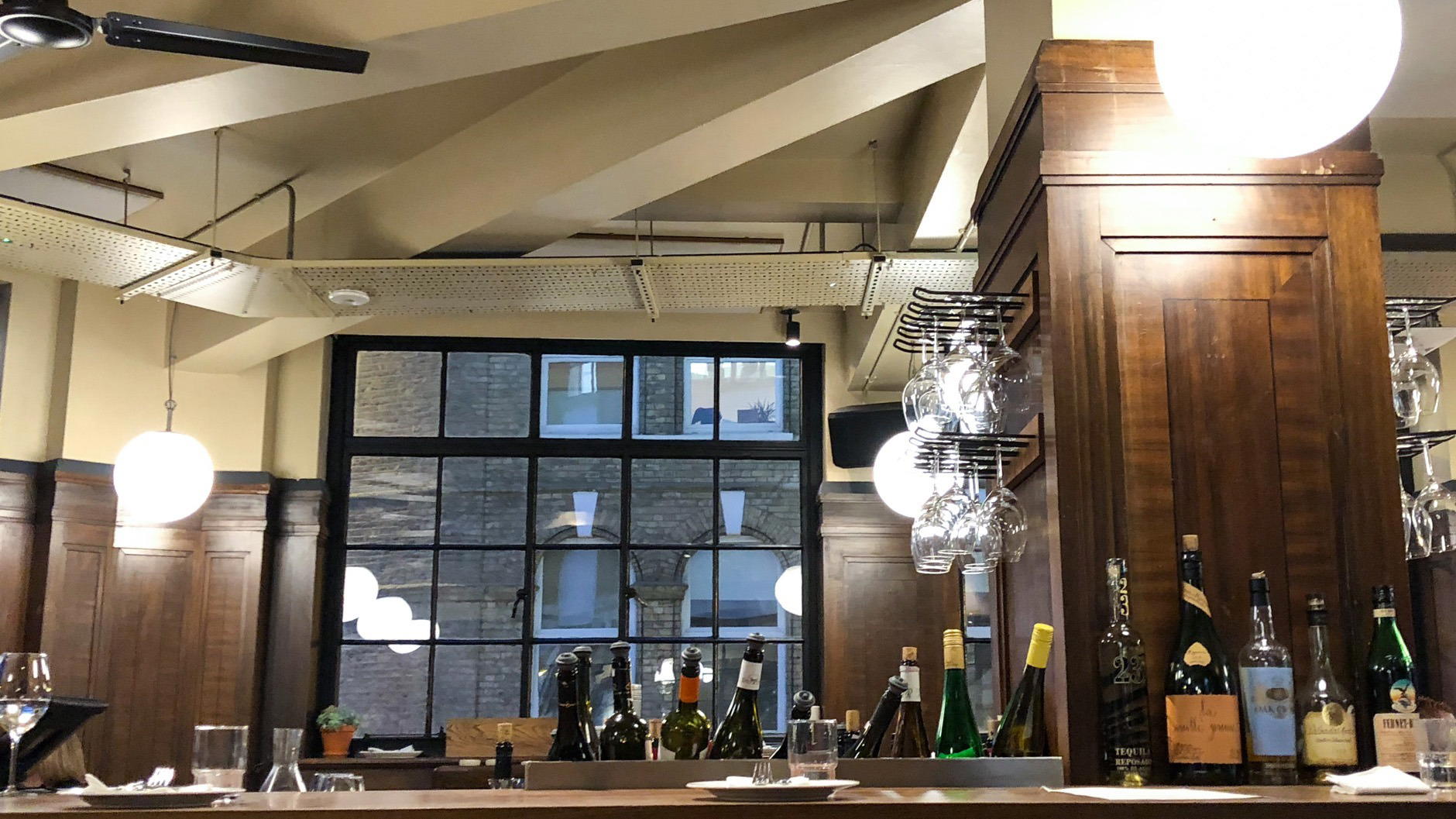
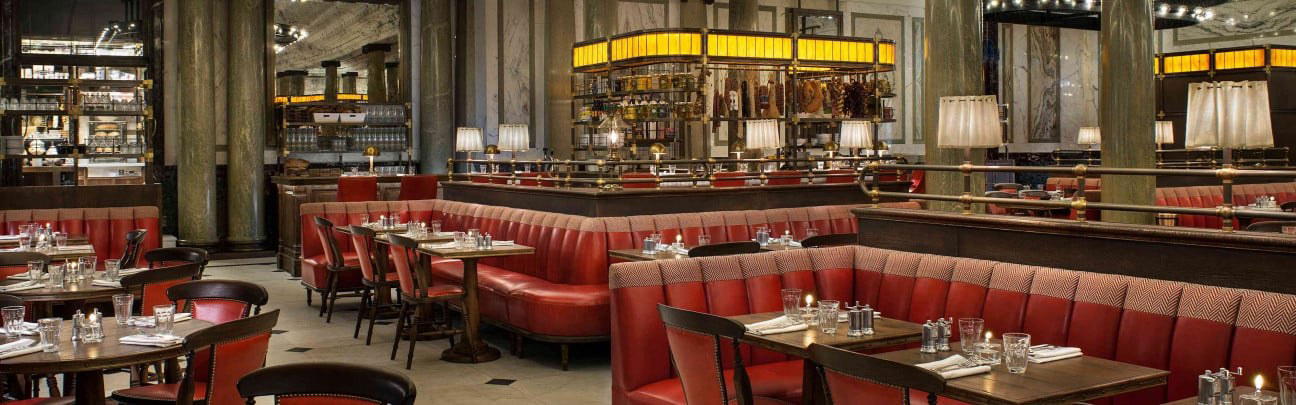
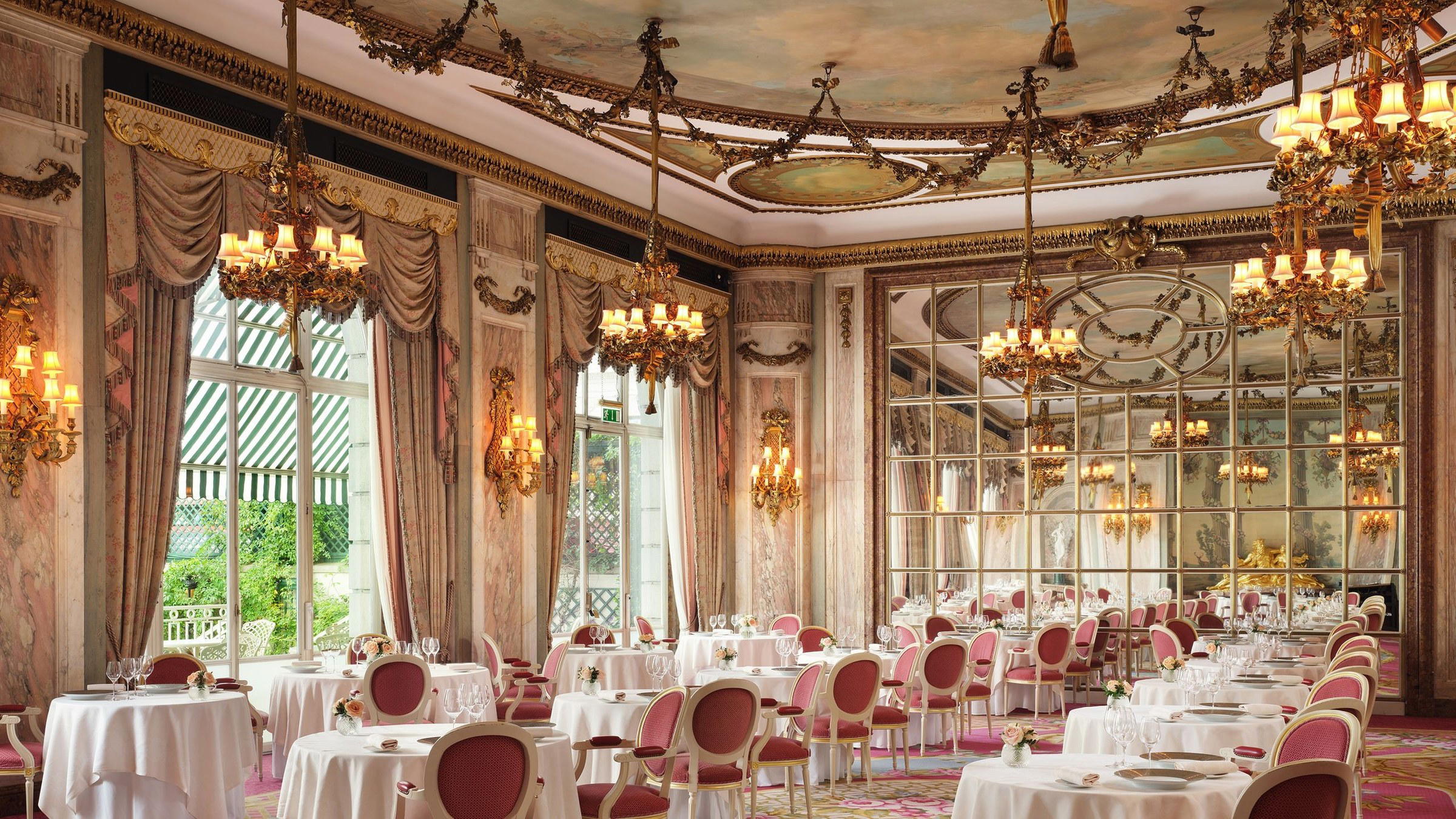
Buzzy and convivial with warm lighting; described as feeling authentically Spanish with a casual, energetic atmosphere that encourages sharing and conversation.