Our verdict
Positioned inside the Marriott at Wirki i Wigury 1, Brasserie occupies a tier of Warsaw hotel dining where the room's geometry and ambient energy often matter as much as what arrives on the plate. The address places it at a crossroads of business travel and leisure, giving the space a register that shifts noticeably between lunch and dinner — and between weekday and weekend.

Pearl is the En Primeur Club membership app — saves, bookings, and concierge access live there. Same editors, same standards.
- Address
- Złota 48/54, 01-008 Warszawa, Poland
- Hours
- Mon–Fri 10 AM–10 PMSat–Sun 12–9 PM
- Website
- orbis.pl
- Directions
- Get directions
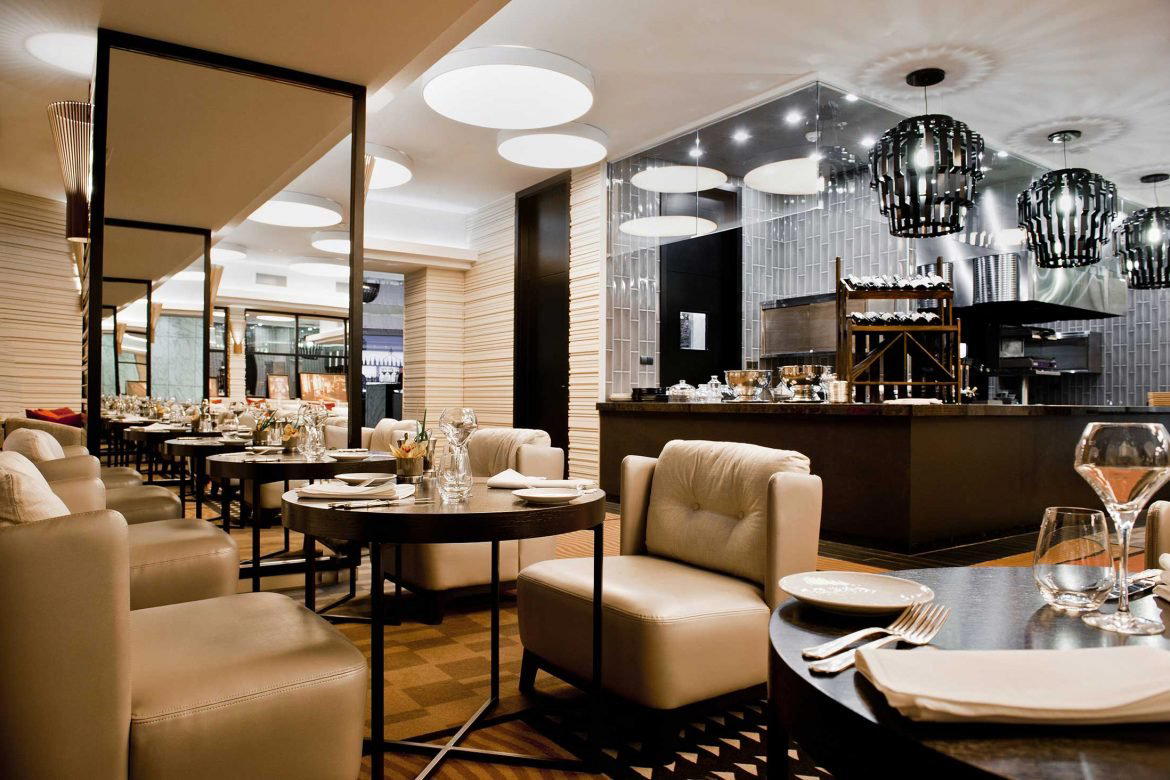
Hotel Dining in a City That Has Learned to Take It Seriously
Warsaw's hotel restaurant scene has undergone a quiet but consequential shift over the past decade. Where international-brand properties once treated in-house dining as an amenity rather than a destination, a growing number of city-centre hotel restaurants now hold their own against the independent tables that populate neighbourhoods like Praga or Śródmieście. Brasserie, operating within the Marriott at Wirki i Wigury 1, sits within that broader renegotiation — a hotel dining room that benefits from a prominent central address and a format calibrated to the varied demands of a major business hotel's clientele.
The Marriott's position near Warsaw's core transport corridor means the space absorbs a particular kind of foot traffic: early arrivals off long-haul connections, mid-morning meetings that stretch toward lunch, and the more deliberate dinner guest who has chosen the address rather than merely landed there. That layering of purpose shapes everything about what a brasserie format needs to deliver in this context: range over specialism, reliability over provocation, and an atmosphere that can read as neutral for a working breakfast and warmer by the time the evening light shifts.
What the Room Gives You
The brasserie format — as a category, not just a name, carries specific atmospheric expectations. Historically borrowed from the French tradition of higher-volume, broader-menu dining rooms that sit between the bistro and the grand restaurant, a brasserie is expected to hold multiple simultaneous registers without obvious strain. The room should feel active without feeling chaotic, and the pacing should suit a solo diner nursing a glass of wine just as well as a table of eight managing separate agendas.
In Warsaw's hotel context, that balance matters particularly because the city's independent dining scene has grown sharp enough that guests making an active choice to eat in-house are doing so with alternatives in mind. Tables at Rozbrat 20 (Modern European, €€€) or the wine-focused programme at alewino represent the kind of credible competition a hotel restaurant now benchmarks against, even if the guest never articulates it that way. The implicit contract of a well-run hotel brasserie is that it removes the friction of going out, the booking, the travel, the uncertainty, without asking the guest to trade meaningfully on quality or atmosphere.
Warsaw's Broader Dining Register
Understanding where Brasserie sits requires a brief map of Warsaw's current dining tiers. At the ambitious end, venues like hub.praga and NUTA operate creative programmes (both in the €€€ range) that have drawn international attention. At a more accessible price point, places like Baken have built loyal local followings. A hotel brasserie in Warsaw in 2024 has to position itself relative to this range, neither aspiring to the tasting-menu format that its footprint and clientele wouldn't suit, nor settling for the generic mid-market execution that would now read as a missed opportunity.
Poland's broader dining geography reflects a similar pattern. In Kraków, Bottiglieria 1881 has established a benchmark for serious restaurant ambition outside Warsaw. In Gdańsk, Arco by Paco Pérez brings international credentialing to a regional city. The country's restaurant culture is broadening, and Warsaw, as the capital, sits at the centre of that expansion. For visitors arriving from cities where hotel dining operates at a different standard, like New York's Le Bernardin or San Francisco's Lazy Bear, the question is not whether Warsaw can compete on ambition (it increasingly can, at its finest tables) but what role the hotel dining room plays in that ecosystem.
The Sensory Logic of a Central Warsaw Brasserie
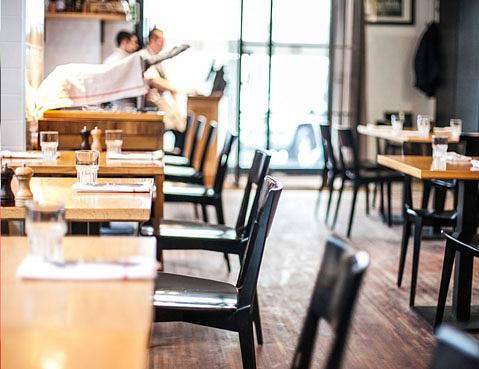
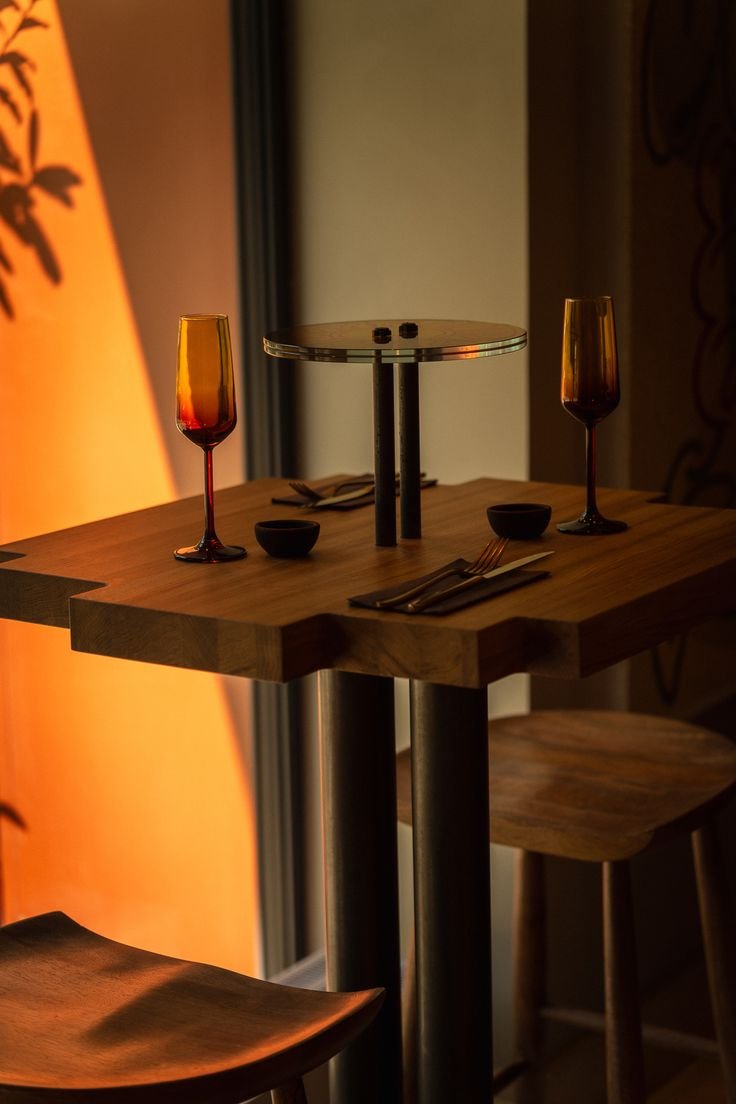
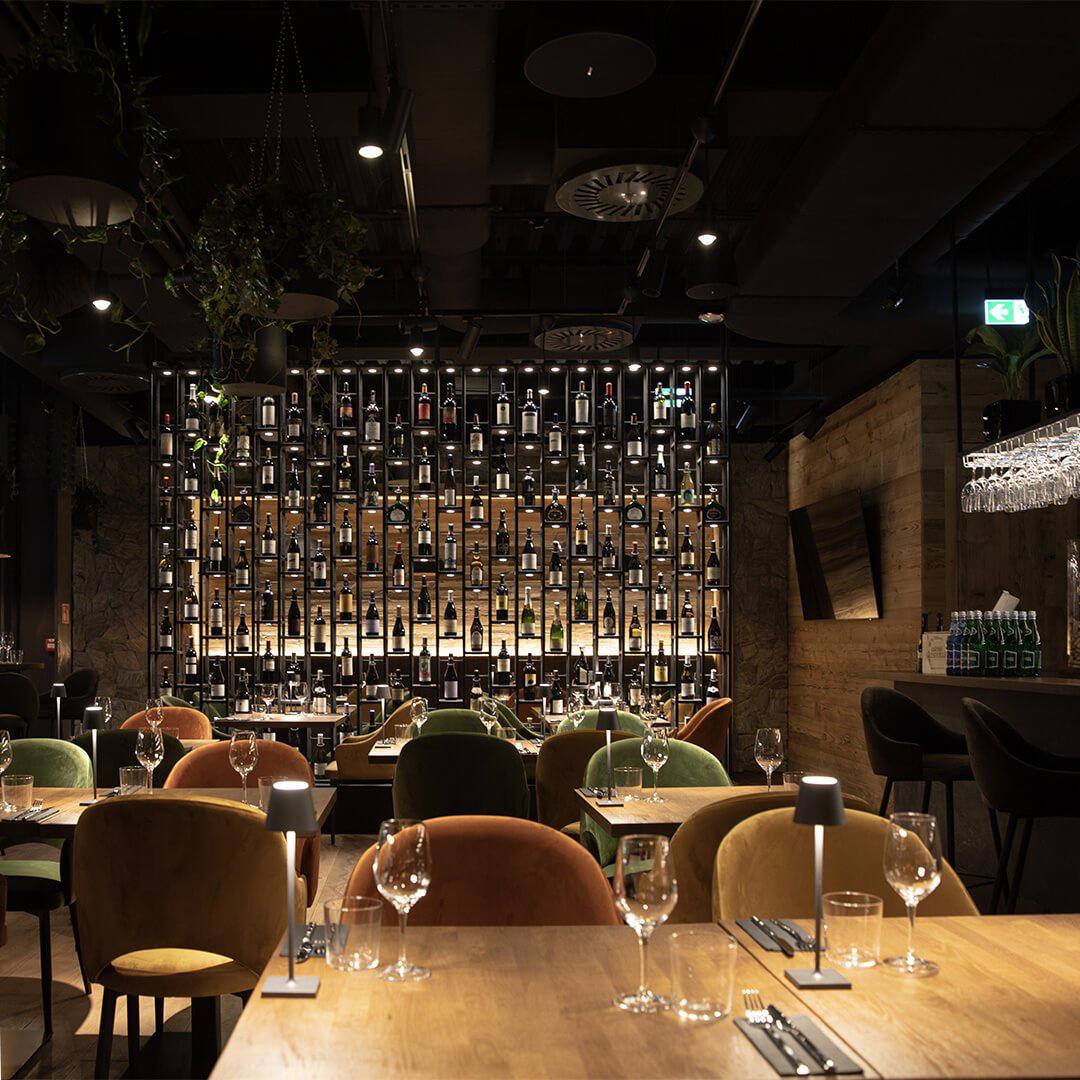
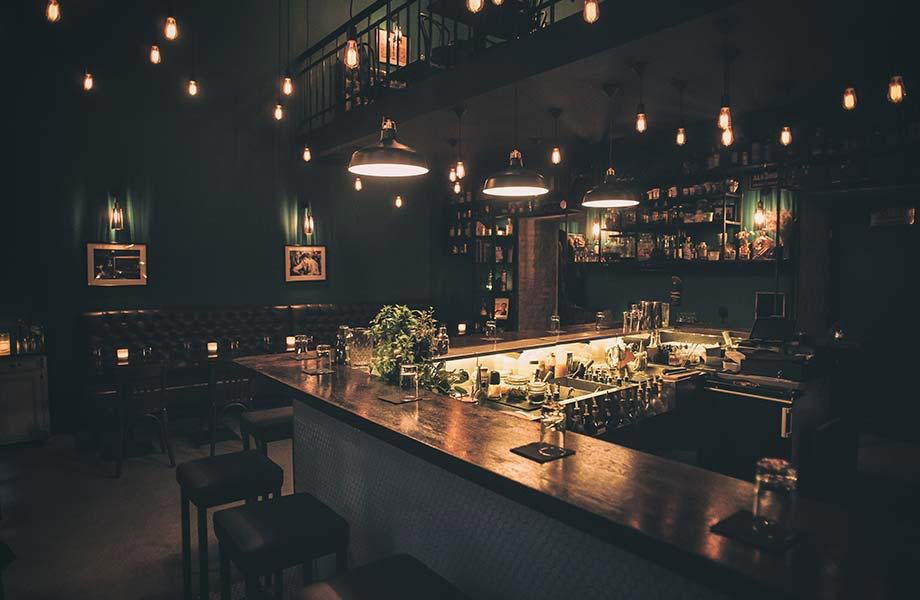
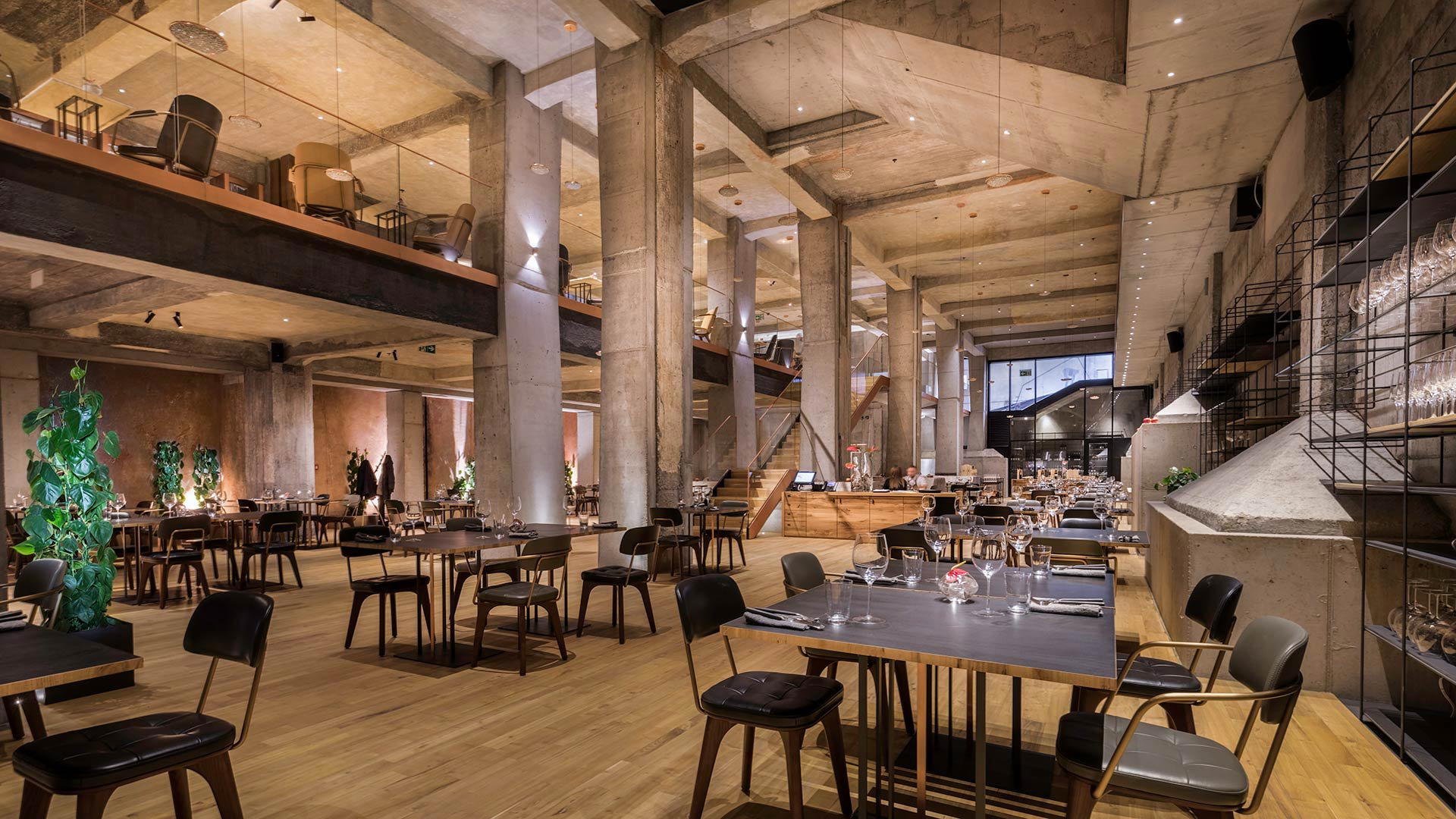
A well-functioning brasserie at this address should operate on several sensory frequencies simultaneously. The visual register matters: a hotel dining room at this scale tends toward polished surfaces, considered lighting, and a layout that creates enough acoustic separation between tables to allow conversation without the deadening effect of over-designed sound absorption. The ambient hum of a full room, the low register of concurrent conversations, the movement of service, the occasional sound of a kitchen pass, is part of what animates the format. A silent brasserie is a failing one.
Timing also shapes the experience in ways that don't always surface in reservation decisions. Breakfast service in a hotel of this profile carries a different energy from dinner: the room fills quickly, the light is harder, and the pace compresses. Lunch, particularly mid-week, tends to attract the business dining that Warsaw's central hotels are built around, tables with defined time constraints and an appetite for efficiency alongside quality. Evening service, especially at weekends, allows the room to breathe differently, with guests arriving at a pace that the kitchen and floor team can accommodate more expressively.
For visitors comparing Warsaw options before travel, the full Warsaw restaurants guide provides a broader framework for situating hotel dining within the city's independent scene, useful context if you're weighing an in-hotel dinner against an evening at alewino or the creative formats at hub.praga.
Across Poland's wider geography, regional tables like Muga in Poznań, Giewont in Kościelisko, OK Wine Bar in Wrocław, Ariel in Krakow, La Cucina Ristorante in Gdańsk, Bar Przystań in Sopot, Nare Sushi in Skórzewo, and Luneta & Lorneta Bistro Club in Ciekocinko reflect how diversified serious dining has become across the country, each operating in a distinct regional register, none of them interchangeable.
Planning Your Visit
Brasserie's address at the Marriott, Wirki i Wigury 1, places it within easy reach of Warsaw's central train corridor and the major business districts, making it a practical choice for guests already based in the hotel or arriving from the nearby transport links. For guests not staying in the hotel, the central location is direct to reach from most of Warsaw's key areas. As with any hotel restaurant operating across multiple dayparts, timing your visit around the rhythm of the room, quieter mid-morning, more active at lunch, warmest mid-evening, will shape the experience as much as the menu order.
Frequently asked questions
Does Brasserie work for a family meal?
The Marriott address at Wirki i Wigury 1 puts Brasserie in a well-trafficked central corridor, which typically supports flexible seating and a broader demographic than destination tasting-menu restaurants. The brasserie format as a category is built for all-day service and varied party sizes rather than single-sitting omakase-style events.
What should I expect atmosphere-wise at Brasserie?
The venue occupies the Marriott hotel at Wirki i Wigury 1, which frames expectations clearly: a hotel brasserie in a major international property in Warsaw's central business zone. The format historically implies a room designed to serve breakfast through dinner without radical reconfiguration, with a visual register that leans toward professional-neutral rather than chef-driven theatrics.
Is Brasserie at the Warsaw Marriott open for breakfast and lunch as well as dinner?
The brasserie format as a category is specifically designed for extended daily service across breakfast, lunch, and dinner sittings, which distinguishes it from single-service destination restaurants in Warsaw such as NUTA or hub.praga. Confirming current service hours directly with the Marriott Warsaw is the most reliable step before planning a visit.
What should I eat at Brasserie?
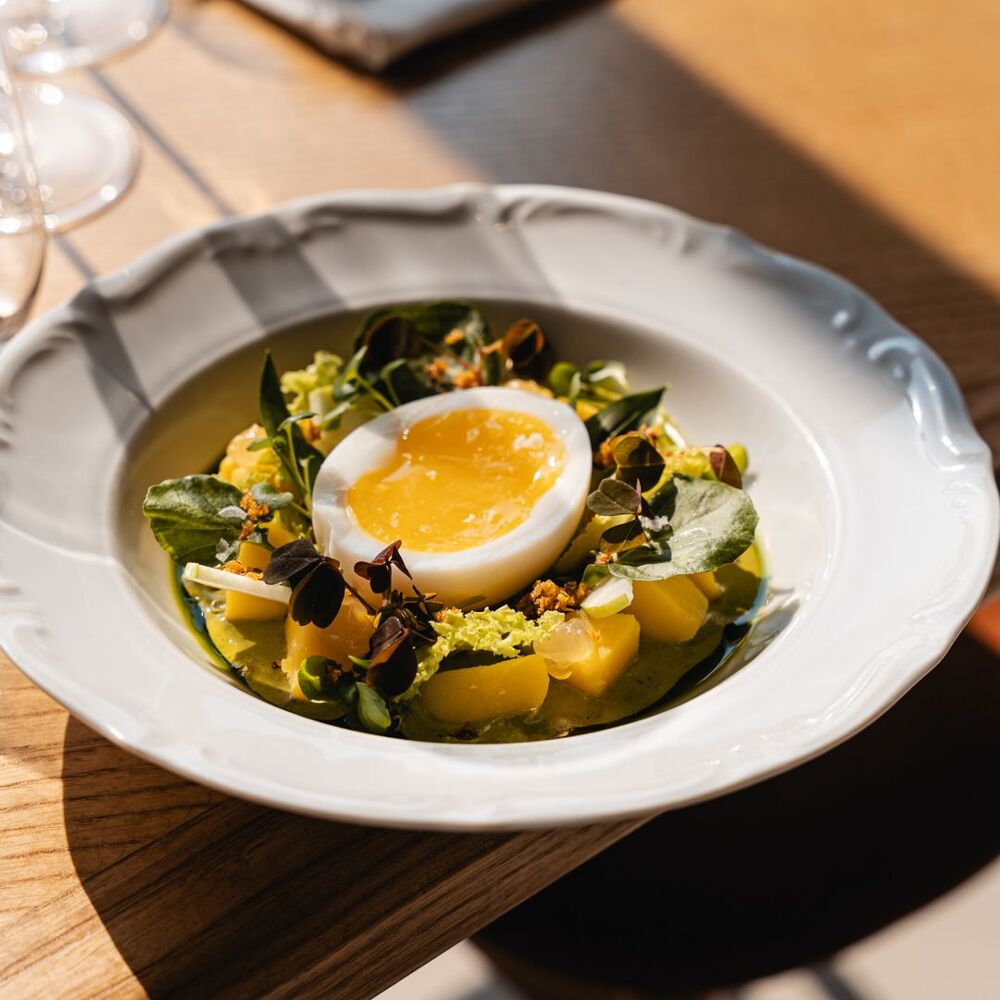
The brasserie name suggests European all-day fare as a baseline, a format that in Warsaw's current dining scene often incorporates Polish produce alongside continental standards. Confirming the current menu directly with the Marriott property at Wirki i Wigury 1 is the reliable approach.
What's the address for Brasserie?
Brasserie is located at wirki i Wigury 1 (Marriott), Warszawa, Warsaw.
What's the best way to book Brasserie?
The most direct route is contacting the Marriott Warsaw hotel at Wirki i Wigury 1 through the Marriott's central reservations channels or front desk, which will connect to the restaurant. Hotel restaurants at this tier typically accept reservations through the property's booking system as well as walk-in during off-peak hours.
What makes Brasserie worth seeking out?
The address at Marriott Warsaw, Wirki i Wigury 1, positions Brasserie at the intersection of the city's main rail corridor and its core business districts — a genuinely convenient anchor for central Warsaw meetings or pre-evening meals. Warsaw's hotel dining has shifted meaningfully since the early 2010s, with several properties investing in kitchens that engage with the city's broader culinary conversation rather than defaulting to generic international menus. Whether Brasserie sits at that progressive end of the hotel-dining spectrum requires firsthand confirmation, but the location alone makes it a functional base for city-centre dining.
Peers You’d Cross-Shop
| Venue | Cuisine | Price | Awards | Notes |
|---|---|---|---|---|
| BrasserieThis venue — the venue you are viewing | Modern French Brasserie | $50–100 | Not listed | Not listed |
| Rozbrat 20 | Modern Polish Fine Dining | $100–150 | 1 Michelin Star · Star Wine List | Modern European, Modern Cuisine |
| alewino | Seasonal Polish Wine Bistro | $30–50 | Michelin Plate · Star Wine List | Modern Polish, Traditional Cuisine |
| Bez Gwiazdek | Modern Polish Regional | $200–300 | Michelin Plate · Star Wine List | Modern Polish, Modern Cuisine |
| Butchery & Wine | Modern Steakhouse | $50–100 | Michelin Plate · Star Wine List | Bistro, Meats and Grills |
| hub.praga | Modern Polish Fine Dining | $100–150 | 1 Michelin Star · Star Wine List | Modern Cuisine |
Brasserie
Featured Guides
Details
- Classic
- Elegant
- Modern
- Business Dinner
- Special Occasion
- Open Kitchen
- Hotel Restaurant
- Local Sourcing
- A La Carte
- Vegetarian Friendly
- Vegan Options
- Gluten Free Options
Current opening hours
- Monday
- 10 AM–10 PM
- Tuesday
- 10 AM–10 PM
- Wednesday
- 10 AM–10 PM
- Thursday
- 10 AM–10 PM
- Friday
- 10 AM–10 PM
- Saturday
- 12–9 PM
- Sunday
- 12–9 PM
Hours can change for holidays and private events. Last verified .
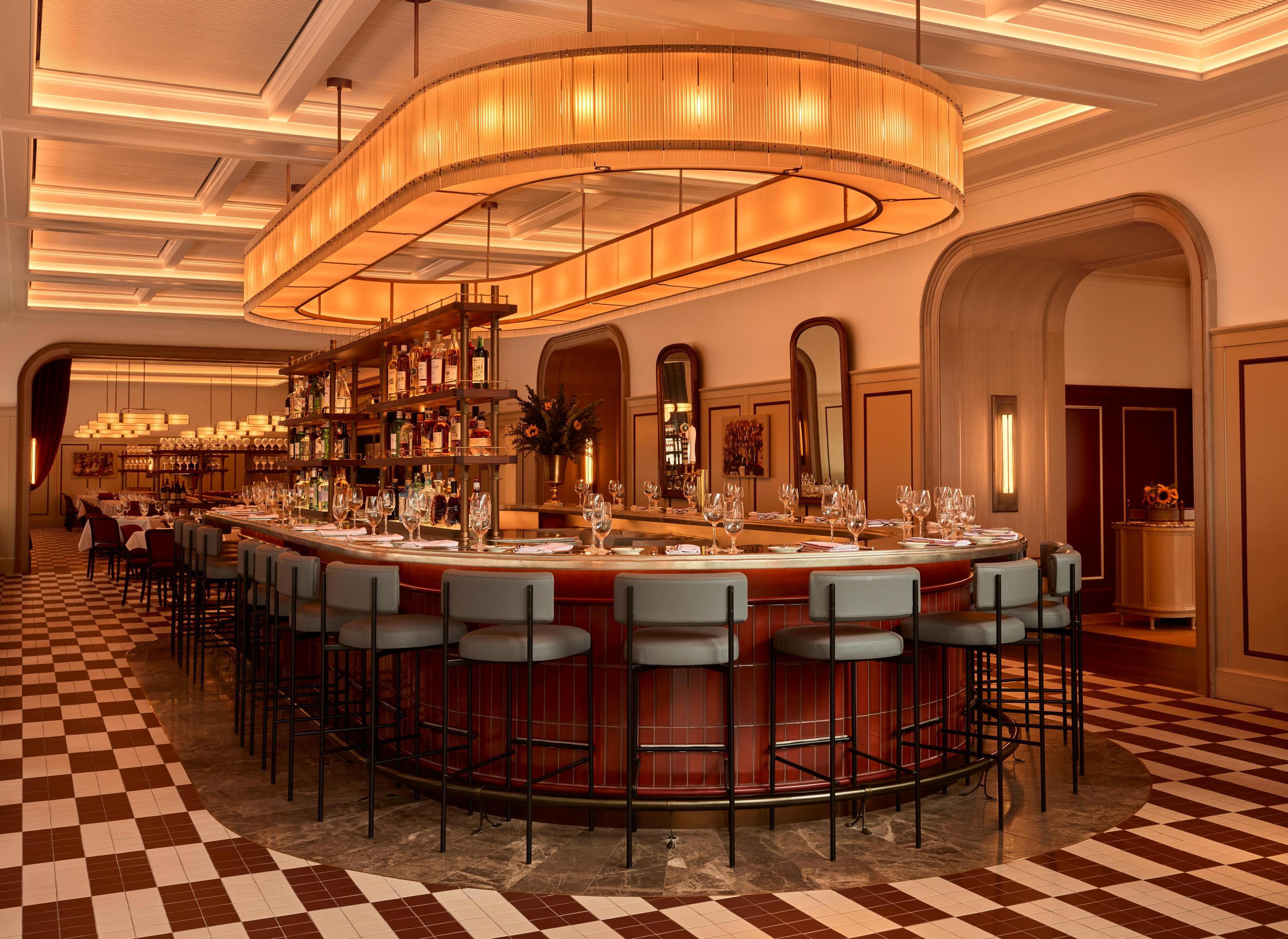
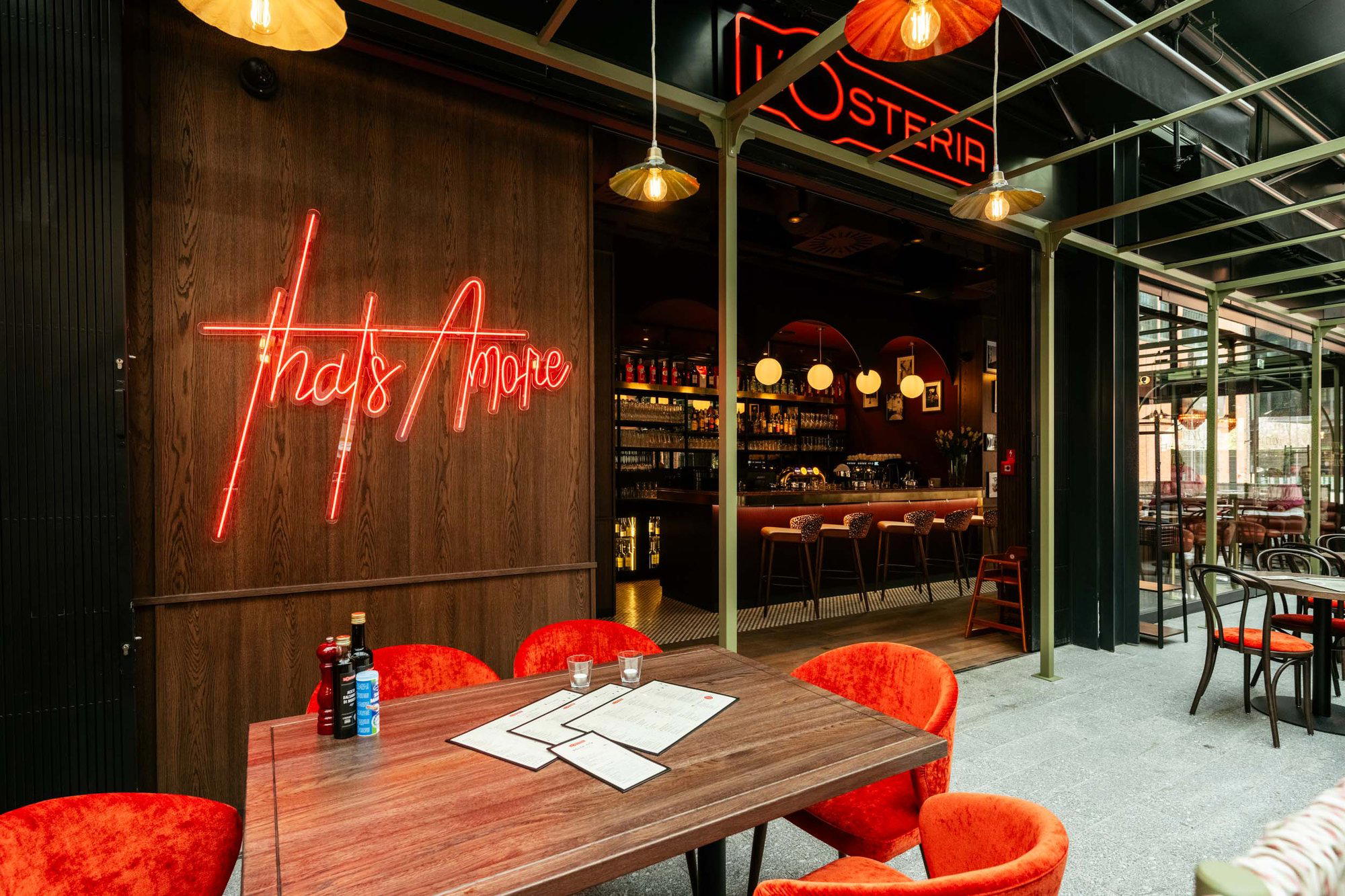
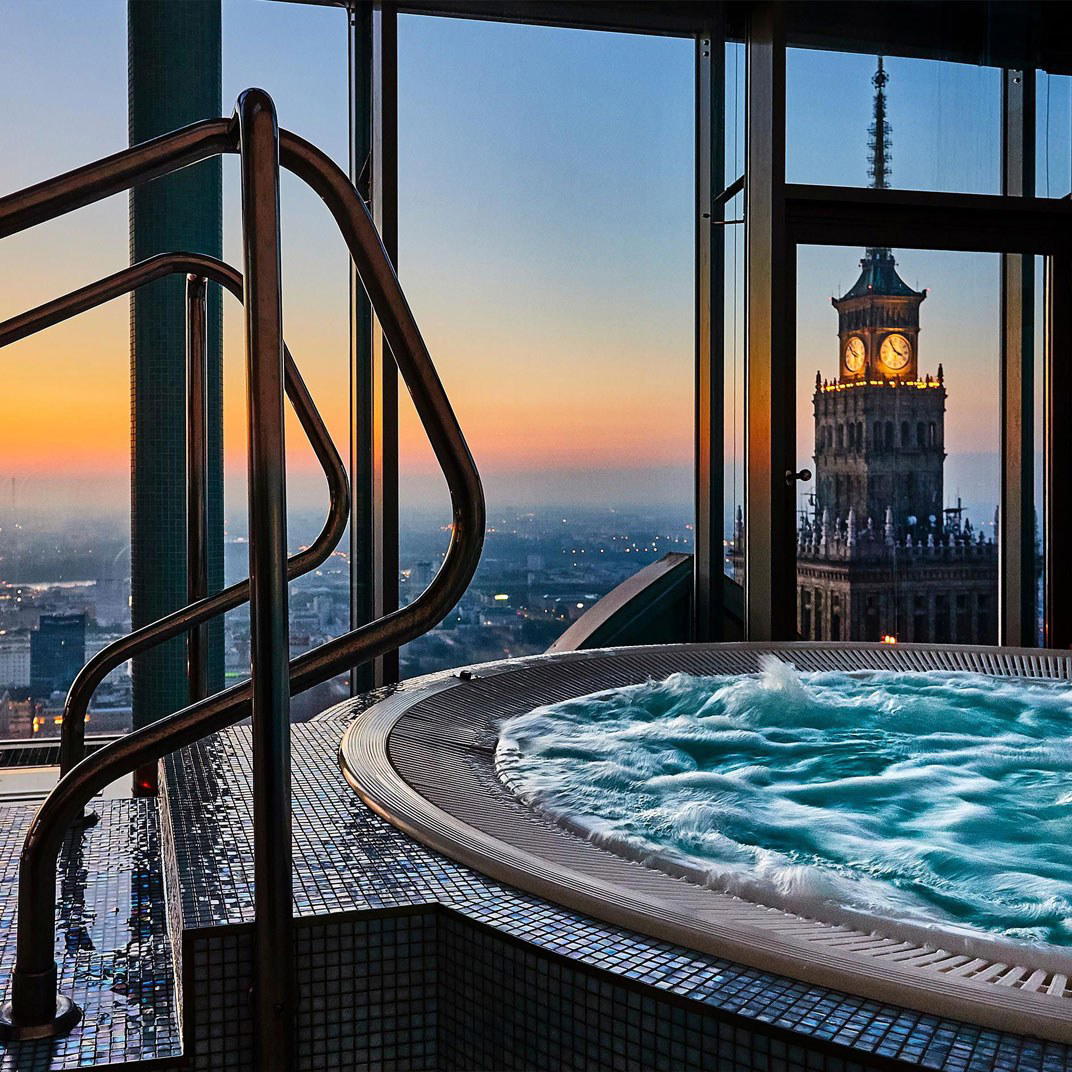
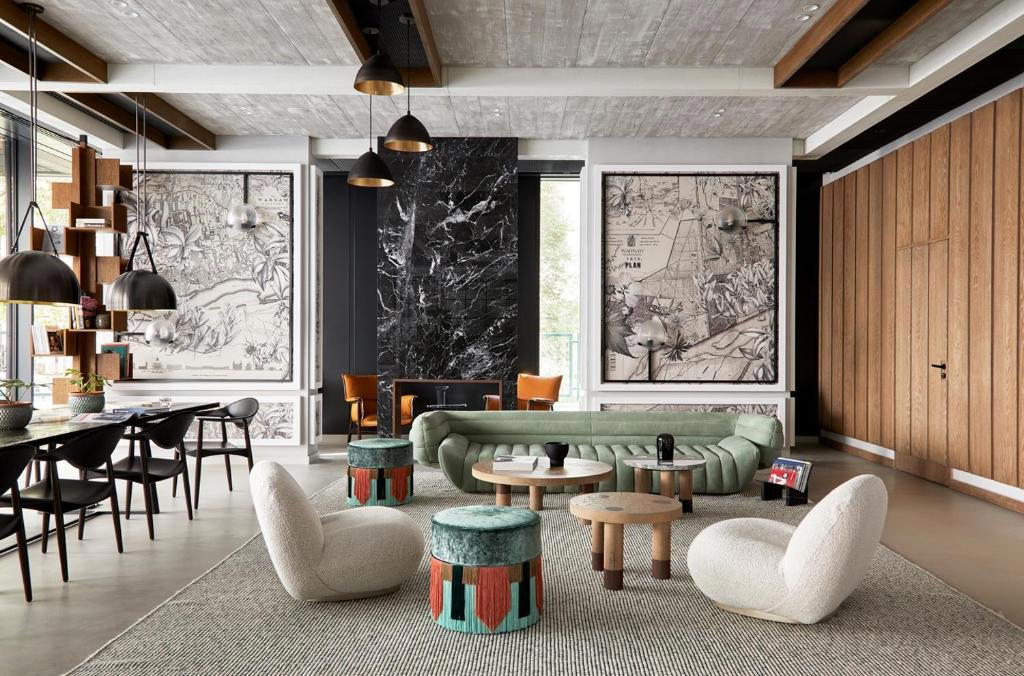
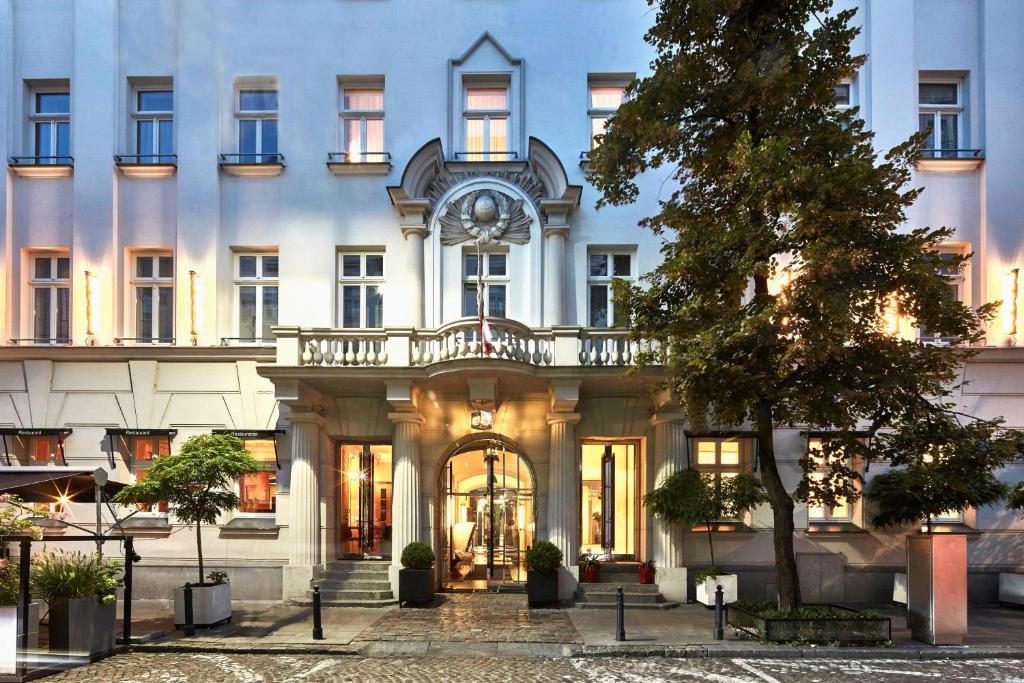
Classic brasserie atmosphere with open kitchen views, galvanized bar elements, black and white tiles, and elegant, sophisticated lighting.