Our verdict
Papu occupies a mid-century address on Aleja Niepodległości, one of Warsaw's principal arteries, where it has built a following among the city's food-attentive crowd. The restaurant sits in the current wave of Warsaw dining that treats Polish ingredients as the starting point rather than an afterthought, positioning it alongside a generation of venues redefining what contemporary Polish cooking looks like in practice.

Pearl is the En Primeur Club membership app — saves, bookings, and concierge access live there. Same editors, same standards.
- Address
- al. Niepodległości 132/136, 02-554 Warszawa, Poland
- Phone
- +48662261261
- Website
- restauracjapapu.pl
- Directions
- Get directions
- Booking
- Book on the venue's website
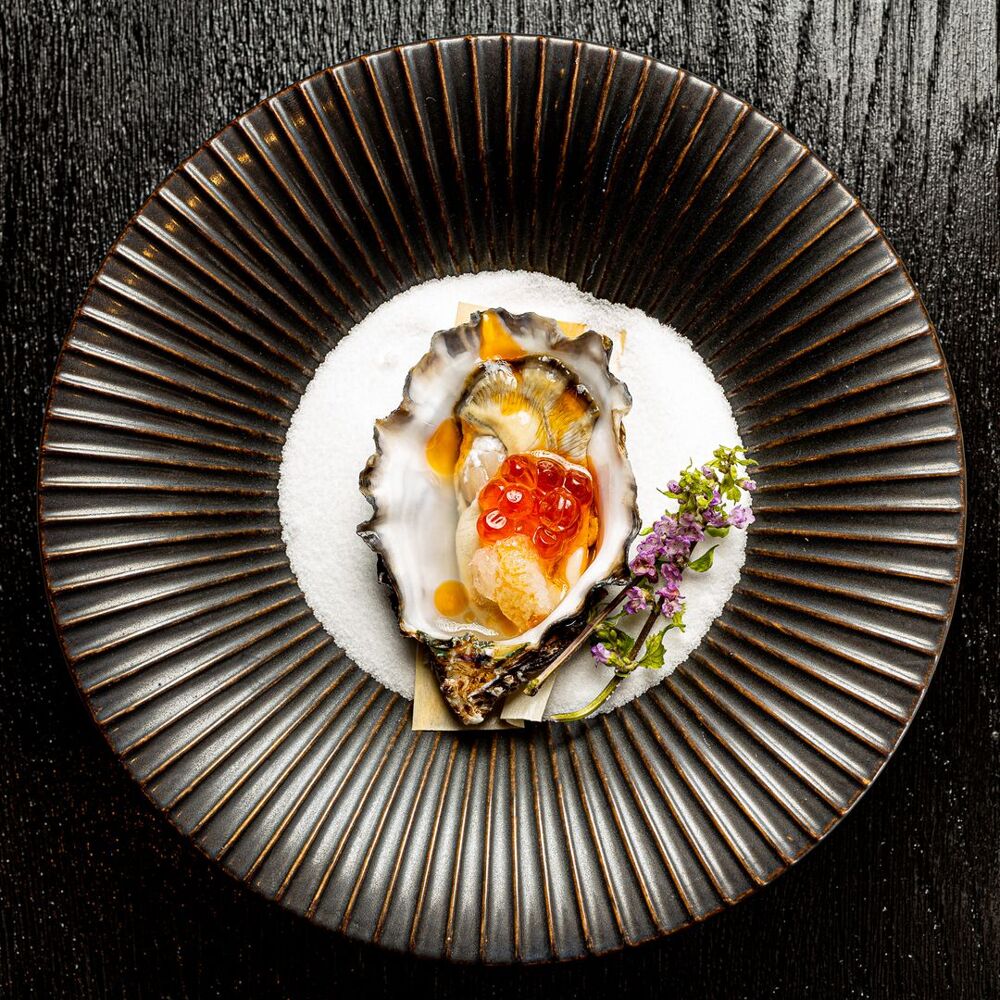
The menu
What to order
- Hand-made pheasant ravioli
- Stuffed cabbage with lamb
- Venison
- Duck
- Wielkopolska goose
- Beef tartar
- Sturgeon fillet
- Beef rib
A Street That Has Seen Everything
Aleja Niepodległości is not a restaurant row in the conventional sense. It is one of Warsaw's great connective boulevards, running from Mokotów northward through districts that have absorbed the city's full modern history: postwar reconstruction, communist-era functionalism, and the glass-and-concrete confidence of the post-1989 decades. A restaurant that places itself here is making a statement about belonging to the city rather than curating a pocket of imported atmosphere. Papu, at number 132/136, reads as exactly that kind of address: embedded in a lived-in urban stretch rather than sheltered inside a design-forward courtyard or a heritage building repurposed for gastro-tourism.
That geographical positioning matters because Warsaw's contemporary dining scene has sorted itself into distinct geographic clusters. The Śródmieście core and the increasingly prominent Praga district (where hub.praga has established the modern cuisine conversation on the east bank) attract much of the critical attention. Venues that hold their own outside those clusters tend to do so on merit accumulated over time rather than on the energy of a newly fashionable postcode.
Warsaw's Evolving Dining Frame
To understand where Papu sits, it helps to map the broader trajectory of Warsaw dining over the past fifteen years. The city moved through a predictable arc: the early post-transition enthusiasm for anything Western, a mid-period correction toward bistro formats and accessible price points, and then, from roughly 2015 onward, a more confident phase in which local chefs began treating Polish culinary identity as material worth developing rather than something to apologise for.
That third phase is the one that produced the city's most interesting dining addresses. NUTA occupies the creative end of that register. alewino anchors the modern Polish and traditional cuisine tier at a more accessible price point. Rozbrat 20 represents the modern European approach at the €€€ level. Each of these venues demonstrates how Warsaw's dining culture has moved from imitation toward something more self-assured. Papu belongs to the same generational shift, working from a similar premise: that Polish cooking, approached seriously and without nostalgia, can carry a full evening.
Comparable evolution is visible in other Polish cities. Bottiglieria 1881 in Kraków and Muga in Poznań each reflect how regional dining has pushed past the tourist-menu phase into something more technically serious. Arco by Paco Pérez in Gdańsk shows what happens when international culinary influence arrives with real pedigree. Warsaw's version of this maturation is spread across multiple venues rather than concentrated in one flagship, which makes understanding individual addresses like Papu a matter of reading the scene rather than simply booking the most-awarded table in the room.
The Regulars and What They Return For
Among Warsaw's food-attentive crowd, the addresses that retain regulars tend to do so through consistency rather than novelty. The city has had enough openings that landed on momentum and faded within eighteen months to make repeat business the more meaningful signal. Papu's position on a workaday boulevard, away from the venues that rely on destination traffic, suggests a clientele that returns by habit rather than by occasion.
Venues in this position typically anchor their repeat trade on a core of dishes that remain recognisable across menu changes. The Polish dining context rewards this: rye, cured fish, fermented vegetables, braised meats, and dairy-forward sauces are all ingredients with deep local literacy, and a restaurant that handles them with care earns loyalty faster than one chasing seasonal novelty for its own sake. Regulars at this tier of Warsaw dining generally order from a small set of items they have tested across visits, and they bring new guests specifically to show them those items. That is a different dynamic from the once-and-done tasting menu circuit.
For context on how Warsaw's serious dining spreads across formats and price points, venues like Baken add further texture to the picture. The full range is documented in our Warsaw restaurants guide.
Planning a Visit
The address at al. Niepodległości 132/136 is accessible by public transport along one of the city's main south-north routes. Polish restaurants at this level of the market have generally moved toward advance booking rather than walk-in reliance, though neighbourhood-facing venues sometimes hold capacity for same-day guests. The safest approach is to check availability before visiting, particularly on weekend evenings when Warsaw's mid-tier dining addresses run close to capacity.
Dietary requirements are worth flagging at the point of booking. Polish cuisine's reliance on dairy, cured pork products, and gluten-bearing grains means that substitutions require some advance notice at most Warsaw kitchens. Venues that have built a regular following tend to handle these requests with more flexibility than those running a rigid tasting menu format, but direct confirmation is the only reliable way to verify.
The Wider Polish Table
Warsaw's dining scene does not exist in isolation. The cities and towns around it have produced their own serious addresses, some of which carry credentials that have drawn national attention. Giewont in Kościelisko, Kwestia Czasu in Białystok, and Cudne Manowce in Olsztyn each represent how Polish culinary ambition has distributed itself beyond the capital. Górnik in Krakow and Włoska Restauracja Bellanuna in Rzeszów extend the picture further. Even in more specialist formats, Hashi Sushi in Gdańsk and Hattori Hanzo in Częstochowa demonstrate that Poland's dining development has reached into non-native cuisines with genuine seriousness. Against that national backdrop, Warsaw remains the city with the highest density of addresses worth tracking, and Papu is part of that density.
For international comparison, the kind of neighbourhood-rooted dining that Papu represents has equivalents in cities with much longer fine-dining histories. The difference in Warsaw is that the tradition is being built in real time, which makes visiting now, rather than when the guides have fully caught up, the more interesting proposition.
Frequently asked questions
Where is Papu located?
Papu is located at al. Niepodległości 132/136, 02-554 Warszawa, Poland, Warsaw.
Is Papu a good restaurant choice for visitors staying near central Warsaw?
Al. Niepodległości 132/136 is served by public transport along one of Warsaw's main south-north routes, making Papu accessible from central districts without requiring a taxi. The venue sits within the broader Mokotów corridor, which has accumulated a number of serious local addresses over the past fifteen years. For visitors orientating themselves around Warsaw's evolving dining map, this part of the city offers an alternative to the more tourist-facing restaurant clusters further north.
What do regulars order at Papu?
Niepodległości 132/136 is the most reliable route.
Can I walk in to Papu?
Walk-in availability at Papu on al. Warsaw restaurants operating along this boulevard range from relaxed drop-in spots to venues requiring advance booking, so contacting Papu directly before visiting is advisable.
What is Papu known for?
Papu sits on Aleja Niepodległości, one of Warsaw's main south-north corridors, in a stretch of the city that has developed a quiet but consistent dining identity over the past decade. Among Warsaw's regulars, the venue is associated with the kind of neighbourhood reliability that outlasts trend-driven openings. Cuisine specifics are best confirmed with the restaurant directly.
Can Papu adjust for dietary needs?
As with most Warsaw restaurants at this address tier, the most direct approach is to contact the venue ahead of your visit to discuss any requirements.
Awards and Standing
Comparable venues nearby, for context on price, style, and recognition.
| Venue | Cuisine | Price | Notes |
|---|---|---|---|
| PapuThis venue — the venue you are viewing | Traditional Polish | $50–100 | Not listed |
| Belvedere | Modern Polish Cuisine | Not listed | Ujazdow |
| U Fukiera | Traditional Polish Fine Dining | $50–100 | Stare Miasto |
| Bułkę przez Bibułkę | Polish Breakfast & Brunch Café | $10–20 | Srodmiescie |
| Latino Brasserie@Ferdy's | Polish Brasserie | Not listed | Osiedle Za Zelazna Brama |
| Oberża pod Czerwonym Wieprzem | Traditional Polish Communist-Era Cuisine | $20–30 | Mirów |

Papu
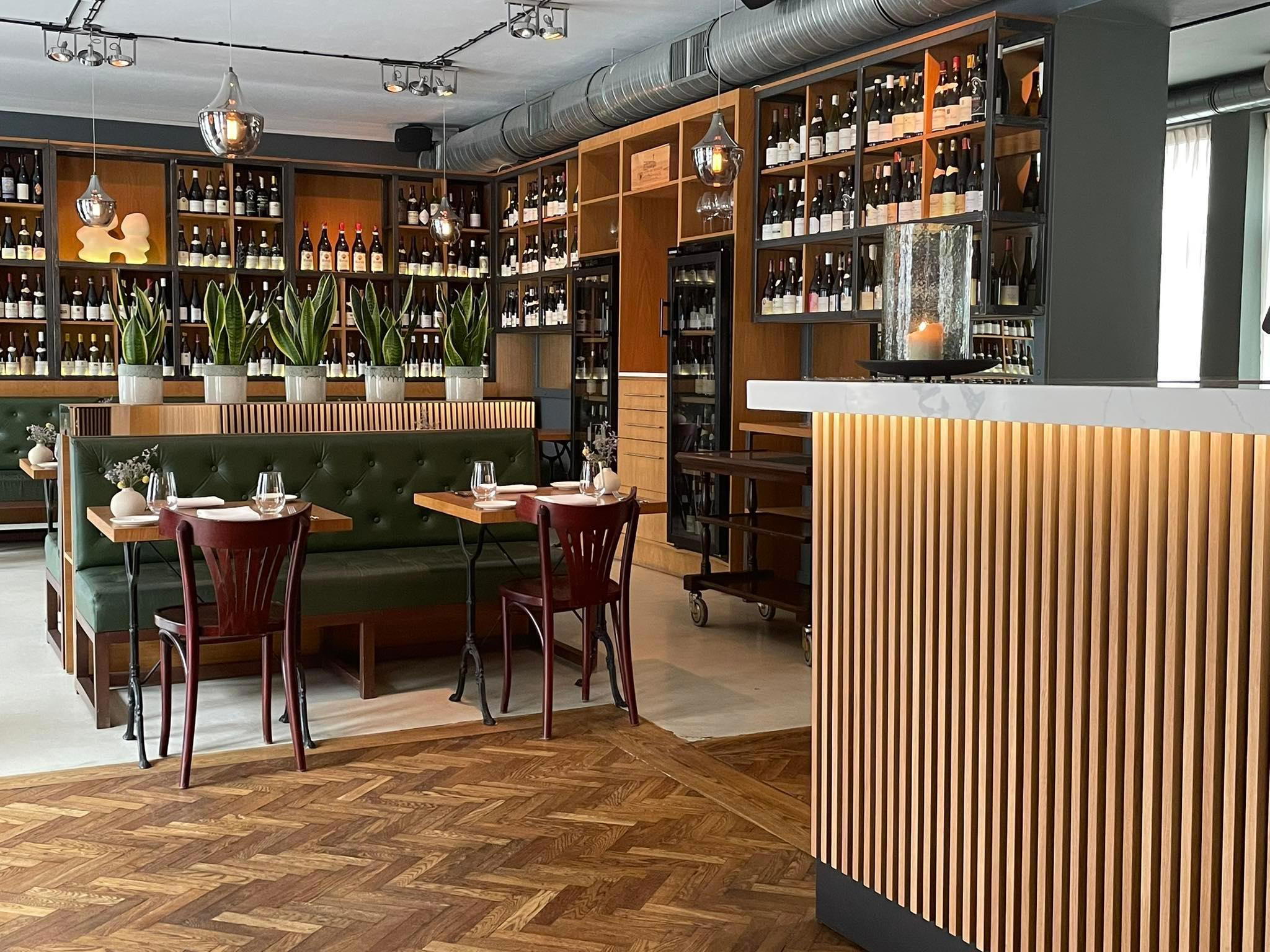
The wine
- Wine program
- Curated wine list
- Extensive wine list
- Sommelier-led
- Beer program
Details
- Romantic
- Elegant
- Classic
- Intimate
- Sophisticated
- Date Night
- Business Dinner
- Celebration
- Special Occasion
- Group Dining
- Private Dining
- Standalone
- Extensive Wine List
- Sommelier Led
- Beer Program
- Local Sourcing
- A La Carte
- Set Menu
- Polish Vodka
- Polish Wine
- Beer
- Vegetarian Friendly
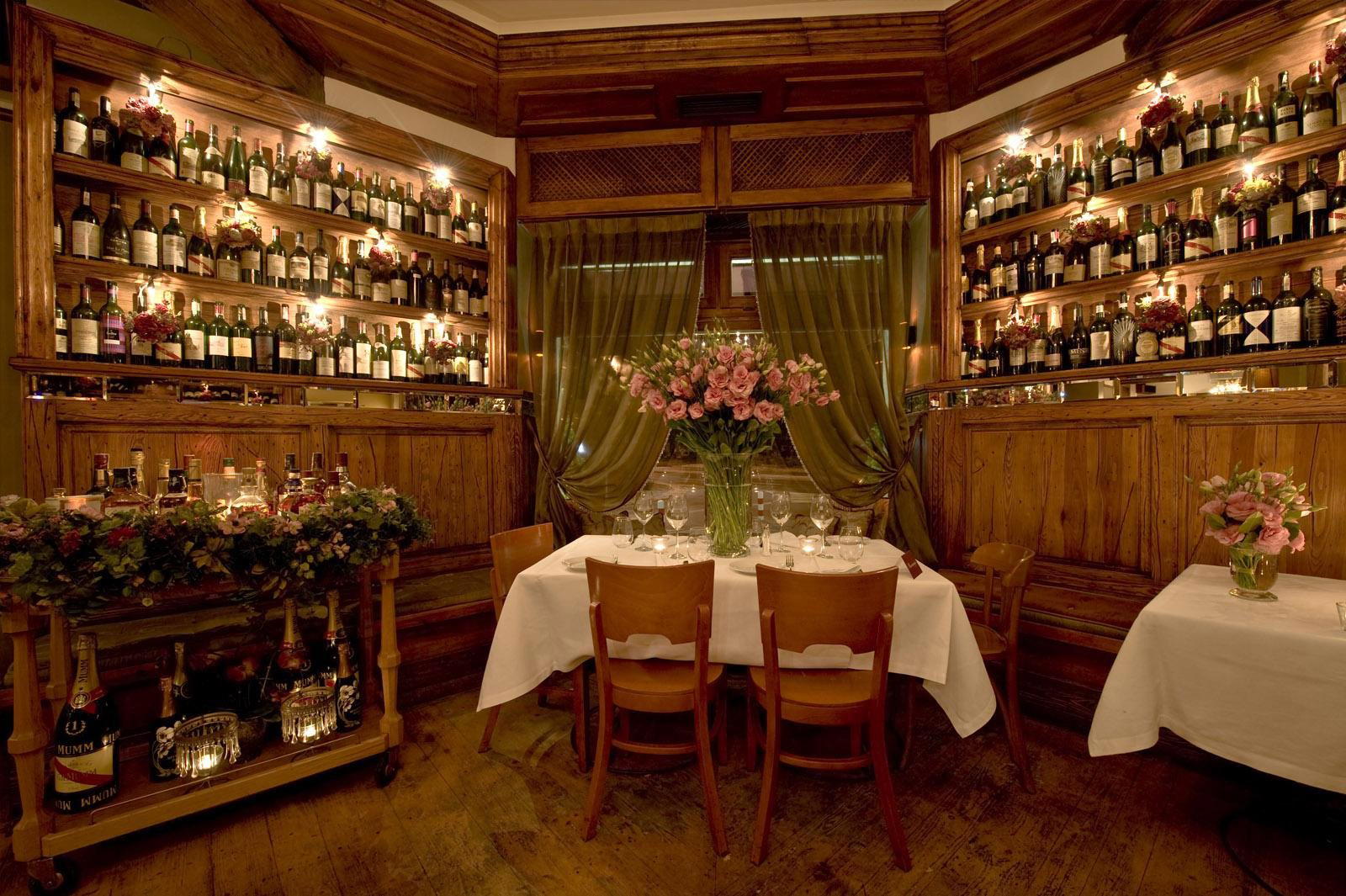
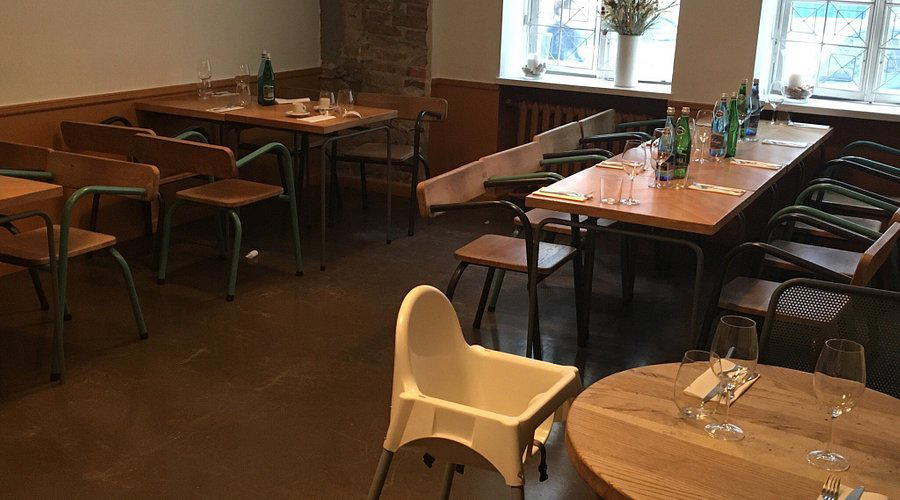
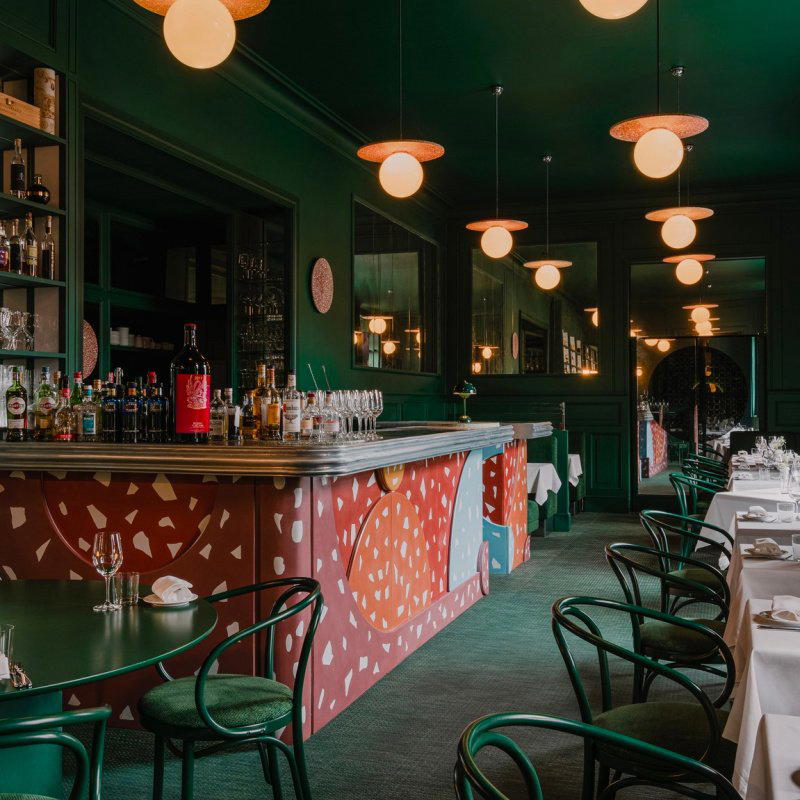
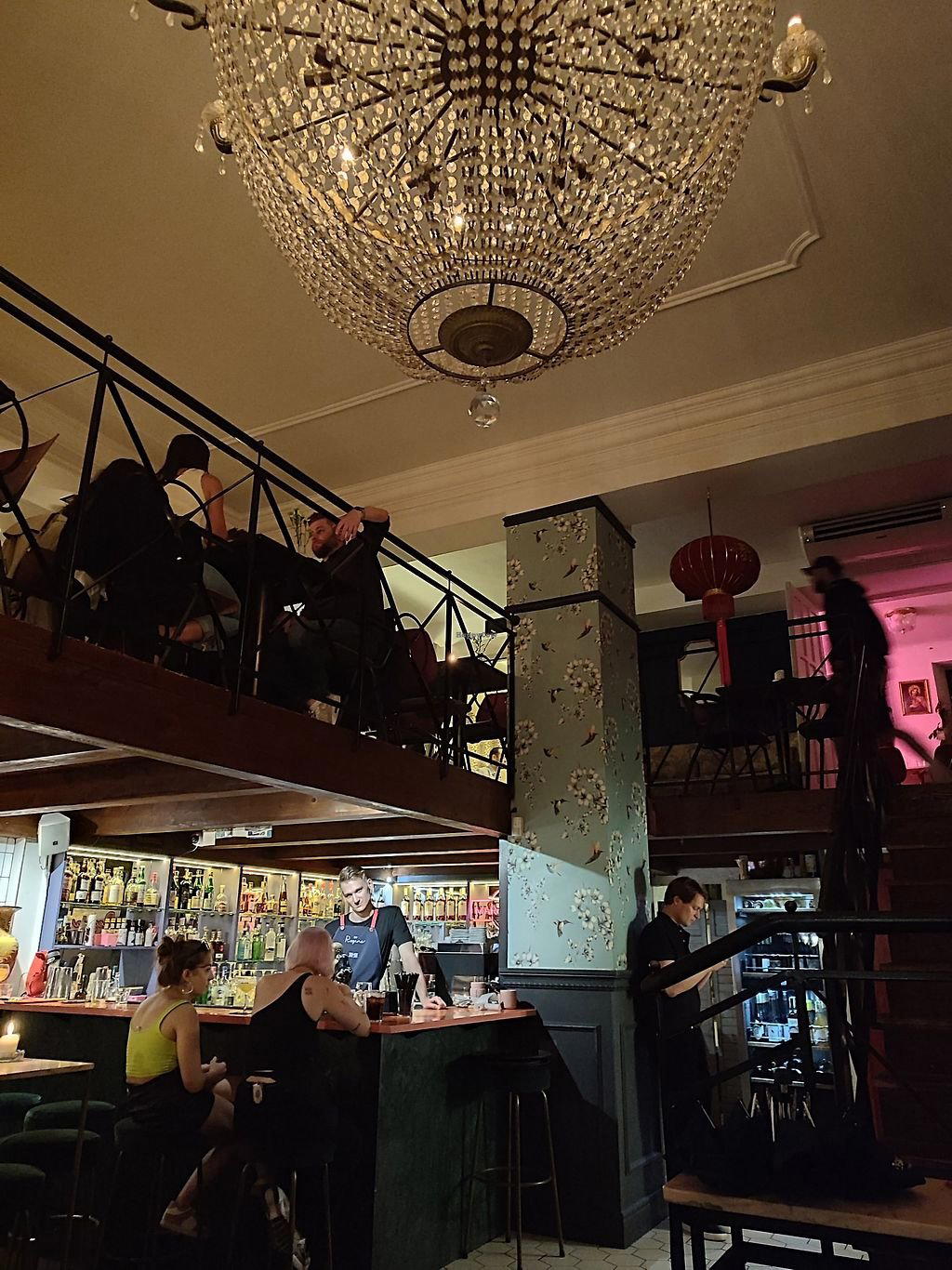
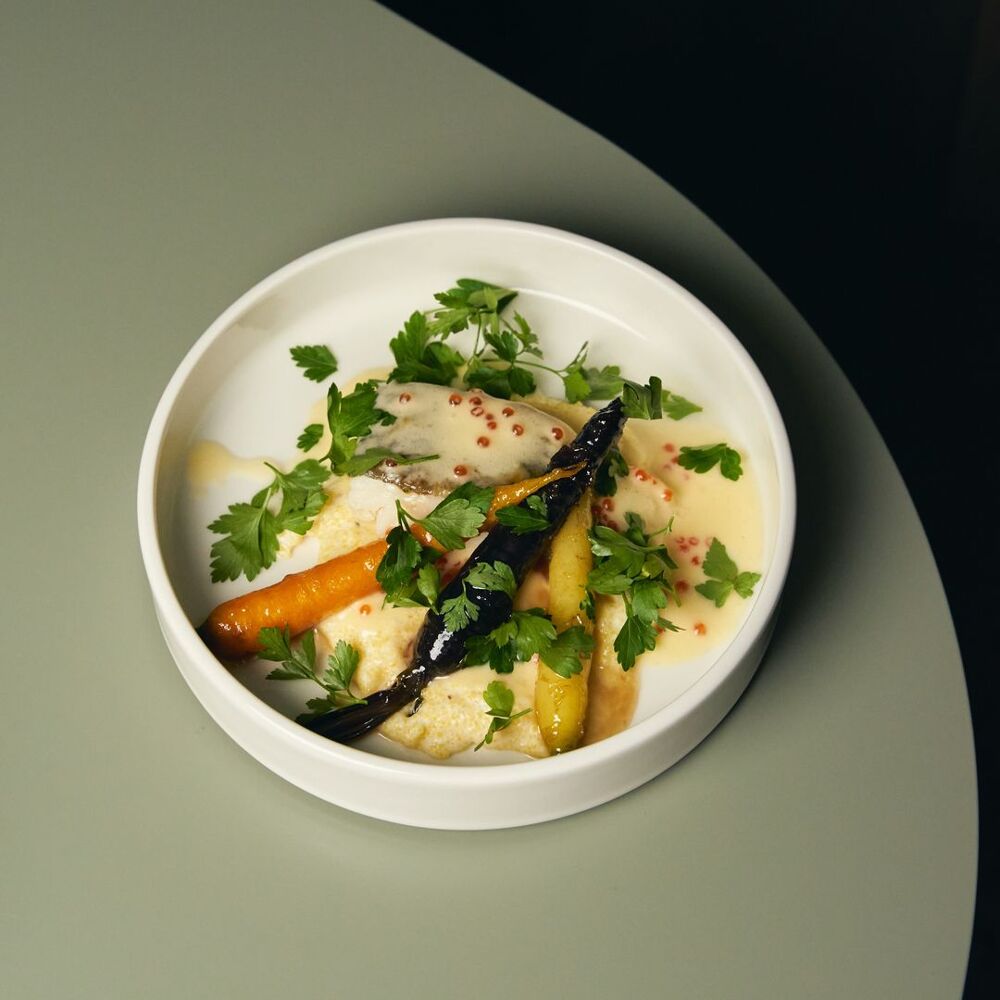
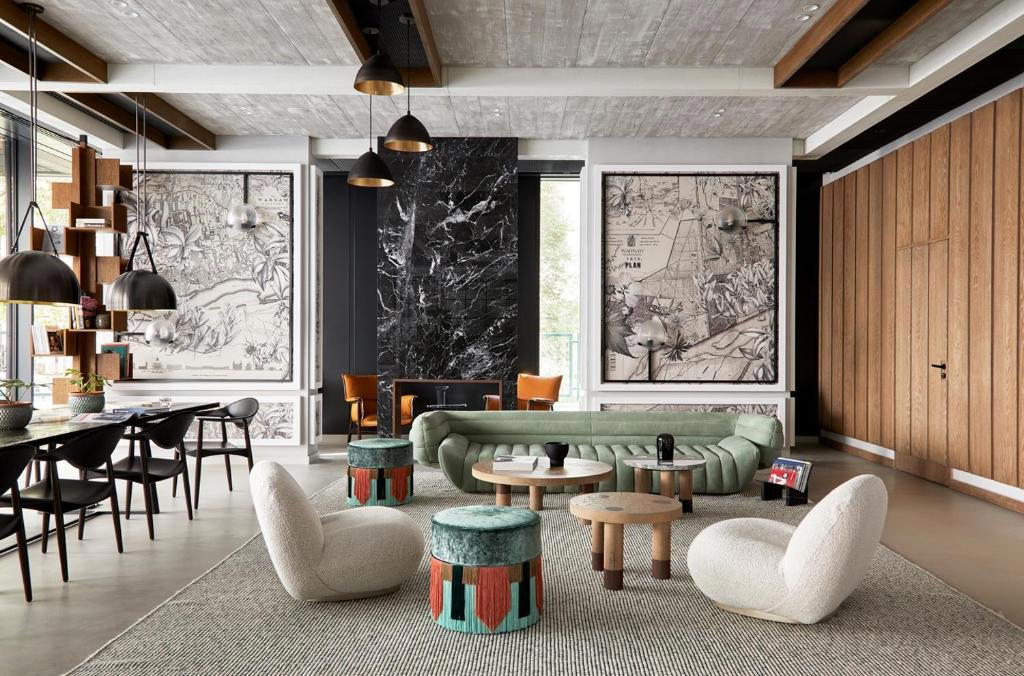
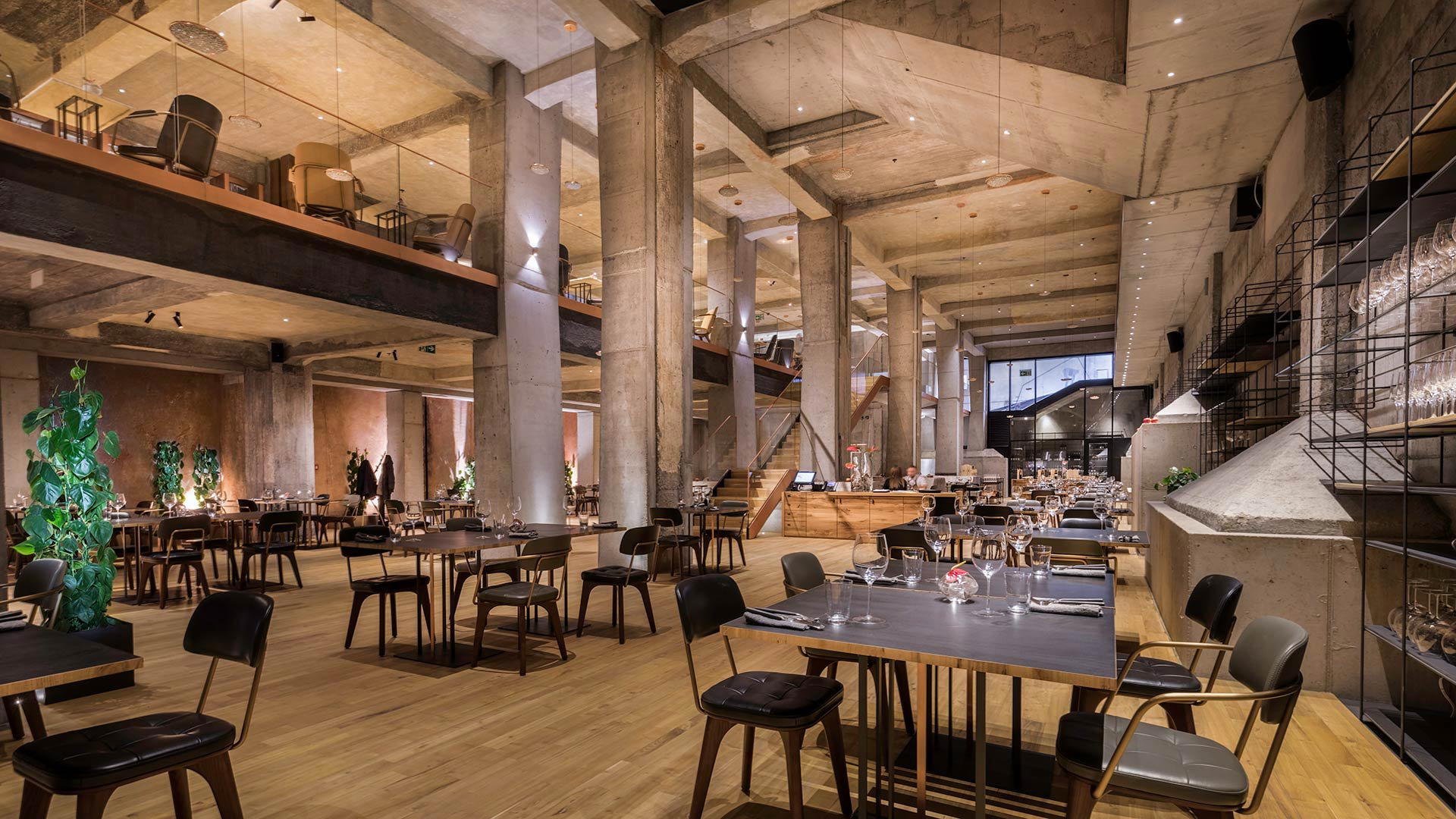
Warm and welcoming with elegant wood-carved walls adorned with flowers and champagne bottles, creating an intimate yet sophisticated dining environment with soft, refined lighting.