Situated at plac Bankowy 1, Der Elefant occupies one of Warsaw's most historically charged addresses, where the city's banking and administrative past meets its contemporary dining scene. The venue draws attention in a city still defining its premium restaurant tier, positioning itself within Warsaw's growing cohort of destination addresses that reward advance planning and reward the curious diner willing to look beyond the obvious circuits.
Pearl is the En Primeur Club membership app — saves, bookings, and concierge access live there. Same editors, same standards.
- Address
- plac Bankowy 1, 00-139 Warszawa, Poland
- Phone
- +48228900010
- Website
- derelefant.com
- Directions
- Get directions
 Saves & bookings on Pearl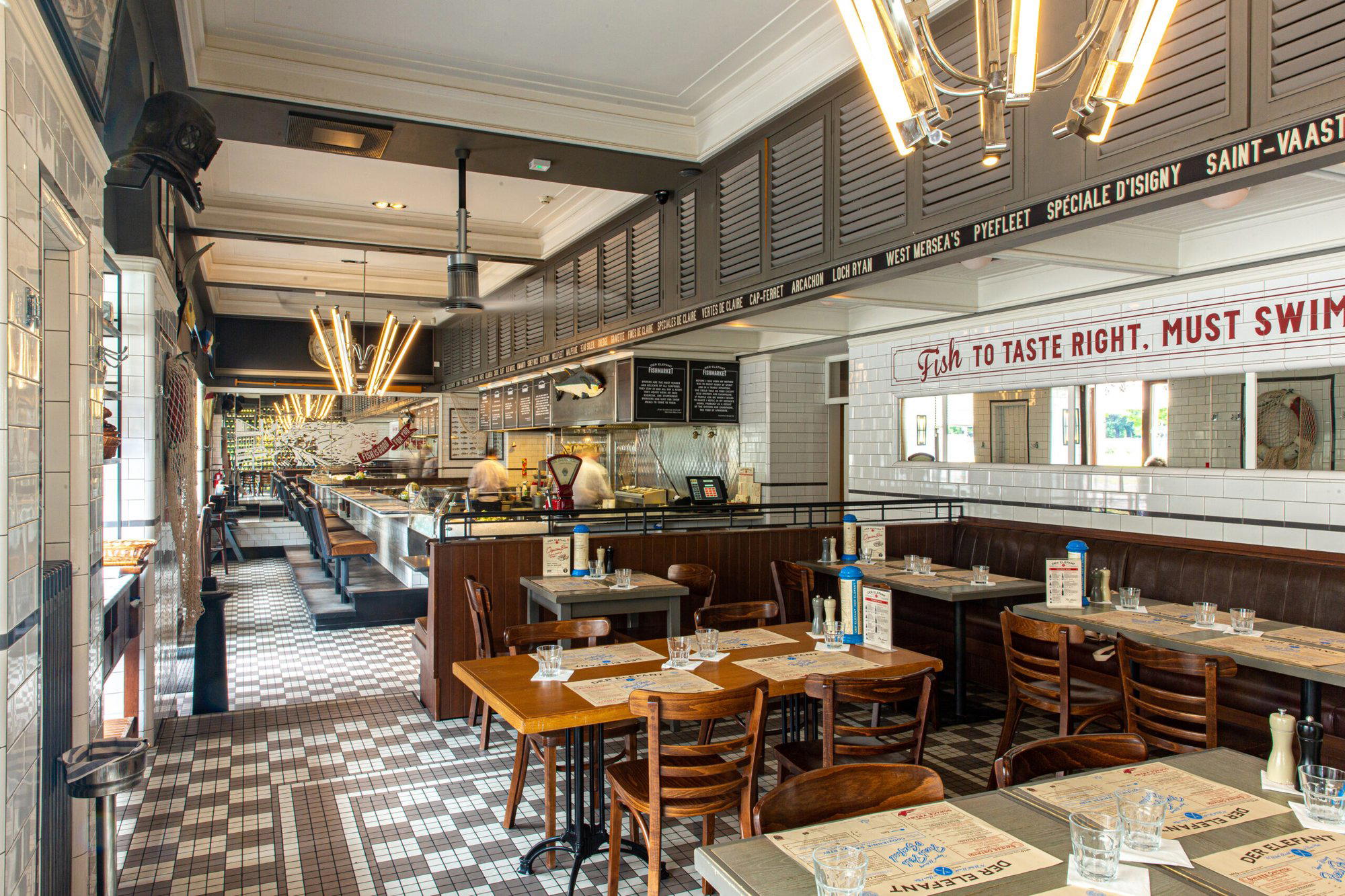
A Square With Weight Behind It
Plac Bankowy is not a square that whispers. The broad, open plaza at the edge of Warsaw's historic centre carries the institutional gravity of the Bank of Poland's neoclassical facade, the Blue Skyscraper rising behind it, and the traffic and trams that mark the boundary between the city's financial district and its older urban core. Dining here means arriving with some sense of that backdrop, because the physical environment does not let you forget it. It sits at address number one on that square, which is the kind of placement that either carries meaning or simply trades on geography. In Warsaw's current dining conversation, the address alone positions the venue in the formal, city-centre bracket rather than in the neighbourhood-restaurant registers that have come to define much of the city's more experimental cooking.
Warsaw's Restaurant Tier in Context
That tier sits above the casual modern-Polish bistro circuit represented by places like alewino, which operates at the €€ level with a wine-forward identity, and closer to the €€€ bracket occupied by Rozbrat 20 and hub.praga, both of which have built reputations on modern cuisine with considered wine programs. Der Elefant's plac Bankowy address places it firmly in the city-centre formal category, a distinct positioning from the creative clusters forming in Praga and along the Vistula-adjacent neighbourhoods.
For broader reference points, Warsaw's most discussed creative kitchens include NUTA, which has established itself in the contemporary tasting-menu format, and Baken, which takes a different tonal register entirely. Der Elefant operates in a different register from all of these, one that the name and address suggest is rooted in a more traditional European restaurant grammar.
The Wine Question at the Centre
In Warsaw's premium tier, the wine list has become a primary differentiator. Kitchens across the city have raised their technical level considerably, which means that cellar depth, curation philosophy, and sommelier fluency are increasingly what separate one formal address from another. The city's wine-aware dining public has grown considerably, partly driven by the expansion of wine bars and wine-led bistros that have raised general literacy and partly by the influence of Polish sommeliers competing and training abroad.
A venue positioned at a historic central-Warsaw address has an implicit obligation to the wine program. The institutional character of the setting calls for a list with range, with age on it, and with enough geographic breadth to support a serious food program across multiple courses. How a cellar is curated at this level, whether it privileges depth in a handful of regions or trades on breadth, says a great deal about the kitchen's own ambitions.
Bottiglieria 1881 in Kraków has made its wine list a central part of its identity, and OK Wine Bar in Wrocław has demonstrated that wine-first thinking can drive destination dining even outside the capital. At the international reference level, the depth of cellar curation at places like Le Bernardin in New York City shows what a wine program can accomplish when it is treated as equal to the kitchen rather than subordinate to it.
The Name and Its European Register
The name Der Elefant carries a specifically Central European resonance. German-language restaurant and hotel names in Warsaw speak to the city's complicated layering of cultural and historical influence, the Austro-Hungarian and German commercial presence that shaped the city before the Second World War, the erasure and reconstruction that followed, and the selective recovery of pre-war aesthetic references in contemporary hospitality. A venue choosing to operate under a German-language name in 2024 Warsaw is making a deliberate statement about its frame of reference, locating itself within a Central European dining tradition rather than within the Franco-centric or Nordic-influenced kitchens that have dominated the upper tier elsewhere.
That framing, if it extends to the plate and the cellar, would place the restaurant in an interesting position relative to peers like Arco by Paco Pérez in Gdańsk, which takes a Mediterranean-led approach, or Muga in Poznań, which works within a different regional grammar. Across Poland's fine-dining tier, the tension between local-rooted cooking and European classical reference points remains active and productive. The restaurant's name suggests it has chosen a side in that conversation.
Placing This Visit in a Broader Polish Circuit
Warsaw rewards multi-venue planning more than single-destination thinking. The city's dining scene is dense enough that a serious visit benefits from mapping across registers: a creative tasting-menu kitchen, a wine-led bistro, and a formal city-centre address each contribute something different. For those extending a Polish trip, Giewont in Kościelisko offers a completely different context in the Tatra foothills, Ariel in Krakow covers distinct cultural ground, and Bar Przystań in Sopot adds a coastal note. La Cucina Ristorante in Gdańsk, Nare Sushi in Skórzewo, and Luneta & Lorneta Bistro Club in Ciekocinko round out a picture of how distributed and varied Poland's current restaurant conversation has become. Lazy Bear in San Francisco provides a useful international comparison point for the kind of immersive, format-conscious dining that Warsaw's better kitchens are beginning to approach. Our full Warsaw restaurants guide maps the full range of options across price points and neighbourhoods.
Planning Your Visit
The restaurant sits at plac Bankowy 1 in central Warsaw, a location accessible by tram and metro from most of the city's accommodation clusters. Plac Bankowy itself is a transport node, which makes the venue logistically convenient for pre- or post-theatre dining and for visitors staying in the centre. Given the venue's address and positioning, booking ahead is advisable, particularly for weekend evenings when central Warsaw's formal dining addresses tend to fill from the business and hotel circuits as well as from destination diners. Reservations are recommended.
Side-by-Side Snapshot
Comparable venues nearby, for context on price, style, and recognition.
| Venue | Cuisine | Price | Notes |
|---|---|---|---|
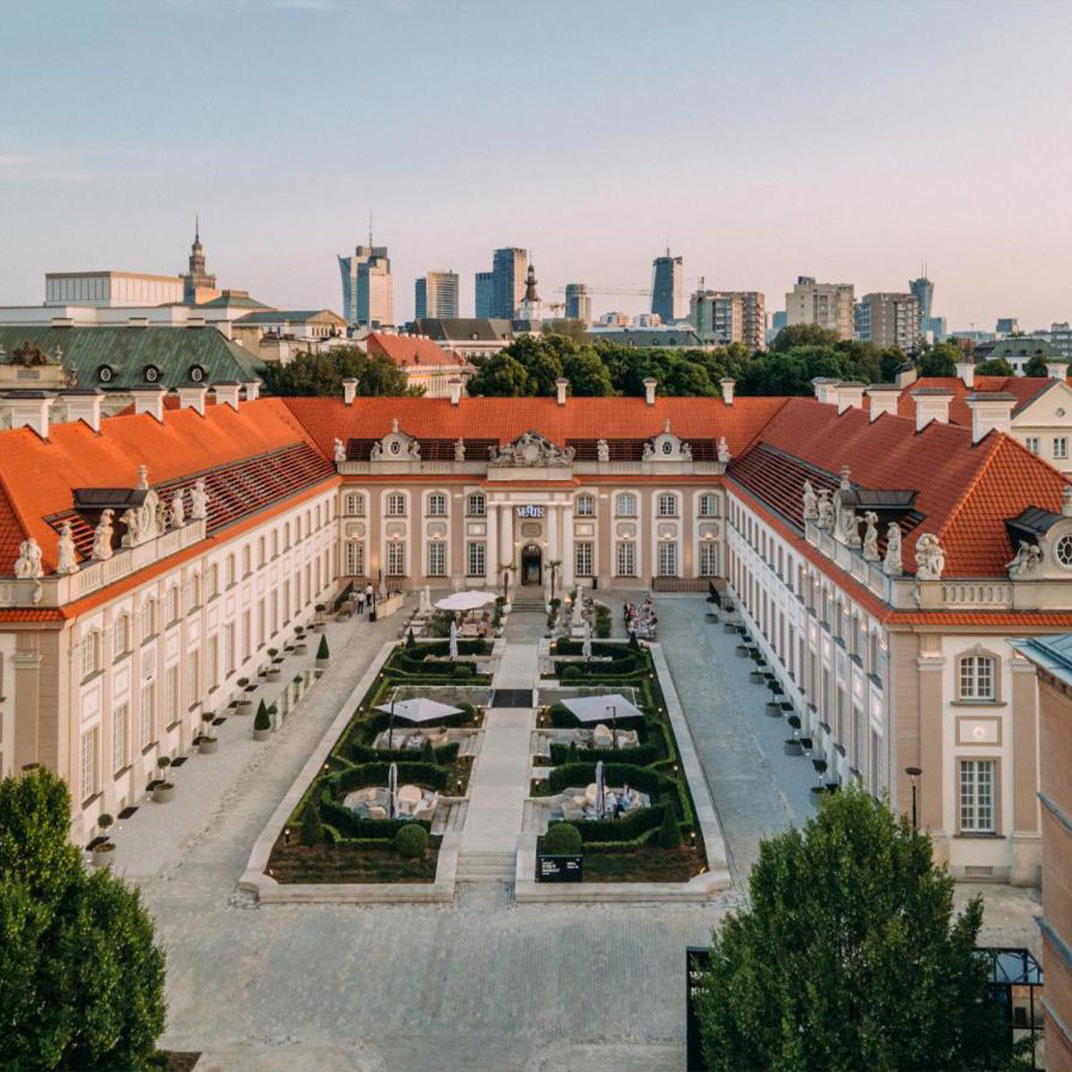
| Der ElefantThis venue — the venue you are viewing | Steakhouse & Seafood | $$$ | Not listed |
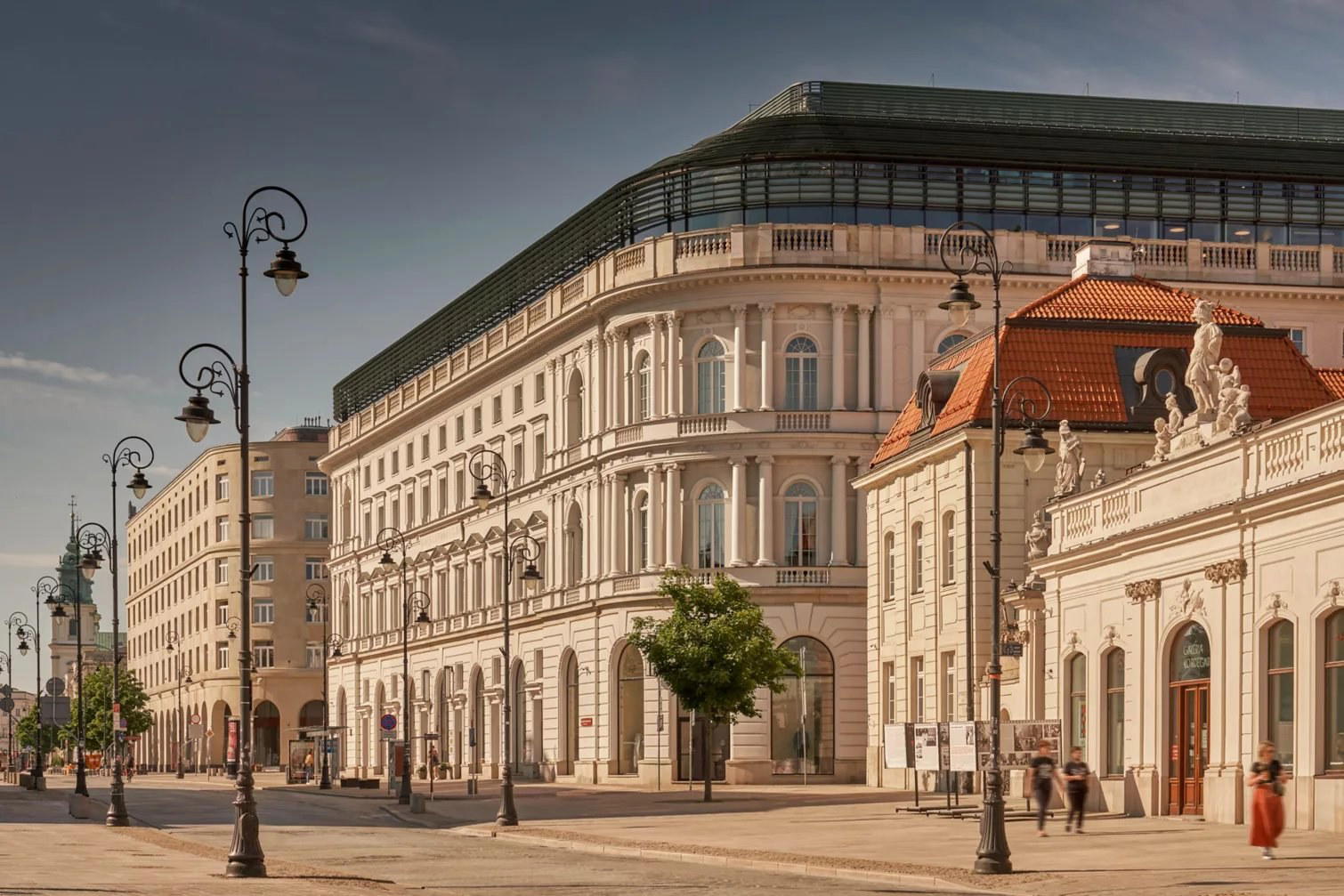
| Mokotowska 69 | Modern Polish Steakhouse & Wine Bar | $$$ | Ujazdow |
| Brasserie | Modern French Brasserie | $$$ | Śródmieście |
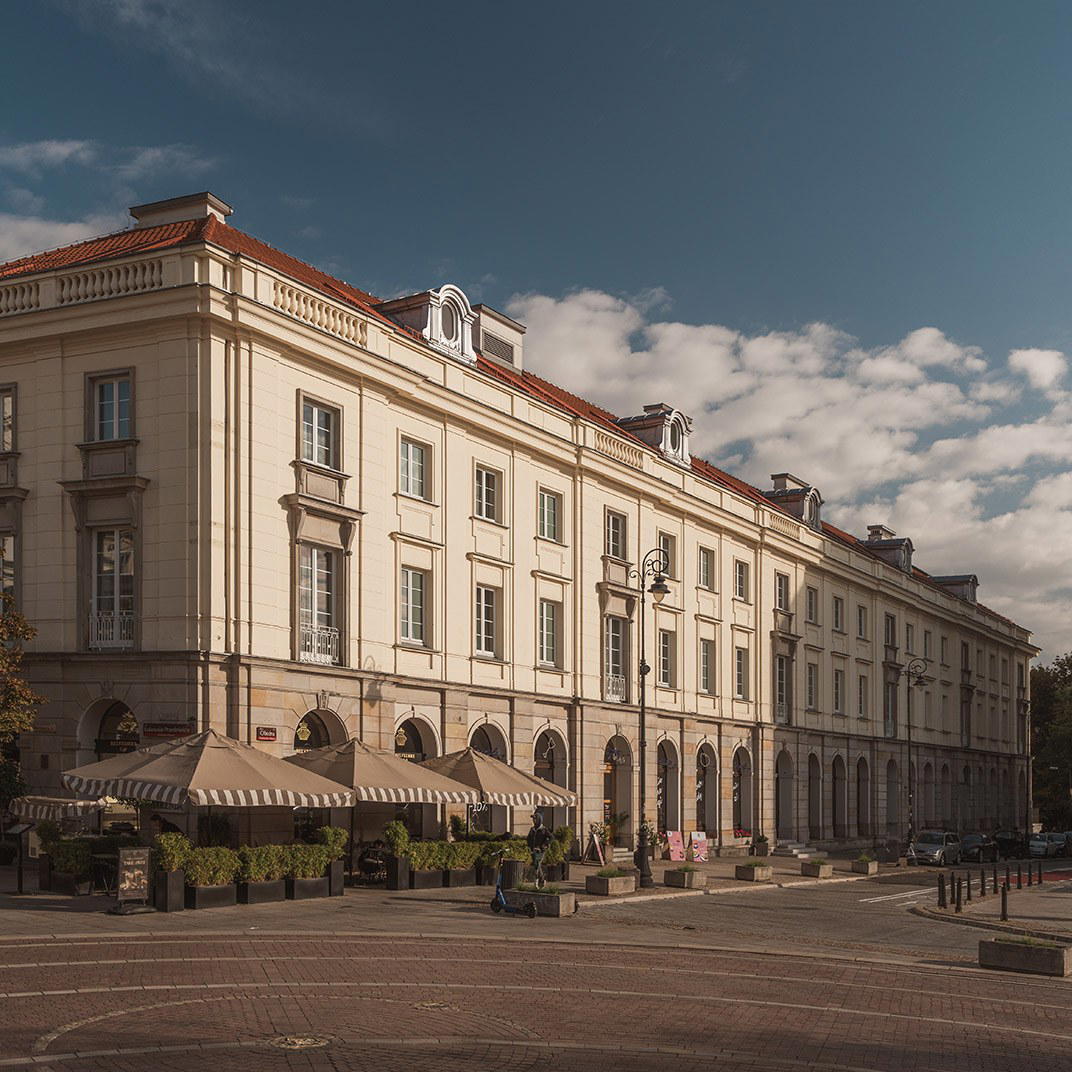
| U Fukiera | Traditional Polish Fine Dining | $$$ | Stare Miasto |
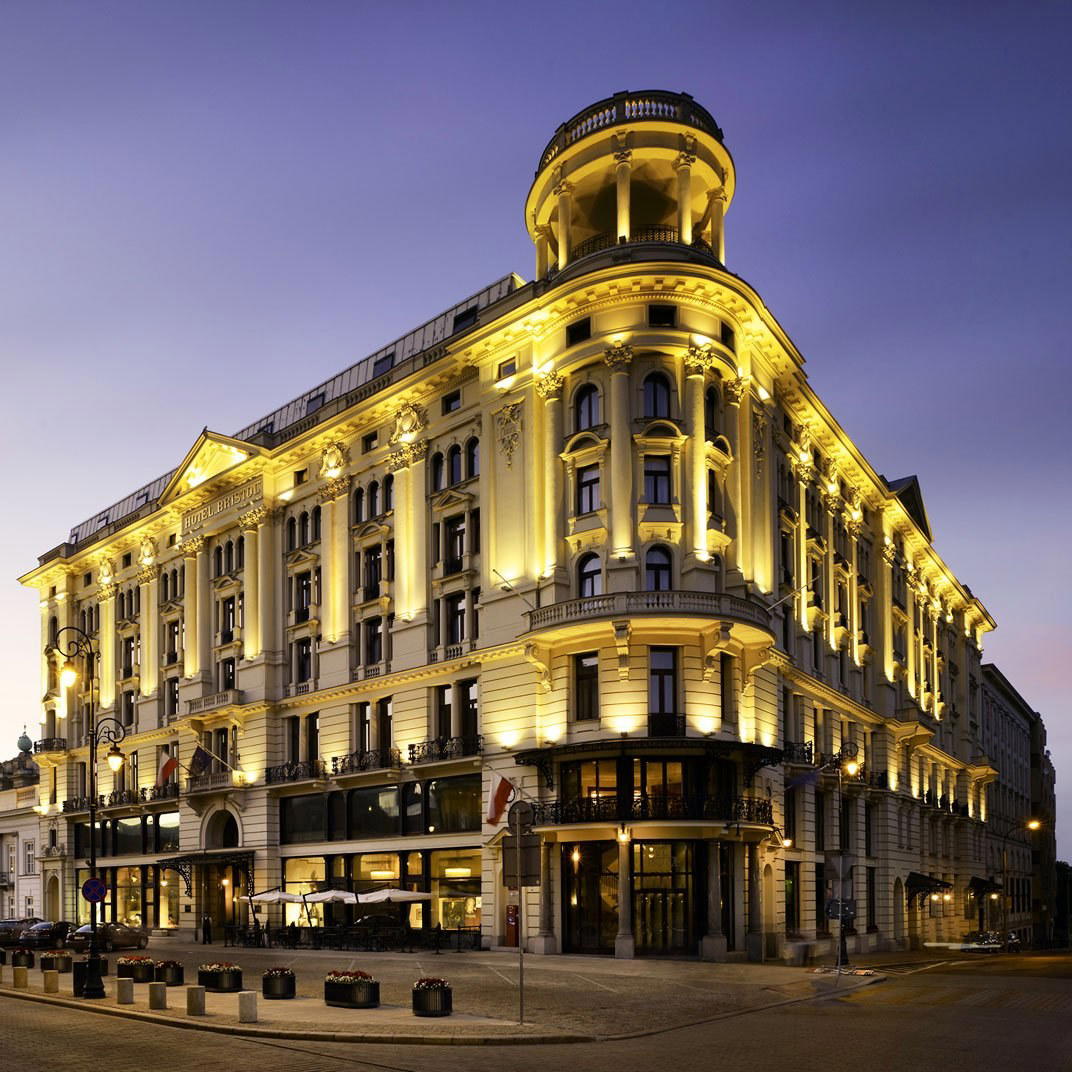
| Café Bristol | Viennese Café & Patisserie | $$$ | Mariensztat |
| Oberża pod Czerwonym Wieprzem | Traditional Polish & Eastern Bloc Communist-Era Cuisine | $$ | Mirów |
At a Glance
- Elegant
- Classic
- Cozy
- Business Dinner
- Date Night
- Special Occasion
- Live Music
- Private Dining
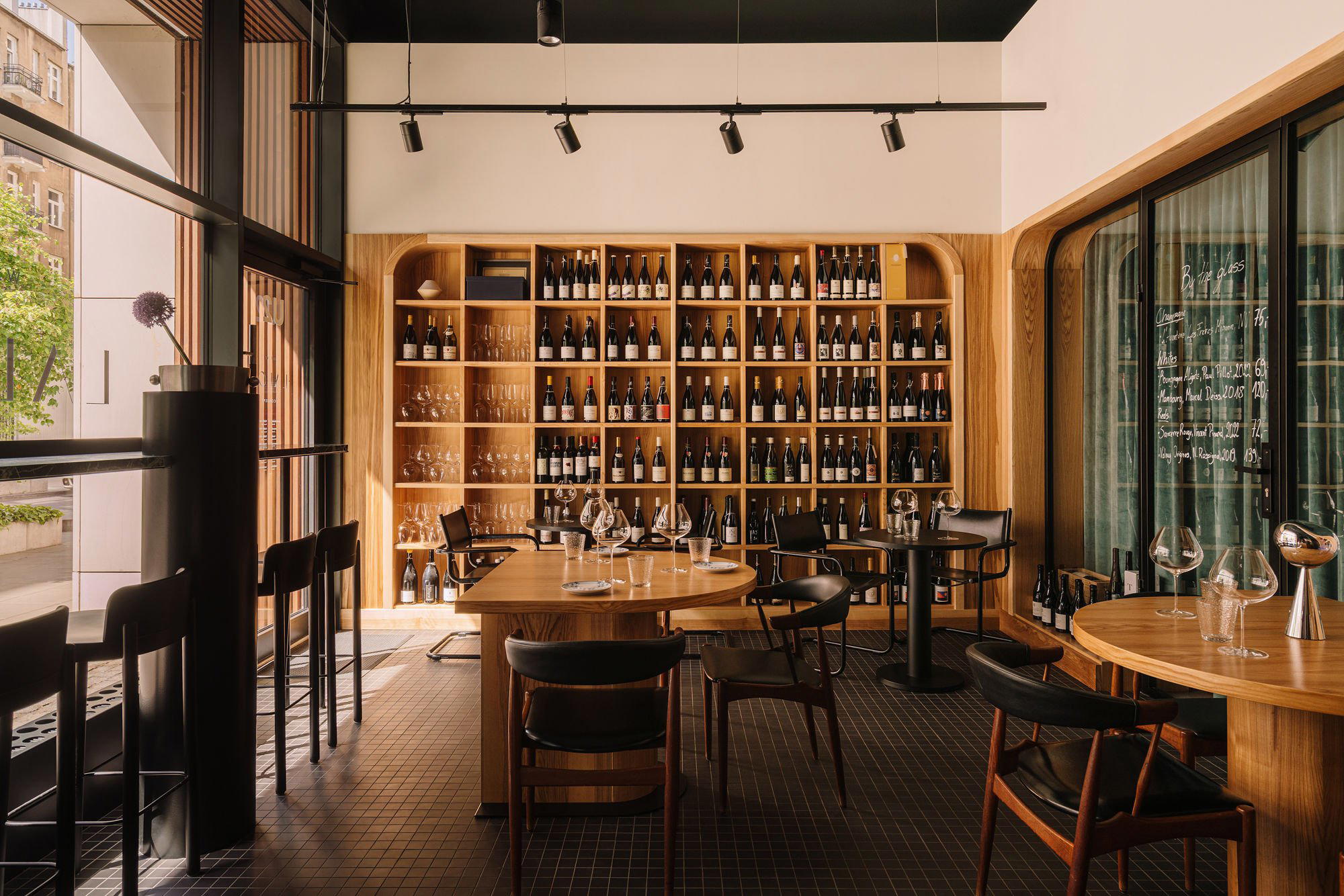
- Extensive Wine List
- Local Sourcing
Current opening hours
- Monday
- 12 PM–12 AM
- Tuesday
- 12 PM–12 AM
- Wednesday
- 12 PM–12 AM
- Thursday
- 12 PM–12 AM
- Friday
- 12 PM–12 AM
- Saturday
- 12 PM–12 AM
- Sunday
- 12–11 PM
Hours can change for holidays and private events. Last verified .
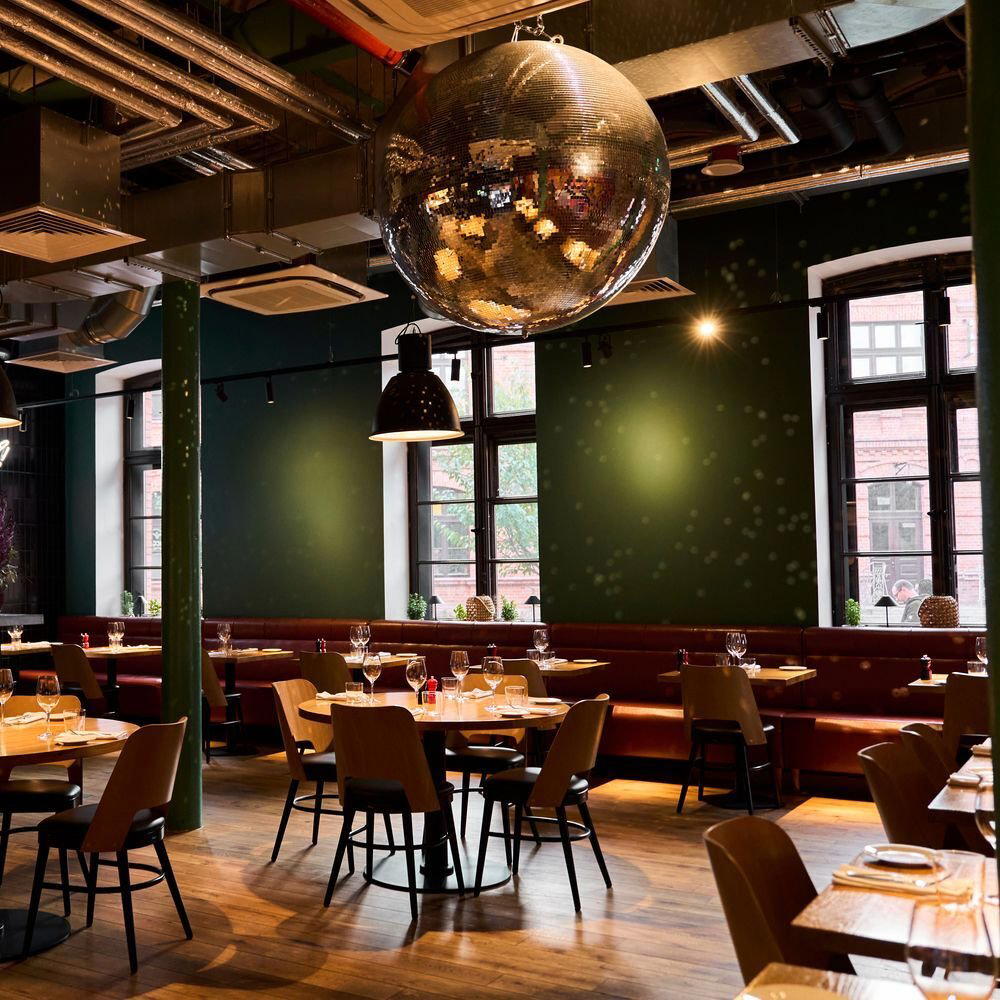
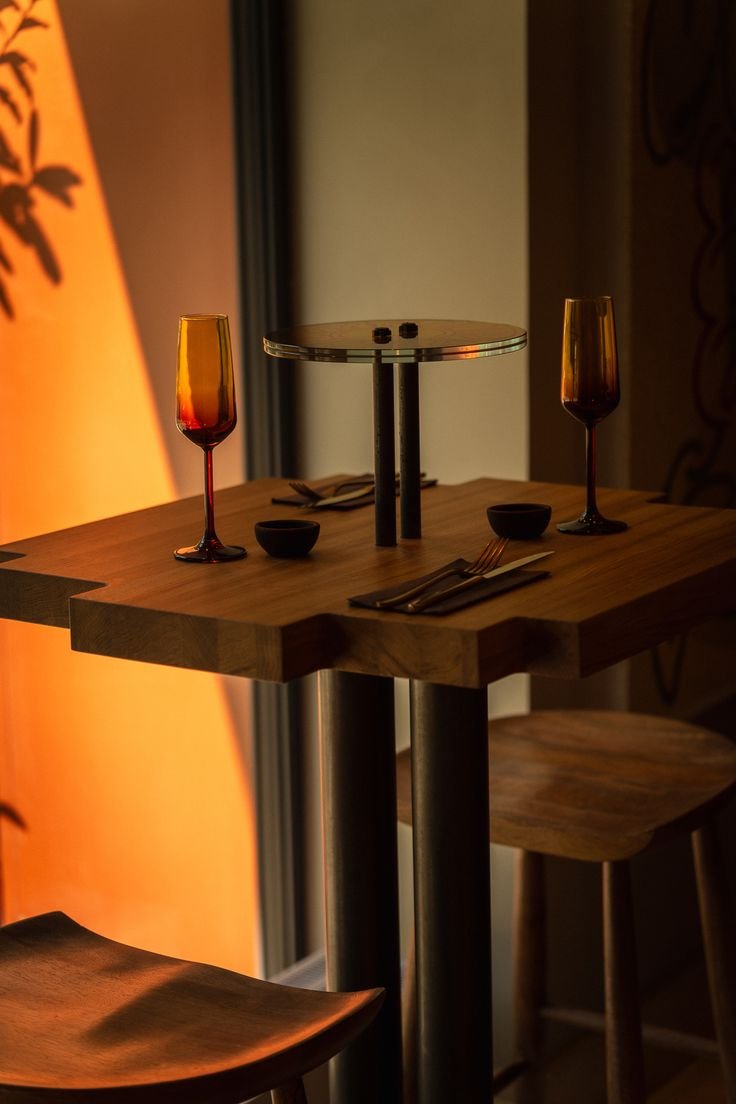
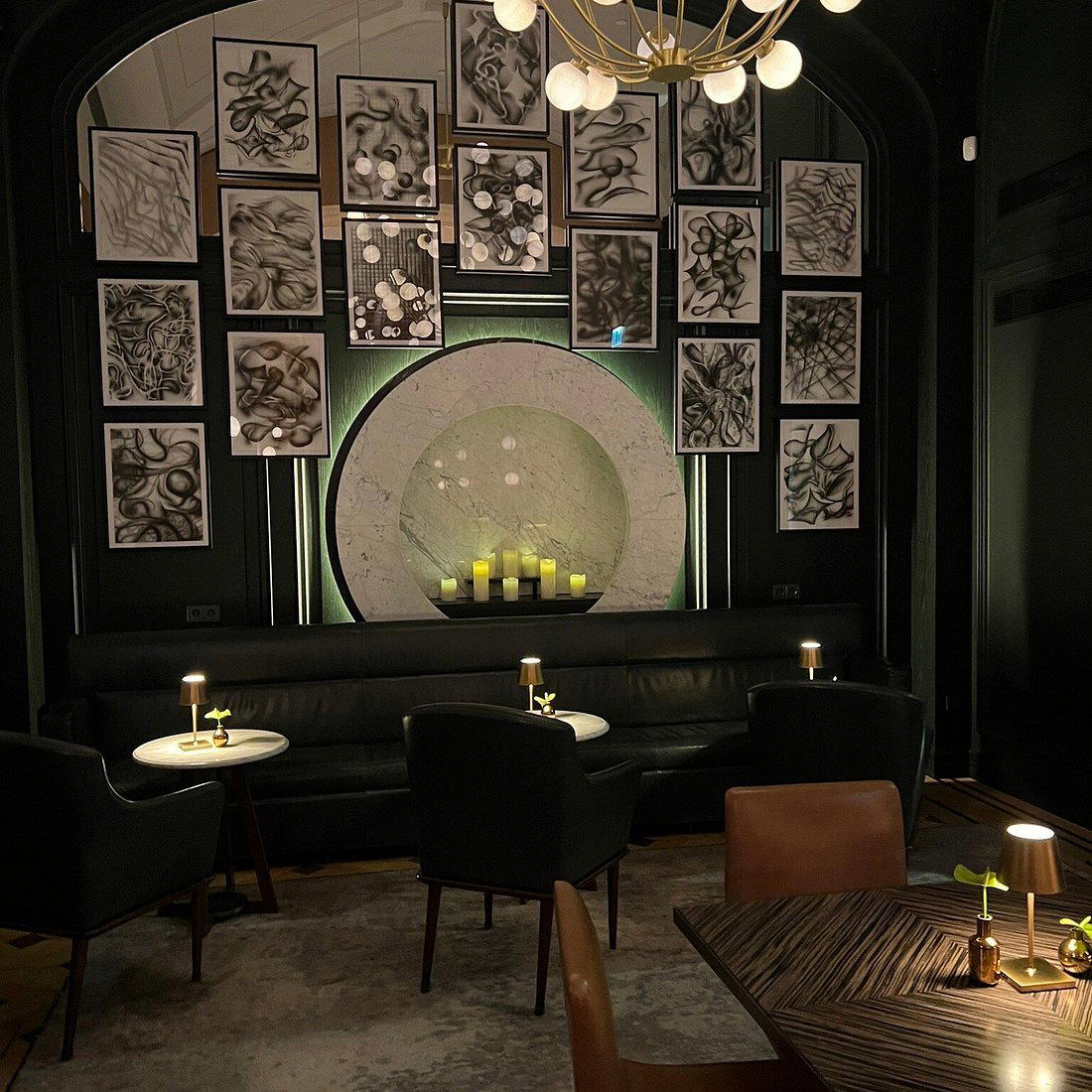
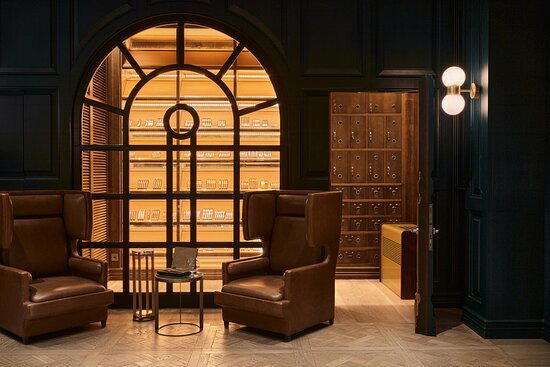
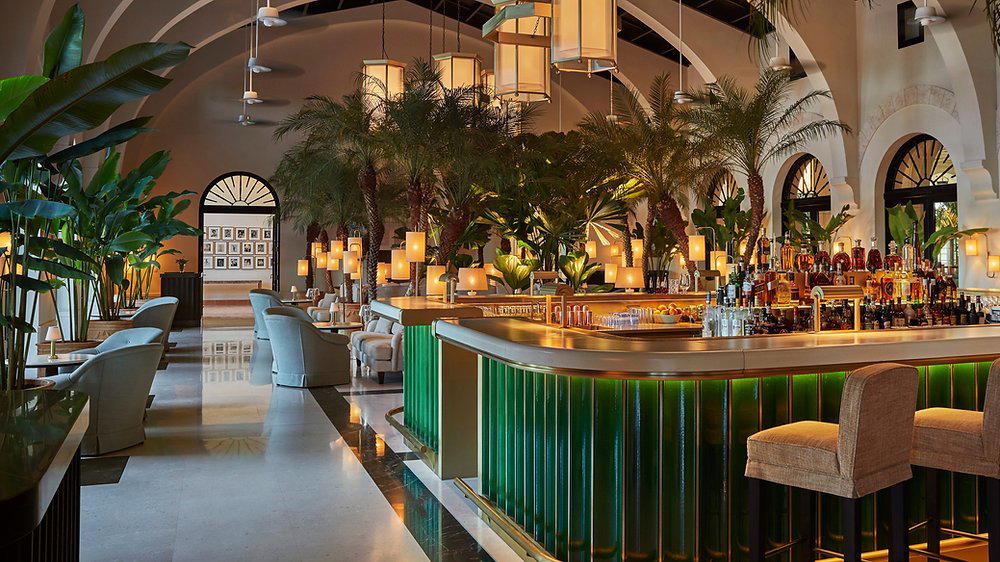
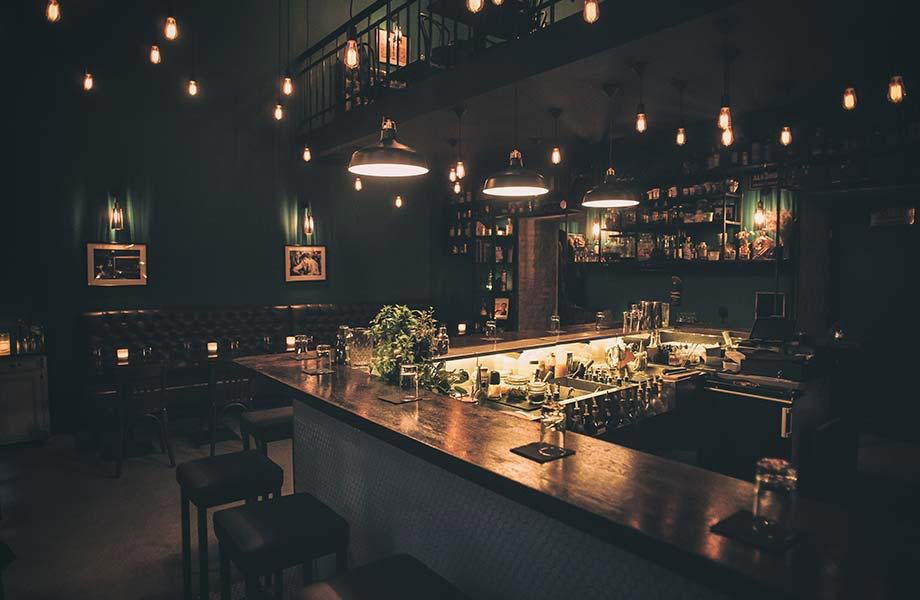
Sophisticated atmosphere with calm jazz music from piano and saxophone, wrought iron and monochrome tiles creating a stylish, historic setting.