On Aleja Jana Pawła II, one of Warsaw's main commercial corridors, San Lorenzo occupies a position in the city's growing Italian-influenced dining tier. The address places it within reach of the central business district and Wola's expanding restaurant scene, making it a practical reference point for visitors mapping Warsaw's mid-to-upper dining options alongside more documented neighbours.
Pearl is the En Primeur Club membership app — saves, bookings, and concierge access live there. Same editors, same standards.
- Address
- al. Jana Pawła II 36, 00-141 Warszawa, Poland
- Phone
- +48697079749
- Website
- sanlorenzo.pl
- Directions
- Get directions
 Saves & bookings on Pearl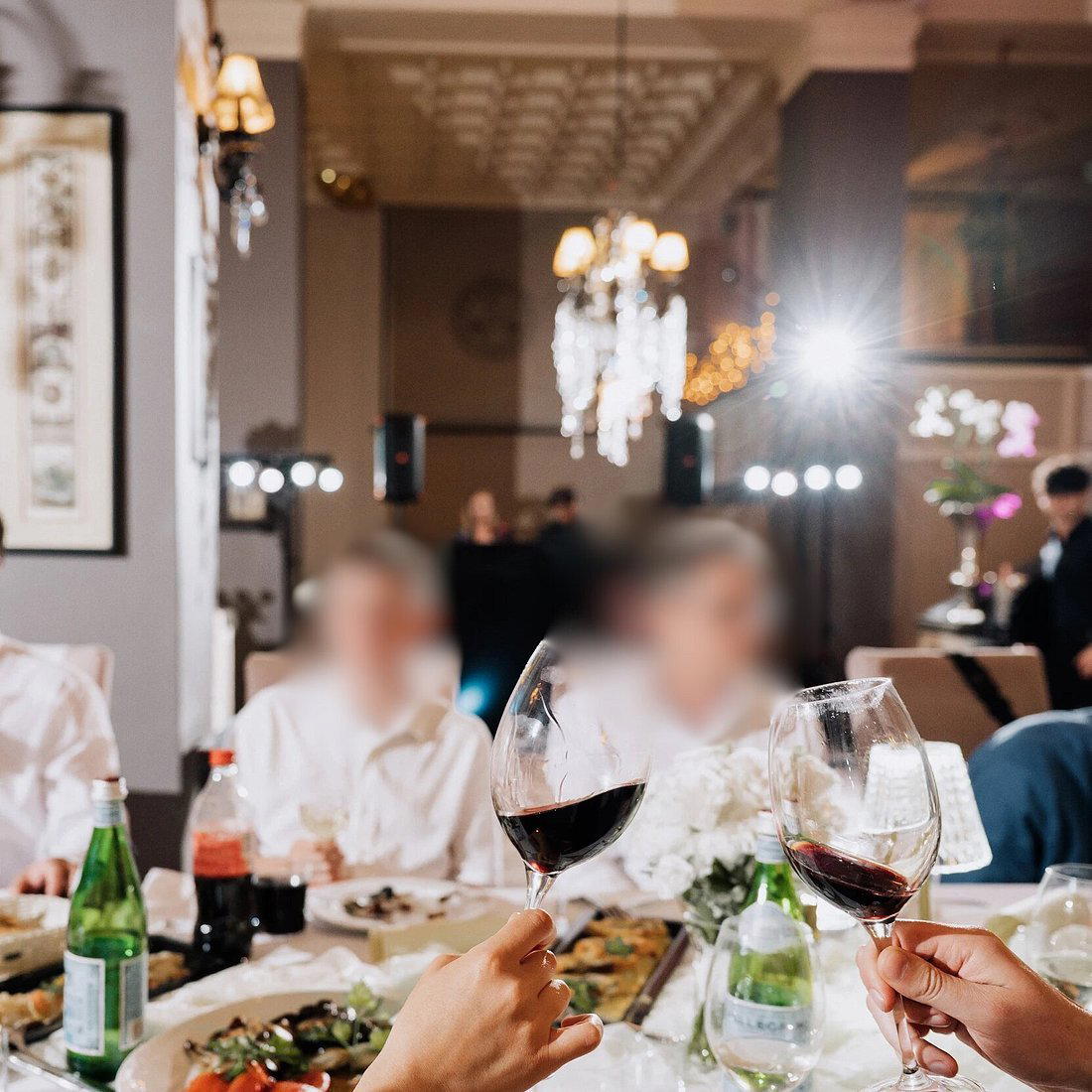
Where Warsaw's Appetite for Italian Technique Is Being Tested
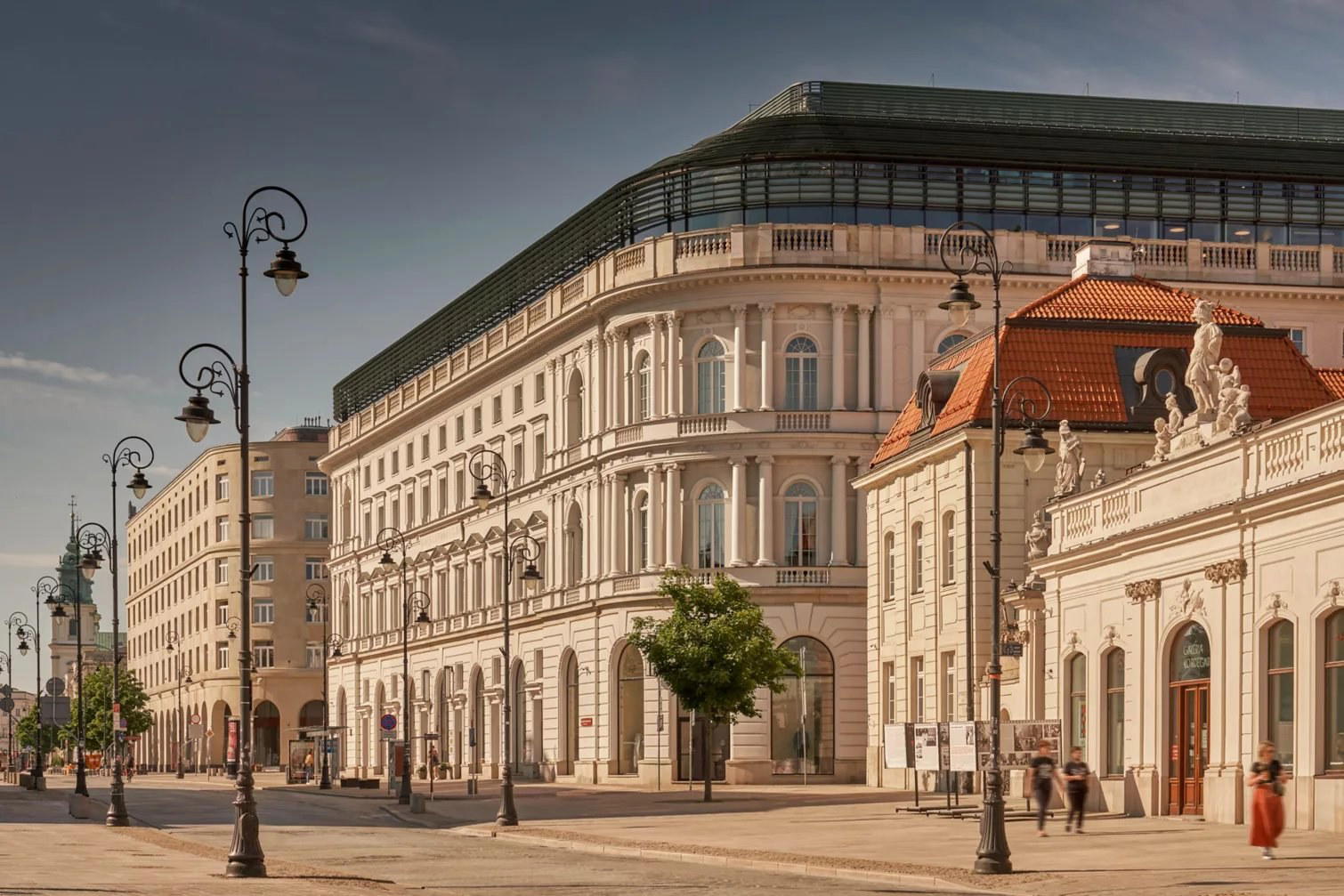
San Lorenzo is a Tuscan Italian fine dining restaurant at al. Aleja Jana Pawła II is not Warsaw's most atmospheric dining street. It is a broad, traffic-heavy artery running through Wola, a district that spent most of the post-communist decades defined by office towers and retail rather than restaurants. That context matters, because it explains why venues opening here in recent years have had to earn their position through food and format rather than neighbourhood prestige. San Lorenzo, at number 36, operates in that environment: a room that has to make the case for itself without the shortcut of a pretty courtyard or a heritage address.
This is, in broader terms, the condition of contemporary Warsaw dining. The city's restaurant scene has developed quickly enough that several distinct tiers now exist, but the geography of those tiers is still settling. Unlike Kraków, where Bottiglieria 1881 anchors a clearly defined fine-dining cluster in the Old Town, or Gdańsk, where Arco by Paco Pérez benefits from the city's maritime identity, Warsaw's premium restaurants are distributed across neighbourhoods that don't always signal their ambitions from the outside.
The Italian-Polish Intersection as an Editorial Problem
Polish dining's most interesting current argument is about technique and origin. A generation of cooks trained across Western Europe, in Italian, French, and Nordic kitchens, returned to Warsaw with precise methods and a recalibrated sense of what Polish ingredients could do when handled with discipline. The result is a city where the leading meals tend to involve some version of the same negotiation: imported grammar, local vocabulary.
Italian technique, specifically, maps well onto Polish produce. The northern Italian emphasis on aged dairy, cured pork, and forest-sourced ingredients finds obvious analogues in Polish larder staples. Żurek, bigos, oscypek, and forest mushrooms are not difficult to reframe through a lens of slow cooking, house-made pasta, or wood-fire technique. The challenge is execution at a level that justifies the framing rather than simply providing novelty. Warsaw's alewino, which operates in the Modern Polish and Traditional Cuisine tier at a lower price point, demonstrates one approach: let the Polish ingredients lead and allow the technique to be largely invisible. The question for venues positioning themselves in an Italian-influenced register is whether the technique adds enough to the ingredient story to warrant its own visibility.
That question is more pointed in Warsaw than in cities with longer Italian-restaurant histories. Polish diners increasingly approach Italian food with specific expectations formed by travel and by the small number of more rigorous Italian-influenced kitchens already operating in the capital. Rozbrat 20, in the Modern European tier at the €€€ price point, represents the kind of benchmark that sets those expectations. hub.praga, also in the Modern Cuisine €€€ tier, has built recognition through a similar commitment to rigor. Both establish what disciplined execution looks like in Warsaw's upper-middle tier, and they create a comparison set that any venue in the same city and price range implicitly references.
Technique, Ingredients, and What the Address Signals
The global shift toward local-ingredients-plus-imported-technique as a restaurant organizing principle has reached Warsaw in a serious way. At the more documented end of that spectrum, kitchens like NUTA in Warsaw's Creative tier have built their identities on exactly this intersection, and their recognition signals that the format is being executed well enough to attract critical attention.
San Lorenzo's Wola address, on one of the city's main commercial corridors, suggests a venue oriented toward the office-lunch and business-dinner demand that defines that district's hospitality needs. That context is not a disqualification; some of the more consistent cooking in European cities happens in exactly this kind of demand-driven setting, where repeat business from local professionals creates the pressure to maintain standards across ordinary service rather than only for set-piece occasions. The comparison is not with Warsaw's most ambitious tasting-menu kitchens but with the tier of serious, consistent restaurants that make a city's dining scene functional rather than just occasionally impressive.
For reference points further afield, the Italian-technique-plus-local-ingredients argument is well-established at the highest levels globally. Le Bernardin in New York City has long made the case that classical European technique applied to notable sourced product is a self-sufficient editorial position. At the other end of the spectrum, the Korean-American precision of Atomix in New York City demonstrates how imported training can produce something genuinely expressive of local identity when the ingredient sourcing is taken seriously. These are not direct comparisons but useful poles for thinking about what the local-technique intersection is capable of at its most considered.
How San Lorenzo Fits Warsaw's Evolving Restaurant Map
Warsaw's restaurant scene is characterized by a widening gap between its most ambitious kitchens and the broader tier of competent neighbourhood and district restaurants. The former category is increasingly legible to international diners; the latter is where most Warsaw residents actually eat most of the time, and where the quality baseline has risen considerably over the past decade. The restaurant operates in a city where that baseline is higher than visitors arriving from older Western European food cities sometimes expect.
For anyone mapping a Warsaw dining itinerary, the practical approach is to anchor on the venues with particularly documented records, Rozbrat 20, hub.praga, NUTA, and use other venues to fill in around them based on location and occasion. Baken and alewino each serve specific needs in the city's dining map; the restaurant's Wola position makes it a logical option for diners whose itinerary takes them through that corridor. The broader Warsaw restaurants guide maps the full spread of options across the city's neighbourhoods and price tiers.
Poland's restaurant scene beyond Warsaw also offers useful reference points for understanding what serious cooking looks like across the country. Muga in Poznań, Giewont in Kościelisko, and Kwestia Czasu in Białystok each demonstrate that the local-ingredient, considered-technique approach has spread well beyond the capital. Cudne Manowce in Olsztyn, Górnik in Krakow, and Włoska Restauracja Bellanuna in Rzeszów round out a national picture in which Italian-influenced cooking, whether in name or in method, has become one of the more active formats across Polish cities. For Japanese-influenced precision at a different end of the technique spectrum, Hashi Sushi in Gdańsk and Hattori Hanzo in Częstochowa show how imported culinary grammar is being applied to Polish dining contexts outside the obvious metropolitan centres.
Planning a Visit
The restaurant is located at al. Jana Pawła II 36 in Wola, within Warsaw's main business corridor. The restaurant is open daily from 12 to 11 PM, reservations are recommended, and the smart casual dress code fits the room's business-dinner rhythm. For a district meal around Wola, the venue is a reasonable reference point.
Credentials Lens
Comparable venues nearby, for context on price, style, and recognition.
| Venue | Cuisine | Price | Notes |
|---|---|---|---|
| San LorenzoThis venue — the venue you are viewing | Tuscan Italian Fine Dining | $$$ | Not listed |
| Mięsny | Polish Steakhouse Bistro | $$$ | Saska Kepa |
| Oberża pod Czerwonym Wieprzem | Traditional Polish & Eastern Bloc Communist-Era Cuisine | $$ | Mirów |
| Concept 13 | Modern International with Polish Accents | $$$ | Srodmiescie |
| LA VEGANA | Vegan Vietnamese Bowls | $$ | Srodmiescie |
| Hoża | Argentine Steakhouse | $$$ | Ujazdow |

At a Glance
- Elegant
- Romantic
- Classic
- Sophisticated
- Date Night
- Business Dinner
- Group Dining
- Family
- Celebration
- Private Dining
- Standalone
- Extensive Wine List
- Sommelier Led
- Local Sourcing
Current opening hours
- Monday
- 12–11 PM
- Tuesday
- 12–11 PM
- Wednesday
- 12–11 PM
- Thursday
- 12–11 PM
- Friday
- 12–11 PM
- Saturday
- 12–11 PM
- Sunday
- 12–11 PM
Hours can change for holidays and private events. Last verified .
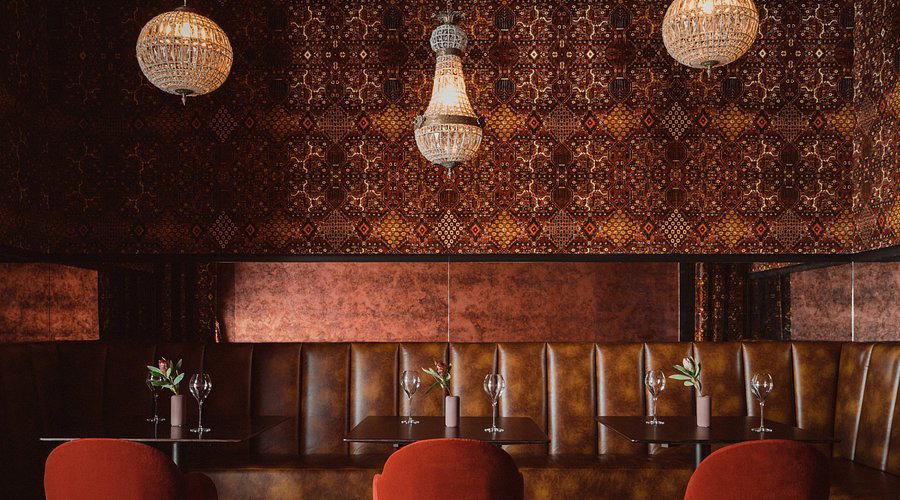
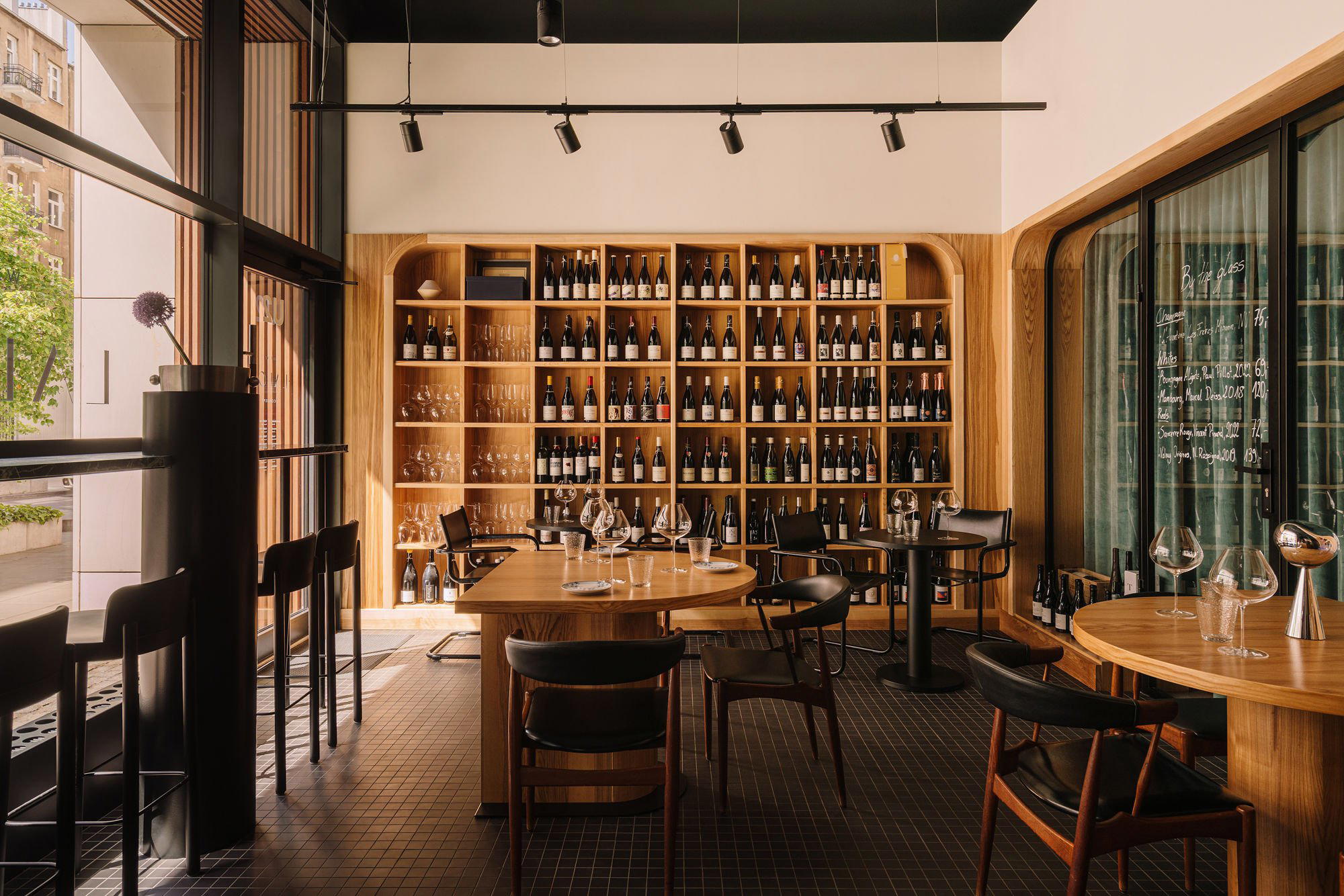
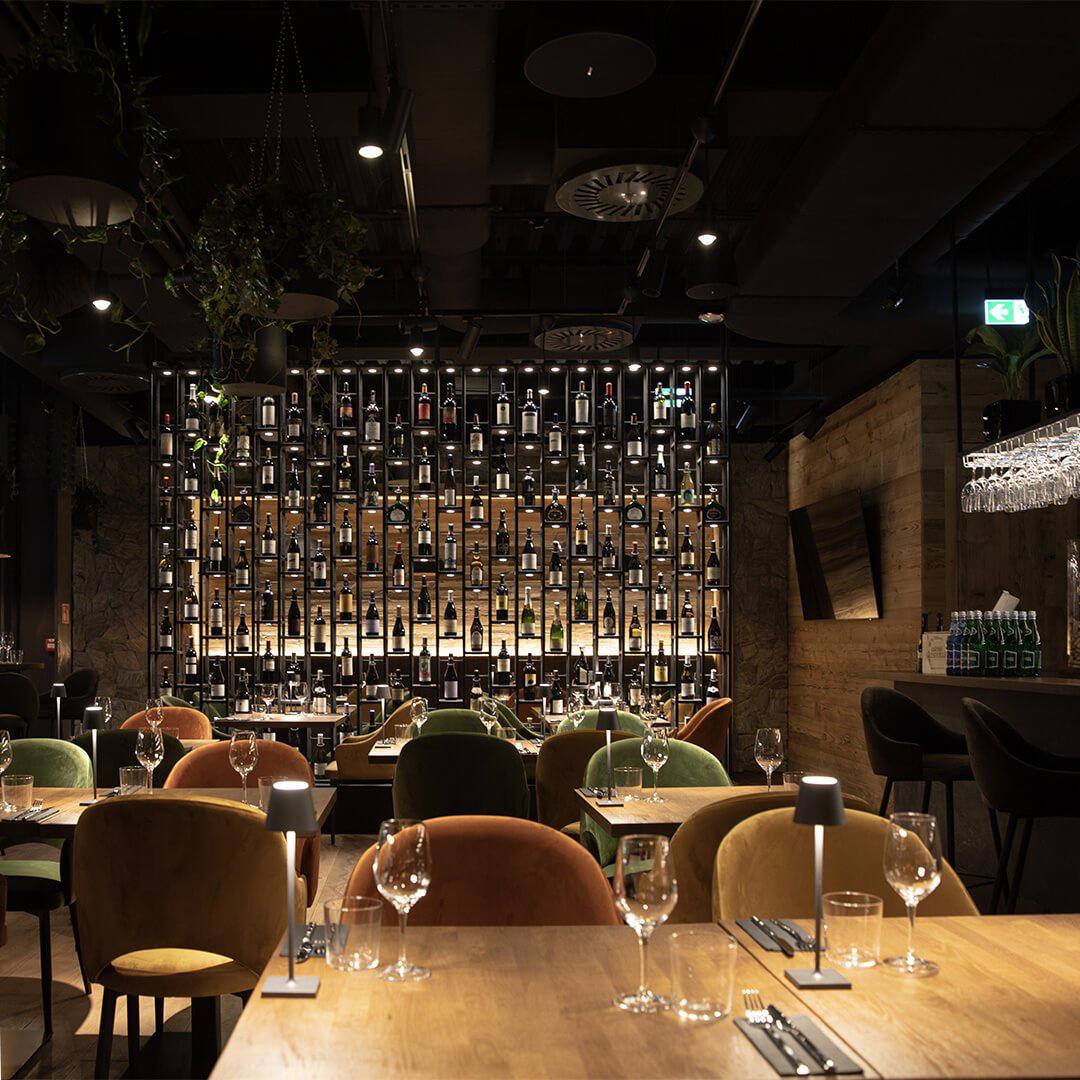
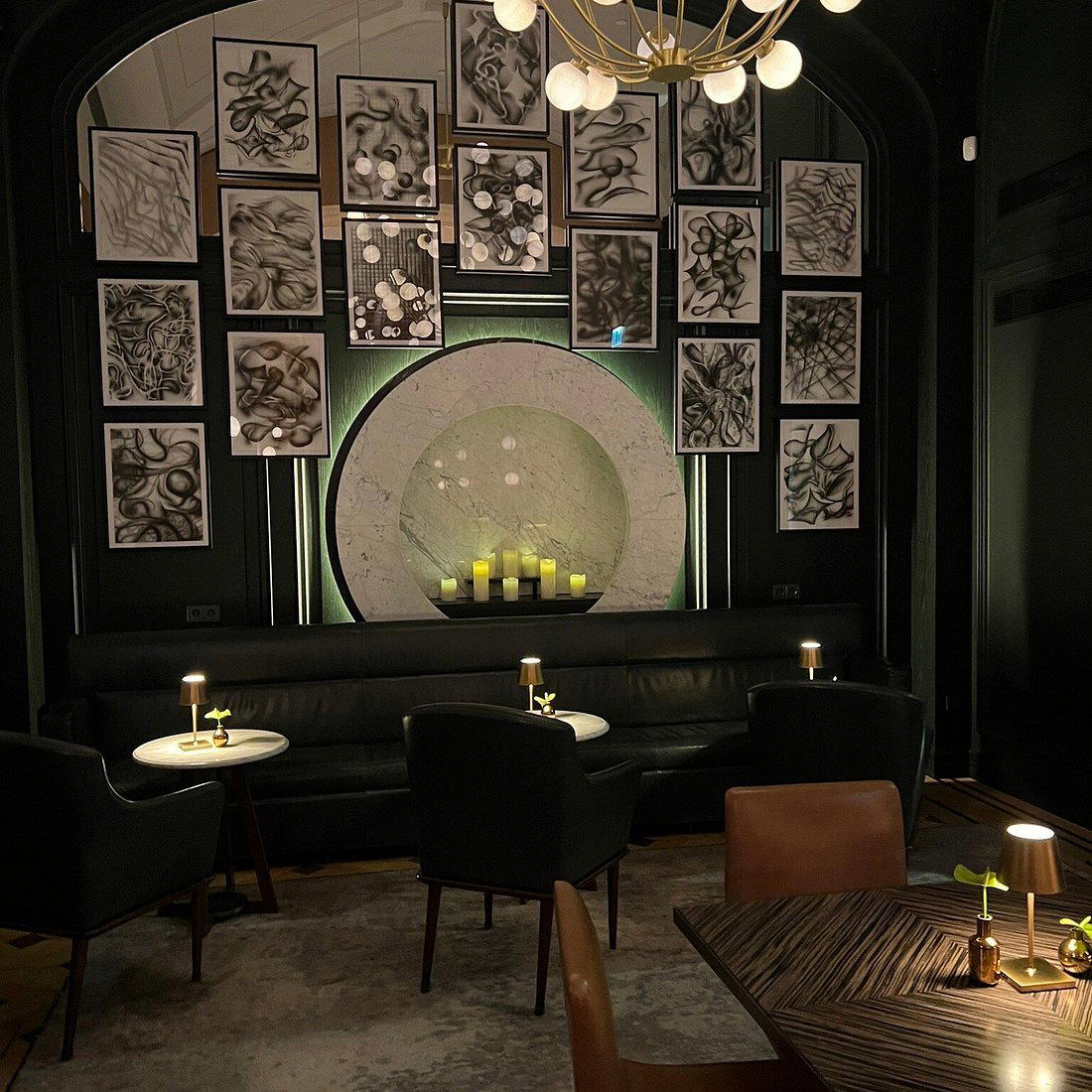
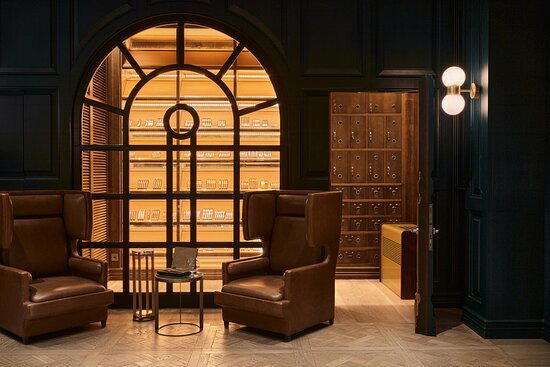
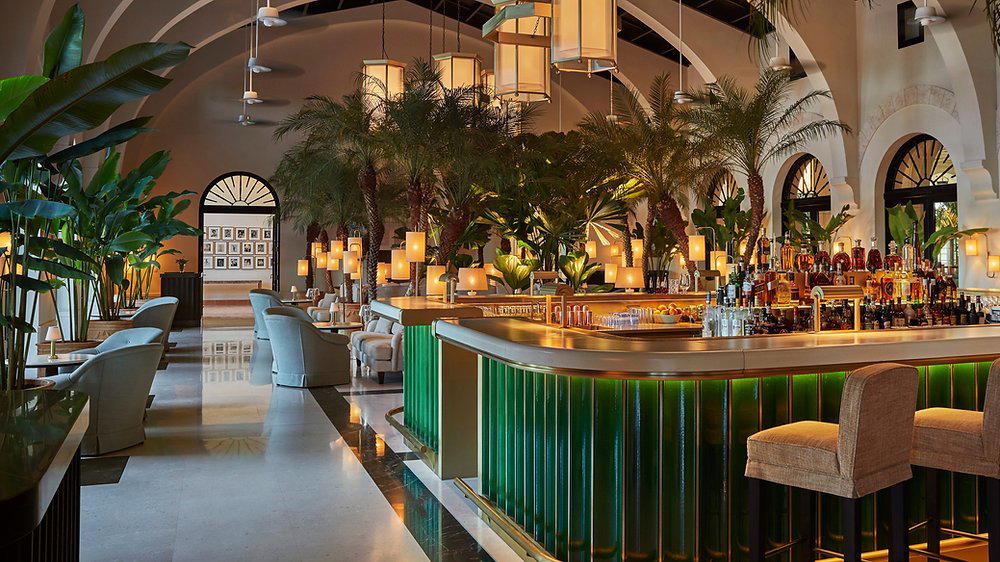
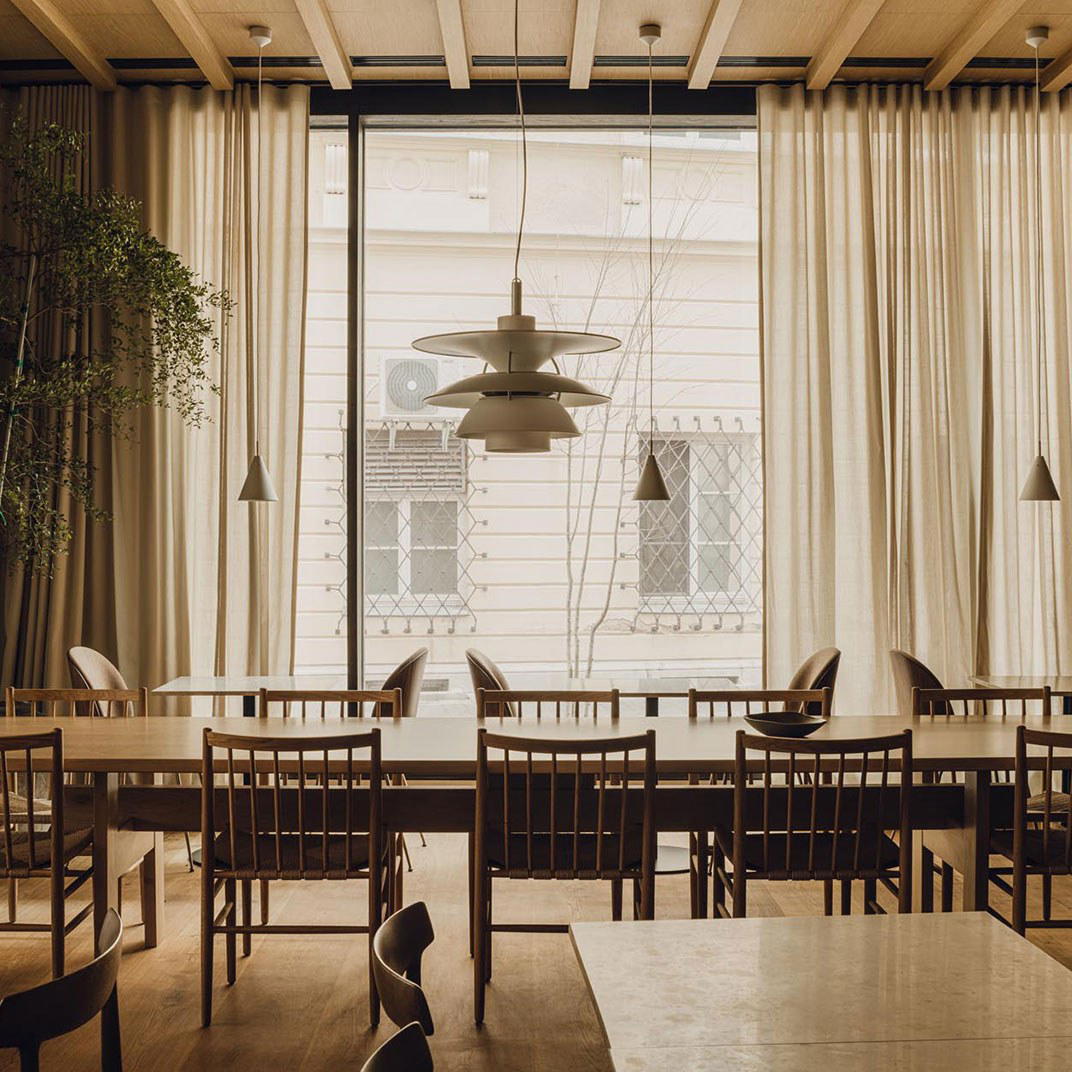
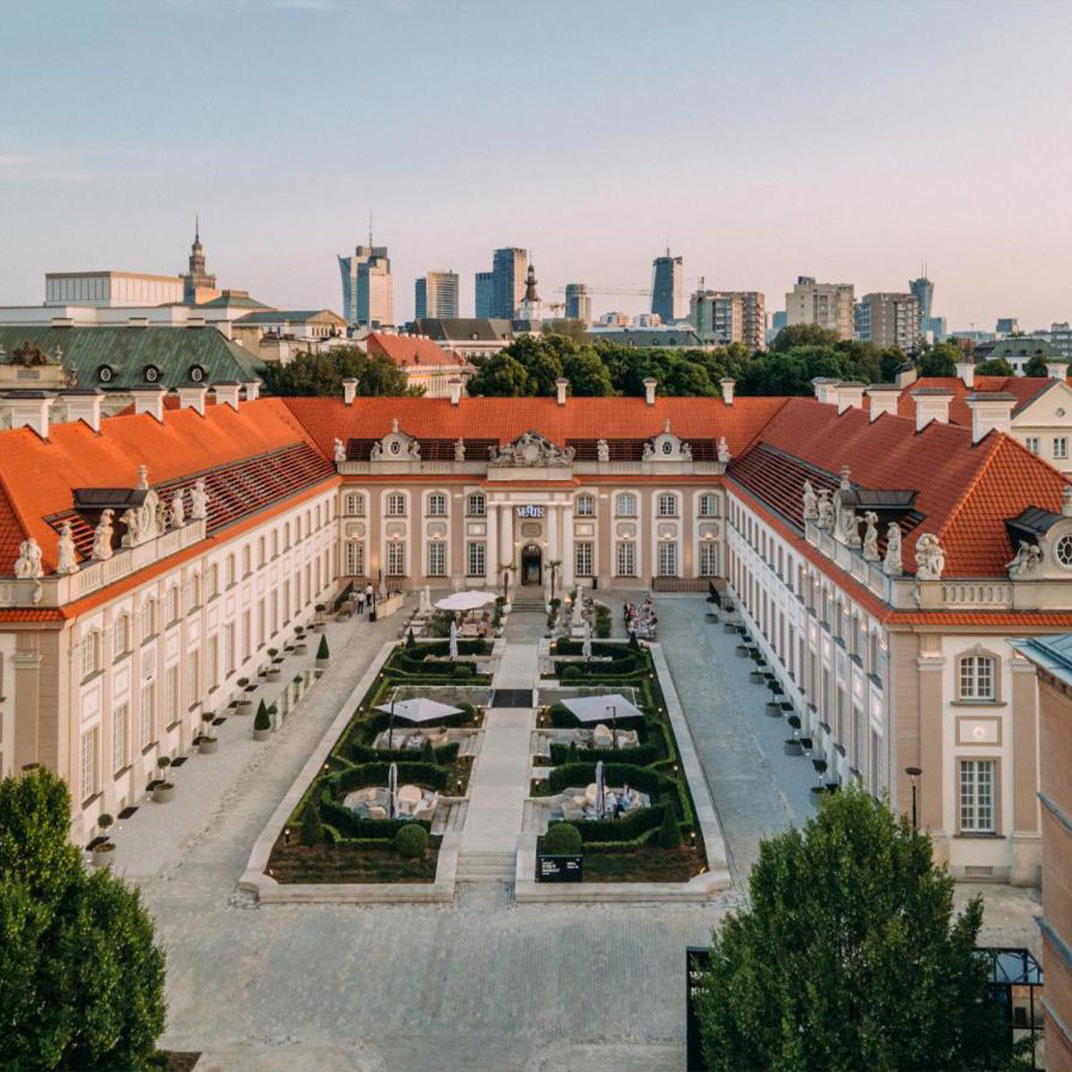
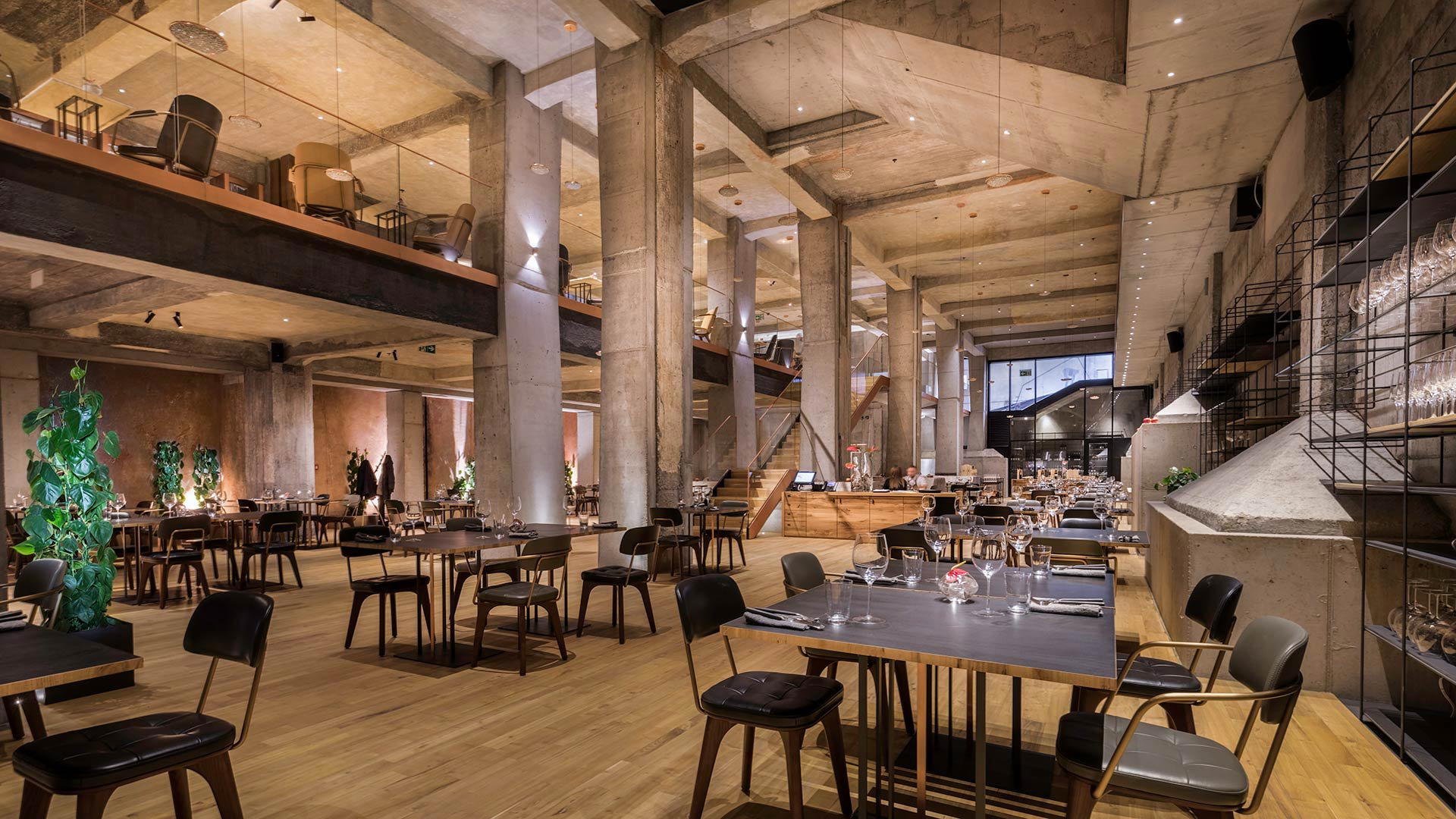
Elegant and refined with crisp white tablecloths, frescoes adorning the walls, and art pieces throughout; upstairs offers intimate ambiance while downstairs is more casual.